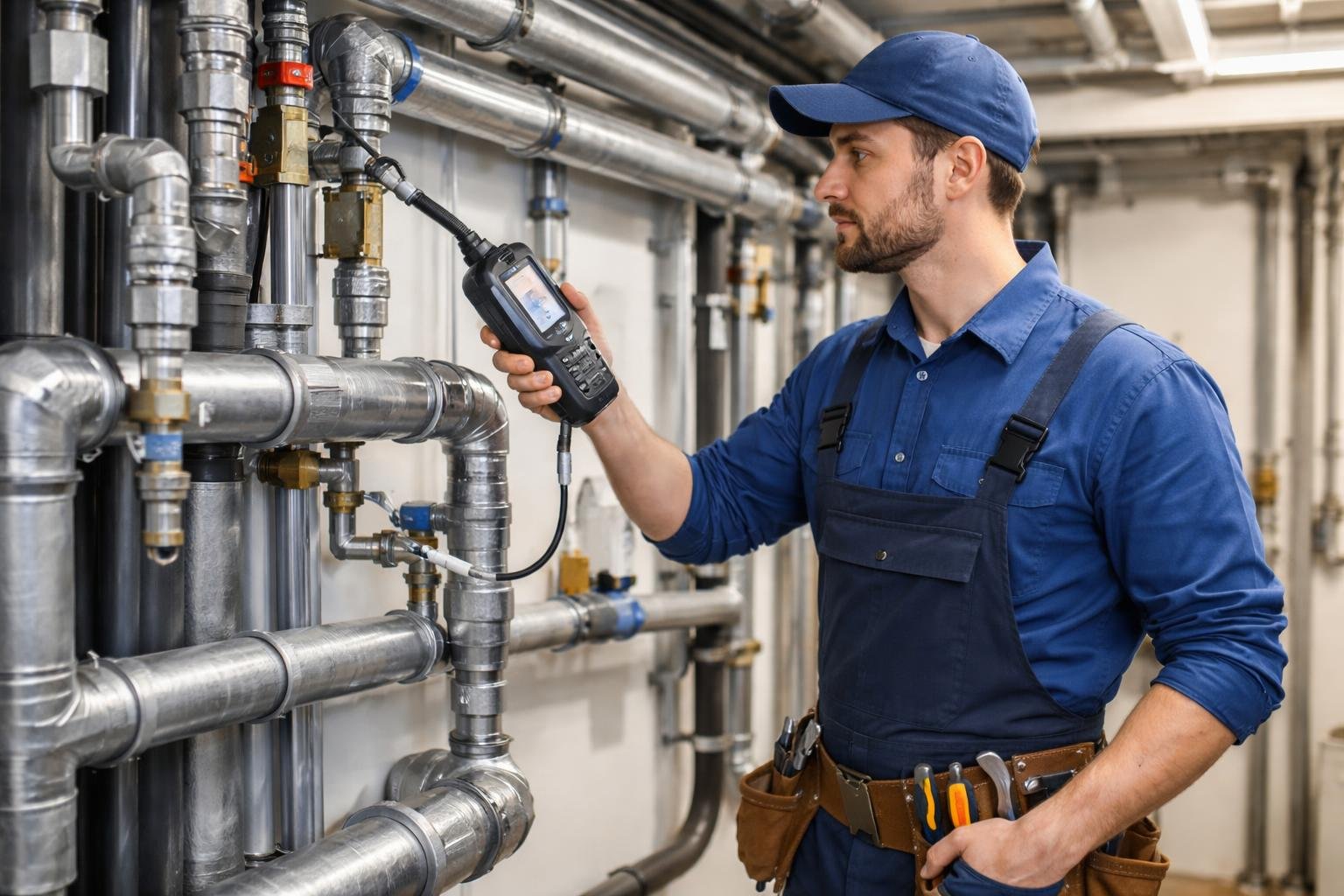
Plumbing Fleet Dashboards: Essential Tools for Managing Service Vehicles and Field Teams
How to start saving money
Lorem ipsum dolor sit amet, consectetur adipiscing elit lobortis arcu enim urna adipiscing praesent velit viverra sit semper lorem eu cursus vel hendrerit elementum morbi curabitur etiam nibh justo, lorem aliquet donec sed sit mi dignissim at ante massa mattis.
- Neque sodales ut etiam sit amet nisl purus non tellus orci ac auctor
- Adipiscing elit ut aliquam purus sit amet viverra suspendisse potent
- Mauris commodo quis imperdiet massa tincidunt nunc pulvinar
- Excepteur sint occaecat cupidatat non proident sunt in culpa qui officia
Why it is important to start saving
Vitae congue eu consequat ac felis placerat vestibulum lectus mauris ultrices cursus sit amet dictum sit amet justo donec enim diam porttitor lacus luctus accumsan tortor posuere praesent tristique magna sit amet purus gravida quis blandit turpis.

How much money should I save?
At risus viverra adipiscing at in tellus integer feugiat nisl pretium fusce id velit ut tortor sagittis orci a scelerisque purus semper eget at lectus urna duis convallis. porta nibh venenatis cras sed felis eget neque laoreet suspendisse interdum consectetur libero id faucibus nisl donec pretium vulputate sapien nec sagittis aliquam nunc lobortis mattis aliquam faucibus purus in.
- Neque sodales ut etiam sit amet nisl purus non tellus orci ac auctor
- Adipiscing elit ut aliquam purus sit amet viverra suspendisse potenti
- Mauris commodo quis imperdiet massa tincidunt nunc pulvinar
- Adipiscing elit ut aliquam purus sit amet viverra suspendisse potenti
What percentege of my income should go to savings?
Nisi quis eleifend quam adipiscing vitae aliquet bibendum enim facilisis gravida neque. Velit euismod in pellentesque massa placerat volutpat lacus laoreet non curabitur gravida odio aenean sed adipiscing diam donec adipiscing tristique risus. amet est placerat in egestas erat imperdiet sed euismod nisi.
“Nisi quis eleifend quam adipiscing vitae aliquet bibendum enim facilisis gravida neque velit euismod in pellentesque”
Do you have any comments? Share them with us on social media
Eget lorem dolor sed viverra ipsum nunc aliquet bibendum felis donec et odio pellentesque diam volutpat commodo sed egestas aliquam sem fringilla ut morbi tincidunt augue interdum velit euismod eu tincidunt tortor aliquam nulla facilisi aenean sed adipiscing diam donec adipiscing ut lectus arcu bibendum at varius vel pharetra nibh venenatis cras sed felis eget.
Managing a plumbing fleet means coordinating service vehicles, tracking technician locations, and monitoring equipment inventories. Business owners need centralized visibility to identify inefficiencies, control costs, and maintain service quality.
Fleet dashboards solve these problems by consolidating important operational data into easy-to-read visual displays.
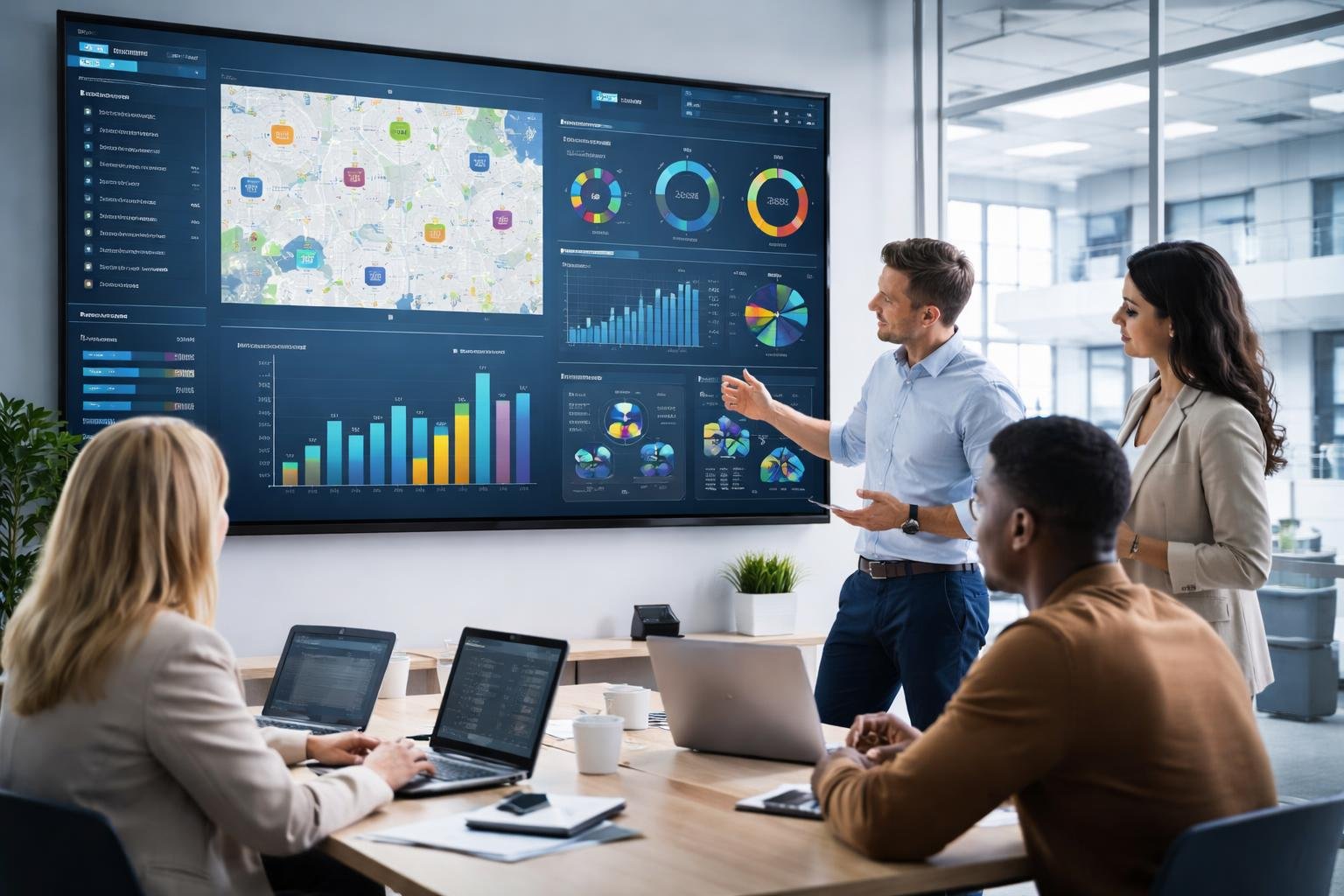
Plumbing fleet dashboards provide real-time insights into vehicle locations, job status, maintenance schedules, and operational costs through centralized digital interfaces. These tools turn raw fleet data into clear information that managers can use to optimize routes, reduce fuel costs, and improve response times.
A dashboard system connects different parts of fleet operations into one platform. It tracks preventive maintenance, technician productivity, and parts inventory, helping plumbing businesses work efficiently and stay accountable.
Understanding Plumbing Fleet Dashboards
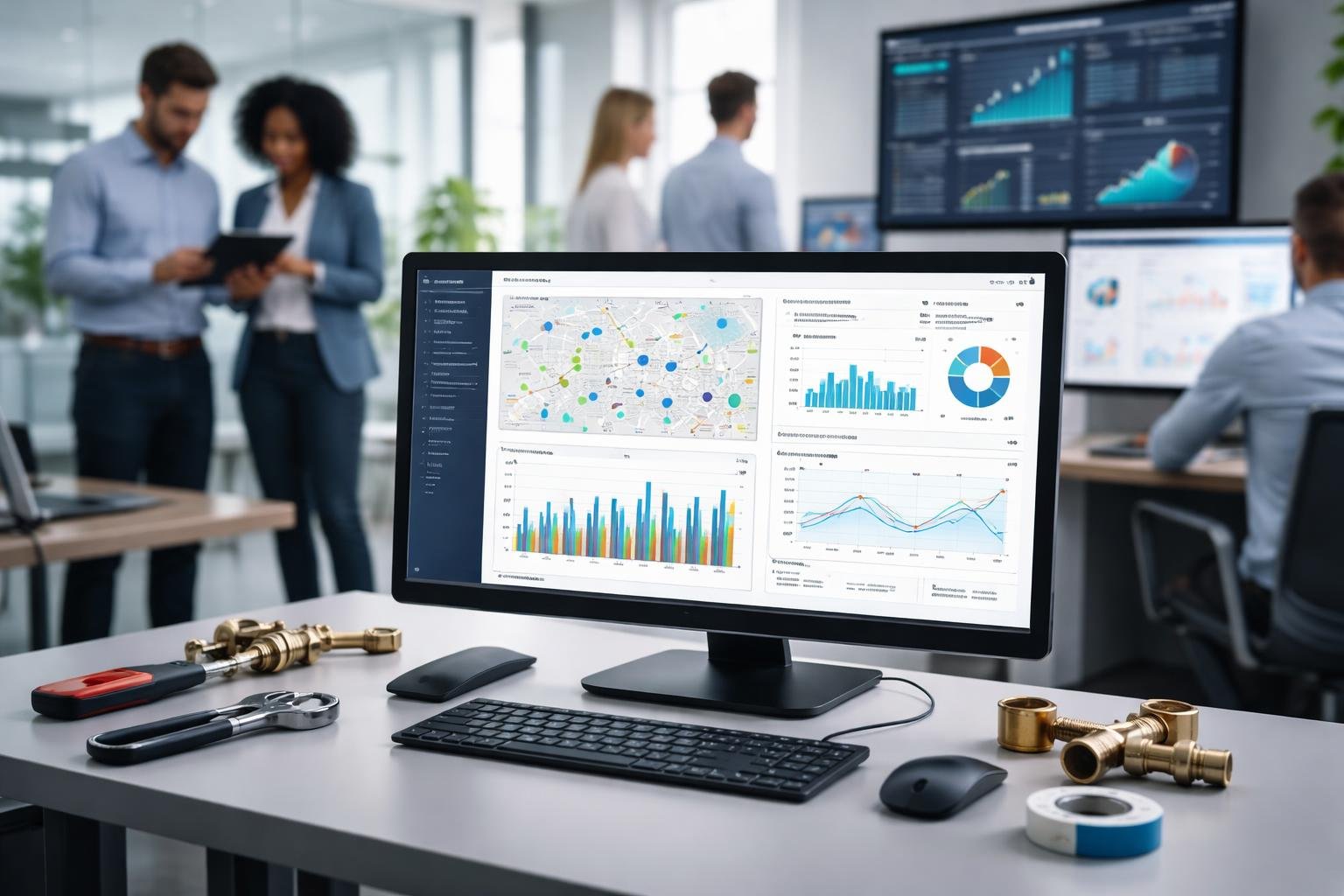
Plumbing fleet dashboards give a clear view of service vehicle operations, technician locations, and equipment status. They use real-time data displays.
These tools combine GPS tracking, maintenance alerts, and performance metrics. This helps plumbing businesses optimize their workforce and lower costs.
What Is a Plumbing Fleet Dashboard?
A plumbing fleet dashboard is a digital tool that brings together data from multiple vehicles and technicians. It shows vehicle locations, job status, and equipment conditions on one screen.
Fleet management dashboards collect information from GPS devices, telematics, and vehicle sensors. Managers can see their entire fleet live, without making calls or waiting for daily reports.
These dashboards work through web browsers or mobile apps. The interface uses widgets to display important metrics, such as truck locations, completed jobs, and upcoming maintenance.
Key Features of Plumbing Fleet Dashboards
Real-time dashboards offer several features for plumbing operations:
Vehicle Tracking and Location
- Live GPS location for all service trucks
- Geofencing alerts for entering or leaving set areas
- Route history and mileage tracking
- Proximity views to find the closest technician
Maintenance Management
- Automated service reminders by mileage or time
- Equipment inspection tracking
- Vehicle health monitoring with diagnostic codes
- Parts inventory tracking
Performance Metrics
- Fuel use per vehicle
- Idle time monitoring
- Driver behavior scores
- Job completion and response times
Dashboards also track inventory for tools and parts in service trucks. This prevents stockouts at appointments and reduces extra trips to the warehouse.
How Plumbing Fleets Differ from Other Industries
Plumbing fleets have unique needs that shape their dashboards. Emergency calls require dispatchers to find the nearest available technician quickly, making real-time location data essential.
Service trucks carry expensive tools like pipe cameras and hydro-jetting machines. Dashboards must track these assets separately from vehicles.
Many plumbers need inventory features for supplies like fittings and valves. Plumbing vehicles are often customized with tanks, toolboxes, and racks, so dashboards must track these as well as standard vehicle parts.
Core Functions of Plumbing Fleet Dashboards
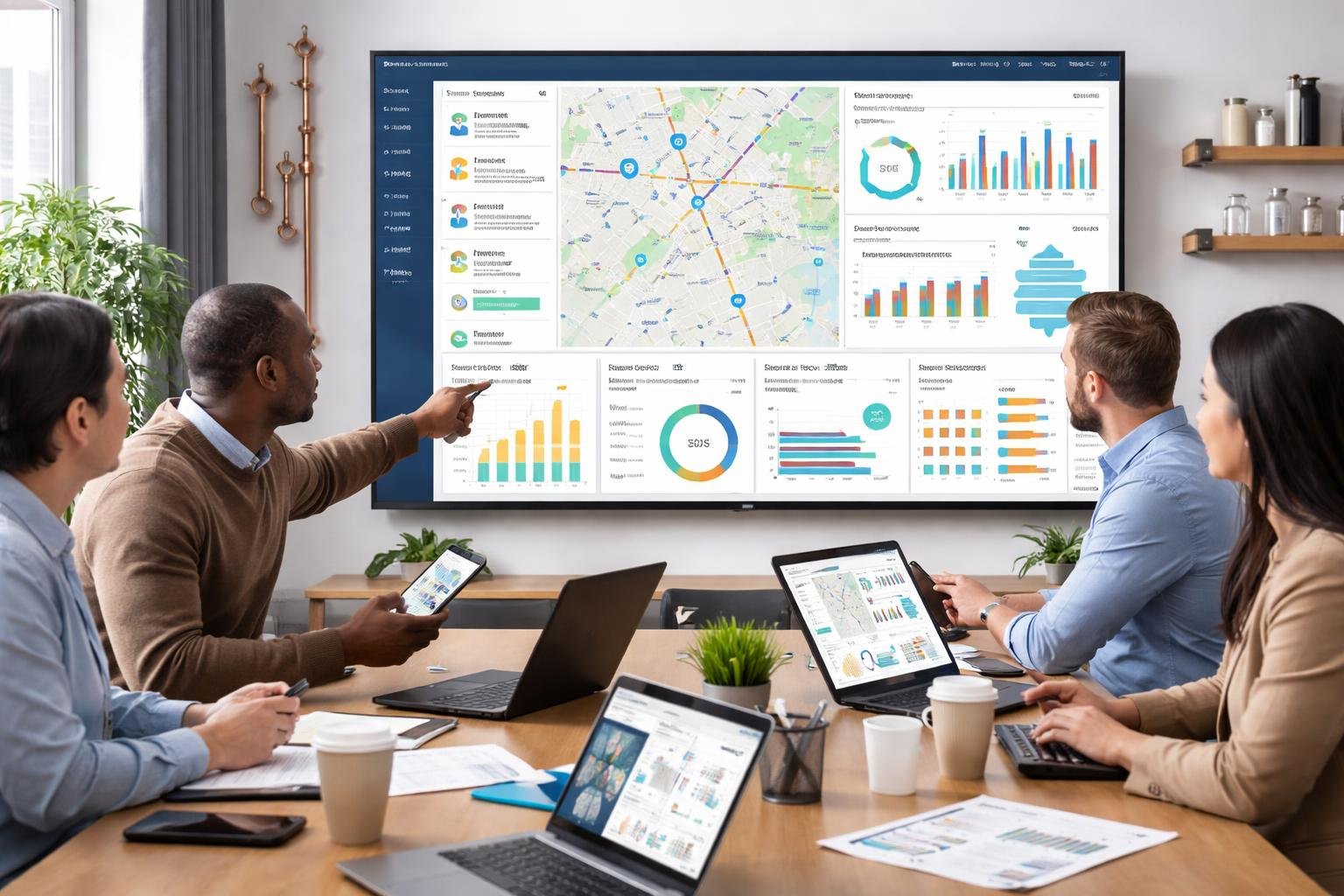
Plumbing fleet dashboards gather important operational data into one interface. Managers can monitor vehicle locations, schedule repairs, and track inventory.
These systems provide actionable insights that affect response times, maintenance costs, and resource use.
Real-Time Vehicle Tracking and Telematics
GPS tracking is the core of modern fleet dashboards. It shows exact vehicle positions on interactive maps.
Managers can see where each van is, monitor routes, and estimate arrival times. Real-time tracking removes guesswork when dispatching for emergencies.
Telematics data includes driving behaviors like harsh braking, rapid acceleration, and idling. This helps identify training needs and cut fuel use.
Vehicle tracking systems offer geofencing. Managers set virtual boundaries and get alerts when vehicles enter or leave certain areas.
This feature improves accountability and helps confirm technician arrivals.
Fleet Maintenance and Preventive Scheduling
Maintenance tools track service intervals by mileage, hours, or dates. The system sends alerts when vehicles need oil changes, tire rotations, or brake checks.
Preventive maintenance lowers the chance of breakdowns and missed appointments.
Maintenance records keep full service histories for each vehicle. Managers can review past repairs and plan replacements.
The dashboard shows upcoming tasks in a calendar, making it easy to schedule service during slow times.
Automated work orders make maintenance simpler. When a vehicle needs service, the dashboard can create work orders and assign them to technicians or facilities.
Inventory and Equipment Tracking
Parts tracking monitors supply levels across all vehicles. The dashboard shows which vans have certain parts, preventing duplicate inventory.
Technicians can update inventory levels from their mobile devices after using materials on jobs.
Equipment tracking covers specialized tools like drain cameras and hydro-jetters. Each tool gets a unique ID linked to maintenance and assignment records.
This prevents tools from being misplaced between jobs.
Inventory modules can send reorder alerts when parts run low. The dashboard can work with procurement systems to automate orders and keep stock at the right level.
Optimizing Plumbing Fleet Operations
Fleet dashboards help plumbing businesses improve daily operations. They use GPS and time data to reduce wasted miles and boost technician accountability.
Route Optimization and Service Territories
Route optimization uses GPS and service history to find the best paths between jobs. Dashboards show real-time traffic, technician locations, and job priorities.
Service territories are mapped and analyzed using dashboard visuals. Companies can see which areas generate the most service requests and adjust assignments as needed.
Heat maps show where service calls are concentrated, helping companies position crews better.
Fast response times depend on cutting travel between jobs. Dashboards calculate average drive times and find bottlenecks.
This data helps managers adjust territory boundaries or schedule jobs during slow periods.
Time Tracking and Technician Productivity
Time tracking dashboards record when technicians arrive, start, and finish jobs. This data shows how long different repairs take.
Productivity metrics include jobs completed per day, billable hours, and time spent driving versus working. Dashboards compare each technician's performance to team averages.
Managers can spot technicians who finish jobs quickly or need more training. Alerts notify supervisors if a technician stays at a location longer than expected, so they can help in real time.
Performance Monitoring and Reporting
Plumbing fleet dashboards turn operational data into useful insights with monitoring tools and analytics. They track important performance indicators and provide detailed reports on driver behavior and fleet efficiency.
Fleet Performance Metrics and KPIs
Fleet dashboards bring together key metrics that affect a plumbing business's success. Important performance indicators include fuel use, maintenance costs, service completion times, and fleet utilization.
Essential KPIs for plumbing fleets:
- Cost metrics: Fuel expenses, maintenance spending, cost per mile
- Efficiency indicators: Response times, jobs per day, route savings
- Safety measures: Incident rates, inspection compliance, maintenance adherence
Managers can set benchmarks and get alerts when performance drops. Dashboards show these KPIs live, so supervisors can spot trends and fix issues early.
Driver Behavior and Utilization Analysis
Driver monitoring tracks habits that impact safety and fuel use. The system notes harsh braking, speeding, and idling to find training needs.
Utilization data shows how well the fleet serves business needs. Dashboards highlight which trucks spend more time on jobs versus driving.
This helps balance workloads and spot underused vehicles.
Driver scorecards rate technicians on safety, fuel use, maintenance, and punctuality.
Fleet Reporting and Analytics
Automated reporting creates daily, weekly, or monthly summaries. Reports cover fleet costs, driver performance, maintenance, and efficiency.
Analytics tools find patterns in historical data to help with planning. Managers can compare different time periods, check seasonal trends, and predict future maintenance.
Custom report templates let managers focus on the most important metrics.
Dashboards can export data for accounting, payroll, and leadership teams.
Cost Management and Efficiency
Fleet dashboards give plumbing businesses real-time financial visibility. Companies often see a 300-500% return on investment within 12-18 months by reducing repairs, cutting inventory costs, and using resources better.
Reducing Operating and Maintenance Costs
Plumbing fleet dashboards show operating costs for all vehicles in one place. Managers can spot expense trends and budget issues quickly.
The software tracks cost per mile, inventory, labor hours, and vendor spending.
Preventive maintenance alerts cut maintenance costs by catching problems early. The system tracks service intervals, warranty dates, and flags vehicles needing attention.
Dashboard analytics help lower inventory costs by 15-25% through better parts management. Managers can see which vehicles need frequent repairs and plan replacements.
The centralized view prevents duplicate orders and overstocking.
Key cost-tracking metrics include:
- Cost per vehicle per month
- Maintenance expense trends
- Parts inventory turnover
- Labor cost allocation
- Vendor price comparison
Improving Fuel Efficiency and Consumption
Fleet dashboards monitor fuel consumption patterns for each vehicle and driver. This reveals opportunities to save fuel and reduce costs.
The software tracks fuel purchases and calculates miles per gallon. It also identifies vehicles with declining fuel efficiency that may need maintenance.
Route optimization features in plumbing fleet dashboards help reduce unnecessary mileage and idle time. The system analyzes service call patterns and suggests efficient routes to minimize fuel waste.
Driver behavior monitoring through dashboard analytics identifies habits that increase fuel use, such as excessive idling or speeding. Managers receive alerts about wasteful practices and can provide targeted training.
Real-time GPS data combined with fuel transaction records helps detect fuel theft or unauthorized vehicle use.
Enhancing Communication and Service Quality
Plumbing fleet dashboards centralize customer interactions and service documentation. Technicians and office staff can instantly share important information.
This connectivity improves transparency and helps plumbing businesses deliver consistent, professional service.
Customer Communication Through Dashboards
Fleet dashboards give plumbing companies a central platform to manage all customer touchpoints. Technicians can access customer history, service notes, and property details before arriving on-site.
This eliminates redundant questions and shows professionalism. Real-time notifications keep customers updated during the service process.
The dashboard sends updates when a technician is dispatched, en route, or delayed by traffic. Customers receive accurate arrival windows instead of vague estimates.
Key communication features include:
- Automated service reminders for seasonal maintenance or follow-up appointments
- Two-way messaging between customers and technicians
- Digital invoicing and payment confirmation
The dashboard tracks all customer interactions in one place. Any team member can review communication history and give informed responses.
Service Reports and Real-Time Updates
Digital service reports created through fleet dashboards replace handwritten forms. Technicians complete reports on mobile devices right after finishing work.
They capture details about repairs, parts used, and system conditions while the information is still fresh. Photos and videos in service reports provide visual proof of problems and repairs.
These records protect plumbing companies from liability disputes. They also help technicians diagnose recurring issues on future visits.
Management teams monitor job progress through live dashboard updates. They track which technician completed each task, time spent on-site, and materials used.
This visibility helps supervisors identify bottlenecks, adjust workloads, and respond to urgent customer requests quickly.
Service reports automatically update customer accounts, building complete maintenance histories for future reference.
Integrating Fleet Management Software Solutions
Successful fleet dashboard use depends on choosing platforms that fit plumbing business needs. Seamless data exchange with existing business software is important.
Integration ensures fleet data becomes a useful asset for operations.
Leading Plumbing Fleet Dashboard Platforms
Several fleet management software platforms are designed for plumbing businesses. Fleetio offers asset tracking, maintenance automation, and inspection scheduling with customizable dashboards.
The platform tracks tools, parts inventory, and equipment diagnostics. It helps reduce downtime with predictive maintenance alerts.
GPS Trackit and Verizon Connect focus on real-time GPS fleet tracking and route optimization. These systems monitor vehicle locations, driver behavior, and fuel use while offering near real-time visibility.
ClearPathGPS and Azuga provide video-based fleet management and safety monitoring. Their dashboards show vehicle diagnostics, driver scorecards, and emergency response metrics.
Simply Fleet combines fuel management, maintenance schedules, and cost tracking into one dashboard. This helps plumbing contractors monitor fleet performance.
Most platforms offer mobile access for technicians and managers who need fleet data while in the field.
Connecting Dashboards with Other Business Systems
Fleet management systems need to work with existing business applications to provide the most value. Most plumbing contractors use CRM platforms, dispatching software, and payroll systems that rely on fleet data.
API connections allow dashboards to share vehicle location data with dispatch systems. This helps provide accurate arrival time estimates.
Work order management platforms can pull mileage and time-on-site metrics from fleet tracking systems. This data helps confirm that services are completed.
Compatibility between different software providers can be a challenge. Many plumbing fleet management solutions do not have built-in integrations with scheduling or invoicing systems.
Businesses should check if platforms offer open APIs, pre-built integrations, or work with middleware. Data synchronization frequency is also important.
Some integrations update data in real time. Others only update hourly or daily.