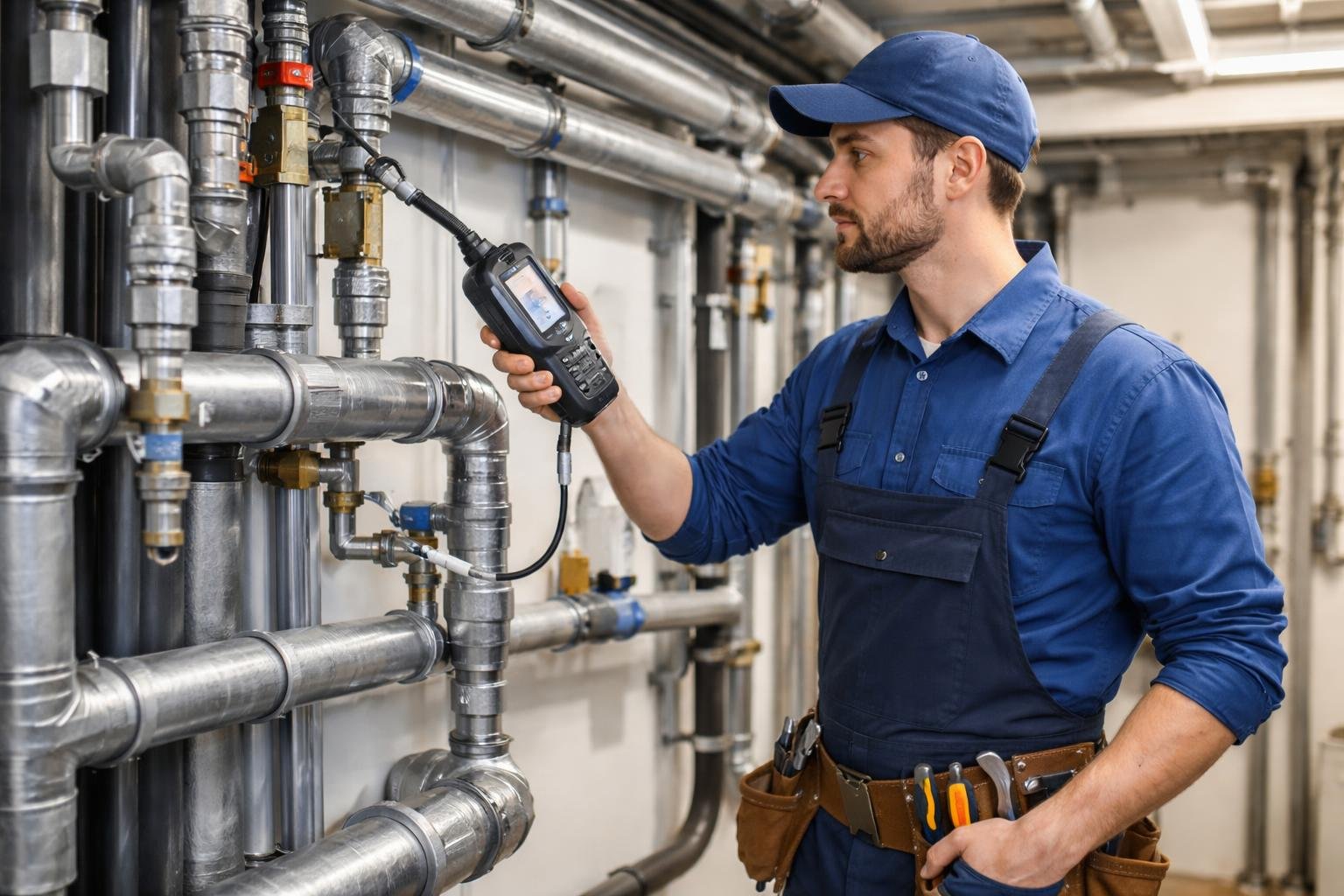
Telematics Route Optimization Guide: How to Reduce Fuel Costs and Improve Fleet Efficiency
How to start saving money
Lorem ipsum dolor sit amet, consectetur adipiscing elit lobortis arcu enim urna adipiscing praesent velit viverra sit semper lorem eu cursus vel hendrerit elementum morbi curabitur etiam nibh justo, lorem aliquet donec sed sit mi dignissim at ante massa mattis.
- Neque sodales ut etiam sit amet nisl purus non tellus orci ac auctor
- Adipiscing elit ut aliquam purus sit amet viverra suspendisse potent
- Mauris commodo quis imperdiet massa tincidunt nunc pulvinar
- Excepteur sint occaecat cupidatat non proident sunt in culpa qui officia
Why it is important to start saving
Vitae congue eu consequat ac felis placerat vestibulum lectus mauris ultrices cursus sit amet dictum sit amet justo donec enim diam porttitor lacus luctus accumsan tortor posuere praesent tristique magna sit amet purus gravida quis blandit turpis.

How much money should I save?
At risus viverra adipiscing at in tellus integer feugiat nisl pretium fusce id velit ut tortor sagittis orci a scelerisque purus semper eget at lectus urna duis convallis. porta nibh venenatis cras sed felis eget neque laoreet suspendisse interdum consectetur libero id faucibus nisl donec pretium vulputate sapien nec sagittis aliquam nunc lobortis mattis aliquam faucibus purus in.
- Neque sodales ut etiam sit amet nisl purus non tellus orci ac auctor
- Adipiscing elit ut aliquam purus sit amet viverra suspendisse potenti
- Mauris commodo quis imperdiet massa tincidunt nunc pulvinar
- Adipiscing elit ut aliquam purus sit amet viverra suspendisse potenti
What percentege of my income should go to savings?
Nisi quis eleifend quam adipiscing vitae aliquet bibendum enim facilisis gravida neque. Velit euismod in pellentesque massa placerat volutpat lacus laoreet non curabitur gravida odio aenean sed adipiscing diam donec adipiscing tristique risus. amet est placerat in egestas erat imperdiet sed euismod nisi.
“Nisi quis eleifend quam adipiscing vitae aliquet bibendum enim facilisis gravida neque velit euismod in pellentesque”
Do you have any comments? Share them with us on social media
Eget lorem dolor sed viverra ipsum nunc aliquet bibendum felis donec et odio pellentesque diam volutpat commodo sed egestas aliquam sem fringilla ut morbi tincidunt augue interdum velit euismod eu tincidunt tortor aliquam nulla facilisi aenean sed adipiscing diam donec adipiscing ut lectus arcu bibendum at varius vel pharetra nibh venenatis cras sed felis eget.
Fleet managers must reduce costs while improving delivery performance and service reliability. Traditional routing methods based on static planning cannot adapt to real-time conditions like traffic congestion, vehicle breakdowns, or last-minute schedule changes.
These limitations result in wasted fuel, missed delivery windows, and inefficient resource allocation.
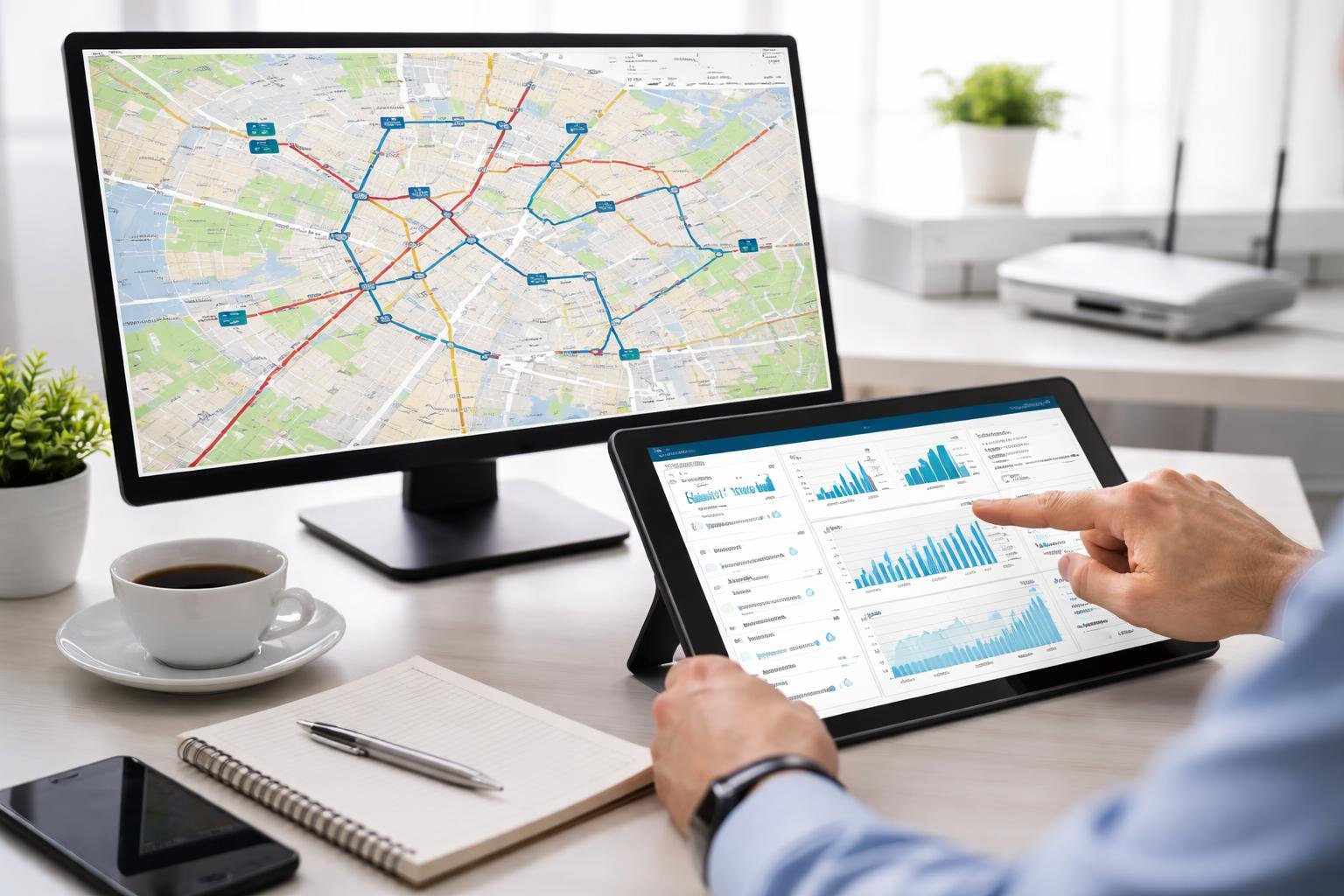
Telematics route optimization combines GPS tracking, vehicle sensors, and real-time data analytics to create adaptive routes that respond to changing conditions throughout the day. This technology enables fleet operators to move from reactive problem-solving to proactive route planning.
It accounts for traffic patterns, driver behavior, vehicle health, and customer requirements at the same time.
This guide explains how telematics systems collect and process fleet data. It explores how strategies transform raw information into optimized routes and what operational improvements result from proper implementation.
The guide also covers how these systems scale with growing fleets and align with sustainability requirements. The focus remains on measurable business outcomes like reduced fuel consumption and improved on-time delivery rates.
Understanding Telematics Route Optimization
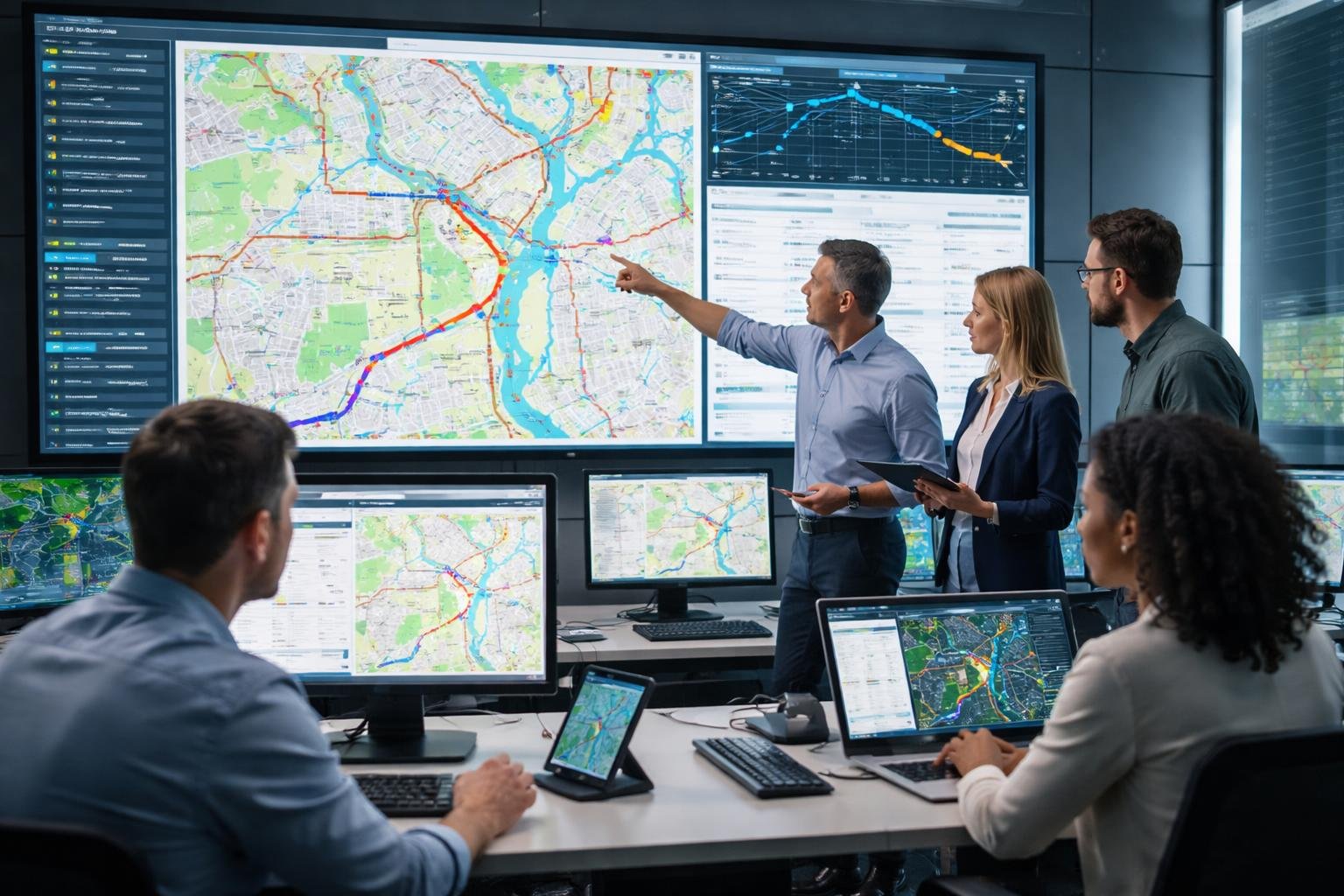
Telematics route optimization merges GPS technology, vehicle sensors, and intelligent algorithms. This approach calculates the most efficient paths for fleet vehicles.
Unlike traditional route planning, this method adapts to real-time conditions rather than following set routes.
What Is Telematics Route Optimization?
Telematics route optimization uses GPS tracking, telecommunications networks, and data analytics to find the best vehicle paths. The system combines real-time information from vehicle sensors with traffic and road data to generate dynamic routing recommendations.
Fleet managers receive continuous updates about vehicle locations, speeds, and performance. The technology analyzes distance, time, fuel use, and delivery windows to suggest better routes.
Telematics-based optimization typically reduces fuel consumption by 15-25% compared to manual planning.
Connected devices in vehicles transmit data to central management platforms. These platforms process the information and send updated routing instructions to drivers when conditions change.
Key Differences Between Route Planning and Route Optimization
Route planning creates routes using static information like addresses and standard travel times. Route optimization refines these routes using live data and predictive algorithms.
Traditional planning happens before vehicles depart and rarely changes during the trip. Optimization systems monitor conditions throughout the journey and recalculate routes when incidents or delays occur.
Route planning focuses on basic factors like shortest distance or fewest stops. Route optimization considers many variables, including driver hours, vehicle capacity, customer time windows, and real-time traffic.
This analysis creates routes that balance efficiency goals instead of optimizing for just one factor.
Core Components: GPS, Telematics, and Algorithms
GPS tracking provides accurate vehicle location data, usually updating every few seconds. This technology is essential for monitoring fleet movements and comparing actual performance to planned routes.
Telematics systems collect more than location. They gather engine diagnostics, fuel use, idle time, and speed.
These systems use telecommunications networks to send information between vehicles and management platforms. The combination of GPS and telematics gives a complete view of fleet operations.
Algorithms analyze incoming data to generate routing recommendations. These models use historical patterns, current conditions, and predictions to find the best paths.
AI-powered algorithms can evaluate thousands of possible route combinations in seconds. They consider constraints like vehicle capacity, driver schedules, and customer needs.
Telematics Technology and Systems
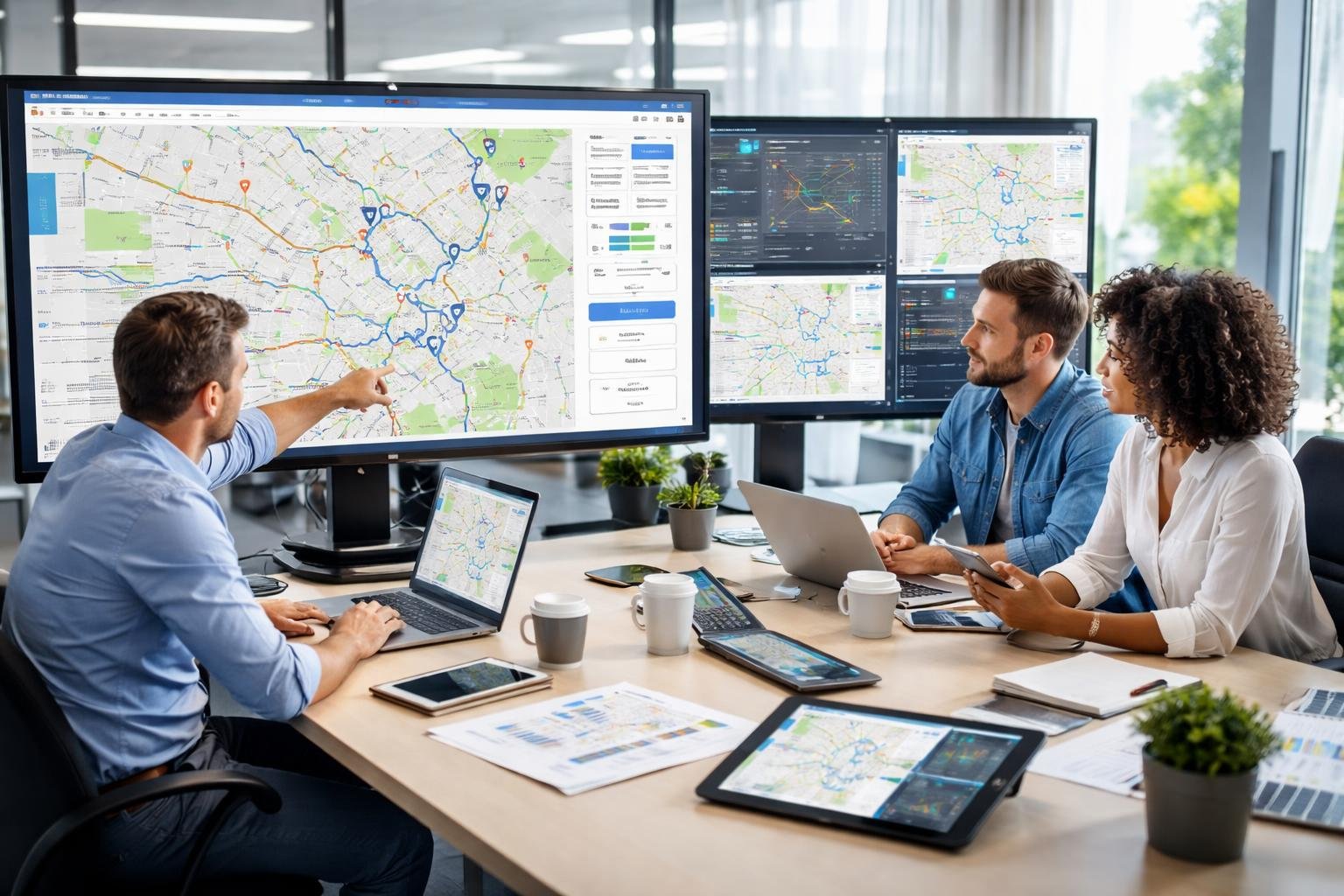
Telematics systems integrate GPS tracking, onboard diagnostics, and wireless communication. These platforms combine hardware in vehicles with cloud-based software that processes telemetry for route optimization.
How Telematics Systems Work
A telematics system has three main parts: onboard devices, data transmission networks, and cloud-based analytics platforms.
The onboard device connects to a vehicle's OBD-II port or CAN bus. It collects data like location, speed, fuel use, engine diagnostics, and driver behavior.
This data is sent through cellular or satellite networks to central servers. The cloud processes incoming information and uses algorithms to generate insights.
Fleet managers access this data through web dashboards or mobile apps.
The system works continuously while vehicles are running. GPS satellites provide location accuracy within 3-5 meters under normal conditions.
Modern telematics devices can capture data every few seconds, allowing precise tracking of movements and performance.
Role of Vehicle Telemetry in Fleets
Vehicle telemetry supplies the data needed for route optimization. Fleet managers use this data stream to monitor asset use and spot inefficiencies.
Telemetry tracks idle time, harsh braking, acceleration, and maintenance alerts. This information shows which routes use too much fuel or cause vehicle wear.
Platforms like Geotab and Samsara process millions of telemetry data points daily. This helps set performance baselines and detect operational problems.
Telemetry also enables predictive maintenance. If data shows engine stress or component wear on certain routes, managers can change paths to reduce strain and prevent breakdowns.
Selecting Telematics Platforms
Fleet operators should choose telematics platforms based on integration, data accuracy, scalability, and industry features. The system must connect with existing route optimization software and dispatch tools.
Key selection criteria include:
- Real-time data refresh rates – Updates every 30-60 seconds
- API accessibility – Open interfaces for integrations
- Hardware reliability – Durable devices for tough environments
- Reporting flexibility – Custom dashboards and automated reports
- Compliance support – ELD, HOS, and IFTA tracking
Platforms like Samsara offer bundled solutions with cameras and safety features. Geotab focuses on open-platform flexibility.
Fleet size matters when choosing between enterprise solutions for large fleets and lightweight platforms for smaller operations. The platform should scale as the business grows.
Data Integration and Real-Time Analytics
Effective telematics route optimization depends on seamless data integration and real-time processing. Fleet operators need strong data infrastructure to collect telematics data from many sources and apply analytics for routing decisions.
Security protocols must be maintained throughout the process.
Collecting and Integrating Telematics Data
Data integration starts with connecting different systems that generate telematics data. GPS, vehicle diagnostics, fuel use, driver behavior, and external feeds like traffic must flow into a central platform.
Modern telematics systems use IoT-enabled sensors to capture vehicle position, speed, engine performance, and maintenance alerts. These data streams come from onboard devices, mobile apps, and third-party APIs.
The integration layer standardizes formats and timestamps to create a unified data set.
Fleet managers need infrastructure that handles frequent updates without delays. A typical vehicle generates thousands of data points daily.
Integration platforms must process this data while keeping it accurate and consistent.
Key integration components:
- GPS tracking modules for location data
- Vehicle diagnostics for engine and performance metrics
- Weather and traffic APIs for external conditions
- Driver mobile apps for delivery confirmations and updates
Real-Time Data and Predictive Analytics
Real-time analytics turn incoming telematics data into immediate routing changes. Systems monitor conditions and compare them with historical patterns to find the best route adjustments.
When traffic congestion appears, analytics engines calculate alternate paths and send updates to drivers quickly. Weather, road closures, and delivery windows are also included in ongoing optimization.
Predictive analytics look ahead using historical data. Machine learning models predict traffic, delivery times, and maintenance needs.
These predictions support proactive route planning that anticipates disruptions.
Combining real-time and predictive analytics produces real improvements. Fleets using analytics-driven route optimization report fuel cost reductions of 15-25% and better on-time delivery.
Ensuring Data Security and Data Governance
Data security protects telematics data from unauthorized access and cyber threats. Fleet operations generate sensitive information like location histories and delivery addresses, which must be encrypted in transit and at rest.
Security protocols must protect vehicle hardware, transmission networks, cloud storage, and user interfaces. Authentication, permissions, and audit logs are essential defense layers.
Data governance sets rules for collecting, storing, and using telematics data. Policies cover retention periods, access rights, and privacy compliance.
Organizations must document data sources and be transparent about what information is collected.
Essential security measures:
- End-to-end encryption for GPS data
- Multi-factor authentication for access
- Regular security audits and testing
- Compliance with GDPR, CCPA, and industry regulations
- Automated backups and disaster recovery
Data governance also ensures data quality. Inaccurate telematics data leads to poor routing decisions.
Validation rules and monitoring keep analytics running on reliable information.
Route Optimization Strategies and Techniques
Modern route optimization uses real-time data, intelligent algorithms, and proactive planning to minimize costs and boost delivery performance.
These strategies turn static routing into adaptive systems that adjust to changing conditions throughout the day.
Dynamic Routing and Route Adjustment
Dynamic routing allows fleets to change delivery sequences and paths while drivers are on the road. Route optimization software monitors vehicle locations and adjusts assignments based on new orders, cancellations, or delays.
Real-time traffic data helps routing systems spot congestion, accidents, and construction zones early. When slowdowns occur, the software recalculates paths to avoid trouble spots.
Route adjustment lets dispatchers reassign stops between drivers if one falls behind or another finishes early. This flexibility helps maintain on-time delivery during unpredictable situations.
Last-mile delivery operations benefit from dynamic routing because customer availability and delivery windows often change with little notice. The system can resequence stops within seconds instead of requiring manual replanning.
Leveraging AI and Machine Learning Algorithms
AI route optimization analyzes delivery data to find patterns in traffic, delivery times, and customer behavior. Machine learning algorithms improve accuracy by learning which factors affect route performance most.
These systems predict stop durations based on location type, package quantity, and time of day. As more routes are completed, the predictions become more accurate.
Advanced routing software uses AI to balance priorities like minimizing distance, meeting time windows, and spreading work evenly across drivers. The algorithms process thousands of constraint combinations that would be impossible to handle manually.
Platforms like Route4Me use machine learning to recommend optimal departure times. They also suggest which customers to visit first, based on past acceptance patterns.
Managing Road Closures and Weather Alerts
Route optimization systems use road closure data from municipal sources and traffic agencies to avoid blocked streets. This prevents drivers from encountering impassable roads and needing manual rerouting.
Weather forecasts are integrated into planning systems to anticipate hazardous conditions. Routes can be adjusted in advance if ice, flooding, or storms are predicted.
Weather alerts trigger automatic notifications to dispatchers when conditions worsen along planned routes. The software identifies affected deliveries and suggests alternative schedules or paths.
Some telematics platforms provide severity ratings for weather events. Managers can then prioritize critical deliveries and postpone less urgent stops until conditions improve.
Maximizing Fleet and Operational Efficiency
Fleet route optimization with telematics improves fuel management, resource deployment, and driver operations. These improvements enhance service quality and safety while saving costs.
Reducing Fuel Consumption and Idle Time
Telematics systems track fuel consumption in real-time, spotting inefficiencies that increase costs. They monitor idle time at each stop and alert managers when vehicles idle too long.
Fleet managers can cut fuel costs by 15-25% through optimized routing that reduces unnecessary mileage and stops. Route optimization algorithms find the shortest and most fuel-efficient paths using current traffic, road types, and vehicle specs.
The system considers elevation changes, traffic signals, and turn restrictions. Real-time GPS data lets dispatchers reroute vehicles away from congestion, reducing fuel waste from idling.
Key fuel-saving metrics tracked include:
- Miles per gallon on different routes
- Idle time percentage per vehicle and driver
- Fuel consumption per delivery or service call
- Excessive acceleration and harsh braking events
Optimizing Resource Allocation and Delivery Windows
Telematics route optimization matches vehicle capacity with actual demand. The system reviews delivery windows, customer locations, and vehicle availability to create efficient schedules.
Dynamic route planning adjusts assignments based on new orders, cancellations, or traffic delays. Fleet managers can check if vehicles will meet delivery windows and reassign tasks before issues arise.
The system distributes workload evenly across vehicles and drivers. This avoids overtime for some while others sit idle, lowering labor costs and vehicle wear.
Improving Driver Performance and Safety
Telematics monitoring tracks driver behavior such as speeding, harsh braking, and rapid acceleration. Fleet managers use this data to identify training needs and recognize safe drivers.
Safety scores based on these metrics encourage better driving practices. Route optimization helps reduce driver fatigue by creating realistic schedules and avoiding unnecessary backtracking.
The system calculates accurate arrival times and alerts dispatchers to potential delays. Drivers get turn-by-turn navigation, reducing confusion and accidents from wrong turns.
Driver performance improvements include:
- 20-30% reduction in harsh braking incidents
- Fewer speeding violations and lower insurance costs
- Lower accident rates due to better route familiarity
- Improved driver retention from less stress and overtime
Fleet managers can set alerts for risky behaviors and coach drivers using specific incident data.
Enhancing Customer Satisfaction and Service Reliability
Telematics route optimization helps businesses provide accurate estimated arrival times and meet delivery schedules. Real-time tracking and smart routing allow operators to maintain service reliability and respond quickly to delays.
Achieving On-Time Deliveries and Accurate ETAs
Telematics systems use GPS and traffic analytics to generate precise estimated arrival times. Fleet managers can share these accurate ETAs with customers, reducing uncertainty.
Route optimization algorithms consider traffic, weather, and vehicle performance. The technology updates routes in real-time, helping drivers avoid congestion and delays.
Customers receive automatic notifications about their delivery status, including updated ETAs. This reduces service calls and complaints and improves satisfaction.
Improving Delivery Speed and Meeting Deadlines
Route optimization software finds the most efficient paths between stops, reducing travel time and increasing deliveries per shift. Drivers spend less time searching for addresses, speeding up deliveries.
Telematics platforms help dispatchers prioritize urgent deliveries and adjust routes to meet deadlines. The system assigns deliveries based on driver proximity and current location.
Fleet operators can monitor progress and intervene if delays threaten deadlines. Real-time rerouting or reassignment prevents missed commitments and maintains service quality.
Scalability, Sustainability, and Future Trends
Modern fleet operations must balance growth with environmental responsibility. Telematics systems help expand operations, reduce carbon footprint, and use predictive analytics to anticipate challenges.
Scaling Route Optimization for Growing Fleets
Fleet expansion needs telematics infrastructure that adapts without losing performance. Cloud-based platforms let companies add vehicles easily, keeping routing efficient.
Scalability depends on:
- Data processing capacity for more vehicles
- Algorithm efficiency for large fleets
- Integration capabilities with existing systems
Modular telematics solutions help small fleets transition to larger operations. Operators can activate advanced features like multi-depot routing as business needs grow.
The cost structure often shifts from per-vehicle pricing to tiered enterprise models. This makes budgeting for expansion more predictable.
Sustainable Practices in Route Optimization
Route optimization lowers fuel use and emissions. Telematics systems calculate routes that minimize distance, avoid congestion, and consider each vehicle's fuel efficiency.
Electric and hybrid fleets need routing that includes charging stations and battery range limits. Modern platforms factor in charge point availability and estimated charge times.
Key sustainability metrics tracked include:
- Carbon emissions per mile or kilometer
- Fuel efficiency trends by route and driver
- Idle time reduction percentages
- Alternative fuel usage optimization
Fleet managers use data to find routes with high emissions and assign more efficient vehicles or adjust schedules. Some organizations cut their carbon footprint by 15-25% through route refinement.
The Future of Predictive and Data-Driven Decision-Making
Predictive analytics changes telematics from reactive monitoring to proactive fleet management. Systems use past data to forecast traffic, delivery times, and potential delays.
Predictive maintenance works with routing systems to prevent breakdowns during important deliveries. Telematics checks engine diagnostics, tire pressure, and component wear to schedule service when it is less busy.
This reduces unexpected downtime by up to 40% in well-managed fleets.
Artificial intelligence improves data-driven decisions by analyzing many variables at once. Machine learning finds patterns in driver behavior, seasonal demand, and geographic bottlenecks that people may not notice.
Real-time data from connected infrastructure allows for dynamic route changes. Urban fleets can get updates about traffic signals, parking spots, and loading zone access.
Integration with smart city systems improves routing efficiency. These gains are not possible for single fleet operators working alone.
The combination of 5G connectivity and edge computing will allow for instant routing decisions based on current conditions.