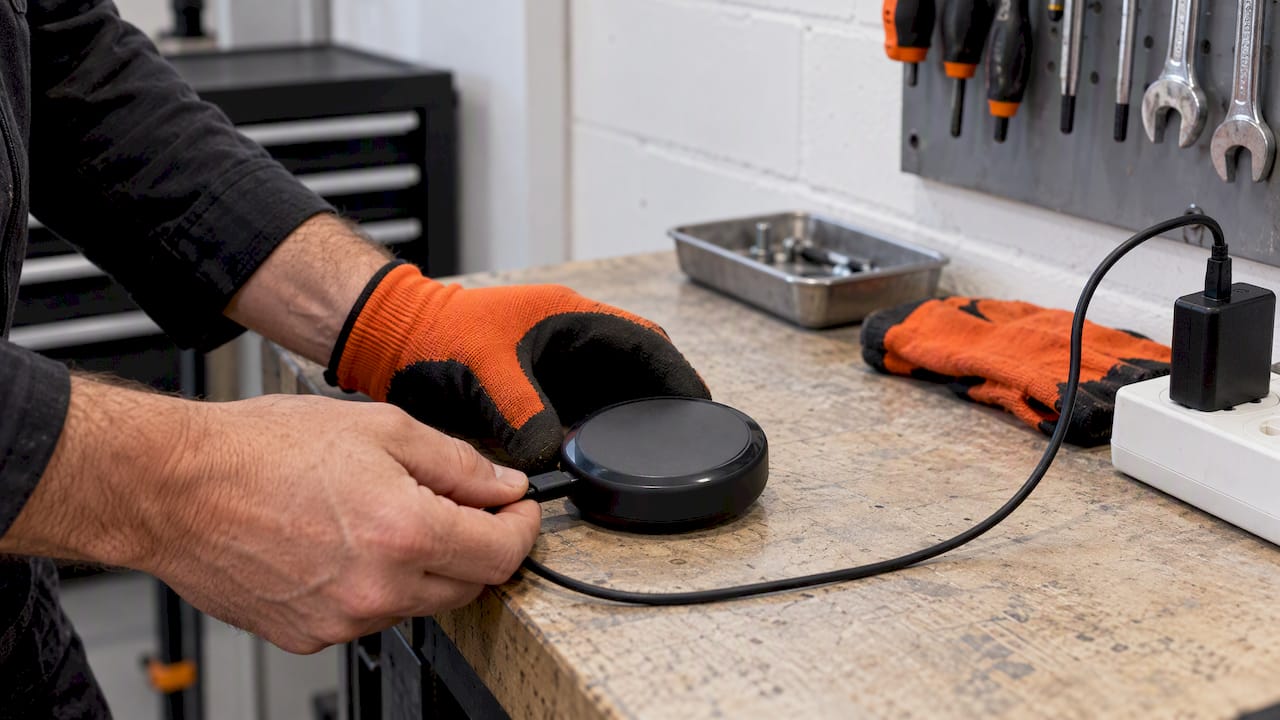
Telematics Fleet Management System For Efficient And Data-Driven Operations
How to start saving money
Lorem ipsum dolor sit amet, consectetur adipiscing elit lobortis arcu enim urna adipiscing praesent velit viverra sit semper lorem eu cursus vel hendrerit elementum morbi curabitur etiam nibh justo, lorem aliquet donec sed sit mi dignissim at ante massa mattis.
- Neque sodales ut etiam sit amet nisl purus non tellus orci ac auctor
- Adipiscing elit ut aliquam purus sit amet viverra suspendisse potent
- Mauris commodo quis imperdiet massa tincidunt nunc pulvinar
- Excepteur sint occaecat cupidatat non proident sunt in culpa qui officia
Why it is important to start saving
Vitae congue eu consequat ac felis placerat vestibulum lectus mauris ultrices cursus sit amet dictum sit amet justo donec enim diam porttitor lacus luctus accumsan tortor posuere praesent tristique magna sit amet purus gravida quis blandit turpis.

How much money should I save?
At risus viverra adipiscing at in tellus integer feugiat nisl pretium fusce id velit ut tortor sagittis orci a scelerisque purus semper eget at lectus urna duis convallis. porta nibh venenatis cras sed felis eget neque laoreet suspendisse interdum consectetur libero id faucibus nisl donec pretium vulputate sapien nec sagittis aliquam nunc lobortis mattis aliquam faucibus purus in.
- Neque sodales ut etiam sit amet nisl purus non tellus orci ac auctor
- Adipiscing elit ut aliquam purus sit amet viverra suspendisse potenti
- Mauris commodo quis imperdiet massa tincidunt nunc pulvinar
- Adipiscing elit ut aliquam purus sit amet viverra suspendisse potenti
What percentege of my income should go to savings?
Nisi quis eleifend quam adipiscing vitae aliquet bibendum enim facilisis gravida neque. Velit euismod in pellentesque massa placerat volutpat lacus laoreet non curabitur gravida odio aenean sed adipiscing diam donec adipiscing tristique risus. amet est placerat in egestas erat imperdiet sed euismod nisi.
“Nisi quis eleifend quam adipiscing vitae aliquet bibendum enim facilisis gravida neque velit euismod in pellentesque”
Do you have any comments? Share them with us on social media
Eget lorem dolor sed viverra ipsum nunc aliquet bibendum felis donec et odio pellentesque diam volutpat commodo sed egestas aliquam sem fringilla ut morbi tincidunt augue interdum velit euismod eu tincidunt tortor aliquam nulla facilisi aenean sed adipiscing diam donec adipiscing ut lectus arcu bibendum at varius vel pharetra nibh venenatis cras sed felis eget.
Telematics fleet management systems change how organizations operate their vehicles, equipment, and drivers. By combining telecommunications, GPS tracking, and data analytics, these systems provide real-time insight into location, performance, and maintenance needs.
A telematics fleet management system gives companies the information they need to run safer, more efficient, and more cost-effective operations.
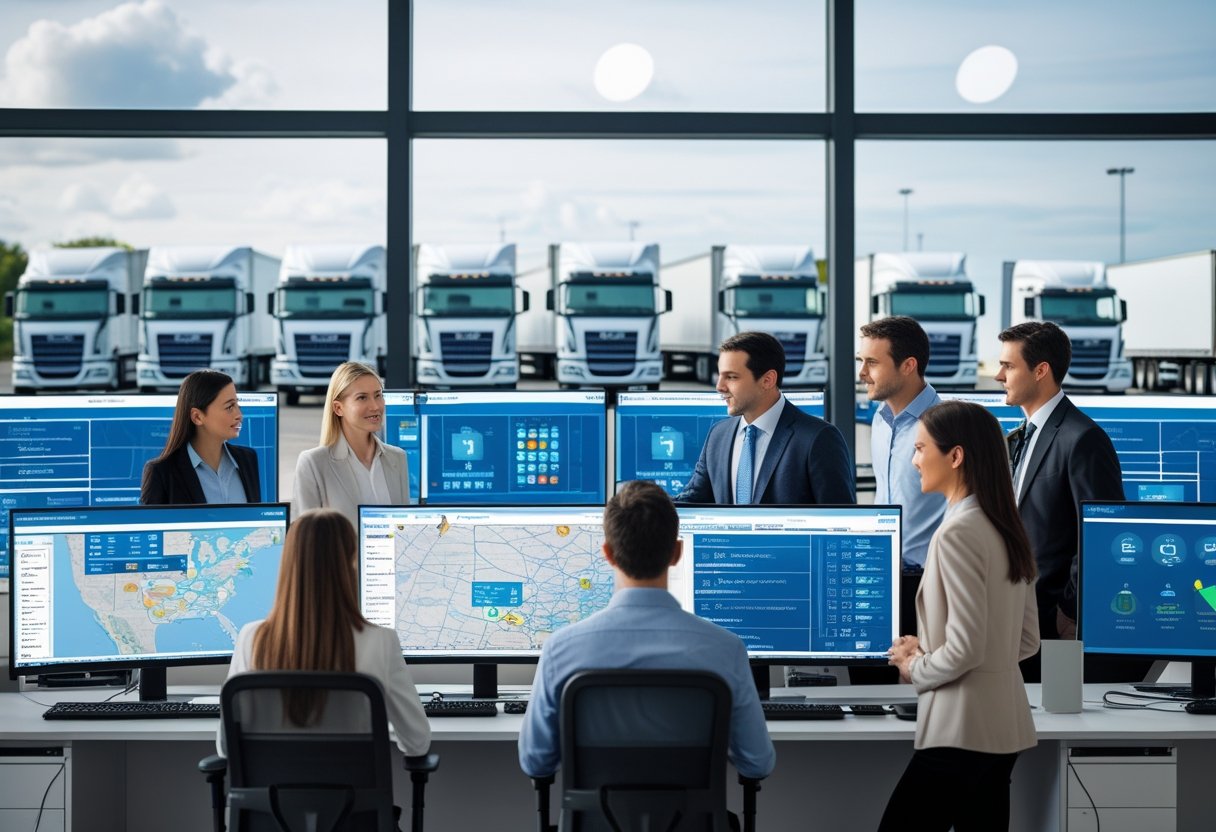
With connected sensors and automated reporting, managers can track vehicle health and monitor driver performance. The technology helps identify inefficiencies, schedule maintenance before problems arise, and support data-driven decisions that improve productivity.
As fleets grow and operations become more complex, telematics becomes essential. It supports smarter logistics and improved safety across all levels of fleet operations.
What Is a Telematics Fleet Management System?

A telematics fleet management system integrates communication networks, vehicle hardware, and software analytics to manage fleet operations. It connects every vehicle to a central platform that collects and analyzes real-time data about performance, location, and usage.
Key Components of Telematics Systems
A telematics fleet management system combines on-board hardware, communication technology, and data management software.
Each vehicle usually includes GPS receivers, engine sensors, and onboard diagnostics (OBD) devices that capture information about speed, fuel use, and mechanical health.
Collected data travels through cellular or satellite networks to a secure cloud platform. There, software analytics process and display information for fleet operators.
They can monitor route efficiency, detect maintenance needs, and analyze driver behavior with clear dashboards and reports.
Key components include:
ComponentFunctionGPS ReceiverTracks location and route dataOBD/Engine SensorsReports vehicle and engine performanceCommunication ModuleTransfers data between vehicle and serverCloud PlatformStores and analyzes data securelyUser InterfaceDisplays insights and alerts to managers
These parts create a connected system that supports operational insight and data-driven decisions.
How Telematics Differs from Basic Fleet Tracking
Telematics systems offer more than simple vehicle tracking by providing deeper operational data and predictive analytics. Traditional fleet tracking shows only location and movement, while telematics adds vehicle diagnostics, driver performance, and environmental data.
Fleet telematics solutions use GPS, IoT sensors, and automated reporting to manage maintenance, ensure compliance, and improve safety. The system connects real-time movement and internal vehicle metrics, offering more value than basic tracking tools.
A telematics fleet management system acts as a full analytics platform. It shows not just where vehicles are, but also why certain patterns occur, helping organizations optimize fuel use and reduce downtime.
Core Technologies and Hardware in Telematics
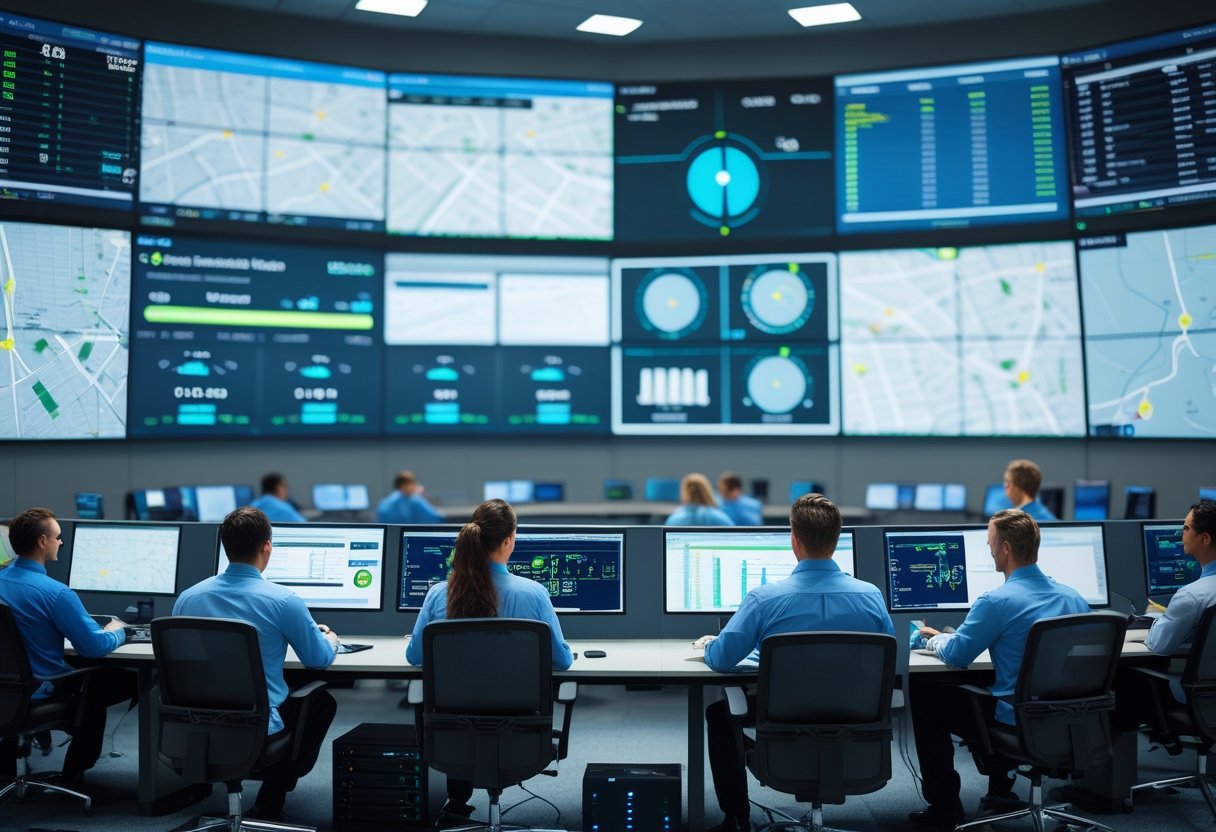
Telematics uses several technologies to capture, transmit, and analyze vehicle data. Systems rely on satellite-based location tracking, onboard sensors, and diagnostic interfaces to provide accurate insights and real-time fleet visibility.
GPS and Satellite Networks
Global Positioning System (GPS) and satellite networks are the foundation of vehicle tracking. A GPS receiver in each telematics unit communicates with satellites to calculate precise coordinates.
These signals enable real-time GPS tracking of vehicles. Operators can see movement patterns, route efficiency, and deviations.
Modern GPS fleet tracking systems use multiple satellite constellations, such as GPS, GLONASS, and Galileo, to improve accuracy and reduce blind spots. Data from these networks feeds directly into fleet management software.
Some networks use cellular or satellite communication links to relay information where coverage is limited. This ensures uninterrupted tracking in remote or rural areas.
The combination of GPS technology and strong satellite networks helps managers make better logistics and resource decisions.
Telematics Devices and Sensors
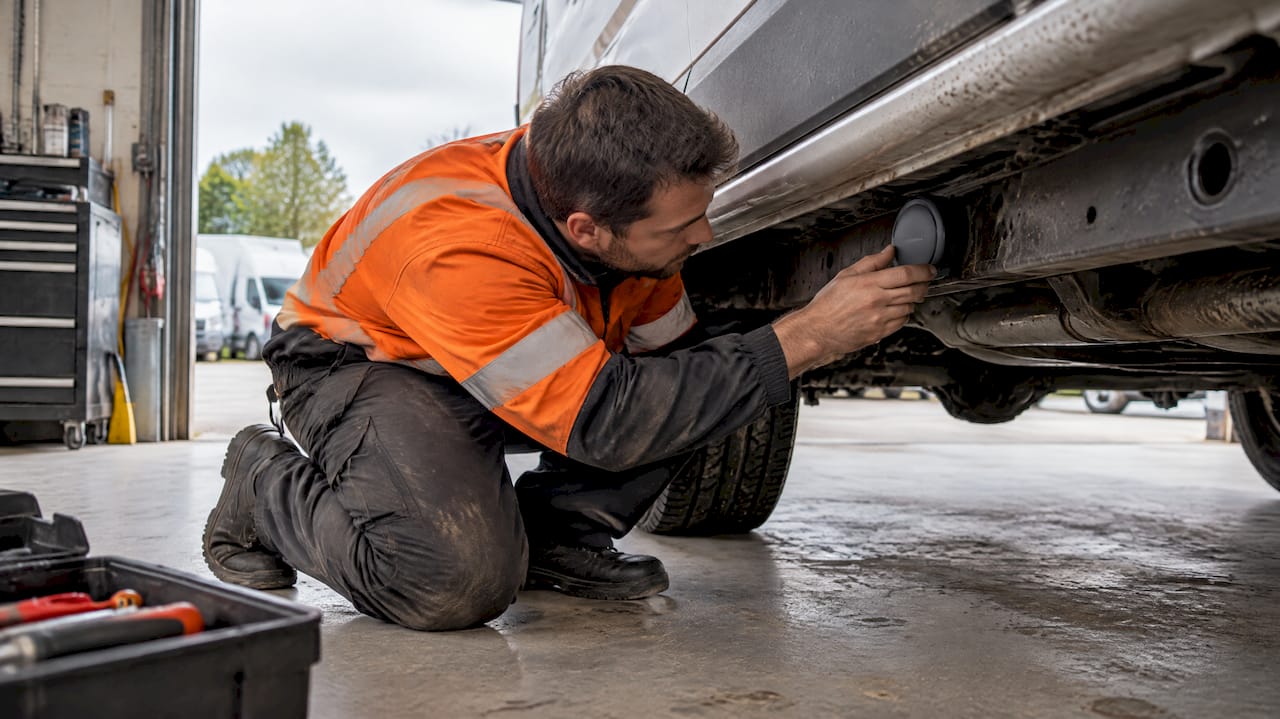
The telematics device, often called a black box, is the main hardware installed in each vehicle. It collects and sends key performance data from sensors and data ports.
Typical components include a SIM card for data transmission, a GPS tracker, and a modem supporting 4G or LTE connections. Various sensors measure speed, fuel use, and acceleration.
An accelerometer detects sudden braking or rapid movement, helping assess driver safety. Extra modules can monitor tire pressure, engine temperature, and other mechanical factors.
This sensor approach ensures the system tracks both vehicle location and operation. Well-calibrated sensors improve data reliability and reduce maintenance costs.
Onboard Diagnostics and Connectivity
Telematics hardware connects to a vehicle’s diagnostic system through interfaces like the OBD-II port or CAN-bus port. These connections let the system read engine codes, fuel efficiency, and mechanical health in real time.
Information from diagnostics provides early warnings for maintenance or part failures. Communication between telematics units and servers uses encrypted channels to keep data secure.
With features like Bluetooth and cellular links, data transmission stays consistent across large fleets. By combining diagnostics with remote access, telematics gives a complete view of vehicle condition and driver performance.
Key Software Features and Data Integration
A telematics fleet management system depends on software platforms that collect and process vehicle data in real time. It combines GPS tracking, diagnostics, communication tools, and analytics to improve visibility and safety across the fleet.
Fleet Management Software Platforms
Modern fleet management software integrates tracking, driver monitoring, and maintenance scheduling in one interface. Operators can view vehicle status, location, and fuel use through dashboards.
Key modules include asset management, route optimization, compliance logging, and automated alerts. These platforms process data from onboard sensors via cellular or satellite networks and turn it into actionable information.
Many telematics providers design software that fits different fleet sizes and industries.
Common features include:
- Real-time tracking: Vehicle position and speed
- Driver insights: Performance, idling, and braking
- Maintenance alerts: Notifications based on diagnostic codes
The platform’s effectiveness depends on accurate data and smooth communication between vehicles and the cloud.
Telematics Data Analytics and Reporting
Telematics software generates large amounts of operational data daily. This data is filtered and analyzed using data analytics, machine learning, or artificial intelligence tools.
Analysis supports benchmarking of fuel efficiency, driver performance, and asset use. Fleet operators use dashboards to view trends and spot issues early.
AI models can flag irregular engine patterns or unauthorized vehicle use. Reports may include metrics like average speed, idle time, and maintenance costs, helping compare performance across fleets or regions.
A structured approach helps organizations manage telematics data securely and comply with standards. Automated reporting reduces manual review and improves decision accuracy.
Integration with Other Business Systems
Effective telematics integration ensures fleet software connects with enterprise systems like ERP, HR, and maintenance tools. This removes duplicate data entry and enables unified workflows.
Through open APIs and cloud connectors, telematics solutions can share driver schedules, fuel purchases, and work orders across departments. Integration also simplifies cost tracking and inventory management.
Example integration benefits:
Connected SystemData SharedOperational BenefitERPFuel and trip expensesAccurate billing and cost controlHR & PayrollDriver hours and routesAutomated compensation recordsMaintenance SoftwareDiagnostic dataTimely service scheduling
These connections create a digital environment where each system supports better decisions and operational visibility.
Operational Benefits and Applications
A telematics fleet management system gives better control by integrating real-time tracking, analytics, and automation. It helps organizations manage vehicle performance, plan routes, and coordinate field operations to improve efficiency and lower costs.
Real-Time Vehicle and Asset Visibility
Telematics systems provide managers with live insight into vehicles, equipment, and driver activity. GPS and IoT sensors update a centralized dashboard within seconds.
This instant visibility lets teams respond quickly to delays, breakdowns, or route changes. Continuous monitoring increases accountability and asset utilization.
Operators can spot unauthorized use or idle time by reviewing location and engine data. Diagnostic information supports preventive maintenance by alerting managers to issues like low battery or excessive idling.
The system also improves operational transparency by linking driving behavior, such as harsh braking or speeding, with safety records. This helps management offer targeted training and reduce risk.
In regulated industries, automated reports simplify compliance and provide proof of activity.
Route Optimization and Dispatching
Using routing algorithms and traffic data, telematics software finds the most efficient paths for deliveries or service calls. This shortens travel time and stabilizes fuel consumption, lowering costs and supporting environmental goals.
Dispatchers can assign the nearest available vehicle to each task with real-time tracking and alerts. If a route deviation happens, the system recalculates and sends updates to both driver and dispatcher.
Some organizations use dashboards that display metrics such as:
MetricPurposeBenefitRoute DeviationMeasures route complianceReduces delaysFuel EfficiencyTracks energy use per tripLowers operating costOn-Time RateEvaluates delivery precisionImproves customer satisfaction
Accurate route planning and resource assignment help maintain consistent service quality, especially for large fleets.
Logistics and Field Service Applications
In logistics, telematics enables real-time shipment visibility. Companies can track cargo conditions and monitor delivery progress.
Integration with warehouse or transport management systems improves coordination. This helps synchronize loading, transport, and delivery activities.
Field service organizations—such as utilities, construction, and maintenance providers—use telematics for job scheduling and performance monitoring. Coordinators can see which technician or vehicle is nearest and redirect them as new requests come in.
Features like geofencing and electronic logging automatically record arrival and departure times. This reduces paperwork and speeds up billing and verification.
Telematics aligns live tracking data with operational workflows. This supports better fleet optimization and keeps data accurate across all moving assets.
Safety, Compliance, and Driver Management
Fleet telematics systems help enforce safety policies and maintain compliance with transport regulations. Managers can use these tools to measure and improve driver performance.
These systems use sensors, analytics, and automated workflows to reduce unsafe behavior. They also make recordkeeping easier and help prevent violations.
Driver Behavior Monitoring and Coaching
Telematics platforms track driver actions such as speeding, harsh braking, cornering, and rapid acceleration. Each action is scored to build a driver performance profile.
Managers review this data to spot patterns that may show poor habits or training needs. Drivers can improve through direct feedback and regular coaching sessions.
Many fleets use gamified leaderboards or incentive programs tied to safe-driving metrics. This encourages drivers to improve their performance.
Driver coaching often includes automatic in-cab alerts and post-trip reports. These reports explain what triggered each alert and help drivers understand their actions.
This feedback loop improves fleet safety and lowers collision rates. It also increases accountability across operations.
ELD and Regulatory Compliance
An Electronic Logging Device (ELD) records driving time and engine data automatically. This helps fleets comply with Hours of Service (HOS) rules.
Automation removes the need for manual logs and helps prevent false entries. Standardized reports make inspections faster and easier for enforcement officers.
Telematics systems connect ELD data with vehicle diagnostics and dispatch schedules. Compliance managers get a full view of how driving hours match with maintenance and scheduling.
Timely alerts warn drivers before they reach hour limits. Integrated systems also track duty status, ensuring accurate records of on-duty, off-duty, and rest periods.
Video Telematics and Dash Cams
Video telematics combines camera footage with sensor data for a full view of on-road events. Dash cams capture road and cabin views, helping safety teams understand the cause of incidents.
Footage linked to telematics events like speeding or hard braking supports investigations. It can help clear drivers of fault and provides material for targeted driver training.
Some systems analyze video in real time and trigger in-cab alerts for unsafe actions. This includes phone distraction or tailgating.
Combining visual evidence with telematics data improves accountability and strengthens driver behavior monitoring. It helps promote safer fleet operations.
Fleet Maintenance and Vehicle Health
Effective telematics fleet management relies on maintaining vehicle health. Tracking diagnostic data, engine performance, and usage trends helps lower maintenance costs and increase uptime.
Predictive and Preventative Maintenance
Telematics systems collect data on engine hours, mileage, sensor alerts, and system faults. This enables predictive maintenance by detecting potential issues early.
Predictive models analyze patterns like temperature changes, oil pressure, or unusual fuel use to trigger alerts. Maintenance can then be scheduled before breakdowns happen.
Preventative maintenance uses actual vehicle performance, not just time-based schedules. This reduces unnecessary servicing and avoids surprise repair costs.
Fleet managers can generate reports to see which assets need attention first. Metrics like part wear and usage intensity help set priorities.
Telematics allows companies to manage parts inventories more efficiently. Downtime from unplanned repairs is reduced, keeping vehicles available for service longer.
Vehicle Diagnostics and Uptime
Modern telematics platforms track diagnostics such as engine temperature, tire pressure, braking systems, and battery voltage. Real-time alerts help technicians respond before failures disrupt operations.
Diagnostics data gives managers up-to-date visibility into vehicle health. Some systems connect directly to engine control modules (ECMs) to pull error codes.
Technicians can diagnose issues remotely, reducing the need for physical inspections. This shortens repair times and keeps vehicles on the road.
Strong diagnostic oversight increases vehicle uptime. Vehicles spend more time performing their duties and less time waiting for repairs.
Maintenance Scheduling and Cost Reduction
Accurate telematics data supports automated maintenance scheduling based on real usage. Systems track engine hours, mileage, and operating conditions to set the best time for service.
Managers use dashboards to view upcoming maintenance, assign work, and confirm completion. This reduces missed inspections and helps meet safety standards.
A consistent schedule extends component life and avoids costly replacements. Fleets can also compare records to spot high-cost vehicles or repeated issues.
Data analytics reveal trends for smarter asset decisions, such as replacing vehicles with rising expenses. Early detection and planning lower maintenance costs and improve fleet efficiency.
Cost Management and Sustainability
Telematics uses real-time vehicle data to control expenses and reduce waste. It helps businesses track fuel use, find cost-reduction opportunities, and move toward more efficient and sustainable operations.
Fuel Consumption and Efficiency
Fuel is one of the largest costs in fleet management. Telematics platforms track fuel consumption by monitoring idling, speeding, and route efficiency.
Managers can use dashboards to see which drivers or vehicles use more fuel than expected. Reducing idling, improving driving habits, and refining routes all boost fuel efficiency.
Telematics systems can send alerts when fuel use exceeds set limits. This prompts quick action to correct problems.
Many systems also integrate with fuel card data for more accurate reporting. Linking driving data with pump transactions helps verify purchases and spot irregularities.
This insight supports strong fuel management and helps fleets meet IFTA reporting requirements.
Fuel Efficiency FactorsImpact on CostsIdling reductionLower fuel spendRoute optimizationFewer miles drivenSpeed controlConsistent consumption rates
Operational Cost Reduction
Fleet operators use telematics data to manage operational costs for maintenance, labor, and asset use. Real-time tracking shows vehicle condition, engine hours, and mileage.
Preventive maintenance reduces breakdowns and unplanned downtime. Telematics also improves driver performance management by sending alerts for harsh braking or rapid acceleration.
Quick feedback and training help minimize wear and tear and improve safety. Reports from telematics data provide financial metrics like cost per mile, helping managers reallocate resources.
Comparing service intervals between vehicles can reveal underperforming assets. Over time, these insights help control costs and improve fleet reliability.
Fleet Sustainability and Electrification
Sustainability is becoming more important for fleets. Telematics supports fleet sustainability by measuring emissions, monitoring eco-driving, and tracking fuel use.
Integration with environmental reporting tools helps document carbon reduction progress. For mixed fleets, telematics compares internal combustion data with electric vehicles (EVs) to show real-world differences in energy use and cost.
As fleets add EVs, telematics improves charging management and route planning based on battery range and charging station locations. This ensures vehicles stay productive and emissions are reduced.
Combined data from all vehicles gives a complete view of sustainability performance across the fleet.
Security, Asset Protection, and Future Trends
Modern telematics systems improve fleet operations with connected hardware, encrypted data, and centralized visibility. These technologies protect vehicles and assets and support growth as fleets use more digital tools.
Vehicle Security and Theft Prevention
Telematics now monitors vehicle security in real time. Providers like Geotab and Verizon Connect offer continuous tracking through cellular networks and GPS.
Instant alerts are sent when vehicles leave approved routes. Fleet managers can lock or immobilize assets remotely to stop theft or unauthorized use.
Integration with a vehicle gateway adds more protection. Data from ignition sensors, door status, and driver ID systems creates a layered defense.
Encrypted communications keep fleets in control, even in remote areas.
Key features include:
- Geofencing: Sets operating zones and triggers alerts if boundaries are crossed.
- Tamper detection: Notices hardware interference or tracking attempts.
- Incident logs: Records detailed activity for insurance and regulatory needs.
These features create a clear chain of custody for vehicles and cargo. They improve accountability and help meet safety and operations standards.
Emerging Technologies and Innovations
Fleet management solutions now use AI analytics, predictive maintenance, and 5G connectivity to improve decision-making and vehicle protection. AI-driven platforms analyze driving patterns to spot unusual behavior that could signal security risks or unsafe driving.
Edge computing and faster networks reduce delays between data collection and response. This lets fleets react quickly to potential threats or system alerts.
Advanced authentication systems in vehicle gateways will soon allow secure over-the-air updates. This helps limit risks from outdated software.
New telematics integrations also focus on sustainability and efficiency. By combining diagnostics, route data, and fuel analysis, commercial fleets can improve operations while maintaining security.
Ongoing innovation is leading to more autonomous monitoring tools. Adaptive risk models can change protection measures based on location, cargo type, or driver profile.