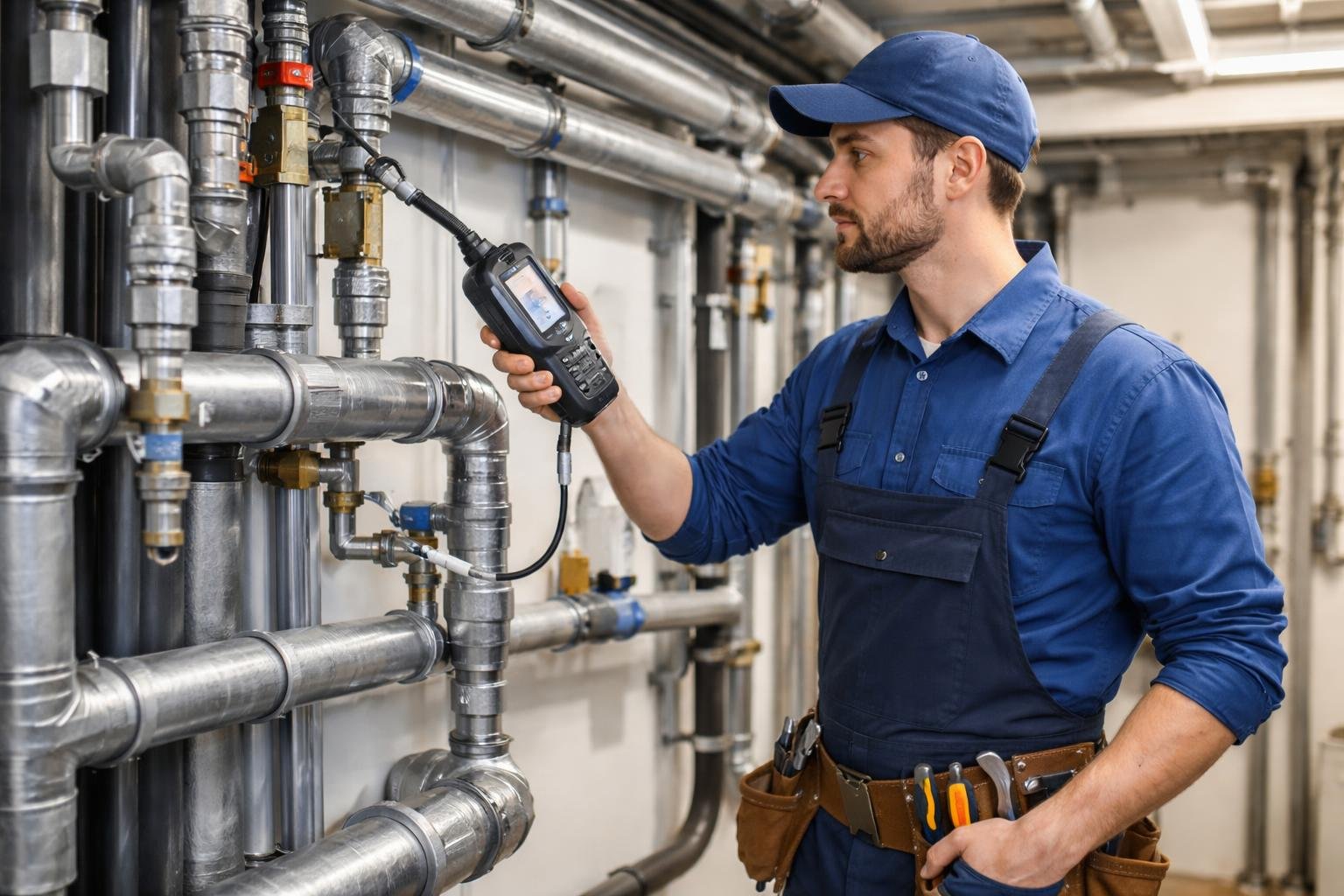
HVAC Service Vehicle Tracking: A Complete Guide to Fleet Management Solutions
How to start saving money
Lorem ipsum dolor sit amet, consectetur adipiscing elit lobortis arcu enim urna adipiscing praesent velit viverra sit semper lorem eu cursus vel hendrerit elementum morbi curabitur etiam nibh justo, lorem aliquet donec sed sit mi dignissim at ante massa mattis.
- Neque sodales ut etiam sit amet nisl purus non tellus orci ac auctor
- Adipiscing elit ut aliquam purus sit amet viverra suspendisse potent
- Mauris commodo quis imperdiet massa tincidunt nunc pulvinar
- Excepteur sint occaecat cupidatat non proident sunt in culpa qui officia
Why it is important to start saving
Vitae congue eu consequat ac felis placerat vestibulum lectus mauris ultrices cursus sit amet dictum sit amet justo donec enim diam porttitor lacus luctus accumsan tortor posuere praesent tristique magna sit amet purus gravida quis blandit turpis.

How much money should I save?
At risus viverra adipiscing at in tellus integer feugiat nisl pretium fusce id velit ut tortor sagittis orci a scelerisque purus semper eget at lectus urna duis convallis. porta nibh venenatis cras sed felis eget neque laoreet suspendisse interdum consectetur libero id faucibus nisl donec pretium vulputate sapien nec sagittis aliquam nunc lobortis mattis aliquam faucibus purus in.
- Neque sodales ut etiam sit amet nisl purus non tellus orci ac auctor
- Adipiscing elit ut aliquam purus sit amet viverra suspendisse potenti
- Mauris commodo quis imperdiet massa tincidunt nunc pulvinar
- Adipiscing elit ut aliquam purus sit amet viverra suspendisse potenti
What percentege of my income should go to savings?
Nisi quis eleifend quam adipiscing vitae aliquet bibendum enim facilisis gravida neque. Velit euismod in pellentesque massa placerat volutpat lacus laoreet non curabitur gravida odio aenean sed adipiscing diam donec adipiscing tristique risus. amet est placerat in egestas erat imperdiet sed euismod nisi.
“Nisi quis eleifend quam adipiscing vitae aliquet bibendum enim facilisis gravida neque velit euismod in pellentesque”
Do you have any comments? Share them with us on social media
Eget lorem dolor sed viverra ipsum nunc aliquet bibendum felis donec et odio pellentesque diam volutpat commodo sed egestas aliquam sem fringilla ut morbi tincidunt augue interdum velit euismod eu tincidunt tortor aliquam nulla facilisi aenean sed adipiscing diam donec adipiscing ut lectus arcu bibendum at varius vel pharetra nibh venenatis cras sed felis eget.
HVAC companies rely on their service vehicles to reach customers quickly and deliver heating and cooling solutions. When technicians are on the road, tracking their locations, routes, and vehicle status is essential for smooth operations.
GPS tracking systems help HVAC businesses monitor their fleet in real-time. These systems optimize dispatch decisions, reduce fuel costs, and improve customer service by providing accurate arrival estimates.
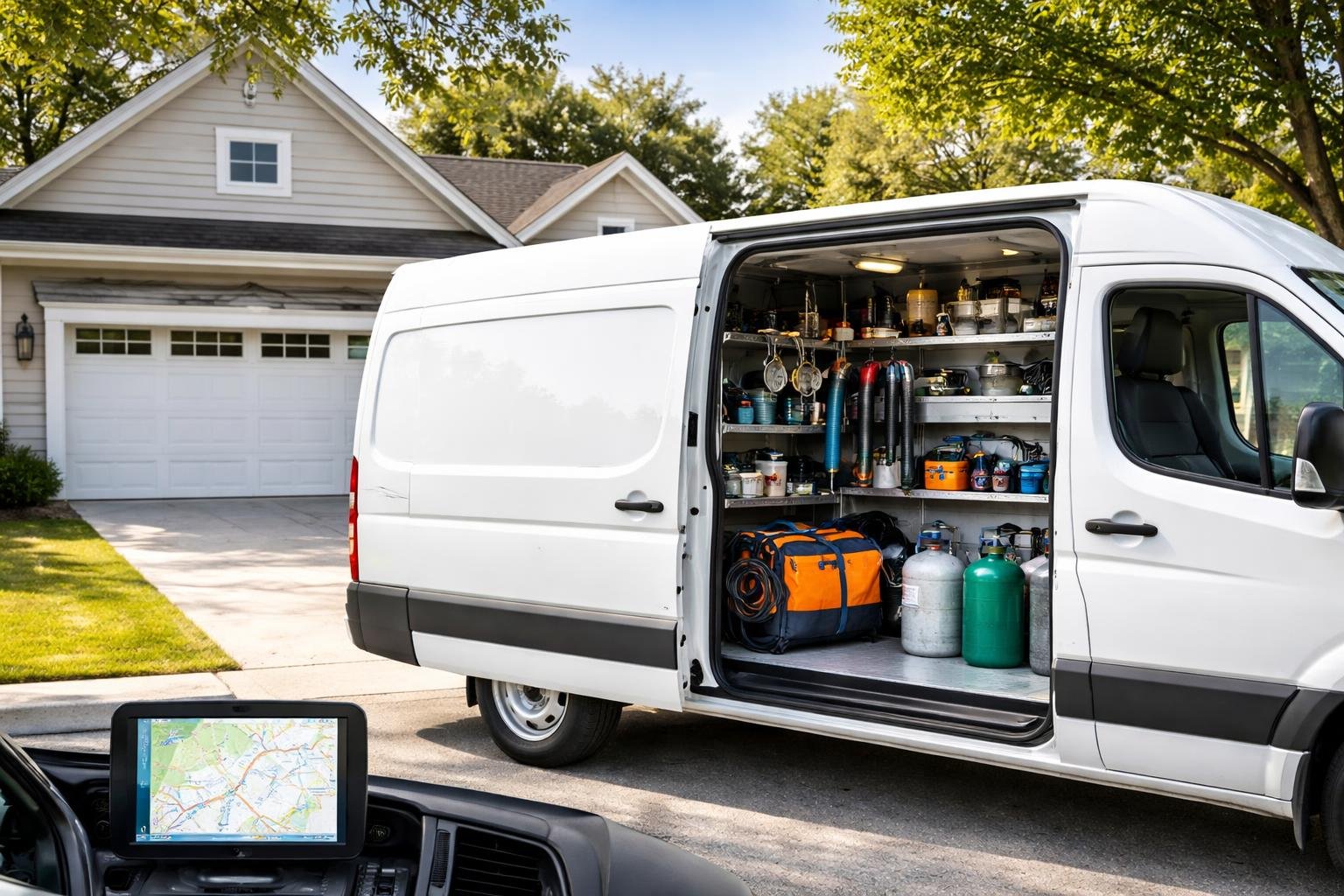
Modern vehicle tracking offers more than just location monitoring. These systems give insights into driver behavior, vehicle maintenance, route efficiency, and fleet performance.
HVAC companies use this data to make informed decisions about scheduling and asset management. It also helps improve daily operations.
This article explains how GPS tracking works for HVAC service fleets. It outlines the tools available, strategies for route and asset optimization, and methods for maintaining vehicle health and controlling costs.
Core Concepts of HVAC Service Vehicle Tracking
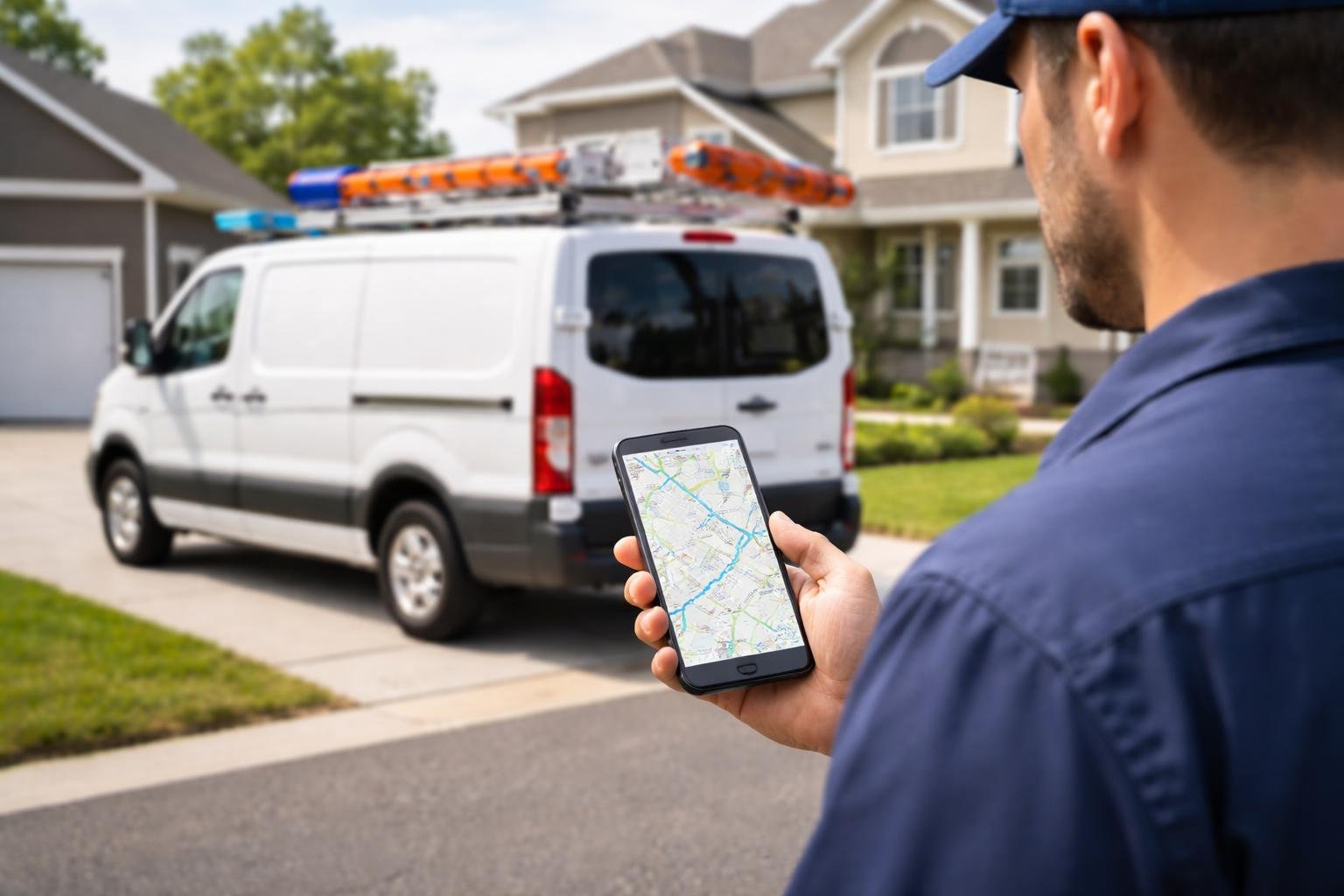
HVAC service vehicle tracking uses GPS and telematics to monitor fleet locations, routes, and vehicle performance in real time. Hardware devices in vehicles send data to software platforms for dispatch teams and fleet managers.
What Is HVAC Service Vehicle Tracking
HVAC service vehicle tracking is a system that monitors the location and activity of service vehicles during operations. GPS satellites pinpoint vehicle positions and send this data to a central platform.
Dispatchers and managers view real-time information. The system also captures data about speed, idle time, mileage, and route history.
HVAC companies use this information to coordinate technician assignments and verify job completion times. It also helps provide accurate arrival estimates to customers.
Most tracking systems use a device installed in the vehicle's diagnostic port or battery. The device sends position updates at regular intervals, usually every 30 to 60 seconds while active.
Key Technologies Behind Fleet Visibility
GPS satellite networks provide precise location coordinates. Tracking devices receive these signals and determine exact positioning within meters.
Telematics systems combine GPS data with vehicle diagnostics. These systems monitor engine performance, fuel use, brake usage, and maintenance alerts.
This integration lets HVAC fleet managers track both location and vehicle health. Cellular connectivity enables real-time data transmission from vehicles to management software.
Modern systems use 4G and 5G networks for reliable communication, even in challenging areas. Cloud-based software platforms collect tracking data and display it through dashboards and mobile apps.
These platforms process location updates, generate route histories, and offer tools for dispatching and reporting.
Types of HVAC Vehicles Monitored
Service vans are the most common vehicles in HVAC fleets. These vans carry tools, parts, and diagnostic equipment to customer locations.
Standard cargo vans and full-size service vans are often tracked to monitor technician movements and improve routing. Box trucks handle larger HVAC installations and equipment deliveries.
Tracking these vehicles helps coordinate delivery schedules and protects expensive equipment. Pickup trucks transport both personnel and materials to service calls.
Smaller HVAC companies often use pickup trucks as their primary vehicles. Specialty vehicles include refrigerated trucks for temperature-sensitive parts and flatbed trucks for oversized equipment.
Tracking these vehicles protects valuable cargo and keeps delivery timelines on track.
Benefits of GPS Tracking for HVAC Fleets
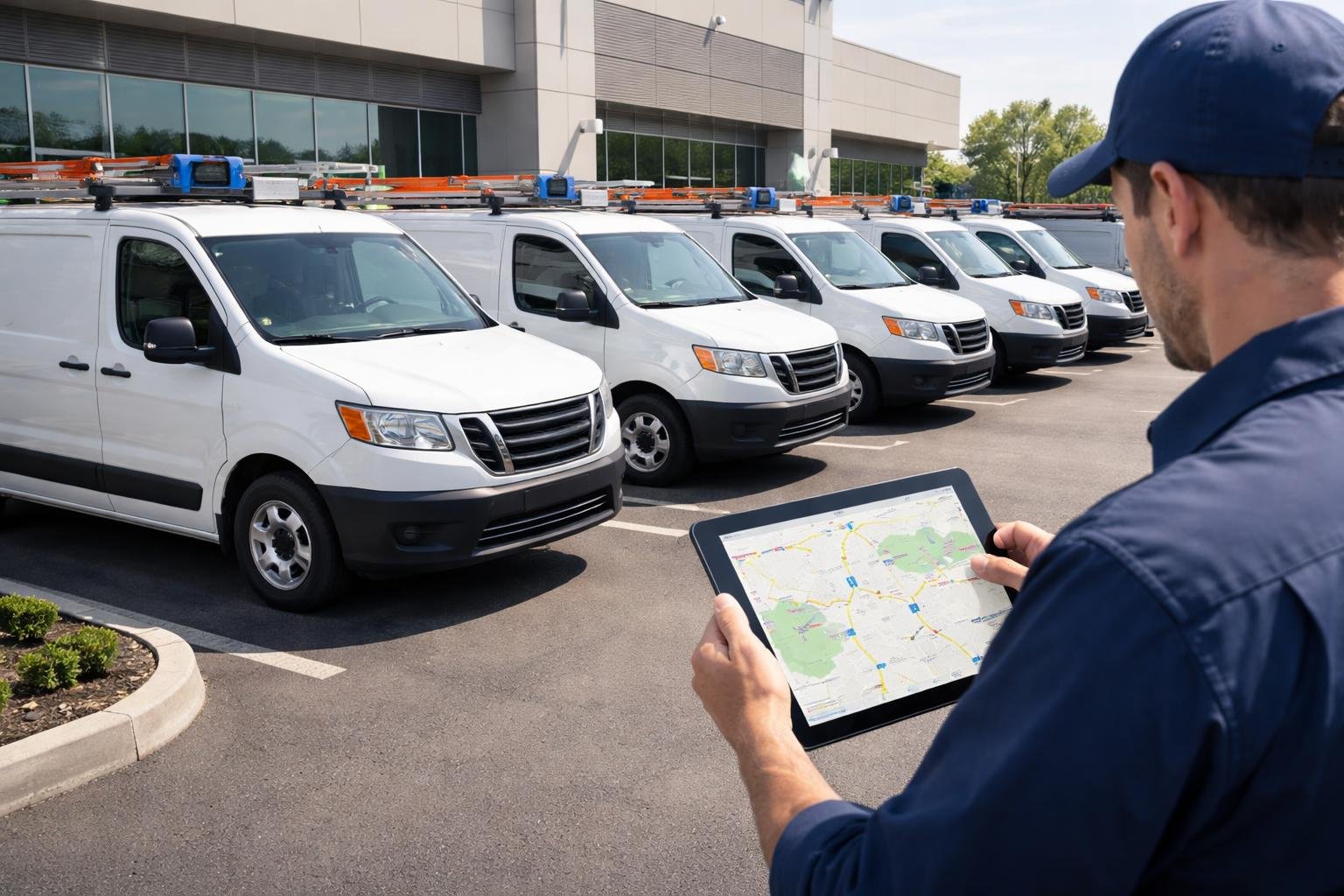
GPS tracking gives HVAC companies instant visibility into vehicle locations. It helps optimize service routes and sets clear accountability standards.
These systems lower operational costs and improve customer response times.
Real-Time Fleet Visibility
Real-time GPS tracking lets HVAC managers see their vehicle fleet at any moment. The system displays exact vehicle locations on digital maps.
Dispatchers can quickly identify which technician is closest to an emergency call or appointment. Modern GPS tracking also monitors engine status, idle time, and vehicle health metrics.
Fleet managers can review historical data to verify completed service calls. This helps resolve customer questions about arrival times.
Real-time tracking allows better resource allocation during busy seasons. Managers can spot available technicians and adjust workloads as needed.
Improved Dispatching and Routing
GPS tracking systems improve route planning by analyzing traffic, job locations, and technician availability. Dispatchers assign jobs to the nearest available technician.
The technology reduces fuel use by cutting unnecessary miles between job sites. Reducing idle time by just ten minutes per vehicle each day can save hundreds of dollars monthly.
Route optimization lets technicians complete more service calls per day. Dynamic routing adjusts as new calls come in or appointments change.
The system recalculates the best path for each vehicle, considering real-time traffic. This leads to faster response times and more accurate arrival windows.
Technician Accountability and Safety
GPS tracking creates records of technician activities during their shifts. The system logs arrival and departure times at each job site.
This data helps spot top performers and ensures efficient schedules. Safety improves when drivers know their vehicles are monitored.
Harsh braking, rapid acceleration, and speeding are flagged for review. Fleet managers can address unsafe driving behaviors before accidents happen.
If a vehicle remains stationary in an unusual place or strays from expected routes, managers can check on the technician’s safety.
HVAC Fleet Management and Tracking Tools
Modern HVAC businesses use specialized tools to monitor vehicles, manage schedules, and control costs. These digital solutions combine GPS tracking, maintenance scheduling, and mobile access.
Fleet Management Software
Fleet management software is the central hub for tracking HVAC service vehicles, equipment, and maintenance. Managers can monitor vehicle locations in real time and assign work orders.
The software tracks fuel use, monitors vehicle health, and manages compliance. Dashboards display key metrics like idle time, route efficiency, and vehicle utilization.
This data helps spot cost-saving opportunities and improve operations. Many HVAC fleet management software solutions send automated alerts for maintenance, inspection deadlines, and vehicle issues.
The systems keep records of repairs, parts expenses, and service history for each vehicle.
Integration With Telematics
Telematics integration connects vehicle sensors and GPS devices directly to fleet management platforms. This creates a constant flow of data about driving behavior and vehicle performance.
HVAC GPS tracking software uses telematics to monitor speeding, harsh braking, and idling. Fleet managers get instant alerts for unsafe behaviors or vehicle issues.
Telematics also tracks fuel consumption and spots vehicles that use too much fuel. This supports cost reduction and preventive maintenance.
User-Friendly Mobile Apps
Mobile apps give HVAC technicians and managers access to fleet tracking from smartphones and tablets. Technicians can update job status, get electronic signatures, and document work without returning to the office.
Apps show optimized routes, nearby service calls, and customer information. Drivers get turn-by-turn navigation that considers traffic and multiple stops.
Managers use mobile apps to reassign jobs, communicate with field teams, and monitor activity in real time. The interfaces are simple and work offline, syncing data when connectivity returns.
Optimizing Operations With Route and Asset Tracking
GPS tracking systems help HVAC companies reduce fuel costs and service delays. They also maintain visibility over equipment inventories.
These technologies streamline operations and improve technician productivity.
Route Optimization and Job Site Verification
Route optimization software looks at traffic, appointment windows, and vehicle locations to create efficient travel paths. The system assigns jobs based on proximity and skill requirements.
This reduces unnecessary driving between service calls. Real-time GPS data lets dispatchers redirect technicians when schedules change.
Job site verification confirms when technicians arrive and leave customer locations. The timestamps create accurate records for billing.
Managers can also see when technicians deviate from routes or make unauthorized stops.
Asset and Tool Inventory Tracking
Asset tracking monitors the location and use of service vehicles, trailers, and expensive equipment. Companies can view maintenance history and total cost of ownership for each asset.
Tool inventory systems track specialized HVAC equipment such as:
- Refrigerant recovery machines
- Vacuum pumps
- Leak detectors
- Diagnostic meters
- Refrigerant cylinders
GPS-enabled inventory management prevents tools from getting lost between job sites. The system records which vehicle carries specific tools and alerts managers if items remain stationary too long.
This reduces replacement costs and prevents delays caused by missing equipment.
Enhancing Fleet Maintenance and Uptime
Vehicle tracking systems help HVAC businesses manage maintenance and reduce breakdowns. These features improve fleet availability and service delivery.
Maintenance Scheduling and Alerts
Modern tracking systems automate maintenance scheduling based on actual vehicle use. The software monitors engine hours, mileage, and conditions to trigger service reminders.
Fleet managers receive alerts when vehicles approach service thresholds. This reduces the need for manual tracking and lowers the risk of missed maintenance.
Common maintenance triggers include:
- Mileage-based intervals (every 5,000 miles)
- Engine hour tracking for vehicles with long idle times
- Time-based reminders for seasonal inspections
- Component-specific schedules for brakes, filters, and belts
The system can assign different schedules to each vehicle based on make, model, and usage. Service vans with heavy loads may need more frequent inspections.
Predictive and Preventive Maintenance
Preventive maintenance follows manufacturer guidelines to service vehicles before problems occur. Fleet maintenance software stores these schedules and queues work orders as needed.
Predictive maintenance uses telematics data to spot potential issues early. Diagnostic codes, unusual fuel use, and abnormal engine metrics signal possible failures.
This approach helps HVAC companies avoid breakdowns during customer appointments. A stranded technician cannot complete scheduled service calls, leading to lost revenue and unhappy customers.
Tracking Repair History and Maintenance Records
Digital maintenance records create a complete service history for each vehicle. The system logs every oil change, brake job, and repair with dates, costs, vendor details, and parts replaced.
This repair history helps fleet managers spot vehicles with recurring issues. For example, a van needing frequent transmission repairs becomes a candidate for retirement when maintenance costs rise.
Maintenance records are also useful during inspections and warranty claims. Complete documentation shows proper care and can speed up warranty approvals.
Cost Efficiency and Compliance in HVAC Fleet Tracking
Fleet tracking systems offer measurable financial benefits through fuel management and regulatory oversight. HVAC companies see the biggest returns by reducing fuel use and keeping accurate records for compliance.
Reducing Fuel Costs and Idle Time
Fuel costs make up about 60% of total fleet operating expenses for HVAC companies. GPS tracking systems reveal wasteful driving habits like excessive idling, harsh acceleration, and poor routing that drive up fuel use.
There is often a 30% difference in fuel usage between the most and least efficient drivers. Tracking software helps monitor these patterns so operators can coach drivers to improve.
Route optimization features cut fuel costs by finding the shortest paths between service calls. Real-time traffic updates let dispatchers reroute vehicles around delays, reducing idle time in traffic.
Common fuel-saving metrics tracked include:
- Idle time per vehicle and driver
- Miles per gallon by route and technician
- Speeding incidents and rapid acceleration events
- Unauthorized vehicle use outside business hours
Automated alerts notify managers when vehicles exceed idle limits, allowing quick action. This helps reduce downtime and keeps service vehicles running efficiently throughout the day.
Insurance, Compliance, and Risk Management
Fleet tracking provides documentation that supports regulatory compliance. It can also reduce insurance premiums.
Many insurers offer discounts of 10-25% for companies that use GPS monitoring systems in their service vehicles. These systems automatically log driver hours and vehicle inspections.
They also track maintenance schedules required by DOT regulations. This removes the need for manual paperwork and creates records that protect HVAC companies during audits or accident investigations.
Safety features like speed monitoring and geofencing help prevent risky driving behaviors. Fleet operators get instant notifications when drivers exceed speed limits or enter restricted areas.
This allows for quick intervention before incidents happen.
Key compliance benefits include:
- Automated Hours of Service (HOS) tracking
- Digital vehicle inspection reports (DVIR)
- Maintenance schedule documentation
- Accident reconstruction data
The HVAC industry faces challenges with technicians carrying expensive equipment and refrigerants. Tracking systems maintain chain-of-custody records and verify that vehicles follow approved routes for hazardous material transport.