HVAC Fleet Fuel Management: Strategies to Reduce Costs and Improve Efficiency
How to start saving money
Lorem ipsum dolor sit amet, consectetur adipiscing elit lobortis arcu enim urna adipiscing praesent velit viverra sit semper lorem eu cursus vel hendrerit elementum morbi curabitur etiam nibh justo, lorem aliquet donec sed sit mi dignissim at ante massa mattis.
- Neque sodales ut etiam sit amet nisl purus non tellus orci ac auctor
- Adipiscing elit ut aliquam purus sit amet viverra suspendisse potent
- Mauris commodo quis imperdiet massa tincidunt nunc pulvinar
- Excepteur sint occaecat cupidatat non proident sunt in culpa qui officia
Why it is important to start saving
Vitae congue eu consequat ac felis placerat vestibulum lectus mauris ultrices cursus sit amet dictum sit amet justo donec enim diam porttitor lacus luctus accumsan tortor posuere praesent tristique magna sit amet purus gravida quis blandit turpis.

How much money should I save?
At risus viverra adipiscing at in tellus integer feugiat nisl pretium fusce id velit ut tortor sagittis orci a scelerisque purus semper eget at lectus urna duis convallis. porta nibh venenatis cras sed felis eget neque laoreet suspendisse interdum consectetur libero id faucibus nisl donec pretium vulputate sapien nec sagittis aliquam nunc lobortis mattis aliquam faucibus purus in.
- Neque sodales ut etiam sit amet nisl purus non tellus orci ac auctor
- Adipiscing elit ut aliquam purus sit amet viverra suspendisse potenti
- Mauris commodo quis imperdiet massa tincidunt nunc pulvinar
- Adipiscing elit ut aliquam purus sit amet viverra suspendisse potenti
What percentege of my income should go to savings?
Nisi quis eleifend quam adipiscing vitae aliquet bibendum enim facilisis gravida neque. Velit euismod in pellentesque massa placerat volutpat lacus laoreet non curabitur gravida odio aenean sed adipiscing diam donec adipiscing tristique risus. amet est placerat in egestas erat imperdiet sed euismod nisi.
“Nisi quis eleifend quam adipiscing vitae aliquet bibendum enim facilisis gravida neque velit euismod in pellentesque”
Do you have any comments? Share them with us on social media
Eget lorem dolor sed viverra ipsum nunc aliquet bibendum felis donec et odio pellentesque diam volutpat commodo sed egestas aliquam sem fringilla ut morbi tincidunt augue interdum velit euismod eu tincidunt tortor aliquam nulla facilisi aenean sed adipiscing diam donec adipiscing ut lectus arcu bibendum at varius vel pharetra nibh venenatis cras sed felis eget.
Fuel costs are a major variable expense for HVAC service companies that operate vehicle fleets. Without proper tracking and control, these expenses can quickly reduce profits and create budget uncertainty.
HVAC fleet fuel management means monitoring, controlling, and optimizing fuel consumption across service vehicles. This is done through tracking systems, strategic policies, and technology solutions.
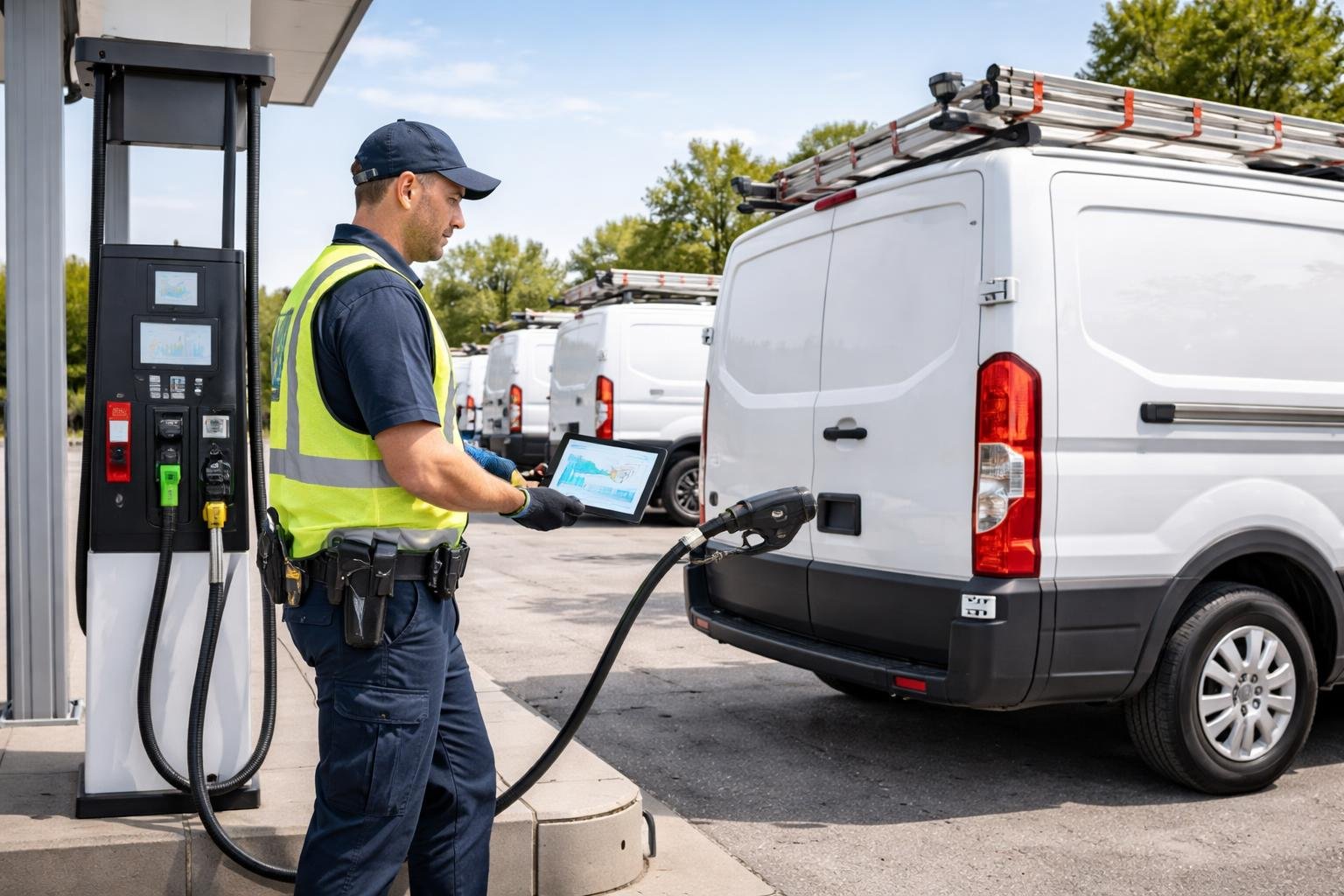
Effective fuel management is more than just filling up tanks and collecting receipts. It involves analyzing fuel use by vehicle and driver, preventing unauthorized purchases, optimizing service routes, and using data to find ways to cut costs.
These practices help HVAC businesses see where fuel dollars are spent. They also support informed decisions to reduce waste.
A strong fuel management approach uses fleet cards with tracking features, route optimization tools, driver accountability, and regular performance checks. The following sections outline the strategies and tools HVAC contractors can use to control fuel expenses while keeping service quality high and technicians productive.
Understanding HVAC Fleet Fuel Management
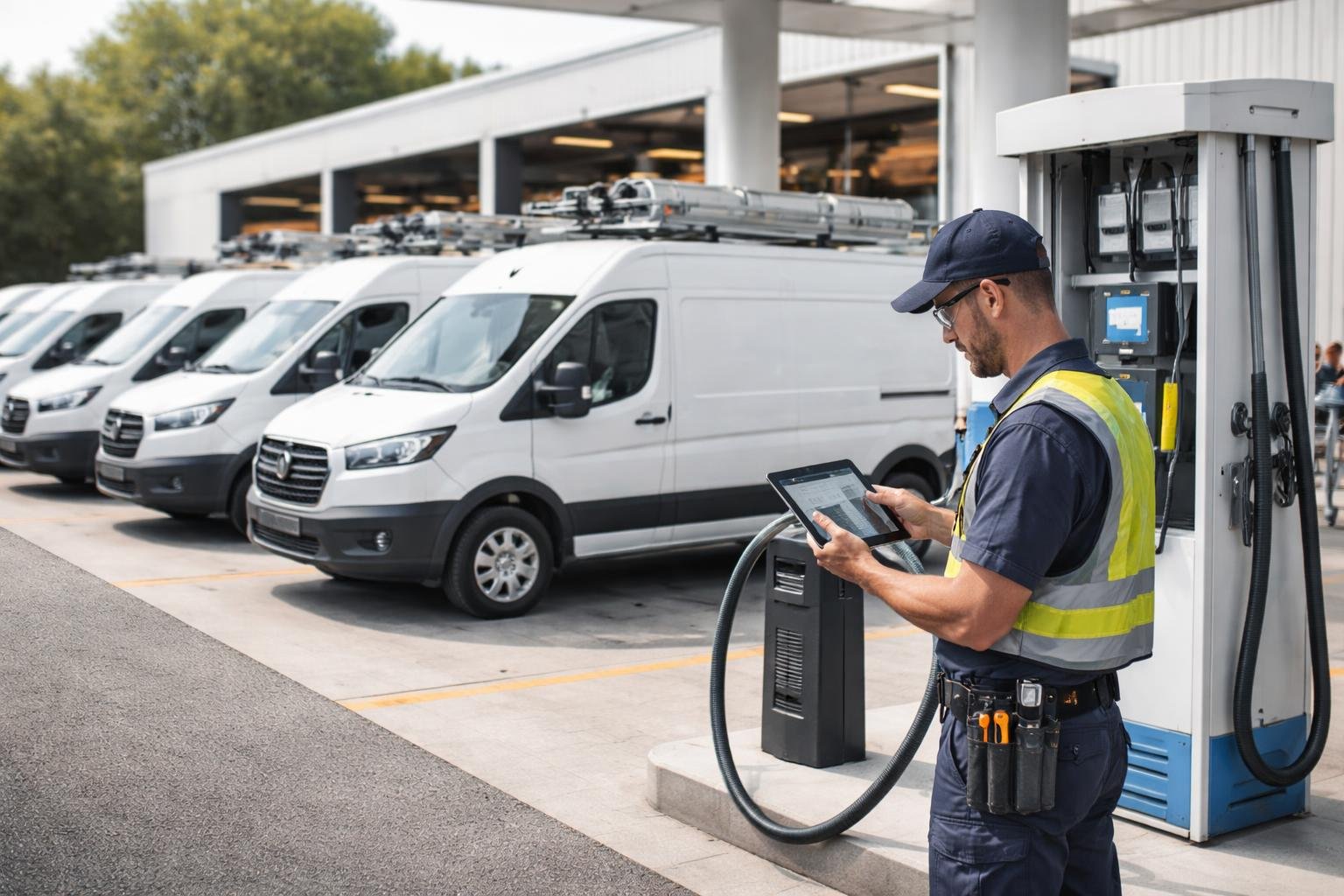
Fuel is one of the biggest variable expenses for HVAC companies with fleets. Tracking and control are essential to maintain profit margins.
Good fuel management affects operational costs, route efficiency, and the financial health of HVAC businesses.
The Importance of Fuel Management for HVAC Fleets
HVAC contractors must control fuel expenses while keeping customer service responsive. Fuel costs often make up 20-30% of total fleet operating expenses, so they are a key area for cost reduction.
With structured fuel management systems, HVAC companies can monitor consumption across their fleets. These systems track fuel use by each vehicle and driver, highlighting inefficiencies that might otherwise be missed.
Real-time data collection removes the need for manual receipt collection and expense tracking. Fuel management also includes monitoring idle time, spotting unauthorized purchases, detecting fuel theft, and analyzing route efficiency.
HVAC businesses get actionable insights that help reduce waste and improve accountability among technicians.
Key Challenges in Fleet Fuel Usage
HVAC fleet managers face specific challenges in controlling fuel use. Technicians often respond to emergency calls, which can lead to unplanned routes and unpredictable fuel usage.
Common fuel management challenges include:
- Unauthorized fuel purchases or card misuse
- Excessive vehicle idling at job sites
- Inefficient route planning
- Lack of real-time visibility into fuel expenses
- Manual receipt collection and reconciliation
- Poor vehicle maintenance affecting efficiency
Driver behavior also affects fuel use. Aggressive driving and long idling can increase fuel costs by 15-25% compared to efficient driving. Without monitoring, these habits often continue.
The Impact of Fuel Costs on Operational Efficiency
Fuel expenses directly affect the profit from each HVAC service call. If fuel costs rise or go unchecked, profit margins shrink even if service revenue stays the same.
Unmanaged fuel spending leads to wasted time collecting receipts, more paperwork for office staff, and less data for managers to make decisions about routes and scheduling.
Companies that use fuel management systems often see fuel savings of 10-20% in the first year. These savings come from fewer unauthorized purchases, better routes, less idle time, and improved maintenance scheduling.
Data from these systems also helps HVAC businesses quote jobs more accurately and set prices based on real travel costs.
Core Elements of an Effective HVAC Fleet Fuel Management Strategy
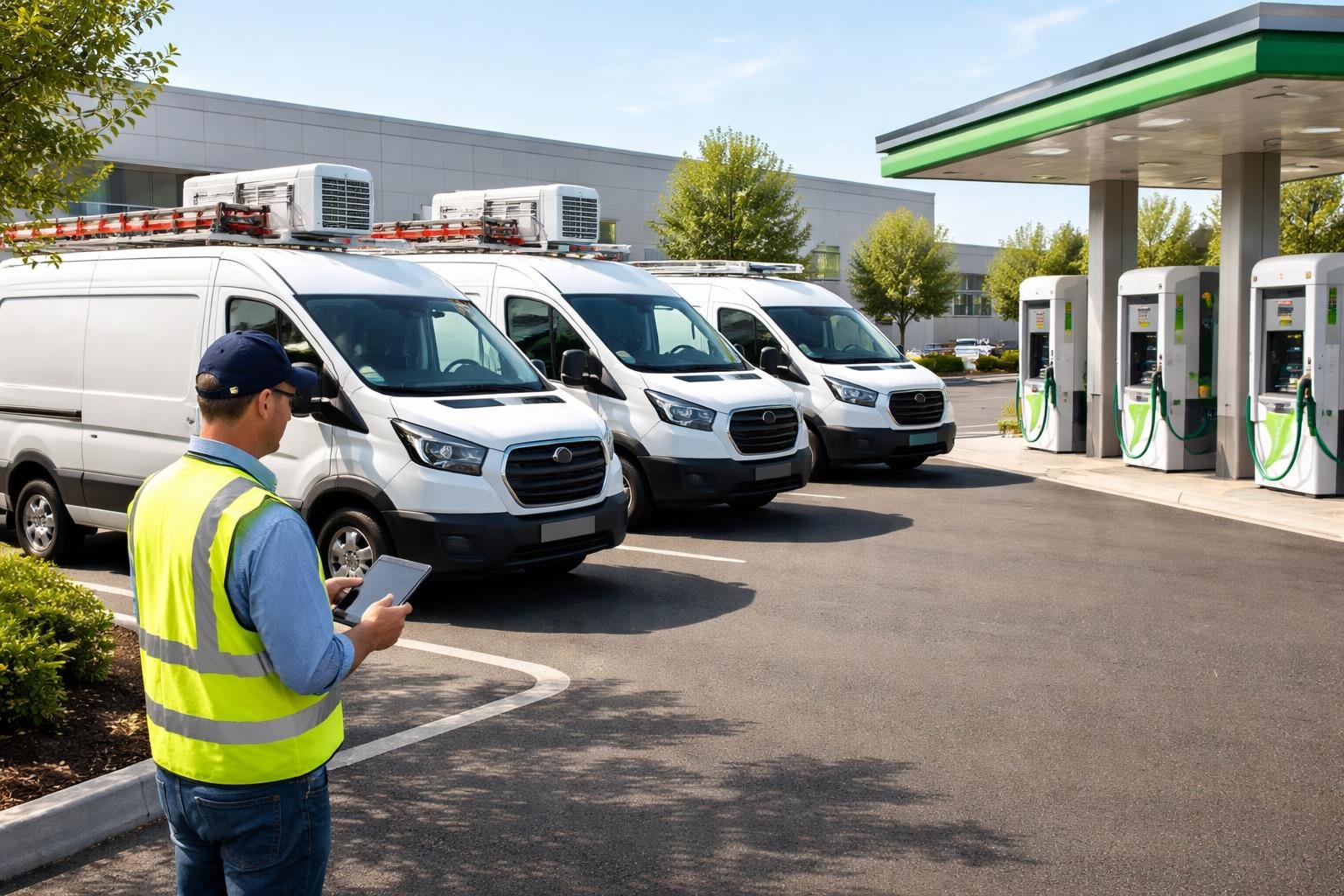
Successful fuel management for HVAC fleets relies on three main elements. These are tracking fuel use and purchases, monitoring and improving driver behavior, and keeping vehicles well maintained.
Fuel Tracking and Monitoring
Accurate fuel tracking is the foundation of cost control for HVAC fleets. Fleet managers need systems that record every fuel purchase, odometer readings, and fuel use per vehicle.
This data shows which vehicles use too much fuel and can reveal theft, poor routing, or mechanical problems. Modern systems combine fuel card data with telematics for real-time visibility.
These systems flag differences between fuel purchases and actual vehicle use. Fleet managers can then analyze trends by vehicle, route, or time period.
Key tracking metrics include:
- Miles per gallon (MPG) by vehicle
- Cost per mile
- Fuel use by route or job site
- Idle time and related fuel waste
- Purchases outside normal areas
Regular monitoring helps managers set baseline rates and improvement goals. The data also helps with budgeting and signals when vehicles need maintenance or replacement.
Driver Behavior and Its Influence on Fuel Consumption
Driver habits have a big impact on fuel efficiency. Aggressive acceleration, harsh braking, long idling, and speeding can increase fuel use by 15-30%.
Telematics systems monitor driver actions that waste fuel. These systems track acceleration, braking, idle time, and speed.
Fleet managers can use this data to coach drivers who need improvement and recognize those with good habits. Driver training programs focused on fuel economy can create real savings.
Training should cover smooth acceleration, steady speeds, reducing idle time, and proper warm-up procedures. Regular feedback based on monitored data helps drivers see how their actions affect fuel costs.
Many fleets offer incentives for drivers who improve fuel efficiency. These programs encourage accountability and lasting behavior changes.
Preventive Maintenance and Fuel Economy
Preventive maintenance keeps HVAC fleet vehicles running efficiently. Well-maintained vehicles use less fuel, while poor maintenance increases fuel use over time.
Maintenance programs should focus on parts that affect fuel economy. Important items include air filter changes, tire pressure checks, oil changes, and engine tune-ups.
Low tire pressure alone can reduce fuel economy by 3-5%. Dirty air filters make engines work harder and use more fuel.
Vehicle diagnostics can spot problems before they get worse. Issues like check engine lights, transmission problems, and worn spark plugs all hurt efficiency.
Essential preventive maintenance tasks:
- Replace engine air filters every 15,000-30,000 miles
- Check tire pressure weekly or bi-weekly
- Change oil as recommended
- Service transmission fluid at set intervals
- Clean the fuel system to keep injectors working well
Maintenance scheduling systems help ensure vehicles get service on time. Automated schedules prevent missed maintenance that leads to fuel waste. HVAC fleets should also keep auxiliary equipment serviced, as faulty HVAC units can put extra load on engines.
Leveraging Fleet Fuel Cards for HVAC Businesses
Fleet fuel cards give HVAC companies specialized payment tools that make fuel purchases easier and offer cost savings through rebates and spending controls. These cards work with management systems to automate expense tracking and create detailed fleet reports.
How Fleet Fuel Cards Work
Fleet fuel cards are payment cards limited to fuel and vehicle-related expenses at approved locations. HVAC companies give these cards to technicians and drivers, who use them at gas stations and service centers.
The cards are linked to management platforms that capture transaction data in real time. Each purchase records the vehicle, fuel amount, price, location, and time.
Most fuel card programs are accepted at thousands of locations nationwide. HVAC companies can pick cards based on where they operate.
The cards remove the need for technicians to pay out-of-pocket and submit reimbursements. This reduces paperwork for both field staff and accounting teams.
Fuel Rebates and Cost Savings
Fleet fuel cards offer savings through rebates that lower the cost per gallon. Many programs give rebates of 3 to 10 cents per gallon, depending on volume and card type.
Common rebate structures:
- Volume-based rebates that increase with more fuel purchases
- Discounts at specific fuel brands
- Service discounts at participating locations
HVAC businesses with several vehicles can save significant amounts each year through these rebates. For example, buying 5,000 gallons a month at a 5-cent rebate saves $3,000 a year.
Implementing Purchase Controls
Fleet fuel cards come with controls to prevent unauthorized spending and reduce fraud. HVAC companies set these controls online to fit their needs.
Key control options:
Control TypeFunctionTransaction limitsSet maximum amounts per purchase or per dayProduct restrictionsLimit to fuel only or allow certain maintenance itemsTime restrictionsBlock purchases outside business hoursGeographic limitsFlag or block purchases outside service areas
These controls apply instantly to all cards. Managers get alerts for violations and can respond quickly. The system blocks unauthorized purchases at the point of sale, stopping overspending before it happens.
Role of Technology in HVAC Fleet Fuel Management
Technology helps HVAC companies monitor fuel use, track vehicle locations, and find cost-saving opportunities with data-driven insights. Modern fleet management tools make it easier to control fuel expenses and improve vehicle performance.
The Benefits of Telematics and Real-Time GPS Tracking
Telematics systems gather data from vehicles to give comprehensive insights into fuel use, driver habits, and route efficiency. Real-time GPS tracking lets managers see vehicle locations at all times, reducing unauthorized use and fuel waste from poor routing.
These systems spot fuel-draining behaviors like long idling, harsh acceleration, and speeding. Managers get instant alerts when drivers show these habits, allowing quick action.
The data also highlights vehicles using more fuel than expected, signaling possible mechanical issues. Real-time GPS tracking also helps dispatchers send the nearest technician to each call, which reduces total miles driven and lowers fuel costs.
Integrating Fleet Management Software
HVAC fleet management software centralizes all vehicle data into one platform. This streamlines fuel tracking and cost analysis.
The software monitors fuel usage by vehicle and driver. This creates accountability and highlights performance differences across the fleet.
Fleet management software automates maintenance scheduling based on actual vehicle usage. This approach is more accurate than using estimated intervals.
Properly maintained vehicles operate more efficiently and use less fuel. The software tracks metrics such as miles per gallon, maintenance costs, and total operating expenses.
Integration capabilities let the software connect with fuel card systems. It automatically imports transaction data and flags anomalies.
Fleet managers can set fuel consumption benchmarks. They receive notifications when vehicles exceed acceptable thresholds.
Automated Reporting and Analytics
Automated reporting removes the need for manual data collection. This reduces administrative time spent tracking fuel expenses.
Fleet management systems generate detailed reports on fuel consumption trends, cost per mile, and efficiency metrics. These reports can cover different time periods.
Analytics tools identify patterns that are hard to spot manually. The software compares individual vehicle performance and reveals seasonal variations in fuel usage.
It also calculates the return on investment for fuel-saving initiatives. These insights help HVAC companies make better decisions about vehicle replacement, route optimization, and driver training.
Reports can be customized to show specific metrics for different stakeholders. Maintenance teams can view technical data, while executives get summary cost reports.
Optimizing Routes and Reducing Fuel Waste
HVAC fleet managers can reduce fuel consumption by 25-40% with strategic route planning. Continuous monitoring helps identify routing inefficiencies.
GPS tracking technology and route optimization software help eliminate unnecessary mileage. These tools also lower operational costs.
Route Optimization Techniques
Route optimization software analyzes multiple variables to find the most efficient paths for HVAC service vehicles. These systems consider traffic, job site locations, technician availability, appointment windows, and vehicle capacity.
Key optimization factors include:
- Real-time traffic data integration
- Customer time windows and priority levels
- Technician skill sets and equipment requirements
- Vehicle fuel efficiency ratings
- Geographic clustering of service calls
Dynamic routing adjusts schedules as emergency calls arise or jobs run longer than expected. GPS-based route optimization helps vehicles complete more service calls per day with fewer miles driven.
The technology also improves customer communication with accurate arrival time estimates. Modern systems sequence stops to minimize backtracking and left turns, reducing fuel waste.
Identifying and Eliminating Inefficient Routing
Fleet performance data highlights routing problems that waste fuel. Telematics systems track actual routes versus optimal paths.
This data shows where drivers deviate from planned routes or make inefficient decisions. Common issues include overlapping territories, excessive travel between distant job sites, and poor sequencing of calls.
Fleet managers can use weekly route reports to spot patterns. Examples include technicians crossing paths or passing service locations unnecessarily.
Fuel card data combined with GPS tracking exposes unauthorized stops and route deviations. Geographic heat maps show areas with high service demand, allowing for better territory assignments.
Regular audits of actual versus planned routes help maintain routing discipline. This prevents performance decline over time.
Ensuring Security, Compliance, and Driver Accountability
Fuel management systems need multiple layers of protection. These measures prevent theft, support regulatory compliance, and maintain driver standards.
Preventing Fuel Fraud and Unauthorized Usage
Fuel card controls and digital monitoring systems help stop unauthorized purchases. Fleet managers should set PIN requirements, vehicle-specific fuel limits, and automated alerts for unusual transactions.
Modern platforms track each purchase against vehicle fuel tank capacity. This quickly flags potential discrepancies.
Geofencing restricts fuel card use to approved locations during set hours. This stops after-hours purchases and limits transactions to verified stations.
Driver-vehicle matching ensures fuel cards only work with the correct driver and vehicle combination. Real-time monitoring provides immediate visibility into fuel purchases.
Managers receive instant notifications for transactions that exceed set thresholds or occur outside normal hours. Detailed purchase data—including time, location, and fuel volume—helps investigate suspicious activity.
Regular fuel reconciliation compares actual usage against expected consumption. Large differences trigger audits to check for fraud or inefficient driving.
Driver Training and Safety Measures
Driver safety programs lower accidents and maintenance costs. Training should cover defensive driving, proper acceleration, braking, and speed limit compliance.
These practices reduce vehicle wear and can cut fuel use by 10-15%. Telematics systems monitor driver behavior such as harsh braking, rapid acceleration, idling, and speeding.
This data helps identify drivers who need more coaching. Fleet managers set clear performance benchmarks and hold regular review sessions.
Vehicle inspections are essential for accountability. Daily pre-trip walkarounds help spot maintenance issues early.
Digital inspection checklists ensure consistent records. These support preventative maintenance schedules.
Driver scorecards combine fuel efficiency and safety data. Recognition programs reward drivers who meet safety and fuel targets.
Maintaining Regulatory Compliance
Fleet operations must track hours of service, maintenance records, and environmental reports. Digital management systems automate compliance recordkeeping and generate required agency reports.
Preventative maintenance schedules ensure vehicles meet safety and emissions standards. Automated tracking based on mileage, engine hours, or time intervals prevents missed service.
Documenting all maintenance activities creates audit trails for compliance. Electronic logging devices (ELDs) record driver hours and ensure Department of Transportation compliance.
These systems prevent violations that could lead to fines or service disruptions. Integration of ELD and fuel management data gives complete fleet visibility.
Fuel tax reporting requires accurate tracking of mileage and fuel purchases across jurisdictions. Automated International Fuel Tax Agreement (IFTA) tools calculate obligations and generate quarterly reports.
This reduces paperwork and ensures accurate filings.
Evaluating and Improving HVAC Fleet Fuel Management Performance
Effective fuel management depends on measuring fleet operations and making targeted improvements. HVAC contractors who set clear performance metrics can reduce fuel expenses by 15-20%.
Tracking Key Metrics and KPIs
HVAC fleet managers should monitor fuel use per vehicle, cost per mile, and idle time percentages. Miles per gallon (MPG) by vehicle type shows which units need maintenance.
Essential Fuel Management KPIs:
- Fuel cost per service call
- Average fuel consumption per vehicle per day
- Idle time percentage (target below 10%)
- Fuel efficiency trends over time
- Driver-specific fuel usage patterns
Real-time tracking systems help managers spot inefficient driving, such as excessive idling, aggressive acceleration, and unnecessary mileage. These behaviors can account for 20-35% of wasted fuel.
Maintenance costs are closely linked to fuel efficiency. Vehicles needing repairs often show lower MPG rates a few weeks before issues become obvious.
Continuous Improvement Strategies
Regular route analysis helps eliminate unnecessary miles. It also optimizes technician schedules.
Fleet managers should review GPS data weekly. This helps identify inefficient routing patterns and consolidate service calls in geographic clusters.
Driver training programs focused on fuel-efficient techniques can reduce fuel consumption by 10-15%. Training should cover smooth acceleration and proper speed maintenance.
Minimizing idle time during service calls is also important.
Preventive maintenance schedules help preserve fuel efficiency. Regular oil changes, air filter replacements, and tire pressure checks maintain MPG ratings.
These steps also prevent gradual efficiency loss.
Telematics integration provides useful data on fleet performance. These systems track mileage and monitor idle time.
They also generate alerts when vehicles do not meet efficiency standards. This allows for immediate corrective action.