How to start saving money
Lorem ipsum dolor sit amet, consectetur adipiscing elit lobortis arcu enim urna adipiscing praesent velit viverra sit semper lorem eu cursus vel hendrerit elementum morbi curabitur etiam nibh justo, lorem aliquet donec sed sit mi dignissim at ante massa mattis.
- Neque sodales ut etiam sit amet nisl purus non tellus orci ac auctor
- Adipiscing elit ut aliquam purus sit amet viverra suspendisse potent
- Mauris commodo quis imperdiet massa tincidunt nunc pulvinar
- Excepteur sint occaecat cupidatat non proident sunt in culpa qui officia
Why it is important to start saving
Vitae congue eu consequat ac felis placerat vestibulum lectus mauris ultrices cursus sit amet dictum sit amet justo donec enim diam porttitor lacus luctus accumsan tortor posuere praesent tristique magna sit amet purus gravida quis blandit turpis.

How much money should I save?
At risus viverra adipiscing at in tellus integer feugiat nisl pretium fusce id velit ut tortor sagittis orci a scelerisque purus semper eget at lectus urna duis convallis. porta nibh venenatis cras sed felis eget neque laoreet suspendisse interdum consectetur libero id faucibus nisl donec pretium vulputate sapien nec sagittis aliquam nunc lobortis mattis aliquam faucibus purus in.
- Neque sodales ut etiam sit amet nisl purus non tellus orci ac auctor
- Adipiscing elit ut aliquam purus sit amet viverra suspendisse potenti
- Mauris commodo quis imperdiet massa tincidunt nunc pulvinar
- Adipiscing elit ut aliquam purus sit amet viverra suspendisse potenti
What percentege of my income should go to savings?
Nisi quis eleifend quam adipiscing vitae aliquet bibendum enim facilisis gravida neque. Velit euismod in pellentesque massa placerat volutpat lacus laoreet non curabitur gravida odio aenean sed adipiscing diam donec adipiscing tristique risus. amet est placerat in egestas erat imperdiet sed euismod nisi.
“Nisi quis eleifend quam adipiscing vitae aliquet bibendum enim facilisis gravida neque velit euismod in pellentesque”
Do you have any comments? Share them with us on social media
Eget lorem dolor sed viverra ipsum nunc aliquet bibendum felis donec et odio pellentesque diam volutpat commodo sed egestas aliquam sem fringilla ut morbi tincidunt augue interdum velit euismod eu tincidunt tortor aliquam nulla facilisi aenean sed adipiscing diam donec adipiscing ut lectus arcu bibendum at varius vel pharetra nibh venenatis cras sed felis eget.
Fuel is a major factor in operating costs for fleet-based businesses. Managing fuel well helps control expenses, improve performance, and support sustainability goals.
Fleet fuel management provides organizations with data and tools to monitor usage, reduce waste, and achieve measurable cost improvements.

Modern fuel management systems combine hardware and software to track consumption in real time. These systems can spot inefficient driving, detect possible theft, and provide insights for better decisions.
With the right strategies and technology, organizations gain more transparency and accountability across their fleet. Fuel management is no longer just maintenance; it is a strategic advantage.
Understanding its main components, solutions, and optimization methods helps build a sustainable and efficient fleet ready for future needs.
Understanding Fleet Management Fuel
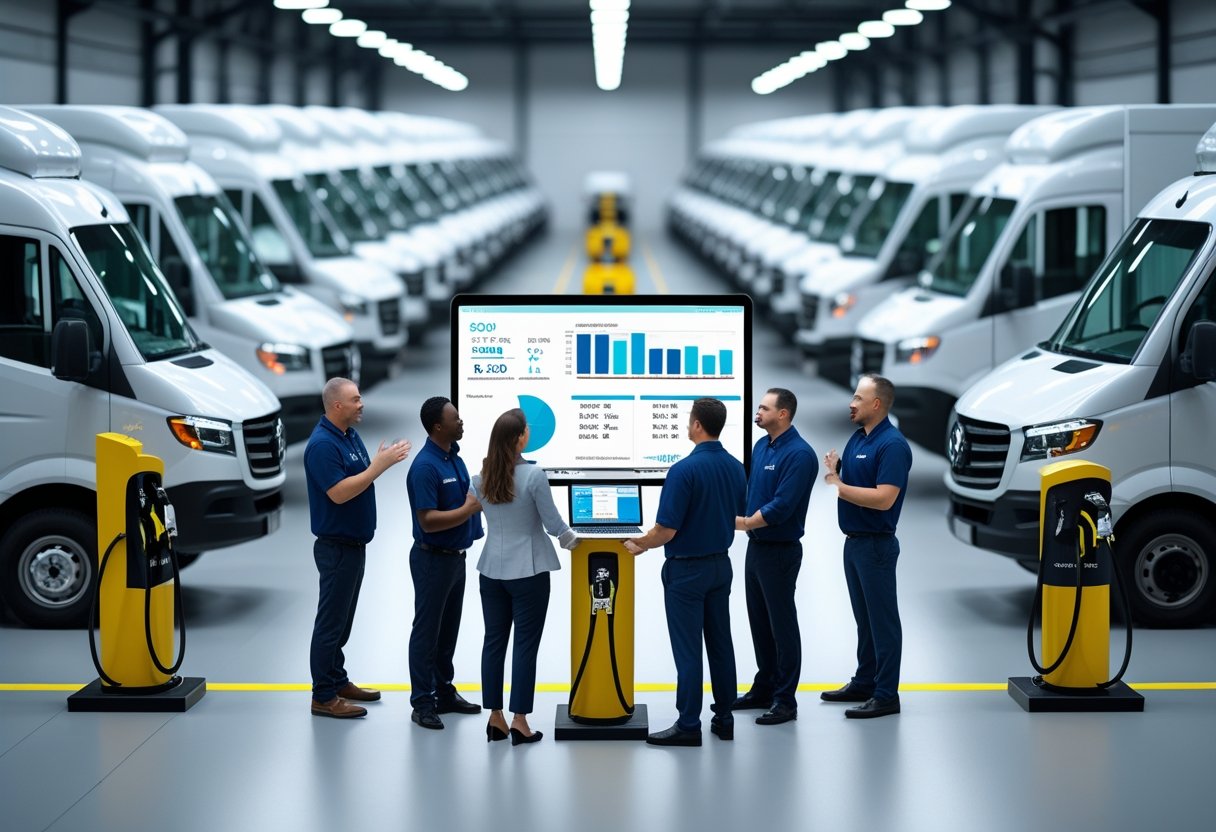
Efficient fuel control directly affects budgets and environmental performance. Fleet managers who manage consumption well can improve fuel efficiency and reduce carbon emissions.
What Is Fleet Fuel Management?
Fleet fuel management is the coordinated control and monitoring of fuel use across fleet operations. It uses systems and technologies to track usage, prevent waste, and find ways to improve efficiency.
Modern tools often combine telematics, fuel cards, and real-time data analytics to monitor every fueling event and vehicle activity. A good fuel management system provides data on fuel consumption, idle time, and driver behavior.
Automated tracking helps managers spot irregularities, detect theft, and compare performance across vehicles or routes.
Key ElementsDescriptionFuel Tracking SystemsMonitor and record fuel use per vehicle.Data Analytics ToolsIdentify consumption trends and inefficiencies.Telematics IntegrationConnect vehicle data with fuel usage metrics.
These tools help fleet operators make data-driven decisions. They also reduce errors from manual reporting and strengthen accountability.
Importance of Fuel Management in Fleet Operations
Fuel is one of the largest operational expenses in fleet management, often 30–40% of total costs. Managing fuel well reduces unnecessary spending while keeping productivity and service quality high.
Structured programs lead to lower operational costs, reduced emissions, and better resource allocation. Effective fuel strategies also support predictive maintenance by showing patterns linked to high fuel use, like low tire pressure or poor driving habits.
Managers can fix these problems early to keep fleet performance steady. Software-based monitoring and staff training further improve cost control.
These practices lead to better fuel economy and long-term sustainability.
Key Components of Fuel Management Systems

A fuel management system uses hardware and software to monitor usage, analyze patterns, and improve cost control. These systems rely on telematics, sensors, and GPS to provide clear insights into consumption and driver behavior.
Fuel Management System Overview
A Fuel Management System (FMS) includes physical and digital parts that record, store, and analyze fuel data. The heart of the system is the fuel management system software, which connects with pumps, tanks, and vehicles to track each fueling event.
Key functions include authorization control, real-time monitoring, and report generation. The software alerts managers to unusual fuel levels or spikes in use, helping to detect theft or leaks.
Modern systems often link with fleet management software. This gives a full view of vehicle performance, cost per mile, and maintenance schedules.
By connecting fueling data with routes and workloads, managers can adjust logistics for better efficiency.
Telematics and Data Collection
Telematics devices gather and send fuel-related data from vehicles. These units capture engine idling, driving behavior, and fuel burn rate.
Data flows to the fuel management software for analysis and reporting. Accurate data collection lets fleets find inefficiencies using real evidence.
For example, a report may show that too much idling uses a significant amount of fuel, leading to driver training or new policies. When telematics links to the FMS, managers see how routes, traffic, or cargo weight affect consumption.
This approach supports preventive maintenance and budget planning.
GPS and Fuel Tracking Technologies
GPS tracking adds location data to fuel records. Each fueling event is matched to where and when it happened, reducing unauthorized use.
Fleet tracking data connects with fuel card transactions for better accountability. When GPS works with fuel sensors, managers see fuel levels, refueling stops, and tank draw rates in near real time.
This helps spot issues like “fuel loss events” outside approved areas. Some systems show this data on interactive dashboards with route maps and consumption trends.
These tools help operators plan efficient paths, cut extra travel, and monitor fuel use across all vehicles.
Fuel Management Solutions and Technologies
Modern fleets use accurate fuel management solutions to control costs and boost efficiency. These technologies combine software analytics, monitoring hardware, and digital payment tools to track fuel use and reduce waste.
Fuel Management Software
Fuel management software is the main system for tracking, analyzing, and reporting fuel data. It connects telematics, GPS, and vehicle sensors to monitor fuel consumption and driver behavior in real time.
Fleet managers use these insights to set benchmarks, spot unusual patterns, and plan refueling schedules. Many fleet fuel management software platforms have dashboards with alerts and automated reporting.
This lets operators compare cost-per-mile, find underperforming vehicles, and check route efficiency. These systems reduce manual data entry and help enforce fuel policies.
Some solutions connect with other fleet management systems for seamless data flow. Fleet managers can track refueling, create invoices, and calculate fuel tax deductions in one place.
Key Software FunctionsPurposeReal-time trackingDetect fuel waste and theftAutomated reportingProvide accurate usage summariesTelematics integrationAnalyze route and driver performance
Fuel Monitoring Systems
A fuel monitoring system uses hardware like fuel sensors, flow meters, and tracking modules to record and send data. These devices measure fuel levels continuously, helping spot leaks or unauthorized withdrawals.
Data goes to a central dashboard for managers to review live metrics. Systems with IoT or telematics integration can send this information instantly for remote checks.
Fuel monitoring also supports environmental management. By finding vehicles that use more fuel, fleets can schedule maintenance sooner and track emissions for sustainability reports.
Fuel Card Integration
Fuel card integration links fuel purchases to digital management systems, removing the need for manual receipts. Each fueling event records the amount, location, and price, connecting it to a vehicle or driver.
Modern fuel cards include controls like purchase limits and PINs. Integration with fuel management software allows instant transaction matching, clear cost summaries, and detection of issues like overfueling.
This approach brings data from different vendors together, making accounting easier and improving budget visibility. Operators get a better view of total fuel costs for better planning and reporting.
Strategies for Optimizing Fuel Usage
Smart fuel management focuses on driver efficiency, reducing unnecessary idling, planning better routes, and keeping vehicles maintained. Each area affects fuel use, costs, and vehicle life.
Driver Behavior and Fuel Efficiency
Driver behavior directly affects fuel use. Aggressive acceleration, harsh braking, and speeding can raise fuel consumption by up to 20%.
Training drivers to keep steady speeds and anticipate traffic helps lower these spikes. Companies use driver coaching programs and telematics systems to track and improve driving habits.
Real-time feedback alerts drivers to inefficient patterns, encouraging better habits. Efficient driving techniques—like coasting before braking and keeping lower highway speeds—also save fuel.
Managers who review performance metrics often find key ways to cut costs.
Idling and Fuel Wastage Reduction
Unnecessary idling wastes fuel and shortens engine life. A truck idling for an hour can use nearly a gallon of fuel.
For large fleets, this adds up to thousands of dollars each year. Idling reports from telematics software help managers find vehicles or routes with too much idling.
Drivers can be trained to turn engines off during long stops if conditions allow. Automatic shut-off systems or idle limiters add more control.
Awareness campaigns remind staff that less idling means more fuel savings and lower engine wear.
Route Optimization Techniques
Efficient route planning cuts miles traveled, shortens delivery times, and reduces idle hours from traffic. Modern route optimization software uses GPS, traffic updates, and delivery schedules to find the best paths.
Operators who use this approach see lower maintenance needs and smoother operations. Adjusting routes during the day helps avoid slow areas or construction, saving more fuel.
Below is a simple overview of factors that affect routing efficiency:
FactorImpact on Fuel UseOptimization ExampleTraffic congestionIncreases idle timeUse live traffic dataRoute lengthRaises fuel per tripRe-sequence stopsTerrainAffects fuel loadPlan flatter routes
Optimized routes work best when combined with good driving and regular maintenance.
Preventive Maintenance and Tire Pressure
Well-maintained engines use less fuel and run more smoothly. Preventive maintenance keeps filters, spark plugs, and injectors working well. This reduces the risk of incomplete combustion or power loss.
Regular maintenance scheduling stops small problems from becoming expensive repairs that hurt performance.
Tire condition also affects fuel efficiency. Underinflated tires create more rolling resistance, making the engine work harder.
Checking and adjusting tire pressure to manufacturer guidelines lowers drag and improves fuel economy.
Fleet managers include tire pressure checks and engine diagnostics in their routines. These simple checks save fuel and improve safety while extending tire and engine life.
Cost Control and Fraud Prevention
Cutting unnecessary fuel costs requires more than watching prices. Effective fleet management uses controlled fueling, transaction audits, and clear reporting to keep every vehicle and operator accountable.
Monitoring Fuel Transactions
Accurate tracking of fuel transactions helps spot unusual spending early. Fleet managers use fuel cards and telematics to record data like location, volume, and purchase time.
These details show when fuel use does not match routes or vehicle capacity. Regular fuel usage reports make it easy to find duplicate or unauthorized entries.
Automated alerts flag activity outside set limits, so managers can check purchases quickly. Setting daily and weekly fuel spend limits also strengthens cost control.
A simple table helps review key indicators:
MetricNormal RangeAction if ExceededFuel per 100 kmFleet average ±10%Check engine condition and driving behaviorCard transactions per shift1Review card policy usageOff-route fueling0Verify legitimacy of stop
Consistent data across systems supports accurate reporting and prevents small errors from becoming big losses.
Preventing Fuel Theft and Misuse
Fuel theft can happen by siphoning, card abuse, or incorrect fueling during on-site fueling. Fraud prevention needs both technology and strict controls.
Secure storage, limited access, and fuel-level sensors reduce theft chances. Many fleets use GPS and telematics to compare fuel use with route data.
If a vehicle fuels up outside its schedule, managers can check the transaction right away. Regular audits and matching physical fuel levels with digital records help close gaps.
Clear employee policies are also important. Limiting shared fuel cards, tracking driver IDs, and using real-time authorization rules discourage misuse. Consistent monitoring helps cut down on both intentional and accidental fuel waste.
Fuel Tax Reporting and Compliance
Accurate fuel tax reporting keeps fleets compliant and avoids penalties. Fleets crossing state or regional lines must record fuel buys and mileage for each area, often under rules like the International Fuel Tax Agreement (IFTA).
Automated fuel reporting systems link transaction data from pumps and cards to fleet management software. This cuts manual errors and speeds up reconciliation.
Keeping clear records of receipts, invoices, and usage reports makes reviews easier. Reliable data also improves budgeting accuracy.
When fuel transactions are recorded well, managers can study trends, spot underperforming vehicles, and improve future fuel cost plans.
Sustainability and Environmental Impact
Targeted fuel strategies and efficient fleet operations lower energy use, emissions, and long-term costs. Good fuel management supports environmental goals and keeps fleets in line with industry standards.
Reducing Fleet Emissions
Lower emissions start with efficient fuel use and smart vehicle selection. Fleets using low-emission or electric vehicles cut greenhouse gases.
Clean fuels like compressed natural gas (CNG), renewable diesel, and biodiesel reduce particulate matter and nitrogen oxides compared to regular diesel.
Regular maintenance stops extra fuel use from engine or tire problems. Telematics track driver behavior, idle time, and routes, letting managers fix issues quickly.
Even small changes in driving habits—like less idling—can save a lot of fuel and emissions over a year.
A smaller fleet size also lowers environmental impact if vehicles are well-used. Rightsizing helps find underused vehicles and remove extras.
Supporting Sustainability Initiatives
Fleet operators now match their fuel strategies with bigger sustainability goals. These can include carbon-neutral targets, using renewable energy, or joining eco-certification programs.
Tracking things like fuel type, average emissions per mile, and efficiency helps measure progress. Some fleets use renewable electricity or renewable diesel to support environmental efforts.
Partnerships with governments or clean fuel providers encourage building infrastructure like charging stations or renewable fuel depots.
A clear sustainability plan lists who is responsible, deadlines, and how to measure results. Many organizations publish yearly reports on fuel efficiency and emissions to show progress and stay accountable.
Selecting and Implementing Fleet Fuel Management Systems
A good fleet fuel management system helps control fuel use, cut waste, and link accurate reports with other tools. Choosing the right system means checking features, financial impact, and having a clear deployment plan for better efficiency.
Evaluating System Features and Integration
Picking the right fleet fuel management system software starts with listing needed features. Core tools include real-time fuel monitoring, automated usage reports, driver performance tracking, and alerts for odd consumption or theft.
Telematics allow detailed tracking of fuel use by vehicle, route, and time. Integration with other fleet tools is important.
A platform that links with maintenance management, GPS tracking, or expense reporting makes data sharing easier. Mobile device compatibility and cloud dashboards let managers monitor fleets remotely and react quickly.
Fleet managers should ask for demos and check if the system can grow with their needs. Looking at vendor support, updates, and data security ensures reliability. Comparing open API options helps see if the system fits with current software.
Assessing Costs and Return on Investment
Cost review covers more than just purchase or subscription fees. Total cost includes hardware like fuel sensors, card readers, and communication units, plus setup and training.
Ongoing costs for data plans, software licenses, and support also matter. A careful ROI analysis shows the payback.
Fuel savings of 10–20% are common when systems stop misuse, improve routes, and spot bad driving habits. Counting benefits like less downtime and fewer unauthorized fuel buys helps with cost-benefit planning.
A simple table helps compare options:
FactorBaselineEstimated ImpactMonthly fuel spend$100,000↓ 15% after system adoptionAnnual maintenance hours1,200 hrs↓ 25% due to better trackingPayback period—12–18 months
Choosing the right system size avoids overspending and gives enough analysis power.
Best Practices for Deployment
Structured implementation reduces disruptions. Fleet managers should audit existing fuel processes to identify inefficiencies.
Standardizing fuel card policies is important. Assigning project leads and defining clear data management responsibilities improves accountability.
Training is critical. Operators, drivers, and administrative staff must learn how to record transactions and read performance data.
Pilot testing a small number of vehicles confirms sensor accuracy and data flow before a full rollout.
System maintenance should include regular calibration of fuel sensors. Software updates are also necessary.
Establishing metrics, such as average fuel cost per mile, enables ongoing performance tracking. Periodic vendor reviews and user feedback help improve workflows as fleet fuel management solutions change.