Vehicle Telematics Monitoring Platforms: Essential Tools for Fleet Management Success
How to start saving money
Lorem ipsum dolor sit amet, consectetur adipiscing elit lobortis arcu enim urna adipiscing praesent velit viverra sit semper lorem eu cursus vel hendrerit elementum morbi curabitur etiam nibh justo, lorem aliquet donec sed sit mi dignissim at ante massa mattis.
- Neque sodales ut etiam sit amet nisl purus non tellus orci ac auctor
- Adipiscing elit ut aliquam purus sit amet viverra suspendisse potent
- Mauris commodo quis imperdiet massa tincidunt nunc pulvinar
- Excepteur sint occaecat cupidatat non proident sunt in culpa qui officia
Why it is important to start saving
Vitae congue eu consequat ac felis placerat vestibulum lectus mauris ultrices cursus sit amet dictum sit amet justo donec enim diam porttitor lacus luctus accumsan tortor posuere praesent tristique magna sit amet purus gravida quis blandit turpis.

How much money should I save?
At risus viverra adipiscing at in tellus integer feugiat nisl pretium fusce id velit ut tortor sagittis orci a scelerisque purus semper eget at lectus urna duis convallis. porta nibh venenatis cras sed felis eget neque laoreet suspendisse interdum consectetur libero id faucibus nisl donec pretium vulputate sapien nec sagittis aliquam nunc lobortis mattis aliquam faucibus purus in.
- Neque sodales ut etiam sit amet nisl purus non tellus orci ac auctor
- Adipiscing elit ut aliquam purus sit amet viverra suspendisse potenti
- Mauris commodo quis imperdiet massa tincidunt nunc pulvinar
- Adipiscing elit ut aliquam purus sit amet viverra suspendisse potenti
What percentege of my income should go to savings?
Nisi quis eleifend quam adipiscing vitae aliquet bibendum enim facilisis gravida neque. Velit euismod in pellentesque massa placerat volutpat lacus laoreet non curabitur gravida odio aenean sed adipiscing diam donec adipiscing tristique risus. amet est placerat in egestas erat imperdiet sed euismod nisi.
“Nisi quis eleifend quam adipiscing vitae aliquet bibendum enim facilisis gravida neque velit euismod in pellentesque”
Do you have any comments? Share them with us on social media
Eget lorem dolor sed viverra ipsum nunc aliquet bibendum felis donec et odio pellentesque diam volutpat commodo sed egestas aliquam sem fringilla ut morbi tincidunt augue interdum velit euismod eu tincidunt tortor aliquam nulla facilisi aenean sed adipiscing diam donec adipiscing ut lectus arcu bibendum at varius vel pharetra nibh venenatis cras sed felis eget.
Managing a fleet of vehicles without real-time visibility creates operational blind spots. These blind spots can lead to inefficiencies, safety risks, and unnecessary costs.
Vehicle telematics monitoring platforms solve these problems by combining GPS tracking, vehicle diagnostics, and driver behavior data into one unified system. These platforms provide actionable insights for fleet managers.

These platforms help businesses reduce fuel consumption and improve driver safety. They also support regulatory compliance and optimize route planning through continuous data collection and analysis.
Industries such as logistics, construction, and public sector operations rely on telematics. These tools turn raw vehicle data into valuable decision-making resources.
The telematics market in 2026 offers a wide range of solutions. Options range from basic GPS tracking to advanced AI-powered systems that predict maintenance needs and help prevent accidents.
Knowing the core features, benefits, and top providers helps organizations choose the right platform for their needs. This ensures the platform matches their operational requirements and long-term goals.
What Are Vehicle Telematics Monitoring Platforms?
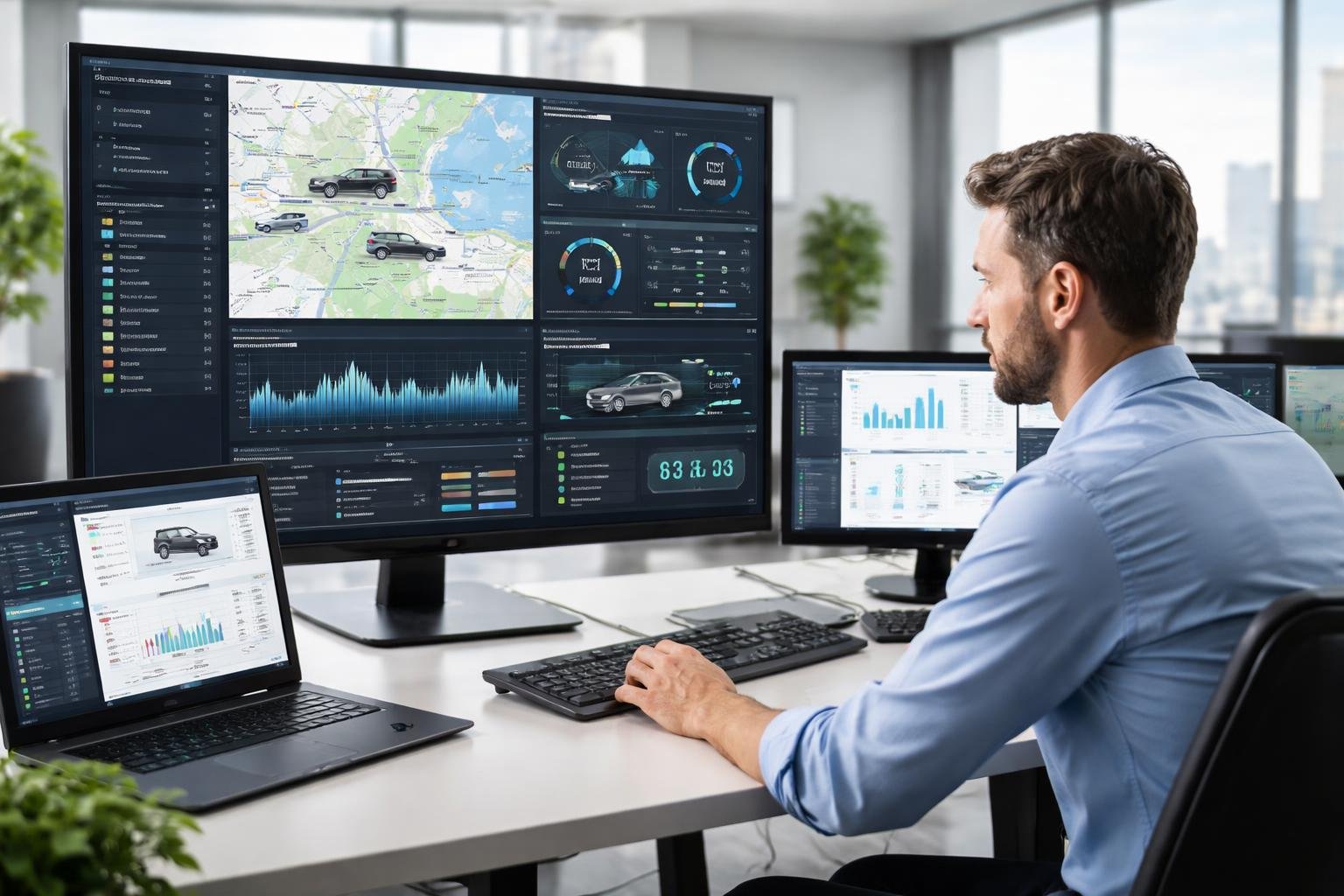
Vehicle telematics monitoring platforms use GPS tracking, onboard diagnostics, and wireless communication to collect and analyze data from vehicles in real time. Fleet managers can monitor vehicle location, driver behavior, fuel use, and maintenance needs through centralized software.
Key Components of Telematics Platforms
Hardware devices installed in vehicles are the foundation of any telematics system. These devices connect to the vehicle's onboard diagnostics port (OBD-II) or operate as standalone GPS units that send data through cellular networks.
The devices collect information such as:
- Vehicle location coordinates
- Engine diagnostics and fault codes
- Speed and acceleration patterns
- Fuel consumption rates
- Idle time and harsh braking events
Telematics software processes the raw data and displays it on web dashboards or mobile apps. The software turns technical readings into clear insights about fleet performance, maintenance schedules, and driver safety.
Electronic logging devices (ELDs) are a type of telematics hardware that automatically records driving time for commercial vehicles. These devices help ensure compliance with hours-of-service rules and provide fleet tracking.
How Telematics Systems Work
GPS satellites send signals that telematics devices use to find vehicle locations. The device calculates its position by measuring the time delay from several satellites, usually reaching accuracy within a few meters.
The device collects GPS and diagnostic data, then sends this information to cloud servers via cellular or satellite networks. This data transmission happens at regular intervals, from every few seconds to every few minutes.
Fleet telematics platforms combine data from many vehicles into a single interface. Managers can view real-time vehicle locations, get alerts about maintenance issues, and generate reports on driver performance.
These systems use automated communication protocols so data flows continuously without human input. This ensures fleet operators always have up-to-date information about their vehicles.
Types of Telematics Devices
Plug-in devices connect to a vehicle's OBD-II port for power and access to diagnostic data. They are easy to install and can be moved between vehicles.
Hardwired systems are installed directly into the vehicle's electrical system. These are harder to tamper with and offer better security.
Device TypeInstallationBest Use CaseOBD-II Plug-inSelf-installLight-duty fleets, short-term trackingHardwiredProfessionalLong-term fleet vehicles, high-security needsBattery-poweredMagnetic mountAssets without power sources, trailersDashcam-integratedProfessionalSafety-focused fleets, incident documentation
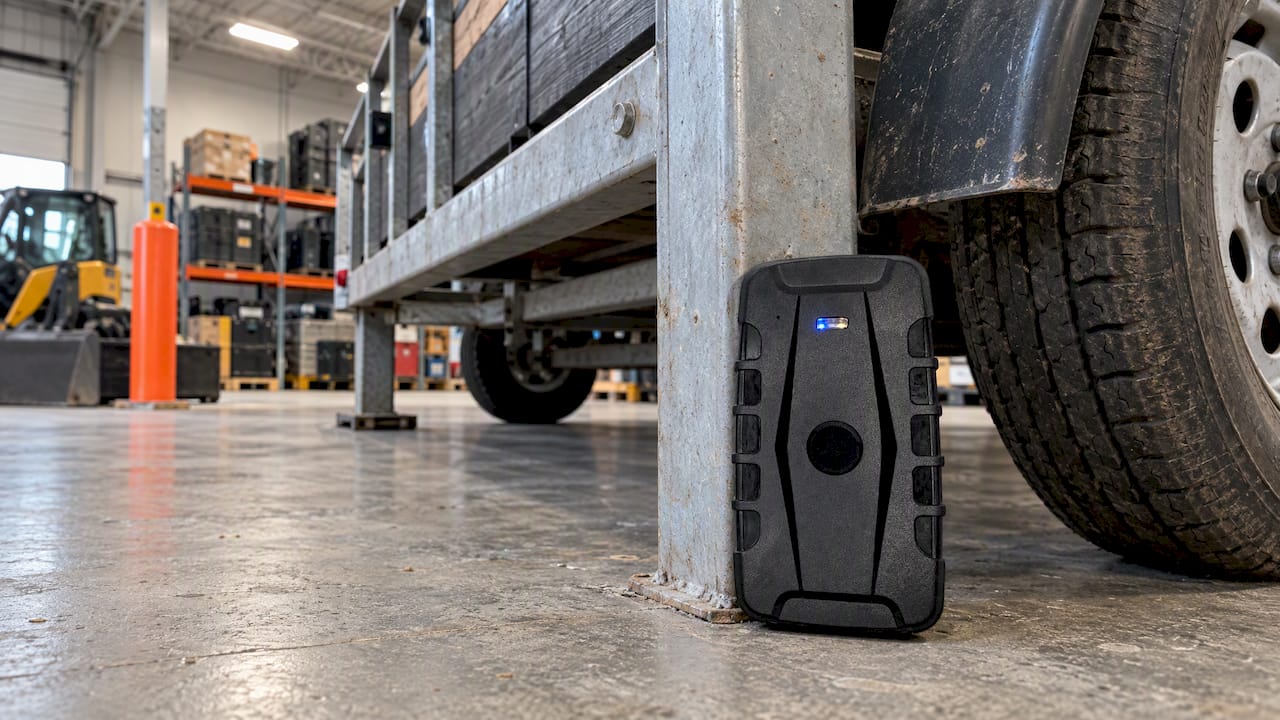
Battery-powered trackers work without vehicle power, making them ideal for monitoring trailers or equipment without electrical connections. These devices need regular battery changes or recharging but are flexible to deploy.
Core Features of Vehicle Telematics Monitoring Platforms
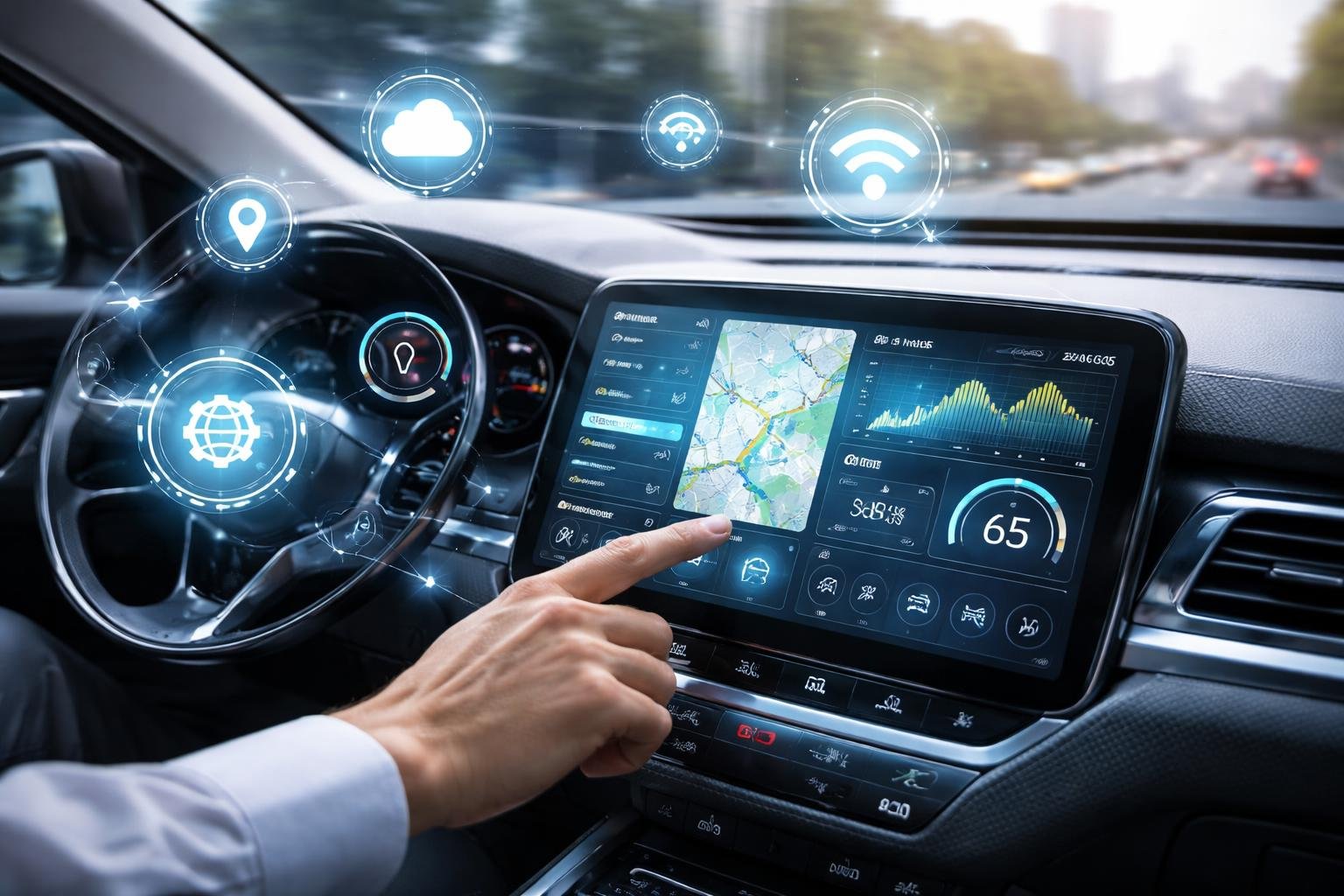
Vehicle telematics monitoring platforms offer several key features that turn raw data into fleet intelligence. These features help fleet managers track assets, prevent breakdowns, control operational boundaries, and analyze performance through one interface.
Real-Time GPS Tracking and Location Monitoring
Real-time GPS tracking is the core of any telematics platform. The system uses satellite positioning to pinpoint each vehicle and sends this data to cloud servers for access via web or mobile apps.
Location updates happen every few seconds to every few minutes, depending on the setup. Fleet managers can view vehicle positions on digital maps and track trip progress live.
Real-time location data shows route changes, unauthorized stops, and idle time at specific places. The system records when and where each stop or movement happens.
GPS tracking also calculates distances for accurate mileage and fuel analysis. Fleet operators use this data to verify driver timesheets, confirm service completion, and improve future routes.
Vehicle Diagnostics and Maintenance Alerts
Vehicle diagnostics gather data from onboard computer systems via the OBD-II port or CAN bus. This gives access to engine codes, fuel use, battery voltage, coolant temperature, and other health metrics.
Telematics platforms use this information to spot mechanical issues early. The system watches for fault codes and sends maintenance alerts for problems like low oil pressure or brake warnings.
Maintenance schedules are based on real vehicle use, not just time or distance estimates. Platforms track engine hours, odometer readings, and conditions to know when services like oil changes are needed.
Key diagnostic metrics include:
- Engine fault codes and descriptions
- Fuel consumption and efficiency trends
- Battery health and charging status
- Tire pressure data
- Brake wear indicators
Instant Notifications and Geofencing
Geofencing creates virtual boundaries on maps for job sites, approved zones, or restricted areas. Fleet managers draw these perimeters to control where vehicles operate.
The platform sends instant notifications when vehicles enter or leave these zones. Alerts can be sent by email, SMS, or app notifications.
Telematics systems also send alerts for speeding, harsh braking, rapid acceleration, long idle times, and after-hours use. Each alert can be customized for different thresholds and delivery methods.
These notifications help managers respond quickly to security or policy issues. Alerts about unauthorized vehicle movement after hours help prevent theft and misuse.
Customizable Reporting and Dashboards
Custom dashboards bring telematics data together in visual displays for different users. Fleet managers, executives, and maintenance staff see the information most relevant to their roles.
Standard reports track mileage, fuel use, driver behavior, maintenance history, and utilization rates. Users can filter data by date, vehicle, driver, or region for deeper analysis.
Advanced platforms let users build custom reports, choose data fields, apply filters, and select charts or tables. Scheduled reports can be emailed automatically to stakeholders.
The dashboard is the main hub for all telematics data. Real-time widgets show active vehicles, alerts, and performance metrics alongside historical trends.
Fleet Management Benefits
Vehicle telematics monitoring platforms improve operational productivity, safety, and fuel cost control. These systems turn raw vehicle data into actionable insights that help reduce costs and improve daily operations.
Enhancing Fleet Productivity and Operational Efficiency
Real-time GPS tracking lets fleet managers monitor vehicle locations at all times. This enables quick responses to delays, route changes, or incidents.
Telematics platforms analyze traffic and suggest better routes to reduce idle time and delays. Managers can dispatch vehicles based on real availability, not just estimates.
The technology tracks maintenance schedules automatically, preventing breakdowns and reducing downtime. Data on route efficiency helps spot wasteful patterns.
Fleet operations become more predictable with access to detailed reports on vehicle performance and utilization. Alerts for unauthorized vehicle use or route deviations improve accountability.
Integrating cloud software with in-vehicle hardware creates a central hub for managing fleet activities. This reduces paperwork and speeds up decision-making.
Boosting Fleet Safety and Driver Performance
Telematics systems monitor driver behavior such as harsh braking, rapid acceleration, and speeding. Fleet managers get real-time alerts for risky actions and can coach drivers immediately.
The technology records incident data useful for claims investigation and accident analysis. Video telematics adds visual evidence to support or challenge liability claims.
Driver scorecards based on telematics data encourage safer driving habits. Many organizations use these scores for incentive programs.
Real-time monitoring also helps with faster roadside assistance and emergency response. Stolen vehicle recovery is more effective with continuous tracking.
Fuel Management and Cost Reduction
Telematics tracks fuel use to find vehicles and drivers that use too much fuel. The system spots inefficient practices like long idling, aggressive driving, and poor routing.
Route optimization features cut unnecessary miles by guiding drivers along the best paths. Telematics data shows each vehicle's fuel efficiency, helping managers find underperforming assets.
Engine monitoring alerts managers to mechanical issues that hurt fuel economy. Preventive maintenance based on real condition reduces repair costs and extends vehicle life.
Fleet management solutions that use telematics data allow organizations to set realistic fuel budgets. Optimized routing and better vehicle performance also reduce emissions.
Driver Behavior and Safety Monitoring
Modern telematics platforms track and analyze driver actions in real time. This allows fleet managers to identify risky behaviors, provide targeted coaching, and maintain compliance with automated logging systems.
Driver Coaching and Performance Analytics
Telematics systems collect detailed data on driver performance. They measure acceleration, braking, cornering, and speed limit adherence.
Fleet managers use this data to create personalized coaching programs to address specific safety issues. Performance analytics dashboards show metrics across the fleet, highlighting top performers and those needing more training.
Automated reports track improvement over time. Real-time alerts notify supervisors when drivers engage in dangerous behaviors, allowing for immediate action.
Advanced platforms use AI analytics to spot patterns like fatigue or gradual changes in habits. Automated monitoring and human coaching work together to improve safety and reduce insurance costs.
Monitoring Driving Patterns and Behaviors
Telematics sensors and cameras detect risky behaviors such as harsh braking, rapid acceleration, sharp turns, tailgating, and mobile device use. These systems record events with timestamps and GPS coordinates, creating a detailed incident log.
The technology also monitors seatbelt use, idle time, and route adherence. Fleet managers set custom thresholds for behaviors, triggering alerts when risks are too high.
Historical analysis shows if risky behaviors occur on specific routes, at certain times, or with certain vehicles. Some systems use driver-facing cameras with computer vision to detect distraction or drowsiness.
This approach gives managers a clear view of fleet operations.
ELD Compliance and Electronic Logging
Electronic Logging Devices automatically record hours of service data, replacing paper logs and ensuring compliance with regulations. These devices connect to vehicle engines and capture drive time, on-duty periods, and rest breaks.
ELD systems alert drivers when they approach their limits, helping prevent violations. The technology creates tamper-proof records for easier inspections and audits.
Fleet managers use dashboards to check compliance status across all drivers. Modern telematics platforms combine ELD data with fuel use, maintenance, and route optimization to simplify administration.
Route Optimization and Dispatching Capabilities
Modern telematics platforms use advanced routing algorithms and real-time dispatching tools. This can reduce fuel use by up to 30% and improve delivery accuracy.
These systems coordinate route planning, driver assignments, and live tracking through centralized dashboards. They connect with existing fleet management tools.
Route Planning and Optimization Algorithms
Telematics platforms use routing algorithms that consider vehicle capacity, delivery windows, traffic, and driver schedules. They analyze past data and current conditions to create efficient routes.
Deliveries are grouped by region and priority. Machine learning models then identify the best stop sequences.
Modern systems update routes dynamically if conditions change. If a vehicle is delayed or new orders arrive, the system redistributes stops quickly, helping maintain service quality.
Estimated Time of Arrival and Efficient Dispatching
Real-time ETA calculations use current traffic, congestion patterns, and stop durations to give accurate delivery windows. Dispatch systems assign orders to drivers based on proximity, vehicle type, and workload.
Automated dispatch matches requests with available vehicles using business rules. The system considers road restrictions, driver certifications, and customer needs.
Live tracking updates ETA models as drivers move through their routes. This helps keep customers informed and lets dispatchers spot problems early.
Integrations with Fleet Management Software
Telematics platforms connect with ERP, CRM, and transportation management systems using APIs. This allows customer orders, addresses, and instructions to flow directly into routing engines.
GPS tracking sends vehicle positions to both routing software and management dashboards. This unified data makes it easier to oversee dispatching, maintenance, and compliance from one place.
Maintenance system integration ensures route assignments consider vehicle health and service needs. The platform avoids assigning critical routes to vehicles needing maintenance or with mechanical issues.
Asset and Electric Vehicle Tracking
Telematics platforms now track not only fleet vehicles but also unpowered assets and electric vehicles. Temperature-controlled cargo monitoring is standard for fleets handling perishable goods or pharmaceuticals.
Asset and Trailer Tracking Solutions
Asset tracking systems use solar-powered GPS devices for trailers, containers, and equipment without power sources. These trackers provide location updates, geofencing alerts, and movement detection.
Fleet managers monitor asset use to spot underused equipment and optimize deployment. Solar charging gives these devices long battery life, with some lasting months on a single charge.
Advanced trackers include sensors for door status, shock detection, and movement alerts. Geofencing notifies managers when assets enter or exit set areas, helping prevent theft.
Electric Vehicle Telematics Features
Electric vehicle telematics connect with battery management systems to provide real-time charge status, range, and battery health. These systems track energy use and create efficiency reports for EVs.
Route optimization considers charging stations, battery levels, and terrain to maximize range. Predictive maintenance alerts warn of battery issues before they affect performance.
Platforms track charging session data, including duration, energy delivered, and cost. Fleet managers can schedule charging during off-peak hours and monitor charging station use.
Integration with OEM systems gives deeper diagnostics and allows remote software updates for EV features.
Temperature and Reefer Monitoring
Temperature monitoring systems track refrigerated cargo using sensors connected to telematics platforms. They record temperature at set intervals and send alerts if readings are outside the set range.
Multi-zone reefer units use separate sensors for each compartment to protect different cargo types. Temperature logs provide proof of compliance for regulated shipments.
Platforms monitor refrigeration unit performance, fuel use, and maintenance needs. Automated alerts notify dispatchers of temperature issues or equipment failures, helping prevent cargo spoilage.
Market-Leading Telematics Platforms and Providers
The vehicle telematics industry includes several leading platforms for fleet management and vehicle monitoring. Providers stand out through specialized features, deployment options, and customer focus.
Overview of Top Vehicle Telematics Platforms
Samsara is an all-in-one platform with fleet telematics, video, and AI analytics. It offers real-time tracking, driver safety monitoring, and predictive maintenance through the cloud.
Geotab serves over two million connected vehicles worldwide with an open-platform design. It emphasizes integration and third-party app compatibility.
Motive targets commercial fleets with ELD compliance, GPS tracking, and dashcam integration. The platform supports transportation and logistics companies needing compliance tools.
Verizon Connect provides enterprise-grade telematics for compliance-focused operations, including route optimization and fuel monitoring.
Azuga focuses on small to mid-sized fleets with affordable pricing and driver coaching. It includes rewards for safe driving.
Key Differences and Strengths of Leading Solutions
Platform choice depends on fleet size, industry, and operational needs. Large enterprises with strict compliance needs often choose Verizon Connect for detailed reporting and regulatory tools.
Geotab is ideal for companies needing extensive integrations and custom apps. Its open API supports specialized industry solutions.
Video telematics is a key feature for Samsara and Motive, which offer integrated dashcams for safety and incident documentation. These platforms use AI to detect risky driving and support coaching.
Azuga is cost-effective and easy to deploy for smaller fleets. Its driver rewards system encourages safety improvements.
Deployment models vary, with cloud-native platforms like Samsara allowing faster setup than legacy systems that need more hardware.
Data Privacy, Security, and Compliance
Telematics platforms collect large amounts of vehicle data, creating obligations for encryption, access controls, and regulatory compliance. Organizations must use strong security measures while respecting driver privacy rights and following laws like GDPR and CCPA.
Best Practices for Data Security in Telematics
Telematics platforms act like mobile data centers and need strong protection. Hardware-based cryptographic chips secure data transmission from vehicle to cloud.
Key security measures include:
- End-to-end encryption for all data transfers
- Role-based access controls to limit data visibility
- Regular security audits of systems and integrations
- Secure update protocols for patching vulnerabilities
Breaches can expose sensitive information, including driver locations and routes. On-premise deployment and encrypted cloud storage let organizations manage security based on risk.
User Privacy and Data Management
Telematics systems collect driver profiles, location data, diagnostics, and sometimes nearby pedestrian information. This data passes through manufacturers, insurers, app developers, and law enforcement.
Clear privacy policies and user consent are essential. Organizations must explain what data is collected, how it is used, and who can access it.
Consent options should allow users to control data sharing. Only necessary information should be collected, and retention policies should set storage limits and automatic deletion schedules.
Anonymization protects privacy while keeping data useful for fleet optimization and safety.
Regulatory Compliance Considerations
GDPR covers data from EU residents and requires a legal basis for collection, data portability, and breach notifications. CCPA gives California residents rights to know and delete their personal information.
Compliance must address:
- Data localization for countries requiring local storage
- Cross-border transfer rules like Standard Contractual Clauses
- Access request processes for drivers
- Vendor management to ensure third parties meet standards
Organizations can face fines for non-compliance. Regular assessments help identify and fix gaps as regulations change with new vehicle technologies.
Future Trends in Vehicle Telematics Monitoring Platforms
Telematics platforms are evolving from simple tracking systems to intelligent ecosystems. They now use artificial intelligence, real-time connectivity, and customer-focused design.
These advances help fleet operators and vehicle owners gain deeper insights into their operations. The focus is shifting from just location monitoring to overall operational intelligence.
Predictive Maintenance and AI Analytics
AI-powered telematics platforms analyze sensor data to find potential problems before they happen. Machine learning processes information from engine diagnostics, tire pressure monitors, and battery health indicators.
These systems send instant alerts when they detect issues in vehicle performance data. Fleet managers get notifications about worn brake pads, failing alternators, or cooling system problems before a full breakdown.
Predictive analytics can reduce unexpected downtime in commercial fleets by up to 35%. Maintenance schedules change based on how vehicles are actually used, not just on mileage.
This approach lowers repair costs and helps vehicles last longer. Timely interventions keep fleets running smoothly.
Cloud-based analytics combine data from many sources to offer useful maintenance advice. Platforms compare each vehicle's performance to fleet-wide benchmarks to spot those needing attention.
Integration with IoT and Connected Vehicles
5G networks and vehicle-to-everything (V2X) communications create fast connections between vehicles, infrastructure, and the cloud. Telematics systems now share data with traffic signals, parking systems, and other vehicles to improve routing and safety.
Connected vehicle ecosystems allow real-time data sharing among manufacturers, service providers, and fleet operators. Open APIs help telematics platforms connect with resource planning systems, fuel cards, and driver management tools.
Smart city integration lets telematics platforms access live traffic, weather, and construction data. Vehicles can automatically adjust routes based on congestion and environmental factors.
Improving Customer Experience Through Telematics
Telematics data enables clear communication between service providers and customers.
Delivery tracking features use real-time vehicle location and traffic conditions to give accurate arrival windows.
Insurance telematics programs use driving behavior data to create personalized premiums.
Drivers get feedback on acceleration, braking, and speed through mobile apps connected to telematics platforms.
Service organizations use telematics to send proactive customer notifications.
Clients receive instant alerts when technicians leave for appointments, with live ETAs updating during the journey.