How to start saving money
Lorem ipsum dolor sit amet, consectetur adipiscing elit lobortis arcu enim urna adipiscing praesent velit viverra sit semper lorem eu cursus vel hendrerit elementum morbi curabitur etiam nibh justo, lorem aliquet donec sed sit mi dignissim at ante massa mattis.
- Neque sodales ut etiam sit amet nisl purus non tellus orci ac auctor
- Adipiscing elit ut aliquam purus sit amet viverra suspendisse potent
- Mauris commodo quis imperdiet massa tincidunt nunc pulvinar
- Excepteur sint occaecat cupidatat non proident sunt in culpa qui officia
Why it is important to start saving
Vitae congue eu consequat ac felis placerat vestibulum lectus mauris ultrices cursus sit amet dictum sit amet justo donec enim diam porttitor lacus luctus accumsan tortor posuere praesent tristique magna sit amet purus gravida quis blandit turpis.

How much money should I save?
At risus viverra adipiscing at in tellus integer feugiat nisl pretium fusce id velit ut tortor sagittis orci a scelerisque purus semper eget at lectus urna duis convallis. porta nibh venenatis cras sed felis eget neque laoreet suspendisse interdum consectetur libero id faucibus nisl donec pretium vulputate sapien nec sagittis aliquam nunc lobortis mattis aliquam faucibus purus in.
- Neque sodales ut etiam sit amet nisl purus non tellus orci ac auctor
- Adipiscing elit ut aliquam purus sit amet viverra suspendisse potenti
- Mauris commodo quis imperdiet massa tincidunt nunc pulvinar
- Adipiscing elit ut aliquam purus sit amet viverra suspendisse potenti
What percentege of my income should go to savings?
Nisi quis eleifend quam adipiscing vitae aliquet bibendum enim facilisis gravida neque. Velit euismod in pellentesque massa placerat volutpat lacus laoreet non curabitur gravida odio aenean sed adipiscing diam donec adipiscing tristique risus. amet est placerat in egestas erat imperdiet sed euismod nisi.
“Nisi quis eleifend quam adipiscing vitae aliquet bibendum enim facilisis gravida neque velit euismod in pellentesque”
Do you have any comments? Share them with us on social media
Eget lorem dolor sed viverra ipsum nunc aliquet bibendum felis donec et odio pellentesque diam volutpat commodo sed egestas aliquam sem fringilla ut morbi tincidunt augue interdum velit euismod eu tincidunt tortor aliquam nulla facilisi aenean sed adipiscing diam donec adipiscing ut lectus arcu bibendum at varius vel pharetra nibh venenatis cras sed felis eget.
Managing vehicles, assets, and field operations often needs more precision than spreadsheets or basic GPS tracking can give. Verizon Connect Telematics helps businesses use location data to improve efficiency, safety, and compliance.
It gives organizations real-time visibility into their fleets—showing where vehicles are, how they’re performing, and what actions can optimize operations.
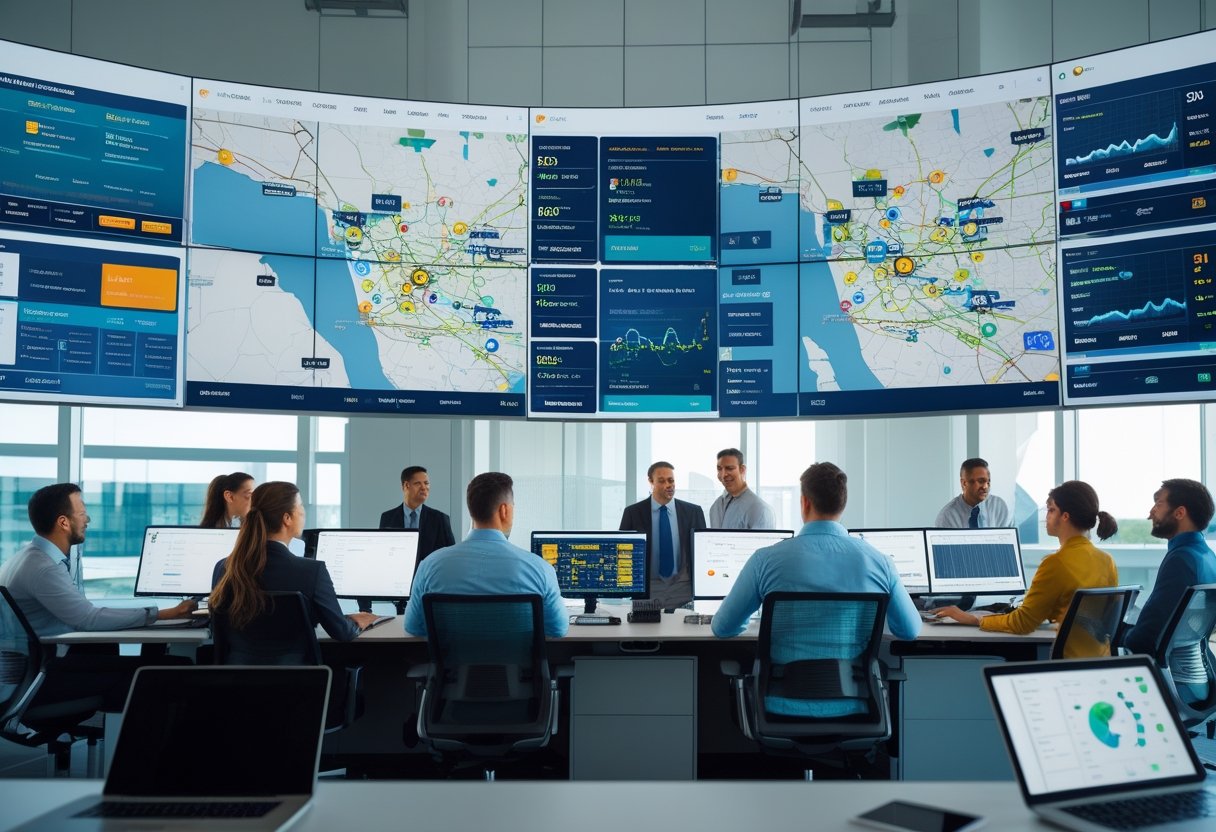
Verizon Connect uses advanced telematics with hardware, software, and cloud connectivity to give a clear view of every part of a business’s operation. It supports fleets of all sizes, from local service providers to large enterprises, through solutions like Reveal and Fleet.
This system does more than tracking. It enables data-driven decisions that reduce downtime and improve driver performance.
By connecting vehicles, drivers, and workflows on one platform, Verizon Connect Telematics helps businesses manage fleets sustainably and efficiently.
Overview of Verizon Connect Telematics
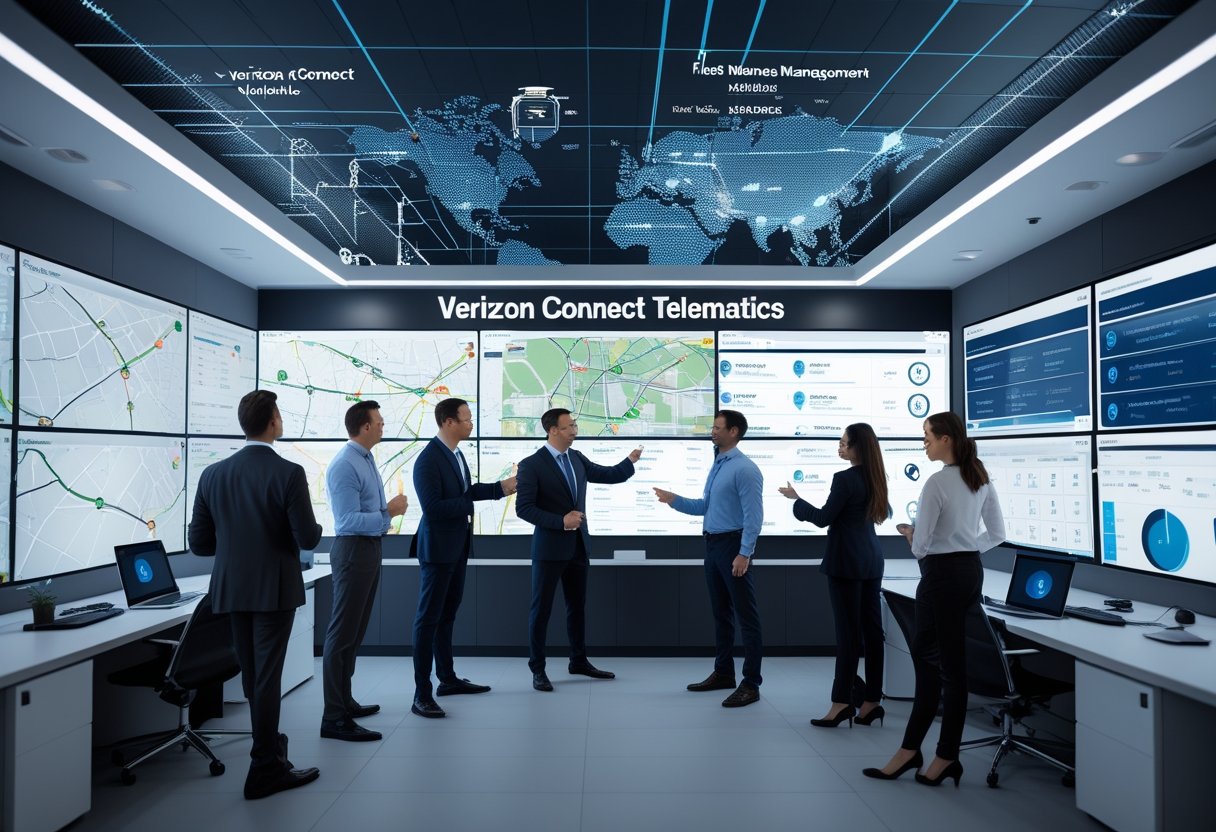
Verizon Connect delivers telematics technology that helps organizations track, manage, and optimize fleets in real time. It combines GPS tracking, data analytics, and automation to improve vehicle utilization and enhance driver safety.
What Is Verizon Connect Telematics
Verizon Connect Telematics is a fleet management solution that uses connected vehicle data to monitor performance, driver behavior, and asset location. It was formed by combining Verizon’s earlier telematics providers—Fleetmatics, Telogis, and Verizon Telematics—into a single platform launched in 2018.
The system collects data from onboard hardware or built-in modems and sends it to cloud-based software for reporting and analysis. Fleet operators can access insights like engine diagnostics, idle time, route patterns, and fuel use.
The platform serves sectors such as logistics, construction, and field services. It supports both small fleets and large enterprise operations looking for more control over vehicles and mobile assets.
Key Features and Capabilities
Verizon Connect offers a range of telematics tools to improve efficiency and compliance.
FeatureDescriptionReal-time GPS trackingDisplays live vehicle location and trip history for route planning and dispatching.Driver behavior monitoringRecords speeding, harsh braking, and idling to promote safe driving habits.Maintenance alertsGenerates service reminders based on odometer readings and engine data.GeofencingSets virtual boundaries to detect unauthorized vehicle movement.Integration supportConnects with external fleet or field management systems for unified data.
These features help businesses lower operating costs, increase visibility, and maintain high safety and performance standards across their fleets.
Core Solutions and Products

Verizon Connect provides technology to track vehicles, monitor driver behavior, and integrate data across fleets of different sizes. Its tools use GPS tracking, video intelligence, and telematics data to improve safety and performance.
Verizon Connect Reveal
Verizon Connect Reveal is for small and midsize fleets that need near real-time visibility into vehicle activity. It tracks vehicle location, route history, idling time, and fuel usage through an online dashboard and mobile app.
Managers can view driver performance metrics, set geofences, and get alerts when vehicles leave set areas or exceed speed limits. The platform’s simple interface and quick setup make it easy to use.
Users can schedule reports and customize notifications to monitor costs and driver productivity. Integration with field service tools helps coordinate dispatch and operations.
Reveal’s mobile-first design lets supervisors and drivers access key insights from anywhere. This improves responsiveness and accountability.
Key FeaturesDescriptionGPS trackingUpdates location data every few secondsDriver scorecardsRates performance on speed, idling, and behaviorCustom alertsSends notifications for maintenance, movement, or violations
Verizon Connect Fleet
Verizon Connect Fleet is for large enterprises with complex logistics and advanced reporting needs. It uses telematics hardware in each vehicle to send data on engine diagnostics, utilization, and compliance.
The system includes maintenance scheduling and compliance tracking for electronic logging device (ELD) regulations. Fleet helps improve operational efficiency and asset use.
Automated workflows replace manual reporting, and analytics dashboards show performance trends. Managers can monitor each vehicle’s health and address issues before they cause downtime.
The platform supports integration with enterprise systems like ERP or payroll for unified data management.
Core capabilities include:
- Real-time fleet overview
- Fuel consumption analysis
- Maintenance scheduling
- Route and driver performance optimization
Integrated Dashcams
Verizon Connect’s dashcams combine GPS data with HD video to give context for incidents on the road. The cameras record both road-facing and driver-facing views, offering insight into driver habits and external events.
Video evidence helps with insurance claims and driver coaching. The system uses AI-based event detection to spot risky behaviors like harsh braking or tailgating.
Managers can review clips inside the Reveal or Fleet interface, connecting telematics data with video records. These devices help reinforce safe driving and reduce the risk of false accident claims.
They also improve accountability by linking on-road activity with feedback.
OEM Telematics
OEM telematics gets data directly from vehicle manufacturers’ built-in hardware, so no extra installation is needed. Verizon Connect partners with major car, truck, and equipment makers to access real-time engine and sensor data through factory-installed devices.
This makes rollout easier for companies with mixed fleets. It ensures consistent telematics performance without extra hardware costs.
OEM telematics supports key measurements like odometer readings, fault codes, and fuel levels. By using direct manufacturer integrations, Verizon Connect lets businesses activate vehicles through software, making onboarding faster and ensuring compatibility with modern models.
Fleet Tracking and Visibility
Verizon Connect uses telematics technology to give businesses more control over vehicle and asset operations. By combining GPS tracking with live data and automated alerts, it helps teams stay aware of fleet activity, location, and performance.
Real-Time GPS Tracking
Verizon Connect’s real-time GPS tracking gives continuous visibility of every vehicle in a fleet. The system sends location, speed, and route data from installed hardware to a central online dashboard.
This live feed lets fleet managers view operations on a map, check driver status, and verify schedules. The platform combines data into customizable reports and dashboards.
Managers can analyze patterns like idling, route efficiency, or time on site to find areas for improvement. This helps with better routing decisions, reduces extra mileage, and enforces safe driving standards.
Real-time data also boosts accountability. When customers ask for proof of delivery or arrival, the system provides timestamped location details to verify service records.
Asset and Equipment Monitoring
Verizon Connect supports asset tracking for powered and unpowered equipment, not just vehicles. GPS tags and telematics sensors monitor trailers, generators, and heavy machinery to prevent loss or misuse.
Users can check the last known position, current status, and use rate of each unit. This helps companies recover misplaced assets quickly and optimize deployment.
Automatic reports show how often equipment is used or idle, helping with better investment and maintenance decisions. For fleets with both vehicles and equipment, combining data in one dashboard makes oversight simpler.
Fleet managers can match assets to drivers or vehicles, reducing confusion and improving resource allocation.
Geofencing and Alerts
Geofencing tools create virtual boundaries around job sites, customer facilities, and maintenance yards. When a vehicle enters or leaves these zones, the system sends real-time alerts by email, SMS, or app notifications.
This feature improves security by spotting unauthorized movement after hours. It also confirms timely arrivals at set locations.
Alerts can also track harsh driving or maintenance needs. Managers can set what triggers notifications, reducing manual monitoring and keeping operations in line with company policies.
Driver Performance and Safety
Verizon Connect uses telematics and AI video systems to measure driving, improve decisions, and lower risk. These tools track speeding, idling, braking, and cornering to support coaching and safer driving.
Driver Behavior Monitoring
Driver behavior monitoring uses telematics sensors and cameras to track how drivers operate their vehicles. The system records real-time data on speeding, harsh braking, rapid acceleration, and idle time.
Fleet managers use this data to spot unsafe or inefficient habits that increase fuel use and accident risk. AI-powered video telematics adds another layer by detecting distractions and fatigue.
This helps managers address issues early and protect both drivers and assets. Automated alerts notify when limits are exceeded, like speeding or unauthorized use.
Managers can review event footage and provide targeted feedback. Regular monitoring keeps performance data current and helps meet safety goals.
Driver Scorecards
Driver scorecards summarize each driver’s performance using data from telematics. They use metrics like distance traveled, safety events, and fuel efficiency.
Typical scorecard categories include:
CategoryExample MetricsSafetySpeeding, hard braking, corneringEfficiencyIdle time, route adherence, fuel useComplianceDVIR completion, inspection accuracy
By turning daily data into scores, fleet operators can quickly find top performers and those needing more training. The system supports data-driven coaching and helps employees see where to improve.
Drivers get clear feedback. Regular reviews encourage better habits and reward strong performance.
Incident and Safety Management
Incident and safety management tools capture events automatically and make investigations easier. When a collision or near-miss happens, cameras and sensors record video, speed, and location data.
This quick record helps with post-incident analysis and insurance reporting. Fleet managers get evidence-based reports that show what happened before, during, and after each event.
The information helps find out if unsafe driving or outside conditions played a part. If repeated risky behavior is found, the system schedules coaching sessions.
Documented progress shows compliance with safety policies and helps build a culture of accountability.
Compliance and Regulatory Management
Verizon Connect uses telematics data to help fleets stay compliant with driver safety and federal transportation rules. It centralizes logs, inspection reports, and regulatory updates.
This allows fleet managers to keep accurate records and minimize administrative workload.
ELD and HOS Compliance
Electronic Logging Devices (ELDs) replace paper logs by automatically recording a driver’s Hours of Service (HOS). Verizon Connect integrates ELD hardware with its telematics platform.
Each trip, break, and on-duty period is logged according to the FMCSA ELD mandate. The system alerts drivers before they exceed daily or weekly HOS limits.
Fleet managers can review these logs in real time. This helps them identify violations early.
Automatic data sync prevents inconsistent entries. It also promotes compliance accuracy during inspections.
Key functions include:
- Automatic duty status updates
- Device synchronization with engine data
- Real-time log retention and retrieval
- Audit-ready reporting
DVIR and Inspection Reporting
Driver Vehicle Inspection Reports (DVIRs) ensure that fleets meet safety and maintenance standards. Verizon Connect simplifies this task through digital inspection tools.
Drivers can complete pre- and post-trip inspections directly from a mobile device. They can attach photos and notes for clarity.
The platform collects inspection results and sends them to maintenance teams immediately. Issues such as tire wear, brake performance, or light malfunctions can be flagged for repair before the next dispatch.
Benefits include:
FeatureFunctionDigital FormsCapture inspection data electronicallyInstant AlertsNotify mechanics of safety defectsRecord StorageKeep historical DVIR data for audits
FMCSA Regulations
The Federal Motor Carrier Safety Administration (FMCSA) enforces standards that govern driver records, operating hours, and vehicle condition. Verizon Connect aligns its compliance management tools with these federal rules.
Fleets have a centralized way to monitor and document performance against FMCSA criteria. The system updates automatically as rules evolve.
Managers can generate compliance reports and review past violations. Operational policies can be aligned with safety guidelines.
Verizon Connect’s integration of telematics with regulatory data supports a traceable audit trail. This documentation helps fleets meet FMCSA expectations for accountability.
Operations Optimization
Telematics technology streamlines task coordination. Fleet managers can reduce idle time and improve job completion rates.
Verizon Connect integrates data-driven tools that refine key operational processes and strengthen accountability.
Dispatch and Scheduling
Accurate dispatching supports better task distribution and minimizes downtime. Verizon Connect’s platform enables managers to assign jobs based on driver proximity, vehicle availability, and workload.
This increases fleet efficiency by eliminating unnecessary travel between assignments. Centralized dashboards provide live mapping of all vehicles.
Job progress and estimated time of arrival (ETA) updates are shown in real time. Dispatchers can react to changes such as delays or cancellations immediately.
Tasks can be reallocated to keep operations running on schedule. Automated scheduling functions reduce manual coordination.
Fleets benefit from configurable alerts, standardized workflows, and digital logs. These tools simplify management of multiple teams and maintain consistent service levels.
Route Optimization and Planning
Effective routing ensures vehicles take the most efficient path between jobs. Verizon Connect uses GPS data and telematics insights to analyze driving patterns and traffic conditions.
The system calculates optimal travel paths that cut fuel use and shorten delivery times. Dynamic route optimization adjusts routes when traffic or weather changes occur.
This helps fleets maintain accuracy in ETAs and avoid unplanned detours. Route planning tools also support data comparison over time.
Managers can track recurring inefficiencies and evaluate route profitability. Preventive maintenance schedules can be planned based on vehicle use.
Vehicle Maintenance and Diagnostics
Verizon Connect telematics helps fleet operators maintain reliable vehicles. It integrates real-time sensor data, diagnostic alerts, and automated maintenance planning.
These tools improve service timelines and reduce unplanned downtime. Managers get a clearer picture of vehicle health across the fleet.
Maintenance Scheduling
The system enables automatic tracking of odometer readings, engine hours, and usage intervals. Managers can set service reminders based on mileage or time since last service.
Scheduled alerts appear in the dashboard. They can sync with third-party tools such as Fleetio or RTA through the Verizon Connect Marketplace.
This allows maintenance teams to plan work orders and parts procurement before vehicles reach critical wear limits. With data flowing from telematics devices, fleets avoid missed services and duplicate tasks.
Centralized scheduling reduces administrative work. Maintenance cycles become more predictable.
Fleet managers gain documentation for compliance audits and warranty tracking. This strengthens operational oversight.
Engine Faults and Diagnostics
Verizon Connect scans and reports Diagnostic Trouble Codes (DTCs) from the vehicle’s onboard systems. When faults occur, alerts notify managers immediately.
Repairs can be scheduled before mechanical issues escalate. The platform provides visibility into engine temperature, oil pressure, battery voltage, and emission controls.
This helps identify performance problems that might not trigger warning lights. The information can guide technicians by highlighting probable causes or suggesting nearby service locations.
By logging both active and historical codes, diagnostic analytics help determine recurring problems. Repair effectiveness can be measured over time.
Reducing Maintenance Costs
Maintenance programs built on telematics data lower costs for fuel, repairs, and downtime. Early detection of engine faults prevents expensive component failures.
Predictive analytics optimize part replacement intervals. The system enables cost tracking at the vehicle level.
Hours, distance, labor, and material expenses are recorded in one platform. Fleet managers can compare maintenance performance across vehicles to find cost trends or inefficiencies.
Routine telematics-based monitoring promotes safer driving. It minimizes roadside breakdowns.
Reduced unplanned maintenance improves fleet availability. It also supports better budget forecasting.
Data, Integration, and Scalability
Verizon Connect uses telematics data to help fleets operate more efficiently. It combines sensor information, GPS tracking, and analytics tools.
The software supports flexible integrations and scalable performance. Small operators and enterprise fleets can manage vehicles, drivers, and mobile workforces within a single platform.
Telematics Data and Analytics
Telematics data collected from vehicles includes GPS location, engine diagnostics, idle time, and driver behavior metrics. Verizon Connect uses this information to produce detailed analytics dashboards.
These dashboards show fleet performance trends and compliance insights. Managers can access metrics in real time through mobile apps or web-based fleet management software.
This helps compare driver activity, route efficiency, and vehicle utilization. Reports enable data-driven decisions such as adjusting maintenance intervals or identifying unnecessary fuel use.
The platform’s data analytics features include customizable alerts and historical trend visualization. Users can export reports to CSV or integrate them into business intelligence tools.
Software Integrations
Verizon Connect’s system connects through APIs. It links telematics and mobile resource management (MRM) tools with other business software.
This includes ERP systems, dispatch applications, and fleet maintenance platforms like Fleetio, Datatruck, and Bus CMMS. Integrations allow fleets to sync assets and create maintenance schedules automatically.
Location data can be pushed directly into third-party systems. Common integrations use secure API tokens and predefined data fields.
Integration TypeExample UseKey BenefitMaintenance SoftwareFleetioAutomatic asset creation from telematics devicesTMS / DispatchDashdocSyncs vehicle location with order trackingERP SystemsCustom IntegrationConsolidates cost and performance data
These connections simplify administrative tasks and improve accuracy. They provide a single source of operational insight across departments.
Scalability for Different Fleet Sizes
Verizon Connect’s platform adapts to fleets ranging from a handful of vehicles to thousands. Smaller operations use core tracking and alert functions.
Large enterprises enable advanced API integrations and analytics automation. The system scales through account-level customization and flexible data storage.
Reporting frequency can be adjusted as needed. As fleets grow, organizations can add vehicles, user roles, and connected sensors without major changes.
Cloud-based deployment ensures consistent performance and real-time visibility. This scalability supports continuous growth and reliable connectivity for every vehicle and workforce member.
Fleet Electrification and Sustainability
Fleet electrification combines environmental goals with operational efficiency. Data-driven tools help manage electric vehicles and charging infrastructure.
Telematics platforms integrate vehicle performance, energy use, and charging data. This helps fleets reduce fuel costs, plan routes, and meet sustainability targets.
Electric Vehicle Monitoring
Verizon Connect’s telematics solutions collect real-time data on battery health, energy consumption, and driving efficiency. This information helps fleet managers understand the lifecycle costs of electric vehicles (EVs).
Tracking miles driven per kilowatt-hour identifies underperforming vehicles and informs maintenance or replacement decisions. The system can display EV performance metrics such as:
MetricDescriptionBattery State of HealthIndicates long-term capacity and degradation trendsEnergy ConsumptionMeasures energy use across routesRegenerative Braking EfficiencyTracks recovered energy during braking
By combining GPS, telematics sensors, and performance analytics, managers can align vehicle usage with sustainability goals. They can also forecast electricity demand across depots.
This helps plan cost-effective charging schedules that balance fleet operations with grid capacity.
Charging Status and Alerts
Monitoring charging activity is central to efficient EV fleet management. Verizon Connect’s software provides charging status visibility across multiple sites.
It shows whether a vehicle is actively charging, idle, or fully charged. When unexpected events occur—such as unplugged vehicles or charging delays—automated alerts notify managers.
These insights help prevent route interruptions and extend battery life. Automated reports can track charging patterns.
Fleets can identify peak-hour electricity use and schedule lower-cost charging windows. Faulty or inefficient charging stations can also be detected.
Maintaining detailed charging records supports compliance with sustainability reporting. It assists in calculating precise carbon offset metrics.
A well-monitored charging network helps fleets operate reliably as they transition away from gasoline-powered vehicles.
Customer Experience and Support
Verizon Connect emphasizes ease of use and dependable assistance. It offers integrated solutions that help organizations manage fleets efficiently.
The focus is on clear data visualization, responsive support channels, and compatibility with existing platforms. These features help maintain smooth business operations.
User Interface and Usability
The user interface of Verizon Connect uses clear dashboards and simple navigation. Fleet managers can quickly view vehicle locations, trip histories, and performance metrics.
The design is easy to use and does not require much setup or training. This is helpful for companies with large or mobile teams.
Users like the customizable reports and data filters. These tools let them track fleet metrics such as fuel use, route efficiency, or driver behavior.
The system works on both desktop and mobile devices through the Reveal app. This gives drivers access in the field.
Small icons and color-coded alerts help users spot important events quickly. Clear menus and organized features make daily monitoring easier.
Automated notifications help managers respond to changes fast.
Customer Support and Training
Customer support is important for fleets using Verizon Connect. The company offers 24/7 support by phone and email at support@verizonconnect.com or +1 (877) 943‑7306.
Help centers and online portals provide searchable articles, guides, and videos. Some users have noted slow response times and ticket resolution.
The Help Center is organized by topic, product, or issue. Training resources include onboarding sessions, webinars, and detailed documentation.
These materials help new users start using telematics data quickly.
Partnerships and Integrations
Verizon Connect partners with several technology and logistics providers. This improves connectivity between its fleet software and external systems.
Integration options include API access and synchronization with fuel card programs. The system also links to enterprise planning systems.
These connections reduce manual entry. They help keep data consistent across departments.
The system builds on technology from Fleetmatics, Telogis, and Networkfleet. By combining these platforms, Verizon Connect enables broader feature coverage.
Fleet operators can connect telematics data with routing and maintenance software. Integration with ELD and safety platforms supports regulatory accuracy and driver performance tracking.
This environment streamlines communication between dispatchers and drivers. It also helps analytics teams access up-to-date information.