Fleet Vehicle Tracking Technology: Essential Tools for Modern Business Operations
How to start saving money
Lorem ipsum dolor sit amet, consectetur adipiscing elit lobortis arcu enim urna adipiscing praesent velit viverra sit semper lorem eu cursus vel hendrerit elementum morbi curabitur etiam nibh justo, lorem aliquet donec sed sit mi dignissim at ante massa mattis.
- Neque sodales ut etiam sit amet nisl purus non tellus orci ac auctor
- Adipiscing elit ut aliquam purus sit amet viverra suspendisse potent
- Mauris commodo quis imperdiet massa tincidunt nunc pulvinar
- Excepteur sint occaecat cupidatat non proident sunt in culpa qui officia
Why it is important to start saving
Vitae congue eu consequat ac felis placerat vestibulum lectus mauris ultrices cursus sit amet dictum sit amet justo donec enim diam porttitor lacus luctus accumsan tortor posuere praesent tristique magna sit amet purus gravida quis blandit turpis.

How much money should I save?
At risus viverra adipiscing at in tellus integer feugiat nisl pretium fusce id velit ut tortor sagittis orci a scelerisque purus semper eget at lectus urna duis convallis. porta nibh venenatis cras sed felis eget neque laoreet suspendisse interdum consectetur libero id faucibus nisl donec pretium vulputate sapien nec sagittis aliquam nunc lobortis mattis aliquam faucibus purus in.
- Neque sodales ut etiam sit amet nisl purus non tellus orci ac auctor
- Adipiscing elit ut aliquam purus sit amet viverra suspendisse potenti
- Mauris commodo quis imperdiet massa tincidunt nunc pulvinar
- Adipiscing elit ut aliquam purus sit amet viverra suspendisse potenti
What percentege of my income should go to savings?
Nisi quis eleifend quam adipiscing vitae aliquet bibendum enim facilisis gravida neque. Velit euismod in pellentesque massa placerat volutpat lacus laoreet non curabitur gravida odio aenean sed adipiscing diam donec adipiscing tristique risus. amet est placerat in egestas erat imperdiet sed euismod nisi.
“Nisi quis eleifend quam adipiscing vitae aliquet bibendum enim facilisis gravida neque velit euismod in pellentesque”
Do you have any comments? Share them with us on social media
Eget lorem dolor sed viverra ipsum nunc aliquet bibendum felis donec et odio pellentesque diam volutpat commodo sed egestas aliquam sem fringilla ut morbi tincidunt augue interdum velit euismod eu tincidunt tortor aliquam nulla facilisi aenean sed adipiscing diam donec adipiscing ut lectus arcu bibendum at varius vel pharetra nibh venenatis cras sed felis eget.
Fleet vehicle tracking technology is essential for businesses managing commercial vehicles in 2026. This technology uses GPS and telematics to monitor real-time location, performance metrics, and driver behavior across fleets.
Companies now rely on these systems to make data-driven decisions about their mobile assets.
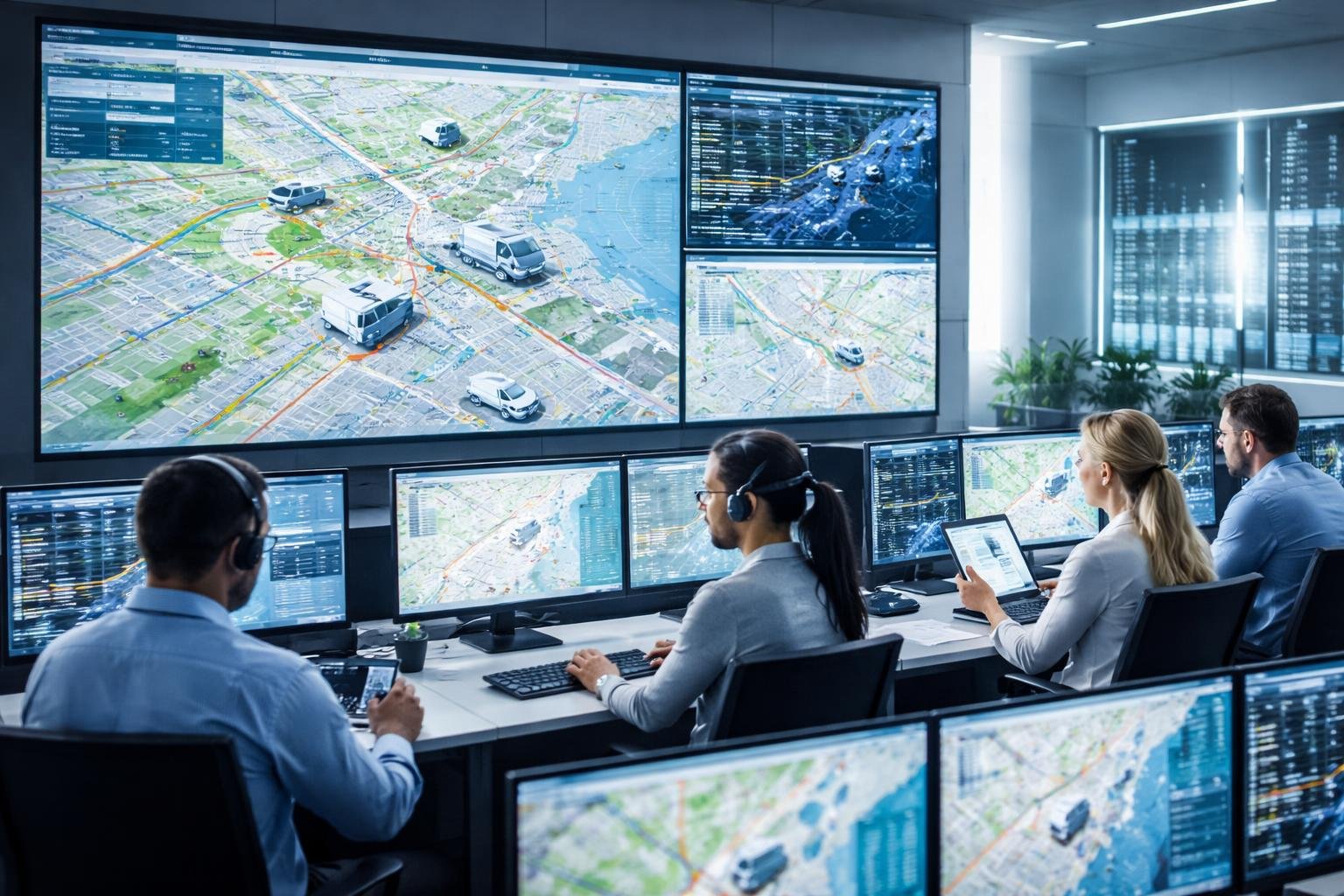
Fleet tracking systems combine GPS technology with telecommunications and data analytics. This provides continuous visibility into vehicle location, driver activities, fuel consumption, and maintenance needs.
The technology has evolved to offer comprehensive fleet management capabilities. Businesses use these platforms to reduce costs, improve route efficiency, and enhance customer service.
Understanding the types of tracking systems, their features, and implementation strategies helps fleet managers select the right solution. The market offers options from basic GPS trackers to advanced platforms with maintenance scheduling, compliance reporting, and predictive analytics.
Choosing the right system depends on fleet size, industry needs, budget, and long-term goals.
What Is Fleet Vehicle Tracking Technology?
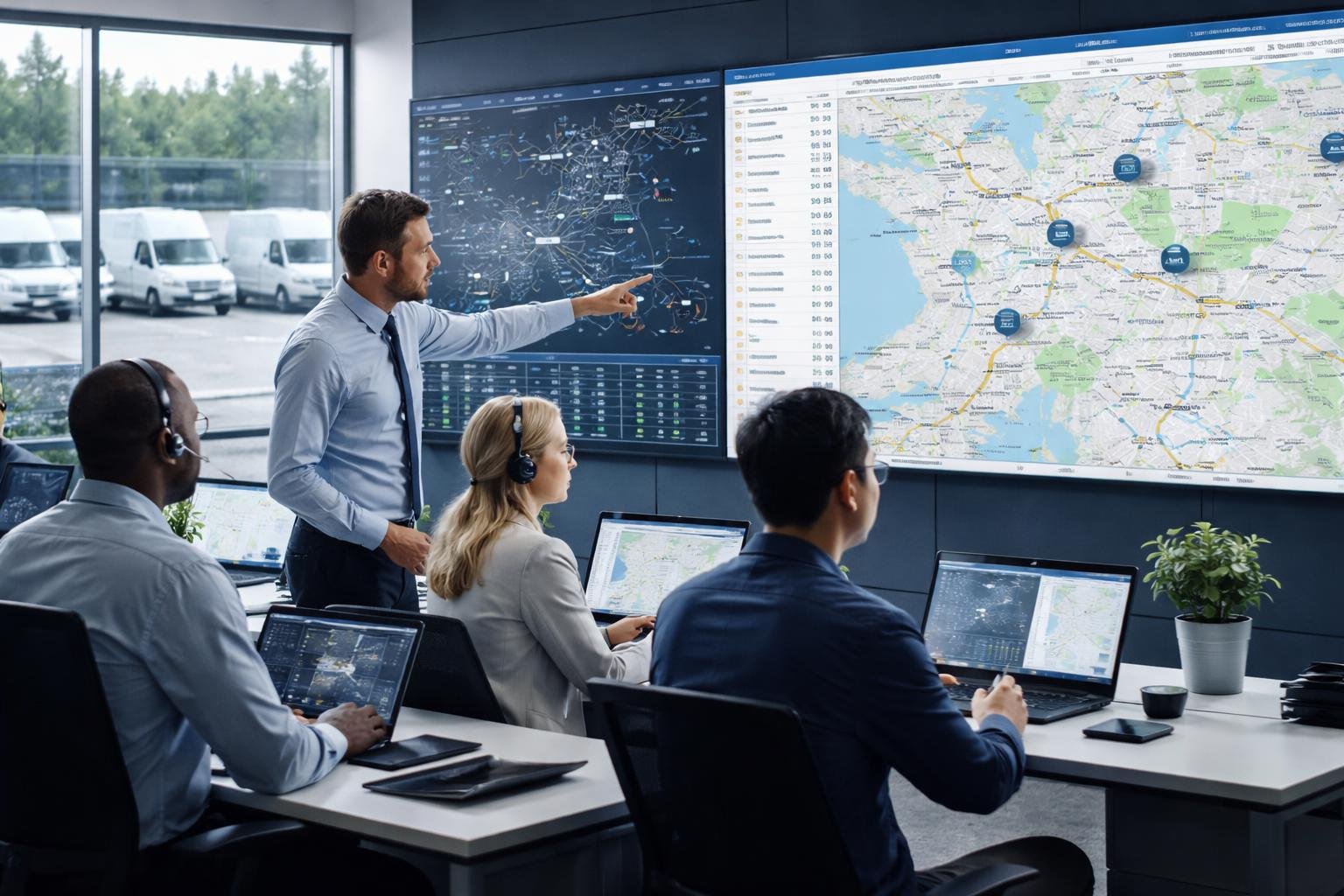
Fleet vehicle tracking technology uses GPS satellites and wireless networks to monitor vehicle locations and activities in real time. The system combines hardware, telecommunications, and software platforms to give businesses visibility into their vehicles.
Core Principles of Fleet Tracking
Fleet tracking operates on three main principles: location monitoring, data transmission, and centralized analysis. GPS satellites send signals to tracking devices in vehicles, which calculate precise coordinates.
These devices relay information through cellular or satellite networks to cloud-based platforms. The technology captures more than just location—it also records speed, direction, idle time, and route history.
Fleet managers access this information through web dashboards or mobile apps that display vehicles on real-time maps.
Primary tracking capabilities include:
- Real-time position updates every 30-60 seconds
- Historical route playback
- Geofencing alerts for entering or exiting areas
- Monitoring driving behaviors like harsh braking or rapid acceleration
Key Components of Vehicle Tracking Systems
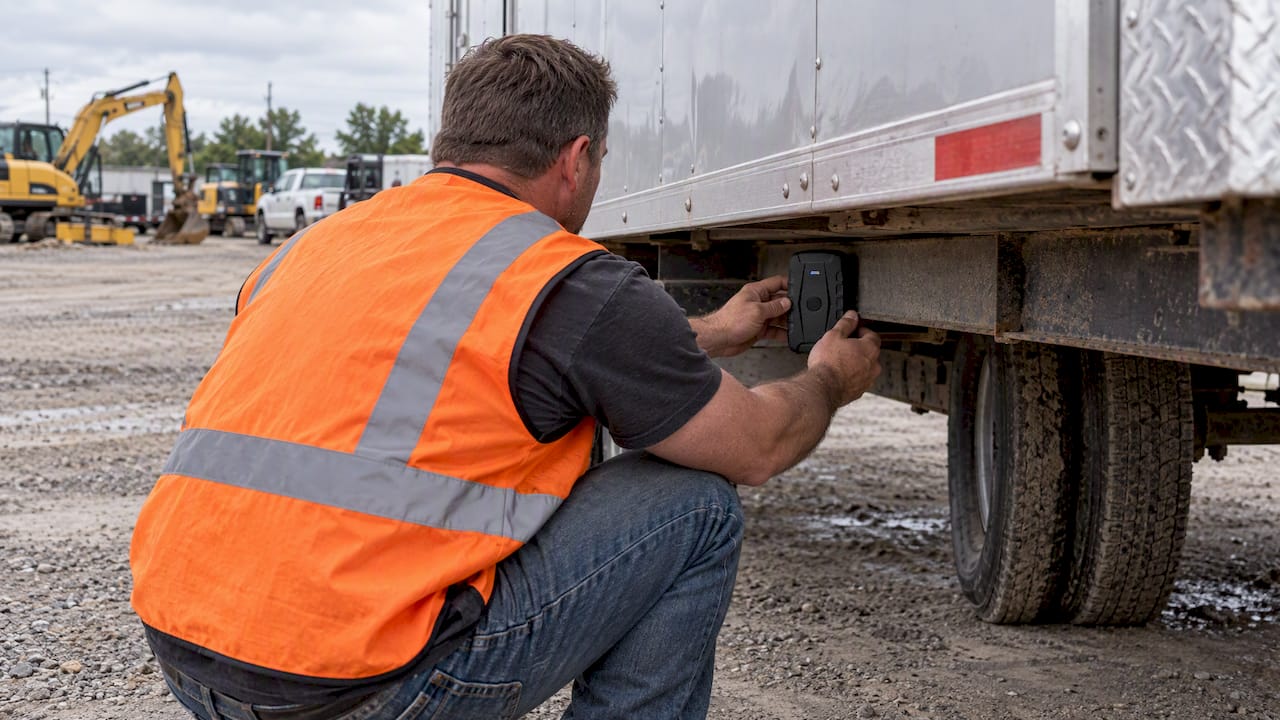
A complete fleet tracking system has three main components. GPS tracking devices are installed in vehicles and contain receivers, processors, and communication modules.
These devices range from simple plug-and-play units to hardwired installations. Wireless data networks transmit data from vehicles to servers, usually using cellular 4G or 5G networks.
Some fleets in remote areas use satellite communication. Software platforms process incoming data and present it in easy-to-use formats.
These applications manage vehicle profiles, generate reports, send alerts, and integrate with other business systems. The platform is the command center where managers make decisions based on the data.
History and Evolution of Fleet Tracking Technology
Commercial fleet tracking started in the 1990s when GPS became available for civilian use. Early systems were costly and required special hardware that only large companies could afford.
In the 2000s, cellular networks and lower costs made tracking devices smaller and more reliable. By 2010, cloud computing eliminated the need for on-site servers, making the technology more accessible.
Modern systems now use AI analytics, predictive maintenance alerts, and integrate with fuel cards and dispatch software. Prices have dropped by about 70% since 2000, while features have greatly expanded.
How Fleet Vehicle Tracking Technology Works
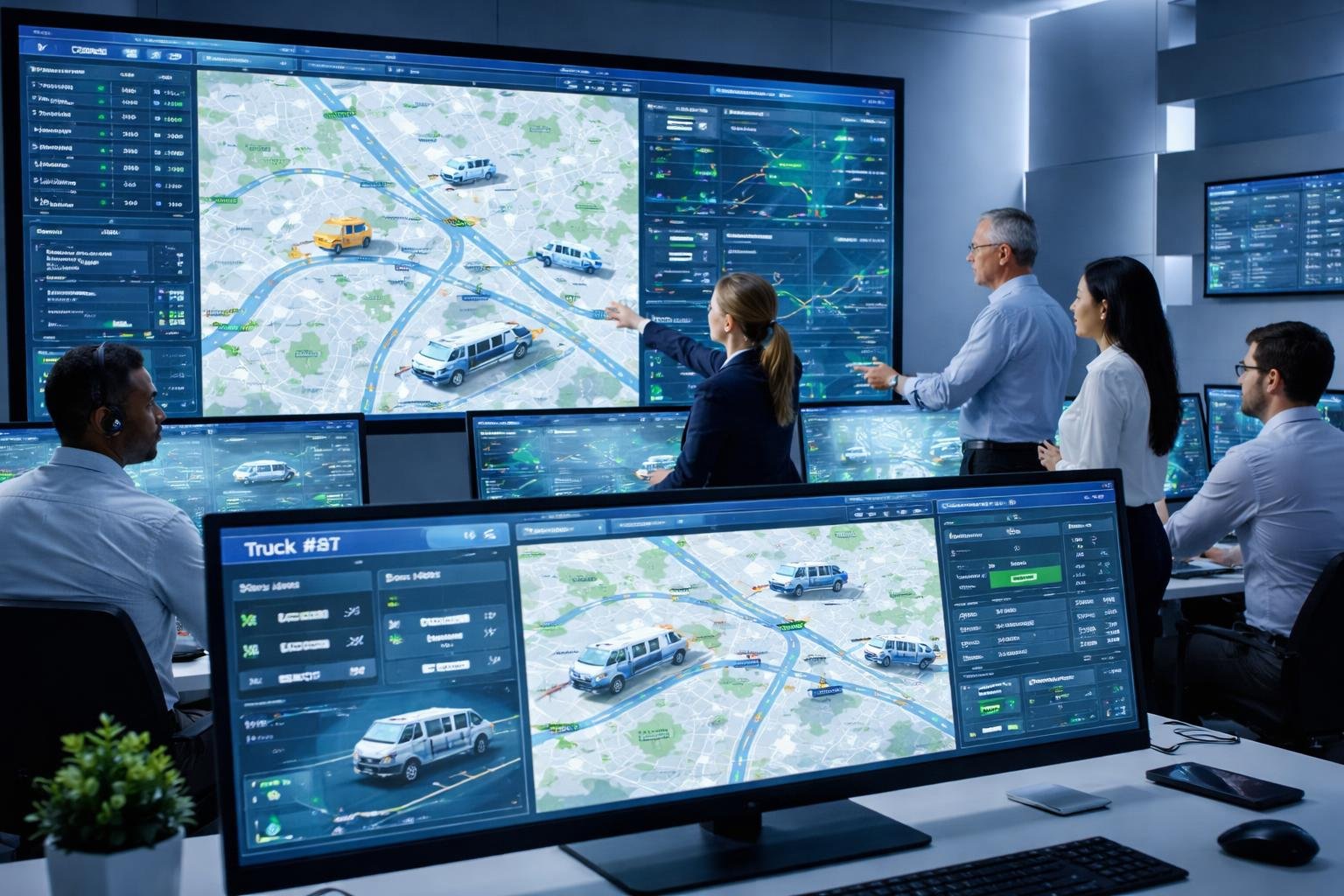
Fleet vehicle tracking technology uses satellite positioning, onboard data collection, and wireless communication networks. These systems deliver location and performance insights to fleet managers.
Role of GPS in Fleet Tracking
GPS tracking systems use satellite signals to pinpoint vehicle locations. A GPS tracker receives signals from several satellites and uses trilateration to calculate precise coordinates.
The device processes signals from at least four satellites to determine latitude, longitude, altitude, and time. Real-time GPS tracking sends location data at regular intervals, usually every few seconds or minutes.
Fleet managers see this information on digital dashboards that display vehicle positions on maps. The technology also records historical route data for later review.
GPS accuracy is usually between 3 and 10 meters. Buildings and tunnels can interrupt signals, but most systems store data locally until the connection returns.
How Telematics Systems Operate
Telematics systems combine GPS data with vehicle diagnostics and driver behavior information. They connect to the vehicle's diagnostics port to capture engine performance, fuel use, speed, braking, and maintenance alerts.
The hardware processes this information and sends it to central servers. Advanced systems may include accelerometers for harsh driving events, idle time monitoring, and door sensors for cargo security.
Some platforms use AI cameras to analyze driver behavior and road conditions in real time. Fleet tracking systems turn telematics data into metrics such as fuel efficiency scores, maintenance schedules, and driver safety ratings.
This process happens continuously as vehicles operate.
Data Transmission and Integration
Fleet tracking technology uses cellular networks to send data from vehicles to cloud servers. Devices use 4G or 5G connections to transmit information at set intervals or when certain events happen.
Real-time tracking needs constant connectivity and frequent updates. Passive systems store data and upload it when vehicles return to base or connect to Wi-Fi.
Once transmitted, the data integrates with fleet management software. These platforms display information through web interfaces and mobile apps.
They often connect with other business tools like dispatch software, maintenance management, and billing systems.
Types of Fleet Vehicle Tracking Systems
Fleet tracking systems differ in installation, functionality, and integration. The main distinctions are how devices connect to vehicles, whether they are standalone or part of larger platforms, and if they use video monitoring.
Hardwired Devices vs. Plug-and-Play Solutions
Hardwired devices connect directly to a vehicle's electrical system and need professional installation. They draw power from the battery and can access engine data.
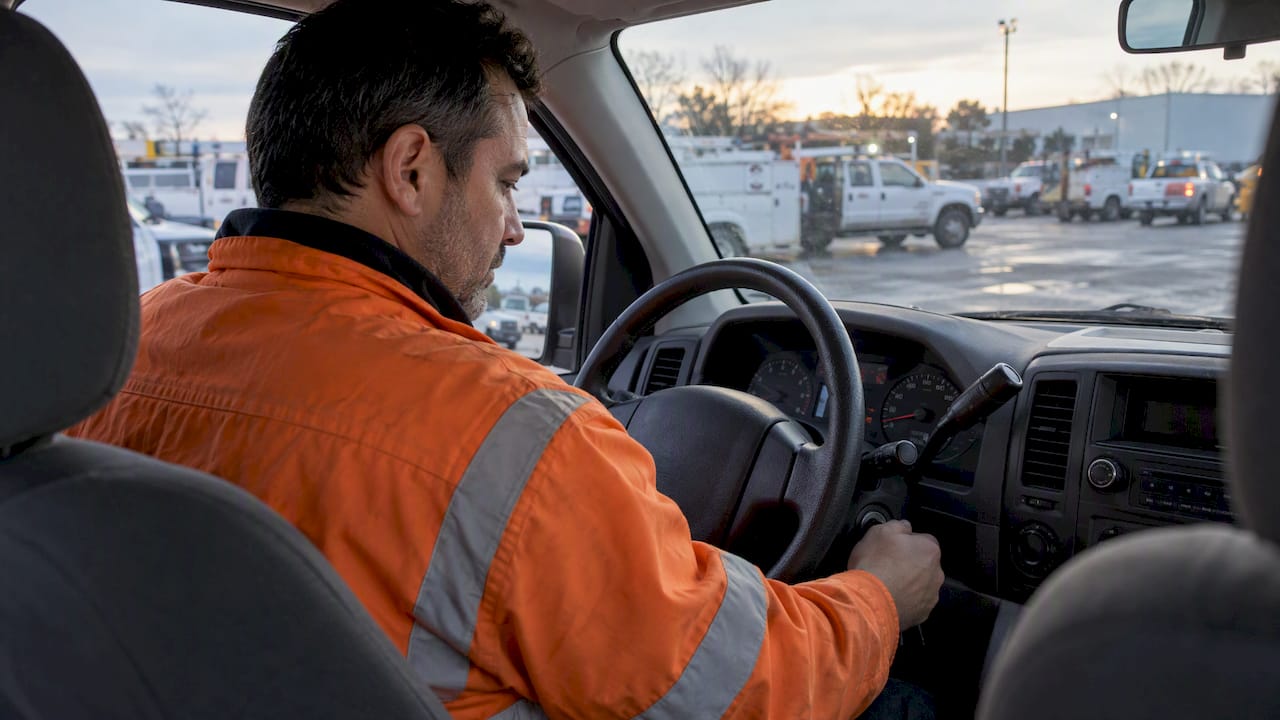
Hardwired systems are more secure and permanent, making them suitable for long-term use. Plug-and-play solutions connect through the OBD-II port, which is standard in vehicles made after 1996.
These are easy to install and provide GPS tracking and diagnostics. Hardwired systems cost more upfront but are more durable.
Plug-and-play trackers are flexible and good for temporary or mixed fleets. Managers with high vehicle turnover often choose portable options, while companies with specialized equipment prefer permanent installations.
Standalone GPS Trackers vs. Integrated Platforms
Standalone GPS trackers focus only on location monitoring. They send coordinates at set intervals and display positions on basic maps.
These are suitable for businesses that only need location visibility. Integrated platforms combine GPS tracking with fleet management software.
They collect telematics data such as driver behavior, fuel use, idle time, maintenance, and route optimization. The hardware connects with cloud applications to process real-time data.
Integrated solutions provide insights beyond location, like reports on harsh braking or unauthorized vehicle use. They often include compliance features for logging and safety.
Standalone trackers are less expensive and simpler to use. Integrated systems cost more but offer better efficiency and decision-making.
Dashcams and Video Telematics
Video telematics adds cameras to fleet tracking. Dashcams record continuously or during specific events like sudden braking or collisions.
AI dashcams use artificial intelligence to detect behaviors such as distraction or drowsiness. These systems provide evidence for accident claims and help with insurance.
They also enable real-time driver coaching by spotting risky behaviors. Forward-facing cameras capture the road, while driver-facing cameras monitor the cab.
Video can be stored on SD cards or in the cloud. Cloud storage allows remote access and automatic uploads during critical events.
Clear privacy policies are important when using video. Integrating cameras with GPS tracking creates detailed records linked to times and locations.
Key Features and Capabilities
Modern fleet vehicle tracking technology offers three main capabilities: continuous monitoring with automated notifications, driver performance analysis, and intelligent routing. These features help fleet managers reduce costs and improve efficiency.
Real-Time Fleet Visibility and Alerts
Real-time tracking uses GPS to pinpoint vehicle locations, usually within 10 feet. Fleet managers view this data on dashboards that show all vehicles on digital maps.
The system updates positions every few seconds. Instant alerts notify managers of important events by text, email, or app notifications.
Alerts trigger when vehicles leave assigned routes, enter restricted zones, or are used after hours. Maintenance alerts are based on mileage, engine hours, or diagnostic trouble codes.
Geofencing lets managers set virtual boundaries around locations. The system sends notifications when vehicles cross these boundaries, which helps with job site verification and service area management.
Driver Behavior and Safety Monitoring
Driver monitoring records events like harsh braking, rapid acceleration, excessive idling, and speeding. The tracking device uses sensors and GPS data to detect these behaviors.
Driver scorecards turn this data into performance metrics and rank drivers on safety. Scorecards measure factors like speed, smooth driving, seatbelt use, and distractions.
Managers use this data to identify training needs and reward safe driving. Most systems let managers set custom thresholds for risky behavior.
Route Optimization and Planning
Route optimization considers traffic, delivery windows, vehicle capacity, and driver schedules to find the most efficient paths. This reduces fuel use and idle time.
Route planning tools let dispatchers assign jobs based on real-time vehicle locations. This reduces response times and allows for same-day scheduling changes.
The system also considers road restrictions and driver qualifications. Historical route data helps managers spot inefficiencies and make better decisions about fleet size and territory assignments.
Compliance, Reporting, and Maintenance
Fleet vehicle tracking systems help maintain regulatory compliance, manage vehicle health, and generate required documentation. These platforms automate hours of service monitoring, streamline maintenance, and produce audit-ready reports that meet federal and state requirements.
HOS and ELD Compliance Tools
Electronic logging devices automatically record driver duty status. This eliminates manual logbooks and ensures accurate hours of service tracking.
These systems monitor drive time, on-duty hours, and rest periods in real-time. They flag potential violations before they occur.
ELD compliance tools integrate directly with FMCSA regulations. They capture vehicle movement data and driver activity without manual input.
Electronic logging systems generate tamper-proof records that meet DOT audit requirements. This reduces administrative work for drivers and fleet managers.
HOS compliance features include automated alerts for 11-hour driving limits or 14-hour on-duty thresholds. Many platforms track the 30-minute break requirement and provide countdown timers to help drivers plan rest periods.
Automation helps prevent costly violations. It also supports improvements in CSA scores.
Maintenance Management and Scheduling
Modern fleet platforms automate preventive maintenance scheduling based on mileage, engine hours, or calendar dates. The systems send maintenance alerts before service deadlines, reducing unplanned downtime and extending vehicle life.
Maintenance management tools track service history, parts inventory, and repair costs. Fleet managers can schedule work orders, assign tasks, and monitor completion through centralized dashboards.
This visibility helps identify recurring issues and optimize maintenance budgets. Vehicle diagnostics integration provides real-time engine fault codes and performance metrics.
Immediate maintenance alerts allow teams to address minor issues before they become expensive repairs or roadside breakdowns.
DVIR, IFTA, and Compliance Reporting
Driver Vehicle Inspection Reports have moved from paper forms to digital checklists completed on mobile devices or in-cab tablets. DVIR systems capture pre-trip and post-trip inspections with photo documentation and defect categorization.
Automatic routing sends defect reports to maintenance teams for repairs. IFTA reporting tools calculate fuel tax obligations by tracking mileage across jurisdictions and matching it with fuel purchases.
The platforms generate quarterly reports for International Fuel Tax Agreement filings. This eliminates manual calculations and spreadsheet errors.
Compliance reporting features produce DOT inspection records, maintenance logs, and safety documents on demand. These systems maintain organized, searchable archives of all compliance activities and vehicle service records.
Benefits of Fleet Vehicle Tracking Technology
Fleet vehicle tracking technology provides real-time visibility into vehicle locations, driver behaviors, and resource use. Organizations can optimize routes, protect assets, and make data-driven decisions to improve their bottom line.
Improving Fleet Efficiency
GPS tracking systems let fleet managers monitor vehicle locations and activities throughout the day. Real-time visibility allows for dynamic route adjustments based on traffic, customer needs, or emergencies.
Vehicle utilization increases when managers identify underused assets and redistribute workloads. Asset tracking data shows which vehicles are idle and which are overused, enabling better allocation.
Dispatchers can assign the nearest available vehicle to each job. This reduces response times and increases tasks completed per shift.
Route optimization powered by GPS data cuts unnecessary miles and reduces time on the road. Fleet managers can analyze route data to find inefficiencies and create better paths for regular service areas.
Geofencing triggers automatic alerts when vehicles enter or exit designated zones. This streamlines workflow management and accountability.
Enhancing Driver and Vehicle Safety
Real-time monitoring systems track driver behaviors like speeding, harsh braking, rapid acceleration, and excessive idling. Fleet managers receive immediate alerts for risky behaviors, allowing for quick intervention and coaching.
GPS tracking improves security by enabling rapid theft recovery when vehicles are stolen or used without permission. The technology provides exact vehicle coordinates to law enforcement, increasing recovery rates.
Some systems include panic buttons that drivers can activate during emergencies. This immediately notifies management of their location.
Vehicle diagnostics integration alerts managers to maintenance needs before minor issues become major breakdowns. This proactive approach reduces roadside failures and keeps drivers safer.
Reducing Operational Costs and Fuel Usage
Fuel monitoring tracks consumption patterns across the fleet. It identifies vehicles with poor fuel efficiency and drivers with wasteful habits.
Fuel management systems compare actual fuel use against expected consumption based on distance and vehicle type. Organizations often reduce fuel costs by 10-25% after implementing GPS tracking.
Reduced idling alone can save hundreds of dollars per vehicle each year. Fuel tracking data also reveals unauthorized fuel card use and helps detect fuel theft.
Route optimization decreases total miles driven. This directly lowers fuel expenses and reduces vehicle wear.
Maintenance costs decline when tracking systems provide service schedules based on actual usage. Insurance providers may offer discounts to fleets using GPS tracking due to improved safety and theft recovery capabilities.
Top Fleet Vehicle Tracking Platforms and Providers
The fleet tracking market includes platforms like Verizon Connect and Samsara, as well as specialized providers such as Geotab, Motive, and ClearPathGPS. Each platform offers different strengths in real-time tracking, driver safety features, and integration options.
Pricing structures and hardware requirements also vary across providers.
Leading Fleet Tracking Software Solutions
Verizon Connect is a comprehensive solution for most U.S. fleets in 2026. It combines live tracking, dispatch, fuel reporting, and compliance workflows in one interface.
Samsara stands out with AI-powered operations and video telematics. The system offers predictive analytics for maintenance and driver monitoring.
Geotab focuses on open-platform architecture, allowing integration with third-party apps and customization. Motive (formerly KeepTrucking) specializes in ELD compliance and driver safety.
GPS Insight targets mid-sized fleets with customizable reporting. Teletrac Navman offers global coverage for international fleets.
Budget-friendly options include ClearPathGPS, One Step GPS, Linxup, and Rhino Fleet Tracking for straightforward GPS tracking. Azuga balances affordability and advanced features like driver scorecards.
GPS Trackit serves construction and equipment-heavy industries with asset tracking.
Feature Comparison of Major Platforms
PlatformReal-Time TrackingVideo TelematicsAI FeaturesELD ComplianceOpen APIVerizon ConnectYesAdd-onLimitedYesYesSamsaraYesIncludedAdvancedYesYesGeotabYesPartner integrationModerateYesExtensiveMotiveYesIncludedModerateYesLimitedGPS InsightYesAdd-onLimitedYesYes
Core GPS fleet tracking software provides vehicle location, route history, and speed monitoring. Advanced systems add dash cameras, driver behavior scoring, and predictive maintenance alerts.
Samsara and Motive include video telematics in standard packages. Verizon Connect and GPS Insight offer cameras as add-ons.
Geotab's marketplace lets fleets choose preferred hardware partners for video solutions. Most fleet management software now includes mobile apps for driver communication and digital document management.
Pricing Transparency and Hardware Costs
Fleet tracking pricing usually includes monthly subscription fees per vehicle plus hardware costs. Some platforms require custom quotes, while others publish standard rates.
One Step GPS and Linxup start around $15-25 per vehicle monthly with low hardware fees. Mid-tier providers like Azuga and Rhino Fleet Tracking range from $25-40 per vehicle, with hardware costing $50-150 per unit.
Enterprise platforms like Verizon Connect, Samsara, and Geotab rarely publish fixed pricing. Hardware costs for these systems range from $200-500 per vehicle depending on features.
Installation fees add $50-150 per vehicle for professional setup. Contract terms affect total ownership costs, with some providers requiring multi-year commitments and others offering month-to-month options at higher rates.
Proprietary hardware may lock fleets into specific vendors. Open platforms allow hardware upgrades without changing software providers.
Choosing and Implementing a Fleet Vehicle Tracking Solution
Choosing the right fleet vehicle tracking technology means evaluating features, costs, and compatibility with current operations. Success depends on understanding business needs, ensuring smooth integration, and following structured deployment steps.
Key Considerations for Selection
Fleet managers should focus on features that match operational needs. Real-time GPS tracking is essential, with devices providing location updates every few seconds.
Key capabilities include vehicle diagnostics, driver behavior monitoring, route optimization, and maintenance scheduling.
Important evaluation criteria:
- Data accuracy and update frequency – Systems must deliver precise location data quickly.
- Hardware durability – Devices should withstand tough conditions and vehicle vibrations.
- Reporting capabilities – Platforms should provide insights on fuel use, idle time, and compliance.
- Pricing structure – Consider hardware, subscriptions, installation, and support costs.
Advanced telematics monitor engine performance, fuel efficiency, and vehicle health. Fleet managers should check for alerts on maintenance needs, unauthorized use, and geofence violations.
Vendor support and training resources matter for long-term success. Companies should assess documentation, customer service, and available implementation help before choosing a solution.
Integration and Scalability Factors
Fleet tracking platforms should connect with existing business systems. Integration with dispatch, accounting, fuel card, and maintenance databases is important.
Cloud-based solutions are easier to scale as operations grow. These platforms support more vehicles without extra infrastructure.
Fleet managers should confirm the system handles data from mixed vehicle types and multiple locations. Data security is also critical—solutions should use encryption, access controls, and meet privacy regulations.
Mobile accessibility lets field staff and drivers use the system. Native apps for iOS and Android should provide core functions without needing a desktop.
Implementation Best Practices
Deployment starts with clear planning. Fleet managers should set objectives, identify performance indicators, and choose internal champions to lead adoption.
Hardware installation needs coordination with vehicle availability. Professional installation ensures correct device placement and connections.
Self-installation is possible for simple devices but may affect mounting security or function.
Phased rollout steps:
- Deploy tracking devices on a few vehicles.
- Monitor performance and collect feedback.
- Fix technical issues and adjust processes.
- Expand to the rest of the fleet.
Driver training addresses privacy concerns and explains benefits. Staff should understand what data is collected, how it improves safety and efficiency, and their responsibilities.
Data validation checks accuracy during early use. Fleet managers should compare reports to known locations, verify maintenance alerts, and confirm driver assignments.
Regular monitoring in the first 30-60 days helps catch configuration or hardware issues.
Advanced Integrations and Future Trends
Modern fleet tracking platforms now offer extensive integration and automation features. Fleet telematics systems are evolving to include artificial intelligence, predictive analytics, and seamless connectivity with business infrastructure.
APIs and Customization
Application Programming Interfaces (APIs) help fleet tracking systems connect with accounting software, dispatch platforms, maintenance databases, and enterprise resource planning tools. These connections create unified data ecosystems.
Information such as vehicle location, fuel consumption, and driver behavior can automatically flow into payroll systems, billing platforms, and customer relationship management software.
Custom integrations let fleet managers build workflows that match their specific needs. For example, a logistics company might link GPS data with route optimization software to update delivery schedules based on real-time traffic.
Modern APIs support different data formats and authentication methods. This ensures compatibility across various technology systems.
Cloud-based architecture makes it easier to scale these integrations. Fleet operators can add new vehicles, expand to more locations, and include additional data sources while keeping system performance steady.
Automated Workflows and Analytics
Fleet analytics platforms now process telematics data to generate insights automatically. Automated alerts notify managers when vehicles leave assigned routes, idle for too long, or need scheduled maintenance.
Trip replay features help reconstruct vehicle movements, driver actions, and stop durations for compliance and performance analysis. These systems connect GPS data with timestamps, speed, and engine information to create detailed operational records.
Advanced analytics find cost-saving opportunities by studying fuel efficiency, route optimization, and asset use. Predictive algorithms forecast maintenance needs by tracking engine hours, trouble codes, and past repairs.
Emerging Trends in Fleet Tracking Technology
The integration of Internet of Things sensors with fleet monitoring systems creates networks of connected vehicles. These vehicles share real-time performance metrics, environmental data, and safety information.
Sensor networks enable predictive maintenance by detecting component wear before failures happen.
Artificial intelligence processes large amounts of telematics data to find patterns in driver behavior. It also helps optimize routing and predict equipment failures.
Machine learning models get more accurate as they analyze additional operational data.
OBD-II data integration gives direct access to vehicle health indicators. It connects engine diagnostics with video telematics and driver behavior metrics.
This combination of data sources helps fleet managers understand how driving patterns affect vehicle wear. It supports better decisions about training and equipment replacement schedules.