Contractor Fleet Monitoring Best Practices: Essential Strategies for Maximizing Efficiency and Safety
How to start saving money
Lorem ipsum dolor sit amet, consectetur adipiscing elit lobortis arcu enim urna adipiscing praesent velit viverra sit semper lorem eu cursus vel hendrerit elementum morbi curabitur etiam nibh justo, lorem aliquet donec sed sit mi dignissim at ante massa mattis.
- Neque sodales ut etiam sit amet nisl purus non tellus orci ac auctor
- Adipiscing elit ut aliquam purus sit amet viverra suspendisse potent
- Mauris commodo quis imperdiet massa tincidunt nunc pulvinar
- Excepteur sint occaecat cupidatat non proident sunt in culpa qui officia
Why it is important to start saving
Vitae congue eu consequat ac felis placerat vestibulum lectus mauris ultrices cursus sit amet dictum sit amet justo donec enim diam porttitor lacus luctus accumsan tortor posuere praesent tristique magna sit amet purus gravida quis blandit turpis.

How much money should I save?
At risus viverra adipiscing at in tellus integer feugiat nisl pretium fusce id velit ut tortor sagittis orci a scelerisque purus semper eget at lectus urna duis convallis. porta nibh venenatis cras sed felis eget neque laoreet suspendisse interdum consectetur libero id faucibus nisl donec pretium vulputate sapien nec sagittis aliquam nunc lobortis mattis aliquam faucibus purus in.
- Neque sodales ut etiam sit amet nisl purus non tellus orci ac auctor
- Adipiscing elit ut aliquam purus sit amet viverra suspendisse potenti
- Mauris commodo quis imperdiet massa tincidunt nunc pulvinar
- Adipiscing elit ut aliquam purus sit amet viverra suspendisse potenti
What percentege of my income should go to savings?
Nisi quis eleifend quam adipiscing vitae aliquet bibendum enim facilisis gravida neque. Velit euismod in pellentesque massa placerat volutpat lacus laoreet non curabitur gravida odio aenean sed adipiscing diam donec adipiscing tristique risus. amet est placerat in egestas erat imperdiet sed euismod nisi.
“Nisi quis eleifend quam adipiscing vitae aliquet bibendum enim facilisis gravida neque velit euismod in pellentesque”
Do you have any comments? Share them with us on social media
Eget lorem dolor sed viverra ipsum nunc aliquet bibendum felis donec et odio pellentesque diam volutpat commodo sed egestas aliquam sem fringilla ut morbi tincidunt augue interdum velit euismod eu tincidunt tortor aliquam nulla facilisi aenean sed adipiscing diam donec adipiscing ut lectus arcu bibendum at varius vel pharetra nibh venenatis cras sed felis eget.
Managing a construction fleet without proper monitoring is like driving blind. Equipment sits idle, fuel costs rise, and breakdowns happen at the worst times.
Contractors who use systematic fleet monitoring gain immediate visibility into vehicle locations, maintenance needs, fuel consumption, and operator behavior. These insights help reduce downtime, lower operating costs, and create safer job sites.
Effective contractor fleet monitoring uses real-time tracking technology, preventive maintenance protocols, and data-driven decision making to maximize equipment use and control expenses. Profitable projects often depend on how well contractors track and manage their mobile assets.
Modern fleets generate large amounts of operational data. Contractors who know how to collect and use this information gain a competitive advantage.
The following best practices outline essential systems and strategies for optimizing fleet operations. These approaches help construction businesses keep equipment running efficiently and profitably.
Core Principles of Contractor Fleet Monitoring
Effective contractor fleet monitoring relies on three main principles. These are defining clear objectives, using accurate data, and maintaining comprehensive visibility across all equipment.
Purpose and Scope of Fleet Monitoring
Fleet monitoring tracks vehicle locations, equipment use, and operational performance across construction sites. Contractors use monitoring to reduce fuel costs, prevent theft, minimize downtime, and ensure compliance.
The scope goes beyond GPS tracking. It includes maintenance schedules, operator behavior, fuel use, and equipment idle time.
Construction fleets need monitoring for both light-duty vehicles and heavy machinery. Each asset type has its own tracking requirements.
Setting monitoring objectives upfront prevents data overload. This helps focus on metrics that impact profitability.
A contractor managing 15 vehicles needs a different monitoring approach than one overseeing 200 pieces of equipment.
Building a Foundation for Data-Driven Oversight
Real-time data allows contractors to make proactive decisions. Information on asset tracking, maintenance, fuel use, and operator hours helps optimize resources.
Data accuracy depends on proper sensor installation, calibration, and staff training. Fleet operations generate thousands of data points each day.
Systems must filter out noise and highlight useful insights.
Key data categories for fleet monitoring include:
- Location and movement
- Engine diagnostics and fault codes
- Fuel use and refill events
- Maintenance history and service needs
- Operator assignments and certifications
Integration with project management platforms links equipment availability with job schedules. This reduces idle equipment and improves resource use.
Establishing Asset Visibility
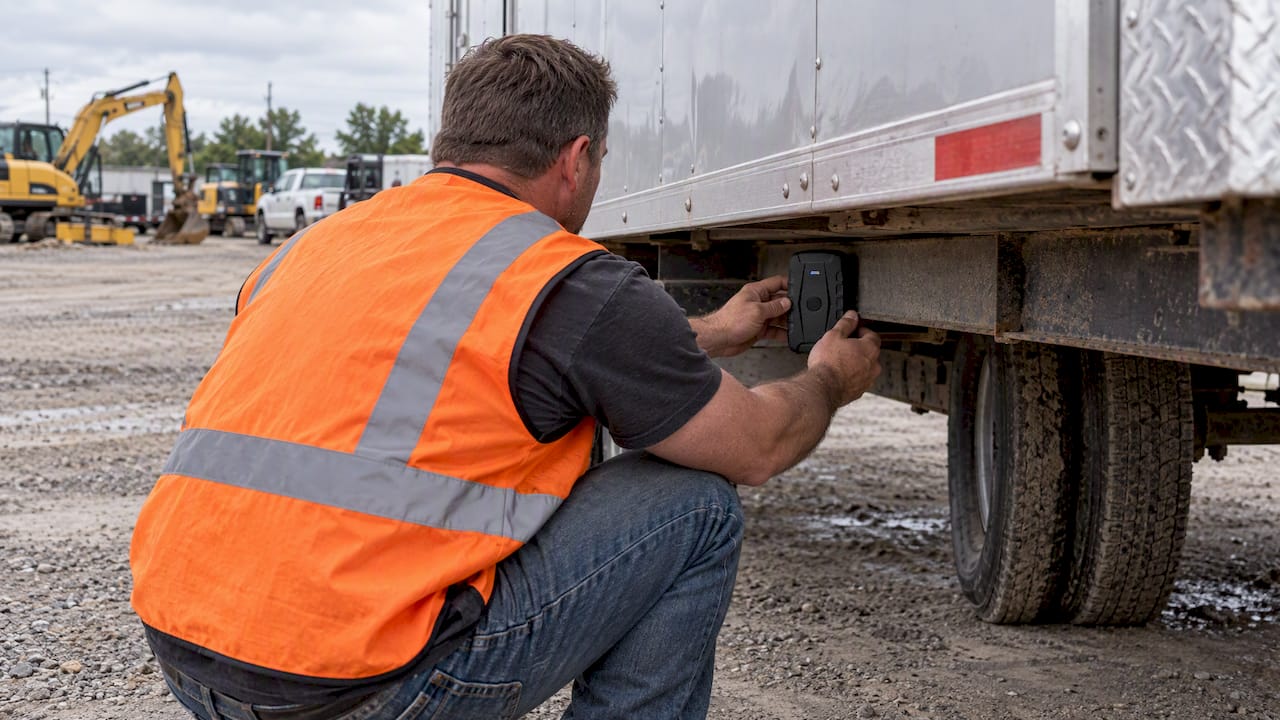
Asset visibility means knowing the location, status, and condition of every vehicle and piece of equipment. Contractors achieve this through GPS tracking devices installed on fleet assets.
Real-time visibility helps prevent theft. It also stops time wasted searching for equipment across job sites.
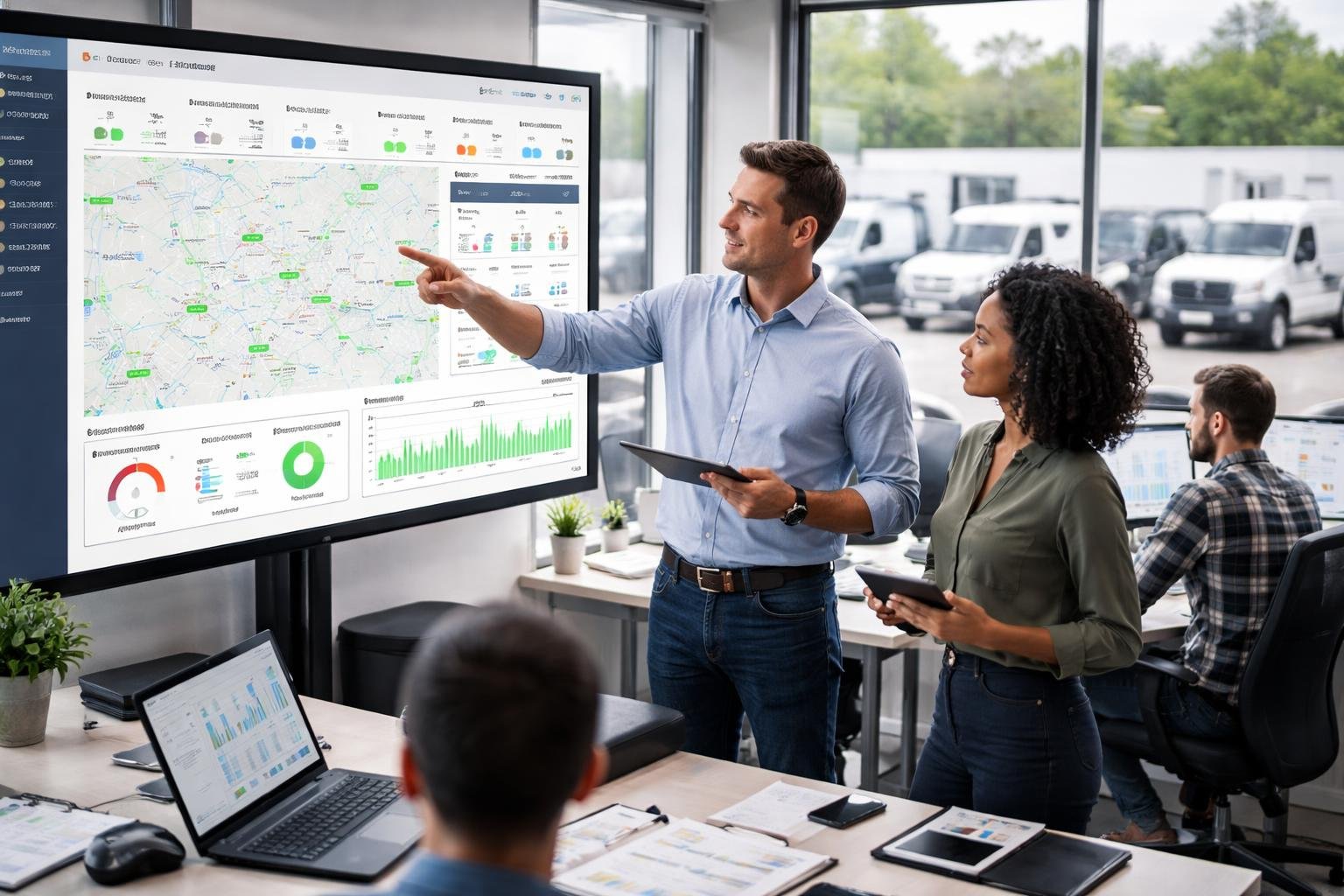
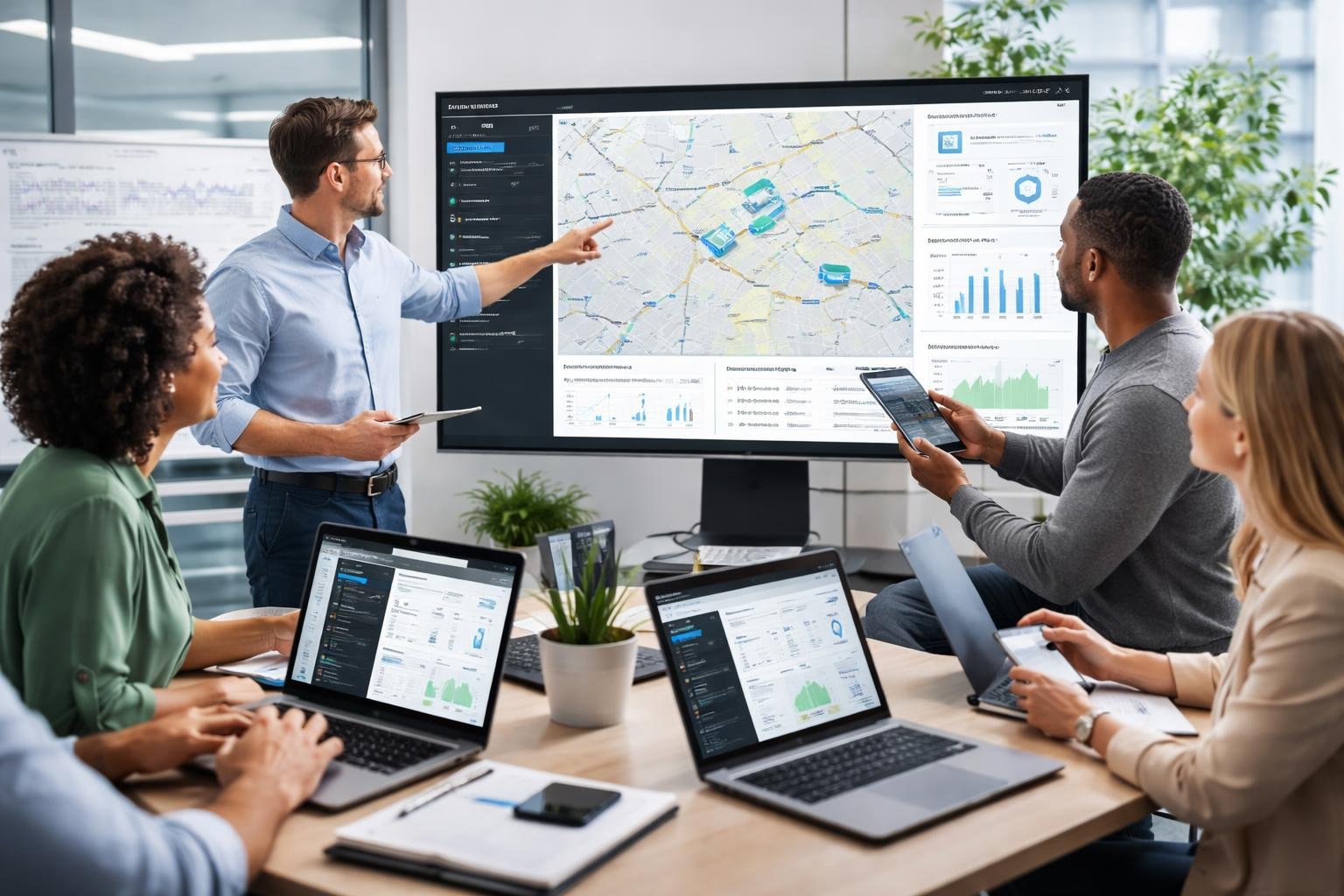
Visibility includes asset management details like registration, insurance, inspection dates, and warranty information. Centralized dashboards show fleet-wide metrics and allow access to individual asset records.
Leveraging Technology for Fleet Monitoring
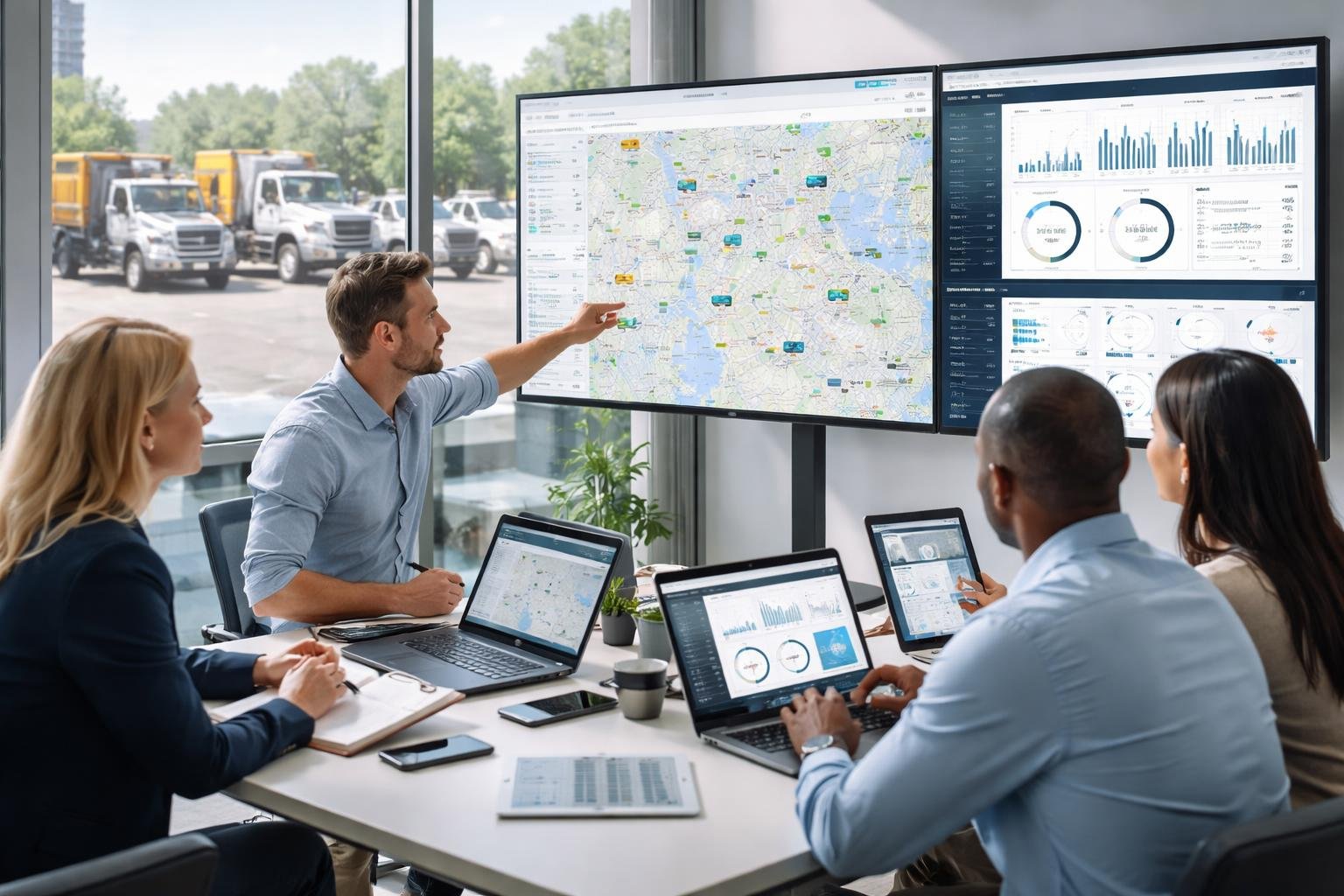
Modern fleet monitoring uses integrated technological solutions for real-time visibility into equipment location, performance, and maintenance needs. These systems combine hardware sensors and software platforms to turn data into actionable insights.
Role of Telematics and IoT Sensors
Telematics tools send key equipment data—like engine hours, fuel use, idle time, and diagnostic codes—to central systems. IoT sensors on construction equipment collect information about temperatures, hydraulic pressure, vibration, and load.
This data stream helps contractors spot potential failures and schedule maintenance before breakdowns. The sensors use wireless communication with cloud-based platforms, so there is no need for manual data collection.
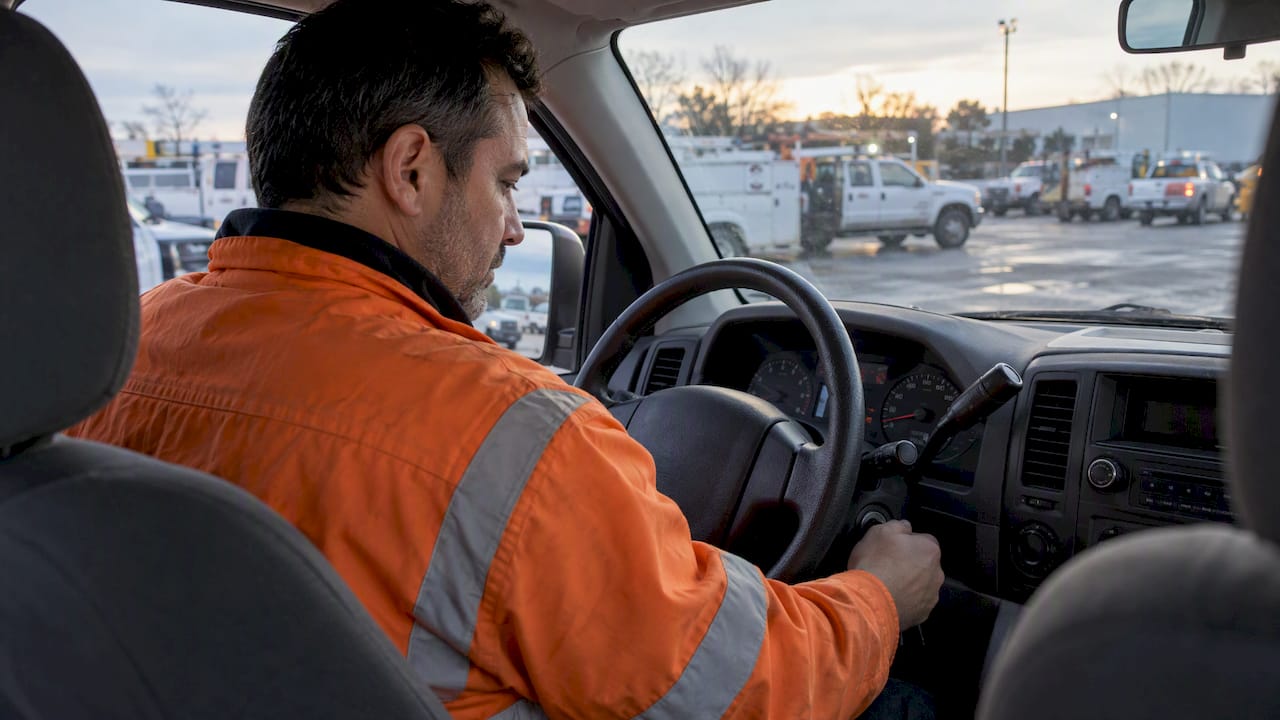
Contractors can see operator behavior, such as harsh braking, excessive idling, and unauthorized use. IoT sensors also monitor environmental conditions that affect equipment performance.
Fleet Management Software Integration
Construction fleet management software brings together data from telematics, GPS, and IoT sensors into one dashboard. The software generates automated maintenance alerts, utilization reports, and compliance documents.
Integration with other software eliminates duplicate data entry and keeps information consistent. Mobile apps let field supervisors check equipment availability, report issues, and update assignments from anywhere.
The software tracks service histories, warranty details, and parts inventories. Advanced systems use predictive analytics to forecast replacement needs.
Selecting and Implementing GPS Tracking
GPS tracking systems should provide accurate position data within 3-10 meters. Real-time tracking helps dispatchers find the nearest available machine and verify arrivals at job sites.
Contractors should evaluate GPS devices for update frequency, battery life, and geofencing features. Implementation involves setting policies for data access, retention, and use.
Installing hardware usually takes 15-30 minutes per vehicle. Operators need training on the purpose and use of GPS tracking to ensure acceptance.
Proactive Maintenance and Downtime Prevention
Effective fleet maintenance uses preventive scheduling and predictive analytics to reduce breakdowns and control costs. Automated systems track service intervals and maintenance history to ensure vehicles receive timely attention.
Preventive and Predictive Maintenance Strategies
Preventive maintenance follows set schedules based on mileage, hours, or time. This includes oil changes, tire rotations, brake checks, and fluid checks.
Research shows that proactive maintenance can reduce fleet downtime by up to 50% and lower costs.
Predictive maintenance uses real-time sensor data to spot issues early. Fleet managers monitor engine performance, oil quality, brake wear, and battery health.
This approach lets teams fix specific problems instead of relying only on schedules. Combining both strategies creates a strong maintenance program.
Contractors schedule routine services and monitor vehicle conditions between intervals. This maximizes uptime and extends asset life.
Automating Maintenance Scheduling and Service Reminders
Automated maintenance scheduling removes manual tracking and lowers the risk of missed services. Fleet software generates reminders based on odometer readings, engine hours, or dates.
The system alerts managers when vehicles need maintenance. Digital platforms assign tasks to shops or technicians and track completion.
Drivers receive notifications about upcoming service needs. Automated workflows generate work orders and integrate with telematics data.
Service reminders help contractors meet warranty and regulatory requirements. Automated alerts ensure inspections happen on time and reduce liability risks.
Tracking Maintenance History and Costs
Digital tracking systems record every service event, including replaced parts, labor, vendor details, and costs. This history identifies recurring problems with certain vehicles or equipment.
Fleet managers use maintenance cost data to decide when to replace vehicles and plan budgets. Tracking shows which assets need too many repairs.
Cost data helps negotiate with service providers and find savings. Complete service records also increase resale value and provide transparency.
Optimizing Equipment and Asset Utilization
Maximizing productivity requires tracking utilization rates and making strategic allocation decisions. Effective equipment management reduces idle time and ensures assets are used where they add value.
Monitoring Equipment Utilization Rates
Utilization rates measure how much time assets are in use versus available hours. Fleet managers track both when equipment is on and when it is doing billable work.
Industry benchmarks aim for 60-70% utilization. Real-time tracking and telematics provide ongoing visibility into machine activity.
These systems record engine hours, idle time, and location data. Managers can set alerts for idle equipment.
Historical data shows trends across projects and asset types. Low-utilization assets may cost more to keep than they earn.
Improving Equipment Allocation and Distribution
Strategic allocation ensures machines arrive at job sites when needed. Asset tracking systems let managers see real-time inventory and find nearby equipment.
Centralized management removes redundant assets and lowers procurement costs. Managers can set allocation rules based on project needs.
Predictive scheduling helps plan for future demand. Cross-project sharing programs maximize utilization by pooling resources.
Regular rebalancing prevents idle machines from sitting at completed projects while other sites need equipment.
Cost Control: Fuel, Maintenance, and Operational Expenses
Fleet costs are one of the largest expenses for contractors. Fuel use, maintenance, and downtime drive most of the spending.
Effective monitoring and cost control in these areas directly improve profitability and equipment lifespan.
Fuel Monitoring and Management
Fuel costs make up a large part of fleet operation budgets. Real-time monitoring is essential for controlling these costs.
Fleet managers should use fuel card systems to track every transaction. These systems record the volume, location, and time of each purchase.
Fuel card data helps spot unusual activity, such as after-hours fueling, excessive idling, or unauthorized purchases. This allows managers to address issues quickly.
GPS-enabled telematics devices show fuel consumption patterns for each vehicle and piece of equipment. The data highlights which units use more fuel than expected for their workload or routes.
Contractors can compare fuel efficiency between similar vehicles. This helps them find maintenance issues or driving habits that increase fuel use.
Setting fuel consumption benchmarks for each vehicle type creates clear performance standards. If equipment uses more fuel than these benchmarks, managers can investigate possible causes.
Regular fuel audits help prevent fuel theft and ensure billing accuracy.
Analyzing Fuel Efficiency and Reducing Fuel Costs
Driver behavior strongly affects fuel efficiency. Aggressive driving, speeding, and excessive idling can increase fuel use by 15-30%.
Telematics systems track these behaviors and create driver scorecards. These scorecards help managers identify drivers who need coaching.
Training programs that focus on smooth acceleration, proper gear use, and reducing idle time can lower fuel costs. These programs deliver measurable savings.
Route optimization software plans efficient paths between job sites. It considers traffic, road conditions, and delivery schedules to reduce unnecessary mileage.
Even small reductions in daily mileage add up to significant yearly savings. This benefits the entire fleet.
Proper vehicle maintenance is key to good fuel efficiency. Under-inflated tires, dirty air filters, and worn engine parts make engines work harder and burn more fuel.
Regular maintenance keeps vehicles running efficiently. Scheduled service helps maintain optimal fuel economy.
Total Cost of Ownership Analysis
Total cost of ownership includes more than just the purchase price. It covers fuel, maintenance, insurance, and depreciation over the vehicle's life.
This approach helps contractors make better decisions about which vehicles to buy, when to replace them, and how to structure their fleets.
Maintenance costs usually rise as vehicles age. Fleet management software tracks how often each unit needs repairs and how much those repairs cost.
When maintenance spending reaches 50-60% of a vehicle’s current value each year, it may be time to replace it.
Administrative tasks, compliance, and downtime can add hidden costs. Fleet management platforms help standardize processes and reduce manual work.
Tracking uptime shows which vehicles need frequent repairs. Managers can remove these units before costs get too high.
Ensuring Fleet and Operator Safety
Fleet safety in construction needs a systematic approach. This includes training drivers, setting clear protocols, and monitoring performance.
These steps help reduce accidents, maintain compliance, and protect people and equipment.
Driver and Operator Training Programs
Comprehensive training is the foundation of fleet safety. Initial training should cover vehicle operations, safety equipment, and compliance with state and federal rules.
Contractors must set minimum driver qualifications, such as age, licensing, and clean driving records. Training should also teach defensive driving, proper equipment use, and how to handle common construction hazards.
Refresher courses keep skills sharp and reinforce safety practices. These should happen at least once a year or after incidents and when new equipment is introduced.
Training must also address seasonal challenges, as weather affects vehicle operation and safety.
All training activities should be documented. Contractors need to keep records of certifications, completion dates, and assessment results.
Implementing Fleet Safety Protocols
Safety protocols set clear standards for fleet operations. Written policies should cover pre-trip inspections, load securement, and emergency procedures.
Daily vehicle inspections catch mechanical issues before they become hazards. Operators must check brakes, tires, lights, fluids, and safety equipment before use.
Inspection checklists ensure consistency and create records. Maintenance schedules based on manufacturer guidelines and usage keep vehicles safe and reliable.
Regular servicing reduces breakdowns and extends vehicle life. It also helps prevent accidents caused by equipment failure.
Protocols should also cover speed limits, seatbelt use, mobile device rules, and substance abuse policies. Clear consequences for violations support compliance.
Monitoring Operator Performance and Driver Safety
Continuous monitoring of operator performance helps spot risks and improvement areas. Fleet management systems track harsh braking, speeding, and idle time.
Telematics devices provide real-time data on location, speed, and driving behavior. Managers can quickly address unsafe practices and coach drivers as needed.
Performance reviews should include safety metrics as well as productivity. Safe drivers deserve recognition, while those with issues need more training or corrective action.
Incident investigations analyze accidents and near-misses. Finding the root cause helps prevent future problems and improves safety programs.
Compliance, Inspections, and Regulatory Best Practices
Contractor fleets must maintain strict compliance through digital inspections, accurate documentation, and proactive regulatory monitoring. These steps help avoid penalties and keep vehicles operating safely.
Conducting Digital Inspections and Compliance Checks
Digital inspection systems replace paper forms with mobile apps for real-time documentation. These platforms capture photos, timestamps, and GPS data for each inspection.
Daily vehicle inspections check brakes, tires, lights, and fluid levels. Monthly checks go deeper into mechanical systems and safety equipment.
Automated alerts notify managers of failed inspection items or violations. Non-compliant vehicles are kept out of service until repairs are done and documented.
Digital records make audits easier by organizing inspection data in searchable databases. Inspectors can quickly find specific vehicle histories.
Inventory and Service Documentation Management
Comprehensive inventory tracking links each asset to its service history, registration, insurance, and compliance certifications. Digital systems store records for vehicles, equipment, parts, and tools in a central database.
Service documentation should include the date, mileage, work done, parts replaced, and technician details for every maintenance job. These records prove compliance during audits.
Essential documentation includes:
- Vehicle registration and title records
- Insurance certificates and policy details
- Maintenance schedules and completed service orders
- Safety inspection certificates
- Driver qualification files
Automated reminders help prevent missed services or expired certifications. The system schedules maintenance based on dates, mileage, or engine hours.
Staying Ahead of Regulatory Requirements
FMCSA regulations change regularly. Fleet managers must keep up with updates on hours of service, electronic logging, drug testing, and safety ratings.
Organizations should track federal, state, and local rules that apply to their operations and vehicles.
Subscription services and industry associations send out regulatory updates and compliance bulletins. These resources explain new requirements and deadlines.
Phased rollouts help fleets adopt new compliance technologies smoothly. Pilot programs test systems with small groups before wider use.
Training programs should update often to reflect current regulations. Drivers and maintenance staff need instruction on new procedures and documentation as standards change.
Advanced Strategies and Emerging Trends in Fleet Monitoring
Fleet monitoring now goes beyond GPS tracking. New technologies use artificial intelligence, automated systems, and predictive analytics for better decision-making and operational efficiency.
Utilizing Predictive Analytics for Future Planning
Predictive analytics uses fleet data to forecast maintenance needs and spot issues before they happen. Telematics systems collect information on engine performance, fuel use, brake wear, and more.
Contractors can use this data to schedule maintenance during off-peak times. This reduces unexpected downtime by up to 30%.
The technology analyzes factors like operating hours, terrain, and equipment age to set replacement timelines. Machine learning algorithms improve predictions over time.
Fleet management platforms generate automated reports on which vehicles need attention and estimate repair costs. This helps contractors budget and manage their fleets better.
Data also shows which assets are underused, so they can be reassigned or removed to cut costs.
Geofencing and Automated Alerts
Geofencing sets up virtual boundaries around job sites or restricted areas using GPS. When vehicles cross these boundaries, managers get instant notifications.
This helps prevent unauthorized use and theft. It also ensures operators stay within assigned work zones.
Automated alerts can also monitor:
- Harsh braking or acceleration for unsafe driving
- Idle time over set limits to save fuel
- After-hours equipment use for security
- Speeding in specific zones
These alerts allow immediate action instead of waiting for weekly reports. Managers can set alert preferences to avoid overload while staying informed about key events.
Innovations in Construction Fleet Monitoring
Construction fleets now use dashboard cameras with AI-powered video analysis. These cameras automatically flag safety incidents and risky behaviors.
These systems reduce manual review time by identifying important footage. They also create digital trip reports without manual data entry.
IoT sensors track equipment-specific metrics such as hydraulic pressure and blade angle. They also monitor load weight for specialized machinery.
This detailed data helps contractors use equipment more efficiently. It allows them to match machines to specific tasks and terrain.
Wireless connectivity improvements enable real-time data transmission from remote job sites. Cloud-based platforms gather information from many sources.
These platforms provide unified visibility across project locations. Integration with project management software connects fleet usage to job timelines and budget tracking.