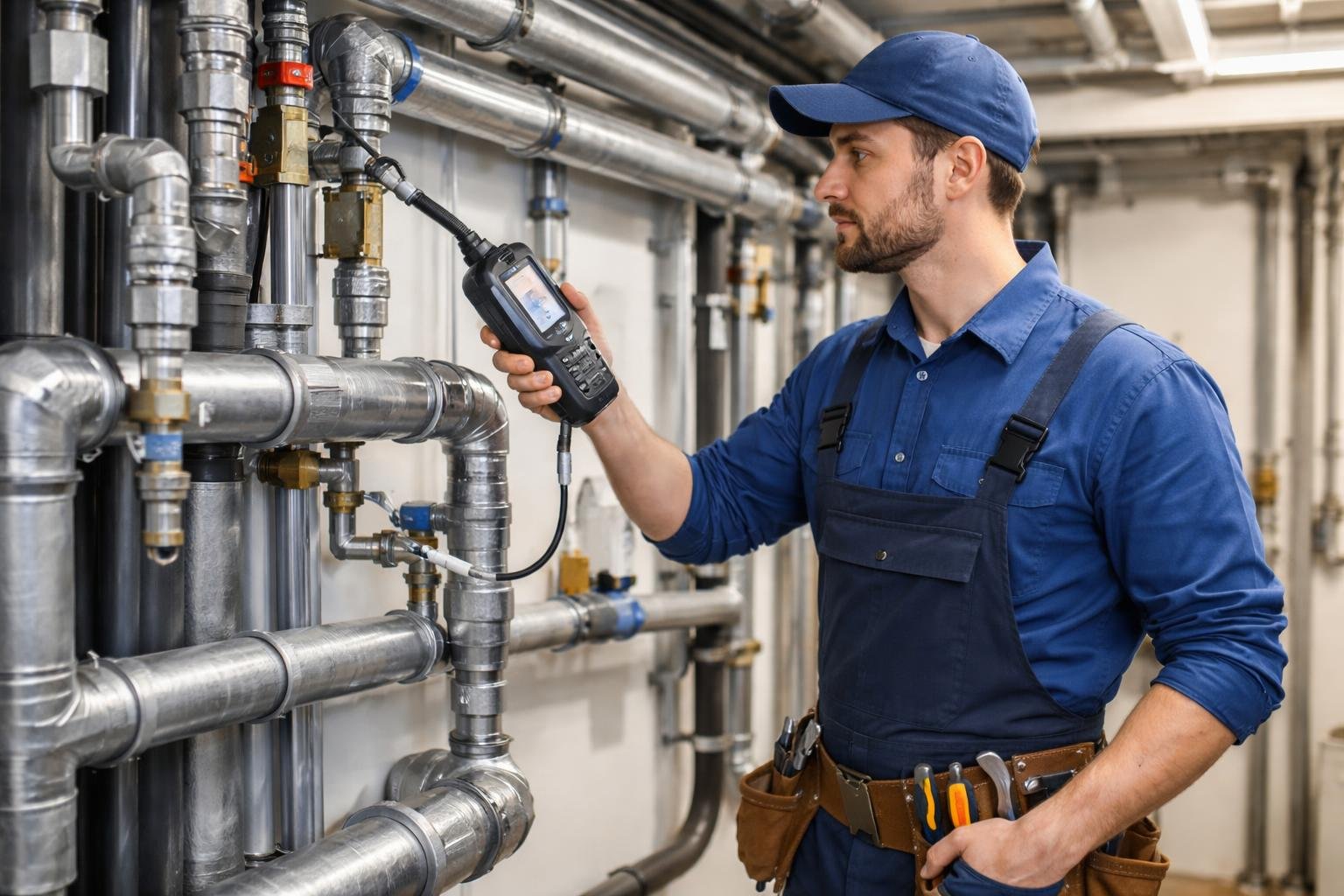
Plumbing Vehicle Telematics: How GPS Tracking Improves Fleet Efficiency and Response Times
How to start saving money
Lorem ipsum dolor sit amet, consectetur adipiscing elit lobortis arcu enim urna adipiscing praesent velit viverra sit semper lorem eu cursus vel hendrerit elementum morbi curabitur etiam nibh justo, lorem aliquet donec sed sit mi dignissim at ante massa mattis.
- Neque sodales ut etiam sit amet nisl purus non tellus orci ac auctor
- Adipiscing elit ut aliquam purus sit amet viverra suspendisse potent
- Mauris commodo quis imperdiet massa tincidunt nunc pulvinar
- Excepteur sint occaecat cupidatat non proident sunt in culpa qui officia
Why it is important to start saving
Vitae congue eu consequat ac felis placerat vestibulum lectus mauris ultrices cursus sit amet dictum sit amet justo donec enim diam porttitor lacus luctus accumsan tortor posuere praesent tristique magna sit amet purus gravida quis blandit turpis.

How much money should I save?
At risus viverra adipiscing at in tellus integer feugiat nisl pretium fusce id velit ut tortor sagittis orci a scelerisque purus semper eget at lectus urna duis convallis. porta nibh venenatis cras sed felis eget neque laoreet suspendisse interdum consectetur libero id faucibus nisl donec pretium vulputate sapien nec sagittis aliquam nunc lobortis mattis aliquam faucibus purus in.
- Neque sodales ut etiam sit amet nisl purus non tellus orci ac auctor
- Adipiscing elit ut aliquam purus sit amet viverra suspendisse potenti
- Mauris commodo quis imperdiet massa tincidunt nunc pulvinar
- Adipiscing elit ut aliquam purus sit amet viverra suspendisse potenti
What percentege of my income should go to savings?
Nisi quis eleifend quam adipiscing vitae aliquet bibendum enim facilisis gravida neque. Velit euismod in pellentesque massa placerat volutpat lacus laoreet non curabitur gravida odio aenean sed adipiscing diam donec adipiscing tristique risus. amet est placerat in egestas erat imperdiet sed euismod nisi.
“Nisi quis eleifend quam adipiscing vitae aliquet bibendum enim facilisis gravida neque velit euismod in pellentesque”
Do you have any comments? Share them with us on social media
Eget lorem dolor sed viverra ipsum nunc aliquet bibendum felis donec et odio pellentesque diam volutpat commodo sed egestas aliquam sem fringilla ut morbi tincidunt augue interdum velit euismod eu tincidunt tortor aliquam nulla facilisi aenean sed adipiscing diam donec adipiscing ut lectus arcu bibendum at varius vel pharetra nibh venenatis cras sed felis eget.
Plumbing businesses face unique challenges in managing mobile workforces across large service territories. Technicians work independently with company vehicles and expensive equipment.
This makes it difficult for managers to monitor productivity, ensure timely customer service, and control operational costs. Telematics technology provides plumbing companies with real-time data on vehicle location, driver behavior, fuel consumption, and equipment usage.
Managers use this data to make informed decisions that improve efficiency and profitability.
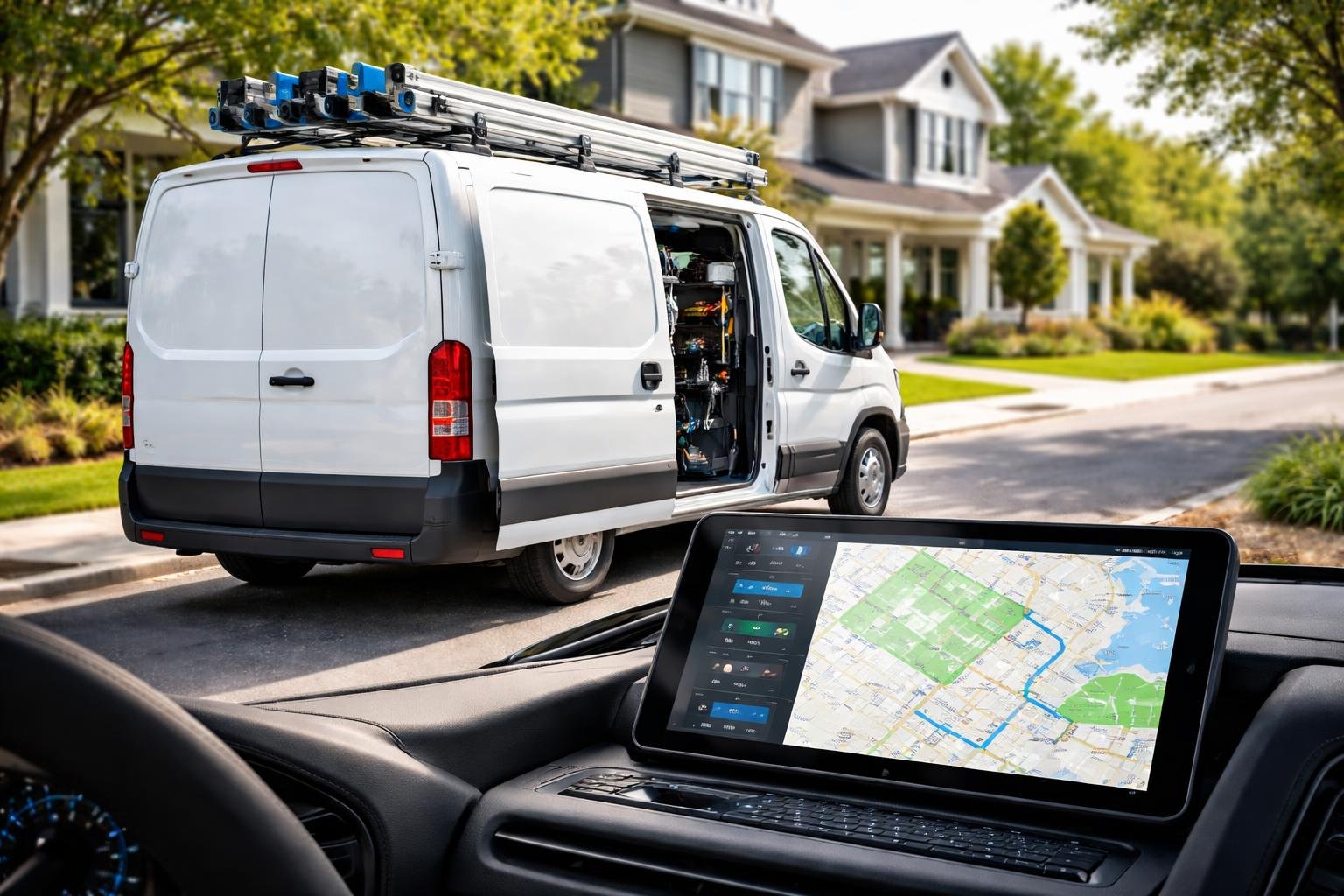
Modern customers expect quick response times and professional service from plumbing contractors. A survey found that 79% of customers want tech-savvy plumbers who use current technology.
Fleet tracking systems help plumbing businesses meet these expectations by optimizing dispatch operations and providing accurate arrival estimates.
This article explains how vehicle telematics works for plumbing fleets and explores its practical uses. The technology helps with route optimization, driver safety monitoring, equipment tracking, and vehicle maintenance management.
Understanding these features helps plumbing contractors decide if telematics investments fit their business goals.
What Is Plumbing Vehicle Telematics?
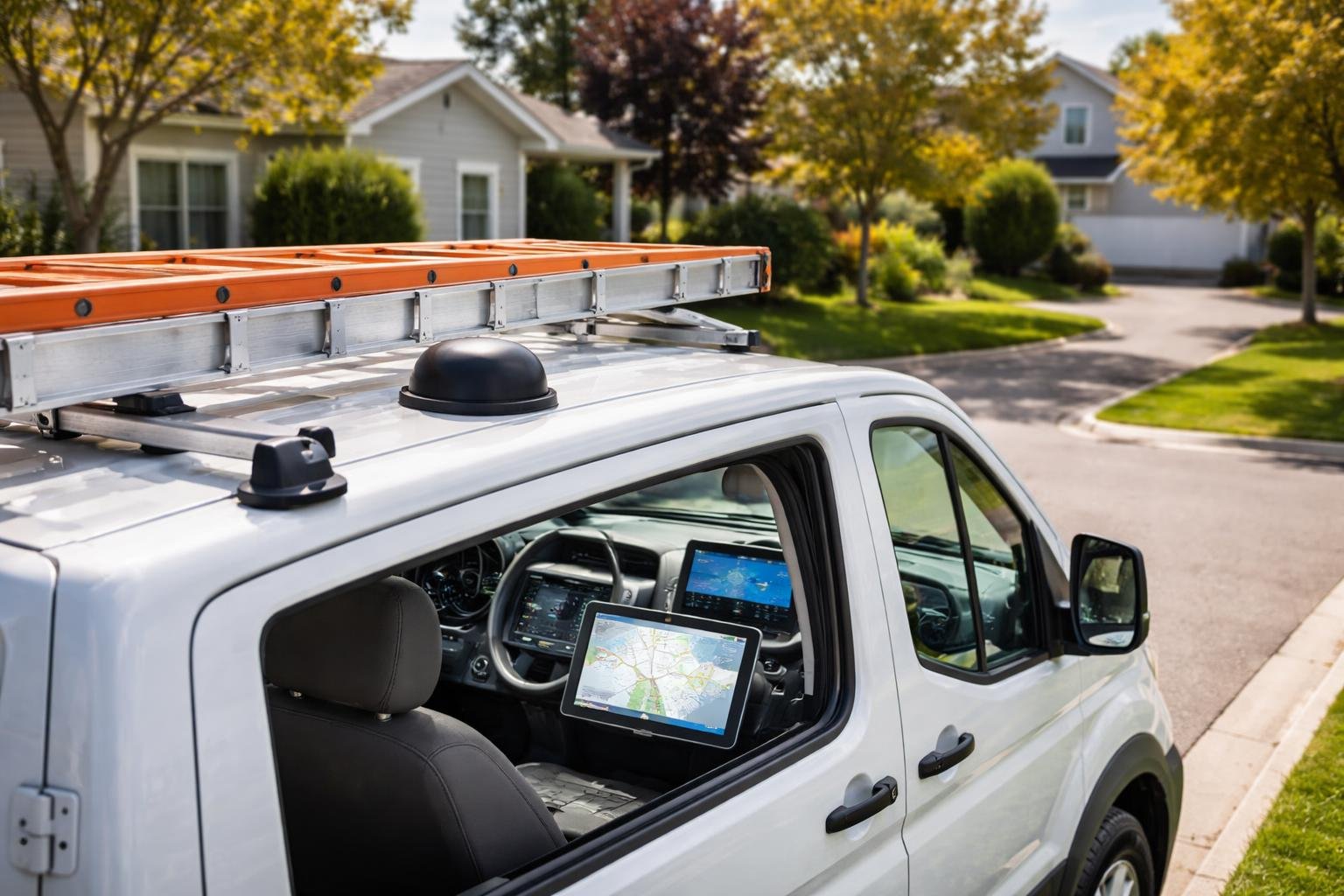
Plumbing vehicle telematics combines GPS tracking, onboard diagnostics, and wireless communication to monitor service vans in real time. This technology lets plumbing businesses track vehicle location, driver behavior, and equipment status.
It also helps optimize technician routes and service delivery.
Core Concepts and Definitions
Vehicle telematics is the use of telecommunications and informatics to send data from commercial vehicles to central management systems. For plumbing operations, this means installing devices that collect information about van location, mileage, fuel use, and driving patterns.
Fleet telematics extends these features across multiple vehicles at once. The technology uses a Telematics Control Unit (TCU) in each van, connecting the vehicle's sensors to cloud-based software.
Primary data types collected include:
- Real-time GPS coordinates and routing information
- Engine diagnostics and maintenance alerts
- Driver behavior metrics (speeding, harsh braking, idling)
- Service appointment timestamps and job completion data
This information is sent wirelessly to dispatchers and fleet managers. Plumbing companies use these insights to reduce fuel costs, improve technician productivity, and provide accurate arrival estimates to customers.
Key Components: Hardware, Software, and Services
A complete telematics solution has three main parts. The hardware includes vehicle trackers installed in service vans with GPS receivers, cellular modems, and diagnostic port connections.
These devices collect and send data about vehicle position and performance.
Software platforms process the data and show it through web dashboards and mobile apps. Fleet managers see real-time maps of all technicians, get maintenance alerts, and generate reports on fuel efficiency or unauthorized vehicle use.
ComponentFunctionExamplesHardwareData collection and transmissionGPS trackers, OBD-II dongles, dash camerasSoftwareData processing and visualizationFleet management dashboards, mobile apps, reporting toolsServicesOngoing support and connectivityCellular data plans, map updates, technical support
The service layer includes cellular connectivity, map updates, and technical support. Many providers offer these as subscription-based packages for plumbing service vans.
Types of Plumbing Fleets and Applications
Residential plumbing companies usually run small fleets of 5-20 vans serving local areas. These businesses use telematics to optimize daily routes and provide customers with accurate arrival windows.
Commercial plumbing contractors manage larger fleets with specialized vehicles for different jobs. Their telematics systems track equipment inventory, monitor safety compliance, and coordinate multiple crews across projects.
Common plumbing fleet categories:
- Emergency repair services (24/7 response vehicles)
- Scheduled maintenance fleets (routine inspections and installations)
- New construction crews (coordinated site work)
- Specialty services (drain cleaning, water heater replacement)
Franchise plumbing operations use telematics across regions to keep brand consistency and service standards. These systems allow centralized dispatching and let local managers monitor performance and technician use.
How Plumbing Vehicle Telematics Works
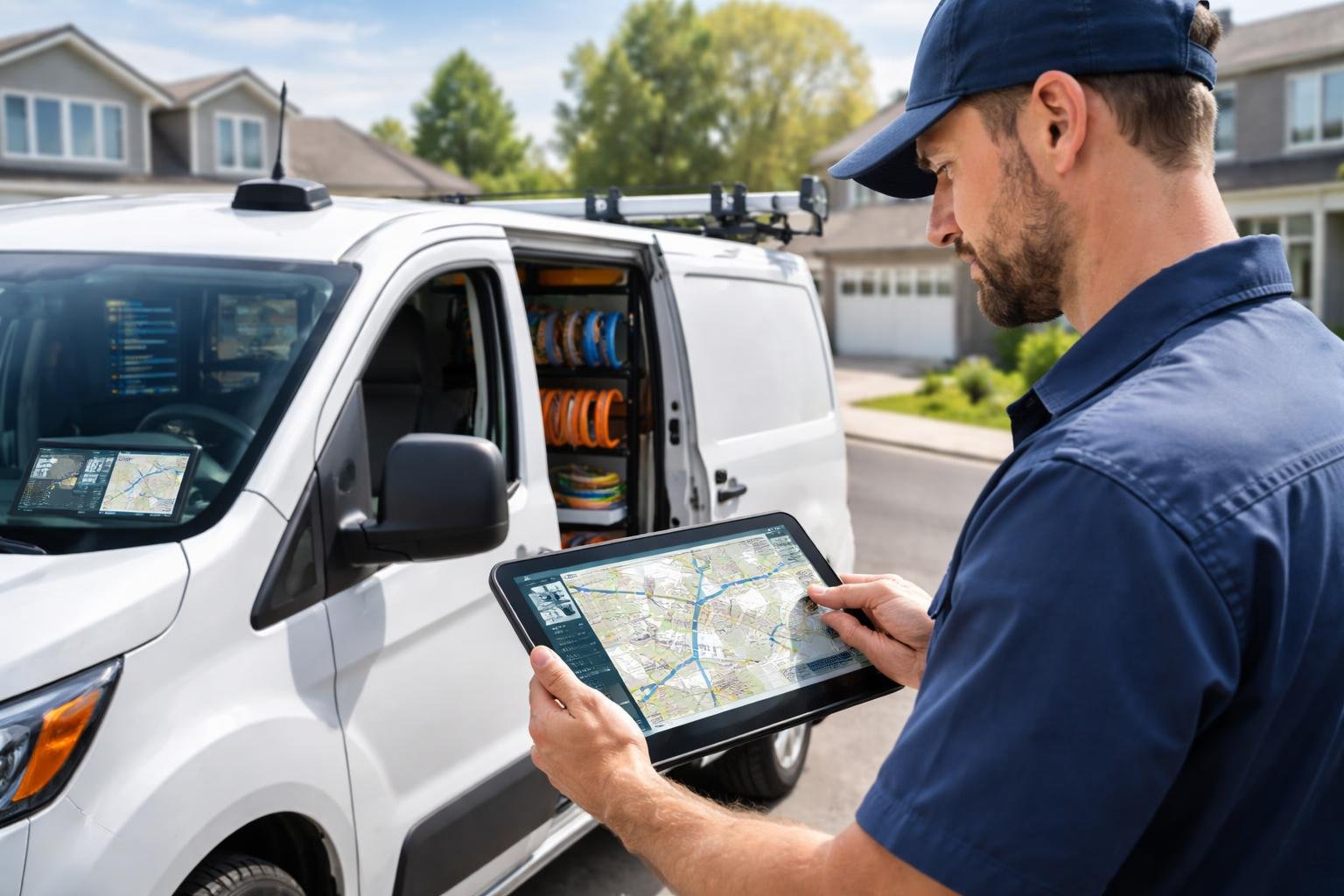
Plumbing vehicle telematics systems use specialized hardware in service vans and cloud-based software to capture and analyze fleet data. The technology tracks vehicle location, monitors engine performance, and records driver behavior.
This gives plumbing businesses real-time visibility into their mobile operations.
Telematics Devices and Vehicle Integration
The main component is the Telematics Control Unit (TCU), a device that connects to a vehicle's OBD-II diagnostic port. This port is standard in vehicles made after 1996 and gives access to engine diagnostics and vehicle performance data.
The TCU has a GPS receiver, a cellular modem, and processors to collect information from the vehicle's computer systems. Installation usually takes 15-30 minutes and does not require electrical changes.
Some systems add sensors to monitor specific equipment, like tool trackers or temperature monitors for HVAC work. The device starts collecting data as soon as it is connected and powered on.
Data Collection and Transmission
Telematics devices collect data every few seconds while vehicles are in use. GPS tracking records location, speed, direction, and timestamps.
Engine diagnostics pull fault codes, fuel consumption, battery voltage, and odometer readings from the vehicle's computer.
The system also tracks driver behavior such as harsh braking, rapid acceleration, idling time, and seatbelt use. This data is sent as digital messages over cellular networks to cloud servers, usually every 30-60 seconds.
Fleet managers access this information through secure web portals or mobile apps. The continuous data flow allows real-time vehicle tracking and instant alerts for events like speeding or unauthorized vehicle use.
Role of Fleet Management Software
GPS fleet management platforms turn raw telematics data into useful business information. The software displays vehicle locations on maps, creates route history reports, and calculates mileage for job costing and tax reporting.
Fleet management software includes scheduling tools that optimize technician dispatch based on location and traffic. Maintenance modules track service intervals using engine hours and mileage, alerting managers when maintenance is due.
The platforms provide dashboards showing key metrics like fuel efficiency, vehicle utilization, and first-time fix rates. Advanced systems use AI to find patterns and suggest improvements for plumbing service operations.
Fleet Management and Operational Efficiency
Telematics platforms help plumbing companies monitor vehicle locations, optimize service routes, and document completed jobs. These features reduce fuel use, improve response times, and provide clear accountability for customers and management.
Real-Time Fleet Tracking
Real-time tracking gives plumbing fleet managers constant visibility into vehicle locations and movement. Fleet tracking software updates GPS coordinates every few seconds.
Dispatchers can identify the nearest technician for urgent calls, reducing customer wait times and providing accurate ETAs.
The technology alerts managers to unauthorized vehicle use, long idle times, and route changes. Plumbing companies can monitor when vehicles arrive at or leave job sites, creating a clear record of technician activity.
Fleet tracking systems often work with mobile devices, so field staff can get updates and share status changes without phone calls.
Data from tracking systems helps managers see service coverage patterns. They can analyze which areas get frequent visits and adjust territory assignments.
Route Optimization and Dispatching
Route optimization technology analyzes traffic, job priorities, and vehicle locations to find the best paths for service calls. Modern systems consider appointment times, technician skills, and parts availability.
The software creates schedules that reduce drive time between jobs.
Dynamic routing updates plans as new emergency calls come in or traffic changes. This helps plumbing fleets handle surprises without disrupting the whole schedule.
Dispatchers can reassign jobs based on real-time technician locations and workload.
Fuel efficiency improves when vehicles follow optimized routes instead of traditional assignments. Companies often see fewer miles driven and less vehicle wear with these systems.
Time Tracking and Proof of Service
Digital proof of service records arrival times, departure times, and completed work at each job site. Technicians use mobile apps to capture customer signatures, photos of finished work, and service notes.
This documentation removes billing disputes and verifies work quality.
Automated time tracking records when technicians start and finish jobs without manual timesheets. The system calculates labor hours for payroll and highlights jobs that often take longer than expected.
GPS-verified timestamps show that crews arrived during scheduled windows. This builds customer trust and helps plumbing companies meet service agreements.
Enhancing Driver Safety and Performance
Telematics systems in plumbing vehicles track driver behavior and provide feedback through scorecards, coaching, and instant alerts. These tools help managers identify risky driving and use targeted interventions to reduce accidents and improve performance.
Driver Behavior Monitoring and Scorecards
Telematics platforms collect data on speeding, harsh braking, rapid acceleration, turning, and idling. This information is used for driver scorecards that rate performance with clear metrics.
Fleet managers review individual scores to see which technicians need more training.
Scoring systems give numerical ratings based on unsafe behaviors. Drivers who speed or brake aggressively get lower scores than those who drive smoothly.
These scorecards set clear performance standards.
Most telematics providers update scorecards daily or weekly. Managers can track improvements over time.
The data shows not only who drives unsafely but also when and where incidents happen, allowing targeted changes.
Driver Coaching and In-Cab Alerts
In-cab alerts give immediate warnings when drivers engage in risky behaviors like harsh braking or speeding. These notifications let technicians correct themselves before issues become accidents.
The alerts act as ongoing training tools for safe driving habits.
Driver coaching programs use telematics data for one-on-one sessions between managers and technicians. Coaches review specific incidents, such as hard stops or speeding on certain roads.
This evidence-based approach makes coaching more effective.
Effective coaching focuses on patterns, not single events. Managers discuss recurring behaviors and work with drivers to create improvement plans.
Some fleets have weekly check-ins, while others do monthly reviews based on performance.
Safe Driving Initiatives
Fleet-wide safety programs use telematics data to create competitions, incentives, and recognition systems. Many plumbing companies offer monthly or quarterly awards for drivers with the highest safety scores.
These initiatives make safety a positive goal for technicians. Some organizations use tiered rewards, giving drivers points for clean records that they can redeem for bonuses, gift cards, or extra time off.
Others recognize top performers in company communications or team meetings. Safety initiatives also include setting fleet-wide goals, such as reducing harsh braking events by 20% within six months.
Telematics dashboards show progress toward these targets. This creates transparency and accountability across the team.
Asset Tracking and Security Solutions
Plumbing companies often have $15,000 or more in specialized equipment per vehicle. This includes drain machines, sewer cameras, and diagnostic tools.
Asset tracking systems protect these investments and help improve equipment deployment and utilization. These systems provide operational insights for better decision-making.
Asset Utilization and Optimization
Asset tracking technology monitors equipment location, usage patterns, and deployment status across the fleet. GPS trackers attached to high-value tools and machinery show which assets are idle, heavily used, or needed at specific sites.
This data helps companies decide when to purchase or redistribute equipment. If some drain machines are unused 60% of the time while others are always in use, managers can reassign underutilized assets instead of buying new ones.
Real-time tracking reduces time spent searching for tools. Technicians can quickly find specific equipment across job sites and vehicles, preventing delays when crews arrive at emergency calls.
Geofencing and After-Hours Alerts
Geofencing sets virtual boundaries around areas like company yards, job sites, or service territories. The system sends alerts when tracked assets or vehicles enter or leave these zones.
After-hours alerts notify managers when equipment moves outside normal business hours. This is valuable because tool theft often happens in the evenings or weekends when vehicles are unattended.
Companies can set geofences around authorized job sites to confirm that equipment arrives at the right locations. Unauthorized movement triggers instant notifications by text or email, allowing a quick response.
Preventing Theft and Unauthorized Use
GPS asset tracking can reduce theft by up to 90% through real-time monitoring and rapid recovery. If unauthorized movement occurs, companies can give law enforcement the exact location of stolen equipment.
Some tracking systems have motion sensors that activate if equipment moves unexpectedly. Battery-powered trackers keep working even if thieves disconnect vehicle power or remove items from vans.
Advanced solutions combine GPS tracking with dash cameras and vehicle immobilization. This prevents unauthorized use and records any attempted theft or tampering with video evidence.
Maintenance, Compliance, and Uptime
Telematics systems help plumbing fleets move from reactive repairs to data-driven maintenance. Real-time diagnostics and automated scheduling reduce downtime and keep vehicles running longer.
Maintenance Scheduling and Diagnostics
Telematics platforms track vehicle usage to trigger maintenance alerts based on real conditions, not just mileage. Engine diagnostics provide real-time data on fault codes, oil pressure, coolant temperature, and other key indicators.
Fleet managers get automated notifications when vehicles reach service thresholds. These systems monitor hours of operation, idle time, and diagnostic trouble codes to schedule preventive maintenance at the best times.
This approach helps avoid unexpected breakdowns that can leave plumbers stranded.
Common diagnostic alerts include:
- Oil life remaining
- Brake wear indicators
- Battery voltage drops
- Transmission temperature warnings
- Check engine light with specific fault codes
Maintenance schedules connect with service history databases to track repairs, parts replacements, and warranty details. Companies can analyze repair costs by vehicle to spot units needing frequent repairs.
Regulatory Compliance and ELD Integration
Electronic Logging Devices (ELDs) automatically record hours of service for commercial drivers. Telematics systems with ELDs remove the need for manual logbooks and help avoid compliance violations.
ELD integration records duty status, driving time, and rest periods without driver input. The data syncs with back-office systems for audits and reporting.
Fleets with vehicles over 10,000 pounds must keep accurate records to avoid penalties. Telematics also manages vehicle inspection schedules, making sure drivers complete required checks.
Digital inspection forms flag safety issues that need attention before vehicles return to service.
Maximizing Vehicle Uptime
Vehicle uptime improves with predictive maintenance and fast response to mechanical issues. Telematics data spots patterns that come before failures, so fleets can schedule repairs during off-hours.
Real-time alerts notify managers when vehicles have issues in the field. Dispatchers can reassign jobs and arrange towing or roadside help without delaying customers.
Parts inventory management links to telematics platforms to keep common components in stock. When diagnostics show a repair is needed, the system checks parts availability before scheduling service.
This reduces the time vehicles spend waiting for parts.
Plumbing Vehicle Telematics Solutions and Providers
The plumbing telematics market includes both specialized providers and enterprise platforms. Solutions range from basic GPS tracking to comprehensive fleet management systems.
Data-driven maintenance and real-time vehicle monitoring are now standard as providers compete on features, pricing, and integration.
Market Overview and Growth Trends
The plumbing fleet telematics market is growing as companies adopt data-driven operations. Predictive maintenance reduces breakdowns and maximizes uptime, shifting plumbing services toward proactive management.
Field service companies use telematics to verify overtime claims and monitor after-hours vehicle use. A typical 10-vehicle fleet can lose thousands each year through unverified overtime and unauthorized van use.
Fleet tracking systems compare timesheets with actual vehicle ignition data to address these issues.
About 80% of customers check online reviews before hiring local service companies. Reliable arrival times and service quality are critical to business success.
Telematics solutions help contractors meet customer expectations with accurate ETAs and better routing.
Leading Solution Providers
Several established providers serve the plumbing fleet market. Geotab offers enterprise-grade telematics with many third-party integrations and detailed diagnostics for larger fleets.
Spireon focuses on asset tracking and recovery services. Verizon Connect provides GPS fleet management software for real-time vehicle, equipment, and driver monitoring.
Azuga specializes in small to medium-sized fleets with camera integration and safety scoring. GPS Trackit offers solutions for field service operations, and EnVue Telematics targets HVAC, plumbing, and electrical contractors.
Some equipment manufacturers also offer private-label telematics systems from major providers.
Choosing the Right Telematics Platform
Plumbing companies should compare providers based on dispatch integration, mobile app features, and reporting tools. The platform should support real-time job assignment and route optimization.
Key features include vehicle diagnostics for maintenance, driver behavior monitoring, and timesheet verification. Companies with take-home vehicles need after-hours tracking and geofencing alerts.
Pricing models vary between monthly subscriptions per vehicle and tiered plans by fleet size and features. Consider installation needs, contract terms, and hardware ownership.
Integration with current accounting, scheduling, and customer management systems is also important.
Business Impact and ROI
Telematics systems provide measurable returns for plumbing businesses. They reduce operational expenses, boost workforce productivity, and lower insurance costs.
Fleet managers often see returns of 650-850% within 18 months.
Reducing Operational Costs
Fuel is one of the largest controllable costs in plumbing fleet operations. Telematics platforms track driving behaviors like idling, harsh acceleration, and poor routing that waste fuel.
Real-time GPS data lets dispatchers assign jobs based on vehicle location, reducing unnecessary mileage. Vehicle maintenance becomes predictive with telematics monitoring.
The system tracks engine diagnostics, oil life, tire pressure, and other metrics to schedule service before breakdowns. This minimizes expensive repairs and extends vehicle lifespan.
Key cost reduction areas include:
- Fuel savings from route optimization and driver monitoring
- Maintenance costs reduced by 15-25% with predictive scheduling
- Vehicle downtime minimized through proactive management
- Administrative overhead decreased with automated reporting and compliance tracking
Increasing Productivity and Customer Satisfaction
Telematics removes manual timesheets and paperwork, freeing technician hours. Automated job tracking and digital proof-of-service let plumbers complete more appointments each day.
Dispatchers see real-time technician locations for dynamic scheduling. Customer service improves with accurate arrival windows based on GPS tracking.
Clients get automated notifications about technician status, reducing calls for updates. Quick response to emergency calls with the nearest available technician builds customer loyalty.
Fleet efficiency improves when managers analyze job data to spot workflow bottlenecks. Performance metrics show which routes, technicians, or service areas are most profitable.
Insurance Benefits and Risk Management
Insurance providers often reduce premiums by 10-30% for fleets using telematics systems. The technology shows a commitment to safety by monitoring driver behavior and lowering accident rates.
Improvements in speeding, hard braking, and distracted driving lower risk profiles. Video telematics protects businesses from fraudulent accident claims by providing recorded evidence.
Many plumbing companies recover their telematics investment through a single disputed claim settlement. The data helps identify high-risk drivers who need extra training.
Compliance tracking for hours-of-service regulations and vehicle inspections reduces liability exposure. Automated documentation proves regulatory adherence during audits or legal proceedings.