How to start saving money
Lorem ipsum dolor sit amet, consectetur adipiscing elit lobortis arcu enim urna adipiscing praesent velit viverra sit semper lorem eu cursus vel hendrerit elementum morbi curabitur etiam nibh justo, lorem aliquet donec sed sit mi dignissim at ante massa mattis.
- Neque sodales ut etiam sit amet nisl purus non tellus orci ac auctor
- Adipiscing elit ut aliquam purus sit amet viverra suspendisse potent
- Mauris commodo quis imperdiet massa tincidunt nunc pulvinar
- Excepteur sint occaecat cupidatat non proident sunt in culpa qui officia
Why it is important to start saving
Vitae congue eu consequat ac felis placerat vestibulum lectus mauris ultrices cursus sit amet dictum sit amet justo donec enim diam porttitor lacus luctus accumsan tortor posuere praesent tristique magna sit amet purus gravida quis blandit turpis.

How much money should I save?
At risus viverra adipiscing at in tellus integer feugiat nisl pretium fusce id velit ut tortor sagittis orci a scelerisque purus semper eget at lectus urna duis convallis. porta nibh venenatis cras sed felis eget neque laoreet suspendisse interdum consectetur libero id faucibus nisl donec pretium vulputate sapien nec sagittis aliquam nunc lobortis mattis aliquam faucibus purus in.
- Neque sodales ut etiam sit amet nisl purus non tellus orci ac auctor
- Adipiscing elit ut aliquam purus sit amet viverra suspendisse potenti
- Mauris commodo quis imperdiet massa tincidunt nunc pulvinar
- Adipiscing elit ut aliquam purus sit amet viverra suspendisse potenti
What percentege of my income should go to savings?
Nisi quis eleifend quam adipiscing vitae aliquet bibendum enim facilisis gravida neque. Velit euismod in pellentesque massa placerat volutpat lacus laoreet non curabitur gravida odio aenean sed adipiscing diam donec adipiscing tristique risus. amet est placerat in egestas erat imperdiet sed euismod nisi.
“Nisi quis eleifend quam adipiscing vitae aliquet bibendum enim facilisis gravida neque velit euismod in pellentesque”
Do you have any comments? Share them with us on social media
Eget lorem dolor sed viverra ipsum nunc aliquet bibendum felis donec et odio pellentesque diam volutpat commodo sed egestas aliquam sem fringilla ut morbi tincidunt augue interdum velit euismod eu tincidunt tortor aliquam nulla facilisi aenean sed adipiscing diam donec adipiscing ut lectus arcu bibendum at varius vel pharetra nibh venenatis cras sed felis eget.
Fleet management companies help organizations control costs, optimize routes, track vehicles, and maintain safety standards. They use technology, analytics, and expert support to manage everything from vehicle acquisition to maintenance and performance tracking.
The best fleet management companies enable businesses to operate more efficiently, extend vehicle lifecycles, and keep drivers and assets safe.

As transportation demands grow, choosing the right provider becomes a strategic decision. Fleet managers now rely on advanced telematics, AI-driven data insights, and integrated platforms to monitor every vehicle in real time.
The following sections explain what fleet management companies do, which providers lead the market in 2025, and how innovations are shaping the future of fleet operations.
What Are Fleet Management Companies?
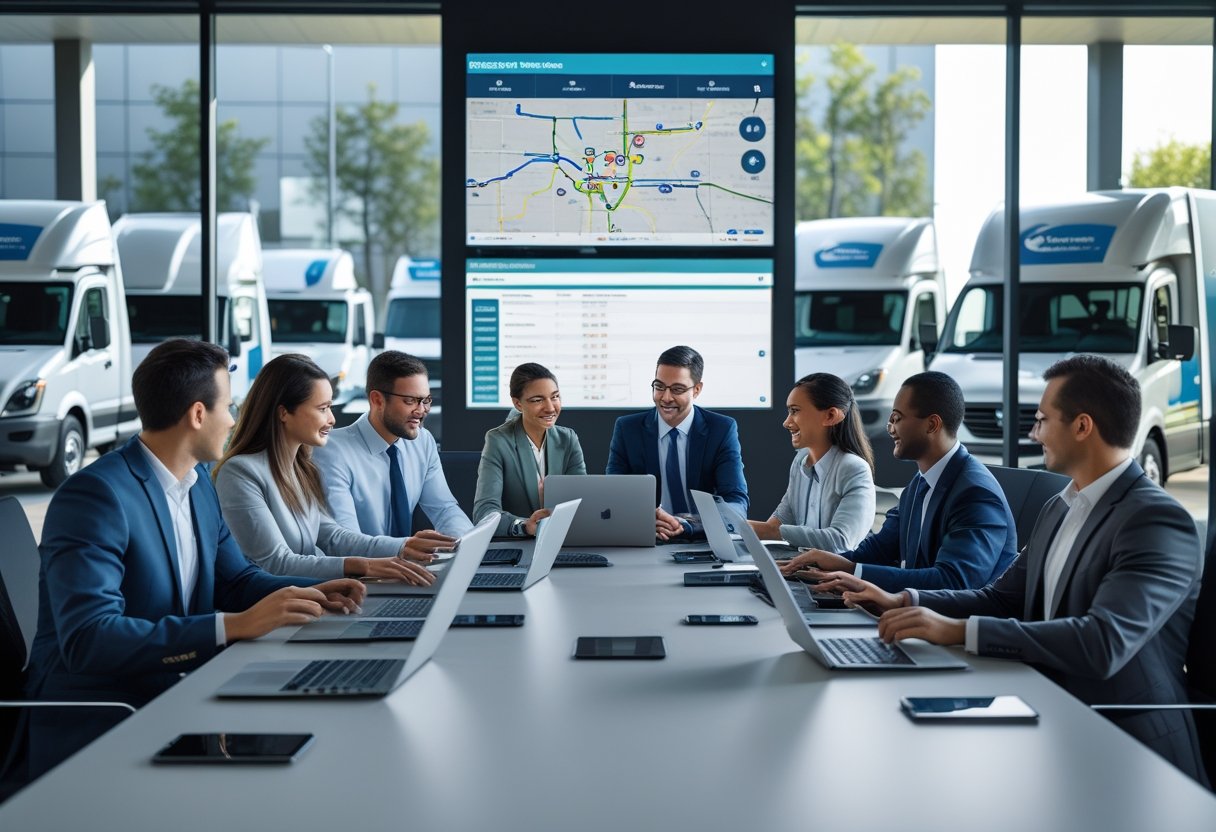
Fleet management companies provide businesses with tools, technology, and services to control and optimize their vehicle operations. They focus on maintaining vehicles efficiently, ensuring compliance with regulations, and managing costs related to fuel, maintenance, and drivers.
Definition and Core Functions
A fleet management company handles major aspects of vehicle operation for businesses or public entities. It supports clients managing small delivery fleets or large logistics networks.
Core functions include vehicle acquisition, maintenance coordination, tracking, driver management, compliance monitoring, and cost control.
These companies use integrated hardware and software to collect real-time data on vehicle status, location, and utilization. This data helps businesses schedule preventive maintenance, monitor fuel consumption, and improve safety.
Fleet management services often extend to asset management, insurance coordination, accident response, and lifecycle planning. Clients depend on these companies to keep assets available, dependable, and cost-effective throughout their use.
How Fleet Management Companies Differ from Software Providers
Software solutions offer essential tracking platforms, but fleet management companies provide more comprehensive support. A software provider mainly offers digital tools for telematics or maintenance scheduling.
A fleet management company combines these tools with operational support, vendor management, and specialized expertise. For example, a software provider might only sell access to a dashboard, while a fleet management company handles vehicle procurement, lease management, and maintenance logistics.
This difference matters for businesses seeking managed outcomes. Fleet management companies often include consulting, reporting, and compliance audits, helping clients meet cost, safety, and legal targets without needing large internal teams.
Industry Sectors Served
Fleet management services support many sectors that rely on transportation. Common industries include logistics and delivery, construction, public transportation, healthcare, utilities, and food distribution.
Each sector has unique needs, such as refrigeration monitoring in food delivery or route optimization in public transit.
IndustryFleet FocusLogistics & DeliveryRoute optimization and fuel managementConstructionHeavy equipment tracking and maintenanceHealthcareVehicle sanitation and emergency response readinessPublic SectorCompliance and cost control for large fleets
Fleet management companies tailor their systems to each sector’s priorities. They align maintenance schedules, safety protocols, and performance reporting with the client’s main business needs.
Top Fleet Management Companies in 2025
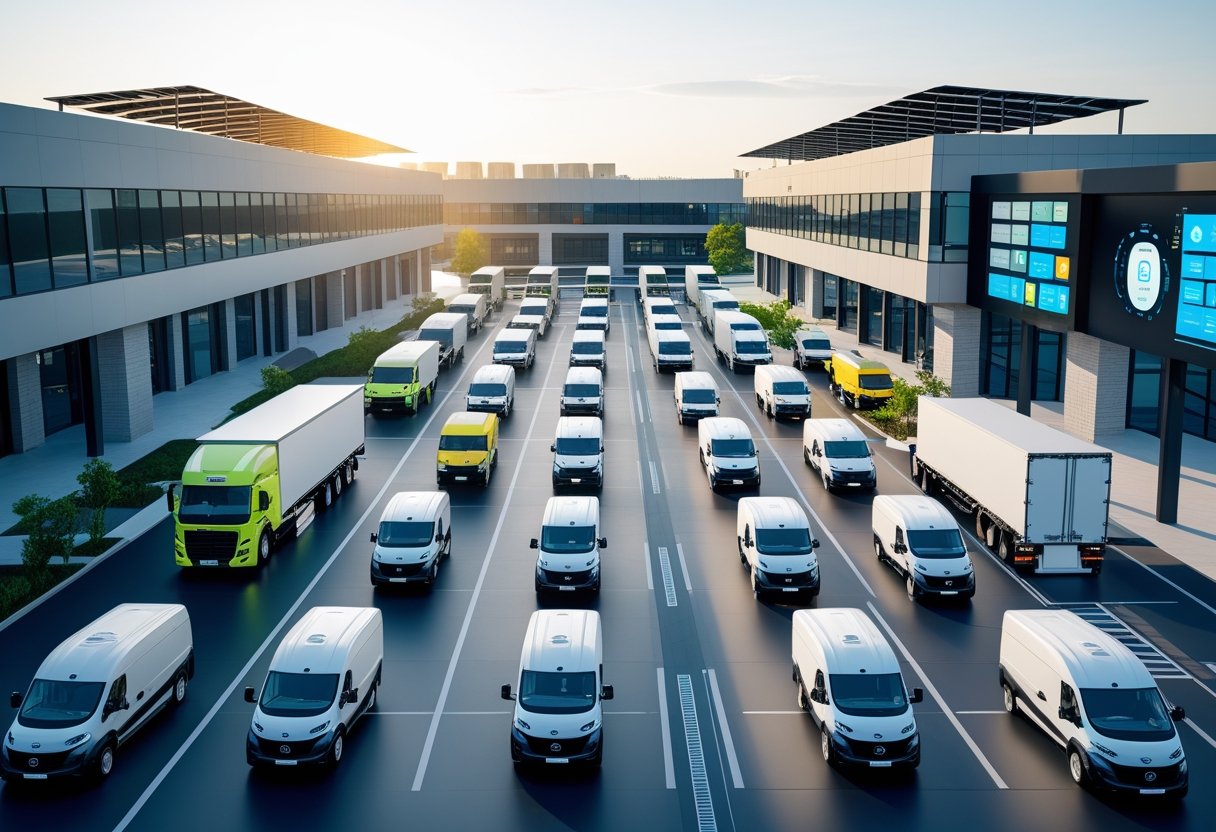
Fleet management providers in 2025 focus on connected technology, efficiency, and regulatory compliance. Companies use telematics, analytics, and automation to help fleets control maintenance, routing, fuel use, and driver performance.
Leading Global Providers
Global leaders such as Verizon Connect, Samsara, Geotab, Motive, and Omnitracs manage large-scale fleet operations. These companies offer software-as-a-service (SaaS) platforms with telematics, driver behavior analysis, safety reporting, and route optimization.
Verizon Connect provides advanced GPS tracking, compliance tools, and AI-driven maintenance forecasting. Samsara uses IoT hardware to connect vehicles, equipment, and cameras into one system.
Geotab offers an open platform, allowing integration with third-party systems. Motive (formerly KeepTruckin) focuses on driver safety and compliance, while Omnitracs specializes in predictive analytics and logistics intelligence.
Many of these platforms analyze large-scale data patterns to benchmark performance and help fleets balance safety with operational costs.
CompanyCore CapabilityPrimary MarketVerizon ConnectTelematics & ComplianceNorth America, EuropeSamsaraIoT Integration & SafetyGlobalGeotabData Analytics & APIsGlobalMotiveDriver-Focused ComplianceNorth AmericaOmnitracsPredictive LogisticsGlobal
Notable Regional and Niche Players
Several regional providers offer targeted services. Enterprise Fleet Management, Element, Merchants Fleet, and Donlen specialize in full-service leasing and lifecycle management in North America.
These companies combine financing, maintenance planning, and remarketing support. In the UK and Europe, Webfleet (Bridgestone) and Teletrac Navman are known for user-friendly dashboards and regional compliance.
MiX Telematics operates in Africa and Asia-Pacific, focusing on heavy commercial and mining fleets. Smaller firms like Rhino Fleet Tracking, Track Your Truck, and FleetLocate serve small and medium fleets seeking simple GPS tracking and mobile alerts.
Key Features Offered by Market Leaders
Market-leading platforms combine real-time data, AI analytics, and mobile access to simplify operations. Fleet managers can monitor fuel use, driver behavior, and asset location in one place.
Fleetio offers maintenance tracking and inventory management. Azuga uses gamification and insurance-linked data insights to engage drivers. Onfleet focuses on last-mile delivery with route optimization and real-time customer notifications.
Common features include:
- Telematics Integration: GPS, diagnostics, and driver scoring
- Compliance Management: Electronic logging, inspection reports, and tax tracking
- Predictive Maintenance: AI and IoT sensors detect issues early
- Reporting Dashboards: Visual analytics for performance and cost
Providers now offer API connections to accounting, HR, or ERP systems, keeping data consistent across business operations. This trend highlights the importance of fleets as connected assets in modern enterprises.
Key Services and Solutions Provided
Fleet management companies deliver systems and services that support safe, efficient, and cost-effective vehicle operations. Their solutions use data, technology, and logistics expertise to maintain visibility, control costs, and improve asset use.
Vehicle Tracking and Telematics
Modern fleet management relies on vehicle tracking and telematics. GPS tracking gives real-time location data, helping dispatchers monitor routes, respond to delays, and verify deliveries.
Location data also reveals inefficiencies like excess idling or unauthorized use. Telematics systems collect and send insights on engine performance, speed, fuel use, and driver behavior.
Fleet managers use this data to enforce safety rules and optimize routes. Some companies offer asset tracking for equipment such as trailers and service vehicles.
Integrating telematics with cloud platforms lets managers view all fleet data on one dashboard, improving decisions and accountability.
Maintenance and Repairs
Fleet maintenance includes regular inspections, preventive servicing, and repairs to keep vehicles safe and running. Fleet management systems help with maintenance scheduling, tracking service intervals, and sending alerts for upcoming work.
This proactive approach reduces breakdowns and downtime. Many providers have maintenance management programs that work with approved service centers, ensuring timely oil changes, brake checks, and tire replacements.
Digital records make warranty tracking and cost reporting simple. Some companies offer roadside assistance for emergencies.
Using detailed maintenance history and performance data, managers can better predict replacement needs and control costs.
Fleet Leasing and Vehicle Acquisition
Fleet management companies handle vehicle acquisition and fleet leasing to help organizations manage expenses. Leasing options include open-end or closed-end structures based on usage and budget.
Providers assist with vehicle selection to match operational needs and fuel-efficiency goals. Vehicle procurement services manage negotiations, purchasing, and delivery.
Many companies work with manufacturers and dealers for better pricing and standardized vehicles. Some services also cover end-of-lease management, remarketing, and resale, helping minimize losses and streamline fleet turnover.
Consulting and Compliance
Fleet consulting helps organizations align with regulations and best practices. Services may include cost analysis, lifecycle forecasting, and risk assessments.
Advisors use fleet data to improve efficiency and manage driver performance. Compliance solutions focus on safety, licensing, and emissions.
Companies track records like driver qualifications and vehicle inspections to meet legal and environmental standards. Automated reporting reduces paperwork and supports audits.
Some firms provide training and policy development for long-term compliance. Combining consulting with telematics and reporting helps fleets operate efficiently and within regulations.
Fleet Management Technology and Platforms
Fleet operators use integrated digital systems to monitor vehicles, drivers, and assets in real time. These technologies combine data from GPS, IoT devices, and analytics tools to improve routing, maintenance, and efficiency.
Fleet Management Software Platforms
Modern fleet management software is the central hub for vehicle operations and driver performance. These platforms connect with telematics and maintenance databases, giving managers a clear overview of fleet activity.
Core features often include:
- Real-time tracking dashboards
- Maintenance scheduling and alerts
- Fuel use and cost management tools
- Driver behavior and compliance reporting
Most platforms, such as Geotab, Samsara, and Verizon Connect, are cloud-based for scalability and remote access. Integration with HR, accounting, or logistics systems lets businesses automate tasks such as mileage reporting and vehicle assignment.
Software flexibility varies. Some platforms offer modular tools for different fleet sizes or industries, while others have preconfigured packages. The main goal is to bring together operational data from multiple sources in one secure interface.
GPS and IoT Integration
GPS fleet tracking is the foundation of data collection in fleet management. It provides continuous visibility of each vehicle’s position and status.
Managers can verify delivery times, optimize driving routes, and detect unauthorized use. The addition of IoT sensors increases this visibility by monitoring fuel level, tire pressure, and engine diagnostics.
Vehicles send this information through cellular or satellite networks to the fleet management platform. This integration supports preventive maintenance and improves safety.
If an IoT device detects overheating or harsh braking, the system alerts managers instantly. Real-time GPS and IoT communication reduces downtime and helps manage assets across large areas.
Data Analytics and Predictive Insights
Fleets generate large amounts of telemetry data. Data analytics turns this information into useful insights.
Managers review driver patterns, maintenance histories, and fuel trends to find inefficiencies. Modern platforms use predictive analytics to forecast part failures and maintenance needs before breakdowns happen.
This enables planned servicing and helps extend equipment life. It also lowers total costs.
Key analytic outputs include:
MetricPurposeExample Data SourceDriver behavior scoreSafety improvementTelemetry logsFuel consumption trendCost optimizationEngine control unitMaintenance predictionDowntime reductionSensor data history
Using telematics, machine learning, and sensor feedback, fleet managers can make decisions that improve efficiency, safety, and budget performance.
Driver and Fleet Performance Management
Consistent monitoring and improvement of driver performance are essential for effective fleet management. Managing safety, compliance, and training with integrated tools reduces risks and operational costs.
Data from telematics and electronic logging systems gives managers insights into driver habits and fleet efficiency.
Driver Safety Programs
Strong driver safety programs help manage fleet risk. These programs identify unsafe behaviors early and use responses such as retraining or policy reinforcement to reduce incidents.
Organizations often use in-vehicle technology and standard safety procedures to build accountability. Safety programs may include collision prevention training, regular safety audits, and real-time alerts from vehicle sensors.
Many fleets use video-based dashcam systems to record road events and provide context for safety reviews. Regular reporting helps management track indicators such as accident rate per million miles and average response time to incidents.
Sharing this data allows companies to compare performance by driver, region, or vehicle type. This highlights areas where more training can reduce risks.
Driver Behavior and Performance Monitoring
Driver behavior monitoring systems track patterns like harsh braking, rapid acceleration, idling, and speeding. Fleet managers use these insights to spot outliers and encourage safer driving.
This feedback supports better fuel economy and lower maintenance costs. Telematics platforms and dashcam analytics give managers a clear view of route efficiency and driver conduct.
Automated scoring models assign safety grades, letting operators track improvement. A monitoring plan often includes:
- Real-time alerts for unsafe driving events.
- Weekly or monthly scorecards with key performance metrics.
- Benchmark goals aligned with fleet safety objectives.
These records support rewards programs or corrective coaching. This helps build a consistent safety culture.
Electronic Logging and Compliance
Electronic Logging Devices (ELDs) are essential for regulatory compliance. ELDs automatically track hours of service, mileage, and vehicle movement.
They help limit driver fatigue and ensure drivers follow duty rules. ELDs replace manual logbooks with accurate, tamper-resistant data.
Managers use dashboards to see driver work hours, rest breaks, and remaining service time. This makes scheduling more precise and transparent.
Some systems combine compliance monitoring with vehicle diagnostics and GPS tracking. This reduces paperwork and inspection delays. Automating documentation strengthens accountability and lowers the risk of penalties for ELD compliance violations.
Driver Coaching and Training
Driver coaching and training use telematics data, dashcam footage, and scorecards to support improvement. Targeted sessions help drivers understand company policy and their own performance.
Training often blends e-learning modules with in-person reviews. Topics include route planning, vehicle inspection, and situational awareness.
Recorded trip data lets instructors use real-world examples. Continuous coaching builds habits that lower accident rates and improve consistency.
Many fleets track training impact with pre- and post-assessment results. This ensures the process remains measurable and aligned with fleet safety goals.
Trends Shaping Fleet Management Companies
Fleet management companies are adapting to new technology, fuel options, and regulations. Data-driven tools, sustainability, and efficiency goals guide most decisions.
Fleet Electrification and Alternative Fuels
Fleet electrification is growing as more electric vehicles become available and emissions rules increase. Companies weigh upfront costs against long-term fuel savings and consider both fully electric and hybrid options.
Electric vehicles (EVs) reduce fuel use and maintenance needs. However, charging infrastructure and range limits are still challenges.
Many organizations test alternative fuels such as compressed natural gas (CNG), renewable diesel, and hydrogen. These fuels support cleaner operations and work with current refueling systems.
Fleets that use different energy sources are more resilient to fuel price changes and improve sustainability metrics. A shift to electrification requires integrating charging schedules, energy data monitoring, and vehicle lifecycle planning into fleet systems.
Data analysis helps with mileage reporting and finding the most cost-effective conversion paths.
Sustainability Initiatives
Environmental responsibility shapes fleet decisions. Companies set carbon reduction targets and use fuel management software and telematics to track progress.
These systems help managers monitor energy use and find inefficiencies in idling, routes, or driver behavior. Policies often include retiring older vehicles and using eco-driving training to lower emissions per mile.
Some fleets use renewable energy credits or join carbon offset programs to reduce environmental impact. Emission zones and reporting rules require fleets to keep accurate data.
Sustainability drives many fleets to invest in reporting tools that verify compliance and show progress to clients and regulators.
Advancements in Route Optimization
Modern route optimization systems use real-time traffic data, weather, and driver availability to improve delivery efficiency. These tools use artificial intelligence (AI) and predictive analytics to find the fastest, lowest-cost routes.
Fleet software can now integrate toll management and route planning to track costs closely. This helps companies reduce unnecessary mileage and save fuel.
A comparison of traditional and modern approaches:
ApproachCore MethodKey LimitationOutcomeManual planningStatic maps and driver inputLimited accuracyHigher fuel useAI-based routingReal-time data processingImplementation costLower mileage and emissions
Fleets using data improve fleet efficiency and reduce disruptions.
Cost Reduction and Efficiency Strategies
Fleet managers aim to balance service quality with financial performance. They use cost-saving strategies such as predictive maintenance scheduling and automated fuel tracking.
A focus on asset utilization helps vehicles operate efficiently. This reduces downtime and extends vehicle lifespan.
Digitized systems improve expense transparency with accurate mileage reporting. Fuel reconciliation analytics also help track spending.
Integrating telematics with accounting platforms supports efficient budgeting. It also helps detect wasteful patterns early.
Companies use driver performance dashboards to monitor habits that impact fuel and maintenance costs. Continuous monitoring lets managers make small improvements without disrupting operations.