How to start saving money
Lorem ipsum dolor sit amet, consectetur adipiscing elit lobortis arcu enim urna adipiscing praesent velit viverra sit semper lorem eu cursus vel hendrerit elementum morbi curabitur etiam nibh justo, lorem aliquet donec sed sit mi dignissim at ante massa mattis.
- Neque sodales ut etiam sit amet nisl purus non tellus orci ac auctor
- Adipiscing elit ut aliquam purus sit amet viverra suspendisse potent
- Mauris commodo quis imperdiet massa tincidunt nunc pulvinar
- Excepteur sint occaecat cupidatat non proident sunt in culpa qui officia
Why it is important to start saving
Vitae congue eu consequat ac felis placerat vestibulum lectus mauris ultrices cursus sit amet dictum sit amet justo donec enim diam porttitor lacus luctus accumsan tortor posuere praesent tristique magna sit amet purus gravida quis blandit turpis.

How much money should I save?
At risus viverra adipiscing at in tellus integer feugiat nisl pretium fusce id velit ut tortor sagittis orci a scelerisque purus semper eget at lectus urna duis convallis. porta nibh venenatis cras sed felis eget neque laoreet suspendisse interdum consectetur libero id faucibus nisl donec pretium vulputate sapien nec sagittis aliquam nunc lobortis mattis aliquam faucibus purus in.
- Neque sodales ut etiam sit amet nisl purus non tellus orci ac auctor
- Adipiscing elit ut aliquam purus sit amet viverra suspendisse potenti
- Mauris commodo quis imperdiet massa tincidunt nunc pulvinar
- Adipiscing elit ut aliquam purus sit amet viverra suspendisse potenti
What percentege of my income should go to savings?
Nisi quis eleifend quam adipiscing vitae aliquet bibendum enim facilisis gravida neque. Velit euismod in pellentesque massa placerat volutpat lacus laoreet non curabitur gravida odio aenean sed adipiscing diam donec adipiscing tristique risus. amet est placerat in egestas erat imperdiet sed euismod nisi.
“Nisi quis eleifend quam adipiscing vitae aliquet bibendum enim facilisis gravida neque velit euismod in pellentesque”
Do you have any comments? Share them with us on social media
Eget lorem dolor sed viverra ipsum nunc aliquet bibendum felis donec et odio pellentesque diam volutpat commodo sed egestas aliquam sem fringilla ut morbi tincidunt augue interdum velit euismod eu tincidunt tortor aliquam nulla facilisi aenean sed adipiscing diam donec adipiscing ut lectus arcu bibendum at varius vel pharetra nibh venenatis cras sed felis eget.
Keeping track of vehicles is now essential for businesses that manage fleets, deliveries, and mobile assets. Vehicle tracking companies offer technology to monitor location, speed, and driver behavior in real time.
They help organizations improve fleet efficiency, safety, and costs through reliable data and integrated tracking systems.
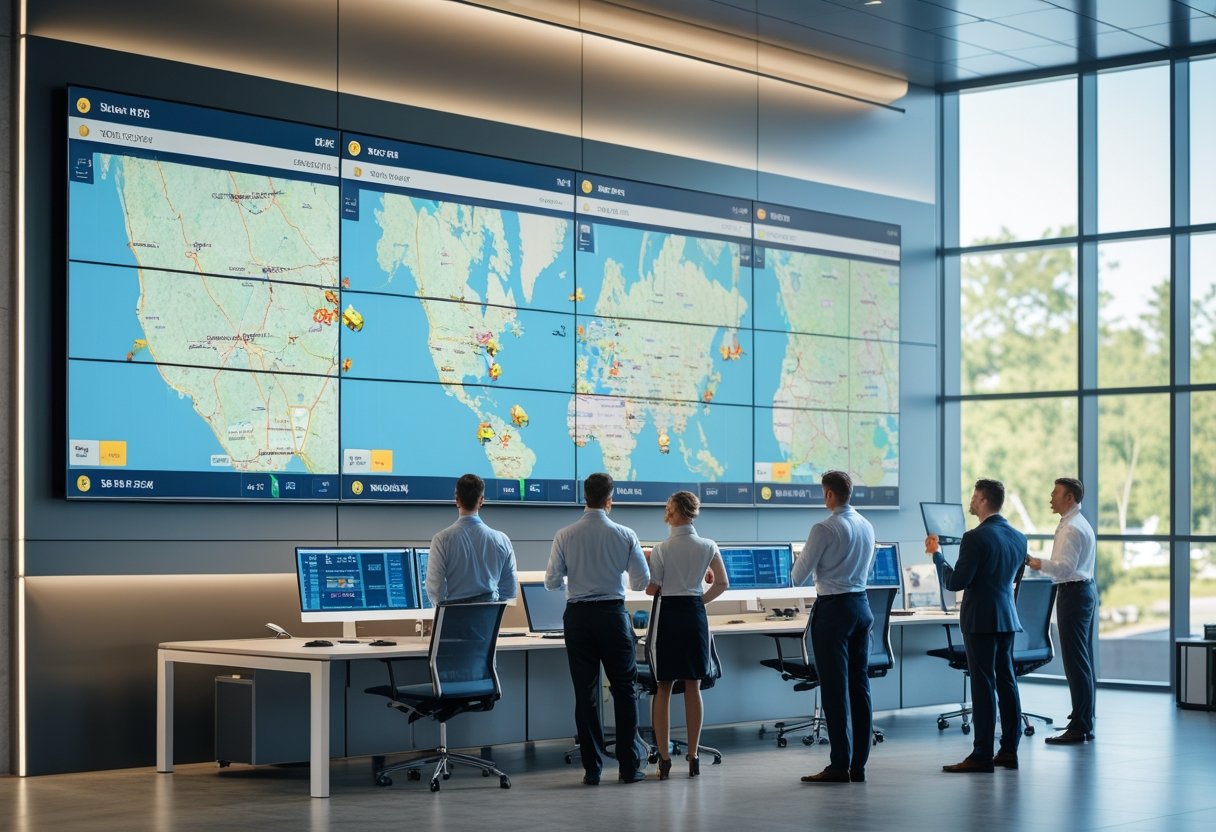
As GPS technology and cloud-based analytics have advanced, these companies now offer more than simple location tracking. They integrate maintenance alerts, route optimization, and compliance monitoring into their platforms.
This mix of data and usability helps both small businesses and large fleets improve performance and customer satisfaction.
What Are Vehicle Tracking Companies?
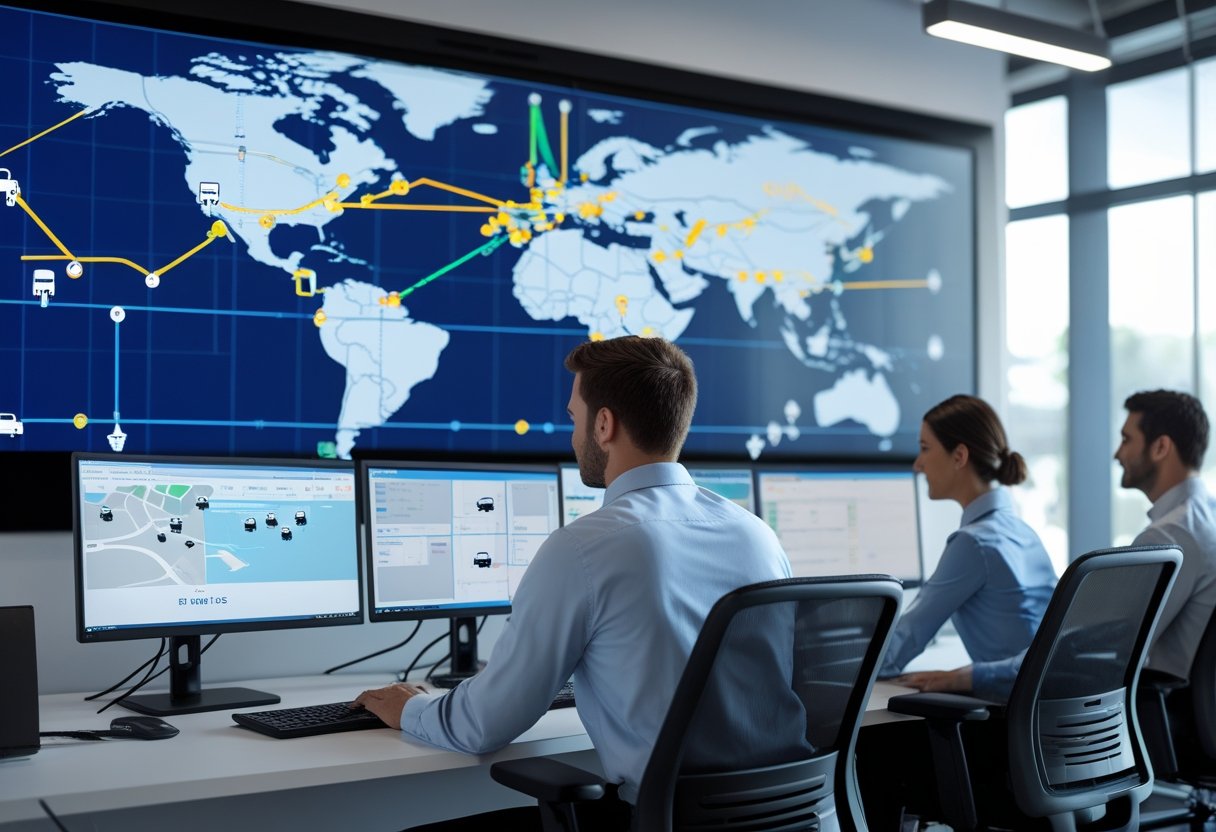
Vehicle tracking companies provide technology and data services for organizations to monitor and optimize their vehicles and mobile assets. They use GPS tracking, telematics, and analytics tools to improve route efficiency, safety, and operational control.
Definition and Role in the Industry
A vehicle tracking company creates systems that record a vehicle’s location, speed, and movement in real time. These companies support clients in industries like logistics, delivery, construction, and public transportation.
Their technology is part of the broader fleet management ecosystem. It connects vehicles, drivers, and company operations through data.
Most providers offer hardware such as GPS trackers and sensors, along with cloud-based platforms for managers to view location and performance details. The data helps coordinate dispatch, verify service, and reduce inefficiencies.
Market leaders like Verizon Connect, Samsara, and Geotab are known for combining tracking with maintenance alerts, driver behavior monitoring, and compliance reporting.
Types of Tracking Solutions Offered
Different tracking solutions meet different operational needs. The most common is GPS-based tracking, which gives live updates on location and route progress.
Other types include OBD-II plug-in trackers, hardwired units, and asset trackers with battery-powered or IoT-enabled sensors. Some systems collect telematics data like engine hours, fuel use, and idle time.
Providers usually offer different tiers:
TierTypical FeaturesTarget Fleet SizeBasicLocation tracking, route replaySmall fleetsStandardDriver behavior reports, maintenance remindersMid-sized fleetsAdvancedPredictive analytics, compliance tools, integrationsLarge fleets
This range supports both small businesses and large operators.
Key Benefits for Fleet Operations
Tracking systems improve fleet efficiency and security. Real-time GPS visibility allows faster responses to delays or unauthorized use.
Companies can cut fuel costs by analyzing routes and idle time. Driver monitoring tools encourage safer habits and help lower accident risks.
Tracking data also supports regulatory compliance, maintenance scheduling, and job verification. Over time, these systems help businesses use assets better, extend vehicle lifespan, and improve reliability.
Core Features of Vehicle Tracking Solutions
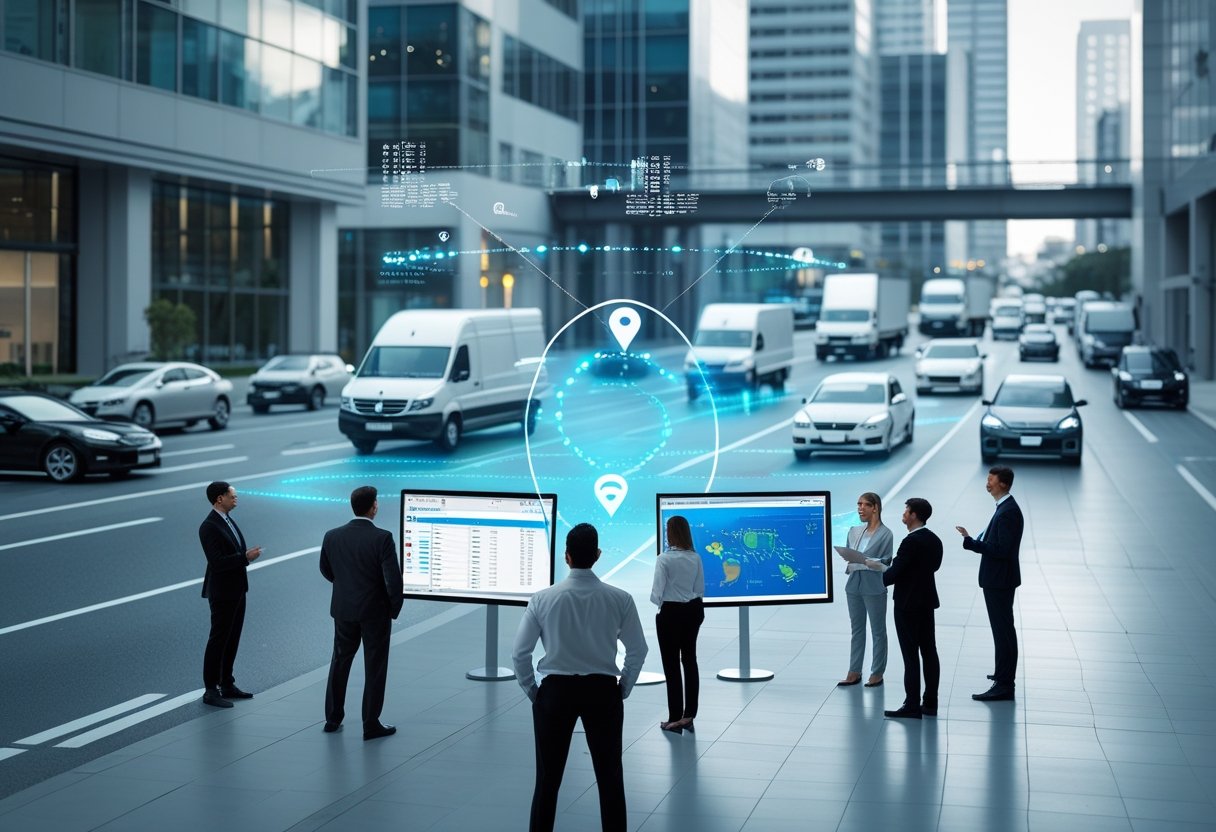
Modern vehicle tracking systems use GPS, telematics, and analytics to provide real-time information on fleet performance. They capture data like vehicle location, route history, engine health, and driver habits.
Real-Time Tracking and Location Alerts
Real-time tracking is the core of most vehicle tracking platforms. GPS trackers send updates to a central dashboard that shows exact locations on a live map.
Fleet managers can see all active vehicles, track movements, and check if routes match planned schedules. Location alerts send notifications when a vehicle enters or leaves set areas (geofences) or strays from its route.
This enables quick responses to delays or security risks. Real-time monitoring also provides time and distance records for accurate reporting.
Telematics Data and Vehicle Diagnostics
Robust tracking solutions include telematics and vehicle diagnostics. Telematics modules connect to sensors to record data like engine temperature, fuel levels, idle time, and maintenance alerts.
These data points are gathered in one platform, helping managers spot problems early. For example, systems can flag low battery voltage or excessive idling before they become costly repairs.
Visual dashboards show this information with clear indicators or charts. Maintenance teams can plan service efficiently and reduce unscheduled downtime.
Driver Behavior Monitoring
Driver behavior monitoring promotes safety and efficiency. Tracking devices record speed, harsh braking, rapid acceleration, sharp turns, and long idling.
Each event affects a driver score on the management dashboard. Supervisors can spot risky patterns and arrange training if needed.
Some systems offer in-cab feedback, giving drivers real-time prompts to correct unsafe habits. Over time, this helps improve fuel efficiency and reduce accidents.
Route Optimization and Planning
Route optimization and planning tools use real-time data to find the most efficient paths for trips. The system considers traffic, delivery times, and fuel use.
Routes are updated automatically for congestion or schedule changes. Many platforms show this data on an interactive map, making dispatch decisions easier.
Efficient planning reduces mileage, fuel use, and unnecessary travel. It also improves customer satisfaction with accurate estimated time of arrival (ETA) updates.
Fleet Management Integration
Efficient fleet management relies on how well systems connect to track, maintain, and optimize vehicles and assets. Integrated platforms help managers oversee operations, reduce manual data entry, and make faster decisions.
Fleet Tracking and Fleet Maintenance
Fleet tracking systems combine real-time GPS data with maintenance scheduling tools. Platforms like Samsara, Motive, and Azuga show each vehicle’s current location, speed, and route while logging mileage for service reminders.
By linking tracking with maintenance records, managers get alerts when an asset needs inspection or repair. This reduces unplanned downtime and prevents breakdowns.
Many systems store diagnostic trouble codes (DTCs) and maintenance history in one dashboard.
Key benefits include:
- Automated maintenance scheduling
- Lower repair costs through early detection
- Centralized maintenance logs with GPS data
Connected systems help create a proactive maintenance culture.
Fuel Management and Consumption Monitoring
Fuel management features track usage patterns, spot irregularities, and find ways to cut waste. Fleet management software combines fuel card data, telematics, and route info to measure true usage per vehicle.
Managers can view fuel efficiency trends and compare rates across the fleet. Systems flag excessive idling, speeding, or inefficient routes.
Custom reports show which vehicles perform best under certain conditions.
Example metrics tracked:
MetricPurposeFuel used per 100 milesMeasures efficiencyIdle timeIdentifies wasted fuelCost per tripEvaluates route and vehicle performance
These tools help teams align driver behavior, vehicle type, and route planning with cost and environmental goals.
Asset and Equipment Tracking
Modern fleet management software also tracks assets and equipment like trailers, containers, and portable machines. Real-time tracking uses GPS and IoT sensors to locate each item and confirm status.
Companies use this data to manage inventory location, schedule equipment use, and reduce loss. Asset tracking also provides reports on how often tools or trailers are used versus idle.
This helps managers allocate assets better and maintain accountability across the supply chain.
Leading Vehicle Tracking Companies and Solutions
Modern fleet management relies on precise tracking, data integration, and actionable insights. Leading companies deliver tools to help organizations streamline operations, monitor performance, and ensure compliance.
Samsara
Samsara offers a cloud-based platform that connects vehicles, assets, and drivers. Its telematics combine GPS tracking with real-time diagnostics, driver safety monitoring, and route optimization.
The company also provides camera-based safety tools to track driver behavior. Fleet managers use Samsara’s dashboard to view location data, fuel use, and maintenance needs.
Reports help identify inefficiencies and lower costs.
Notable features include:
- Live GPS tracking with second-by-second updates
- AI-driven dash cams for incident detection and risk scoring
- Workflow automation that connects with dispatch and maintenance systems
Samsara competes with Geotab, Motiv, and FleetLocate by focusing on scalable cloud services and easy deployment.
Verizon Connect
Verizon Connect delivers telematics solutions for fleet visibility, compliance, and driver management. Built on Verizon’s network, it provides real-time tracking and route history for vehicles in many industries.
The software includes compliance tools like ELD and IFTA reporting. Its analytics highlight usage patterns, fuel efficiency, and idle time.
Key features include:
- Route replay and historical data storage
- Driver behavior alerts for harsh braking and speeding
- Custom dashboards with mobile access for remote supervision
Verizon Connect scales to enterprise-level fleets while remaining user-friendly across platforms.
Teletrac Navman
Teletrac Navman combines GPS data with analytics to give fleets actionable insights. Its platform supports transportation, construction, and government operations.
Real-time dashboards show vehicle locations, maintenance alerts, and compliance requirements. The software emphasizes driver performance and safety analytics, reporting on speed, fuel use, and time-on-site.
It integrates with cameras and sensors for deeper operational awareness.
Key advantages include:
FeatureBenefitGPS tracking24/7 visibility of fleet activityMaintenance schedulingAutomated service remindersCustom reportingRegulatory and operational compliance
Competitors like Mix Telematics, Omnitracs, and Enterprise Fleet Management offer similar features. Teletrac Navman stands out for flexible data visualization tools and integration with existing business systems.
Azuga
Azuga focuses on driver-centric telematics that balance performance tracking with engagement. The solution uses plug-and-play GPS devices to monitor vehicle locations, speed, and driving habits.
Its gamified driver scoring system encourages accountability by rewarding safe behavior. Fleet managers access performance reports through a mobile and web dashboard.
Main benefits include:
- Simple installation with OBD-II devices
- Safety rewards program that motivates improvement
- Real-time maintenance alerts through automated notifications
Azuga partners with providers such as ClearPathGPS and Lytx to enhance behavioral analytics and video telematics. This focus on driver safety and engagement makes Azuga a practical choice for small to mid-sized fleets.
Technology and Devices in Vehicle Tracking
Modern vehicle tracking uses integrated technologies to gather, transmit, and interpret data in real time. Hardware like GPS tracking devices and dashcams work with software such as driver apps and mobile dashboards.
This creates a connected system that improves efficiency, safety, and accountability across fleets and individual vehicles.
GPS Tracking Devices and Installation
A GPS tracking device determines a vehicle’s position using satellite signals and sends that information through cellular or satellite networks. These devices often have built-in sensors for speed, ignition status, and mileage.
When combined with analytics platforms, the data helps companies monitor vehicle use and plan maintenance more accurately. Devices vary in type and installation method.
Plug-and-play OBD devices fit into diagnostic ports and are easy to install for passenger vehicles. Hardwired models provide permanent tracking and suit trucks or heavy-duty fleets.
Some systems include backup batteries to provide location updates even when disconnected from power. The GPS tracking system may also integrate with temperature sensors or cargo monitoring units for sensitive materials.
This flexibility allows fleet managers to tailor each installation to their needs.
Dashcams and Driver Apps
Dashcams record visual data inside and outside the vehicle, offering evidence in case of accidents or safety incidents. Advanced models combine video with GPS, accelerometer sensors, and machine vision that detects risky behaviors like phone use or sudden braking.
Paired driver apps collect user inputs such as trip logs, inspection reports, or rest breaks. Many apps deliver feedback on driving performance and show real-time alerts for speeding or harsh acceleration.
Companies often link dashcam footage and driver app data to central analysis tools. This combined approach supports safer driving habits and more reliable fleet documentation.
Mobile Apps and Dashboard Platforms
Mobile apps and dashboard platforms give fleet operators access to location data, route histories, and sensor readings from any connected device. These interfaces convert GPS data into visual maps, alerts, and performance summaries.
Features include configurable reports, fuel consumption estimates, and live route replay. Integration with cloud storage enables secure sharing between dispatchers, mechanics, and administrators.
Some dashboards include AI-assisted analytics that detect anomalies like excessive idling or route deviations. A clear layout and mobile responsiveness help users make timely decisions and maintain visibility across the vehicle network.
Advanced Features and Industry Trends
Vehicle tracking solutions have evolved into integrated platforms offering precise geolocation, regulatory compliance tools, theft prevention systems, and customer experience features. Companies use these technologies to improve productivity, enhance security, and maintain operational transparency.
Geofencing and Real-Time Alerts
Modern tracking platforms use geofencing to define digital boundaries for vehicles and assets. When a vehicle enters or exits a preset area, the system sends real-time alerts to fleet managers.
This helps enforce route compliance, reduce unauthorized use, and maintain timely deliveries. These alerts rely on GPS and IoT sensors to provide location updates within seconds.
Some providers allow stakeholders to customize rules for individual vehicles or time schedules. The technology can also integrate with dispatch systems, allowing managers to adjust routes or schedules in response to delays.
Key benefits include:
- Improved route efficiency
- Faster response to unexpected events
- Enhanced accountability for drivers
Geofencing is now a standard in commercial vehicle tracking, especially for logistics, construction, and delivery operations.
ELD Compliance and DVIRs
Compliance is central in fleet management. The Electronic Logging Device (ELD) tracks driver hours of service to meet safety regulations.
Integrated tracking platforms combine ELD data with Daily Vehicle Inspection Reports (DVIRs) to ensure both driver compliance and vehicle safety. Automated logs reduce errors compared to manual entries.
Systems can alert drivers and administrators when nearing regulatory limits. DVIR tools support digital inspection forms and photographic evidence, streamlining reporting and maintenance workflows.
An effective ELD and DVIR setup offers:
FunctionDescriptionELD IntegrationRecords driving hours automaticallyDVIR ToolsStandardizes inspection and reportingCompliance AlertsPrevents violations of hours-of-service
These compliance tools help companies avoid fines and keep detailed digital records.
Theft Prevention and Security
Vehicle tracking systems now include layered theft prevention measures, using sensors, immobilizers, and rapid notification protocols. If a vehicle deviates from its route or is moved without authorization, managers receive instant alerts and location coordinates.
Fleet systems increasingly use AI-driven analytics to flag suspicious patterns, such as repeated idling in restricted zones. Some solutions allow remote immobilization or ignition locking to prevent unauthorized movement.
Continuous tracking supports cooperation with law enforcement by providing precise route data. These features have reduced recovery times in theft incidents and improved asset protection.
Customer Satisfaction and Feedback
Fleet tracking technology improves customer satisfaction through transparency and reliability. Real-time tracking gives clients accurate delivery estimates, reducing uncertainty.
Many companies use digital portals or mobile apps to share live status updates. Customer feedback tools in these systems help monitor service quality and identify patterns in complaints or delays.
Tracking data also aids in post-delivery analysis and performance scoring for both drivers and service teams. Fleet operators use this information to improve communication and optimize scheduling.
A feedback loop supported by telematics helps companies maintain trust and meet client expectations.
Considerations for Choosing a Vehicle Tracking Provider
Selecting a vehicle tracking provider depends on how well the system adapts to fleet growth, pricing transparency, and the quality of technical support. Compatibility with dispatching tools and integration with existing software can determine whether a system improves efficiency.
Scalability and Fleet Size
Fleet managers should consider whether a tracking system can handle their current and future vehicle numbers. A system designed for small fleets may not work efficiently when scaled to hundreds of vehicles.
Providers that offer cloud-based platforms can manage scaling more smoothly, expanding data storage and processing capacity without major hardware upgrades.
It helps to check if the platform allows tiered service levels, enabling companies to add vehicles or advanced features as operations grow. Features like driver behavior analytics or automatic report generation should remain functional as the fleet expands.
When assessing scalability, fleet companies should look for multi-user access controls for dispatchers, supervisors, and maintenance staff. The software should maintain real-time updates even under heavy data loads.
Pricing Models and Contracts
Vehicle tracking providers use several pricing methods. The most common include subscription-based plans, per-vehicle fees, and enterprise agreements for large fleets.
Understanding the breakdown of costs—hardware, installation, software license, and data usage—is key to finding a fair deal. Fleet managers should examine contract terms carefully.
Some providers bundle equipment financing with long-term commitments, while others use flexible agreements that allow companies to adjust the fleet count or cancel with notice. Avoiding hidden charges for map updates, maintenance, or support ensures predictable expenses.
A simple comparison table can help:
Pricing ModelTypical UsersKey TraitsPer-Vehicle PlanSmall fleetsStraightforward cost scalingSubscription (Software-as-a-Service)Mid-size fleetsIncludes updates and supportEnterprise AgreementLarge fleetsCustom terms, volume discounts
Support and Integration Capabilities
Reliable support and smooth integration help a vehicle tracking system fit into daily operations. Providers that offer 24/7 technical support and dedicated account managers can reduce downtime and training costs.
Regularly updated documentation also makes it easier for staff to use the system.
Integration is important because most fleets use dispatching tools, route planning software, or fuel management systems. The tracking platform should connect with these systems using open APIs for automatic data sharing and unified dashboards.
Companies should check how well the system exchanges information with current applications before a full rollout. Providers that offer onboarding assistance, staff training, and custom configuration can help tracking data improve workflow.