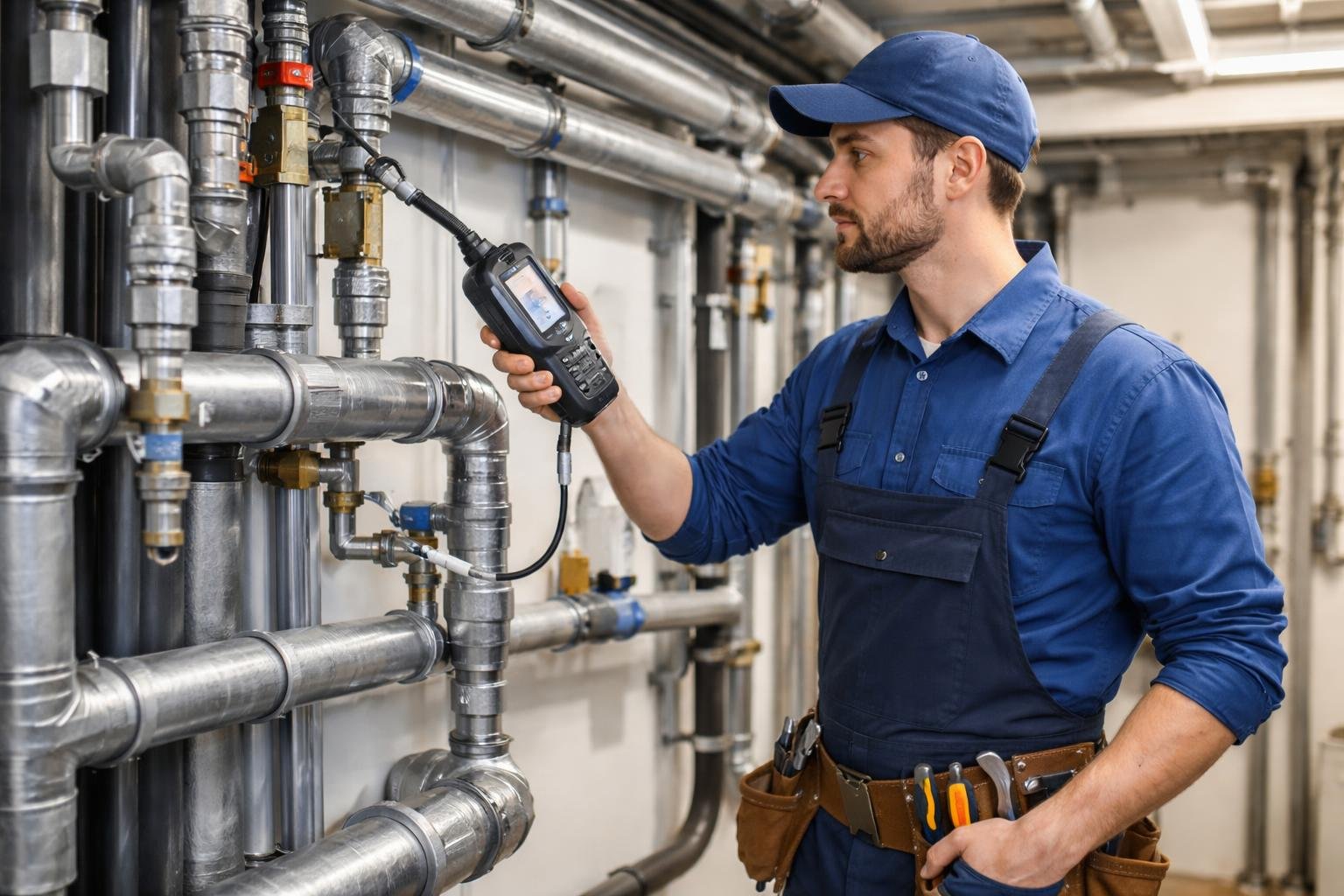
Contractor Fleet Tracking Benefits: How Real-Time GPS Improves Efficiency and Reduces Costs
How to start saving money
Lorem ipsum dolor sit amet, consectetur adipiscing elit lobortis arcu enim urna adipiscing praesent velit viverra sit semper lorem eu cursus vel hendrerit elementum morbi curabitur etiam nibh justo, lorem aliquet donec sed sit mi dignissim at ante massa mattis.
- Neque sodales ut etiam sit amet nisl purus non tellus orci ac auctor
- Adipiscing elit ut aliquam purus sit amet viverra suspendisse potent
- Mauris commodo quis imperdiet massa tincidunt nunc pulvinar
- Excepteur sint occaecat cupidatat non proident sunt in culpa qui officia
Why it is important to start saving
Vitae congue eu consequat ac felis placerat vestibulum lectus mauris ultrices cursus sit amet dictum sit amet justo donec enim diam porttitor lacus luctus accumsan tortor posuere praesent tristique magna sit amet purus gravida quis blandit turpis.

How much money should I save?
At risus viverra adipiscing at in tellus integer feugiat nisl pretium fusce id velit ut tortor sagittis orci a scelerisque purus semper eget at lectus urna duis convallis. porta nibh venenatis cras sed felis eget neque laoreet suspendisse interdum consectetur libero id faucibus nisl donec pretium vulputate sapien nec sagittis aliquam nunc lobortis mattis aliquam faucibus purus in.
- Neque sodales ut etiam sit amet nisl purus non tellus orci ac auctor
- Adipiscing elit ut aliquam purus sit amet viverra suspendisse potenti
- Mauris commodo quis imperdiet massa tincidunt nunc pulvinar
- Adipiscing elit ut aliquam purus sit amet viverra suspendisse potenti
What percentege of my income should go to savings?
Nisi quis eleifend quam adipiscing vitae aliquet bibendum enim facilisis gravida neque. Velit euismod in pellentesque massa placerat volutpat lacus laoreet non curabitur gravida odio aenean sed adipiscing diam donec adipiscing tristique risus. amet est placerat in egestas erat imperdiet sed euismod nisi.
“Nisi quis eleifend quam adipiscing vitae aliquet bibendum enim facilisis gravida neque velit euismod in pellentesque”
Do you have any comments? Share them with us on social media
Eget lorem dolor sed viverra ipsum nunc aliquet bibendum felis donec et odio pellentesque diam volutpat commodo sed egestas aliquam sem fringilla ut morbi tincidunt augue interdum velit euismod eu tincidunt tortor aliquam nulla facilisi aenean sed adipiscing diam donec adipiscing ut lectus arcu bibendum at varius vel pharetra nibh venenatis cras sed felis eget.
Managing construction fleets without tracking technology means working with incomplete information about equipment location, usage, and performance. Contractors face pressure to deliver projects on time and within budget while managing many assets across multiple job sites.
Fleet tracking systems provide contractors with real-time visibility into their equipment and vehicles. This enables data-driven decisions that reduce costs by 15-25%, minimize downtime, and improve safety compliance.
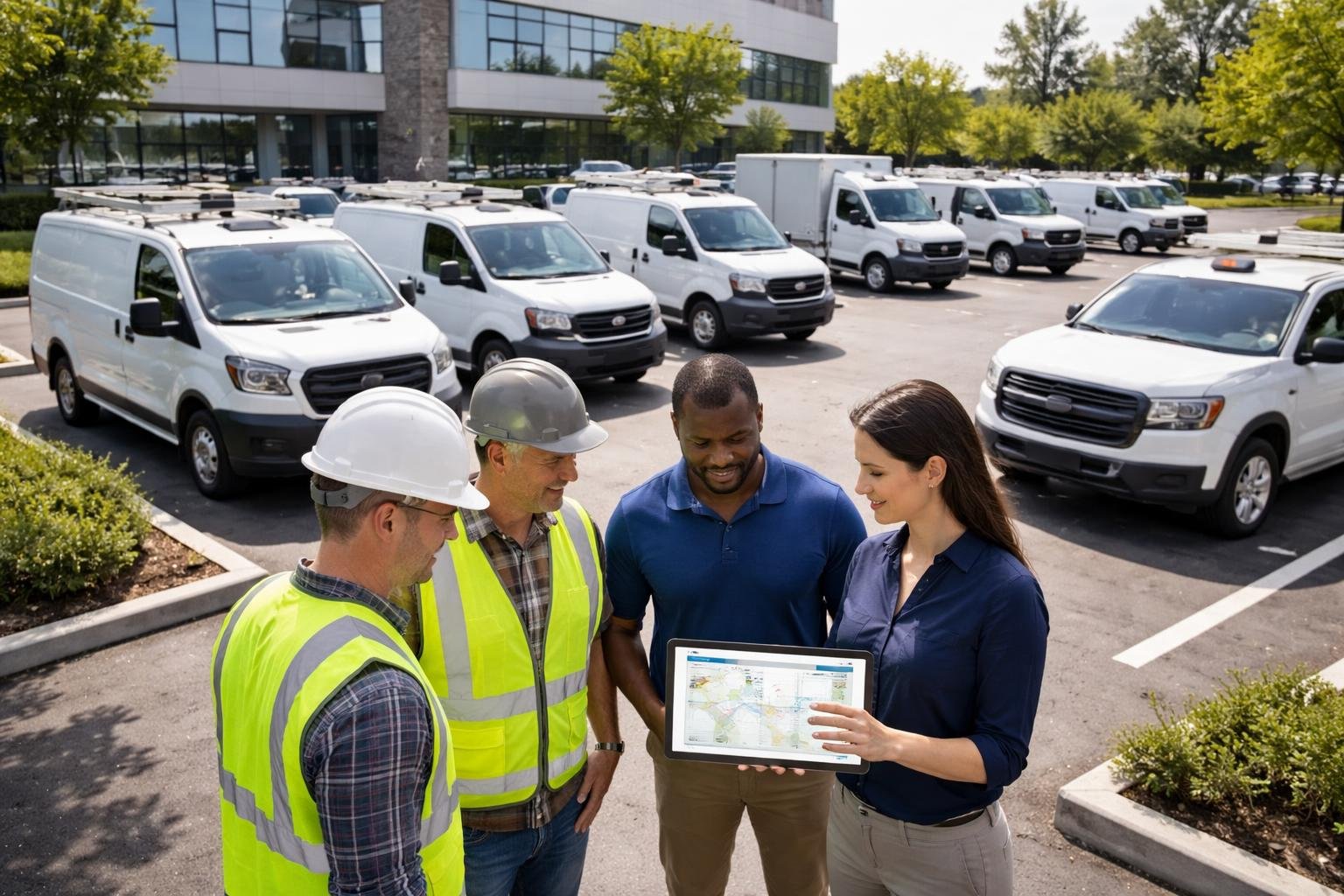
Modern fleet tracking goes beyond simple GPS location monitoring. These systems connect machines, vehicles, and tools to platforms that track maintenance schedules, fuel use, operator behavior, and asset utilization rates.
The technology changes how contractors allocate resources, respond to equipment issues, and prevent theft or unauthorized use. Investing in fleet tracking delivers measurable returns through better efficiency, increased security, and improved maintenance management.
Contractors who use these systems gain advantages through optimized asset deployment, lower fuel costs, and the ability to show compliance with safety regulations.
Core Benefits of Contractor Fleet Tracking
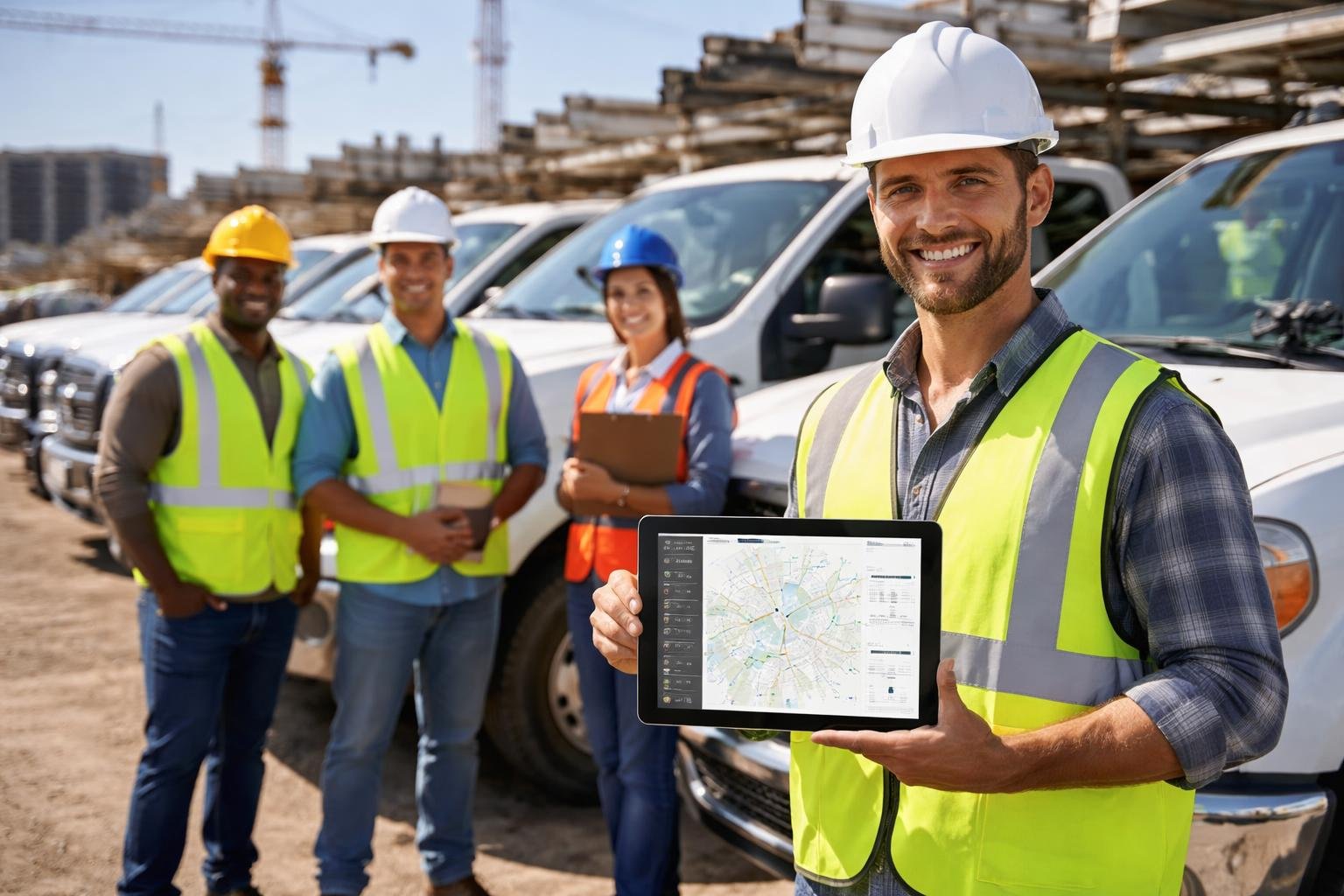
Fleet tracking systems improve operational oversight, asset accountability, and workforce efficiency. These technologies use GPS and monitoring software to address daily contractor challenges.
Enhanced Real-Time Fleet Visibility
Real-time fleet visibility changes how contractors manage resources across job sites. GPS tracking devices send location data constantly, so managers always know where vehicles and equipment are.
This live tracking removes guesswork from dispatch and resource allocation. Fleet monitoring systems give instant access to vehicle status, movement, and idle times through dashboards.
Contractors can see which assets are in use, which are idle, and which routes drivers take. Studies show companies using real-time tracking see about 20% improvements in efficiency.
Real-time GPS tracking reduces communication delays between office and field teams. Dispatchers can reroute vehicles based on actual conditions. Project managers can respond quickly when equipment needs change.
Accurate Asset and Equipment Tracking
Asset tracking systems help contractors maintain full control over their equipment inventory. Each machine gets a tracking device that reports its location, usage hours, and movement history.
This level of management prevents loss, theft, and equipment disappearing between sites. Equipment tracking saves crews time searching for tools and machinery.
Workers can locate assets through the fleet platform instead of calling around or driving between sites. The system records which equipment went where and when.
Contractors get data about asset utilization rates, showing which equipment is used most and which sits idle. This helps with purchase decisions and rental strategies. Tracking data also helps with insurance claims and theft recovery.
Increased Job Site Productivity
Job site productivity rises when contractors have the right equipment at the right time. Fleet tracking reduces delays from equipment shortages, late deliveries, or miscommunication.
Teams spend less time waiting and more time working. Real-time data helps supervisors spot inefficiencies in how crews use vehicles and equipment.
Excessive idle time, unauthorized use, and poor routing become visible and fixable. This encourages better work habits and accountability.
Fleet monitoring data lets contractors schedule work more accurately. They can predict arrivals, coordinate deliveries, and manage multiple projects without resource conflicts.
Operational Efficiency and Cost Reduction
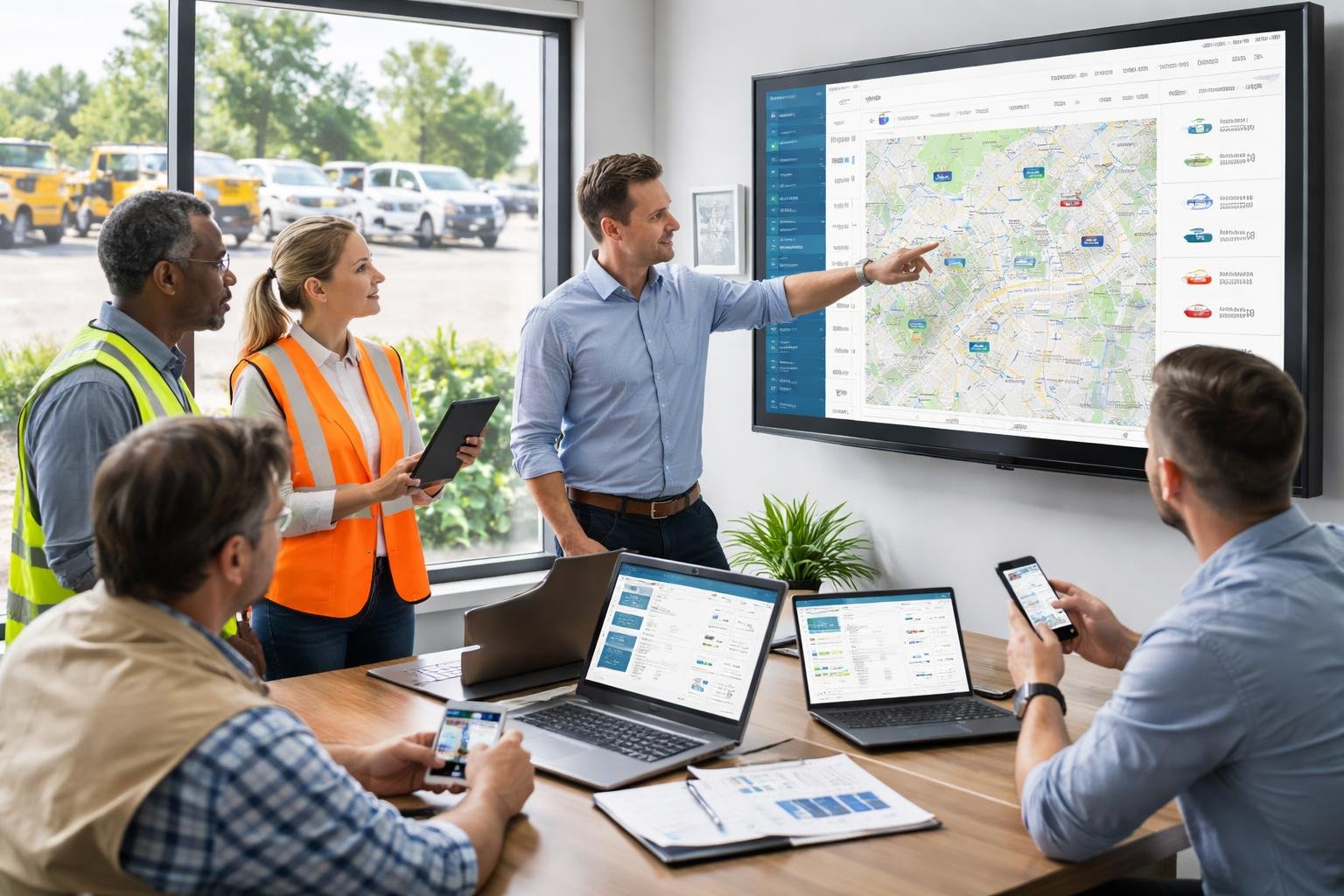
Fleet tracking technology improves operational efficiency and reduces costs through better routing, higher asset use, and less downtime. These systems give contractors insights that lead to lower fuel costs and better resource allocation.
Route Optimization and Fuel Efficiency
Route optimization uses GPS data to find the most efficient paths between job sites, cutting unnecessary miles and reducing fuel costs by 10-25%. Fleet tracking systems analyze traffic, road conditions, and site locations to suggest the best routes.
Fuel management gets more accurate with real-time monitoring. Contractors can track fuel use across the fleet and spot vehicles that use too much fuel due to poor routing or driving habits.
Fuel tracking shows waste, such as long idling or unnecessary trips. The technology also allows fuel monitoring at each vehicle.
This data helps managers compare vehicle performance and find areas to improve. Many contractors save 15-30% on fuel in the first year of using tracking systems.
Fleet Utilization and Resource Allocation
Equipment utilization improves when contractors see which assets are active, idle, or underused. Fleet tracking shows actual usage, helping managers decide on fleet size and equipment allocation.
Asset utilization data shows how many hours each vehicle operates versus sits idle. This helps contractors know if they need more equipment or if current resources are enough.
Proper allocation ensures vehicles are available when needed without keeping too many on hand. Fleet optimization based on tracking data can reduce total fleet size while keeping capacity.
Some companies cut 10-20% of their vehicles after reviewing utilization patterns. This lowers insurance, maintenance, and storage costs, and improves use of remaining assets.
Reduced Downtime and Cost Savings
Tracking systems reduce downtime with predictive maintenance alerts based on real usage data. Fleet managers get notifications when vehicles need service, preventing breakdowns that stop operations.
Idle time monitoring finds vehicles left running while parked, which wastes fuel and causes engine wear. Contractors can coach drivers to reduce idling, saving money and extending vehicle life.
The systems also monitor driving behaviors like harsh braking and speeding. These actions cause more damage and higher repair costs. Addressing poor driving reduces repairs and extends vehicle life.
Maintenance Management and Uptime
Fleet tracking systems offer automated maintenance oversight that keeps equipment running and reduces breakdowns. These platforms monitor vehicle health and alert managers when service is needed based on real conditions.
Preventive and Predictive Maintenance
Preventive maintenance uses scheduled service intervals based on time or mileage. Fleet tracking platforms automate schedules and send service alerts when vehicles are due for service.
The system keeps a complete maintenance history for each asset. Predictive maintenance uses real-time data from engine sensors.
The system tracks factors like engine temperature, oil pressure, and brake performance to spot problems early. Predictive alerts notify managers when readings are abnormal.
This approach extends equipment life and prevents costly breakdowns. Contractors can fix small issues during planned downtime, avoiding emergency repairs.
Maintenance Alerts and Scheduling
Fleet tracking systems create maintenance alerts automatically based on each vehicle’s needs. Managers get notifications through mobile apps, email, or dashboards when service is due or when problems are detected.
Maintenance scheduling features help contractors plan service appointments around project timelines. The software tracks service history and upcoming needs in one place.
Fleet managers can see which vehicles need attention and assign them for service. Integration with engine diagnostics gives real-time updates on mechanical issues.
This quick awareness allows faster responses and less downtime.
Safety, Compliance, and Risk Mitigation
Contractor fleet tracking systems help prevent accidents, maintain regulatory standards, and protect business operations. These systems provide real-time visibility into driver actions and vehicle conditions.
Driver Behavior Monitoring and Coaching
Fleet tracking platforms record driver data such as speeding, harsh braking, and unsafe turns. This information creates driver scorecards that measure safety performance.
Scorecards give clear measurements for performance reviews. Managers can spot risky behaviors before they cause accidents or violations.
The data supports targeted driver coaching. Continuous monitoring creates accountability.
Coaching sessions use this data to improve driver behavior. Fleets using coaching programs see fewer incidents and insurance claims.
Regulatory and Compliance Management
Compliance management systems track DOT and ELD requirements and hours of service rules automatically. Electronic logging devices work with fleet tracking to remove manual errors and ensure accurate records.
The system monitors driver hours in real time and alerts dispatchers before violations happen. This prevents penalties and keeps vehicles in service.
DVIR submissions become digital, with timestamps and GPS verification. Automated compliance tracking reduces paperwork and keeps full audit trails.
Fleet managers use centralized dashboards to check compliance across all vehicles and drivers.
Operator Safety and Incident Reporting
Digital incident reporting lets operators document accidents and safety concerns through mobile devices. GPS data, timestamps, and location info are attached to each report.
This immediate documentation keeps important details fresh. Fleet managers get instant notifications, allowing quick responses.
The system stores all reports in searchable databases for trend analysis and safety improvements. Operator safety improves when management responds promptly to concerns.
Digital workflows remove delays between incidents and management awareness, supporting proactive risk reduction.
Security and Theft Prevention
Fleet tracking systems give contractors multiple security layers to protect equipment and vehicles from theft. GPS tracking combined with access controls creates a strong defense against unauthorized use.
Geofencing and Geofence Alerts
Geofencing sets virtual boundaries around job sites or equipment yards. When a tracked vehicle crosses these boundaries, the system sends immediate alerts to managers or security staff.
These alerts allow real-time responses to possible theft. Contractors can set up geofences for different locations and adjust them as needed.
After-hours movement outside geofenced areas usually signals unauthorized activity. The system logs each boundary crossing with time and location.
This data helps contractors spot misuse and improve security at vulnerable sites.
Theft Prevention and Asset Recovery
Asset trackers help prevent theft and aid in equipment recovery. The visible presence of tracking devices deters thieves.
Hardwired GPS trackers provide continuous location monitoring that is difficult for thieves to disable. If theft occurs, real-time location data lets law enforcement recover stolen assets more quickly.
Contractors using equipment monitoring systems recover stolen items at higher rates than the industry average of 21%. GPS vehicle tracking gives precise location coordinates to speed up recovery and reduce downtime.
Some systems offer remote immobilization features. These allow operators to disable stolen equipment and prevent unauthorized use.
Access Control and Unauthorized Use
Access control features ensure only authorized personnel can operate vehicles and equipment. Contractors can require driver identification using key fobs, PIN codes, or mobile credentials before equipment starts.
Vehicle tracking systems log every operator who accesses fleet assets. This creates accountability and reduces personal use of company vehicles.
Unauthorized start attempts trigger instant alerts to fleet managers. This helps identify misuse and address security gaps.
The system keeps detailed records of who operated which assets, when, and where. These records help with insurance claims or internal investigations.
Platform Integration and Data Analytics
Modern fleet tracking systems generate valuable operational data. This data becomes more useful when integrated across business platforms and analyzed for insights.
Contractors who connect telematics with management systems and use comprehensive analytics gain better visibility into fleet performance and costs.
Fleet Management Software and Platforms
Fleet management software is the central hub for tracking vehicle locations, equipment usage, and maintenance schedules. These platforms collect real-time data from GPS and telematics devices in vehicles and equipment.
Contractors get instant visibility into fleet operations through these platforms. Most fleet tracking software provides dashboards that show key metrics like vehicle utilization rates, fuel consumption, and idle time.
The platforms store service history for each asset. This makes it easier to track maintenance patterns and predict when equipment needs attention.
Many solutions offer mobile access. Site managers and drivers can view information from their phones.
The choice of platform affects what data contractors can access and how easily they can use it. Some systems focus on basic GPS tracking, while others combine location data with fuel management, maintenance tracking, and compliance monitoring in one interface.
Integration with Operations and Systems
Fleet data integration connects telematics platforms with other business systems like ERP software, accounting tools, and project management applications. This removes the need for manual data entry and lets fleet information flow automatically between different functions.
When telematics integrates with ERP systems, maintenance costs, fuel expenses, and equipment utilization data sync directly with financial records and job costing modules. Project managers can see real-time equipment availability when planning site logistics.
Accounting teams receive accurate expense data without requesting separate reports. Integration also connects inspection tools, fuel card systems, and compliance tracking into unified workflows.
GPS location data links to maintenance schedules. Fuel consumption records connect to specific jobs, and driver performance metrics feed into safety management systems.
Actionable Reporting and Data-Driven Decisions
Data analytics turns telematics information into reports that highlight cost-saving opportunities and operational inefficiencies.
Fleet managers can create custom reports to analyze utilization rates or compare fuel efficiency across vehicles.
They can also track maintenance costs for each asset over time.
Common analytical insights include:
- Equipment sitting idle beyond acceptable thresholds
- Vehicles needing frequent repairs, which may signal replacement needs
- Routes or job sites with high fuel consumption
- Drivers showing harsh braking or speeding patterns
- Seasonal patterns that affect fleet size
Analytics platforms use past data and algorithms to predict future maintenance needs.
They can also estimate how much life remains in each piece of equipment.
With these predictions, contractors can schedule repairs before breakdowns happen.
Reports can be automated and sent to stakeholders so decision-makers always have up-to-date information.