How to start saving money
Lorem ipsum dolor sit amet, consectetur adipiscing elit lobortis arcu enim urna adipiscing praesent velit viverra sit semper lorem eu cursus vel hendrerit elementum morbi curabitur etiam nibh justo, lorem aliquet donec sed sit mi dignissim at ante massa mattis.
- Neque sodales ut etiam sit amet nisl purus non tellus orci ac auctor
- Adipiscing elit ut aliquam purus sit amet viverra suspendisse potent
- Mauris commodo quis imperdiet massa tincidunt nunc pulvinar
- Excepteur sint occaecat cupidatat non proident sunt in culpa qui officia
Why it is important to start saving
Vitae congue eu consequat ac felis placerat vestibulum lectus mauris ultrices cursus sit amet dictum sit amet justo donec enim diam porttitor lacus luctus accumsan tortor posuere praesent tristique magna sit amet purus gravida quis blandit turpis.

How much money should I save?
At risus viverra adipiscing at in tellus integer feugiat nisl pretium fusce id velit ut tortor sagittis orci a scelerisque purus semper eget at lectus urna duis convallis. porta nibh venenatis cras sed felis eget neque laoreet suspendisse interdum consectetur libero id faucibus nisl donec pretium vulputate sapien nec sagittis aliquam nunc lobortis mattis aliquam faucibus purus in.
- Neque sodales ut etiam sit amet nisl purus non tellus orci ac auctor
- Adipiscing elit ut aliquam purus sit amet viverra suspendisse potenti
- Mauris commodo quis imperdiet massa tincidunt nunc pulvinar
- Adipiscing elit ut aliquam purus sit amet viverra suspendisse potenti
What percentege of my income should go to savings?
Nisi quis eleifend quam adipiscing vitae aliquet bibendum enim facilisis gravida neque. Velit euismod in pellentesque massa placerat volutpat lacus laoreet non curabitur gravida odio aenean sed adipiscing diam donec adipiscing tristique risus. amet est placerat in egestas erat imperdiet sed euismod nisi.
“Nisi quis eleifend quam adipiscing vitae aliquet bibendum enim facilisis gravida neque velit euismod in pellentesque”
Do you have any comments? Share them with us on social media
Eget lorem dolor sed viverra ipsum nunc aliquet bibendum felis donec et odio pellentesque diam volutpat commodo sed egestas aliquam sem fringilla ut morbi tincidunt augue interdum velit euismod eu tincidunt tortor aliquam nulla facilisi aenean sed adipiscing diam donec adipiscing ut lectus arcu bibendum at varius vel pharetra nibh venenatis cras sed felis eget.
Fleet operators use Navman telematics to gain clear visibility into their vehicles, drivers, and assets. By combining data from GPS tracking, diagnostic systems, and AI-powered analytics, Navman turns complex fleet operations into actionable insights.
It allows companies to improve safety, efficiency, and compliance through real-time monitoring and smart automation.
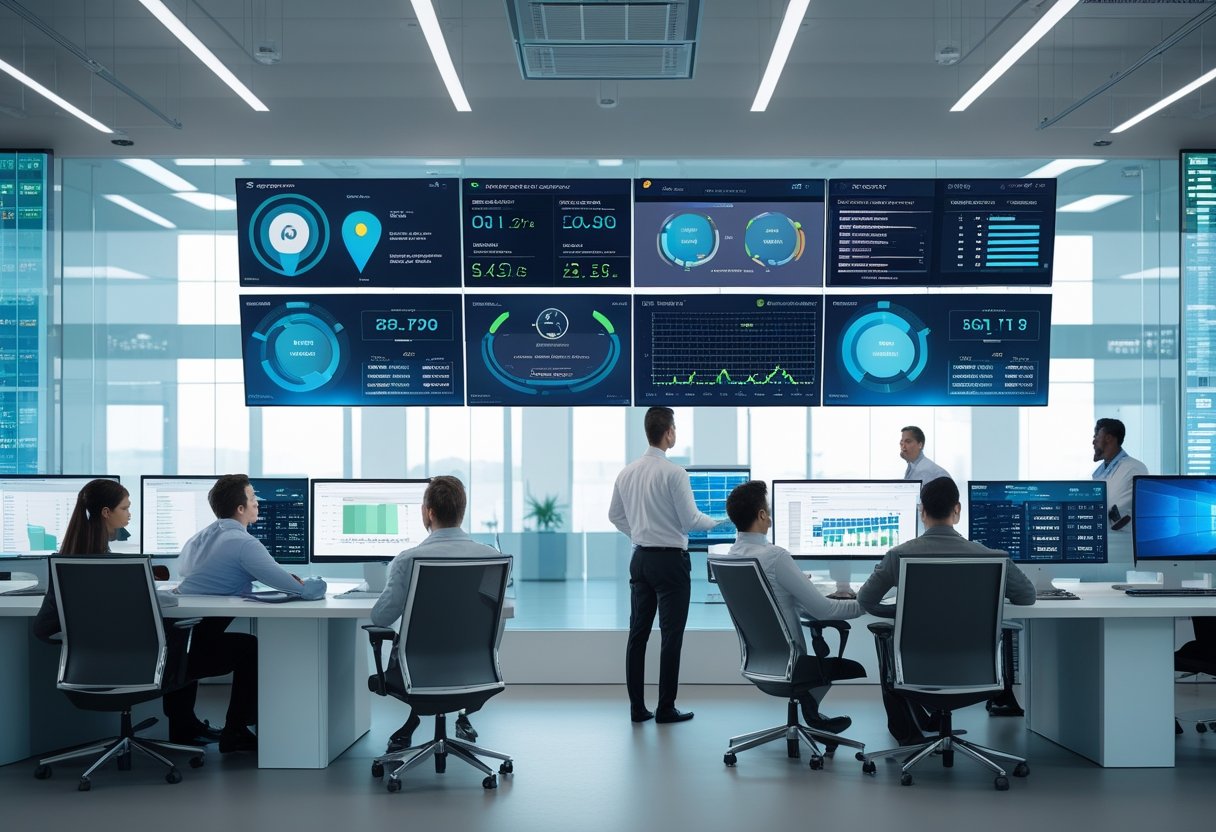
As telematics technology grows, Navman’s TN360 platform offers a comprehensive solution for connected mobility. It integrates with factory-fitted hardware, enabling data flow without taking vehicles off the road.
The platform supports preventive maintenance and driver performance assessments. This helps businesses manage operations more effectively.
Overview of Navman Telematics

Navman telematics uses connected mobility systems and cloud analytics to give fleet operators precise visibility into vehicle and equipment performance. It brings together GPS tracking, vehicle sensor data, and communication networks to help organizations streamline logistics, improve safety, and reduce costs.
What Is Navman Telematics
Navman telematics is the technology and software platform developed by Teletrac Navman, a global provider of fleet and asset management solutions. It collects and analyzes real-time vehicle and equipment data to support data-driven decisions in industries like transport, construction, and field services.
The system gathers telematics data such as vehicle location, speed, fuel usage, driver activity, and maintenance alerts. By turning this data into insights, it allows fleet operators to monitor performance, investigate incidents, and optimize routes.
Teletrac Navman’s TN360 platform acts as the central hub, connecting vehicles through cloud computing and artificial intelligence. This supports both factory-installed (OEM) telematics hardware and aftermarket devices, offering flexibility across mixed fleets.
Core Technologies Behind Navman Telematics
Navman telematics operates through GPS, wireless communication, and onboard diagnostics. GPS satellites identify the vehicle’s position, while sensors and telematics units collect engine and driver behavior data.
The platform transmits this data to secure cloud servers for analysis. Artificial intelligence and machine learning enable automated insights, such as predicting maintenance needs or spotting unsafe driving.
Companies access this information through dashboards and mobile apps in near real time.
TechnologyFunctionGPS TrackingProvides continuous vehicle location and route historyEngine DiagnosticsMonitors engine health, fuel, and emissions dataCellular/Wireless NetworksTransmit telematics data to the cloudAI/AnalyticsDetects trends and supports operational decisions
Key Benefits for Fleets
Navman telematics improves fleet operations by turning data into measurable outcomes. Fleet managers gain visibility into driver efficiency, fuel use, and asset utilization, helping reduce downtime and costs.
Safety and compliance are major benefits. Real-time monitoring supports investigations and helps organizations maintain transport regulation compliance.
Fleets using the TN360 platform can manage assets from a single interface. Predictive maintenance notifications limit unexpected breakdowns, while automated reporting saves time on administration.
Navman Telematics Platform: TN360

Teletrac Navman’s TN360 platform uses connected vehicle data to help fleets improve safety, efficiency, and compliance. It provides live insights from vehicles and equipment, supports both built-in and add-on telematics hardware, and scales to meet the needs of small or large fleets.
AI and Real-Time Data Capabilities
TN360 combines AI-driven analytics with real-time data streams from vehicles to support fleet decisions. Using sensor and GPS inputs, it tracks vehicle location, speed, and usage instantly.
The platform structures this data through AI models that detect abnormal driving, compliance risks, or maintenance needs. Drivers and managers can view performance insights through customizable dashboards.
Dashboards may show risk scores, idle time, or delivery metrics with clear visuals. Event-based alerts notify teams when vehicles exceed speed limits or deviate from routes.
TN360 also improves operational transparency. Fleet managers can spot utilization issues or underperforming assets quickly.
AI algorithms summarize large amounts of data into simple, actionable views. This reduces analysis time and supports faster decisions.
Key FeatureDescriptionAI InsightsDetects trends and risk factors automaticallyLive TrackingUpdates vehicle status and routes every few secondsData VisualizationDisplays reports and dashboards for users
Integration with OEM and Aftermarket Devices
TN360 supports both factory-installed (OEM) telematics and aftermarket devices. This gives fleets flexibility in hardware management.
Vehicles with OEM telematics can connect to TN360 using a vehicle identification number (VIN). This avoids separate installations and reduces downtime.
Operators can connect multiple brands of vehicles through one interface. The system brings together data from mixed fleets, showing metrics like fuel use and engine hours.
For fleets with aftermarket hardware, TN360 provides consistent data capture and secure communication. This helps maintain fleet visibility and keeps data secure.
Hardware flexibility ensures continuity across older and newer vehicle models.
Scalability and Customization Features
The TN360 platform scales to match business size and needs. Fleet operators can start with core tracking, then add modules for maintenance, route optimization, or driver performance.
Customization includes reporting and analytics. Users can tailor dashboards, alerts, and permissions for different roles, so each department sees only what it needs.
The cloud-based design supports deployment without major infrastructure changes. Secure APIs connect TN360 to payroll, maintenance, and compliance systems, reducing duplicate data entry.
Scalability helps multinational fleets operate under regional regulations. TN360’s compliance features align with hours-of-service, electronic logging, and vehicle inspection rules across regions.
Vehicle and Asset Tracking Solutions
Teletrac Navman’s telematics systems give fleet operators visibility over vehicles, machinery, and high-value equipment. They use sensors, geofencing, and data analytics to improve oversight, reduce downtime, and support better decisions across industries.
GPS Asset Tracking
GPS asset tracking uses the Global Positioning System to locate and monitor assets in real time. Teletrac Navman’s devices send data on position, movement, and status to the TN360 platform, where operators can analyze trends or trigger alerts based on geofences.
Fleet managers track vehicles, trailers, and portable tools from a single dashboard. They can view travel routes, speed, and idle time to find inefficiencies.
Integration with telematics software allows automated reporting and maintenance scheduling. Many systems also include environmental and motion sensors to capture temperature changes, vibration, or unauthorized movements.
With these inputs, companies can protect cargo and reduce theft or misuse.
Self-Installed and Hardwired Devices
The company offers both self-installed and hardwired telematics devices to fit various needs. Self-installed models, often battery powered or plug-and-play, help small fleets activate tracking quickly without downtime.
They are ideal for short-term leases or seasonal operations. Hardwired units connect to vehicle power and systems for continuous connectivity and detailed diagnostics.
This approach benefits larger fleets needing consistent data and compliance records.
Device TypePower SourceInstallationBest Use CasePlug-and-PlayVehicle power/BatteryUser installedRental or short-term fleetsHardwiredVehicle electricalProfessional installLong-term tracking/compliance
Choosing the right format depends on asset type, environment, and data needs.
Asset Tracking for Non-Powered Equipment
Non-powered equipment like trailers, containers, and construction attachments also need location tracking. Teletrac Navman provides durable GPS trackers with long-life batteries and low-power modes.
These devices record movement automatically and report positions at intervals or when motion is detected. Geofencing alerts notify when equipment enters or leaves set areas.
This helps with asset recovery and improves utilization across job sites. Users can review historical location logs to check usage patterns or confirm compliance.
Long battery life—often several years—reduces maintenance needs. Remote updates keep trackers performing well for static or rarely moved assets.
Fleet Maintenance and Diagnostics
Navman telematics gives fleets constant visibility into vehicle health. It helps managers reduce maintenance costs, extend asset life, and respond quickly to diagnostic warnings.
Maintenance Monitoring and Alerts
Fleet operators use real-time maintenance monitoring to find and fix issues before breakdowns happen. Navman telematics collects continuous data from vehicles and alerts managers when performance drops or service is due.
Alerts can include fault codes, engine temperature changes, or mileage limits, letting teams plan maintenance without disrupting operations. By tracking maintenance events digitally, managers avoid missed repairs and downtime.
Automated notifications also create detailed maintenance histories. This helps evaluate equipment reliability and improve scheduling accuracy across the fleet.
Engine Data and Diagnostics
The telematics system connects directly to the vehicle’s engine control unit (ECU) to pull key diagnostic data in real time. Typical metrics include fuel efficiency, odometer readings, oil pressure, and error codes.
This insight allows maintenance teams to understand the true condition of each vehicle. They no longer need to rely on static intervals.
Accurate engine diagnostics enable early detection of component wear or mechanical faults. When issues arise, technicians can pinpoint the cause quickly and save time and repair costs.
Fleets using Navman’s analytics tools can map patterns across multiple vehicles. They can identify recurring problems that may stem from driving habits, equipment type, or environmental factors.
This data-driven approach helps prioritize repairs that directly impact performance and cost efficiency.
Digital Fleet Maintenance Tools
Digital fleet maintenance platforms integrate vehicle data, inspection records, and work order management in one interface. Navman telematics links operational data with digital tools that automate maintenance scheduling.
These tools help ensure regulatory compliance and consistent servicing. Managers can generate reports from real-time data to forecast parts needs and maintenance budgets.
Integration with existing GPS and telematics systems unifies information from diverse vehicle types and OEM sources. These digital tools support collaboration across maintenance teams.
By automating administrative tasks and storing service histories, they reduce manual paperwork and human error. This keeps the fleet operating at peak readiness.
Driver Safety and Performance Management
Telematics technology from Navman delivers measurable safety outcomes and performance insights. It uses real-time data and behavioral analytics to help fleets reduce risk and respond to incidents.
Driver Scorecards and Analytics
Driver scorecards translate telematics data into consistent performance metrics. These tools track speed compliance, harsh braking, acceleration, and cornering behavior.
Managers use this information to compare drivers and identify training needs. They can also reward safe habits.
Each driver receives an individual safety score calculated from measurable events. Historical data trends help organizations monitor progress and benchmark fleet performance.
The analytics dashboard often includes ranking tools to encourage healthy competition. This aligns with company safety goals.
Teletrac Navman’s Safety Analytics module presents this data through clear visualizations. Decision-makers can spot risk areas quickly.
Integration with compliance reporting simplifies record-keeping for insurance and regulatory requirements. By linking analytics with risk management, fleets can target unsafe behavior before it leads to costly incidents.
Safety Initiatives and Coaching
Driver safety initiatives use objective data to create structured coaching programs. Managers can review individual trip reports to identify patterns, such as repeated speeding or fatigue-related events.
Training then focuses on specific behaviors, improving both efficiency and trust. Ongoing coaching encourages communication between fleet operators and drivers.
Many organizations establish safety incentive programs to reinforce accountability. This might include recognition systems or rewards for high safety scores.
Using telematics-driven insights, coaching sessions rely on evidence rather than speculation. Fleets develop a strong safety culture centered on accurate feedback and continuous improvement.
The data becomes the foundation for measurable driver development.
Incident Detection and Alerts
Real-time incident detection and alert systems provide immediate insight when accidents or unsafe events occur. In-vehicle sensors register sudden impacts or extreme braking, triggering automatic notifications to fleet managers.
This enables prompt response and faster incident documentation. Systems can issue panic alerts when drivers activate manual emergency buttons.
These alerts help dispatchers locate vehicles and coordinate roadside assistance. Combining location data with recorded video or sensor evidence supports faster event resolution.
For fleets dealing with accident liability, this information is critical for driver exoneration and insurance investigations. Verified data protects both the driver and the business, improving transparency in post-incident reviews.
Video Telematics and Dashcam Integration
Video telematics combines telematics data with real-time video to help fleets improve safety and verify events on the road. It merges sensor readings with dashcam insight to provide consistent evidence and operational transparency.
Smart Dashcams and AI Analytics
Smart dashcams gather video data from multiple angles while telematics devices measure speed, acceleration, and braking. When integrated, the system detects risky behaviors such as tailgating or distraction with precise timestamps.
AI-driven analytics classify these events automatically and flag them for review within fleet management dashboards. Modern solutions, such as Teletrac Navman’s IQ Camera and TN360, use on-device processing to reduce bandwidth demand.
AI models analyze footage instantly and score driver performance without waiting for upload to the cloud. Fleet managers can configure alerts for critical incidents to encourage safer driving patterns.
FeatureFunctionBenefitDual or Multi-View CamerasRecord interior and exterior viewsOffers full vehicle contextAI Event DetectionIdentifies unsafe actionsEnables real-time coachingTN360 IntegrationMerges video and telematics dataSimplifies review and compliance
Dashboard Camera Footage for Liability
Dashboard camera footage provides factual evidence during traffic incidents or insurance claims. The integrated telematics layer records speed, braking force, and GPS location, linking each data point to a specific video frame.
This combination strengthens liability defense by verifying what occurred before, during, and after an event. Fleet operators use timestamped clips to respond to disputes quickly.
For collisions, the footage can confirm driver accountability or exonerate them from fault. Many systems store video securely in encrypted archives.
Emergency response teams also rely on rapid video access to assess scene conditions remotely. Reviewing dashboard camera footage alongside telematics metrics shortens investigation times and reduces administrative costs.
Integrated Video Solutions
Integrated video telematics systems align camera hardware, telematics sensors, and management software into a single workflow. This structure lets dispatchers and safety managers view video events directly within the fleet portal.
Teletrac Navman systems, like Multi IQ Camera setups, connect up to five cameras covering cab, side, rear, and cargo areas. Combined with real-time data from the TN360 network, each camera feed becomes part of a continuous operational record.
Such integration improves training outcomes and compliance tracking. Managers can replay journey segments, analyze driver input, and measure adherence to safety policies.
The result is a unified, data-backed process that helps fleets make objective decisions about performance and risk control.
Workflow and Operational Efficiency
Efficient operations rely on accurate, timely information and connected digital systems. Fleet managers use telematics platforms like Navman to coordinate vehicles and monitor compliance through one unified interface.
Real-Time Updates and Messaging
Telematics systems enable real-time visibility of fleet locations and status. GPS tracking and on-board sensors send continuous data to control centers.
Managers can adjust routes or schedules as conditions change. This improves resource allocation and reduces idle time.
Two-way messaging features provide direct communication between drivers and dispatchers. These tools replace phone calls or manual reports, minimizing distractions and record-keeping delays.
Drivers can confirm delivery status, request support, or report issues while en route. Live updates allow quick responses to unexpected events such as traffic, weather, or customer requests.
Accurate time stamps and automated alerts help maintain service accuracy without extra administrative effort.
Key FunctionBenefitGPS TrackingEnables route and status visibilityTwo-way MessagingImproves coordination and reduces downtimeAutomated AlertsPrevents missed updates and delays
Job Dispatch and Proof of Delivery
Automated job dispatch tools assign tasks based on driver availability, location, or vehicle type. This reduces manual planning and ensures efficient routing.
Using integrated software, managers can track each stage from pickup to completion. Drivers receive digital job details and route instructions directly on their in-vehicle device.
When a delivery is completed, proof of delivery is captured electronically through signatures, photos, or barcode scans. Digital proof improves invoicing transparency and strengthens record accuracy.
It eliminates paper errors and provides instant confirmation for customers. Combined with job tracking, it shortens the billing cycle and supports quicker customer communication.
- Automated Dispatch Logic — assigns jobs by proximity and job priority
- Real-Time Status Updates — confirms progress and delivery verification
- Paperless Workflow — simplifies record management
Compliance and Reporting Tools
Compliance monitoring is a core part of telematics-based workflows. Systems like Navman automatically capture driver hours, speed, and vehicle inspection data.
Document management tools store digital driver logs and inspection reports for easy retrieval. This reduces the need for manual checks or external storage.
Managers can generate reports quickly to show adherence to internal policies and legal requirements. Detailed analytics help identify recurring violations or maintenance needs.
Users can access standardized data summaries and export them directly for audits or reviews. Accurate digital records support accountability and reduce potential penalties.
Data Security, Scalability, and Future Trends
Navman Telematics focuses on secure, scalable, and data-driven fleet operations. Its platform uses advanced informatics to safeguard telematics data and measure performance through clear indicators.
This approach supports reliability across fleets while keeping pace with changing technology and compliance requirements.
Data Security and Privacy
Telematics systems collect large volumes of vehicle, location, and driver data. Data security is a critical concern.
Navman Telematics applies encryption, access control, and regular security audits to protect sensitive information. It aligns with regional privacy regulations such as GDPR and local fleet compliance rules.
Informatics tools help detect anomalies and unauthorized data access. By monitoring usage and applying real-time alerts, fleet managers can act quickly to mitigate security risks.
A layered security framework also supports safe integration with cloud services and third-party platforms. This ensures business continuity as connected vehicle networks expand.
Analytics and Key Performance Indicators
Navman Telematics uses analytics to convert large data sets into measurable key performance indicators (KPIs). These KPIs often include metrics such as fuel efficiency, driver behavior scores, route optimization rates, and vehicle uptime.
The platform’s scalable architecture processes data streams from thousands of vehicles simultaneously. It supports real-time dashboards that display fleet trends and benchmark comparisons.
Example KPIMeasurement FocusOutcomeFuel UsageLiters per 100 kmIdentifies inefficient routesIdle TimeMinutes per hourReduces fuel wasteSafety ScoreBraking and Speed EventsImproves driver training
This structured insight helps organizations make evidence-based decisions. Analytics also guide maintenance scheduling, compliance tracking, and cost management by turning telematics data into actionable intelligence.
Support for Electric Vehicles
As fleets move to electric vehicles (EVs), Navman Telematics expands its platform to manage both traditional and electric assets.
EV monitoring covers battery health, charging cycles, range estimation, and energy consumption per trip.
The system uses charging infrastructure data to help plan routes and reduce downtime.
Fleet managers can see charge location availability, cost per kWh, and the best times to charge.
Scalability provides clear insights and analysis for fleets with both internal combustion and electric vehicles.