How to start saving money
Lorem ipsum dolor sit amet, consectetur adipiscing elit lobortis arcu enim urna adipiscing praesent velit viverra sit semper lorem eu cursus vel hendrerit elementum morbi curabitur etiam nibh justo, lorem aliquet donec sed sit mi dignissim at ante massa mattis.
- Neque sodales ut etiam sit amet nisl purus non tellus orci ac auctor
- Adipiscing elit ut aliquam purus sit amet viverra suspendisse potent
- Mauris commodo quis imperdiet massa tincidunt nunc pulvinar
- Excepteur sint occaecat cupidatat non proident sunt in culpa qui officia
Why it is important to start saving
Vitae congue eu consequat ac felis placerat vestibulum lectus mauris ultrices cursus sit amet dictum sit amet justo donec enim diam porttitor lacus luctus accumsan tortor posuere praesent tristique magna sit amet purus gravida quis blandit turpis.

How much money should I save?
At risus viverra adipiscing at in tellus integer feugiat nisl pretium fusce id velit ut tortor sagittis orci a scelerisque purus semper eget at lectus urna duis convallis. porta nibh venenatis cras sed felis eget neque laoreet suspendisse interdum consectetur libero id faucibus nisl donec pretium vulputate sapien nec sagittis aliquam nunc lobortis mattis aliquam faucibus purus in.
- Neque sodales ut etiam sit amet nisl purus non tellus orci ac auctor
- Adipiscing elit ut aliquam purus sit amet viverra suspendisse potenti
- Mauris commodo quis imperdiet massa tincidunt nunc pulvinar
- Adipiscing elit ut aliquam purus sit amet viverra suspendisse potenti
What percentege of my income should go to savings?
Nisi quis eleifend quam adipiscing vitae aliquet bibendum enim facilisis gravida neque. Velit euismod in pellentesque massa placerat volutpat lacus laoreet non curabitur gravida odio aenean sed adipiscing diam donec adipiscing tristique risus. amet est placerat in egestas erat imperdiet sed euismod nisi.
“Nisi quis eleifend quam adipiscing vitae aliquet bibendum enim facilisis gravida neque velit euismod in pellentesque”
Do you have any comments? Share them with us on social media
Eget lorem dolor sed viverra ipsum nunc aliquet bibendum felis donec et odio pellentesque diam volutpat commodo sed egestas aliquam sem fringilla ut morbi tincidunt augue interdum velit euismod eu tincidunt tortor aliquam nulla facilisi aenean sed adipiscing diam donec adipiscing ut lectus arcu bibendum at varius vel pharetra nibh venenatis cras sed felis eget.
Managing fuel effectively can determine whether a fleet operates at peak efficiency or wastes money on unnecessary costs. Fleet fuel management software gives operators real-time oversight and accurate consumption tracking.
It provides data-driven insights to help make every gallon count. This software connects vehicles, drivers, and fuel data into a single system of control.
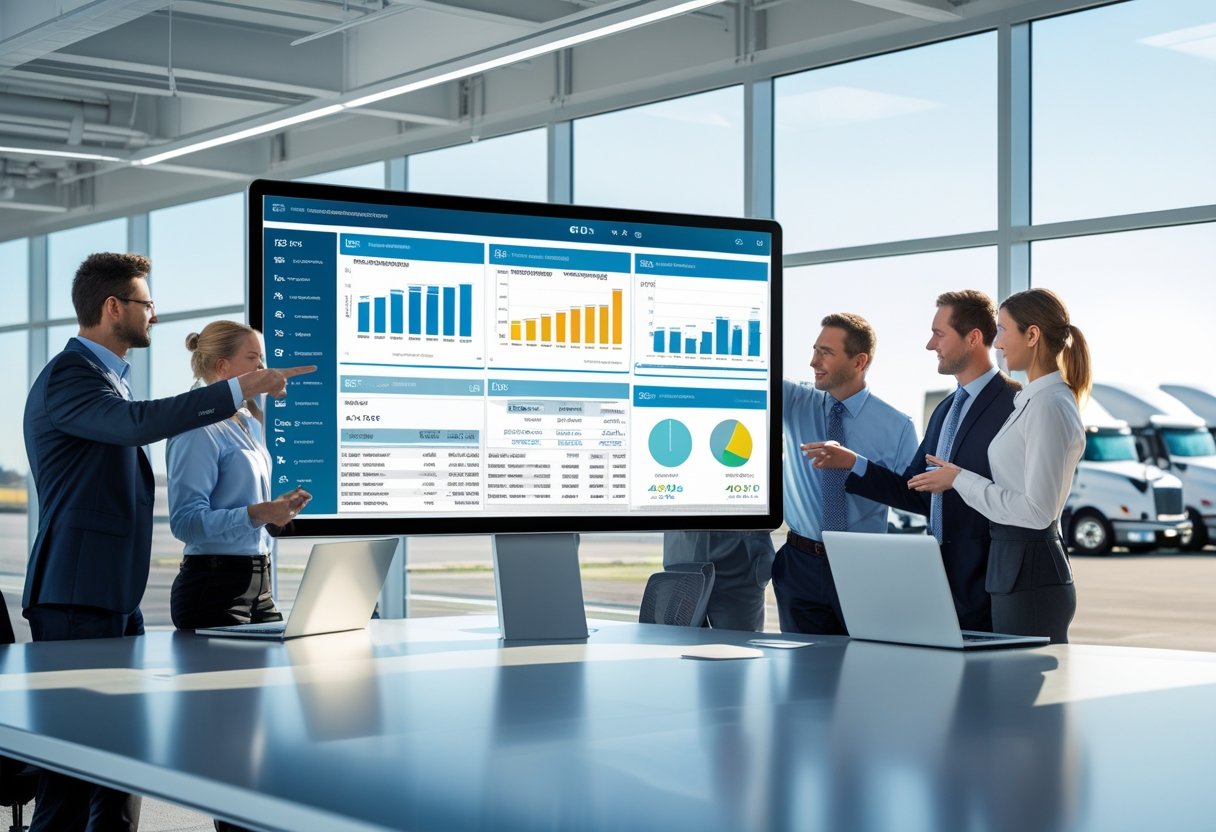
As technology advances, these platforms now include telematics, fuel cards, and analytics tools that measure performance in detail. They help organizations identify inefficiencies, control expenses, and meet sustainability goals by reducing waste and emissions.
Each feature supports better operational decisions based on accurate data. Guesswork is replaced with measurable results.
What Is Fleet Fuel Management Software?

Fleet fuel management software provides digital tools to help organizations monitor, control, and optimize fuel consumption across their vehicles. It combines data from telematics devices, fuel cards, and sensors to track efficiency, prevent misuse, and manage costs accurately.
Key Features of Fleet Fuel Management Software
Fleet fuel management systems collect and analyze detailed information about fuel usage and vehicle performance. A centralized dashboard displays metrics such as fuel cost per mile and vehicle idle time.
Managers can identify inefficient routes or vehicles with abnormal fuel use.
Core features include:
- Automated data capture from fuel pumps, cards, and GPS devices
- Real-time monitoring of consumption and refueling activities
- Reporting and analytics tools that highlight trends or irregularities
- Alerts for potential fuel theft, discrepancies, or policy violations
Many platforms provide mobile access, so users can view fleet data from phones or tablets. These systems support regulatory compliance and help reduce expenses through better decision-making.
Types of Fleet Fuel Management Systems
Different technologies serve specific operational needs. Hardware-based systems use physical components like RFID tags or sensors installed on fuel pumps to record transactions automatically.
These systems often suit large fleets requiring direct control over fueling operations. Software-only or cloud-based fuel management platforms use telematics integrations and networked devices to log data remotely.
They are a good choice for organizations seeking lower equipment costs and centralized management. Some fleets use hybrid systems, combining on-site hardware with cloud analytics.
This approach supports both security and accessibility. The choice depends on fleet size, technical infrastructure, and the desired level of automation.
Integration with Fleet Management Platforms
Many companies integrate fuel management software with broader fleet management platforms. This brings together data on fuel usage, route planning, maintenance schedules, and driver behavior in one interface.
Integration allows managers to cross-reference fuel data with vehicle activity. For example, telematics insights can reveal whether excessive idling or speeding causes higher fuel spends.
Common integration benefits:
FunctionOutcomeUnified dashboardsReduced data entry and errorsLinked maintenance dataImproved scheduling and uptimeDriver performance metricsMore informed training and oversight
By merging these systems, organizations improve operational visibility and reduce manual processes. This helps manage resources with greater precision.
Core Functions and Capabilities

Fleet fuel management software gives precise control over how fuel is monitored and recorded across the fleet. It combines real-time data collection with accurate reporting to help businesses identify inefficiencies and prevent fuel theft.
Fuel Tracking and Monitoring
Fuel tracking and monitoring give operators visibility into fuel consumption patterns across individual vehicles and the fleet. These systems collect data from fuel sensors, telematics units, and IoT devices.
Managers can view real-time fuel levels and usage trends. Accurate fuel consumption analysis helps detect abnormal usage, such as excessive idling, leaks, or unauthorized fueling.
The data integrates with GPS tracking, linking fuel performance to specific routes or driving behaviors. Dashboards display metrics like fuel per kilometer, idle fuel use, and refueling frequency.
By correlating this data, teams can benchmark performance and identify consistent fuel waste.
MetricDescriptionTypical SourceFuel Used (L/100 km)Measures vehicle efficiencyEngine telemetryIdle Fuel (L/hr)Monitors idle wasteSensor dataRefueling EventsTracks fueling patternsPump transaction logs
Fuel Transactions and Reporting
A key capability is fuel transaction reporting, which records every refueling event in a secure log. Each transaction entry typically includes date, time, vehicle ID, driver ID, fuel quantity, and cost.
This detailed data improves accountability and prevents misuse. Automated transaction logging reduces manual entry errors and ensures consistent documentation for financial and compliance purposes.
Systems can pair fueling permissions with vehicle authorization, ensuring only assigned personnel access fuel. Comprehensive fuel reporting functions support trend analysis and budget forecasting.
Managers can filter reports by date range, location, or asset to analyze fuel consumption patterns. Reports can export to accounting tools for fuel reconciliation between fuel dispensed and recorded expenses.
Fuel Inventory Management
Fuel inventory management keeps accurate records of on-site fuel stocks and supplier deliveries. It monitors inventory levels at storage tanks and tracks fuel flow from procurement to usage.
Real-time tank readings and automatic reorder alerts prevent shortages and overstocking. When integrated with transaction data, the system can validate fuel receipts against actual usage.
A structured inventory view lets operators compare fuel inflow, outflow, and remaining volume. This helps detect leaks, overfills, or theft.
Effective inventory control ensures that every liter is accounted for and supports cost efficiency.
Optimizing Fuel Efficiency and Reducing Costs
Effective fleet fuel management requires precise tracking and data-driven decisions. By focusing on measurable efficiency, responsible driving behavior, and smart route planning, companies can achieve lower fuel costs and better operational control.
Fuel Efficiency Measurement
Accurate measurement is the foundation for improving fuel economy and reducing cost per mile. Fleet managers use telematics data, fuel cards, and onboard sensors to track mpg (miles per gallon) for each vehicle.
This data allows them to compare performance by route, driver, or vehicle type. Modern software integrates fuel data with GPS to identify patterns in fuel consumption.
For example, a report may show that vehicles on urban routes average 6.8 mpg, while highway vehicles reach 10.2 mpg. Understanding these differences highlights where efficiency gains are possible.
Fleet dashboards often include fuel economy benchmarks and alerts for vehicles performing below target averages. Regular monitoring helps detect mechanical issues, such as clogged filters or underinflated tires.
When managers combine real-time fuel metrics with maintenance records, they can plan timely interventions to prevent waste.
MetricDescriptionPurposeMPGMiles per gallon of fuelMeasures efficiencyCost per MileFuel cost divided by total milesTracks expense impactIdle Fuel UseFuel consumed while not movingIdentifies waste
Driver Behavior Management
Driver habits have a major effect on fuel cost reduction. Rapid acceleration, harsh braking, and unnecessary idling lower fuel efficiency and raise maintenance costs.
Fleet fuel management software monitors these patterns automatically and reports them through performance dashboards. Managers can use this data for driver coaching programs.
Drivers can receive weekly performance scores that compare metrics like smooth acceleration and average speed to fleet standards. When presented constructively, this feedback improves driver performance.
Incentive systems can strengthen good behavior. Some fleets reward drivers who maintain the highest fuel economy per route or reduce idling by a set percentage.
Consistent improvements can lead to measurable fuel cost savings fleet-wide. By linking telematics and training, organizations align driver behavior with goals for efficiency and safety.
Route Optimization and Planning
Optimized routes improve fuel efficiency by reducing unnecessary mileage and idle time. Fleet management platforms use route optimization algorithms to process data such as delivery schedules, vehicle load, and traffic conditions.
When routes are planned well, vehicles spend less time in congestion and cover fewer miles. This enhances operational efficiency and reduces fleet fuel costs.
Even small changes—such as avoiding left turns that cause idling or sequencing stops by distance—add immediate cost savings. Some systems automatically update routes mid-shift to avoid delays or road closures.
This ensures that fleets maintain delivery performance while sustaining fuel economy. Detailed reports compare planned versus actual routes to catch inefficiencies and improve future planning.
Optimization FactorBenefitTraffic-Aware RoutingReduces stop-and-go drivingEfficient Stop SequencingDecreases total mileageLoad and Weight PlanningImproves mpg and handling
Reducing Idle Time
Excessive idling wastes fuel and adds wear to engines. Reducing idle time is one of the quickest ways to cut fuel costs.
Fleet monitoring solutions track idle duration per vehicle and report average idle rates per route or driver. Automated alerts notify managers when idle thresholds are exceeded.
This data supports policy development that sets clear limits on acceptable idle time. Drivers receive real-time reminders to shut down engines when vehicles remain stationary beyond set limits.
Practical steps also include using auxiliary power units for climate control or electronics instead of running the engine. These strategies improve fuel economy, cut emissions, and extend service intervals.
Reducing idle time lowers operating expenses and improves cost per mile.
Integrations and Technology Enhancements
Modern fleet fuel management software uses integrated technologies that connect vehicle data, payment systems, and digital platforms. These integrations enable real-time monitoring, reduce administrative workload, and deliver accurate cost tracking across fleets of all sizes.
GPS Tracking and Telematics Integration
Combining GPS tracking and telematics integration gives fleet operators clear visibility into vehicle location, driver behavior, and fuel consumption. GPS devices send position and speed data, while telematics systems capture engine performance, idle time, and route efficiency.
This information helps identify fuel waste and operational inefficiencies. Fleet managers use telematics data to compare vehicles and spot unusual fuel usage.
Reports from integrated systems allow decisions like adjusting routes, scheduling maintenance, or training drivers. Automated alerts make it easy to spot deviations from expected fuel patterns early.
A concise example of benefits:
FunctionBenefit to FleetRoute trackingReduces mileage and fuel wasteIdling reportsIdentifies opportunities to cut idle timeEngine dataImproves preventive maintenance scheduling
Linking telematics devices with fuel management platforms moves fleets from manual data entry to automated, verified insights. This improves performance and accountability.
Fuel Card and Payment System Integrations
Fuel card integration connects refueling transactions directly to the fleet management system. When drivers use fleet cards, the software records the date, time, and fuel volume automatically.
This ensures accurate cost entries and removes paper receipts from the workflow. Integrated payment systems capture merchant data and cross-check purchases with telematics and location logs.
This pairing helps detect misuse by checking that the vehicle was present at the pump when the card was used. It also provides real-time expense tracking for finance teams.
Fuel card integrations support multiple providers and card types, offering flexibility for different fleet sizes. Companies benefit from consolidated reporting that shows trends across vendors and regions.
With these tools, fleet managers maintain a clear and consistent view of spending. Manual input is reduced.
Mobile Access and Cloud Solutions
Cloud-based fuel management systems store operational data centrally. Users can access it securely from any location.
Through web dashboards or mobile apps, managers can review fuel transactions, vehicle diagnostics, and performance metrics in real time. Mobile access improves day-to-day control.
Drivers can record fuel fills or maintenance checks directly through their devices. Supervisors approve or audit data from tablets or computers.
This continuous connectivity supports faster decisions and fewer communication delays. Cloud integration also makes software updates and data backups easier.
It scales as fleets grow, keeping all vehicles connected to the same platform. No local server maintenance is needed.
Security, Compliance, and Sustainability
Fleet fuel management software improves security, compliance, and sustainability. These systems use real-time monitoring, user authentication, and automated reporting to reduce losses and meet regulations.
Fuel Theft Detection and Prevention
Fuel theft is a costly risk for fleet operations. Advanced management platforms help detect and prevent theft through real-time fuel level tracking, GPS integration, and data comparison.
Unexplained drops in fuel levels trigger automated alerts. Managers can investigate issues immediately.
Many systems log pump activity and fuel card usage to spot irregular patterns. These records highlight refueling that happens outside authorized hours or locations.
Combining telemetry data with fuel transaction data improves accuracy in identifying theft. Modern software generates exception reports that detail per-vehicle fuel variance.
Consistent monitoring discourages internal theft and encourages accountability among drivers.
Fraud Protection and Access Control
Effective fraud protection relies on controlling how fuel resources are accessed. Fleet fuel management tools use access control technologies like PINs, RFID tags, or driver-specific fuel cards to verify identity before fueling.
Only authorized users can access dispensing systems, reducing misuse. Fuel transaction logs provide audit trails that record who dispensed fuel, for which vehicle, and how much.
Managers use these logs for reviews or audits. Comparing authorized fuel usage with actual engine hours ensures every gallon is tracked.
Automated systems flag suspicious behavior such as repeated small refuels or purchases that do not match mileage. Integrating fraud detection alerts into dashboards improves visibility and helps managers respond quickly.
Regulatory Compliance and Reporting
Fleet operators face strict reporting requirements, from IFTA reporting to environmental and tax documentation. Fuel management software simplifies these tasks by automatically collecting data on mileage, fuel type, and location.
Automation reduces human error and helps meet filing deadlines. Compliance tracking modules generate accurate, ready-to-submit reports using verified data.
Many systems support multi-region tax reporting, so fleets can keep consistent records across different areas. Integrated audit logs help verify compliance with emission standards and fuel storage regulations.
By centralizing compliance data, companies avoid manual spreadsheet management and reduce administrative workload.
Supporting Sustainability Initiatives
Fuel efficiency supports sustainability initiatives by reducing carbon emissions and conserving resources. Fleet fuel management platforms track idling time, optimize routes, and flag inefficient driving.
These insights guide operational changes that lower fuel use. Some systems show CO₂ reduction metrics on dashboards to help organizations measure progress.
Data visualization makes it easier to see how driver performance and maintenance affect sustainability. Automated alerts notify managers when fuel usage goes above benchmarks.
These tools improve sustainability performance and support business goals related to cost and responsibility.
Advanced Analytics and Reporting Features
Fleet fuel management software uses advanced analytics to interpret operational data and provide clear performance insights. It tracks usage patterns and helps optimize vehicle performance and maintenance scheduling through accurate reporting.
Real-Time and Custom Reporting
Real-time reporting gives fleet managers instant visibility into key statistics like fuel levels, vehicle location, and driver behavior. Integrated systems gather data from sensors and fuel cards to update dashboards automatically.
This reduces manual errors and ensures decisions are based on verified data. Custom reporting tools let users define metrics based on their goals.
A manager can generate a report by vehicle type, route, or specific fuel usage anomalies. Configurable templates support role-based access, so each team sees only what they need.
Most platforms include alert settings for sudden drops in tank levels or unexpected fuel efficiency. Regularly checking these reports helps detect theft, leaks, or inefficient driving before costs rise.
Fuel Consumption Trends and Patterns
Analytical modules study fuel consumption trends across the fleet to find where efficiency can improve. By comparing past and current data, managers spot patterns linked to vehicle type, load, driver behavior, or traffic.
Predictive models estimate expected consumption and flag vehicles that use more fuel than normal. This supports predictive maintenance by signaling when service may be needed.
Below is a simple breakdown of common pattern indicators:
MetricInsightPossible ActionIdle timeInefficient engine useAdjust driver routinesRoute length vs. fuel usedRoute inefficiencyOptimize route planningAverage speedDriving behavior effectProvide driver coaching
Combining these metrics with detailed reporting supports accurate maintenance management and long-term efficiency.
Actionable Insights for Fleet Managers
Analytics tools turn raw data into actionable insights. Dashboards show links between fuel costs, downtime, and vehicle health so managers can make quick decisions.
Fleet leaders use these insights to plan maintenance, refueling strategies, and identify cost-saving opportunities. For example, higher consumption in older vehicles may prompt earlier replacement or targeted repairs.
Integration with financial software links fuel expenses to project budgets or client accounts. This connection encourages transparency and aligns fuel use with business goals.
Actionable analytics help decision-makers maintain both fleet reliability and cost control.
Selecting the Right Fleet Fuel Management Solution
Choosing a fuel management system depends on operational scale, software features, and integration options. The right solution should fit business goals, reduce waste, and provide useful data for ongoing improvements.
Assessing Fleet Size and Needs
Fleet size shapes software needs. A small fleet may only need basic fuel tracking and mobile access.
Large operations often require integration with telematics, fuel cards, and maintenance systems. System scalability ensures that as the fleet grows, tracking and analytics stay accurate.
Fleet managers should look at current inefficiencies. Frequent fuel card misuse, inconsistent reporting, or poor route planning suggest the need for a more advanced tool.
Systems with real-time consumption data help detect theft and underperforming vehicles. Costs also vary by operation type.
Long-haul fleets benefit from route optimization modules. Local fleets may gain more from idling and refueling analysis.
A simple assessment checklist helps with selection:
Evaluation FactorKey ConsiderationExample MetricFleet SizeNumber of vehicles<25 (basic) / 25–200 (mid-level) / 200+ (enterprise)Operational ScopeDistance & region coveredLocal vs. regional vs. nationalIntegration NeedData sources usedTelematics, ERP, fuel cards
Top Software Providers and Platforms
Leading fleet fuel management software providers in 2025 focus on usability and analytics. Fleetio, Geotab, and Motive offer all-in-one solutions with fuel tracking, vehicle health, and driver monitoring.
Samsara and Verizon Connect excel in real-time telematics and cloud dashboards that display consumption patterns. FuelForce specializes in automated fueling infrastructure that ties pump hardware to digital reporting.
ToolSense and similar providers offer modular, web-based tools for mixed fleets. When choosing vendors, buyers should compare data accuracy, compatibility with existing GPS systems, mobile access, and technical support.
Testing the software with a few vehicles first can help assess performance before full deployment.
Implementation Best Practices
Successful adoption depends on planning and user involvement. Managers should start by mapping data flow.
They need to track how fuel usage moves from the pump or fuel card into the reporting dashboard. Integration with telematics and accounting systems prevents duplicate records and ensures consistency.
Training is important. Drivers and dispatchers need clear instructions on accurate input and fuel card use.
They should also know how to report exceptions. Regular audits help make sure that reported metrics match actual usage.
Set measurable goals for implementation. For example, aim to reduce unauthorized fuel purchases by 10% or improve mileage efficiency by 5% within six months.
Ongoing vendor support is important. Regular updates and accessible contact channels help keep systems stable and compliant with changing fleet operations.