Fleet Data Analytics for Managers: Driving Operational Efficiency and Cost Reduction
How to start saving money
Lorem ipsum dolor sit amet, consectetur adipiscing elit lobortis arcu enim urna adipiscing praesent velit viverra sit semper lorem eu cursus vel hendrerit elementum morbi curabitur etiam nibh justo, lorem aliquet donec sed sit mi dignissim at ante massa mattis.
- Neque sodales ut etiam sit amet nisl purus non tellus orci ac auctor
- Adipiscing elit ut aliquam purus sit amet viverra suspendisse potent
- Mauris commodo quis imperdiet massa tincidunt nunc pulvinar
- Excepteur sint occaecat cupidatat non proident sunt in culpa qui officia
Why it is important to start saving
Vitae congue eu consequat ac felis placerat vestibulum lectus mauris ultrices cursus sit amet dictum sit amet justo donec enim diam porttitor lacus luctus accumsan tortor posuere praesent tristique magna sit amet purus gravida quis blandit turpis.

How much money should I save?
At risus viverra adipiscing at in tellus integer feugiat nisl pretium fusce id velit ut tortor sagittis orci a scelerisque purus semper eget at lectus urna duis convallis. porta nibh venenatis cras sed felis eget neque laoreet suspendisse interdum consectetur libero id faucibus nisl donec pretium vulputate sapien nec sagittis aliquam nunc lobortis mattis aliquam faucibus purus in.
- Neque sodales ut etiam sit amet nisl purus non tellus orci ac auctor
- Adipiscing elit ut aliquam purus sit amet viverra suspendisse potenti
- Mauris commodo quis imperdiet massa tincidunt nunc pulvinar
- Adipiscing elit ut aliquam purus sit amet viverra suspendisse potenti
What percentege of my income should go to savings?
Nisi quis eleifend quam adipiscing vitae aliquet bibendum enim facilisis gravida neque. Velit euismod in pellentesque massa placerat volutpat lacus laoreet non curabitur gravida odio aenean sed adipiscing diam donec adipiscing tristique risus. amet est placerat in egestas erat imperdiet sed euismod nisi.
“Nisi quis eleifend quam adipiscing vitae aliquet bibendum enim facilisis gravida neque velit euismod in pellentesque”
Do you have any comments? Share them with us on social media
Eget lorem dolor sed viverra ipsum nunc aliquet bibendum felis donec et odio pellentesque diam volutpat commodo sed egestas aliquam sem fringilla ut morbi tincidunt augue interdum velit euismod eu tincidunt tortor aliquam nulla facilisi aenean sed adipiscing diam donec adipiscing ut lectus arcu bibendum at varius vel pharetra nibh venenatis cras sed felis eget.
Fleet managers face constant pressure to reduce costs and improve safety. They also need to maximize asset utilization across their operations.
Fleet data analytics transforms raw operational information into actionable insights. These insights drive measurable improvements in efficiency, maintenance planning, and driver performance.
The practice involves collecting and analyzing vehicle location, fuel consumption, maintenance records, and driver behavior. This supports informed decision-making.

The global fleet management market recognizes analytics as a strategic tool. Organizations have reported fuel cost reductions of 15-20% and 30% fewer unplanned breakdowns through data-driven approaches.
Modern fleet analytics provides real-time visibility into performance trends and operational risks. It also highlights opportunities for optimization.
Managers must collect, integrate, and interpret their fleet data effectively. This shift enables proactive strategy instead of reactive management.
This guide examines the core components of fleet data analytics. Topics include foundational data collection, predictive maintenance, and compliance monitoring.
Understanding these elements helps managers make better decisions about vehicle replacement and operational costs.
The Importance of Fleet Data Analytics for Managers
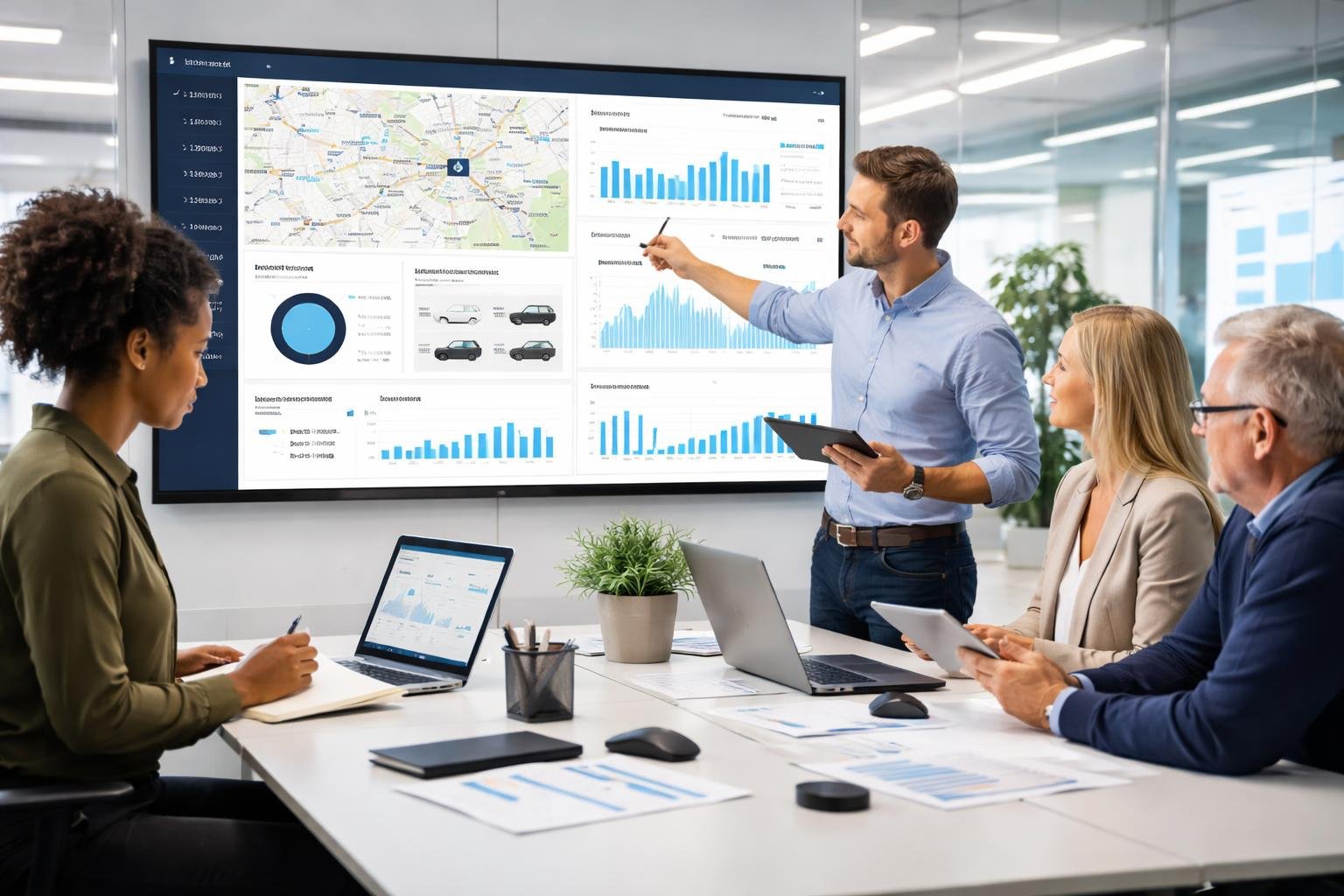
Fleet data analytics changes how managers oversee vehicle operations. It turns raw data into insights that impact cost control, safety, and efficiency.
Managers who use data-driven fleet management gain advantages in route optimization, maintenance planning, and resource allocation. These benefits surpass those of traditional methods.
Key Benefits for Fleet Managers
Fleet managers gain immediate visibility into operations through real-time tracking. Critical metrics include fuel consumption, vehicle utilization, maintenance schedules, and driver performance.
These insights reveal cost-saving opportunities that might remain hidden otherwise. Automated alerts notify managers when vehicles deviate from expected performance.
This allows issues to be addressed before they become costly or unsafe. Analytics platforms consolidate information from multiple data sources, removing the need for manual tracking.
Managers can benchmark fleet performance against industry standards and historical data. This helps identify underperforming assets and justify decisions with solid evidence.
Impact on Operational Efficiency
Operational efficiency improves with optimized route planning. Analytics systems process location and timing data to recommend efficient paths, reducing fuel costs and improving delivery times.
Predictive maintenance becomes possible when managers monitor engine performance, wear patterns, and component lifecycles. This minimizes downtime and extends asset lifespans by scheduling maintenance at the right time.
Fleet utilization metrics show which vehicles are idle or overworked. Managers can then redistribute workloads and potentially reduce the total number of vehicles needed.
Moving from Gut Instinct to Data-Driven Decisions
Traditional fleet management relied on manager experience and intuition. Data-driven fleet management adds precision and scalability.
Analytics platforms process thousands of data points at once. They identify patterns that human observation might miss.
Managers can test changes and measure results objectively. Data quantifies the impact of new driver training programs or maintenance protocols.
This approach reduces risk when proposing changes to executives or clients. Manager expertise is enhanced with quantifiable evidence, allowing a focus on strategic planning.
Core Data Types in Fleet Analytics

Fleet data analytics relies on four main categories of information. These are telematics, fuel tracking, maintenance records, and driver assessment.
Together, they provide a complete picture of fleet performance.
Vehicle Telemetrics and GPS Tracking
Telematics data captures real-time information about vehicle location, speed, engine diagnostics, and operational status. GPS tracking helps managers monitor route efficiency and identify unauthorized vehicle use.
Vehicle telemetrics also collects diagnostic trouble codes, engine hours, idle time, and battery voltage. This alerts managers about potential mechanical issues before breakdowns occur.
Data flows from vehicle systems through onboard devices that transmit information at regular intervals. Managers use telematics data to optimize routing, reduce unnecessary mileage, and maintain compliance.
The technology automatically logs hours of service and keeps records for regulatory requirements.
Fuel Consumption and Efficiency Metrics
Fuel is one of the largest expenses for fleets. Tracking fuel efficiency is essential for cost management.
Fuel data includes gallons consumed, cost per gallon, miles per gallon, and patterns indicating waste. Analytics systems compare efficiency across vehicles, routes, and drivers to spot outliers.
Managers can identify excessive idling, aggressive acceleration, and inefficient routes. Some systems integrate with fuel card programs to match purchase data with odometer readings and find discrepancies.
The data helps improve driver coaching, vehicle maintenance, or route planning. Tracking fuel metrics over time also helps evaluate the return on fuel-saving initiatives.
Maintenance Records and Logs
Maintenance logs document every service event, repair, parts replacement, and inspection. Records include dates, mileage, labor hours, parts costs, and work descriptions.
Digital maintenance management systems centralize this information for easy analysis. Managers use maintenance records to spot vehicles with high repair costs and schedule preventive maintenance based on actual usage.
The data supports predictive maintenance by revealing patterns before component failures. Maintenance data also helps evaluate total cost of ownership and guides future purchasing decisions.
Driver Behavior and Safety Indicators
Driver behavior monitoring tracks how operators handle vehicles using metrics like harsh braking, rapid acceleration, cornering, and seatbelt use. Safety scores combine these behaviors into ratings managers can track.
Telematics systems record driving events with timestamps, locations, and severity. This data helps managers provide targeted coaching to drivers who display risky behaviors.
Some systems include in-cab cameras for reviewing safety incidents. Driver safety indicators also include collision rates, moving violations, and near-miss incidents.
Managers use this information to recognize safe drivers and implement training programs. Documented safety improvements can help reduce insurance premiums.
Foundational Processes: Collecting, Integrating, and Managing Fleet Data
Successful fleet data analytics requires robust systems for gathering and consolidating information from multiple sources. Accurate data collection methods and seamless integration are essential.
Data Collection and Centralization
Fleet managers need systematic approaches to gather operational data from vehicles, drivers, and equipment. GPS tracking devices, telematics systems, and fuel cards are primary data sources.
A centralized data repository removes the complexity of managing information across disconnected systems. Fleet management platforms gather data from various sources into one location.
This centralization ensures data accuracy and consistency. It also enables managers to access comprehensive insights easily.
The collection process must consider different data types and update frequencies. Real-time telematics data streams continuously, while maintenance records update periodically.
Managers should standardize data entry and automate capture to minimize errors.
Breaking Down Data Silos
Data silos keep information isolated within departments or systems. This limits visibility and makes it hard to identify patterns across data sets.
Organizations can eliminate silos by integrating fuel systems, maintenance records, telematics platforms, and databases. API connections and data synchronization tools automate information sharing.
This allows managers to connect driver behavior with fuel efficiency or link maintenance schedules with performance metrics.
Integrating Telematics and Management Platforms
Vehicle telematics produces large amounts of operational data. Proper integration with fleet management platforms is needed for actionable insights.
Telematics systems capture engine diagnostics, GPS data, speed, and driver behaviors. Onboard devices transmit this information wirelessly.
Integration workflows set up automated data pipelines between telematics providers and management software. This removes manual transfers and delivers information directly into analytical tools.
Managers get immediate access to performance indicators and maintenance alerts within their main interface. Integration should support two-way communication, allowing managers to send updates back to telematics devices.
Standardized data formats and protocols help different systems work together.
Actionable Insights: Analyzing and Reporting Fleet Data
Fleet managers need systems that turn raw data into decisions that reduce costs and improve performance. Real-time dashboards, automated reports, and clear visualizations help teams respond quickly to problems.
Fleet Performance Dashboards and KPIs
Fleet analytics dashboards combine metrics from multiple sources into a single, continuously updated interface. Managers track fuel use, maintenance costs, utilization rates, driver safety scores, and compliance status easily.
Effective dashboards highlight metrics that impact profitability. Fuel efficiency, maintenance cost per vehicle, and driver behavior scores are key.
Real-time visibility allows managers to act before problems become expensive. Dashboards can show declining fuel efficiency or missed maintenance in time to prevent bigger issues.
Alert systems notify managers when KPIs exceed set thresholds. This helps prevent accidents and reduce costs.
Custom and Automated Reporting
Pre-built reports cover standard analytics needs, but custom reports address specific business questions. Managers can set parameters like date ranges, vehicle groups, and cost centers.
Automated reporting schedules reports for daily, weekly, or monthly distribution. Reports reach stakeholders automatically without manual effort.
Custom reports help answer detailed questions, such as comparing fuel costs across routes or analyzing maintenance expenses by vehicle age. Filtering and segmenting data reveals patterns that broad overviews might miss.
Data Visualization Techniques
Charts and graphs present complex datasets in ways that make trends easy to see. Line graphs show how fuel consumption changes over time.
Bar charts compare performance between vehicles or drivers. Heat maps highlight geographic areas with higher incident rates or maintenance costs.
Clear data visualization is essential in fleet management analytics. A single chart showing the link between driver training dates and safety scores is more valuable than a dense table of numbers.
Color coding draws attention to exceptions, such as vehicles over budget in red or top drivers in green.
Interactive visualizations let managers explore data in more detail. Clicking on a fuel cost spike shows which vehicles or routes caused the increase.
Filtering by date ranges helps spot seasonal trends in maintenance or fuel use.
Improving Fleet Performance through Analytics
Fleet data analytics helps managers find inefficiencies in vehicle use, cut operational costs, and improve routing decisions. These areas offer the biggest opportunities for performance gains.
Fleet Utilization and Vehicle Allocation
Fleet utilization shows how well vehicles are used compared to their availability. Managers track metrics like active hours per day, miles driven, and idle time to see if they have the right number of vehicles.
Low vehicle utilization often means too many assets, which ties up capital and raises maintenance costs. Analytics reveal which vehicles sit idle and when, so managers can reassign or retire underused assets.
Some fleets find they can cut their vehicle count by 10-15% by matching allocation to demand patterns.
Data-driven strategies match vehicle size to job needs more closely. Instead of sending large vehicles for small loads, managers use trip data to assign the right vehicle, saving fuel and reducing wear.
Cost Reduction Strategies
Analytics highlight the main drivers of cost per mile, a key fleet metric. Fuel costs often make up 20-30% of total expenses, making them a top target for savings.
Tracking driving behaviors uncovers habits like excessive idling and harsh acceleration. Coaching drivers on these habits can save 5-20% on fuel within months.
Maintenance analytics help predict failures before they happen, avoiding breakdowns and extending vehicle life.
Insurance costs drop when analytics show improved safety and fewer accidents. Managers use telematics data to negotiate lower premiums.
Optimizing Route Planning and Deadhead Miles
Route optimization tools analyze traffic, delivery windows, and vehicle capacity to create efficient routes. These systems adjust routes in real time to avoid delays and can cut fuel use by 10-25%.
Deadhead miles—driving empty—hurt profitability. Analytics find patterns where vehicles return empty or take unnecessary trips.
Managers use this data to plan stops better or find backhaul opportunities. Grouping jobs by location reduces empty miles.
When analytics show certain routes often cause deadhead miles, managers can adjust service areas or reassign customers to nearby drivers.
Predictive Analytics and Proactive Fleet Management
Predictive analytics shifts fleet operations from reacting to problems to planning ahead. By analyzing past data, managers can forecast maintenance needs, driver risks, and operational demands.
This approach helps schedule maintenance before breakdowns and allocate resources based on future needs.
Predictive Maintenance and Uptime Enhancement
Fleet managers use predictive maintenance to spot vehicle issues before breakdowns happen. Engine diagnostics monitor things like oil pressure, temperature, and wear to find early warning signs.
Key maintenance analytics include:
- Failure prediction models that use repair history to estimate part lifespan
- Real-time sensor monitoring for early detection of problems
- Automated scheduling that times maintenance based on actual usage
Maintenance moves from fixed schedules to condition-based triggers. Vehicles showing early signs of problems get serviced before they fail, avoiding expensive repairs and downtime.
This proactive approach increases uptime by reducing surprise breakdowns. Fleets often see 15-25% fewer emergency repairs with predictive models.
Driver Performance Forecasting and Coaching
Predictive models spot drivers at risk of unsafe behaviors by tracking trends like hard braking, acceleration, and speeding. Analytics flag drivers who need coaching before incidents happen.
Driver coaching becomes more focused and timely. Managers get alerts when a driver's performance drops, allowing for targeted training.
Performance forecasting tracks:
- Fuel efficiency trends that show inefficient driving
- Safety score declines that predict accident risk
- Route deviations that may signal navigation issues
Data shows which coaching methods work best for each driver type, helping managers improve training programs.
Demand Forecasting and Trend Analysis
Demand forecasting uses past data and market trends to predict future fleet needs. Managers look at seasonal patterns and customer growth to plan vehicle requirements ahead of time.
This helps with decisions on fleet expansion, when to buy vehicles, and how to allocate resources. For example, a company may spot a coming 20% demand surge and secure extra vehicles before costs rise.
Trend analysis also reveals shifts in operations. If data shows more urban deliveries, managers may switch to smaller vehicles better suited for city driving.
Safety and Compliance Monitoring with Fleet Analytics
Fleet analytics turns vehicle and driver data into metrics that help prevent incidents and stay compliant. These systems track behaviors, set benchmarks, and spot risks before they lead to accidents or violations.
Tracking Safety Events and Scores
Modern fleet analytics use telematics and AI dash cameras to log safety events like harsh braking, speeding, and collisions. Each event affects a driver safety score based on severity and frequency.
Managers can see driver rankings, team averages, and trends over time in dashboards. They can filter by vehicle, route, or event to find patterns.
This makes coaching more focused on specific behaviors. Automated alerts notify supervisors right away when serious safety events occur.
Establishing Safety Thresholds and Programs
Effective safety programs set clear thresholds for action. Managers define limits for things like speeding, hard braking, and daily violations.
A structured safety program groups drivers into tiers:
- Green: Zero violations in 30 days, safety score above 90
- Yellow: 1-3 minor violations, safety score 75-89
- Red: Multiple violations or one severe event, safety score below 75
Each tier leads to specific actions. Yellow-tier drivers might get extra training, while red-tier drivers may have ride-alongs or temporary reassignments.
Safety thresholds also apply to vehicles, such as maintenance compliance and inspection rates. Analytics flag vehicles or drivers nearing regulatory limits before violations happen.
Reducing Risk and Unplanned Downtime
Predictive analytics identifies risk factors that can cause safety incidents and unplanned downtime. The system links maintenance data with safety events to show how vehicle condition affects driver performance.
Fleet managers use this information to schedule preventive maintenance. This helps address safety-critical components before they fail.
If a vehicle shows signs of declining brake performance, it is serviced before the problem becomes dangerous. This prevents road hazards and emergency repairs.
Driver behavior analytics help prevent accidents. Fleets that monitor and coach drivers based on safety scores have fewer collisions.
Fewer accidents mean less vehicle repair time and fewer driver absences.
Risk scoring uses driver history, route conditions, vehicle age, and weather data to predict potential incidents. Managers can then assign experienced drivers to high-risk routes or change schedules to avoid dangerous conditions.