Fleet Management Technology Driving Efficiency and Insights in Modern Operations
How to start saving money
Lorem ipsum dolor sit amet, consectetur adipiscing elit lobortis arcu enim urna adipiscing praesent velit viverra sit semper lorem eu cursus vel hendrerit elementum morbi curabitur etiam nibh justo, lorem aliquet donec sed sit mi dignissim at ante massa mattis.
- Neque sodales ut etiam sit amet nisl purus non tellus orci ac auctor
- Adipiscing elit ut aliquam purus sit amet viverra suspendisse potent
- Mauris commodo quis imperdiet massa tincidunt nunc pulvinar
- Excepteur sint occaecat cupidatat non proident sunt in culpa qui officia
Why it is important to start saving
Vitae congue eu consequat ac felis placerat vestibulum lectus mauris ultrices cursus sit amet dictum sit amet justo donec enim diam porttitor lacus luctus accumsan tortor posuere praesent tristique magna sit amet purus gravida quis blandit turpis.

How much money should I save?
At risus viverra adipiscing at in tellus integer feugiat nisl pretium fusce id velit ut tortor sagittis orci a scelerisque purus semper eget at lectus urna duis convallis. porta nibh venenatis cras sed felis eget neque laoreet suspendisse interdum consectetur libero id faucibus nisl donec pretium vulputate sapien nec sagittis aliquam nunc lobortis mattis aliquam faucibus purus in.
- Neque sodales ut etiam sit amet nisl purus non tellus orci ac auctor
- Adipiscing elit ut aliquam purus sit amet viverra suspendisse potenti
- Mauris commodo quis imperdiet massa tincidunt nunc pulvinar
- Adipiscing elit ut aliquam purus sit amet viverra suspendisse potenti
What percentege of my income should go to savings?
Nisi quis eleifend quam adipiscing vitae aliquet bibendum enim facilisis gravida neque. Velit euismod in pellentesque massa placerat volutpat lacus laoreet non curabitur gravida odio aenean sed adipiscing diam donec adipiscing tristique risus. amet est placerat in egestas erat imperdiet sed euismod nisi.
“Nisi quis eleifend quam adipiscing vitae aliquet bibendum enim facilisis gravida neque velit euismod in pellentesque”
Do you have any comments? Share them with us on social media
Eget lorem dolor sed viverra ipsum nunc aliquet bibendum felis donec et odio pellentesque diam volutpat commodo sed egestas aliquam sem fringilla ut morbi tincidunt augue interdum velit euismod eu tincidunt tortor aliquam nulla facilisi aenean sed adipiscing diam donec adipiscing ut lectus arcu bibendum at varius vel pharetra nibh venenatis cras sed felis eget.
Fleet management technology is now central to modern vehicle operations. It connects every part of a fleet using data, automation, and intelligent insights.
It lets businesses monitor assets in real time, optimize routes, and improve safety. At the same time, it helps control costs.
Fleet management technology combines telematics, AI, analytics, and sustainability tools to create smarter, safer, and more efficient fleets.
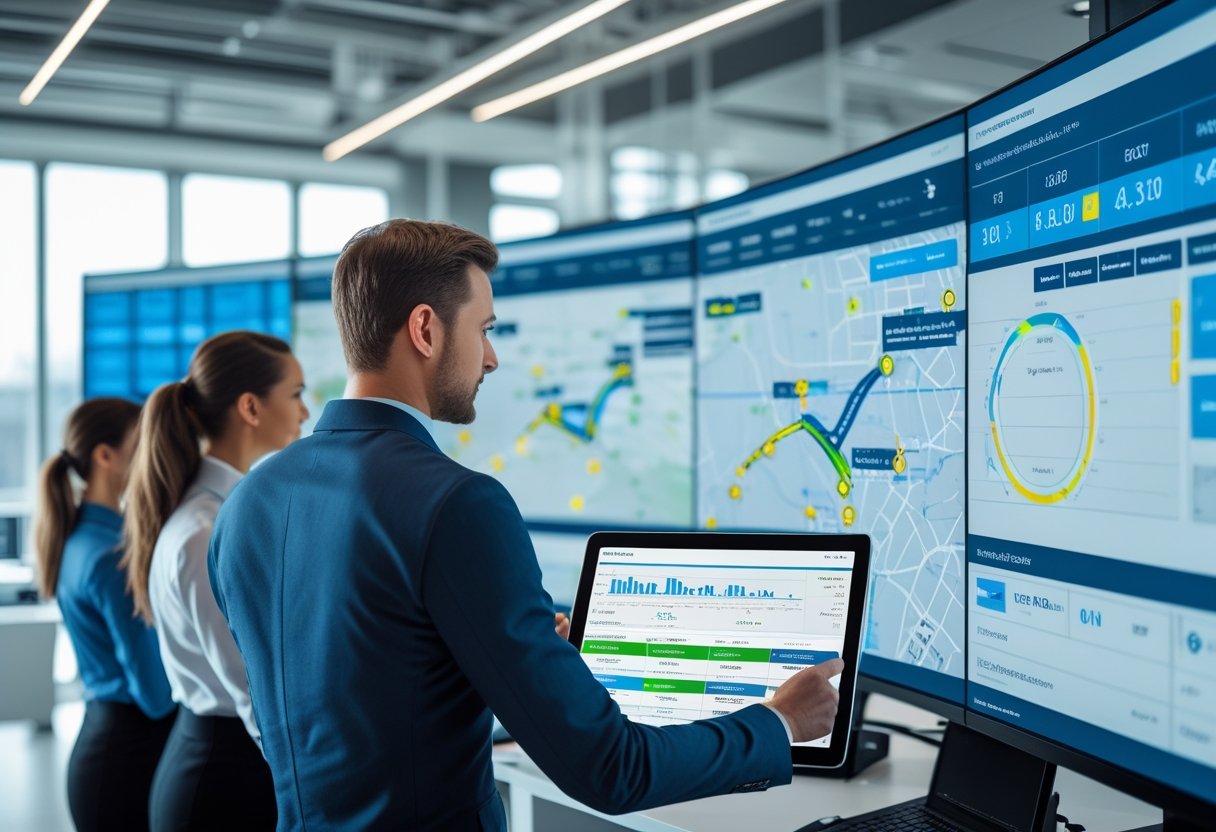
Today’s fleet management systems do more than track vehicles. They also include driver monitoring, predictive maintenance, fuel optimization, and sustainability features.
This integration helps companies make faster decisions and reduce downtime. It also extends the life of fleet assets.
As fleets adopt new connectivity and electric vehicle technologies, fleet management continues to change how businesses operate. Understanding telematics and AI-driven analytics shows how modern fleet management supports growth and efficiency.
Core Pillars of Fleet Management Technology
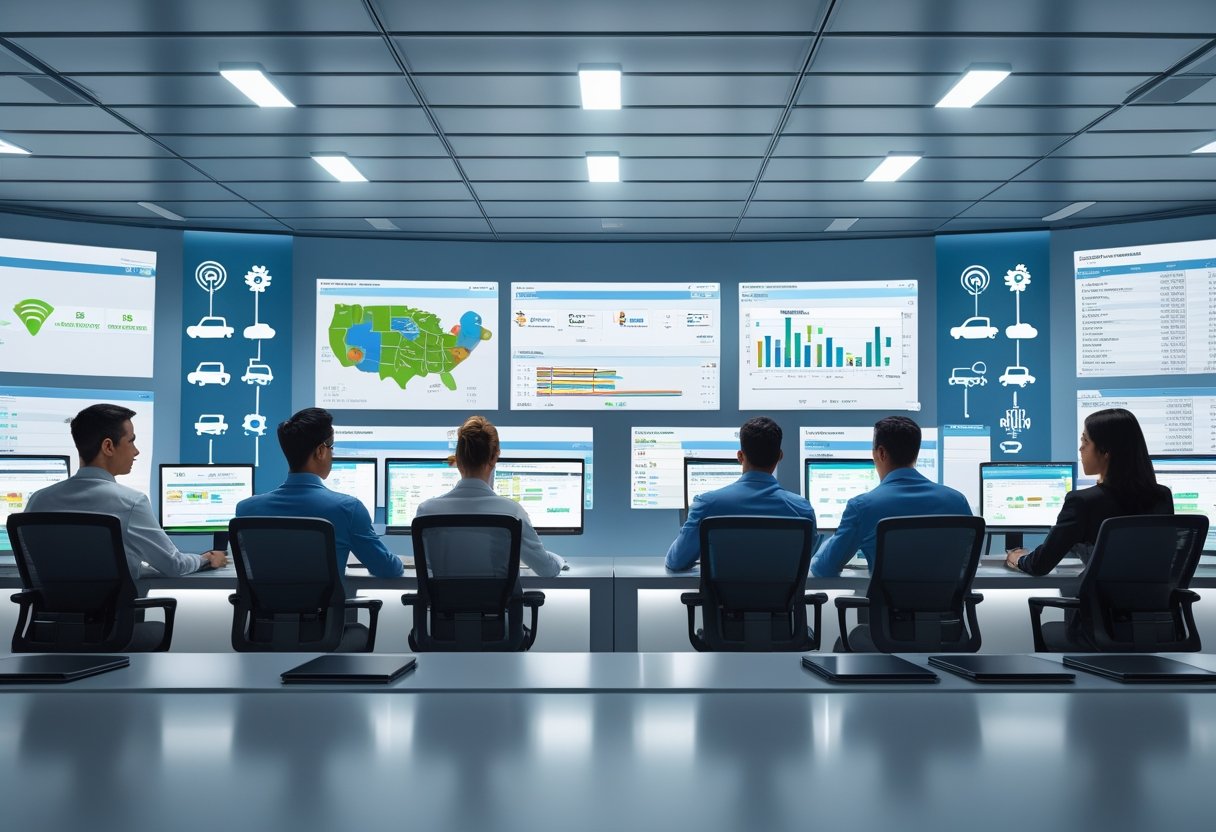
Fleet management technology brings together data, vehicles, and processes through connected systems. These systems are designed to improve control, compliance, and efficiency.
Telematics, analytics, and automation help organizations make better decisions about asset use and resource allocation.
Fleet Management Systems Overview
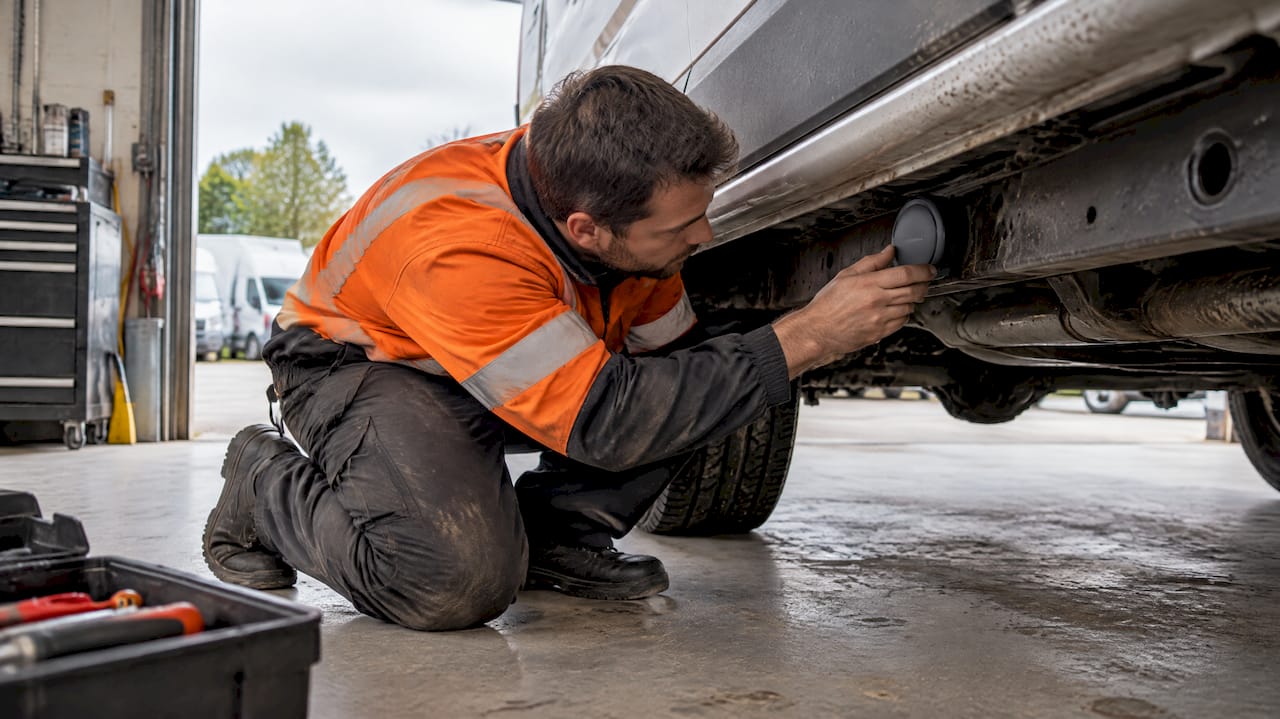
A fleet management system (FMS) connects in-vehicle hardware, communications software, and cloud platforms. It collects data such as vehicle location, engine diagnostics, driver behavior, and fuel use through telematics devices.
These datasets allow fleet managers to monitor performance in real time. They can quickly spot areas that need attention.
Modern systems have a layered structure:
LayerFunctionIn-Vehicle HardwareCaptures raw operational data via sensors and GPS unitsData TransmissionSends information through cellular or satellite networksApplication LayerProvides dashboards, analytics, and reporting tools
With these functions, an FMS supports safety compliance, maintenance scheduling, and cost tracking. Integration with enterprise software helps standardize processes across locations.
Benefits for Fleet Managers and Operations
Fleet management technology streamlines asset management and improves how vehicles and personnel are used. Real-time tracking reduces idle time, cuts unnecessary mileage, and lowers maintenance costs.
Automated alerts for maintenance or policy violations make oversight easier. They also reduce manual tasks for fleet managers.
Reports and analytics highlight patterns such as underused vehicles or inefficient routes. Enhanced visibility helps with resource allocation, budgeting, and planning.
Other benefits include better safety and easier regulatory compliance. Telematics data helps enforce safety standards and meet emission or insurance rules.
Key Challenges and Considerations
Adopting a fleet management system can have challenges. Costs, integration with old systems, and data privacy rules require careful planning.
Data quality is critical. Incomplete or poor data can lead to bad decisions.
Fleet managers need clear data policies and regular data checks. Training users and keeping data secure are also important.
Protecting vehicle and driver data prevents unauthorized access. Change management ensures staff understand and use the system well.
Telematics and Real-Time Fleet Visibility

Telematics combines GPS tracking, onboard sensors, and cloud systems. This gives fleet managers continuous insight into vehicle activity.
It provides accurate, real-time data on fleet movements and conditions. This helps managers make better decisions on performance, safety, and costs.
Telematics Solutions and Integration
Modern telematics integrates GPS data, vehicle diagnostics, and wireless communication. Every vehicle connects to a central management platform.
IoT sensors and cloud analytics collect data on engine performance, fuel use, and route conditions in real time. Integration makes it easier to share data between fleet software, maintenance tools, and compliance systems.
When telematics is integrated, it creates a digital ecosystem that reduces manual reporting and enables automation.
Typical integrated elements include:
FunctionPurposeExample of UseGPS ModuleTracks real-time locationMonitors route deviationsEngine DiagnosticsRecords performance and faultsPredictive maintenanceConnectivity LayerRelays data to cloudEnables instant visibility
This connected data framework improves planning and lowers downtime. Managers can detect issues before they become serious.
Real-Time Tracking and Monitoring
Real-time tracking lets managers watch all fleet vehicles using online dashboards and mobile apps. These tools show where vehicles are, how they are performing, and if they are on schedule.
Metrics such as speed, idling time, and fuel efficiency are monitored to spot inefficiencies. Cloud platforms process this data and create instant updates and visual reports.
With real-time monitoring, organizations can enforce safety rules, adjust dispatches, and reduce idle time. Maintenance can also be scheduled automatically based on sensor data.
GPS Fleet Tracking and Alerts
GPS fleet tracking uses satellites to capture exact vehicle positions and travel patterns. It supports route optimization by finding the shortest or least congested paths.
Fleet systems send real-time alerts when rules are broken, such as speeding or leaving assigned zones. Managers receive these notifications through desktop or mobile devices.
Common alert types include:
- Speeding events – Detects unsafe driving and increases accountability.
- Geofencing alerts – Notifies when vehicles enter or exit defined areas.
- Maintenance reminders – Uses runtime or mileage data to schedule service.
Combining GPS tracking with alerts improves driver compliance and keeps operations visible at all times.
Artificial Intelligence and Advanced Analytics
Artificial intelligence and analytics help fleet managers make data-driven decisions. These technologies improve efficiency, safety, and cost control.
By processing telematics data, AI enhances planning, automates responses, and predicts issues before they disrupt operations.
AI and Machine Learning in Fleet Optimization
AI and machine learning analyze data from sensors, GPS units, driver logs, and maintenance records. These models spot trends in fuel use, driver performance, and idling times.
Fleet operators use these insights to adjust driving habits, improve routing, and cut unnecessary mileage. Machine learning also supports real-time decision-making by reacting to traffic, weather, or delivery changes.
Companies use AI-powered analytics dashboards to visualize performance and forecast results.
Key BenefitDescriptionEfficiencyReduces operational waste through automated insightsCost SavingsLowers fuel and maintenance expensesTransparencyProvides measurable performance indicators
These tools help manage vehicles and assets more intelligently.
Predictive Analytics for Maintenance and Safety
Predictive analytics help organizations perform maintenance before failure. By studying engine data, tire pressure, and sensor readings, AI estimates when each part will need service.
This reduces unexpected downtime and extends vehicle life. Machine learning also tracks driver patterns to spot safety risks.
For example, sudden braking or long idle times can trigger alerts and coaching. Fleet intelligence tools use these patterns to build detailed driver safety profiles.
Automated data collection keeps inspections and safety checks in line with regulations. This reduces penalties and ensures consistent records.
AI-Driven Route Optimization
AI in fleet management improves route optimization using live data from navigation, weather, and traffic systems. Algorithms look at delivery times, vehicle capacity, and fuel efficiency to suggest the best routes.
Unlike static routing software, AI systems learn from past data. When disruptions happen, the platform recalculates routes instantly.
Fleet managers use this information to get the most from their vehicles and keep schedules on track. This leads to faster deliveries, lower emissions, and better customer satisfaction.
Fleet Safety and Driver Monitoring Technologies
Modern fleets use connected systems to reduce collisions and monitor driver behavior. These technologies use sensors, AI, and telematics to detect unsafe driving, automate warnings, and give real-time insights.
Driver Safety Monitoring Systems
Driver safety systems track how each driver behaves using cameras, sensors, and AI analysis. They spot distraction, drowsiness, and phone use by watching head and eye movements.
When risky behavior is detected, alerts prompt the driver to refocus. Reports help managers plan training.
Core Capabilities:
- Real-time detection of distraction or fatigue
- Automated in-cab notifications
- Data integration with telematics dashboards
Many fleets combine these tools with GPS or telematics systems. This lets safety teams see trends, reduce accidents, and create targeted training.
ADAS and Collision Avoidance Tools
Advanced Driver Assistance Systems (ADAS) use radar, lidar, and cameras to spot obstacles, track lane position, and keep safe distances. These tools give drivers warnings or take corrective action, such as automatic braking.
Common ADAS Features:
FeatureFunctionLane Departure WarningAlerts drivers when drifting from laneForward Collision WarningPredicts imminent collisionsAutomatic Emergency BrakingApplies brakes to prevent or reduce impact
ADAS helps prevent collisions and lowers accident rates. Fleet managers prefer vehicles with these systems because they reduce repairs and downtime.
Dashcams and AI Safety Features
AI-powered dashcams record both road and cabin views, combining video with analytics. These cameras analyze speed, acceleration, visibility, and driver actions.
When unsafe actions are detected, the system flags incidents for review. Some dashcams use edge AI to coach drivers in real time, even without cloud access.
Event-based video clips help with coaching and insurance claims. Integrating AI dashcams with fleet platforms gives safety teams real-time visibility and a reliable audit trail.
Fuel Management and Operational Efficiency
Better fuel management, smarter route design, and efficient asset use are key for modern fleets. Data-driven systems track fuel use, dispatch vehicles well, and monitor asset performance to lower costs and improve sustainability.
Fuel Efficiency and Management
Fuel often makes up 30–40% of total fleet operating costs. Effective management is essential to control these expenses.
Modern systems use telematics, fuel sensors, and analytic dashboards to monitor real-time fuel consumption. They detect issues such as idling, harsh driving, or leaks.
Fleet managers use this data to guide driver training and improve vehicle maintenance schedules. Adjusting procurement policies based on accurate data also helps save costs.
Automated reporting cuts down on paperwork and improves the accuracy of cost tracking.
Some advanced platforms alert staff when vehicles fall outside expected efficiency ranges. This enables quick action to fix problems.
These solutions can help fleets cut fuel usage by up to 15–25%. Improved monitoring also prevents unauthorized fueling and fuel theft.
ActionBenefitMonitor fuel consumptionDetects inefficiencies earlyEnforce idling limitsReduces waste and emissionsIntegrate telematics dataLinks behavior with cost outcomes
Route Planning and Dispatch Optimization
Efficient route planning and dispatch management directly affect operational costs and service quality. Modern algorithms consider vehicle type, traffic, and delivery windows to suggest the best routes.
Automated dispatch systems assign tasks dynamically. This balances workloads and cuts unnecessary mileage.
These systems save fuel, reduce driver fatigue, and speed up deliveries.
Real-time GPS lets dispatchers reroute vehicles instantly when delays or accidents happen. Predictive analytics help improve on-time performance and reduce unpredictability.
Route data over time helps refine service areas and spot problem zones for adjustment.
Asset and Resource Utilization
Asset utilization aims to maximize every vehicle’s productive time. Fleet operators track engine hours, distance, and idle times to measure performance.
Telematics paired with scheduling software helps managers predict when vehicles need service, retirement, or redeployment. This approach reduces downtime and extends equipment life.
Managers review key metrics like utilization rate, fuel cost per mile, and service frequency. Clear dashboards help align investments with real usage data.
Strategic redeployment of underused vehicles keeps the fleet active and lowers ownership costs. This approach also maintains reliability across the fleet.
Sustainability, Electrification, and Green Fleet Initiatives
Fleet operations are changing with cleaner energy, electrification, and smarter technologies. Organizations now use electric vehicles (EVs), low-emission strategies, and analytics to meet performance and sustainability goals.
Electric Vehicles and Charging Infrastructure
Electric vehicles are key to building sustainable fleets. They reduce carbon emissions and reliance on fossil fuels. Maintenance and operational costs are more predictable.
Fleet operators compare electricity prices, maintenance needs, and battery replacement intervals to assess total cost of ownership.
Reliable charging infrastructure is vital for EV deployment. Operators use a mix of depot chargers, public networks, and workplace charging to balance cost and range.
Some fleets install smart charging systems to optimize energy use during off-peak hours. They draw power from renewable energy when available.
Charging TypeTypical LocationEnergy Cost ControlBest Use CaseDepot ChargingCentralized Fleet BaseHighOvernight chargingPublic NetworkOn-routeModerateLong-distance routesWorkplace ChargingOffice or FacilityModerateEmployee or pool vehicles
Good network planning keeps vehicles available and reduces idle time and grid strain.
Sustainable Fleet Management and Emissions Reduction
Sustainable fleet management uses clear practices to lower a fleet’s carbon footprint. Strategies include route optimization, idle reduction, telematics, and regular fuel monitoring.
Fleets track real-time data to find inefficiencies and reduce emissions. This does not sacrifice productivity.
Switching to EVs or hybrid models supports green fleet initiatives. Some organizations use biofuels or hydrogen-powered vehicles where electric options are less practical.
Energy-efficient vehicles and driver behavior analytics help reduce emissions and meet regulations.
Companies often set sustainability targets and report yearly reductions in carbon emissions per vehicle-kilometer. This guides future planning.
Battery Life and Energy Efficiency
Battery technology affects both the cost and environmental impact of an EV fleet. Longevity depends on charging frequency, driving habits, and thermal management.
Fleet managers watch battery health metrics like charge cycles and temperature changes to extend battery life.
Energy efficiency improves with software that manages regenerative braking and energy recovery. Regular updates keep vehicles compatible with new charging infrastructure.
In extreme climates, preconditioning methods help stabilize battery performance and protect hybrid engines.
Many fleets plan for battery recycling or second-life uses. Used batteries can power stationary storage, reducing waste and supporting renewable energy.
Emerging Technologies in Fleet Management
New technologies help fleets operate with more precision, lower costs, and better safety. Connected sensors, automated systems, and visual tools make vehicles smarter and operations more predictable.
Internet of Things and IoT Sensors
The Internet of Things (IoT) uses sensors and devices to collect real-time data on vehicles. IoT sensors track location, fuel use, tire pressure, engine health, and driver behavior.
This data feeds dashboards that help managers plan maintenance, optimize routes, and cut downtime.
Fleet systems with IoT use telematics and cloud platforms to share data fast.
Data TypePurposeBenefitGPS LocationTrack routes and vehicle usageImproves route planningFuel SensorMonitor consumptionReduces excessive fuel costsEngine DiagnosticsDetect issues earlyPrevents breakdowns
With better connectivity from 5G and edge computing, IoT will allow faster and more precise decisions in daily operations.
Autonomous Vehicles and Automation
Autonomous vehicles use sensors, cameras, radar, and AI to drive and make decisions in real time. Full autonomy is still developing, but partial automation already helps with cruise control, automatic braking, and lane keeping.
Automation reduces labor costs and improves safety by cutting human error. It also helps coordinate vehicles and adjust routes to reduce idle time.
Fleet managers are starting to use mixed fleets with both automated and regular vehicles. This requires regulatory compliance, new training, and cybersecurity to keep operations safe.
Blockchain for Fleet Transparency
Blockchain technology brings trust and transparency to vehicle management. Each service, part change, or route record is stored as a time-stamped entry in a secure ledger.
This ensures data integrity and makes audits easier.
Key uses include:
- Maintenance records: Logs prove service history.
- Fuel transactions: Smart contracts verify payments.
- Asset tracking: Ledgers confirm location and condition.
Blockchain improves accountability by removing duplicate records and disputes. Fleets benefit from more secure and verifiable operational data, which reduces fraud and compliance risks.
AR Applications for Fleet Operations
Augmented Reality (AR) adds digital information to real environments for inspections, training, and maintenance. Technicians use AR glasses or mobile devices to see part layouts, get repair guidance, and access diagnostic data on site.
AR helps with driver onboarding by simulating real conditions and controls. This shortens training and reduces mistakes.
For remote work, AR lets experts guide staff through repairs in real time. Linking AR with IoT data gives live, useful information during inspections and maintenance.
Fleet Management Software and Industry Solutions
Modern fleets use digital tools to handle tracking, maintenance, and compliance in one platform. These systems help reduce downtime, improve safety, and make reporting more accurate and faster.
Top Fleet Management Software Platforms
Leading platforms like Samsara, Geotab, Motive, Omnitracs, and Teletrac Navman offer dashboards for tracking, fuel monitoring, and maintenance scheduling. Each uses GPS and telematics to collect real-time vehicle data.
Managers can track driver behavior, improve routes, and analyze productivity with automated reports.
Many platforms include mobile dashboards and cloud analytics for managing different vehicle types.
Samsara focuses on IoT integrations. Geotab offers open data tools. Omnitracs features route optimization and safety analytics. Pricing varies by fleet size, sensors, and software modules.
PlatformKey StrengthKey FeatureSamsaraReal-time visibilityIoT connectivityGeotabData customizationOpen API ecosystemMotiveDriver managementVideo telematicsOmnitracsRoute optimizationPredictive analyticsTeletrac NavmanCompliance toolsMulti-region support
Solution Providers and Integrations
Fleet technology vendors now focus on making systems work together. Solutions connect maintenance, fuel cards, and dispatch software for unified data.
Integrations help finance, safety, and operations teams use the same information.
APIs, cloud connectors, and telematics devices let fleets add modules for asset tracking, tire monitoring, or engine diagnostics.
For example, Geotab’s Marketplace has plug-ins for third-party analytics. Samsara links with maintenance platforms for automated scheduling.
Cloud systems make adoption easier and usually include mobile apps and real-time alerts. This reduces manual tracking.
Integration with driver coaching or risk tools helps companies keep safety performance consistent.
Compliance and Regulatory Tools
Fleet operators must comply with federal and regional regulations. These include ELD mandates, Hours of Service (HOS) tracking, and IFTA reporting.
Modern software automates these processes. This reduces administrative work and ensures accurate submissions.
Platforms like Motive, Teletrac Navman, and Omnitracs include certified Electronic Logging Devices (ELDs). These devices record driving hours directly from the vehicle’s engine.
The data from ELDs feeds into compliance reports. Managers receive alerts when violations may occur.
Automated fuel tax calculators, document storage, and audit-ready reports help with tasks that were once manual. These tools also improve transparency during inspections and help fleets avoid fines.
Integration of compliance modules within fleet management systems keeps operations aligned with regulatory standards.