Telematics for Contractor Fleets: Optimizing Equipment Tracking and Job Site Efficiency
How to start saving money
Lorem ipsum dolor sit amet, consectetur adipiscing elit lobortis arcu enim urna adipiscing praesent velit viverra sit semper lorem eu cursus vel hendrerit elementum morbi curabitur etiam nibh justo, lorem aliquet donec sed sit mi dignissim at ante massa mattis.
- Neque sodales ut etiam sit amet nisl purus non tellus orci ac auctor
- Adipiscing elit ut aliquam purus sit amet viverra suspendisse potent
- Mauris commodo quis imperdiet massa tincidunt nunc pulvinar
- Excepteur sint occaecat cupidatat non proident sunt in culpa qui officia
Why it is important to start saving
Vitae congue eu consequat ac felis placerat vestibulum lectus mauris ultrices cursus sit amet dictum sit amet justo donec enim diam porttitor lacus luctus accumsan tortor posuere praesent tristique magna sit amet purus gravida quis blandit turpis.

How much money should I save?
At risus viverra adipiscing at in tellus integer feugiat nisl pretium fusce id velit ut tortor sagittis orci a scelerisque purus semper eget at lectus urna duis convallis. porta nibh venenatis cras sed felis eget neque laoreet suspendisse interdum consectetur libero id faucibus nisl donec pretium vulputate sapien nec sagittis aliquam nunc lobortis mattis aliquam faucibus purus in.
- Neque sodales ut etiam sit amet nisl purus non tellus orci ac auctor
- Adipiscing elit ut aliquam purus sit amet viverra suspendisse potenti
- Mauris commodo quis imperdiet massa tincidunt nunc pulvinar
- Adipiscing elit ut aliquam purus sit amet viverra suspendisse potenti
What percentege of my income should go to savings?
Nisi quis eleifend quam adipiscing vitae aliquet bibendum enim facilisis gravida neque. Velit euismod in pellentesque massa placerat volutpat lacus laoreet non curabitur gravida odio aenean sed adipiscing diam donec adipiscing tristique risus. amet est placerat in egestas erat imperdiet sed euismod nisi.
“Nisi quis eleifend quam adipiscing vitae aliquet bibendum enim facilisis gravida neque velit euismod in pellentesque”
Do you have any comments? Share them with us on social media
Eget lorem dolor sed viverra ipsum nunc aliquet bibendum felis donec et odio pellentesque diam volutpat commodo sed egestas aliquam sem fringilla ut morbi tincidunt augue interdum velit euismod eu tincidunt tortor aliquam nulla facilisi aenean sed adipiscing diam donec adipiscing ut lectus arcu bibendum at varius vel pharetra nibh venenatis cras sed felis eget.
Managing contractor fleets without real-time data means making decisions about equipment location, fuel use, maintenance, and job site allocation with incomplete information. This approach leads to higher costs, equipment downtime, and missed chances to improve operations.
Construction and contracting businesses face unique challenges that standard fleet tracking cannot solve. They must monitor heavy equipment in remote locations and manage assets across different job sites.
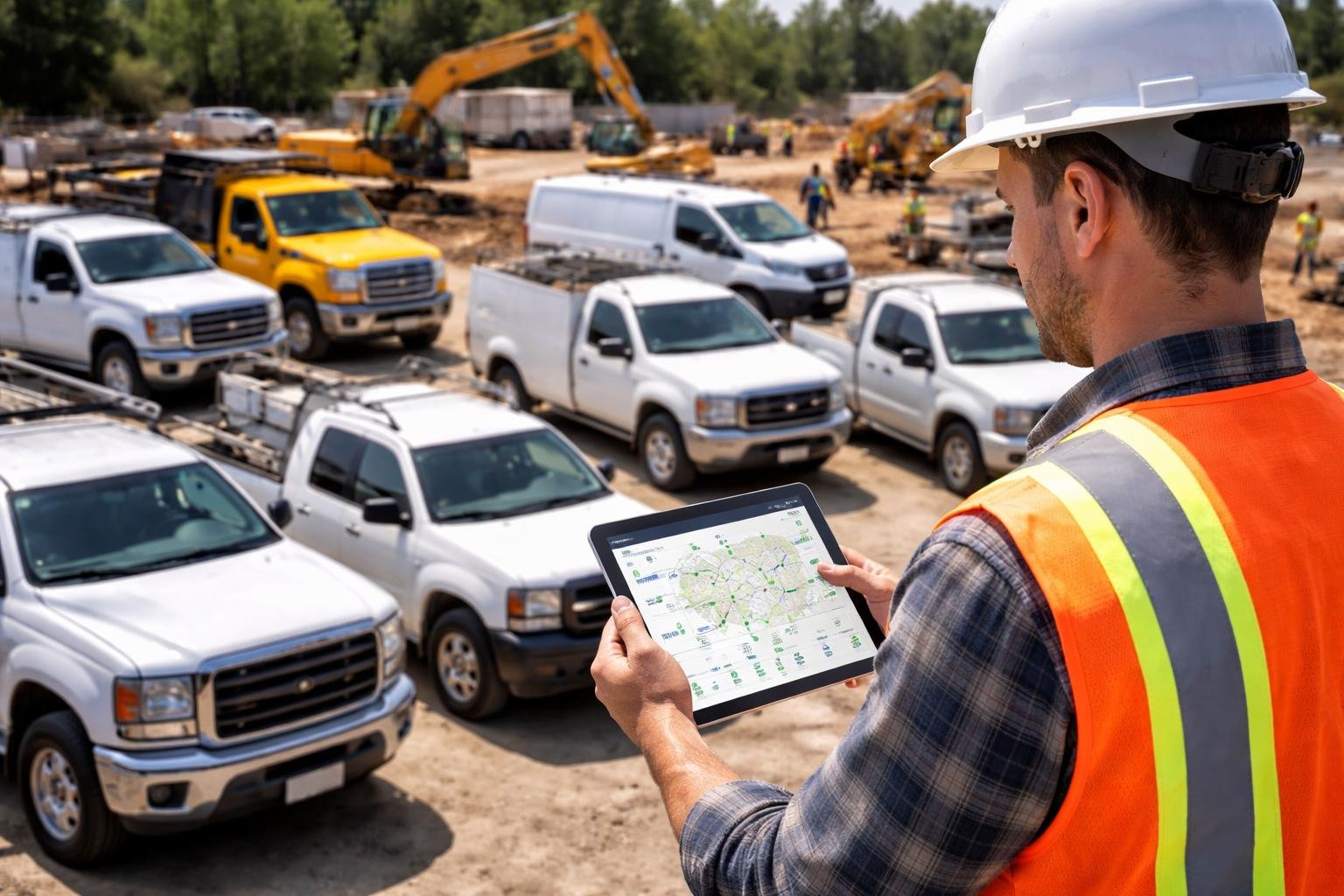
Telematics systems for contractor fleets use GPS tracking, sensors, and data analytics to provide real-time visibility into equipment location, usage, fuel use, and maintenance needs. These platforms help contractors move from reactive problem-solving to data-driven decision-making.
The technology delivers actionable insights that help reduce idle time, cut fuel waste, and prevent breakdowns through predictive maintenance. The right telematics solution offers more than basic vehicle tracking and gives a full view of fleet performance.
This supports better resource allocation, improved safety, and measurable cost savings.
What Is Telematics for Contractor Fleets?
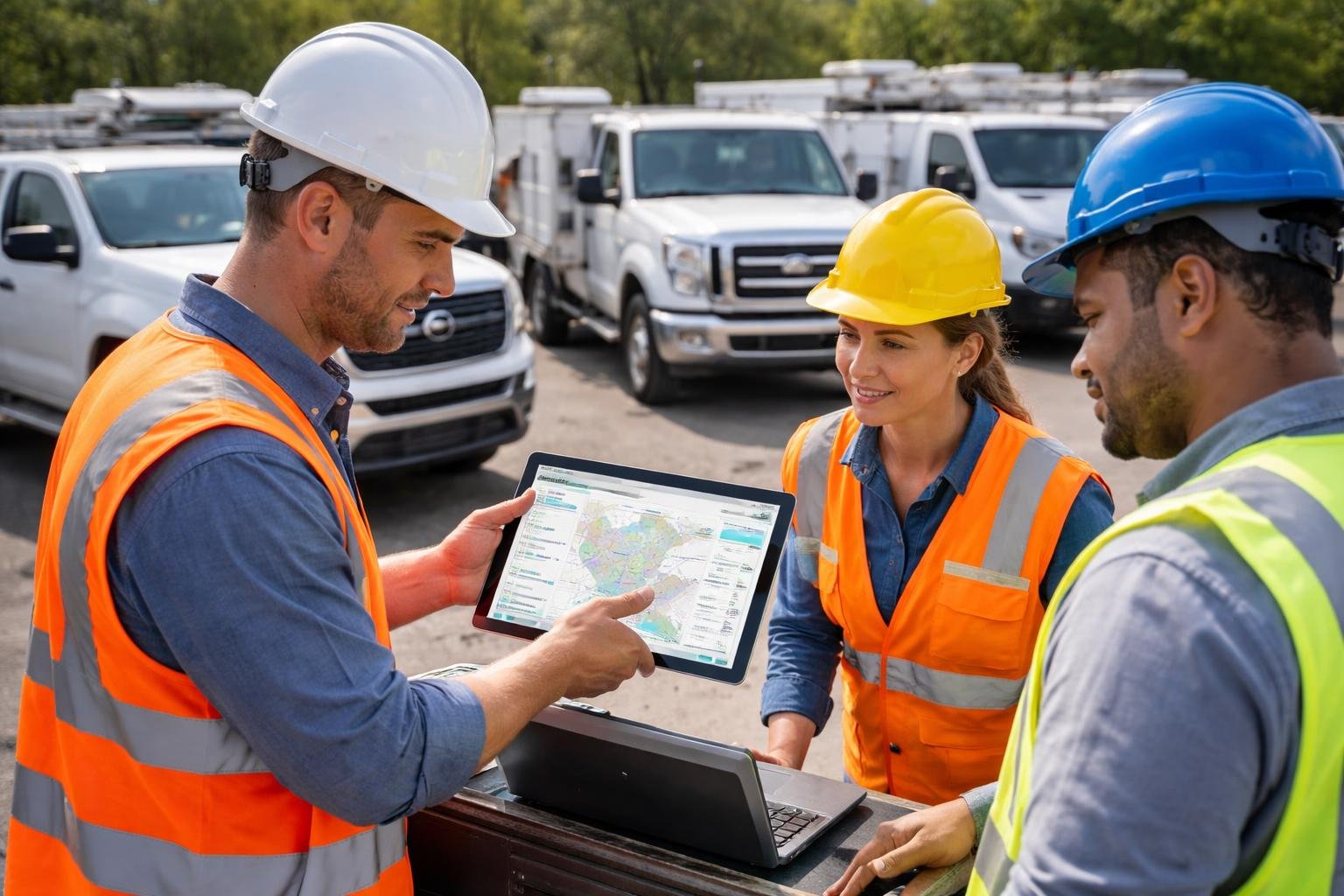
Telematics for contractor fleets uses GPS, onboard diagnostics, and wireless data to monitor vehicles and equipment in real time. The technology turns raw data into useful insights for fuel management, maintenance, theft prevention, and productivity.
Key Components of Telematics Systems
A telematics device on construction assets collects data from sensors and communication channels. The main hardware includes a GPS receiver, an accelerometer, and diagnostic ports that connect to the vehicle's computer.
The device sends this information through cellular networks to cloud platforms. Fleet managers access dashboards and reports online.
Modern telematics systems track engine hours, idle time, fuel use, diagnostic codes, and operator behavior. The software processes this data and generates alerts for maintenance, unauthorized use, or safety issues.
Essential components include:
- GPS module - Real-time location and geofencing
- Onboard diagnostics interface - Engine performance and fault codes
- Cellular or satellite modem - Sends data to central platforms
- Sensors - Monitor temperature, pressure, load, and usage
- Power management system - Keeps the device running from the vehicle battery
Types of Assets Supported
Construction fleet telematics covers a wide range of equipment. Light-duty trucks, service vans, and pickups use standard OBD-II port connections.
Heavy equipment needs specialized telematics for harsh environments and unique electrical systems. Machines like excavators, bulldozers, loaders, cranes, and compactors often need rugged devices with direct battery connections.
Smaller tools and portable assets use battery-powered trackers focused on GPS location. Generators, compressors, light towers, and trailers benefit from these trackers for theft prevention and utilization tracking.
Mixed fleets may use several telematics platforms or choose providers that handle many asset types through one interface.
Construction-Specific Telematics Features
Construction telematics includes features for off-road operations and project-based work. Geofencing sets virtual boundaries around job sites and sends alerts if equipment enters or leaves, helping prevent theft and unauthorized use.
Hour-based maintenance tracks service needs by actual runtime, not just calendar dates. This is more accurate for equipment that may be idle between projects or used heavily during peak times.
Job costing integration links equipment hours and fuel use to specific projects. Fleet managers can see which jobs have higher equipment costs and adjust bidding strategies.
Construction-specific capabilities:
FeatureApplicationLoad monitoringPrevents overloading and extends equipment lifeAttachment recognitionTracks use of different tools and implementsOperator identificationLinks performance to individual operatorsEnvironmental sensorsMonitors conditions like temperature or dust
These features help telematics work well in tough conditions across remote sites.
Core Benefits of Telematics for Contractor Fleets
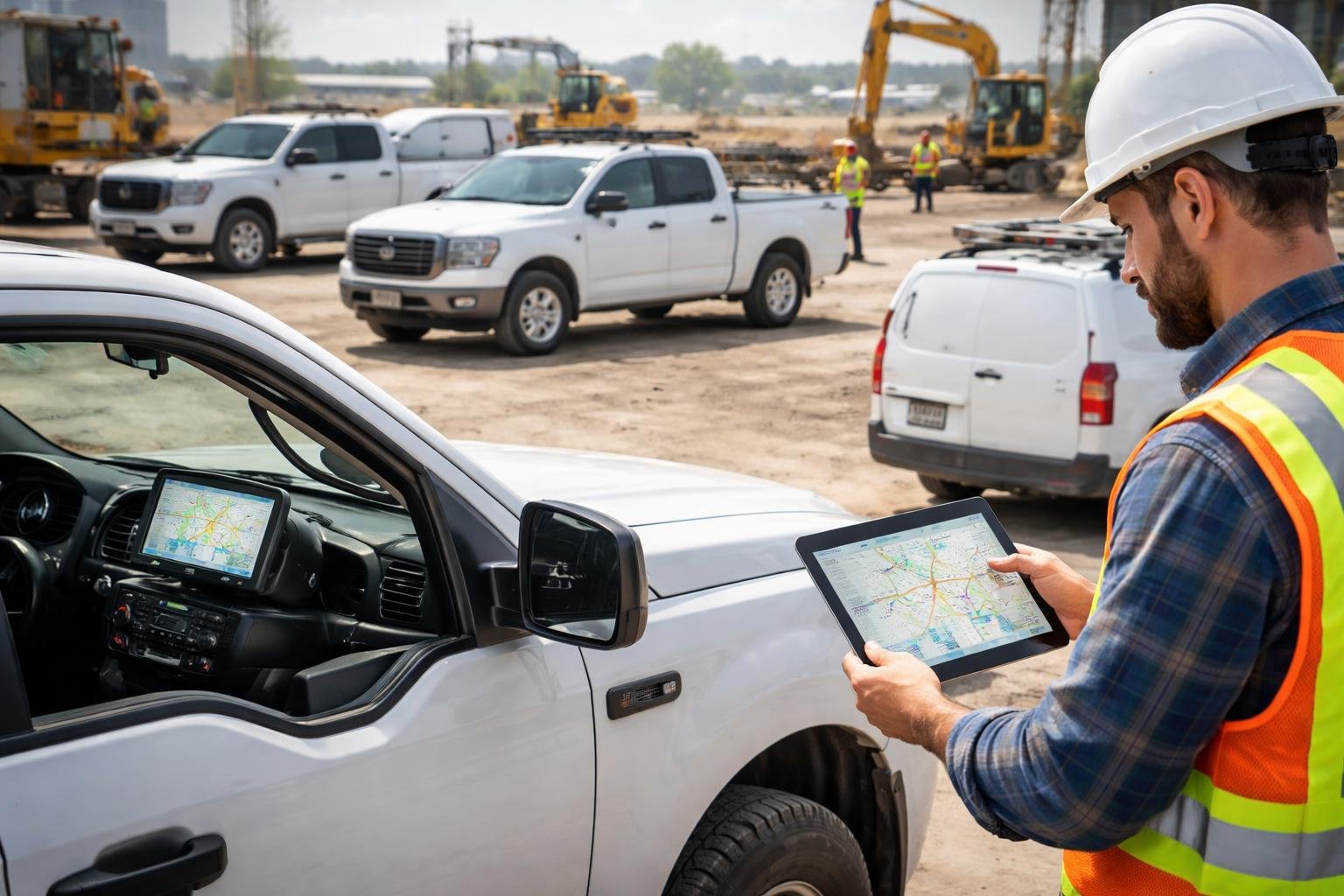
Telematics technology improves three main areas of fleet operations. Contractors get real-time visibility, predictive maintenance, and detailed safety monitoring.
Maximizing Asset Utilization
Telematics tracks equipment utilization in real time. Contractors can see which assets are idle and which are used most.
GPS tracking shows exact equipment locations, saving time searching for assets. Fleet managers can monitor operating hours, engine runtime, and idle time.
This helps optimize equipment allocation and reduce rental costs. Contractors often find that 20-30% of their fleet is underused.
By moving underutilized assets or adjusting fleet size, companies improve efficiency and cut unnecessary costs.
Key utilization metrics include:
- Daily operating hours per asset
- Idle time percentages
- Geographic utilization patterns
- Equipment availability rates
Reducing Unplanned Downtime
Telematics monitors diagnostic codes, fluid levels, battery health, and filters to predict maintenance needs. Alerts notify managers when components need service, allowing repairs during planned downtime.
This reduces breakdowns that can delay projects and cause expensive repairs or rentals. Telematics can cut these incidents by up to 40% through early action.
Fleet systems track maintenance histories and service intervals. Managers get notifications for scheduled service, helping extend asset lifespan and keep warranties valid.
Remote diagnostics allow technicians to assess issues without going to job sites. Many problems can be diagnosed and parts ordered in advance, reducing downtime.
Improving Fleet Safety and Compliance
Telematics monitors operator behavior such as harsh braking, speeding, and unsafe moves. Managers get instant alerts for safety violations and can act quickly.
This helps identify risky operators and improve job site safety. Contractors can use real performance data for coaching and training.
Safety scores and performance metrics create accountability and can reduce accidents by up to 25%.
Telematics automates compliance by tracking inspections, operator certifications, and DOT requirements. The system generates inspection reports, keeps digital records, and alerts managers to expiring certifications.
Compliance tracking includes:
- Daily vehicle inspection reports (DVIR)
- Operator certification expiration dates
- Hours of service monitoring
- Maintenance compliance records
Digital records make audits easier and reduce paperwork for managers.
Essential Telematics Features for Contractors
Contractors need telematics systems that provide data on equipment location, status, driver performance, and asset security. The best features combine real-time tracking, predictive maintenance, and safety monitoring.
Real-Time GPS and Asset Tracking
Real-time GPS gives contractors a clear view of every vehicle and piece of equipment. Managers can locate assets instantly, confirm deployment, and check arrivals at job sites.
GPS tracking also records movement patterns, idle time, and when assets enter or leave work zones. This information helps analyze utilization and spot underperforming assets.
Asset tracking is especially useful for contractors with multiple job sites. It saves time, reduces theft risk, and supports accurate billing by showing when and where assets were used.
Geofencing and Security
Geofencing lets contractors set virtual boundaries around job sites or yards. The system sends alerts if equipment crosses these boundaries, providing quick notice of unauthorized movement.
This is a key security tool for high-value equipment. Contractors get instant alerts if machinery moves outside zones during off-hours.
Geofencing also helps enforce policies by alerting managers when equipment enters restricted areas. These zones can be adjusted for business hours and weekends.
The technology documents whether operators followed approved routes or stayed in authorized areas.
Engine Diagnostics and Maintenance Alerts
Engine diagnostics give contractors direct access to equipment health data. Systems monitor oil pressure, coolant temperature, battery voltage, and fuel use in real time.
Diagnostic codes alert managers to problems before breakdowns occur. The system provides fault codes that identify issues quickly.
Maintenance alerts automate service scheduling based on usage, not just time. The system tracks engine hours and operating conditions to set the best service intervals.
Monitoring equipment health reduces the risk of costly failures.
Driver and Operator Behavior Monitoring
Driver monitoring records actions that affect safety, fuel use, and equipment wear. Telematics tracks harsh braking, rapid acceleration, idling, and aggressive driving.
Driver scorecards turn this data into performance ratings. Contractors use these to spot operators needing training or to reward safe drivers.
Coaching programs use telematics data to give targeted feedback. Safety reports help identify trends and prevent accidents.
Fleet Maintenance Optimization with Telematics
Telematics changes fleet maintenance from reactive fixes to data-driven strategies. Real-time monitoring lets contractors schedule repairs based on actual use and equipment health.
Predictive and Preventive Maintenance Strategies
Predictive maintenance uses telematics data to spot potential failures early. Equipment health monitoring tracks engine temperature, hydraulic pressure, and fluid levels.
When a component shows warning signs, the system sends preventive maintenance alerts. Contractors can fix issues during planned downtime.
Telematics software analyzes performance data to set normal operating conditions for each asset. Changes from these baselines trigger alerts for immediate checks.
Engine diagnostics provide detailed codes and metrics, helping technicians find problems faster.
Preventive maintenance is based on usage, not fixed schedules. Equipment used in tough conditions needs more frequent service.
Telematics tracks operating hours, idle time, and workload to set the best service intervals.
Automated Maintenance Scheduling
Telematics platforms automatically generate work orders when assets reach set thresholds for hours, mileage, or specific conditions. This removes the need for manual tracking and ensures equipment receives timely service.
Maintenance scheduling adapts to actual fleet usage patterns. The system can prioritize tasks based on equipment utilization and job requirements.
High-priority assets receive immediate attention, while less critical equipment is serviced during scheduled downtime. Contractors can view upcoming maintenance needs across their fleet through centralized dashboards.
These dashboards display service due dates and alert severity levels.
Maintenance Automation and Integration
Maintenance automation connects telematics data with fleet management software and parts inventory systems. When a maintenance alert triggers, the system checks parts availability, schedules technician time, and notifies relevant personnel.
This integration closes communication gaps between field operations and maintenance teams. Telematics platforms also integrate with enterprise systems to streamline workflows.
Service records, parts orders, and labor costs flow automatically into accounting software. Contractors gain visibility into maintenance expenses per asset, enabling accurate cost tracking and budget forecasting.
Enhancing Asset and Inventory Management
Telematics systems give contractors precise visibility into equipment locations and availability across job sites. These platforms support data-driven decisions on asset deployment and resource allocation.
Inventory and Equipment Availability
Real-time asset tracking helps contractors maintain accurate inventories of their fleet. GPS sensors and telematics devices transmit location data, showing which equipment is idle, in use, or needs retrieval.
This visibility prevents double-booking and wasted time searching for assets. Fleet managers can check equipment availability instantly through centralized dashboards.
Key benefits include:
- Reduced equipment rental costs by knowing exactly what assets are owned
- Faster project starts through quick location and deployment of machinery
- Lower idle time with better awareness of underutilized equipment
Automated alerts notify managers when equipment remains stationary longer than expected. This helps identify stolen or forgotten assets.
Asset Allocation and Resource Planning
Telematics data supports strategic resource planning by revealing equipment usage patterns. Contractors can see which assets are heavily used and which sit idle, guiding fleet expansion or downsizing.
Asset utilization metrics show the percentage of time each machine operates productively. This helps distribute high-demand equipment efficiently across projects.
Teams can reassign underutilized assets to sites where they are needed. Contractors can also determine if purchasing more equipment or reallocating existing assets is the best option.
Historical usage patterns reveal seasonal fluctuations in equipment needs. Managers can adjust rental and ownership strategies accordingly.
Choosing and Integrating Telematics Solutions
Selecting a telematics solution requires evaluating technical features, integration options, and provider support. Contractors must balance hardware durability, software compatibility, and vendor expertise in heavy equipment tracking.
Key Selection Criteria for Contractors
Telematics solutions must withstand harsh jobsite conditions with ruggedized hardware. The system should track both vehicles and heavy equipment, providing engine hours, location data, and diagnostics.
Essential features for contractor fleets include:
- Real-time GPS tracking for theft prevention and asset location
- Engine hour monitoring for maintenance scheduling
- Fuel consumption reporting to reduce costs
- Geofencing for jobsite security
- Diagnostic trouble code alerts for equipment health
Customization options are important since every contractor operates differently. The software should allow configuration of alerts, reports, and dashboards to match specific workflows.
Providers with construction expertise usually offer better support than general fleet tracking companies. Contractors should check the vendor's experience, hardware warranty terms, and technical support quality.
Integration with Fleet Management Software
Telematics systems work best when they connect with existing construction fleet management software. API availability enables data exchange between telematics, accounting systems, maintenance tools, and job costing applications.
Integration removes duplicate data entry and allows information to flow automatically. Engine hours from telematics can trigger maintenance work orders, while location data can verify equipment billing.
This connectivity turns telematics data into actionable business intelligence. Fleet management platforms like Geotab and Teletrac Navman offer integration with third-party applications.
Contractors should confirm their telematics provider supports connections to their current software stack before choosing a solution.
Evaluating Leading Providers
Specialized construction telematics providers usually understand jobsite needs better than general fleet tracking vendors. Companies like Tenna focus on mixed fleet tracking for construction, while some others offer broader solutions adapted for heavy equipment.
The evaluation process should include product demonstrations using the contractor's real use cases. Request trial periods to test hardware durability and software usability with the field personnel who will use the system.
Pricing models differ across providers. Contractors should consider hardware costs, installation expenses, cellular data fees, and ongoing subscription charges when comparing total ownership costs.