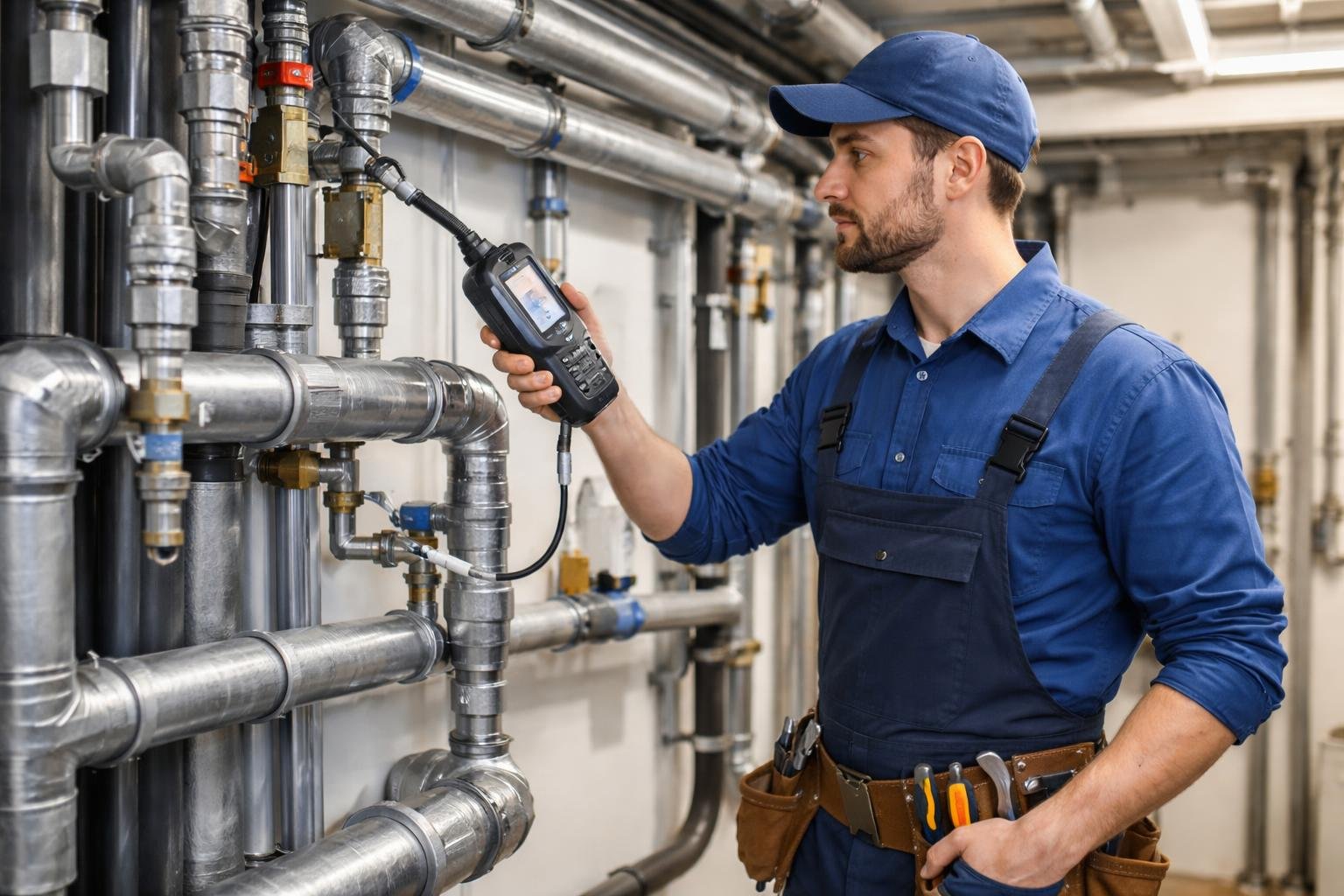
Construction GPS Tracking: Essential Technology for Fleet Management and Equipment Security
How to start saving money
Lorem ipsum dolor sit amet, consectetur adipiscing elit lobortis arcu enim urna adipiscing praesent velit viverra sit semper lorem eu cursus vel hendrerit elementum morbi curabitur etiam nibh justo, lorem aliquet donec sed sit mi dignissim at ante massa mattis.
- Neque sodales ut etiam sit amet nisl purus non tellus orci ac auctor
- Adipiscing elit ut aliquam purus sit amet viverra suspendisse potent
- Mauris commodo quis imperdiet massa tincidunt nunc pulvinar
- Excepteur sint occaecat cupidatat non proident sunt in culpa qui officia
Why it is important to start saving
Vitae congue eu consequat ac felis placerat vestibulum lectus mauris ultrices cursus sit amet dictum sit amet justo donec enim diam porttitor lacus luctus accumsan tortor posuere praesent tristique magna sit amet purus gravida quis blandit turpis.

How much money should I save?
At risus viverra adipiscing at in tellus integer feugiat nisl pretium fusce id velit ut tortor sagittis orci a scelerisque purus semper eget at lectus urna duis convallis. porta nibh venenatis cras sed felis eget neque laoreet suspendisse interdum consectetur libero id faucibus nisl donec pretium vulputate sapien nec sagittis aliquam nunc lobortis mattis aliquam faucibus purus in.
- Neque sodales ut etiam sit amet nisl purus non tellus orci ac auctor
- Adipiscing elit ut aliquam purus sit amet viverra suspendisse potenti
- Mauris commodo quis imperdiet massa tincidunt nunc pulvinar
- Adipiscing elit ut aliquam purus sit amet viverra suspendisse potenti
What percentege of my income should go to savings?
Nisi quis eleifend quam adipiscing vitae aliquet bibendum enim facilisis gravida neque. Velit euismod in pellentesque massa placerat volutpat lacus laoreet non curabitur gravida odio aenean sed adipiscing diam donec adipiscing tristique risus. amet est placerat in egestas erat imperdiet sed euismod nisi.
“Nisi quis eleifend quam adipiscing vitae aliquet bibendum enim facilisis gravida neque velit euismod in pellentesque”
Do you have any comments? Share them with us on social media
Eget lorem dolor sed viverra ipsum nunc aliquet bibendum felis donec et odio pellentesque diam volutpat commodo sed egestas aliquam sem fringilla ut morbi tincidunt augue interdum velit euismod eu tincidunt tortor aliquam nulla facilisi aenean sed adipiscing diam donec adipiscing ut lectus arcu bibendum at varius vel pharetra nibh venenatis cras sed felis eget.
Construction equipment is a major investment for contractors and construction companies. Tracking these assets across multiple job sites is a constant challenge.
Theft, misuse, and poor deployment of machinery can cause financial losses and project delays. GPS tracking technology offers a solution by giving real-time visibility into equipment location, usage, and status.
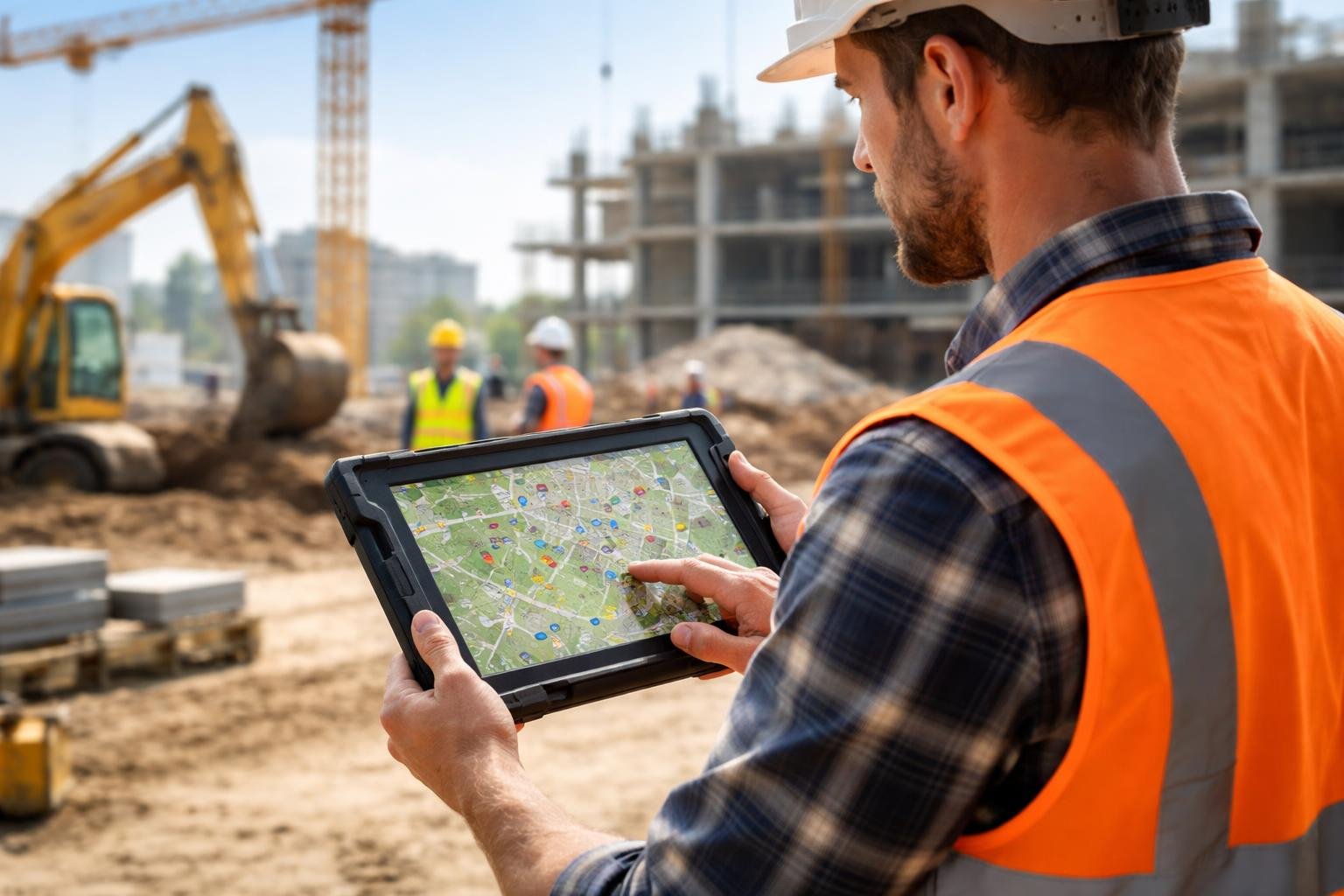
Construction GPS tracking systems use satellite technology and cellular networks to monitor heavy machinery, tools, and vehicles. This allows companies to protect assets, optimize equipment utilization, and lower costs.
These systems include hardware devices installed on equipment and software platforms that display tracking data for fleet managers. The decision to use GPS tracking involves understanding how it works, the benefits, and choosing devices that fit business needs.
This guide explains the technical aspects of construction GPS tracking, practical uses, and what to consider when selecting a solution.
How Construction GPS Tracking Works
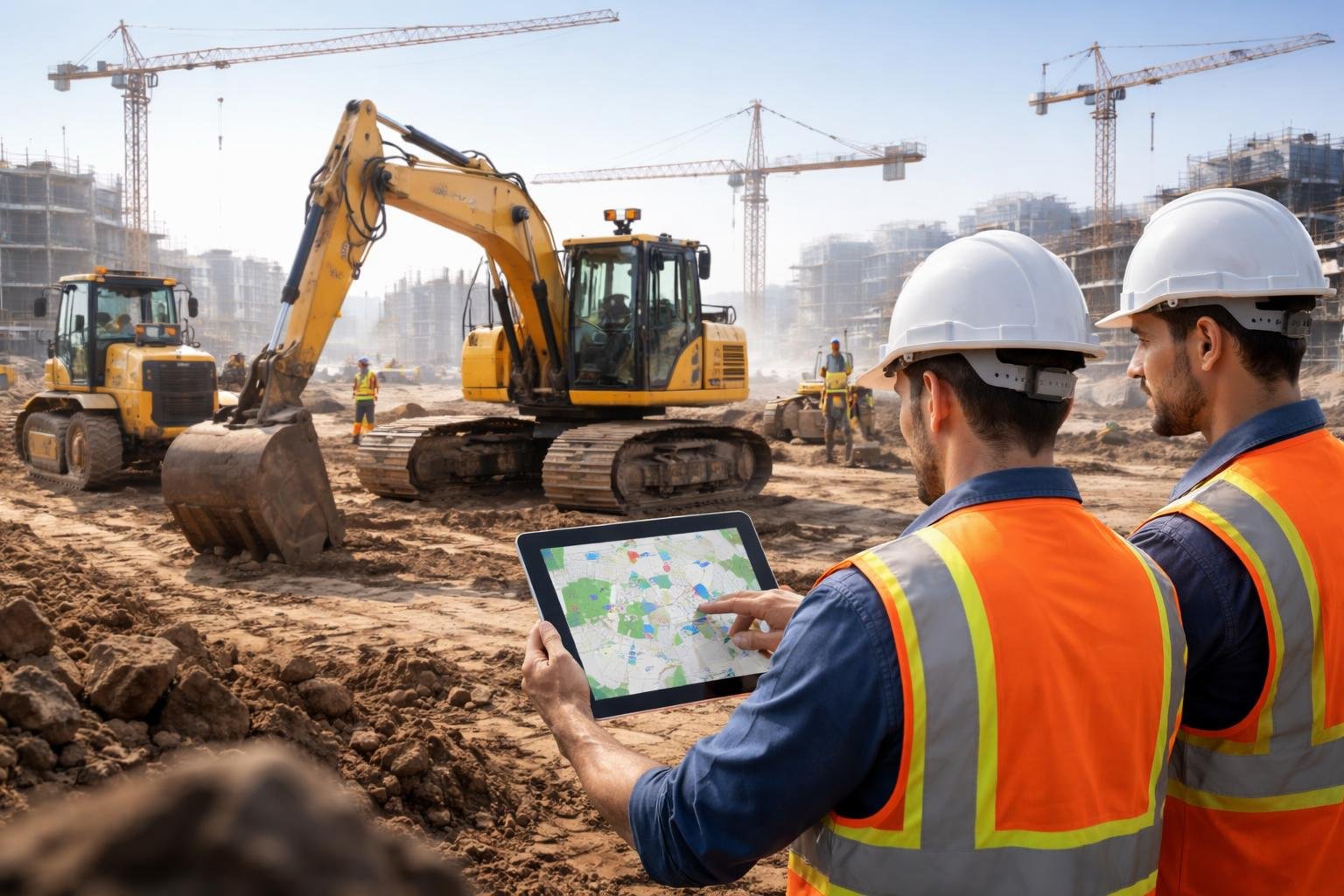
Construction GPS tracking combines satellite technology with cellular networks to monitor equipment and vehicle locations on job sites.
Hardware devices send live location data to cloud-based platforms.
GPS Tracking Technology Overview
GPS trackers get signals from satellites orbiting Earth to find their coordinates. Devices measure the time it takes for signals from at least four satellites to calculate their position.
Once the device knows its location, it sends this data through cellular networks to a central server. Companies access this information through web dashboards or mobile apps that show equipment on digital maps.
The technology works continuously, even in remote areas, though signal strength can change with terrain and weather. Most construction GPS tracking systems update location data every few seconds or minutes, depending on settings and battery life.
How Real-Time Location Tracking Functions
Real-time tracking processes position data as it happens. This gives managers instant visibility into asset movements.
The GPS device captures coordinates and sends them through cellular networks to cloud servers. Fleet management interfaces update instantly.
Teams receive live data showing equipment status, movement, and current positions. Managers can check if machinery is at the right site, track transit times, and react quickly to unexpected asset movements.
The system records historical movement patterns along with current positions. Geofencing lets companies set virtual boundaries, triggering alerts when equipment enters or leaves certain areas.
Types of GPS Tracking Devices Used in Construction
Construction companies use several types of devices depending on equipment and needs:
Hardwired GPS Trackers connect to vehicle electrical systems and use the equipment battery. These are for long-term use on trucks, excavators, and powered machinery.
Battery-Powered Trackers work independently and are ideal for unpowered assets like trailers, containers, and tools. Battery life ranges from weeks to years, depending on how often they report data.
Plug-In Devices fit into OBD-II ports on vehicles and provide GPS tracking and telematics data. They install quickly and need no professional setup.
Solar-Powered Units use solar charging for longer battery life. They are best for equipment stored outdoors or assets rarely kept inside.
Key Benefits of Construction GPS Tracking
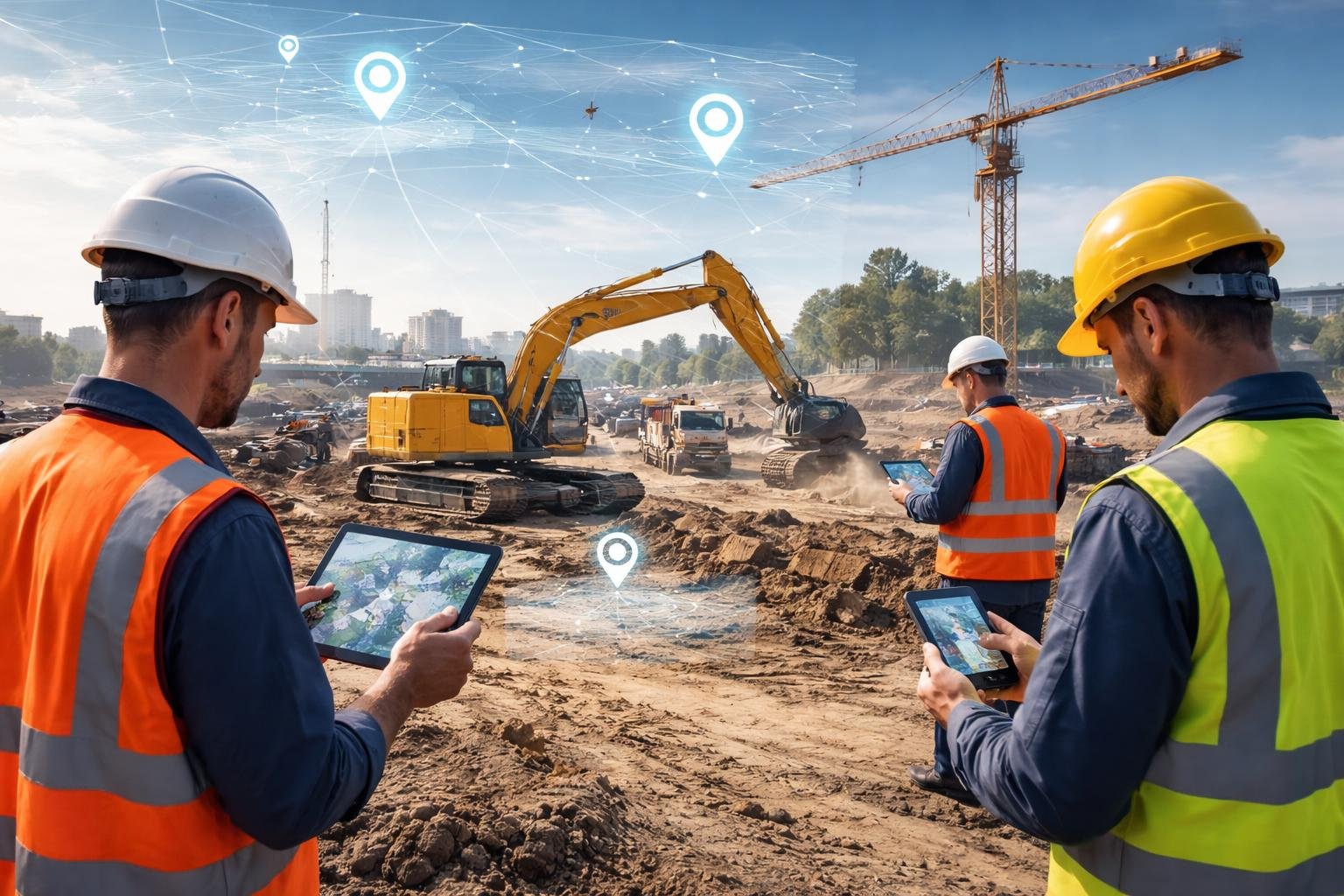
GPS tracking systems improve equipment management, security, and efficiency for construction companies. These technologies provide real-time data that helps businesses cut costs, prevent losses, and use assets more effectively.
Asset Visibility and Utilization Monitoring
GPS tracking gives construction companies full visibility into equipment locations. Real-time asset tracking removes the need for manual searches across job sites.
Utilization monitoring shows how much each piece of equipment is used. The system tracks hours, idle time, and movement to identify underused assets.
This data helps managers decide whether to redeploy equipment, sell unused machinery, or change rental plans. Asset utilization data also highlights scheduling problems.
If a GPS system shows an excavator is idle most of the time, managers can move it to another project or cancel rentals. Companies can also track fuel efficiency and spot equipment that needs maintenance or replacement.
Theft Prevention and Recovery
Construction equipment theft costs the industry billions each year. GPS tracking deters theft because equipment can be monitored and located remotely.
When equipment is stolen, GPS tracking speeds up recovery. Companies can give police the exact location, not just a description.
Many stolen assets are recovered within hours. GPS systems also detect unauthorized movement outside working hours.
If equipment moves late at night, the system sends an alert. This allows companies to act quickly and often stop theft before equipment leaves the area.
Real-Time Alerts and Geofencing
Geofencing sets virtual boundaries around work zones. When equipment enters or leaves these areas, the system sends alerts to managers.
This helps prevent unauthorized use and tracks equipment transfers between sites. Real-time alerts also notify managers about:
- Unauthorized movement during off-hours
- Geofence breaches
- Maintenance needs based on usage
- Low battery or device tampering
Geofence alerts can be customized for different equipment and projects. High-value equipment can have tighter zones than vehicles that travel between sites.
Worksite Productivity and Efficiency
GPS data shows accurate clock-in and clock-out times linked to specific locations. This stops disputes about hours worked and matches payroll to actual activity.
Time tracking with GPS prevents off-site clock-ins and confirms workers are at assigned locations. Equipment deployment becomes more efficient with location and usage data.
Managers can spot which sites need more machinery and which have too much. This reduces rental costs and downtime.
Maintenance scheduling improves when based on real equipment usage. GPS systems track engine hours to trigger service reminders at the right time.
Preventive maintenance based on usage extends equipment life and cuts down on breakdowns.
Applications and Use Cases
GPS tracking systems help construction operations in many ways, from monitoring vehicles to managing equipment life cycles. These technologies provide real-time data that improves operational control and resource allocation.
Fleet Vehicle Tracking
Fleet tracking lets companies monitor all company vehicles in real time. Managers can see where trucks and service vehicles are during the workday.
This helps optimize routes and cut fuel costs. GPS systems also track vehicle speed, idle time, and distance traveled.
Companies can spot inefficient driving and address it with driver coaching. Geofencing capabilities alert supervisors when vehicles enter or leave job sites, creating a record of arrival and departure times.
Fleet tracking also increases accountability by creating an audit trail of vehicle use. Companies can check that vehicles are used for work during business hours.
If theft happens, GPS coordinates help police recover vehicles quickly and reduce losses.
Heavy Equipment and Asset Management
GPS tracking monitors the location and use of bulldozers, excavators, cranes, and other valuable equipment. Real-time data prevents equipment loss and speeds up recovery after theft.
Utilization metrics show how often equipment is used versus sitting idle. This helps companies decide if they have the right mix of owned and rented equipment.
Underused assets can be moved to other sites or removed from the fleet. Asset management systems track equipment across multiple job sites at once.
Project managers can quickly find available machinery, saving time. Geofencing alerts notify supervisors if equipment leaves authorized areas, providing fast theft detection.
Maintenance Scheduling and Preventive Maintenance
GPS systems automate maintenance by tracking equipment hours and operating conditions. Platforms send alerts when machinery reaches service intervals, ensuring timely maintenance.
Preventive maintenance reduces breakdowns and delays. Servicing equipment before failures occur extends asset life and keeps resale values high.
Maintenance records stored in GPS platforms provide documentation for warranties and compliance. The systems also track repair history, helping managers spot equipment that needs frequent repairs.
This data helps with replacement decisions and can show if more operator training is needed.
Types of Construction GPS Tracking Devices
Construction sites need different tracking solutions depending on equipment, power, and operations. The main types include hardwired systems, portable battery units, rugged devices for tough conditions, and beacon-based trackers for special needs.
Wired and Hardwired Trackers
Hardwired trackers connect to the equipment's electrical system or CAN bus. They are best for powered machinery like excavators, loaders, and bulldozers.
These devices use the equipment's power, so batteries do not need replacing. Installation needs a professional, but tracking is continuous with no interruptions.
Hardwired units can capture engine diagnostics, hours, and fuel use along with location data. The CAN bus connection allows advanced monitoring features.
This makes wired trackers ideal for high-value assets that operate often.
Battery-Powered and Hidden GPS Trackers
Battery-powered trackers are flexible and do not need electrical connections. They attach magnetically or mount discreetly on trailers, generators, and equipment without power.
A hidden GPS tracker protects against theft by being placed out of sight. The LandAirSea 54 is an example, with a compact design and strong magnet.
Battery life ranges from weeks to years, depending on how often they update. Managers must balance reporting intervals with battery life to keep coverage without frequent recharging.
Rugged and Durable GPS Trackers
Construction environments demand devices that withstand vibration, impacts, dust, and weather exposure. A rugged GPS tracker has protective housing rated IP67 or higher for water and dust resistance.
IP67 certification means the device can survive temporary water immersion and is fully protected from dust. This is essential for jobsite conditions.
Reinforced casings shield internal electronics from drops and heavy vibrations. These hazards are common with construction equipment.
Durability also means the device works in extreme heat and freezing temperatures. Weatherproof designs stop moisture damage that would quickly disable regular tracking devices.
Beacons and Advanced Tracking Solutions
Beacons use Bluetooth Low Energy or other short-range technologies to track smaller tools and assets. These compact devices attach to hand tools, power equipment, and supplies that move frequently.
Advanced tracking solutions combine GPS with Wi-Fi positioning and satellite systems like Glonass and Beidou. This improves accuracy, especially where GPS signals are weak, such as inside buildings or urban areas.
Some beacon systems work with asset management platforms. This gives visibility across tools, materials, and heavy equipment in one place.
Core Features to Consider
GPS tracking systems vary widely in capabilities and performance. Construction companies need features for equipment security, efficiency, and regulatory compliance.
Tracking Accuracy and Reporting Frequency
Tracking accuracy shows how precisely a GPS system pinpoints equipment location. Most commercial systems are accurate within 5-10 meters under clear skies, but metal structures and dense areas can affect signals.
Reporting frequency controls how often devices send location data. Real-time tracking updates every 10-60 seconds while equipment is in use.
Some systems switch to longer intervals during idle times to save battery. High-value assets benefit from frequent updates, while basic tracking with 5-minute intervals is enough for stationary or rarely moved tools.
Mobile App Functionality
A mobile app lets field personnel track equipment from smartphones or tablets. Managers can check locations, utilization rates, and receive theft alerts on the go.
Good apps provide geofencing, which sends notifications when equipment enters or leaves set areas. This helps prevent unauthorized removal.
Historical route playback shows where assets traveled during certain times. The interface should display multiple assets on a map, with filters for equipment type, status, or location.
Push notifications alert users to critical events without constant monitoring.
Equipment Monitoring and Location Sharing
Equipment monitoring tracks more than just location. Sensors can measure engine hours, fuel use, idle time, and maintenance needs.
This data helps prevent breakdowns and plan replacements. Location sharing allows office staff and field crews to coordinate.
Dispatchers can send the nearest equipment to new tasks. Project managers can share asset locations with subcontractors.
Some systems connect with inventory management platforms. This gives a unified view of tool and equipment availability across projects.
Automated reports track equipment use for billing and planning.
Safety, Compliance, and Video Telematics
Safety and compliance features monitor operator behavior and enforce company policies. Speed alerts notify managers when vehicles go too fast for job site conditions.
Harsh braking and acceleration events can signal safety issues. Video telematics combines GPS data with dashcam footage.
Cameras record driver behavior and road conditions during incidents. This protects companies from false accident claims and highlights driver safety improvement needs.
Some systems use key fobs or mobile devices for driver identification. This links operators to equipment use and safety events.
Compliance reporting automates documentation for OSHA and insurance audits.
Choosing the Right Construction GPS Tracking Solution
Selecting equipment tracking software means checking hardware compatibility, integration options, and pricing that fits your needs and budget.
Essential Criteria for Selection
Equipment tracking devices must be durable. Heavy equipment faces dust, moisture, extreme temperatures, and constant vibration, so trackers need rugged housings with IP67 or higher ratings.
Battery life is important for unpowered assets like trailers and generators. Devices should offer at least 30 days of active tracking or several years in sleep mode.
Real-time location accuracy matters for actionable information. Most systems use cellular networks, but remote sites may need satellite connectivity.
Update intervals of 10 seconds to 5 minutes work best for active monitoring. Hourly updates are enough for stationary assets.
Geofencing prevents unauthorized equipment movement. The best systems allow custom boundaries and adjustable sensitivity to reduce false alarms.
Motion sensors detect unauthorized startups or towing, even within approved zones.
Integrations and Software Compatibility
GPS tracking integrations help location data fit into existing workflows. Construction management platforms like Procore, Buildertrend, and CoConstruct should connect directly with tracking systems.
Accounting software integration enables automatic billing based on equipment hours. Fleet management systems benefit from tracker compatibility with telematics platforms that monitor diagnostics, fuel use, and maintenance.
API access allows custom integrations with proprietary software. Pre-built connectors save time and reduce technical work.
Mobile apps should support offline map caching for areas with poor connectivity. Multi-user access with role-based permissions ensures everyone sees the right information without security risks or data overload.
Subscription Plans and Cost Considerations
Subscription plans usually range from $15 to $40 per device each month. Annual prepayment discounts of 10-20% are often available.
Volume pricing starts at 10, 25, 50, and 100+ devices. This can reduce per-unit costs by up to 40% for larger fleets.
Hardware can be bought outright for $80 to $300 per tracker. Some providers offer bundled pricing with monthly fees.
Contract terms range from month-to-month flexibility to multi-year commitments. Shorter contracts cost more each month but make it easier to switch if needs change.
There may be activation fees, cancellation penalties, and data overage charges. These extra costs can increase the total expense.
Feature tiers separate basic location tracking from advanced analytics and maintenance alerts. Companies should choose features based on their actual needs.
Basic tracking works well for theft prevention. More advanced features like route optimization and engine diagnostics are found in premium plans.