Electrical Fleet Cost Reduction: Proven Strategies for Commercial Operations in 2026
How to start saving money
Lorem ipsum dolor sit amet, consectetur adipiscing elit lobortis arcu enim urna adipiscing praesent velit viverra sit semper lorem eu cursus vel hendrerit elementum morbi curabitur etiam nibh justo, lorem aliquet donec sed sit mi dignissim at ante massa mattis.
- Neque sodales ut etiam sit amet nisl purus non tellus orci ac auctor
- Adipiscing elit ut aliquam purus sit amet viverra suspendisse potent
- Mauris commodo quis imperdiet massa tincidunt nunc pulvinar
- Excepteur sint occaecat cupidatat non proident sunt in culpa qui officia
Why it is important to start saving
Vitae congue eu consequat ac felis placerat vestibulum lectus mauris ultrices cursus sit amet dictum sit amet justo donec enim diam porttitor lacus luctus accumsan tortor posuere praesent tristique magna sit amet purus gravida quis blandit turpis.

How much money should I save?
At risus viverra adipiscing at in tellus integer feugiat nisl pretium fusce id velit ut tortor sagittis orci a scelerisque purus semper eget at lectus urna duis convallis. porta nibh venenatis cras sed felis eget neque laoreet suspendisse interdum consectetur libero id faucibus nisl donec pretium vulputate sapien nec sagittis aliquam nunc lobortis mattis aliquam faucibus purus in.
- Neque sodales ut etiam sit amet nisl purus non tellus orci ac auctor
- Adipiscing elit ut aliquam purus sit amet viverra suspendisse potenti
- Mauris commodo quis imperdiet massa tincidunt nunc pulvinar
- Adipiscing elit ut aliquam purus sit amet viverra suspendisse potenti
What percentege of my income should go to savings?
Nisi quis eleifend quam adipiscing vitae aliquet bibendum enim facilisis gravida neque. Velit euismod in pellentesque massa placerat volutpat lacus laoreet non curabitur gravida odio aenean sed adipiscing diam donec adipiscing tristique risus. amet est placerat in egestas erat imperdiet sed euismod nisi.
“Nisi quis eleifend quam adipiscing vitae aliquet bibendum enim facilisis gravida neque velit euismod in pellentesque”
Do you have any comments? Share them with us on social media
Eget lorem dolor sed viverra ipsum nunc aliquet bibendum felis donec et odio pellentesque diam volutpat commodo sed egestas aliquam sem fringilla ut morbi tincidunt augue interdum velit euismod eu tincidunt tortor aliquam nulla facilisi aenean sed adipiscing diam donec adipiscing ut lectus arcu bibendum at varius vel pharetra nibh venenatis cras sed felis eget.
Fleet operators are under pressure to cut costs and meet sustainability goals. Electrical fleets offer a solution to both challenges.
Electric vehicles deliver lower total cost of ownership compared to internal combustion engine vehicles. This is due to reduced fuel expenses, lower maintenance needs, and available tax incentives.
The financial advantage of fleet electrification grows as battery technology improves. Electricity rates for commercial charging are also becoming more competitive.
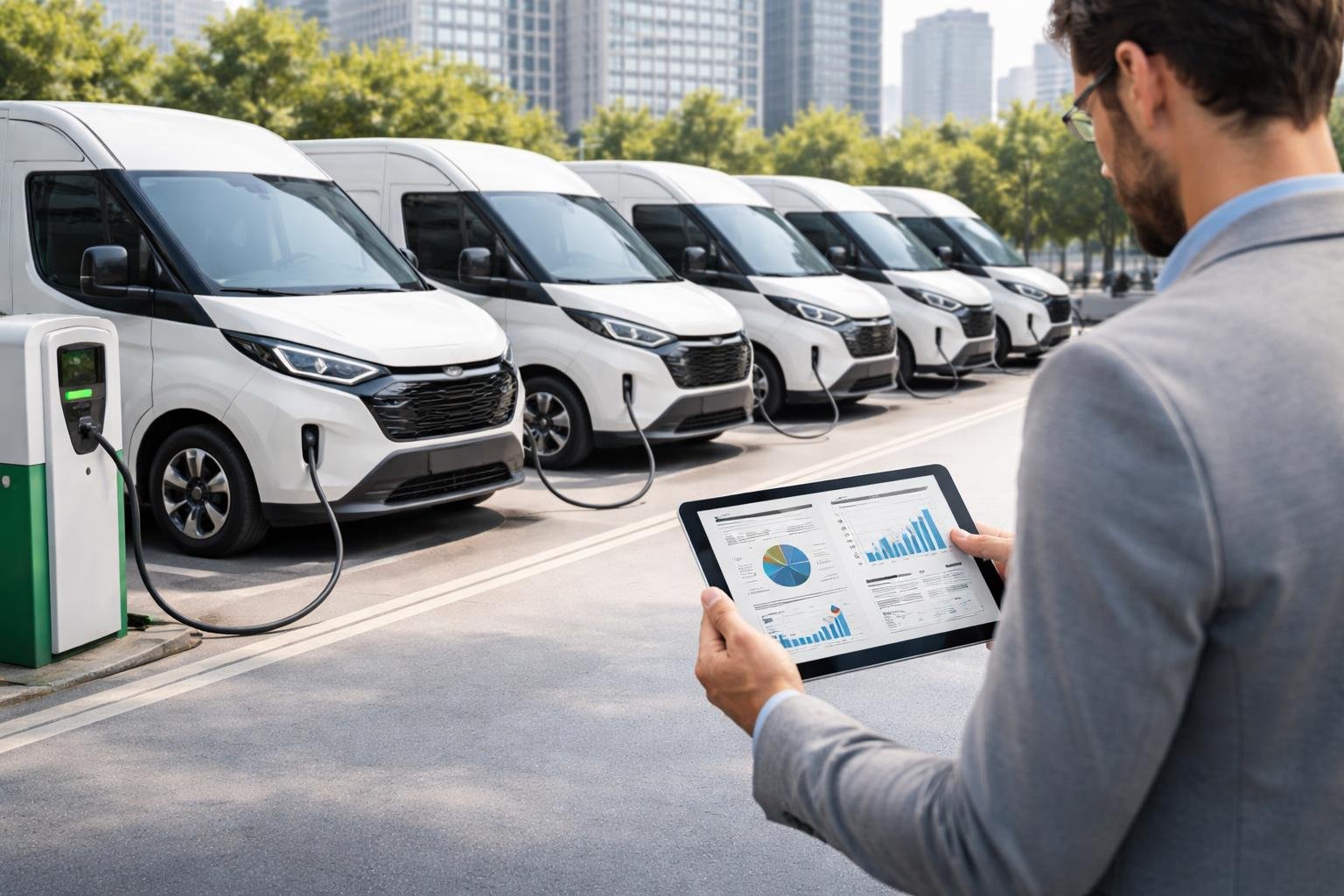
Switching to electrical fleets requires careful planning across several cost areas. These include vehicle acquisition, charging infrastructure, daily operations, and maintenance.
Fleet managers must understand how vehicle selection, charging strategies, and operational practices affect costs. Small changes in utilization rates, driver behavior, and maintenance schedules can lead to large annual savings.
Understanding Electrical Fleet Cost Structure

Electric fleet costs include more than just purchase prices. They also cover charging infrastructure, energy expenses, maintenance, and residual values.
Fleet managers need to analyze both visible and hidden costs. This helps project financial performance and compare electric vehicles with conventional options.
Direct and Indirect Fleet Costs
Direct costs are easy to track and measure. They include vehicle acquisition, charging installation, electricity, insurance, and routine maintenance.
Electric vehicles often have higher purchase prices than conventional vehicles, but this gap is shrinking. Indirect costs are less obvious but still important.
These include driver training, software systems for charge management, downtime during installation, and administrative overhead. Fleet managers should also consider opportunity costs when vehicles charge during peak hours.
Depreciation patterns are different for electric and conventional fleets. Battery concerns once caused faster depreciation, but better battery life and warranties have improved residual values.
Total Cost of Ownership Explained
Total cost of ownership (TCO) covers all expenses over a vehicle’s life. This includes purchase price, charging infrastructure, energy costs, maintenance, insurance, incentives, and residual value.
TCO analysis shows electric vehicles often have lower lifetime costs, even with higher upfront prices. Vehicles with high annual mileage reach TCO parity faster.
TCO is usually calculated over five to ten years, depending on how long vehicles are kept. Infrastructure costs are spread across the fleet, making the economics better as fleet size grows.
Key Cost Contributors in Electrified Fleets
Energy costs replace fuel expenses but have different pricing. Electricity rates change by time of day, so charging during off-peak hours lowers costs.
Demand charges can increase expenses if many vehicles charge at once. Maintenance costs are lower because electric vehicles don’t need oil changes, transmission services, or exhaust repairs.
Regenerative braking extends brake life, though tire wear can be higher due to vehicle weight. Charging infrastructure is a major upfront cost.
Level 2 chargers can cost a few thousand dollars, while DC fast charging stations may exceed $100,000, depending on site needs.
Core Strategies for Electrical Fleet Cost Reduction

Electric fleet operators can cut costs by managing fuel, optimizing maintenance, and planning routes. These strategies target the biggest expenses and help keep vehicles on the road.
Fuel Management and Efficiency
Electric fleets don’t have traditional fuel costs, but electricity expenses need careful management. Charging during off-peak hours, when rates are 30-50% lower, saves money.
Time-of-use optimization can save $800-1,200 per vehicle each year.
Key electricity management tactics include:
- Installing chargers with smart meters and load management
- Using telematics to monitor energy use
- Analyzing driver habits for inefficient acceleration and braking
- Setting charging protocols for vehicles with immediate needs
Fleet management software tracks energy use per vehicle and route. This data highlights vehicles or drivers with high consumption, allowing targeted improvements.
Driver training on regenerative braking and efficient acceleration can boost energy economy by 10-15%. Fuel card controls for electric charging networks provide spending visibility and prevent unauthorized use.
These systems offer detailed reports showing when and where charging occurs, helping spot cost reduction opportunities.
Preventive and Predictive Maintenance
Electric vehicles need 40% less maintenance than combustion engines. Preventive maintenance ensures batteries, cooling systems, and electrical parts get timely service.
Regular inspections catch small problems early, costing $200-500 to fix instead of $3,000-8,000 for major repairs. Predictive maintenance uses telematics and diagnostics to forecast failures.
Battery management systems track cell health, temperature, and charging cycles. This helps prevent unexpected downtime, which can cost $500-1,500 per day per vehicle.
Essential maintenance program elements:
ComponentInspection IntervalCost ImpactBattery healthMonthlyPrevents 60% capacity loss issuesBrake systemsEvery 6,000 milesExtends pad life 2-3xCooling systemsQuarterlyAvoids $4,000+ repairsTire pressureWeeklyImproves range 3-5%
Maintenance software automates scheduling and tracks service history. This ensures all vehicles get needed inspections and helps refine intervals based on real wear patterns.
Route Optimization Techniques
Route optimization software cuts energy use and extends range by finding the most efficient routes. Advanced tools consider elevation, traffic, and charging locations.
Fleets often see 12-18% range improvements with optimized routing. Real-time adjustments respond to traffic, weather, and delivery changes.
These updates prevent vehicles from wasting energy in traffic. Telematics integration gives drivers turn-by-turn guidance for energy-efficient routes.
Grouping stops by location reduces total distance and keeps vehicles within optimal range. This avoids range anxiety and cuts the need for mid-route charging. Route optimization also helps consolidate deliveries, reducing the number of vehicles needed.
Optimizing Vehicle Utilization and Fleet Right-Sizing
Electric fleet operators save money by making sure each vehicle is used effectively. Right-sizing removes surplus vehicles and utilization monitoring cuts waste from underused assets.
Fleet Right-Sizing and Utilization
Right-sizing means operating only the vehicles needed to meet service demands. Fleet management platforms track vehicle utilization by daily mileage, hours in service, and trip frequency.
Many fleets find that 15-30% of vehicles are underused. Usage patterns over 90 days help identify assets to remove.
Vehicles used less than 4 hours per day or covering less than 40% of their range are candidates for right-sizing.
Key utilization metrics include:
- Daily active hours vs. available hours
- Miles driven vs. maximum range
- Payload used per trip
- Number of routes per vehicle
Right-sizing may involve reducing fleet size, reallocating vehicles, or adjusting vehicle types. This cuts costs for leases, insurance, maintenance, and charging infrastructure.
Idle Time Reduction and Control
Idle time should be minimized by setting clear deployment and return schedules. Electric vehicles sitting at charging stations or depots without being used tie up capital.
Fleet managers can set targets for minimum daily service hours or mileage. Telematics systems send alerts for vehicles below thresholds for three weeks, prompting redeployment or removal.
Operational efficiency rises when dispatchers see vehicle availability and charge status in real time. Scheduling software matches vehicle range to route needs, so fully charged vehicles are used efficiently.
Cutting idle time from 60% to below 40% of fleet hours can reduce total fleet size by 20-25%, while keeping service levels steady.
Enhancing Cost Savings Through Driver Performance
Driver performance affects electrical fleet costs through energy use, vehicle wear, and maintenance needs. Monitoring and targeted training can cut energy waste by 10-30% and extend battery life.
Driver Training and Monitoring Programs
Effective training teaches drivers about regenerative braking, smooth acceleration, and energy-efficient habits. Operators learn how to maximize range and use regenerative systems during deceleration.
Real-time monitoring tracks driver behavior like hard braking, rapid acceleration, and idling. Fleet managers can spot costly driving habits and give targeted feedback.
Regular refresher courses and performance reviews help drivers keep good habits. Some organizations use incentives for drivers who maintain low energy use per mile.
Data-Driven Driver Behavior Improvement
Analytics platforms collect data to find specific cost drivers in fleet operations. Reports show energy use per driver, route efficiency, and charging habits.
Cost per mile analysis highlights which drivers cause higher expenses. Fleet managers use this data to focus training where it has the biggest impact.
Continuous feedback between data systems and coaching programs improves fleet efficiency. Organizations using data-driven programs often see 15-25% lower energy costs within six months.
Cutting Overhead: Technology, Administration, and Insurance
Overhead costs in electric fleet operations include more than fuel and repairs. Investments in technology, better administrative processes, and smart insurance management can cut total operating costs by 15-25% without reducing service quality.
Implementing Fleet Management Technology
Fleet management software centralizes vehicle tracking, maintenance scheduling, and driver behavior monitoring. These systems help reduce fuel consumption by 10-15% through route optimization and idle time reduction.
Real-time GPS tracking lets dispatchers assign the nearest vehicle to emergency calls. This reduces response times and unnecessary mileage.
Automated work orders remove manual paperwork and reduce administrative time spent on maintenance tracking. When a vehicle reaches set mileage intervals, the system automatically generates service requests.
This prevents missed maintenance windows that can lead to costly breakdowns. The implementation timeline for fleet management technology usually spans 60-90 days.
Initial setup includes vehicle hardware installation, driver training, and data integration with existing systems. Most electrical contractors see positive ROI within 6-8 months through reduced fuel costs and better vehicle utilization.
Digital tools also capture indirect costs that manual tracking can miss. These include driver downtime during repairs, emergency parts premiums, and compliance documentation overhead.
Visibility into these expenses reveals opportunities for ongoing improvement.
Reducing Administrative Overhead
Administrative overhead in fleet operations takes up 8-12% of total fleet budgets. Paper-based processes for fuel receipts, maintenance records, and driver logs require significant staff time for data entry and filing.
Digital expense tracking cuts processing time by 70% and improves accuracy. Automated reporting eliminates hours spent compiling monthly fleet performance data.
Fleet management platforms create customized reports on fuel efficiency, maintenance costs per vehicle, and utilization rates without manual calculations.
Key Administrative Cost Reduction Areas:
- Fuel card integration - Automatic expense capture removes receipt processing
- Maintenance vendor portals - Direct invoice uploads reduce data entry
- Digital driver logs - Automated hours tracking reduces paperwork
- Centralized documentation - Single system access saves search time
Standardized processes across the fleet reduce training time for new administrative staff. Clear work order protocols and approval workflows help prevent duplicate entries and billing errors.
Managing Insurance Premiums and Risk
Insurance premiums make up 10-15% of total fleet costs for electrical contractors. Carriers set rates based on accident frequency, claim severity, and driver records.
Installing dash cameras can reduce premiums by 15-20% and provide evidence against fraudulent claims. Driver safety training programs lower accident rates and show risk management to insurers.
Contractors who use quarterly safety training often see premium reductions of 10-12% at renewal. Monitoring systems that track harsh braking, rapid acceleration, and speeding help identify high-risk drivers for additional coaching.
Vehicle age and type directly affect insurance costs. Newer vehicles with advanced safety features qualify for lower rates than older fleet trucks.
Strategic vehicle replacement schedules balance acquisition costs with insurance savings.
Insurance Cost Reduction Strategies:
StrategyTypical SavingsImplementation CostDash camera installation15-20% premium reduction$200-400 per vehicleDriver safety program10-12% premium reduction$500-1,000 annuallyTelematics monitoring8-15% premium reductionIncluded with fleet softwareFleet safety policy5-10% premium reductionAdministrative time only
Regular insurance policy reviews help identify coverage gaps and redundancies. Bundling fleet insurance with general liability and workers compensation can yield 5-8% multi-policy discounts.
Electrical Fleet Electrification and Charging Infrastructure Decisions
Fleet electrification requires careful infrastructure planning. The right charging solutions depend on vehicle duty cycles, available power capacity, and phased deployment strategies.
Strategizing Fleet Electrification Transitions
Fleet managers must analyze vehicle utilization patterns and route requirements before setting electrification timelines. Vehicles with predictable routes and consistent return-to-base schedules are the best candidates for initial conversion.
Key Assessment Factors:
- Daily mileage needs and energy use per route
- Dwell time available for charging between shifts
- Power grid capacity at depot locations
- Total cost of ownership projections over 5-10 years
Implementation should focus on vehicle classes where electric alternatives offer the clearest cost advantages. Light-duty delivery vehicles and shuttle buses usually deliver faster payback periods than heavy-duty trucks.
Fleet operators should coordinate with utility providers early. This helps them understand demand charges, time-of-use rates, and available incentive programs that affect infrastructure costs.
Selecting and Deploying Charging Solutions
Depot charging infrastructure is central to fleet electrification. Level 2 chargers at 208-240V deliver 10-19 kW and work well for vehicles with 8+ hour overnight dwell times.
DCFC systems provide 50-350 kW for rapid charging when faster turnaround is needed.
Charger Selection Criteria:
Charger TypePower OutputBest Use CaseLevel 210-19 kWOvernight fleet chargingDC Fast Charging50-150 kWMid-day top-ups, heavy-duty vehiclesHigh-Power DC150-350 kWRapid turnaround operations
Fleet charging installations may require electrical upgrades, such as service panel expansions and transformer additions. Site assessments should identify electrical capacity constraints before making procurement decisions.
Phased Implementation and Infrastructure Planning
Depot charging infrastructure deployment works best in stages that match vehicle acquisition schedules. Initial phases test operational assumptions and help uncover unexpected challenges.
Phase one usually covers 10-20% of the fleet with matching charging stations. This lets operators refine energy management protocols and check power demand calculations.
Construction sequencing should consider permitting timelines, utility approvals, and contractor availability. Electrical infrastructure should be ready for future expansion beyond the first installations.
Conduit pathways, panel capacity, and site layouts must support doubling or tripling charging positions as electrification grows. Make-ready installations that pre-install electrical infrastructure lower per-unit costs for future charger additions.
Maintenance Optimization and Tire Management
Electric fleets need different maintenance approaches than diesel vehicles. There are opportunities to reduce costs through data-driven scheduling and specialized tire programs.
Battery-electric vehicles have unique wear patterns that require specific maintenance timing and tire management.
Maintenance Scheduling and Cost Reduction
Planned maintenance scheduling lowers operational costs by preventing breakdowns and extending vehicle service life. Fleet managers should set maintenance intervals based on manufacturer specifications, vehicle usage data, and maintenance history.
Electric vehicles usually need less frequent service than internal combustion engines. However, scheduled inspections are still important for brakes, suspension, and high-voltage systems.
Modern fleet management systems monitor vehicle diagnostics in real time. They automatically schedule maintenance based on actual operating conditions instead of fixed dates.
This approach prevents unnecessary service visits and catches problems before they cause downtime. Maintenance history analysis helps identify recurring issues and optimize service intervals for each vehicle type or duty cycle.
Proactive maintenance planning can cut emergency repair costs by 20-30% compared to reactive approaches. Fleet operators should track key metrics such as mean time between failures, maintenance cost per vehicle, and scheduled versus unscheduled repair ratios.
Tire Management for Electrified Fleets
Electric vehicles put more stress on tires because of their heavier batteries and strong, instant torque. This makes careful tire management essential for these fleets.
A good tire management program should track tread depth and schedule regular rotations. It should also use a tire pressure monitoring system (TPMS) to help extend tire life and keep energy use efficient.
Battery-electric vehicles can wear out tires 20-30% faster than similar diesel vehicles. Keeping tires properly inflated is important for both range and tire life.
Underinflated tires create more rolling resistance and wear out faster. Fleet managers should check tire pressure at least once a week.
TPMS data can help spot slow leaks or ongoing pressure problems. This allows for quick repairs and helps prevent unnecessary tire damage.
Tire rotation is usually done every 5,000 to 8,000 miles for electric vehicles. The exact schedule depends on the vehicle's weight and which wheels drive the car.
Analyzing tire costs and tread life helps decide when to replace tires. This ensures safety and keeps performance high.