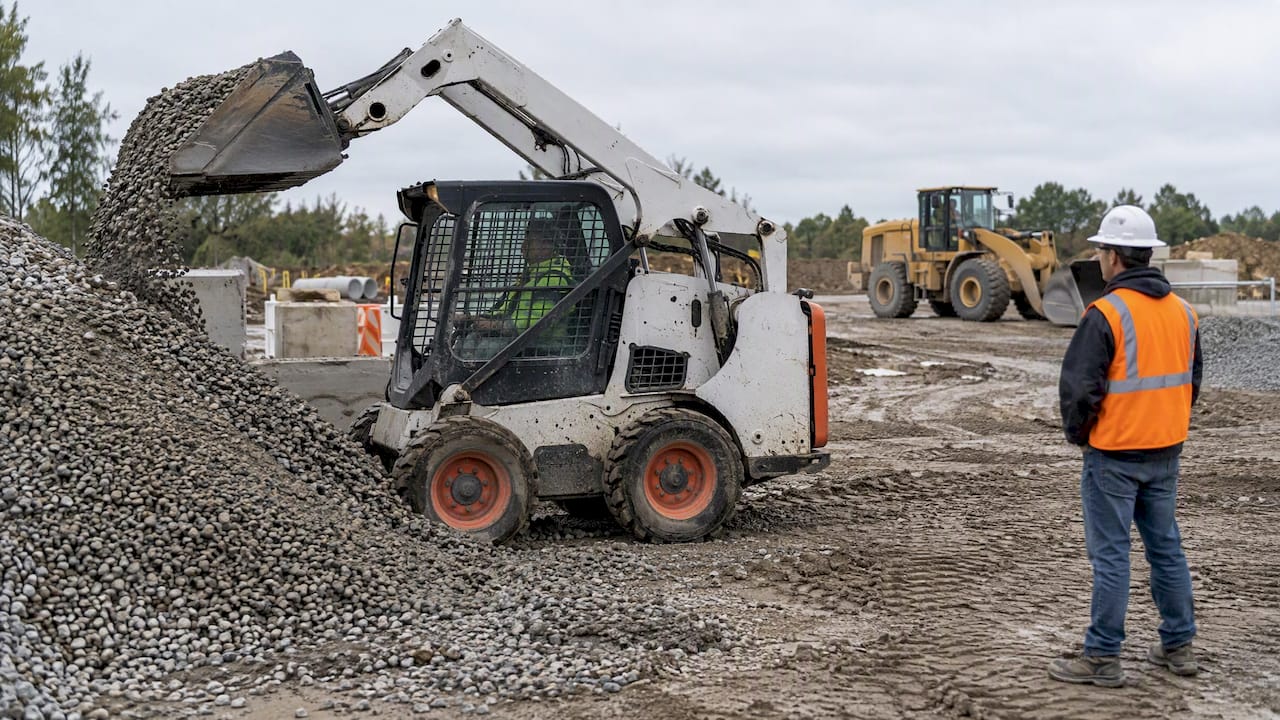
Vehicle Telematics Route Performance: Optimizing Fleet Efficiency Through Data Analytics
How to start saving money
Lorem ipsum dolor sit amet, consectetur adipiscing elit lobortis arcu enim urna adipiscing praesent velit viverra sit semper lorem eu cursus vel hendrerit elementum morbi curabitur etiam nibh justo, lorem aliquet donec sed sit mi dignissim at ante massa mattis.
- Neque sodales ut etiam sit amet nisl purus non tellus orci ac auctor
- Adipiscing elit ut aliquam purus sit amet viverra suspendisse potent
- Mauris commodo quis imperdiet massa tincidunt nunc pulvinar
- Excepteur sint occaecat cupidatat non proident sunt in culpa qui officia
Why it is important to start saving
Vitae congue eu consequat ac felis placerat vestibulum lectus mauris ultrices cursus sit amet dictum sit amet justo donec enim diam porttitor lacus luctus accumsan tortor posuere praesent tristique magna sit amet purus gravida quis blandit turpis.

How much money should I save?
At risus viverra adipiscing at in tellus integer feugiat nisl pretium fusce id velit ut tortor sagittis orci a scelerisque purus semper eget at lectus urna duis convallis. porta nibh venenatis cras sed felis eget neque laoreet suspendisse interdum consectetur libero id faucibus nisl donec pretium vulputate sapien nec sagittis aliquam nunc lobortis mattis aliquam faucibus purus in.
- Neque sodales ut etiam sit amet nisl purus non tellus orci ac auctor
- Adipiscing elit ut aliquam purus sit amet viverra suspendisse potenti
- Mauris commodo quis imperdiet massa tincidunt nunc pulvinar
- Adipiscing elit ut aliquam purus sit amet viverra suspendisse potenti
What percentege of my income should go to savings?
Nisi quis eleifend quam adipiscing vitae aliquet bibendum enim facilisis gravida neque. Velit euismod in pellentesque massa placerat volutpat lacus laoreet non curabitur gravida odio aenean sed adipiscing diam donec adipiscing tristique risus. amet est placerat in egestas erat imperdiet sed euismod nisi.
“Nisi quis eleifend quam adipiscing vitae aliquet bibendum enim facilisis gravida neque velit euismod in pellentesque”
Do you have any comments? Share them with us on social media
Eget lorem dolor sed viverra ipsum nunc aliquet bibendum felis donec et odio pellentesque diam volutpat commodo sed egestas aliquam sem fringilla ut morbi tincidunt augue interdum velit euismod eu tincidunt tortor aliquam nulla facilisi aenean sed adipiscing diam donec adipiscing ut lectus arcu bibendum at varius vel pharetra nibh venenatis cras sed felis eget.
Fleet managers face constant pressure to reduce costs while maintaining service quality. Vehicle telematics has emerged as a critical tool for achieving both goals.
Modern telematics systems combine GPS tracking, onboard sensors, and real-time data connectivity. These technologies provide detailed visibility into how routes perform in daily operations.
Vehicle telematics improves route performance by collecting and analyzing real-time data on vehicle location, driver behavior, traffic conditions, and fuel consumption. This data helps identify inefficiencies and supports data-driven optimization decisions.
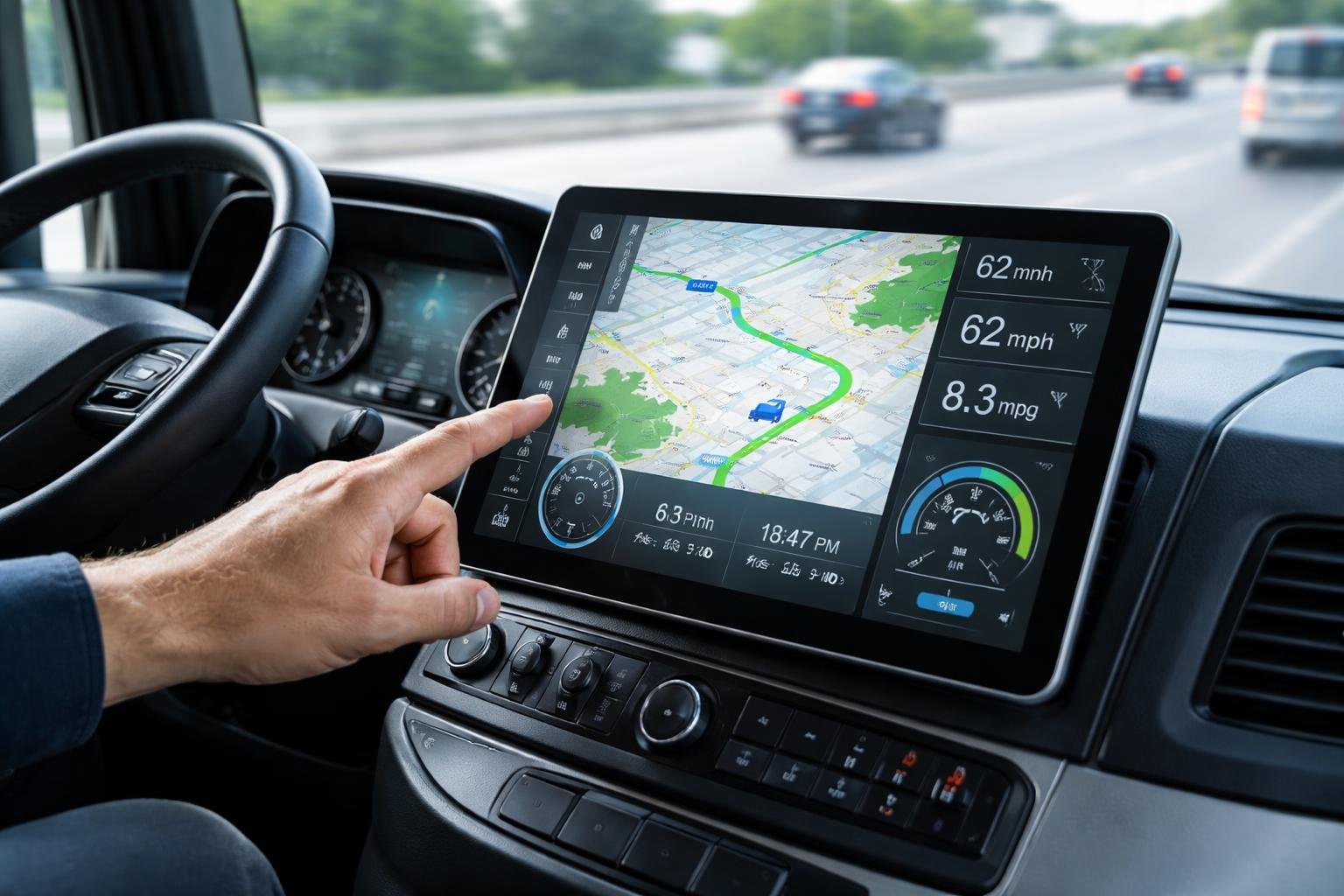
The technology delivers results across multiple operational areas. Telematics systems can improve fleet efficiency by monitoring delivery times, tracking idle periods, and identifying route deviations.
This data transforms route planning into a systematic process based on actual performance metrics. It moves organizations away from guesswork.
Understanding how telematics works and what it measures helps organizations address specific challenges. The technology goes beyond GPS tracking to include predictive maintenance, driver safety monitoring, and compliance documentation.
These capabilities reduce operational costs and improve service reliability. They also increase accountability across fleet operations.
Core Principles of Vehicle Telematics Route Performance
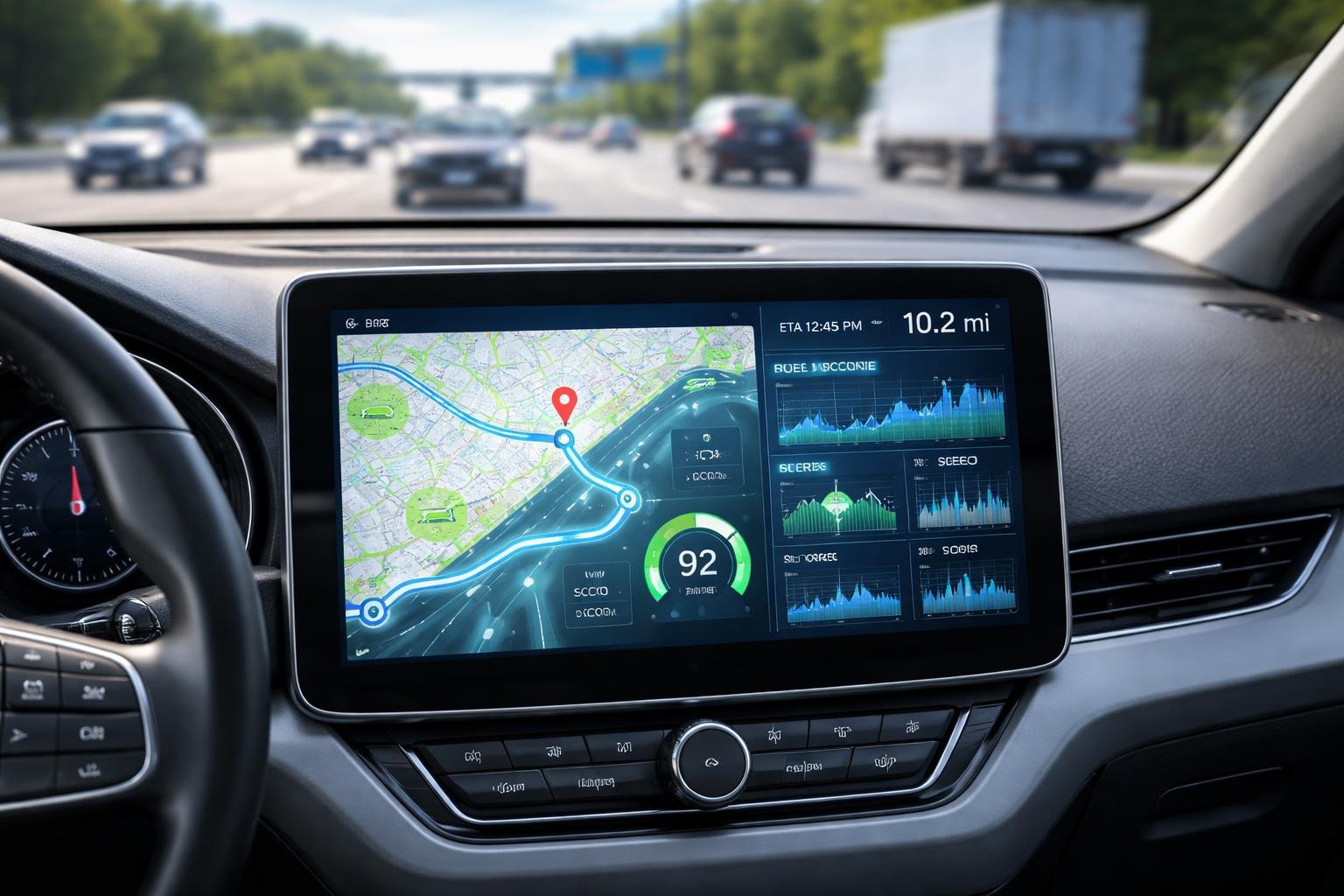
Vehicle telematics systems collect and transmit data from vehicles. This gives fleet managers real-time insights into route execution, driver behavior, and operational efficiency.
These systems capture specific metrics that help organizations measure and improve fleet performance.
Defining Vehicle Telematics and Route Performance
Vehicle telematics integrates GPS tracking, wireless communication, and onboard sensors. This allows remote monitoring of fleet operations.
The technology transmits vehicle data to centralized systems for analysis. It combines telecommunications with informatics.
Route performance measures how well vehicles follow their assigned paths while meeting delivery windows, fuel targets, and service standards. Telematics data enables comparison of actual versus planned performance.
Fleet management uses this information to spot route deviations, assess driver compliance, and track operational costs. Location data, vehicle diagnostics, and time stamps create a full picture of route execution.
How Telematics Systems Operate
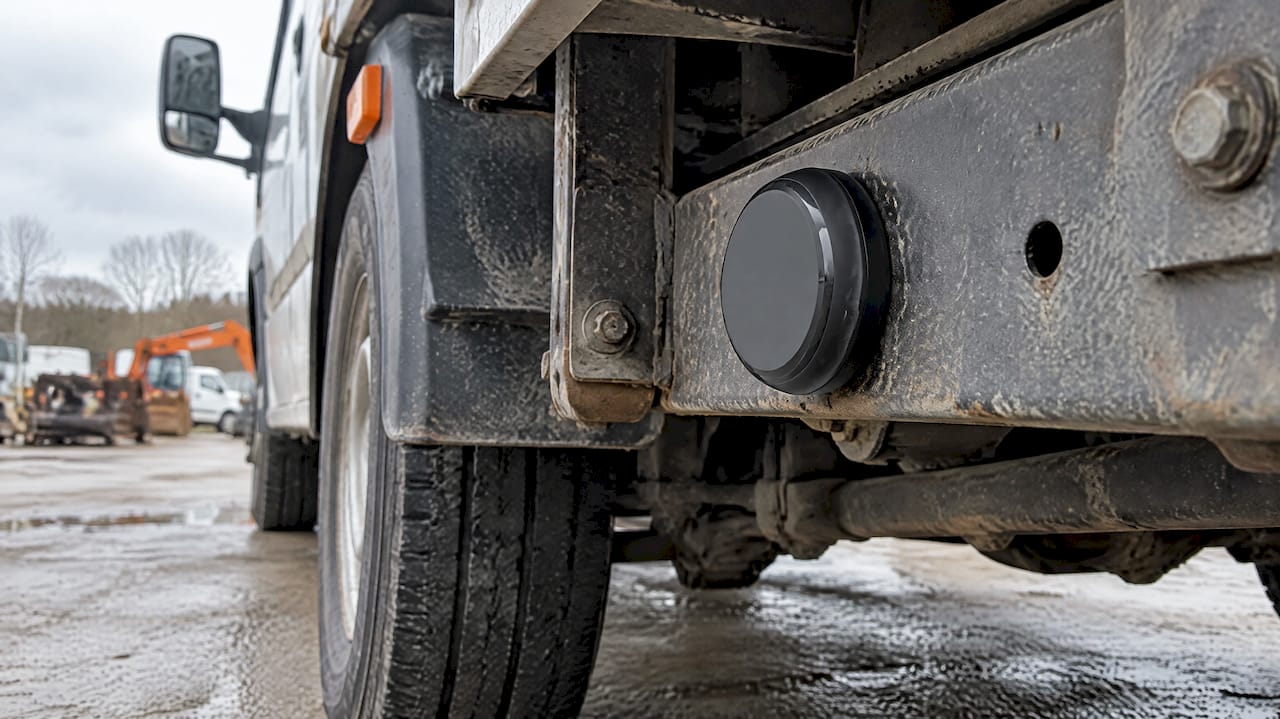
A telematics device in each vehicle collects data from the engine control unit, GPS satellites, and sensors. This device sends information through cellular or satellite networks to cloud-based platforms.
Real-time GPS tracking lets dispatchers monitor vehicle locations throughout the day. The system records position coordinates at set intervals, creating a trail of each vehicle’s movements.
Sensors monitor engine performance, fuel consumption, speed, and idle time. The telematics system also captures driver actions like acceleration, braking, and steering.
This data flows to analytics platforms that generate insights for route optimization.
Key Metrics Captured by Telematics
Fleet telematics systems track performance indicators that measure route quality.
Location and Time Metrics
- GPS coordinates and timestamps
- Arrival and departure times at stops
- Route adherence percentage
- Dwell time at each location
Vehicle Performance Data
- Fuel consumption per mile
- Engine diagnostics and fault codes
- Maintenance alerts and vehicle health
- Idle time duration
Driver Behavior Indicators
- Speed violations and harsh braking events
- Acceleration patterns
- Seatbelt usage
- Hours of service compliance
Operational Efficiency Measures
- Miles per delivery
- On-time performance rates
- Vehicle utilization percentages
- Overtime hours
These metrics help fleet managers calculate cost per route and identify inefficient driving patterns. They also allow benchmarking across drivers and vehicles.
Telematics Data Acquisition and Analysis
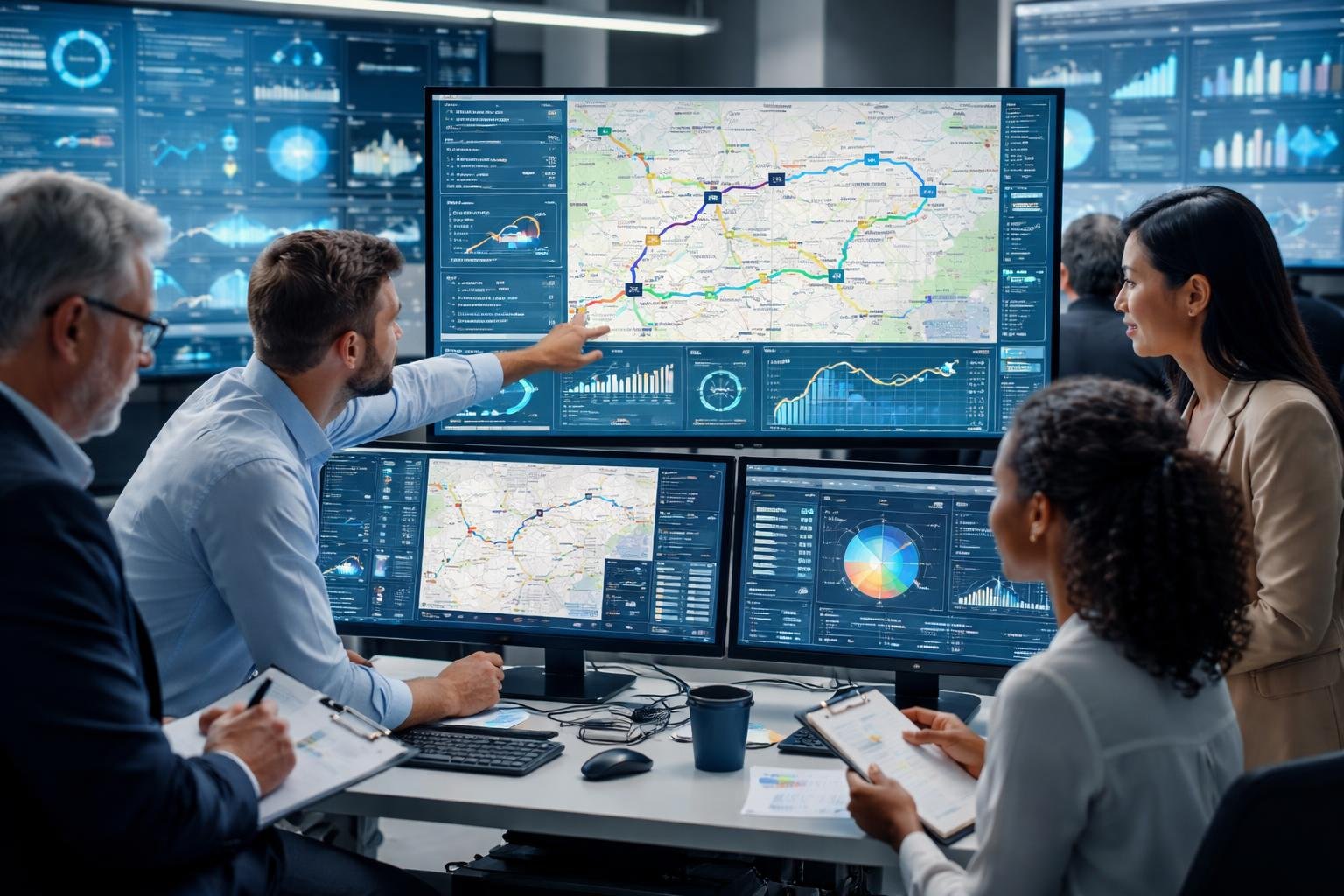
Effective route performance analysis depends on capturing vehicle data from multiple sources. The process includes data collection through onboard sensors, analysis of operational patterns, and presentation of findings in visual formats.
Primary Data Sources and Sensors
Modern telematics systems collect data using several technologies. GPS tracking provides location coordinates, speed readings, and movement patterns.
This GPS data enables real-time vehicle monitoring and helps reconstruct journey histories.
Engine diagnostics add important performance metrics. The OBD (On-Board Diagnostics) interface transmits information about fuel consumption, engine temperature, and efficiency.
Additional data streams from CAN bus and SAE J1939 protocols capture many parameters from vehicle subsystems.
Supplementary sensors expand data collection. Accelerometers detect harsh braking, rapid acceleration, and cornering. Fuel sensors monitor consumption rates at different speeds and loads.
Diagnostic trouble codes (DTCs) alert managers to mechanical issues before they become breakdowns.
Data Analytics and Interpretation
Raw telematics data needs processing to become useful. Data analytics platforms combine information from all sensors to find patterns in route efficiency, driver behavior, and vehicle health.
Machine learning algorithms can detect unusual patterns that indicate poor routes or maintenance needs. Real-time analysis enables immediate response to issues.
Fleet operators receive alerts when vehicles leave planned routes or when diagnostics point to problems. Historical analysis shows long-term trends in fuel use, idle time, and route duration.
Analysts connect data points to operational outcomes. They look for links between driver actions, route conditions, and performance metrics to find improvement opportunities.
Visualizations for Performance Insights
Dashboard displays turn complex data into easy-to-understand visuals. Heat maps show traffic congestion patterns. Timeline charts display how route times change throughout the day or week.
Common visualization types include:
- Route comparison charts – compare alternative paths side by side
- Fuel consumption graphs – track efficiency trends over time
- Driver scorecards – present behavioral metrics in ranked formats
- Maintenance alerts – show diagnostic codes and service needs
Geographic mapping overlays telematics data on actual road networks. These visuals highlight problem areas with delays or high fuel use.
Color-coded indicators show normal operations and situations needing attention. Trend charts track key metrics over days, weeks, or months.
Fleet managers can quickly see if route changes or driver training lead to improvements.
Route Optimization with Vehicle Telematics
Vehicle telematics makes route optimization a dynamic, data-driven process. Fleet managers can adjust routes in real time and improve delivery reliability through constant vehicle monitoring and traffic analysis.
Dynamic Route Planning and Adjustment
Telematics systems let fleet managers create adaptive routes that react to changing conditions. GPS tracking and sensors feed real-time data into algorithms that recalculate paths when traffic, road closures, or weather events happen.
The system monitors vehicle positions and compares progress to schedules. When delays occur, the software redistributes stops or suggests new paths to keep deliveries on time.
Fleet managers can also respond to urgent customer requests by finding the nearest available vehicle. The platform calculates the impact of changes on fuel use, driver hours, and delivery windows before making adjustments.
Real-Time Visibility and Predictive Optimization
Real-time visibility into vehicle locations, speeds, and statuses helps dispatchers monitor fleet productivity. Telematics platforms display live updates on driver progress, estimated arrival times, and possible delays.
Key visibility features include:
- Vehicle location tracking with frequent updates
- Driver behavior monitoring (speed, idle time, harsh braking)
- Traffic pattern analysis and congestion predictions
- Vehicle health diagnostics and fuel use rates
Real-time alerts notify managers when vehicles leave planned routes or when delays become too long. These notifications allow quick intervention.
The system also uses historical data to predict traffic patterns and best departure times. This helps maximize fleet efficiency.
Last-Mile and Delivery Performance
Last-mile delivery is the most expensive part of logistics. Telematics improves this segment by optimizing stop sequences based on delivery windows, customer priorities, and location.
Telematics data shows the real time spent at each stop, including parking and customer interaction. This detail improves future route planning and helps set realistic delivery expectations.
Fleet managers can identify stops that often cause delays and address the issues. Proof-of-delivery integration through mobile devices eliminates paperwork and provides real-time status updates to customers.
This transparency improves delivery reliability and reduces customer service calls.
Telematics Impact on Driver and Vehicle Performance
Telematics systems transform fleet operations by capturing real-time data on driver actions, vehicle conditions, and road events. This technology lets fleet managers spot unsafe behaviors and monitor vehicle health.
Analyzing Driving Patterns and Behavior
Telematics platforms track driving patterns that affect fuel use, vehicle wear, and safety. The systems monitor speeding, hard braking, and rapid acceleration through sensors and GPS.
Fleet managers get reports on when and where risky behaviors happen. A driver app can provide immediate feedback to drivers about their performance.
This real-time feedback helps companies identify which drivers need more training. The data also reveals patterns across different routes, times, and weather conditions.
Fleet operators can see if certain roads or schedules lead to more harsh driving events. This helps managers adjust routes, schedules, or assignments to lower risk.
Common monitored behaviors include:
- Excessive speed
- Harsh cornering
- Sudden acceleration
- Frequent hard braking
- Prolonged idling
Driver Safety and Risk Mitigation
Telematics systems help reduce accidents by identifying high-risk behaviors early. AI-powered dash cams and sensors detect distracted driving, drowsiness, and unsafe following distances.
An AI dash cam can alert drivers when they drift from their lane or get too close to another vehicle. These warnings help prevent accidents caused by lapses in attention.
Some systems also monitor mobile device use, a major cause of fleet accidents. The technology creates safety scores for each driver based on measurable criteria.
Fleet managers use these scores to target coaching and recognize safe drivers. Dash cam footage provides evidence for training, showing what happened during incidents.
When telematics data reveals issues across many drivers, managers can make company-wide policy changes or improve infrastructure.
Accountability and Transparency for Fleet Managers
Telematics creates accountability for drivers and fleet managers by collecting objective data. The system provides verifiable records of all fleet activities, removing disputes about vehicle usage and incident responsibility.
Fleet managers use dashboards to view driver performance metrics for their entire operation. This transparency helps with decisions about resource allocation, driver assignments, and vehicle maintenance.
Data from telematics protects drivers from false claims by providing documented evidence of their actions during specific times. Insurance companies often reduce premiums for fleets using telematics, as the data shows proactive risk management.
Recorded information also serves as protection during liability claims or legal proceedings.
Driver Performance Integration
Modern telematics systems combine driver performance data with other fleet management functions. These platforms link behavioral metrics with maintenance schedules, fuel costs, and route efficiency.
Fleet managers can see how specific driving patterns, like rapid acceleration, increase maintenance costs or fuel consumption. This information helps managers calculate the real cost impact of different driver performance levels.
The driver app gives operators access to their own metrics and goals. Many systems use gamification to encourage drivers to improve their safety scores.
Performance data also informs decisions about compensation, promotions, and recognition programs.
Maintenance, Compliance, and Operational Costs
Telematics systems affect a fleet's bottom line through automated maintenance scheduling, fuel tracking, and compliance monitoring. These features reduce unexpected breakdowns, lower fuel expenses, and help minimize regulatory violations.
Predictive and Preventive Maintenance with Telematics
Telematics moves vehicle maintenance from fixed schedules to data-driven strategies. Sensors monitor engine diagnostics, oil quality, brake wear, and component performance in real time.
Fleet managers can schedule preventive maintenance based on actual vehicle usage instead of mileage intervals. Predictive maintenance uses historical and current data to forecast potential failures before they happen.
The system alerts managers when a component nears its failure threshold, allowing for repairs during planned downtime. This reduces emergency repairs and extends vehicle lifespan.
Telematics platforms automate compliance with manufacturer service requirements. Work orders are generated automatically when maintenance thresholds are reached.
Fleet managers track maintenance costs and monitor metrics like mean time between failures (MTBF) and mean time to repair (MTTR). Integration with digital maintenance scheduling updates vehicle records instantly after repairs.
This keeps accurate maintenance histories for each asset and supports warranty claims with documented service records.
Fuel Consumption and Optimization
Telematics devices with fuel sensors provide detailed data on consumption patterns for routes, vehicles, and drivers. Fleet managers analyze fuel efficiency metrics to find waste sources like excessive idling or inefficient routing.
Real-time fuel management tracks spend per route and calculates cost per mile by vehicle. This data helps managers assign routes based on vehicle fuel efficiency.
Integration with fuel card systems validates purchases and detects anomalies such as unauthorized transactions or fuel theft. Route optimization platforms use telematics data to find the most fuel-efficient paths based on distance, traffic, and delivery windows.
Optimized routes and reduced idle time typically lower fuel consumption by 10-25%.
Compliance Management for Fleets
Electronic logging devices (ELD) integrated with telematics automate hours of service (HOS) tracking for commercial drivers. The system records drive time, on-duty periods, and rest breaks without manual logbooks.
This ensures compliance with federal regulations and reduces violations that can lead to fines or out-of-service orders. Digital vehicle inspection reports (DVIR) streamline pre-trip and post-trip inspections.
Drivers complete inspections on mobile devices, and telematics systems flag defects that need immediate attention. Maintenance teams receive automatic notifications for critical issues.
Telematics platforms store compliance records like maintenance schedules, inspection reports, and driver certifications. This documentation supports regulatory audits and reduces administrative work.
Automated compliance monitoring lowers violation rates and helps keep fleets operational.
Integration, Privacy, and Future Trends in Vehicle Telematics
Modern telematics systems require seamless data integration across platforms. Privacy concerns are growing, especially as fleets move to electric vehicles and use more AI-driven automation.
These changes are reshaping how organizations optimize routes and use resources.
Data Integration and OEM Collaboration
Telematics integration connects vehicle systems, third-party applications, and fleet management platforms. Manufacturers now build telematics directly into vehicles, reducing reliance on aftermarket devices.
Connected fleet ecosystems pull data from sources like engine diagnostics, fuel systems, and driver behavior monitors. Platforms such as Geotab combine information from different vehicle types and manufacturers into single dashboards.
This allows fleet managers to analyze route performance across all operations without switching between systems. API-based architectures enable real-time data exchange between telematics providers and enterprise resource planning systems.
Standardizing data formats across various manufacturers and maintaining compatibility with older vehicles are ongoing challenges.
AI Innovations and Automation
AI-powered telematics predict maintenance needs, optimize route assignments, and find efficiency opportunities automatically. Machine learning analyzes route data to recommend departure times, vehicle assignments, and fuel stops.
Predictive analytics turn telematics data into actionable insights for route performance. Systems identify underperforming routes due to traffic, road conditions, or driver habits.
Automated alerts notify dispatchers if vehicles deviate from planned routes or if geofencing parameters are breached. AI also supports driver coaching programs by providing personalized feedback.
The technology evaluates acceleration, braking, and cornering to improve safety and fuel efficiency on specific routes.
Data Privacy and Security Considerations
Data privacy concerns are increasing as telematics systems collect detailed location histories and driver behaviors. Organizations must follow regulations on employee monitoring, data retention, and consent.
Key privacy considerations include:
- Location tracking transparency – Informing drivers about when and how their movements are monitored
- Data access controls – Restricting who can see sensitive route and performance data
- Retention policies – Setting clear timelines for deleting old telematics data
- Cybersecurity measures – Protecting against unauthorized access to vehicle systems
Fleet operators must balance the benefits of data collection with employee privacy rights. Clear policies about telematics use help maintain trust while supporting route optimization.
Emerging Trends: Electrification and Mixed Fleets
Fleet electrification introduces new telematics needs as organizations manage both traditional and electric vehicles. Range anxiety, charging infrastructure availability, and battery health monitoring require advanced route planning.
Conventional telematics systems were not designed for these electric vehicle challenges. Electric vehicle telematics must track state of charge and predict energy use based on route topography.
These systems help decide if vehicles can finish routes without stopping to charge. They also adjust schedules when charging is needed.
Temperature changes can affect battery performance. Real-time route changes may be necessary to account for seasonal variations.
Mixed fleets add complexity to vehicle assignments. Telematics solutions help dispatchers match vehicles to routes based on distance, payload, and charging access.
Resource use improves when electric vehicles handle short, predictable routes with easy charging. Combustion vehicles can cover longer or less predictable trips.
Geofencing is important for electric fleets. It defines charging zones and checks if vehicles return with enough range for the next day.