How to start saving money
Lorem ipsum dolor sit amet, consectetur adipiscing elit lobortis arcu enim urna adipiscing praesent velit viverra sit semper lorem eu cursus vel hendrerit elementum morbi curabitur etiam nibh justo, lorem aliquet donec sed sit mi dignissim at ante massa mattis.
- Neque sodales ut etiam sit amet nisl purus non tellus orci ac auctor
- Adipiscing elit ut aliquam purus sit amet viverra suspendisse potent
- Mauris commodo quis imperdiet massa tincidunt nunc pulvinar
- Excepteur sint occaecat cupidatat non proident sunt in culpa qui officia
Why it is important to start saving
Vitae congue eu consequat ac felis placerat vestibulum lectus mauris ultrices cursus sit amet dictum sit amet justo donec enim diam porttitor lacus luctus accumsan tortor posuere praesent tristique magna sit amet purus gravida quis blandit turpis.

How much money should I save?
At risus viverra adipiscing at in tellus integer feugiat nisl pretium fusce id velit ut tortor sagittis orci a scelerisque purus semper eget at lectus urna duis convallis. porta nibh venenatis cras sed felis eget neque laoreet suspendisse interdum consectetur libero id faucibus nisl donec pretium vulputate sapien nec sagittis aliquam nunc lobortis mattis aliquam faucibus purus in.
- Neque sodales ut etiam sit amet nisl purus non tellus orci ac auctor
- Adipiscing elit ut aliquam purus sit amet viverra suspendisse potenti
- Mauris commodo quis imperdiet massa tincidunt nunc pulvinar
- Adipiscing elit ut aliquam purus sit amet viverra suspendisse potenti
What percentege of my income should go to savings?
Nisi quis eleifend quam adipiscing vitae aliquet bibendum enim facilisis gravida neque. Velit euismod in pellentesque massa placerat volutpat lacus laoreet non curabitur gravida odio aenean sed adipiscing diam donec adipiscing tristique risus. amet est placerat in egestas erat imperdiet sed euismod nisi.
“Nisi quis eleifend quam adipiscing vitae aliquet bibendum enim facilisis gravida neque velit euismod in pellentesque”
Do you have any comments? Share them with us on social media
Eget lorem dolor sed viverra ipsum nunc aliquet bibendum felis donec et odio pellentesque diam volutpat commodo sed egestas aliquam sem fringilla ut morbi tincidunt augue interdum velit euismod eu tincidunt tortor aliquam nulla facilisi aenean sed adipiscing diam donec adipiscing ut lectus arcu bibendum at varius vel pharetra nibh venenatis cras sed felis eget.
Managing tools efficiently saves time and reduces loss. It also keeps operations running smoothly.
Many teams struggle to stay organized when equipment is spread across job sites or departments. A well-structured tool tracking spreadsheet provides a practical way to record, monitor, and control every asset in one accessible place.
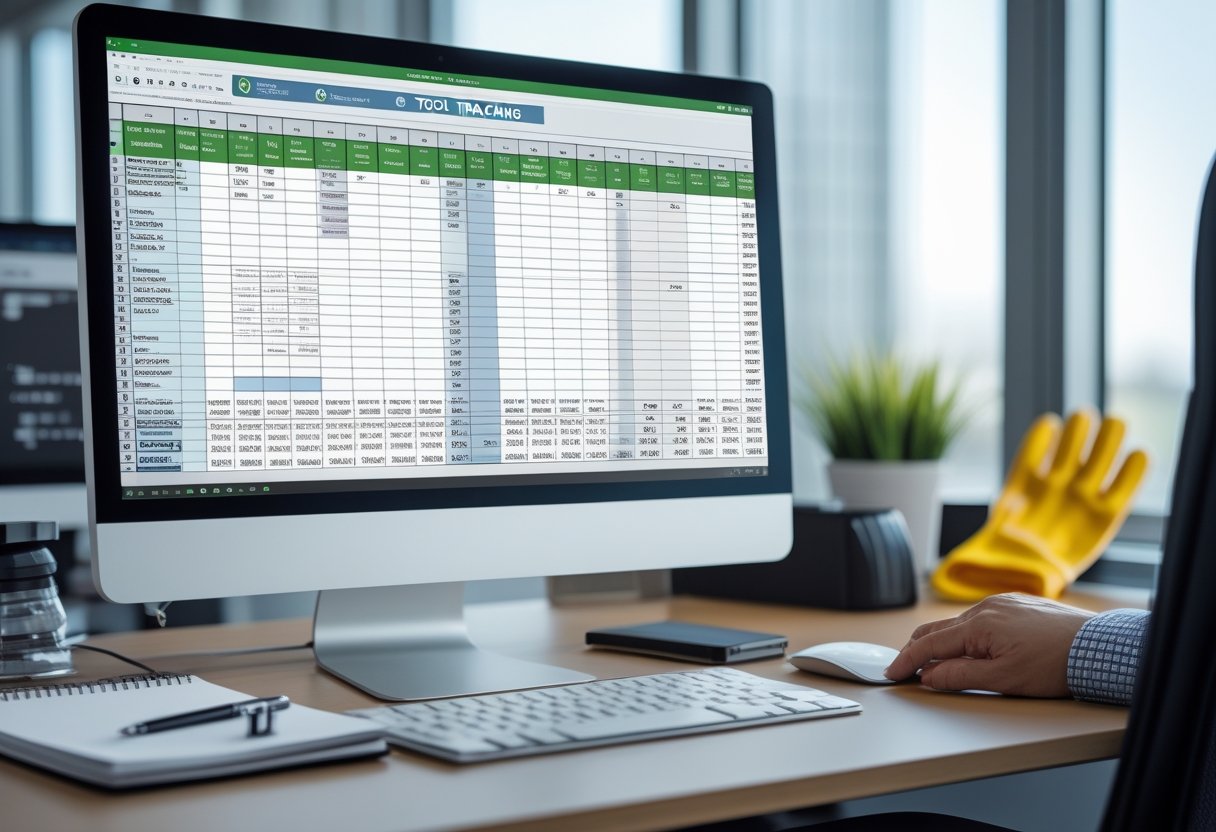
By using a structured spreadsheet, teams can log tool names, conditions, purchase dates, and locations. This prevents duplication and ensures accountability.
A few simple formulas and filters can turn a basic sheet into a reliable tracking system. These features help fit the sheet to project and business needs.
What Is a Tool Tracking Spreadsheet?
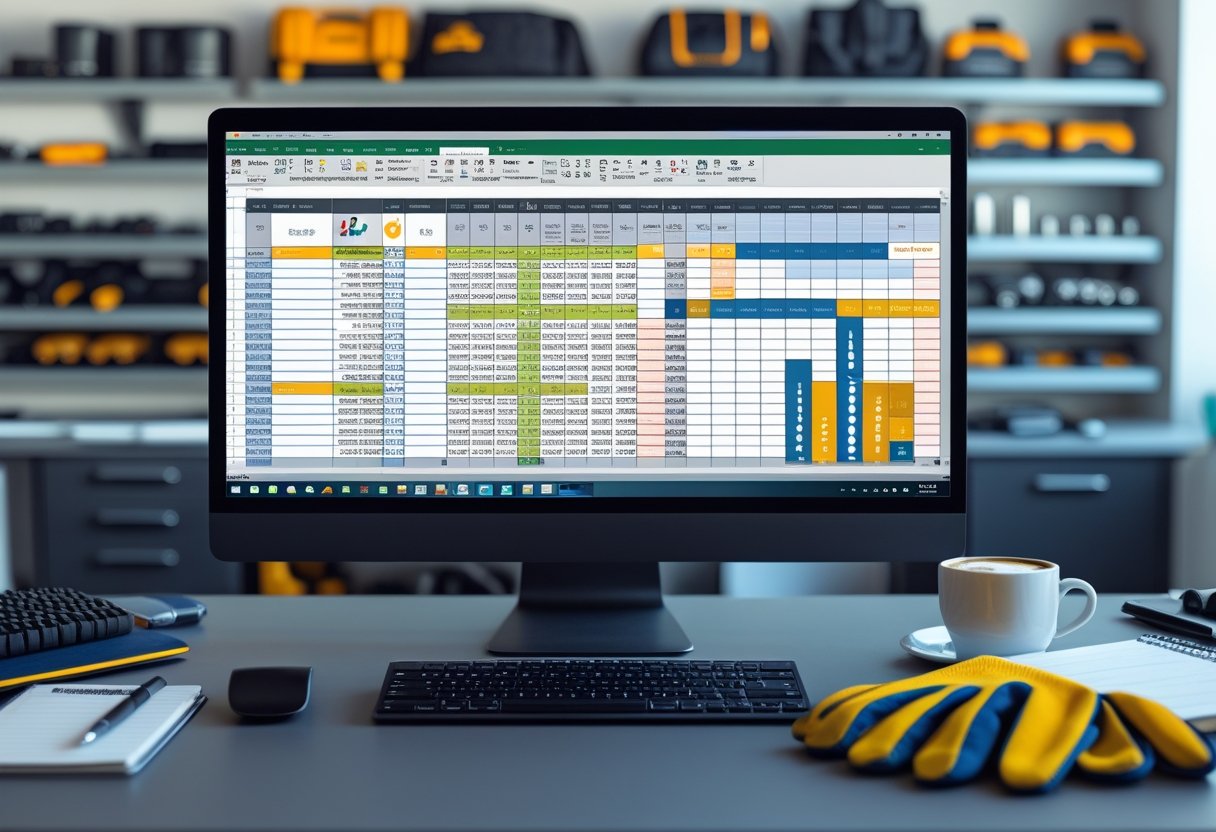
A tool tracking spreadsheet is a structured way to record, view, and update information about tools and equipment. It helps organizations manage inventories, prevent loss, and maintain accountability.
Definition and Key Purposes
A tool tracking spreadsheet is a digital document, usually made in Excel or Google Sheets, that organizes data about tools. It supports tool inventory management by keeping information such as tool names, serial numbers, and assigned users in one place.
Companies use this spreadsheet to monitor which tools are available, borrowed, or under maintenance. This reduces unnecessary purchases and improves equipment utilization.
Tracking by line item allows quick identification of lost or overdue tools. In multi-location operations, a shared spreadsheet allows real-time collaboration and simplifies reporting.
It helps supervisors verify tool availability before assigning work. Transparency promotes accountability and improves budgeting because each tool’s lifecycle can be monitored.
Essential Components of Tool Tracking
A well-structured tool inventory spreadsheet includes fields that make data entry and retrieval efficient. Typical columns may include:
FieldDescriptionTool ID/NameUnique reference or descriptive name for the toolCategoryTool type or usage classificationLocationStorage site or assigned projectConditionCurrent state (e.g., new, good, needs repair)Assigned ToEmployee or team responsibleDate Checked Out/InTracking usage and return datesPurchase Cost/DateFinancial tracking for depreciation
Some spreadsheets include dropdown lists or conditional formatting for easier updates. These features reduce entry errors and highlight missing or overdue items.
Data filters and formulas allow users to sort by tool type, analyze usage patterns, or generate maintenance schedules. Automation or integration with barcoding systems further improves accuracy and saves time.
Core Features of an Effective Tool Tracking Spreadsheet
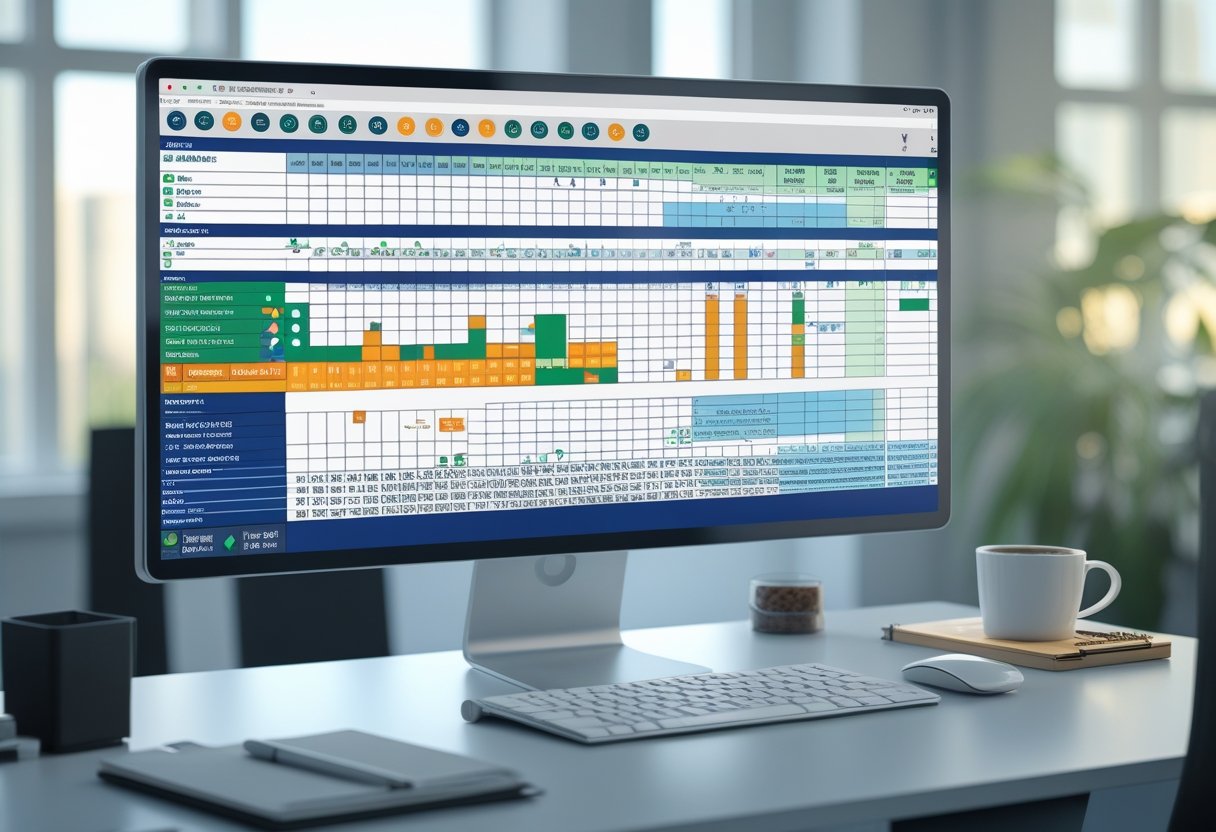
A well-structured tool tracking spreadsheet helps teams keep a clear record of tool usage. It reduces losses and helps plan replacements before equipment fails.
It aligns tool inventory management with daily operations by focusing on visibility and accountability.
Tracking Tool Location and Assignment
An effective spreadsheet should track the location and assigned user for every tool. Each entry includes the tool name, the employee or crew responsible, and the site or department where it is used.
This information limits confusion and makes it easier to hold users accountable for missing tools. A simple layout might include columns such as:
Tool NameAssigned ToLocationDate Checked OutDate Returned
Real-time updates or daily submissions keep the list accurate. Consistent tracking also helps supervisors identify available tools before assigning new jobs.
Over time, this data highlights usage patterns and helps avoid unnecessary purchases.
Recording Tool Condition and Maintenance Schedules
Tracking each tool condition helps identify when maintenance or replacement is needed. The spreadsheet should use clear categories such as Good, Needs Repair, and Out of Service.
Including a notes field for inspection results improves communication. A practical setup might use these columns:
Tool NameConditionLast InspectionMaintenance DateNotes
Recording maintenance schedules in the same sheet keeps service intervals visible. Teams can sort entries by next maintenance date to build a repair calendar.
This documentation supports warranty claims and cost analysis.
Capturing Purchase Date and Supplier Details
Listing purchase dates and supplier details supports budgeting and planning. A detailed record shows when a tool was bought, from whom, and at what cost.
This information helps track asset age and forecast procurement needs. Typical columns include:
Tool NamePurchase DateSupplierCostWarranty Expiration
Keeping supplier contacts in the same record simplifies reorders and warranty claims. Teams can see which tools are nearing end of life and which vendors provide the best reliability.
When combined with condition and usage data, this information provides a complete view of tool inventory management.
Popular Tool Tracking Spreadsheet Templates
Accurate tool tracking relies on choosing a spreadsheet that fits the scale of operations and the level of detail needed. Useful templates vary by layout, number of fields, and support for updates, asset tagging, and reporting.
Tool Inventory Spreadsheet Template Options
Tool inventory spreadsheets range from basic log sheets to advanced templates with automated calculations. A typical layout includes columns for Tool Name, Model/Serial Number, Location, Condition, Purchase Date, and Cost.
This structure helps users monitor tool usage, schedule maintenance, and reduce replacement costs. Some popular layouts include:
- General Tool Inventory Template: Simple table-based format for quick tracking.
- Construction Tool Tracking Sheet: Designed for field use with fields for assigned employee and return date.
- Workshop Inventory Spreadsheet: Includes space for calibration info or repair history.
Many templates are available in Excel, Google Sheets, or PDF formats. This ensures flexibility for digital or paper record keeping.
Users often select templates that allow easy sorting or filtering for large equipment lists.
Inventory Tracking Template Formats
Different formats serve specific tracking needs. Spreadsheet-based inventory templates handle formulas, drop-down menus, and conditional formatting.
Microsoft Excel templates feature built-in data validation tools. Google Sheets provides collaborative access for teams working across job sites.
For static or offline reference, printable PDF inventory sheets are practical. These are common in small shops or warehouses with handwritten updates.
Format TypeKey BenefitIdeal Use CaseExcel (.xlsx)Automated functions and filteringMedium to large inventoriesGoogle SheetsReal-time collaborationMulti-user settingsPDFConsistent printed layoutManual tracking or audits
Selecting the right format depends on how often data changes, the number of users, and whether integration with other systems is needed.
Tool Inventory Sheet Customization
A standardized tool inventory sheet is effective, but customization makes it more useful for specific operations. Fields can be added for asset ID, warranty period, or responsible staff.
Conditional formatting can highlight overdue tools or low stock levels. Teams may also add drop-down lists for tool categories or status indicators.
This reduces data entry errors and keeps records consistent. Advanced users often integrate barcode or QR code tracking, linking physical tools to spreadsheet entries.
Even simple updates—like adding company branding or combining columns—can improve clarity and usability.
How to Set Up and Customize Your Tool Tracking Spreadsheet
A well-structured tool inventory sheet keeps records accurate and helps prevent equipment loss. Reliable inventory tracking depends on consistent entries, clear data fields, and custom adjustments that match team needs.
Data Entry Best Practices
Accurate data entry keeps a tool tracking spreadsheet useful. Each record should include a unique identifier, such as a tool ID or barcode.
Workers should log entries immediately after tools are issued or returned. Use drop-down lists for repetitive options like status to prevent typos.
Protect formula cells and locked fields so calculations remain intact. If multiple users share the sheet, enable version control or restrict editing permissions.
Create a data validation checklist to cover required fields before saving:
- Tool name and serial number
- Assigned worker or location
- Date of last maintenance
- Current condition rating
Consistent formatting across all entries makes filtering and sorting simpler.
Configuring Inventory Columns and Fields
Designing clear columns and headers builds the foundation of any tool inventory sheet. Most spreadsheets include basic columns: Tool Name, Manufacturer, Serial Number, Status, Assigned To, Check-Out Date, Return Date, and Condition.
Each column should hold one type of data to simplify sorting. Custom fields allow teams to add details that fit their workflow, such as purchase cost or warranty expiration.
If the sheet tracks borrowed equipment, a Borrower’s Contact Info column can help. Apply conditional formatting to highlight overdue returns or tools due for inspection.
For example, rows may turn yellow when maintenance dates are near. Use SUM or COUNTIF formulas to produce usage summaries or cost insights.
By refining these configurations, the spreadsheet becomes a more functional inventory tracking tool.
Tips for Workshop and Construction Teams
In active environments, tools move frequently between sites and employees. Assign one person to manage the master tool list to avoid duplicates.
Color-coded rows can help identify departments or work crews. Mobile access through cloud-based software allows on-site workers to update tool status immediately.
This reduces lag between check-in and check-out events. Establish a weekly audit process where team members verify physical tools against spreadsheet records.
Encourage brief status notes such as “blade replaced” or “battery dead” for quick maintenance tracking. Combining accessibility, accountability, and frequent audits gives teams a dependable system for inventory tracking.
Enhancing Tool Tracking With Automation and Integration
Automation and system integration improve accuracy in tracking tools. These features reduce manual input, prevent errors, and link related data such as maintenance schedules and inventory records.
They create a more dependable and efficient tracking process that supports accountability and informed decision‑making.
Using Automated Alerts and Reminders
Automated alerts notify teams about key events like overdue returns or maintenance intervals. Time-based or condition-based triggers can send real-time notifications by email or mobile app.
This helps users respond quickly. It ensures equipment stays available and in working condition.
When alerts link directly to tool data, they enable proactive management. For example, if a power drill is due for calibration, an automatic reminder can schedule it before the next project.
Consistent reminders reduce missed service cycles. This limits downtime.
A simple configuration example:
Alert TypeTrigger ConditionNotification MethodReturn ReminderTool checkout exceeds due dateEmail, SMSMaintenance AlertService interval elapsedDashboard, Pop‑upInventory RestockStock below thresholdEmail Summary
Integrating With Asset Management Systems
Integration with asset management platforms connects the spreadsheet to organization-wide data sources. This allows automatic updates of tool status, location, and usage without re‑entry.
This connection ensures consistency across departments. It reduces duplicate records and outdated information.
Modern integrations often use APIs or built‑in connectors. These synchronize with software such as ERP, EAM, or cloud inventory tools.
For example, when a technician logs equipment use in a mobile app, the spreadsheet can instantly reflect that change.
Integrated systems also support real-time tracking by combining GPS or barcode data with usage logs. This gives managers a detailed view of tool lifecycles, from purchase to retirement.
They can plan replacements, control costs, and maintain full asset accountability.
Best Practices for Ongoing Tool Inventory Management
Consistent data updates and accurate usage records are important for effective tool inventory management. Adhering to compliance requirements ensures reliable information and reduces loss or inefficiencies.
Regular Audits and Updates
Routine audits confirm that digital inventories match physical stock. Teams should schedule inspections monthly or quarterly, depending on tool volume and usage.
Using a tool tracking spreadsheet that highlights discrepancies helps managers identify missing or damaged items quickly.
It is important to separate tools by category, condition, or location during audits. This improves visibility into what is available and what needs repair or replacement.
Many organizations use checklists or barcode systems to make the process efficient.
After each audit, staff should update quantities and conditions immediately in their spreadsheet or inventory management system.
Consistent updates prevent inaccurate reporting. This maintains accountability for each piece of equipment.
Tracking Usage and Time Management
Time tracking in tool management shows how often and how long each item is used. A well-structured spreadsheet should include columns for user name, checkout time, and return time.
This lets teams analyze tool usage trends. It helps anticipate maintenance or replacement needs.
Recording how long tools remain checked out highlights inefficiencies. If one employee often keeps items beyond project timelines, managers can adjust scheduling or provide additional units.
This data also supports cost control by identifying underused or overused tools.
Tracking usage helps teams plan for future projects. For example, past usage time can help forecast demand for specific equipment types, ensuring availability when needed.
Ensuring Accurate Records for Compliance
Accurate records are essential for regulatory compliance and safety audits. Many industries require documentation of tool inspections and service intervals.
Keeping detailed entries in a spreadsheet ensures that proof of maintenance and calibration is easy to find. A well-organized record includes fields such as inspection date and technician name.
Other important fields are service type and next due date. These details help show compliance during audits from contractors or safety regulators.
Errors or missing information can cause compliance issues or downtime. Regular cross-checks between physical assets and digital data help maintain accuracy and reduce risks.