Landscaping Vehicle Monitoring: Essential GPS Tracking Solutions for Fleet Management
How to start saving money
Lorem ipsum dolor sit amet, consectetur adipiscing elit lobortis arcu enim urna adipiscing praesent velit viverra sit semper lorem eu cursus vel hendrerit elementum morbi curabitur etiam nibh justo, lorem aliquet donec sed sit mi dignissim at ante massa mattis.
- Neque sodales ut etiam sit amet nisl purus non tellus orci ac auctor
- Adipiscing elit ut aliquam purus sit amet viverra suspendisse potent
- Mauris commodo quis imperdiet massa tincidunt nunc pulvinar
- Excepteur sint occaecat cupidatat non proident sunt in culpa qui officia
Why it is important to start saving
Vitae congue eu consequat ac felis placerat vestibulum lectus mauris ultrices cursus sit amet dictum sit amet justo donec enim diam porttitor lacus luctus accumsan tortor posuere praesent tristique magna sit amet purus gravida quis blandit turpis.

How much money should I save?
At risus viverra adipiscing at in tellus integer feugiat nisl pretium fusce id velit ut tortor sagittis orci a scelerisque purus semper eget at lectus urna duis convallis. porta nibh venenatis cras sed felis eget neque laoreet suspendisse interdum consectetur libero id faucibus nisl donec pretium vulputate sapien nec sagittis aliquam nunc lobortis mattis aliquam faucibus purus in.
- Neque sodales ut etiam sit amet nisl purus non tellus orci ac auctor
- Adipiscing elit ut aliquam purus sit amet viverra suspendisse potenti
- Mauris commodo quis imperdiet massa tincidunt nunc pulvinar
- Adipiscing elit ut aliquam purus sit amet viverra suspendisse potenti
What percentege of my income should go to savings?
Nisi quis eleifend quam adipiscing vitae aliquet bibendum enim facilisis gravida neque. Velit euismod in pellentesque massa placerat volutpat lacus laoreet non curabitur gravida odio aenean sed adipiscing diam donec adipiscing tristique risus. amet est placerat in egestas erat imperdiet sed euismod nisi.
“Nisi quis eleifend quam adipiscing vitae aliquet bibendum enim facilisis gravida neque velit euismod in pellentesque”
Do you have any comments? Share them with us on social media
Eget lorem dolor sed viverra ipsum nunc aliquet bibendum felis donec et odio pellentesque diam volutpat commodo sed egestas aliquam sem fringilla ut morbi tincidunt augue interdum velit euismod eu tincidunt tortor aliquam nulla facilisi aenean sed adipiscing diam donec adipiscing ut lectus arcu bibendum at varius vel pharetra nibh venenatis cras sed felis eget.
Landscaping companies face unique challenges managing mobile crews, expensive equipment, and multiple job sites. Without proper oversight, businesses risk fuel waste, unauthorized vehicle use, equipment theft, and difficulty verifying crew arrivals.
Landscaping vehicle monitoring uses GPS tracking technology and fleet management software to provide real-time visibility into vehicle locations, driver behavior, equipment usage, and job site activity.
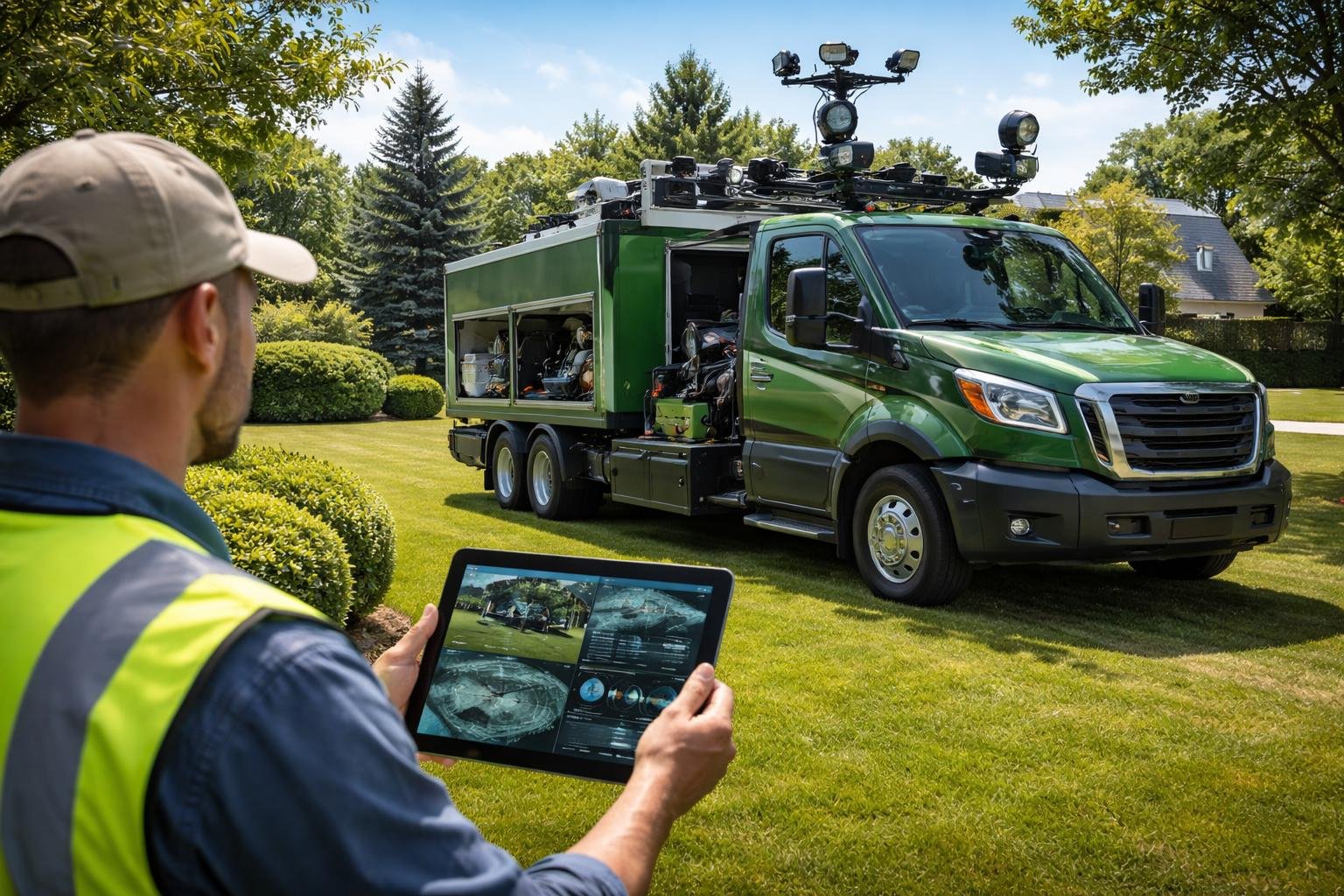
Modern monitoring systems go beyond simple location tracking. They help landscaping businesses optimize routes, reduce fuel use, verify time spent at each property, and protect valuable equipment.
Understanding how vehicle monitoring works helps landscaping companies choose systems that fit their needs. The technology improves efficiency, accountability, and cost control while helping businesses deliver better service.
What Is Landscaping Vehicle Monitoring?
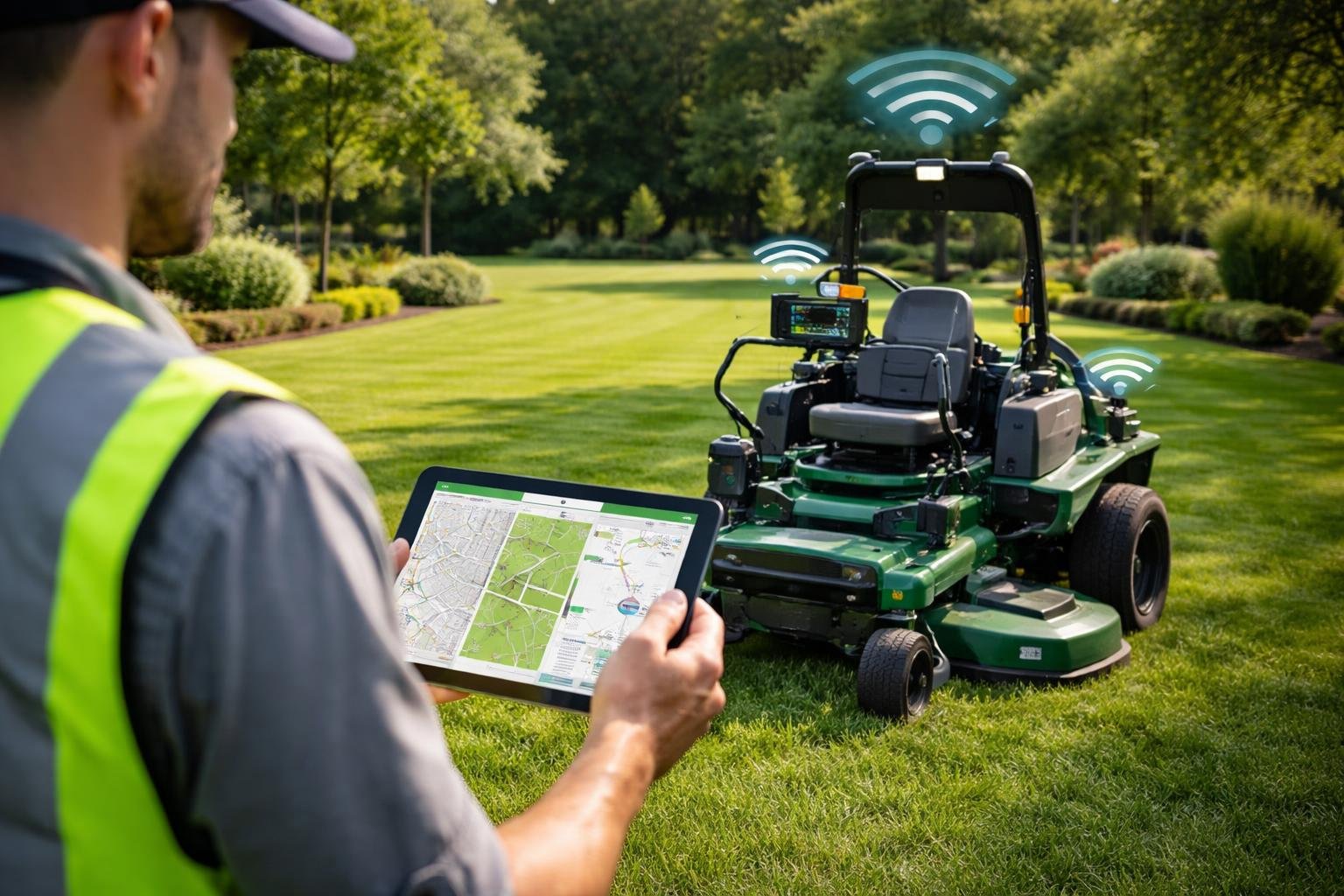
Landscaping vehicle monitoring combines GPS tracking hardware and fleet management software. It provides real-time visibility into the location, status, and performance of vehicles and equipment.
The technology lets companies track crews, monitor equipment use, and optimize routing throughout the day.
Overview of Vehicle Monitoring Technologies
Vehicle monitoring for landscaping fleets uses GPS tracking devices installed on trucks, trailers, and equipment. These devices send location data, speed, engine status, and idle time to cloud-based software.
Tracking systems capture detailed metrics like stop duration, driver behavior, and maintenance alerts. Some providers add dash cameras for visual verification and driver safety monitoring.
Fleet management platforms show all vehicles on one interface. Dispatchers can view real-time positions and make routing decisions easily.
The technology uses cellular networks, with hardware connecting through OBD-II ports or direct wiring.
Unique Needs of Landscaping Fleets
Landscaping companies use mixed fleets, including vehicles and equipment like mowers and tillers. Fleet tracking must also cover trailers, as equipment theft is a major risk.
Job sites change daily, requiring flexible dispatch and routing. Crews often visit several properties each day, so accurate time tracking at each site is essential.
Seasonal work creates busy periods where efficient crew deployment affects profits. Companies also need systems to manage maintenance for both vehicles and equipment, as some machinery needs service based on hours used.
Key Functions in the Landscaping Industry
Time and Location Verification: GPS systems record arrival and departure times at customer properties. This provides proof of service for billing and payroll.
Equipment Theft Prevention: Real-time alerts notify managers if vehicles or equipment move outside set areas during off-hours.
Maintenance Tracking: The technology tracks usage and sends maintenance reminders based on hours or miles.
Route Optimization: Managers use location data to find inefficient routes and lower fuel costs.
Customer Service: Real-time vehicle positions help offices provide accurate arrival times and quickly dispatch crews.
Core Components of Landscaping Vehicle Monitoring Systems
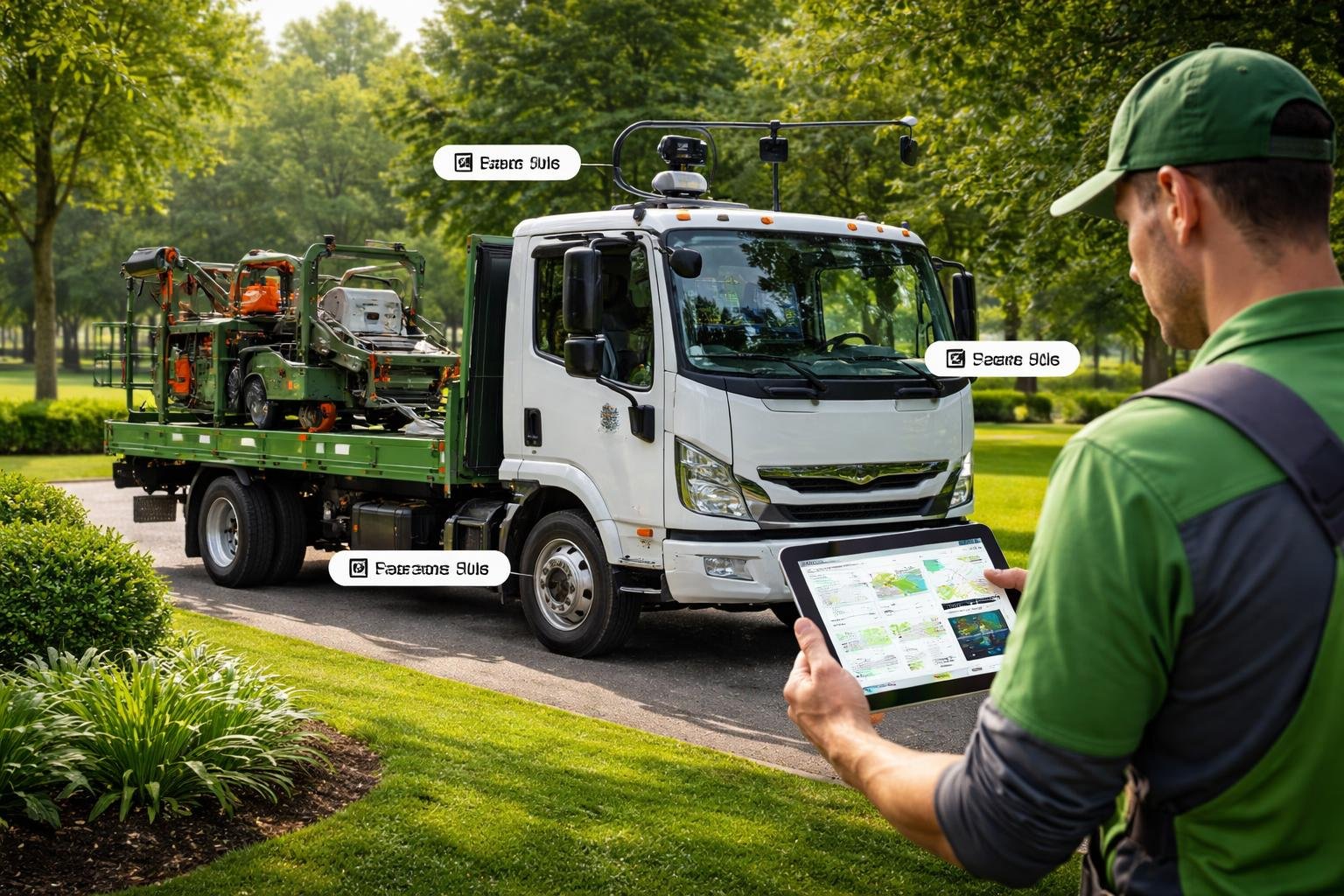
Modern landscaping vehicle monitoring systems use three main technologies. GPS tracking devices find vehicle locations, dash cams record driver behavior, and telematics platforms bring this data together.
GPS Tracking Devices and Installations
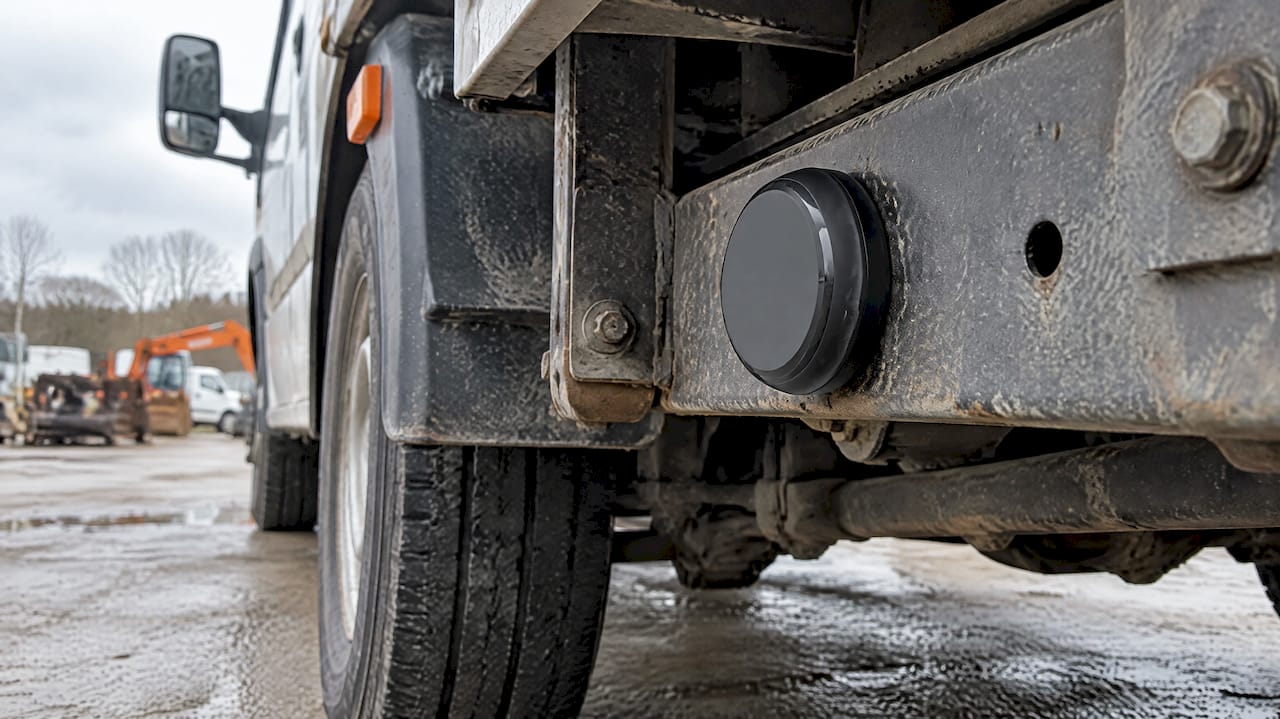
GPS tracking devices attach to trucks, vans, and trailers. These devices install by hardwiring to the electrical system, plugging into the OBD-II port, or mounting as battery-powered units.
Hardwired devices are reliable and hidden. OBD-II trackers are easy to set up but use the diagnostic port. Battery-powered units are best for non-powered assets like trailers and mowers.
Most GPS trackers update location every 30 to 60 seconds while moving. This lets managers see crew movements and verify arrival times.
Some systems use geofencing to alert when vehicles enter or leave set boundaries. Devices send data through cellular networks to cloud platforms accessible on any device.
Installation costs are $20 to $150 per device, with monthly fees from $15 to $40 per unit.
Dash Cams and Video Monitoring
Dashboard cameras mount inside vehicles to record road conditions and driver actions. Single-lens cameras record forward, while dual-lens models also record inside the cabin.
Most fleet cameras record in 1080p with wide-angle lenses. Night vision ensures clear footage in low light.
Event-triggered recording starts when harsh braking, rapid acceleration, or collisions happen. Continuous recording stores all footage on SD cards or uploads clips to the cloud.
Live streaming lets managers view real-time footage from any vehicle. This helps verify customer complaints and monitor equipment transport.
Telematics Integration
Telematics platforms combine GPS data, vehicle diagnostics, and driver metrics into dashboards. These systems monitor fuel use, engine hours, maintenance schedules, and trouble codes.
Many telematics platforms connect to scheduling, accounting, and customer management software. This automates dispatching, invoicing, and route planning.
Driver scorecards track acceleration, braking, speeding, and idle time. Managers use this data for training and to reduce fuel waste.
Alerts notify managers of after-hours use, maintenance needs, or boundary violations. Customizable reports show daily, weekly, and monthly fleet performance.
Real-Time Tracking and Fleet Visibility
GPS fleet tracking gives landscaping companies continuous visibility into vehicle locations and job progress. Modern tracking solutions update location every 5 to 10 seconds, so managers can monitor crews easily.
Live Location Updates and Mapping
Real-time tracking shows each vehicle's position on a digital map. Fleet managers can see current locations, speeds, and movement patterns.
The system creates breadcrumb trails of where vehicles have traveled, including stops and route changes. This helps verify service visits and track equipment between sites.
Most platforms use geofencing to send alerts when vehicles enter or leave set areas. Managers get notifications for unauthorized use or unexpected stops.
Route Optimization and Dispatch
Fleet tracking helps dispatchers assign the nearest crew to new service requests. Real-time visibility shows which teams are finishing jobs and which vehicles are in transit.
Managers can spot inefficient routes and missed service windows. Analyzing travel patterns helps plan better schedules and reduce fuel use.
Some systems calculate optimal routes based on traffic, job priorities, and crew skills. Dispatchers can update crews on the road, avoiding wasted trips or delays.
Monitoring Multiple Job Sites
When crews work at many properties at once, real-time visibility is vital. Managers can verify arrivals, monitor time spent at each site, and track progress across the service area.
Tracking data shows start times, completion times, and duration at each stop. Supervisors can spot crews running ahead or behind and adjust assignments as needed.
Alert systems notify managers of long idle times, delays, or schedule changes without constant monitoring.
Workforce and Driver Management
Landscaping fleet monitoring gives managers tools to track employee hours, monitor driver behavior, and measure performance. These features improve payroll accuracy and operational efficiency.
Time Tracking for Payroll and Billing
GPS tracking systems automatically record when drivers arrive and leave job sites. This removes the need for manual timesheets and reduces billing disputes.
Fleet managers can generate accurate payroll reports based on actual time at customer locations. The data also streamlines billing, providing proof of work performed.
Many systems timestamp arrivals within geofenced zones for an auditable trail. Managers can review daily time logs from a centralized dashboard, helping spot inefficiencies like long idle times.
Driver Monitoring and Accountability
Real-time GPS tracking shows where each vehicle is during the day. Managers get alerts if drivers leave assigned routes or enter unauthorized areas.
Fleet systems track speeding, harsh braking, rapid acceleration, and idling. This helps identify risky driving that increases fuel costs and wear.
Some platforms include dash cams to record incidents for review and training. Driver monitoring also improves customer service by providing accurate ETAs.
Driver Scorecards and Performance Reporting
Driver scorecards summarize performance metrics for each team member. Reports include safety scores, fuel efficiency, route adherence, and job completion times.
Managers can compare performance across the workforce to spot top performers and those needing training. Scorecards provide data for reviews and incentive programs.
Companies often reward safe drivers and use the metrics to encourage improvement over time.
Fleet Safety, Security, and Theft Prevention
Landscaping fleets face security challenges, from equipment theft at job sites to unauthorized vehicle use after hours. GPS tracking systems help address these issues with geofencing capabilities, real-time monitoring, and automated alerts that notify managers of suspicious activity.
Geofencing and Geozone Alerts
Geofencing technology lets managers set virtual boundaries around locations like company yards, job sites, or service areas. The system sends alerts when vehicles enter or leave these geofences, giving visibility into fleet movements.
Fleet managers can create multiple geofences for different needs. For example, a company might set a geozone around its main facility to monitor after-hours vehicle movements and use separate boundaries for customer properties to verify service.
These digital perimeters help track if crews arrive at scheduled locations and stay within authorized areas. Unauthorized movements outside geofences generate immediate notifications, allowing quick action.
The technology also helps spot route deviations or unauthorized stops during work hours. This supports both security and productivity.
Theft Prevention Strategies
GPS tracking deters theft and helps recover assets if incidents occur. Real-time location data lets businesses alert authorities with precise coordinates of stolen vehicles or equipment.
Fleet managers can use tracking systems for added security, such as:
- After-hours movement alerts when vehicles move outside business hours
- Unauthorized ignition notifications when equipment starts without approval
- Location tracking even when vehicles are powered off
- Historical route data to spot suspicious patterns
Many landscaping companies combine GPS tracking with physical security like fenced lots and cameras for stronger protection. Tracking provides continuous monitoring, especially for equipment stored at remote sites or left overnight.
Incident Detection and Real-Time Alerts
Real-time alerts notify managers of security events as they happen, reducing response time. The system monitors several parameters at once and sends notifications by text, email, or app.
Critical alerts include sudden location changes, towing events, and geofence violations. Managers receive notifications with vehicle details and GPS coordinates to assess situations quickly.
Speed alerts and harsh driving notifications also help identify risky behavior that could cause accidents or damage. Live location data lets managers verify incidents remotely and provide accurate information to law enforcement.
This immediate visibility improves the chances of recovering stolen assets and reduces disruptions.
Maintenance and Cost Control for Landscaping Fleets
Effective fleet management uses proactive maintenance scheduling, fuel optimization, and asset tracking to control expenses. These areas directly affect profitability for landscaping operations with multiple vehicles and equipment.
Maintenance Scheduling and Reminders
Fleet management systems automate maintenance tracking based on mileage, engine hours, or calendar intervals. These platforms monitor service intervals for vehicles and equipment to prevent missed maintenance.
Automated alerts notify managers when equipment reaches service thresholds. The system keeps digital service histories for each asset, recording repairs and maintenance.
This approach extends equipment lifespan and reduces unexpected breakdowns. Maintenance schedules based on usage data are more accurate than time-based tracking.
Engine hours are better indicators for equipment like mowers compared to date tracking. Digital records also make warranty claims and resale documentation easier.
Reducing Fuel Costs and Efficiency Gains
GPS tracking finds fuel waste from excessive idling, inefficient routes, and unauthorized use. Monitoring systems measure fuel use patterns to identify vehicles or drivers that need attention.
Route optimization tools cut travel time between job sites, lowering fuel expenses. Managers can review data to set fuel baselines and track improvements.
Idle time alerts notify supervisors when vehicles run unnecessarily. Driver behavior monitoring captures speeding, harsh braking, and rapid acceleration, which increase fuel use.
These insights help coach operators to improve efficiency and lower fuel costs by 10-20%.
Asset Tracking and Proof of Service
Real-time GPS data shows vehicle and equipment locations across job sites. This tracking helps prevent theft and confirms equipment deployment.
Geofencing creates virtual boundaries to verify arrival and departure times. Timestamped data serves as proof of service for billing or contract compliance.
Managers can confirm crews arrived on time and spent the right amount of time working. Asset reports highlight underused equipment that could be redeployed or sold.
Tracking ensures high-value equipment returns to secure areas instead of staying at job sites overnight.
Choosing and Implementing a Landscaping Vehicle Monitoring Solution
Choosing the right fleet management software means considering features, compatibility, and future growth. Businesses should look for systems that integrate well with existing operations and are easy to use.
Selecting the Right Fleet Management Software
Fleet tracking systems should include real-time GPS tracking, geofencing, and driver behavior monitoring. Maintenance alerts help prevent breakdowns by notifying managers when vehicles need service.
Equipment tracking should cover trailers and mobile tools. Some systems offer PTO (power take-off) monitoring for landscaping equipment, verifying when machines like mowers are in use.
Route optimization reduces fuel use and improves scheduling. Driver behavior data identifies harsh braking, rapid acceleration, and excessive idling, which affect costs.
The best solutions offer customizable alerts for unauthorized use, after-hours operation, and entry or exit from service areas. These features protect assets and confirm service completion.
Scalability and Ease of Use
Tracking devices vary in installation. OBD-V4 plug-and-play devices install in minutes, while wired GPS trackers need connection to the vehicle's power but offer more options.
Fleet management software should support business growth without needing a new platform. A company with five trucks today may have twenty next year, so the system must handle more vehicles easily.
Mobile access through smartphones and tablets lets supervisors monitor operations from job sites. Daily reports on start times, completion, and duration should generate automatically.
User-friendly systems reduce training time and make adoption easier for managers and field staff.
Integration With Business Operations
Fleet tracking systems must exchange data with scheduling software and invoicing platforms. They should also connect with customer relationship management tools.
Direct integrations eliminate duplicate data entry. This reduces administrative overhead.
Time-stamping features verify arrival and departure from customer properties. These features support billing accuracy and help resolve service disputes.
Geofencing technology automatically logs when vehicles enter or leave job sites.
Reporting capabilities should match business metrics. Landscaping companies need visibility into labor hours and fuel costs per job.
They also need to track equipment utilization rates instead of relying on generic fleet statistics.
API access enables custom integrations with industry-specific software. Businesses using specialized landscape design or bidding software benefit from systems that allow data sharing between platforms.