How to start saving money
Lorem ipsum dolor sit amet, consectetur adipiscing elit lobortis arcu enim urna adipiscing praesent velit viverra sit semper lorem eu cursus vel hendrerit elementum morbi curabitur etiam nibh justo, lorem aliquet donec sed sit mi dignissim at ante massa mattis.
- Neque sodales ut etiam sit amet nisl purus non tellus orci ac auctor
- Adipiscing elit ut aliquam purus sit amet viverra suspendisse potent
- Mauris commodo quis imperdiet massa tincidunt nunc pulvinar
- Excepteur sint occaecat cupidatat non proident sunt in culpa qui officia
Why it is important to start saving
Vitae congue eu consequat ac felis placerat vestibulum lectus mauris ultrices cursus sit amet dictum sit amet justo donec enim diam porttitor lacus luctus accumsan tortor posuere praesent tristique magna sit amet purus gravida quis blandit turpis.

How much money should I save?
At risus viverra adipiscing at in tellus integer feugiat nisl pretium fusce id velit ut tortor sagittis orci a scelerisque purus semper eget at lectus urna duis convallis. porta nibh venenatis cras sed felis eget neque laoreet suspendisse interdum consectetur libero id faucibus nisl donec pretium vulputate sapien nec sagittis aliquam nunc lobortis mattis aliquam faucibus purus in.
- Neque sodales ut etiam sit amet nisl purus non tellus orci ac auctor
- Adipiscing elit ut aliquam purus sit amet viverra suspendisse potenti
- Mauris commodo quis imperdiet massa tincidunt nunc pulvinar
- Adipiscing elit ut aliquam purus sit amet viverra suspendisse potenti
What percentege of my income should go to savings?
Nisi quis eleifend quam adipiscing vitae aliquet bibendum enim facilisis gravida neque. Velit euismod in pellentesque massa placerat volutpat lacus laoreet non curabitur gravida odio aenean sed adipiscing diam donec adipiscing tristique risus. amet est placerat in egestas erat imperdiet sed euismod nisi.
“Nisi quis eleifend quam adipiscing vitae aliquet bibendum enim facilisis gravida neque velit euismod in pellentesque”
Do you have any comments? Share them with us on social media
Eget lorem dolor sed viverra ipsum nunc aliquet bibendum felis donec et odio pellentesque diam volutpat commodo sed egestas aliquam sem fringilla ut morbi tincidunt augue interdum velit euismod eu tincidunt tortor aliquam nulla facilisi aenean sed adipiscing diam donec adipiscing ut lectus arcu bibendum at varius vel pharetra nibh venenatis cras sed felis eget.
GPS vehicle monitoring uses satellite technology to provide real-time tracking and detailed data on a vehicle’s location, speed, and movement.
It is widely used for theft prevention, fleet management, and ensuring the safety of drivers.
The key benefit of GPS vehicle monitoring is its ability to offer accurate, up-to-date information about a vehicle’s whereabouts, enhancing security and operational efficiency.
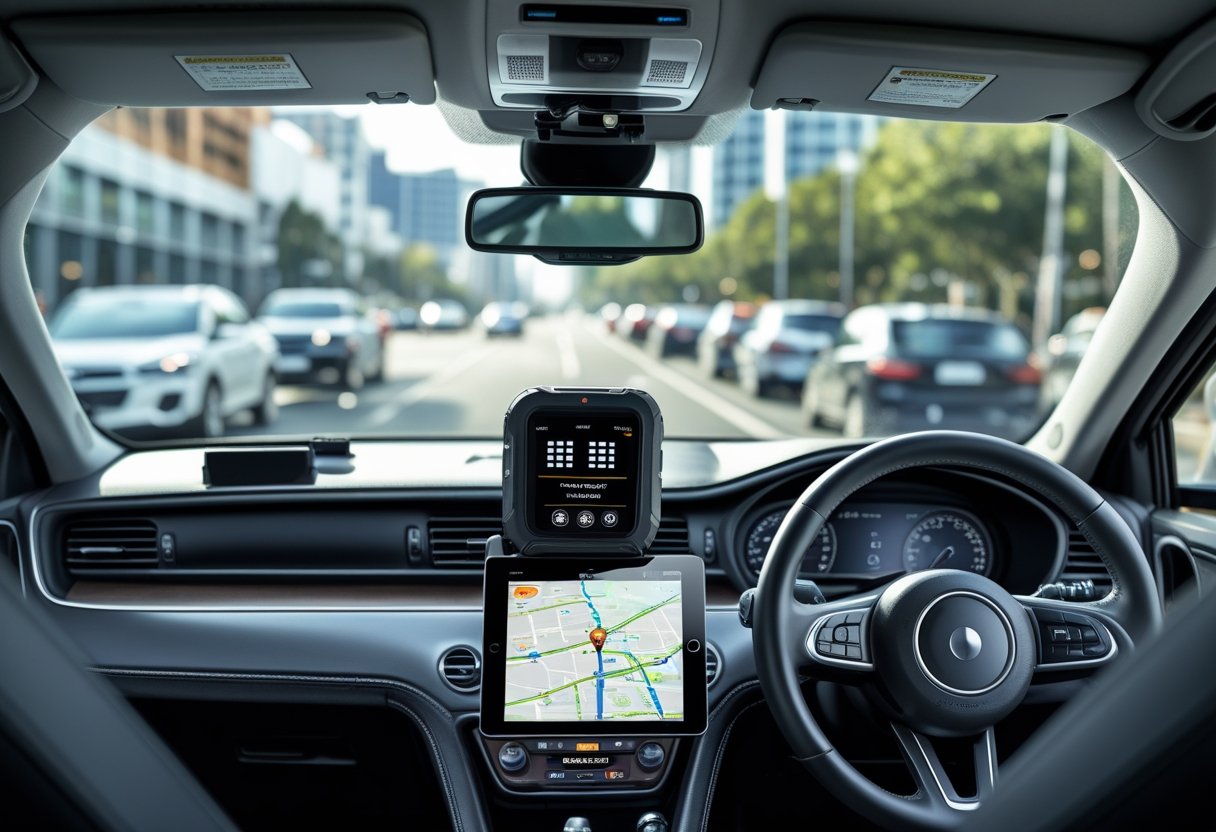
These systems often include features such as geofencing, driving habit analysis, and discreet installation options.
This makes them valuable for individuals, businesses, and parents wanting to keep track of cars without intrusion.
With various devices available, users can choose based on accuracy, subscription costs, and additional functionalities.
As vehicle tracking technology advances, it helps recover stolen cars and improves fleet logistics and driver accountability.
What Is GPS Vehicle Monitoring?
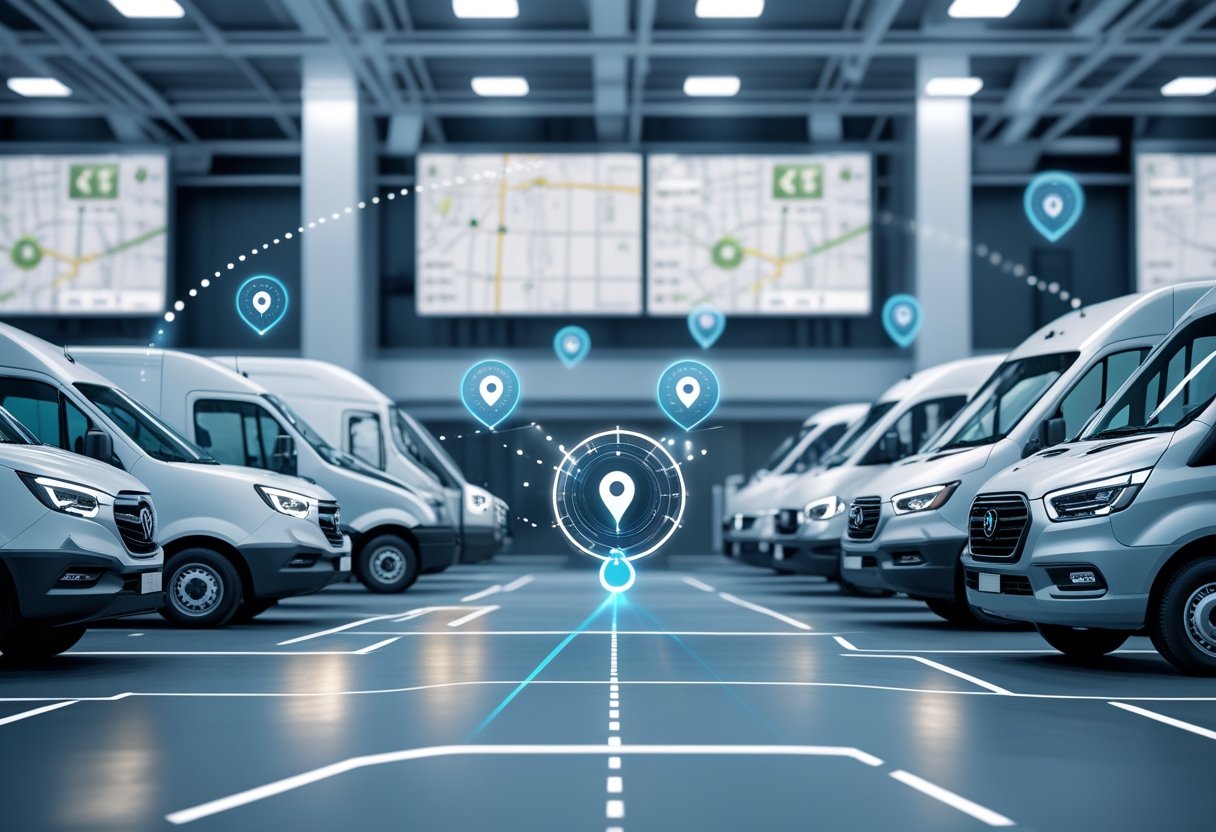
GPS vehicle monitoring uses technology to track the real-time location and status of vehicles.
It provides data on movements, speed, and routes, which helps improve fleet management, safety, and efficiency.
Vehicle GPS trackers rely on satellite signals for precise and continuous location tracking.
How GPS Trackers Work
GPS trackers receive signals from satellites to calculate a vehicle's position using triangulation.
The device in the vehicle sends this data via cellular networks to a central system for real-time display.
This system allows users to see current location, speed, and route history.
Alerts can be generated for events like unauthorized use or speeding.
Integration with telematics devices enhances data collection, giving insights into vehicle performance and driver behavior.
Core Functions of Vehicle GPS Trackers
The main functions of a vehicle GPS tracker include real-time location tracking, route monitoring, and speed measurement.
They also detect idle times and can provide geofencing alerts when a vehicle enters or exits predefined zones.
GPS vehicle monitoring enhances safety by enabling quick response in emergencies.
It also supports operational efficiency by optimizing routes and reducing fuel consumption.
It contributes to compliance by recording detailed trip logs.
Types of GPS Vehicle Monitoring Systems
GPS vehicle monitoring systems range from simple location trackers to advanced telematics platforms.
Basic systems offer real-time location and simple alerts, suitable for personal cars or small fleets.
Advanced systems combine GPS with sensors and software to deliver comprehensive data, including driver behavior, engine diagnostics, and fuel usage.
These are common in large commercial fleets needing detailed management and reporting.
Users can choose systems based on operational needs and budget.
Key Features of GPS Vehicle Monitoring
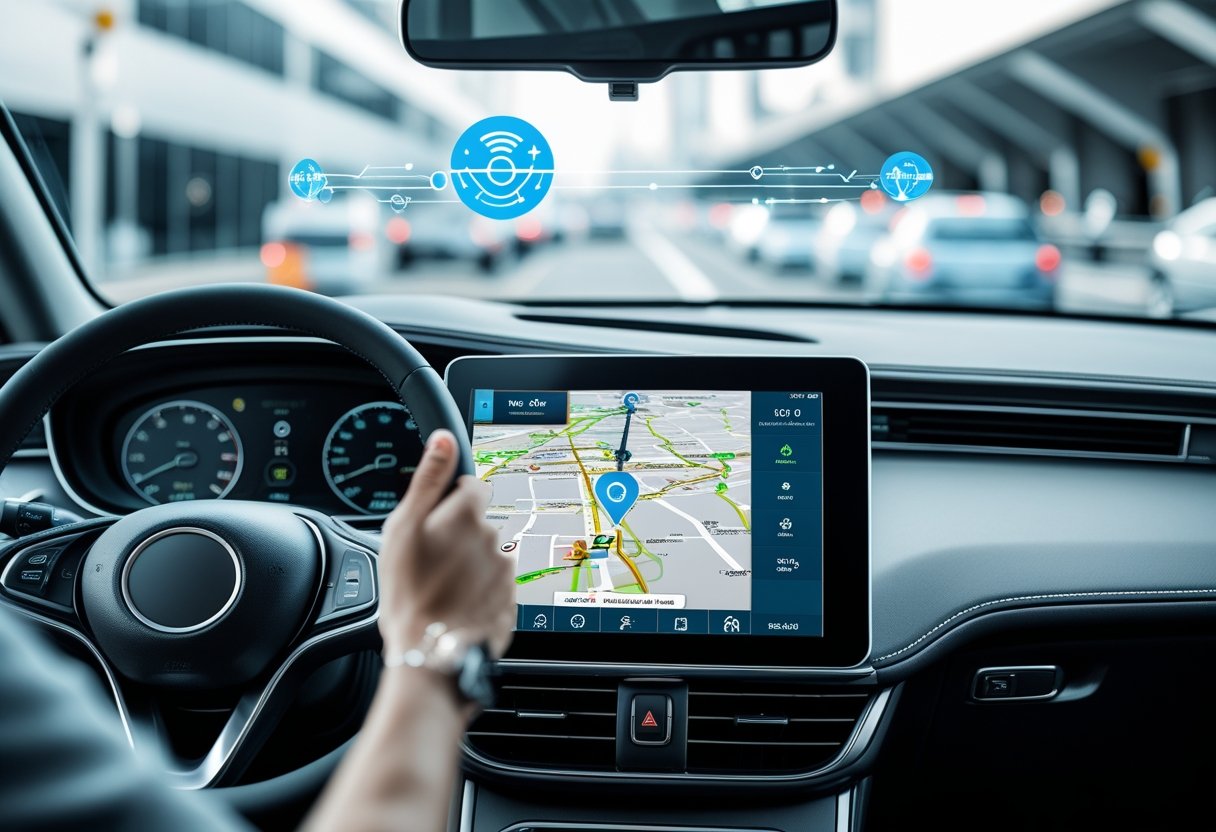
GPS vehicle monitoring systems provide a detailed view of vehicle movements and behaviors.
They offer updates on location, help set boundaries for vehicle activity, store historical travel data, and alert fleet managers about speed violations.
These features enable improved safety, operational efficiency, and effective route management.
Real-Time Location Updates
Real-time location updates allow fleet managers to monitor vehicles by tracking their exact position via GPS coordinates.
This feature provides immediate data on where each vehicle is, helping with route adjustments and scheduling.
Using real-time tracking, operators can minimize delays by rerouting vehicles if traffic or obstacles arise.
It also improves communication by informing dispatch teams and customers about arrival times.
The constant data stream supports efficient fleet oversight and helps prevent unauthorized vehicle use.
This feature often integrates with software platforms, offering mapping tools and location history for later analysis.
Geofencing and Geofence Alerts
Geofencing creates virtual boundaries around areas such as warehouses, job sites, or restricted zones.
When a vehicle enters or leaves these zones, the system triggers geofence alerts.
These alerts provide immediate notifications for unauthorized movements or deviations.
For example, if a vehicle leaves an assigned route or enters a high-risk area, fleet managers can respond quickly.
The customizable nature of geofences allows businesses to tailor monitoring zones to their needs.
Geofence alerts help reduce theft risks and ensure adherence to designated routes.
Historical Playback and Trip History
Historical playback lets users review previous vehicle trips, including routes taken, stops made, and trip duration.
This data is stored in location history logs, enabling analysis of driver patterns and fleet performance.
Fleet managers can use this information to verify mileage and monitor adherence to planned routes.
They can also investigate incidents or discrepancies in service delivery.
Access to past data supports audits, maintenance scheduling, and driver coaching.
Detailed playback helps optimize routes by identifying inefficiencies or repeated delays.
Integration into GPS monitoring software typically includes date and time filters for easy data retrieval.
Speed Monitoring and Alerts
Speed monitoring tracks vehicle speeds relative to set speed limits.
When a vehicle exceeds these limits, speed alerts notify supervisors immediately, promoting safer driving.
This feature helps reduce accident risks and discourages aggressive driving.
Continuous speed data also aids in maintenance planning, as excessive speeding can increase wear and tear.
Alerts can be customized based on zones or time periods for flexible monitoring.
Reporting on speed violations supports disciplinary actions and helps fleets maintain a safety culture.
Types of GPS Vehicle Trackers
GPS vehicle trackers differ by installation method, power source, and size.
Some devices attach directly to the vehicle’s systems, while others are portable and battery-powered.
Their features and durability vary, influencing which tracker suits specific needs.
Plug-and-Play GPS Trackers
Plug-and-play GPS trackers connect to the vehicle’s OBD-II port, usually found under the dashboard.
This connection draws power from the vehicle, so there is no need for charging or battery replacement.
Installation requires no tools, making it convenient for most users.
These trackers provide real-time tracking and vehicle diagnostics, such as speed, engine status, and fault codes.
They are ideal for monitoring teen drivers or managing small fleets.
However, drivers can see them due to their location, and they depend on the vehicle being in operation for power.
Hardwired GPS Trackers
Hardwired GPS trackers are installed into a vehicle’s electrical system, often behind panels or under the dashboard.
They connect to the vehicle’s power supply and often an ignition source to track when the vehicle is in use.
These trackers are favored in professional fleet management for reliability and continuous power.
Unlike plug-and-play models, they require professional installation but offer more discreet placement.
Their wiring allows features such as engine cut-off and theft alerts.
Hardwired trackers often have waterproof ratings like IP67 for durability.
Battery-Powered and Compact GPS Trackers
Battery-powered GPS trackers are portable and use rechargeable batteries.
This allows flexible placement anywhere on or inside the vehicle.
Many models have standby modes to extend battery life.
Some compact trackers use magnetic cases for easy attachment to metal surfaces.
These mini GPS trackers are good for temporary monitoring or vehicles without accessible OBD-II ports.
They are smaller and versatile but need regular charging.
Their IP67 or similar ratings protect against water and dust, making them suitable for outdoor use.
Battery-powered trackers offer discreet tracking without hardwiring.
Installation and Setup
Installing a GPS vehicle monitoring system involves selecting the right installation method, placing the device properly, and configuring it for reliable operation.
Each step ensures consistent tracking and reduces the risk of tampering or power loss.
How to Choose the Right Installation Method
The choice of installation depends on the vehicle type and user needs.
A hardwired installation connects the tracker to the vehicle’s power supply, often needing wiring skills.
This method is reliable for permanent monitoring.
OBD-II port trackers plug into the vehicle’s diagnostic port under the dashboard.
This option is user-friendly, requires no wiring, and is ideal for quick setups and temporary monitoring.
Plug-and-play trackers have built-in batteries and require no connection to the vehicle’s electrical system.
They are portable and simple but need charging, suitable for rental or fleet vehicles without permanent installation.
Best Practices for Device Placement
The GPS tracker should be placed where it has a clear view of the sky for signal reception.
Common locations include under the dashboard, inside the glove compartment, or near rear windows.
Avoid metal enclosures, as they can block GPS signals.
For hardwired trackers, mounting near the fuse box or wiring harness helps with power connections and keeps the device hidden.
Secure the tracker with zip ties or brackets to prevent movement.
OBD-II devices stay in place via the port, but ensure the device does not obstruct pedals or driver comfort.
The location should balance accessibility and concealment to reduce the chance of removal.
Activation and Initial Configuration
After installation, activate the device through its management platform or app.
This usually involves registering the tracker’s unique ID and assigning it to the vehicle.
Initial setup includes configuring update intervals, geofencing zones, and alert preferences.
Some devices require SIM card activation for cellular connectivity.
Testing the device by monitoring its live location ensures proper operation.
Address any issues with power or data immediately to maintain tracking.
Benefits and Use Cases
GPS vehicle monitoring offers precise location tracking and insights on vehicle use and driver behavior.
This technology enhances operational efficiency, strengthens security, and supports accurate reporting for various users.
Fleet Management and Commercial Applications
GPS vehicle monitoring is vital for fleet management. It provides real-time location data that improves route planning and reduces fuel consumption.
Fleet managers use this data to optimize deliveries and avoid traffic delays. They can also allocate vehicles more effectively.
GPS tracking helps maintain vehicle health by monitoring mileage and usage patterns. This enables timely preventive maintenance to reduce breakdowns and costly repairs.
Notifications about compliance and service schedules keep fleets operational. This helps ensure compliance with regulations.
Driver behavior monitoring adds a layer of safety and efficiency. Data on speeding or harsh braking helps companies coach drivers for safer habits and lower costs.
Vehicle Security and Theft Recovery
GPS vehicle monitoring improves vehicle security. Continuous location tracking detects unauthorized movements or route deviations immediately.
If theft occurs, GPS data provides law enforcement with real-time coordinates. This increases the chances of recovering the vehicle.
Some systems alert the owner or fleet manager instantly if suspicious activity is detected. These features strengthen vehicle security and protect assets.
Driver and Teen Monitoring
GPS vehicle monitoring is useful for supervising driver behavior, especially for teens or employees. It provides reports on speed, acceleration, and braking that reveal risky habits.
Parents and employers use these insights for targeted coaching or restrictions. Geofencing can notify when a vehicle enters or leaves specific areas, adding oversight.
Driving time and rest periods can be monitored to ensure safety standards are met. This reduces fatigue-related risks on the road.
Mileage and Business Reporting
Accurate mileage tracking with GPS monitoring helps businesses separate personal and work-related travel. This simplifies expense management and improves tax reporting.
Automatically generated logs reduce manual errors and save time. The data shows actual usage patterns and vehicle efficiency.
For service companies, these reports help with invoicing and verifying client visits. GPS monitoring delivers clear, verifiable mileage data for smooth business operations.
Choosing the Best GPS Vehicle Tracker
Choosing the right GPS vehicle tracker means evaluating brand reliability, power options, subscription costs, and location accuracy. Each factor affects how well the device meets your needs.
Understanding these key elements helps in making an informed choice.
Comparing Top Brands and Models
Popular GPS trackers like Tracki, Spytec GL300, and LandAirSea 54 are well-known for their features and user feedback. Tracki offers models such as the Tracki Pro GPS Tracker and Tracki Mini, which differ in size and battery life.
The Spytec GL300 is known for its accuracy and frequent updates, making it good for detailed tracking. BrickHouse Security and Bouncie offer options with cellular LTE coverage for better signal reliability.
The Livewire Volt is designed for hardwired installations and permanent vehicle monitoring. Choosing a model depends on whether you want portable or fixed use, stealth placement, and features like geofencing or speed alerts.
Warranty and customer support, such as a lifetime warranty, can also be important.
Battery Life and Power Options
Battery life varies between devices and affects how often you need to recharge or replace them. Tracki Mini models offer several days of battery life, while the LandAirSea 54 GPS Tracker can last up to two weeks on a charge.
Hardwired options like the Livewire Volt use the vehicle’s power, removing battery concerns but needing professional installation. Devices with rechargeable batteries may have sleep modes to save power.
Update intervals, or ping rates, also affect battery life. More frequent updates use more power. Devices like the Optimus 3.0 balance power efficiency with real-time tracking.
Subscription Plans and Costs
Most GPS trackers require a monthly subscription for cellular data and service. Prices usually range from $10 to $30 per month, depending on features.
Brands like Tracki and Spytec offer flexible plans, including prepaid and monthly options. Some services have no long-term contracts, letting users pause or cancel as needed.
Others, like BrickHouse Security, may offer discounts for multiyear contracts. Users should check what is included, such as update frequency, cloud storage, and support.
Watch for hidden fees or activation charges. Compare total costs before buying.
Coverage and GPS Accuracy
Accurate tracking depends on GPS signal strength and cellular network coverage. Devices with LTE support, like the Spytec GL300 and Tracki Pro, offer better coverage and faster data than older 3G models.
GPS accuracy is usually between 5 and 15 meters under open skies. Models like LandAirSea 54 and Bouncie focus on precision and reliable GPS chips.
Check coverage in your usual travel areas, especially if you drive in rural or remote locations. Some trackers let you set update intervals to balance accuracy and battery use.
Magnetic or stealth mounts can protect the device and help maintain a strong signal.
Privacy, Security, and Compliance Considerations
GPS vehicle monitoring systems require careful handling of sensitive data and strict legal compliance. Protecting location data and driver information prevents unauthorized access and supports regulatory compliance.
Addressing device integrity with tamper detection and alerts also improves system reliability.
Data Privacy and Legal Compliance
Vehicle monitoring creates large amounts of data on location and driving habits. This data must be managed according to privacy laws.
Regulations like the General Data Protection Regulation (GDPR) in Europe and U.S. state laws set rules for data collection, storage, and sharing. Organizations must get explicit consent from drivers for continuous tracking.
Clear policies on data usage and retention help meet legal requirements and build trust. Regular audits and Data Protection Impact Assessments (DPIAs) help identify privacy risks and ensure compliance.
Tamper Detection and Alerts
Tamper detection features report unauthorized attempts to disable GPS tracking devices. Real-time alerts notify fleet managers or security staff immediately.
This helps maintain monitoring system integrity and vehicle security. Integration with emergency features, like an SOS button, adds extra safety by sending rapid alerts in emergencies.
Effective tamper detection reduces downtime and ensures accurate data collection.
Device Security Best Practices
Securing GPS hardware and software prevents breaches and data leaks. Devices should use encryption for both data transmission and storage.
Strong authentication protocols limit access to authorized users. Regular firmware updates fix vulnerabilities and protect against cyber threats.
Physical security measures, like secure mounting and protected wiring, lower the risk of tampering. Combining technical safeguards with operational controls keeps the system secure.
Mobile Apps and User Experience
Mobile apps for GPS vehicle monitoring provide tracking and communication tools on users’ devices. These apps feature easy-to-use interfaces and helpful integrations for fleet management.
Mobile App Features and Integrations
Modern tracking apps combine GPS data with telematics to show route history, fuel use, and driver behavior. Users can see live location updates and set geofences for alerts when vehicles enter or leave certain areas.
Integration with fleet management software syncs maintenance schedules and compliance data. Apps work on both Android and iOS devices.
Offline support allows data caching when connectivity is poor. Key features often include:
- Real-time GPS tracking
- Driver performance metrics
- Fuel usage reporting
- Maintenance reminders
- Geofencing capabilities
These features give managers better insights and help optimize fleet efficiency.
Real-Time Notifications and Alerts
Real-time alerts are important for proactive fleet management. Mobile apps send instant notifications for events like unauthorized movement, excessive idling, or speeding.
These alerts help reduce fuel waste and maintenance costs while improving driver safety. Users can customize thresholds for notifications.
Push notifications, SMS, or email options keep managers informed anywhere. Fast alerts enable quick responses, reducing downtime and improving control over vehicles.
Web Platform and Dashboard Tools
Tracking apps often work with web platforms that have centralized dashboards. These dashboards collect data for detailed reports on vehicle location, route efficiency, and fuel use.
The interface offers customizable views and exportable reports. This helps users analyze trends and meet regulatory requirements.
Managers can view historical trip data and maintenance logs in one place. Dashboard tools also allow multi-user access with permissions based on organizational roles.
This flexibility lets teams work together while keeping data secure. Mobile apps and web dashboards together help manage fleets with more accuracy and visibility.