How to start saving money
Lorem ipsum dolor sit amet, consectetur adipiscing elit lobortis arcu enim urna adipiscing praesent velit viverra sit semper lorem eu cursus vel hendrerit elementum morbi curabitur etiam nibh justo, lorem aliquet donec sed sit mi dignissim at ante massa mattis.
- Neque sodales ut etiam sit amet nisl purus non tellus orci ac auctor
- Adipiscing elit ut aliquam purus sit amet viverra suspendisse potent
- Mauris commodo quis imperdiet massa tincidunt nunc pulvinar
- Excepteur sint occaecat cupidatat non proident sunt in culpa qui officia
Why it is important to start saving
Vitae congue eu consequat ac felis placerat vestibulum lectus mauris ultrices cursus sit amet dictum sit amet justo donec enim diam porttitor lacus luctus accumsan tortor posuere praesent tristique magna sit amet purus gravida quis blandit turpis.

How much money should I save?
At risus viverra adipiscing at in tellus integer feugiat nisl pretium fusce id velit ut tortor sagittis orci a scelerisque purus semper eget at lectus urna duis convallis. porta nibh venenatis cras sed felis eget neque laoreet suspendisse interdum consectetur libero id faucibus nisl donec pretium vulputate sapien nec sagittis aliquam nunc lobortis mattis aliquam faucibus purus in.
- Neque sodales ut etiam sit amet nisl purus non tellus orci ac auctor
- Adipiscing elit ut aliquam purus sit amet viverra suspendisse potenti
- Mauris commodo quis imperdiet massa tincidunt nunc pulvinar
- Adipiscing elit ut aliquam purus sit amet viverra suspendisse potenti
What percentege of my income should go to savings?
Nisi quis eleifend quam adipiscing vitae aliquet bibendum enim facilisis gravida neque. Velit euismod in pellentesque massa placerat volutpat lacus laoreet non curabitur gravida odio aenean sed adipiscing diam donec adipiscing tristique risus. amet est placerat in egestas erat imperdiet sed euismod nisi.
“Nisi quis eleifend quam adipiscing vitae aliquet bibendum enim facilisis gravida neque velit euismod in pellentesque”
Do you have any comments? Share them with us on social media
Eget lorem dolor sed viverra ipsum nunc aliquet bibendum felis donec et odio pellentesque diam volutpat commodo sed egestas aliquam sem fringilla ut morbi tincidunt augue interdum velit euismod eu tincidunt tortor aliquam nulla facilisi aenean sed adipiscing diam donec adipiscing ut lectus arcu bibendum at varius vel pharetra nibh venenatis cras sed felis eget.
A fuel management system helps businesses control how fuel is purchased, stored, and used. It combines hardware and software to monitor consumption, detect inefficiencies, and prevent misuse.
A fuel management system allows organizations to reduce costs, improve efficiency, and gain full visibility into fuel activities across their fleet or facility.
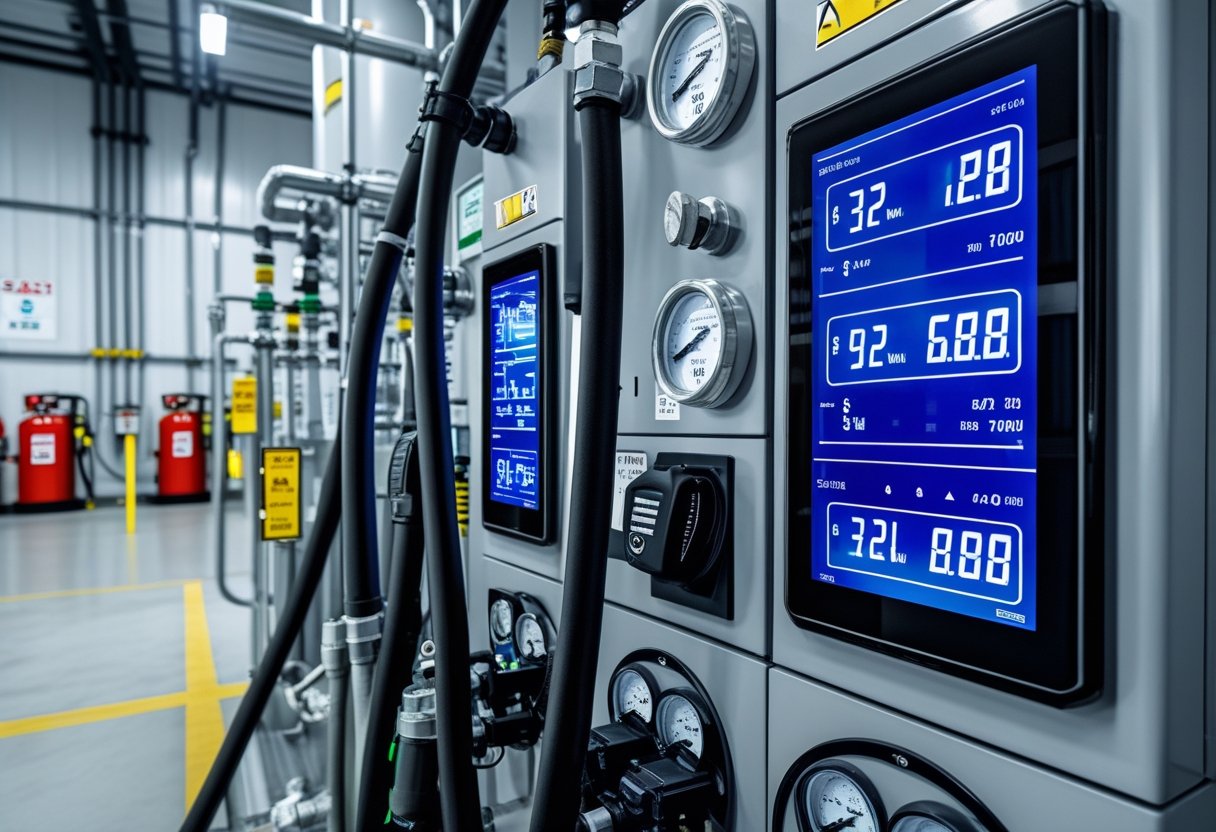
Companies that depend on vehicles, machinery, or generators use these systems to track every drop of fuel. The data helps identify idling time, reduce waste, and prevent theft.
By connecting fuel information with other operational systems, businesses can turn raw data into practical insight. Modern fuel management systems also support sustainability efforts and strengthen security.
They help fleets operate with precision in an environment where efficiency is crucial.
Core Principles of Fuel Management Systems

Effective fuel management relies on precise data, reliable equipment, and clear reporting processes. These systems integrate hardware, software, and communication tools to track fuel consumption, minimize loss, and improve operational efficiency.
Purpose and Objectives
A Fuel Management System (FMS) is designed to monitor, control, and optimize how organizations use fuel. Its main objectives include maintaining accurate fuel inventory, identifying inefficiencies, and supporting cost control.
By recording each fueling event and analyzing consumption patterns, the system helps managers spot abnormal fuel usage or possible theft. Fleet operators use these systems to connect fuel performance with operational data like mileage, idle times, and maintenance schedules.
This enables better planning and helps with compliance. In industries like transport, construction, or aviation, even small savings can lead to significant financial benefits.
FMS objectives also support sustainability. Tracking emissions and fuel use encourages cleaner operations and responsible resource management.
Key Terminology
Understanding a few core terms helps teams communicate clearly.
Fuel Usage Rate is the amount of fuel used over a specific period or activity.
Fuel Inventory refers to the total stored fuel available for use or resale.
Fuel Consumption Data records each transaction, including date, quantity, and user.
Common components include dispensers, tank gauges, data transfer modules, and management software. Together, they create a system that provides real-time visibility across supply and usage points.
Some systems use RFID cards or ID numbers to confirm user identity before dispensing fuel. This ensures traceable fuel allocation.
A typical fuel management interface also provides dashboards and exception alerts. These tools help spot issues like unexpected fuel losses or fueling outside approved hours.
How Fuel Management Systems Work
Fuel management systems use sensors, controllers, and software platforms. Hardware like flow meters or level sensors collect data from pumps and storage tanks.
This data is sent to a central database or cloud platform for processing and analysis. The system tracks every fueling event, recording which vehicle or equipment received fuel, where, and how much.
Integration with GPS or telematics allows comparison between fuel use and vehicle activity. This improves cost allocation and performance review.
Modern systems provide automated reports, alerts, and trend analysis. They detect issues like rapid fuel loss or unauthorized activity in real time.
The result is a controlled fuel distribution network that supports accountability and efficiency.
Components and Technology

Fuel management systems use a mix of electronic hardware, smart software, and connected technologies. They capture and process real-time fuel data to improve fuel accountability, reduce waste, and support maintenance strategies.
Hardware Devices
Hardware forms the foundation of any fuel monitoring system. Common devices include fuel island controllers, dispensers, tank sensors, and vehicle telematics devices that record consumption rates and engine status.
Each device measures and sends fuel activity data to central platforms for accuracy. Many fleets use GPS tracking and on-board diagnostic (OBD) interfaces to link fuel use with vehicle movement.
This helps identify inefficiencies like extended idling or unauthorized usage. A telematics device in each vehicle reports fuel level, engine runtime, and trip details.
Modern hardware often supports automated fuel management with secure identification methods like RFID or PIN entry. These tools create a reliable data system for fuel management.
Software Platforms
Fuel management software brings together data from hardware devices. It provides dashboards, alerts, and analysis tools that turn sensor data into useful insights.
A good example is AssetWorks FuelFocus, which tracks fuel distribution and usage from multiple sources. Core functions include transaction recording, report generation, and fuel cost analysis.
Many platforms offer predictive tools to forecast demand or spot irregularities. When connected with fleet systems, this software helps plan routes, schedule maintenance, and manage expenses.
Security is maintained through encrypted databases and access controls. Cloud deployment allows remote monitoring and easy scaling for different operation sizes.
System Integration
Integration combines hardware and software into a single network. A fuel monitoring system uses telematics and APIs to sync data between equipment, vehicle sensors, and management portals.
This lets organizations view fuel activity in real time across locations. Modern systems work with ERP and fleet management tools.
Data flows automatically from the fuel management software to accounting or compliance modules, reducing manual input. Strong integration ensures reliable updates and consistent data.
By connecting every part through standard communication protocols, the system keeps accurate records of fuel transactions and equipment performance.
Key Features and Functions
Accurate fuel oversight depends on systems that track consumption, secure transactions, and support decision-making. Modern tools combine hardware and software to help fleets control costs, reduce waste, and keep secure fuel usage records.
Fuel Monitoring and Tracking
Fuel monitoring and tracking tools record every fueling event. They help understand fuel consumption patterns across vehicles and drivers.
These tools measure tank levels, engine runtime, and mileage to calculate efficiency. Sensors in fuel tanks and dispensers can detect drops that may signal fuel theft or leaks.
Fleet systems often connect this data with vehicle identification numbers. This helps managers see which vehicle used specific amounts of fuel.
Accurate tracking supports expense allocation and highlights vehicles needing maintenance due to unusual fuel use.
Regular fuel usage reports show trends over time. Reports can include comparisons like:
MetricDescriptionPurposeLiters per 100 kmFuel consumption rateDetect efficiency issuesIdle fuel burnFuel used during idlingIdentify waste patternsUnauthorized fuelingDispensing outside schedulePrevent misuse
These reports help adjust driver behavior, plan routes, and schedule maintenance.
Real-Time Data Collection
Real-time monitoring provides up-to-the-minute insights into fuel dispensing, tank levels, and vehicle locations. By integrating telematics with fuel management software, the system tracks data as vehicles operate.
Managers can quickly respond to irregular fuel levels or discrepancies in refueling activity. Instant alerts flag suspicious transactions, such as refueling far from approved stations or after work hours.
Live dashboards show fuel levels across fleet units, helping dispatchers schedule refueling efficiently. With fuel card integration, real-time data links transactions directly to vehicle and driver records.
This reduces manual log errors and supports immediate verification, lowering risks of fuel card misuse.
User Authentication and Security
Secure systems use controlled access to fuel and data. User authentication ensures only authorized personnel can dispense fuel or change system settings.
Tools like PIN codes, RFID tags, or biometric identification validate drivers and vehicles before fueling. The system records who fueled, when, and where.
Combined with pump control and transaction logs, these measures improve accountability. If unusual patterns appear, administrators can suspend access for specific users or vehicles.
Strong data encryption and permissions protect transaction histories and driver information. A clear audit trail helps fleets reduce unauthorized activity and maintain compliance records.
Operational Benefits for Fleets
A fuel management system improves daily fleet operations by tracking every unit of fuel and linking it to vehicle performance and driver activity. It enables data-driven decisions that cut waste and lower operating expenses.
Improving Fuel Efficiency
Fuel efficiency is one of the most important results of a good fleet fuel management system. By recording mileage, idling time, and refueling frequency, managers can spot patterns that lower performance.
Automatic alerts notify managers when vehicles use more fuel than expected. This prompts timely maintenance or changes to routes.
Modern fleet management software often uses GPS data and telematics analytics to compare how routes and driving habits affect fuel use. Over time, this information helps with forecasting and maintenance schedules.
Clear efficiency policies based on real data help fleets cut unnecessary fuel costs. Reducing idle hours, optimizing routes, and regular maintenance all contribute to fuel savings.
Cost Control and Savings
Fuel can make up 20–30% of total operating costs in large fleets. Cost control is essential.
A fuel management system helps companies lower fuel expenses by monitoring consumption and providing automated reports. It detects problems like overfilling, waste, or theft, which increase costs.
Detailed reports allow managers to compare cost per kilometer, fuel efficiency trends, and vehicle utilization rates. These metrics guide purchasing and maintenance planning.
Some fleets achieve savings of 10–25% after making data-led adjustments. Tracking every unit of fuel ensures spending matches actual needs.
Enhancing Accountability
Accurate data improves accountability at every level of fleet management. Automated logging of fuel transactions, refueling stations, and driver behavior helps managers trace discrepancies quickly.
Drivers become more aware of their fuel usage and compliance requirements because their actions are directly reflected in monitored records. Access controls and role-based permissions restrict who can fuel vehicles, reducing unauthorized consumption.
The system records every event—date, quantity, and vehicle ID—creating an auditable trail that strengthens oversight. This transparency builds trust between teams and management.
Clear accountability helps with compliance to internal policies and industry standards. This creates more predictable and efficient fleet operations.
Data Analytics and Reporting
Accurate fuel data enables better budgeting and performance tracking. Automating data collection and analysis reduces manual errors and improves transparency in fuel usage and expenses.
Customizable and Automated Reports
Modern fuel management systems generate customizable reports that track consumption, costs, and efficiency by vehicle, department, or time period. Users can tailor dashboards to show data points like fuel purchases, average mileage, and idle time, making insights more actionable.
Automation ensures reports run on fixed schedules without manual input. Some platforms email summaries directly to managers, while others sync with business intelligence tools.
This reduces delays in decision-making and eliminates repetitive administrative work. Automated reporting also supports maintenance scheduling by linking fuel patterns to vehicle wear.
A sudden drop in fuel economy can signal mechanical issues that need inspection.
Report TypePrimary PurposeFrequencyDaily summariesTrack fuel usage and refueling eventsDailyCost analysis sheetsReview spending by site or vehicleWeeklyForecasting reportsPredict future fuel budgetsMonthly
Fuel Tax and Regulatory Compliance
Reliable fuel reporting helps with fuel tax reporting and other legal obligations. In North America, carriers must prepare IFTA reports that detail distance traveled and fuel consumed in each jurisdiction.
Accurate data capture removes the need to consolidate receipts or driver logs by hand, lowering audit risks. Systems handle tax reporting by categorizing transactions automatically.
When trucks refuel across multiple states or provinces, the platform applies the correct tax rates and compiles totals for submission. This process maintains regulatory compliance without overloading administrative staff.
Audit trails store detailed transaction histories. A full digital record makes it easy to reconcile discrepancies and verify any tax submission.
Many fleets configure their systems to generate alerts when required data is missing before submission deadlines.
Integration with Other Fleet Metrics
Integrating fuel analytics with other fleet metrics improves operational visibility. Fuel consumption data becomes more meaningful when combined with telematics inputs such as speed trends, trip duration, and load weight.
These correlations reveal how driving behavior or route selection affects fuel performance. When linked to maintenance scheduling, analytics can identify vehicles that consume more fuel due to inefficient components.
Integrating with GPS and routing tools helps quantify fuel savings from optimized paths or reduced idling. Many organizations sync fuel data with accounting or ERP systems for unified cost reporting.
Centralizing data ensures every department operates with consistent, real-time information for data-driven management.
Optimizing Fleet Performance
Strong fuel management depends on understanding how driving behavior, route planning, and vehicle maintenance affect fuel efficiency and costs. Fleets improve reliability by using data-driven systems that monitor driver actions, optimize routes, and schedule maintenance before issues escalate.
Driver Behavior and Good Driving Habits
Driver behavior directly affects fuel consumption and vehicle wear. Frequent idling, harsh acceleration, and sudden braking increase fuel use and reduce component lifespan.
Fuel management systems track these behaviors using telematics data to find patterns that lower efficiency. Encouraging good driving habits—such as gradual acceleration, steady speed, and less idling—helps cut fuel costs.
Training programs with real-time feedback reinforce these habits. Drivers can view their performance metrics through dashboards showing fuel economy, idle time, and trip efficiency.
Fleets that use continuous driver performance monitoring often apply scoring models to standardize results. This lets managers reward efficient operation and address areas needing improvement.
Better consistency across drivers improves productivity and safety.
Route Optimization and Planning
Effective route optimization reduces wasted mileage and idling. Modern fleet platforms use GPS and telematics to analyze traffic, delivery windows, and vehicle load capacity.
They recommend efficient paths that minimize stop-and-go driving and avoid congestion zones. Route planning also supports scalability.
As fleets expand, automated route generation ensures new vehicles follow optimized routes without extra manual planning. Integration with dispatch and inventory systems supports balanced scheduling and better utilization.
BenefitImpact on PerformanceReduced travel distanceLower fuel use and costBalanced workloadBetter time and vehicle useMinimized idle timeLess fuel waste and engine stress
Maintenance Alerts and Scheduling
Fuel efficiency declines when vehicles have poor engine conditions, underinflated tires, or outdated filters. Automated maintenance alerts use sensor data to notify managers of upcoming or overdue services.
These alerts help address issues before they lead to breakdowns or higher fuel use. A structured maintenance schedule improves reliability and ensures safety compliance.
Fleet systems often rank alerts by urgency, letting technicians plan work based on real-time data. Tracking service histories also supports warranty management and cost analysis.
By combining predictive analytics and maintenance scheduling, fleets reduce downtime and maintain consistent fuel performance.
Security, Sustainability, and Future Trends
Modern fuel management systems focus on data security, environmental accountability, and adapting to electric and digital platforms. These priorities help protect assets, reduce environmental impact, and ensure efficiency in transportation networks.
Theft Prevention and Fraud Detection
Fuel theft and card misuse create challenges for fleet operations. Companies use real-time monitoring, geofencing, and automated transaction alerts to detect suspicious activity.
Integrated telematics identify discrepancies between authorized fueling locations and vehicle positions, allowing immediate response. Systems that use RFID tags, PIN validation, and biometric access strengthen accountability.
They help prevent unauthorized fueling and improve audit trails. Regular data analysis also flags anomalies, such as unusual refueling frequency or inconsistent mileage patterns.
Organizations often use a fraud response checklist:
- Verify transaction data against GPS logs
- Lock compromised cards instantly
- Review driver behavior
- Document investigation outcomes
These steps reduce financial losses and reinforce operational trust.
Sustainability Initiatives and Carbon Footprint
Fuel management systems support corporate sustainability initiatives. Many solutions offer detailed reporting on fuel efficiency and carbon emissions, helping organizations meet emission-reduction targets.
Fleet operators use digital dashboards to monitor each vehicle’s consumption rate and compare performance across routes or drivers. This supports decisions such as route optimization, driver training, or replacing high-consumption equipment.
Some platforms integrate carbon accounting tools, letting companies calculate their total carbon footprint and align with reporting frameworks. Accurate data and environmental insights help businesses strengthen sustainability reporting and maintain transparency with stakeholders.
Electric Vehicle and Advanced Technologies
The shift to electric vehicles (EVs) is changing fuel management strategies. Systems now track EV energy as well as traditional fuel data.
This ensures unified oversight of all energy sources. Applications like FuelFocusEV show how centralized platforms can manage energy use in mixed fleets.
New technologies such as AI-driven analytics, IoT sensors, and predictive maintenance tools help operators manage energy consumption. These tools also help forecast costs and extend vehicle lifespan.
Blockchain-based transaction logging provides tamper-resistant verification for fuel and electricity usage.
As automation grows, connecting fueling infrastructure, vehicle systems, and energy networks becomes essential for secure and efficient fleet operations.