How to start saving money
Lorem ipsum dolor sit amet, consectetur adipiscing elit lobortis arcu enim urna adipiscing praesent velit viverra sit semper lorem eu cursus vel hendrerit elementum morbi curabitur etiam nibh justo, lorem aliquet donec sed sit mi dignissim at ante massa mattis.
- Neque sodales ut etiam sit amet nisl purus non tellus orci ac auctor
- Adipiscing elit ut aliquam purus sit amet viverra suspendisse potent
- Mauris commodo quis imperdiet massa tincidunt nunc pulvinar
- Excepteur sint occaecat cupidatat non proident sunt in culpa qui officia
Why it is important to start saving
Vitae congue eu consequat ac felis placerat vestibulum lectus mauris ultrices cursus sit amet dictum sit amet justo donec enim diam porttitor lacus luctus accumsan tortor posuere praesent tristique magna sit amet purus gravida quis blandit turpis.

How much money should I save?
At risus viverra adipiscing at in tellus integer feugiat nisl pretium fusce id velit ut tortor sagittis orci a scelerisque purus semper eget at lectus urna duis convallis. porta nibh venenatis cras sed felis eget neque laoreet suspendisse interdum consectetur libero id faucibus nisl donec pretium vulputate sapien nec sagittis aliquam nunc lobortis mattis aliquam faucibus purus in.
- Neque sodales ut etiam sit amet nisl purus non tellus orci ac auctor
- Adipiscing elit ut aliquam purus sit amet viverra suspendisse potenti
- Mauris commodo quis imperdiet massa tincidunt nunc pulvinar
- Adipiscing elit ut aliquam purus sit amet viverra suspendisse potenti
What percentege of my income should go to savings?
Nisi quis eleifend quam adipiscing vitae aliquet bibendum enim facilisis gravida neque. Velit euismod in pellentesque massa placerat volutpat lacus laoreet non curabitur gravida odio aenean sed adipiscing diam donec adipiscing tristique risus. amet est placerat in egestas erat imperdiet sed euismod nisi.
“Nisi quis eleifend quam adipiscing vitae aliquet bibendum enim facilisis gravida neque velit euismod in pellentesque”
Do you have any comments? Share them with us on social media
Eget lorem dolor sed viverra ipsum nunc aliquet bibendum felis donec et odio pellentesque diam volutpat commodo sed egestas aliquam sem fringilla ut morbi tincidunt augue interdum velit euismod eu tincidunt tortor aliquam nulla facilisi aenean sed adipiscing diam donec adipiscing ut lectus arcu bibendum at varius vel pharetra nibh venenatis cras sed felis eget.
Tire management is important for vehicle safety, cost savings, and fleet efficiency. It includes monitoring tire condition, planning maintenance, and using data to guide tire care and replacement.
Effective tire management extends tire life, reduces downtime, and controls operating costs for any vehicle or fleet.
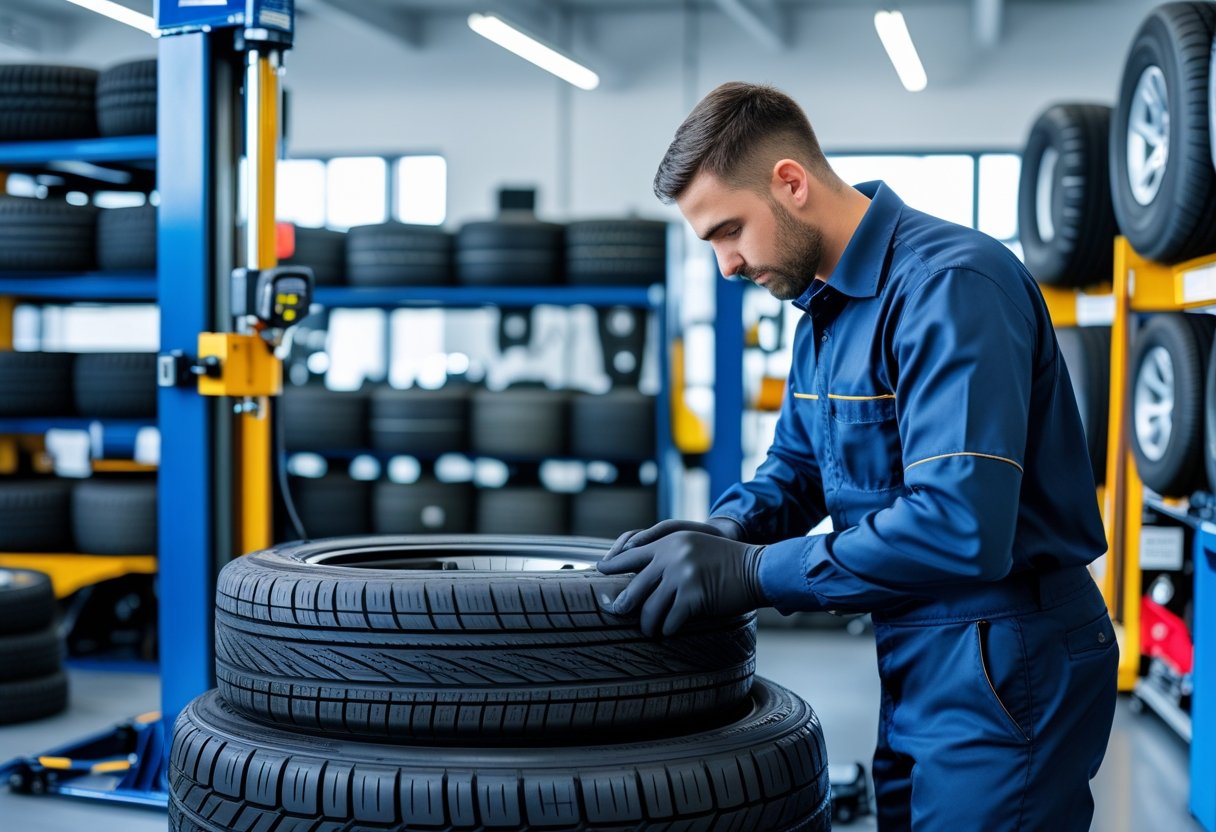
Many people do not realize how much proper tire care impacts performance and expenses. Simple steps like pressure checks, inspections, rotations, and timely replacements keep vehicles safe and reliable.
Advanced software and connected systems now help track tire usage and spot wear patterns. These tools make it easier to plan maintenance before problems happen.
A structured tire management program helps fleets stay productive and in control. Whether you manage a few vehicles or many, these practices and technologies lead to smoother operations, better fuel efficiency, and safer driving.
The Fundamentals of Tire Management
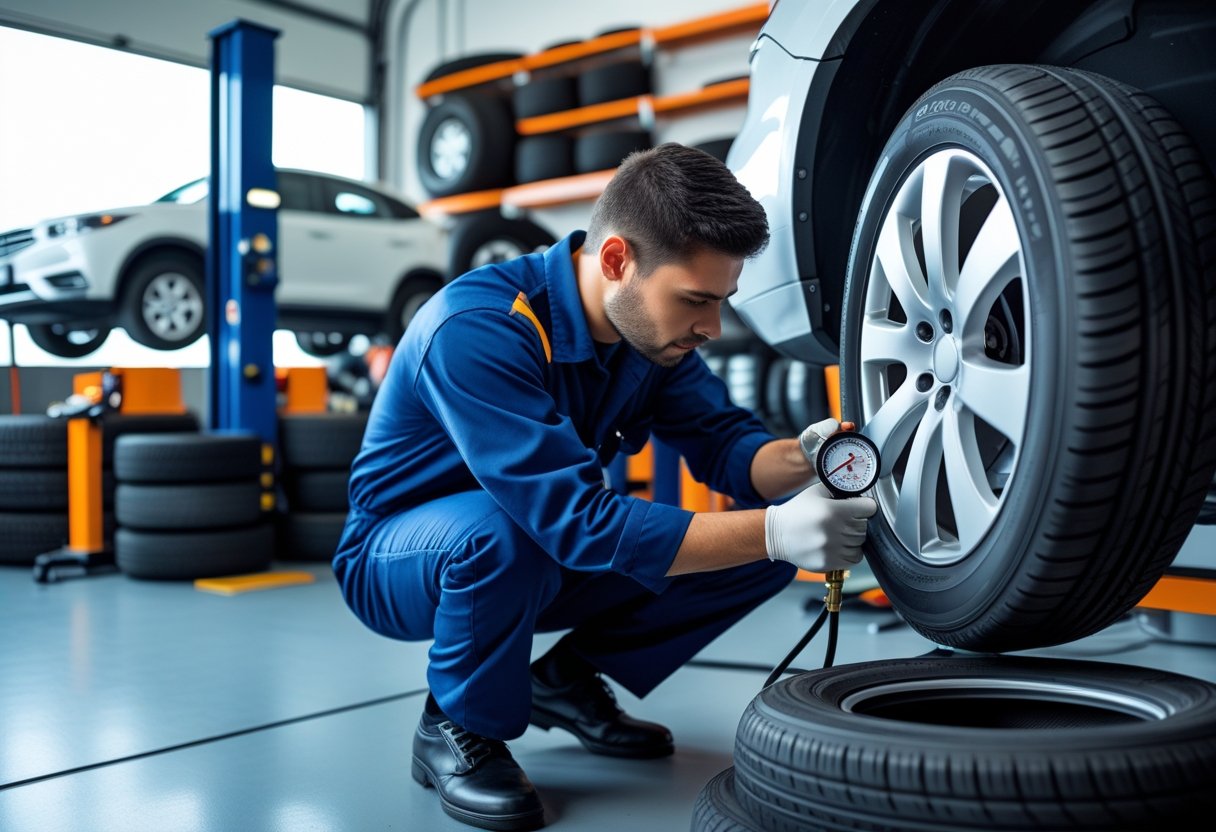
A good tire management system keeps tires healthy, extends their life, and lowers costs. It also gives fleet managers the data needed to improve vehicle safety and fleet performance.
What Is Tire Management?
Tire management is a system for tracking, maintaining, and analyzing tires from installation to removal. Fleet managers monitor tire pressure, tread depth, rotation schedules, and retreading cycles.
Routine inspections record tire condition, mileage, and repair history. Many fleets use digital platforms and sensors to get real-time updates and catch issues early.
Key areas of focus include:
- Pressure control: Keeping tires at the recommended level for safety and efficiency.
- Alignment checks: Fixing alignment to avoid uneven wear.
- Lifecycle tracking: Recording when and how each tire is used and replaced.
By managing tires as valuable assets, fleets save money and improve reliability.
Why Tire Management Matters
Tires affect driver safety, fuel economy, and total cost of ownership. Poor tire care can lower traction, reduce braking, and increase risk on the road.
Good tire management keeps rolling resistance low, which saves fuel. Proper inflation and load balance help cut costs for large fleets.
Benefits of consistent tire management include:
AreaImpactExampleSafetyFewer blowouts and accidentsRegular inspections prevent unnoticed damageCost ControlLower tire replacement frequencyRetreading extends lifecyclePerformanceStable handling and tractionBalanced tires improve driving conditions
Tire Inspections and Maintenance
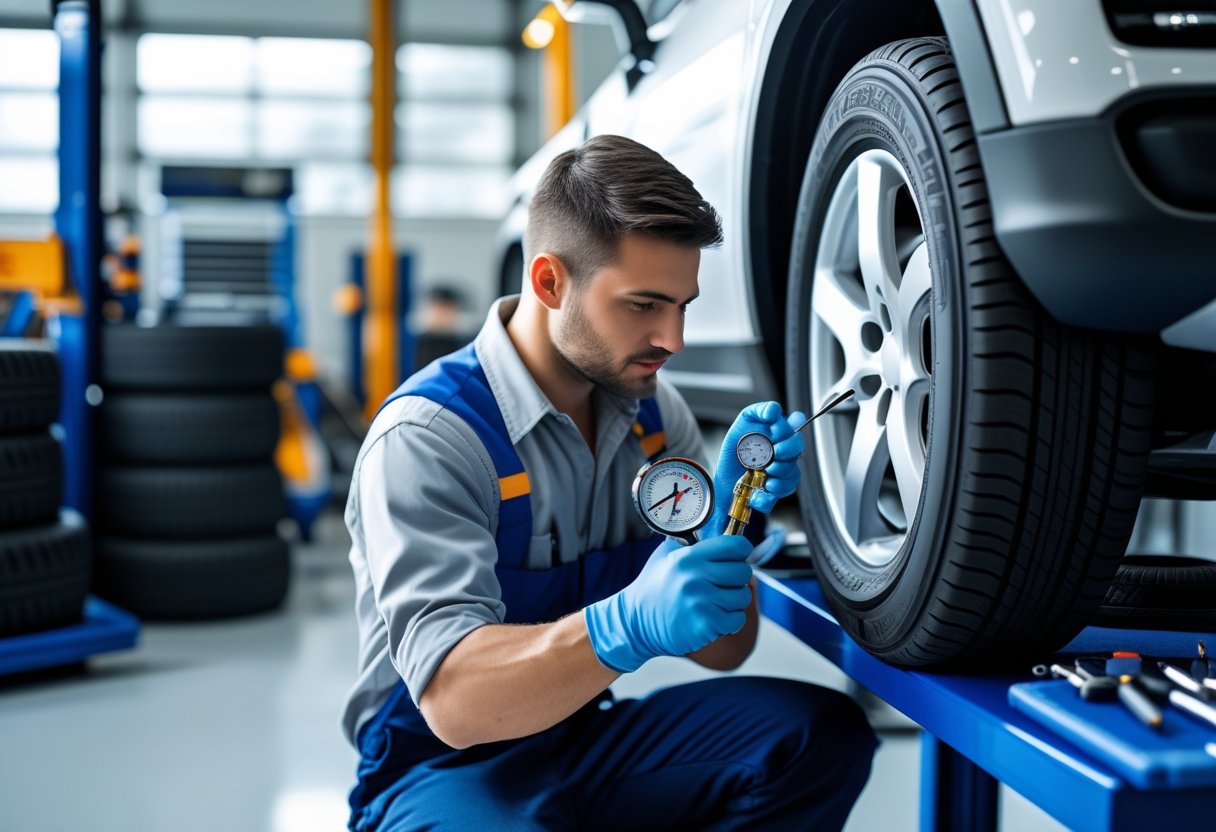
Routine tire inspections and clear maintenance schedules help fleets cut downtime, boost safety, and manage costs. Regular checks and preventive care keep every vehicle running safely and reliably.
Daily and Monthly Inspections
Vehicle inspections should happen regularly, with different checks for daily and monthly routines.
Daily inspections look for safety issues that could affect driving right away. Drivers or staff check tire pressure, tread wear, and visible damage like cuts or bulges.
Any problems found should be fixed right away.
Monthly or post-trip inspections go deeper. Inspectors check wear patterns, valve condition, and pressure trends.
Using a digital inspection log helps keep records accurate and ensures compliance.
A daily checklist might include:
- Tire air pressure within limits
- Even tread wear
- No visible cracks, debris, or leaks
- Proper alignment and rotation
Good documentation helps spot recurring problems and supports fleet performance analysis.
Tread Depth Standards
Tread depth affects traction, braking, and tire life. Most tires need at least 2/32 inch tread for safe driving, but some fleets set higher standards for certain routes or weather.
Uneven tread can mean inflation, alignment, or suspension issues. Inspections should measure tread in several spots to find differences.
Regular tread checks also help meet safety rules and manufacturer recommendations.
Tread Depth (inches)ConditionRecommended Action6/32 or greaterOptimalContinue normal use4/32 – 5/32Moderate wearMonitor more frequently2/32 – 3/32Critical thresholdPlan replacement soonBelow 2/32UnsafeReplace immediately
Tracking tread depth across the fleet helps predict when replacements are needed.
Preventive Maintenance Schedules
Preventive maintenance makes tires last longer and avoids breakdowns. Regular rotation, balancing, and alignment keep tread wear even.
Fleet operators often schedule tire service with other maintenance to save time.
A typical schedule includes rotation every 6,000 to 8,000 miles, with balancing and alignment checks every two to three months.
For commercial fleets, inspections can match oil change or service intervals.
Including data like wear rate, pressure history, and repairs in reports helps predict future needs and guides purchases.
Planning ahead reduces surprises, improves fuel use, and keeps vehicles handling well.
Tire Pressure Monitoring and TPMS
Keeping tires at the right pressure improves handling, fuel use, and tread wear. Reliable monitoring systems help drivers spot problems early.
Maintaining Proper Tire Pressure
Tire pressure affects braking, steering, and fuel use. Most vehicles list the ideal pressure (PSI) on a sticker inside the door or in the manual.
Underinflated tires wear out faster and can overheat. Overinflated tires lose traction and wear unevenly.
Check and adjust pressure regularly to avoid these problems.
Temperature and altitude changes can affect PSI. Drivers should check pressure at least monthly or before long trips, using a good gauge when tires are cold.
Keeping all tires at the right pressure helps balance the vehicle and extends tire life.
Tire Pressure Monitoring Systems
A Tire Pressure Monitoring System (TPMS) tracks tire pressure in real time and warns the driver if it drops too low. Most vehicles made after 2007 have TPMS as a safety feature.
There are two main types:
TypeDescriptionDirect TPMSSensors in each tire measure PSI and send data to the vehicle’s computer.Indirect TPMSUses wheel speed data from brake sensors to estimate pressure.
Direct systems are more accurate but need sensor batteries. Indirect systems use software and may need recalibration.
Both types help prevent accidents and save fuel by catching underinflation early.
Tire Pressure Check Tools
Several tools help check and adjust tire pressure.
A digital tire pressure gauge gives accurate readings. Analog dial gauges and pencil-style gauges are also common.
Air compressors with built-in gauges make fast adjustments easy.
Service stations often have air pumps with preset PSI, but personal gauges confirm accuracy. Some advanced tools connect to apps or TPMS data for easier checks.
Regular use of these tools keeps tires safe and helps spot leaks early.
Tire Rotation, Wear, and Replacement
Good tire management boosts safety, fuel savings, and reliability. Regular tire rotation spreads wear evenly, while monitoring catches uneven tread early.
Tire Rotation Best Practices
Rotating tires moves each one to a new position at set intervals to balance wear. Most cars need rotation every 5,000–8,000 miles, while trucks may follow mileage or hours based on load and use.
Common patterns include front-to-rear, cross, or X-patterns, depending on tire type and vehicle setup.
Accurate records help keep rotation on schedule and reveal issues like misalignment.
When rotating tires:
- Check and adjust tire pressure.
- Measure and record tread depth.
- Inspect for cuts, bulges, or objects.
Good records support maintenance and help prevent uneven wear.
Understanding Tire Wear Patterns
Tire wear shows how a vehicle is used and maintained. Uneven tread can mean misalignment, unbalanced wheels, or wrong pressure.
Center wear often means overinflation. Edge wear points to underinflation. Cupping or scalloping can signal suspension or shock problems.
Technicians use tread gauges or scanners to check wear. Rotating tires before wear gets bad prevents early replacement and keeps traction even.
Comparing left and right tires can reveal alignment issues. Fixing these early keeps steering and braking safe.
Extending Tire Lifespan
Long-lasting tires need regular care and the right conditions. Keeping pressure within the recommended range reduces heat and rolling resistance.
Regular alignment checks prevent tread problems. Tracking mileage, tread depth, and rotation helps spot wear trends early.
Store tires in cool, dry places away from sunlight and chemicals to keep them in good shape. Balanced loads, gentle driving, and using the right tires for the job all help tires last longer.
Leveraging Technology and Software for Tire Management
Modern fleets use digital tools to control tire costs, improve safety, and make maintenance easier. Technology connects vehicles, sensors, and software to give managers real-time data and better decision-making.
Tire Management Systems
A tire management system (TMS) uses connected hardware and software to track tires throughout their entire lifecycle. This includes purchase, installation, rotation, retreading, and disposal.
Each tire receives a unique identifier for continuous monitoring of its location, usage, and condition.
Systems often link with telematics devices and sensors. These sensors measure pressure, temperature, and tread depth.
This data provides early warnings about potential failures. Technicians can act before costly downtime occurs.
Typical features include:
- Automated maintenance scheduling
- Alerts for irregular wear or pressure loss
- Tire inventory and warranty tracking
- Integration with fuel and maintenance systems
Centralized tire condition data reduces manual tracking errors. Fleets gain better visibility across all vehicles.
Tire Management Software
Tire management software adds analytics dashboards, reporting tools, and remote monitoring. It allows managers to set performance benchmarks and compare data across brands, vehicle types, or routes.
Key software platforms integrate with maintenance and accounting systems. This streamlines work orders, cost allocation, and regulatory compliance.
The software records detailed service histories. It automatically schedules tire rotations or inspections based on mileage or time intervals.
FunctionBenefitRotation trackingExtends tire lifeCost reportsIdentifies savings opportunitiesDigital recordsSimplifies auditsCloud-based accessEnables multi-location control
Data Analytics and Data-Driven Insights
Data analytics transforms basic tire tracking into a predictive process. Real-time and historical data reveal trends such as uneven wear, underinflation, or brand performance differences.
Managers use these insights to adjust maintenance schedules and choose better products. This helps plan tire replacements more accurately.
With data-driven insights, companies can predict failures and optimize inventory. This approach reduces waste and improves safety.
Accumulated data strengthens forecasting. It allows more precise budgeting and resource allocation.
Tire Selection and Procurement
Selecting and maintaining the right tires affects fleet performance, cost efficiency, and driver safety. Focusing on tire quality, reliable dealer partnerships, and seasonal tire adaptation can prevent downtime and extend tire life.
Choosing High-Quality Tires
High-quality tires reduce rolling resistance and enhance traction. They last longer under heavy loads.
Fleets should review performance ratings, tread design, and compound durability before purchase. Reputable brands provide test data and fuel efficiency metrics for comparison.
When selecting tires, fleet managers consider these factors:
CriteriaDescriptionExampleLoad RatingWeight the tire can safely supportLight-, medium-, or heavy-dutyTread DesignPattern suited for regional, urban, or off-road useRibbed for highways, lug for mixed terrainRolling ResistanceAffects fuel usage and heat buildupLow-resistance compounds improve fuel economy
Purchasing high-quality tires from trusted manufacturers can reduce irregular wear. This lowers long-term operating costs, even if the initial price is higher.
Working With Tire Dealers
Strong relationships with dependable tire dealers help fleets maintain consistent supply and pricing. Dealers offer bulk purchasing, warranty management, and manufacturer support.
This cooperation ensures uniform tire sizing and brand consistency across vehicles. It simplifies inventory control and maintenance scheduling.
Fleet managers review tire sales data and past performance when negotiating supply agreements. Good dealers offer technical advice on selection, installation, and disposal.
They may also assist with tracking systems that record mileage, retreading history, and replacement cycles. Choosing a dealer with regional coverage and mobile service reduces downtime from unexpected tire issues.
Consistent dealer communication helps identify cost-saving opportunities. This does not compromise safety or reliability.
Winter Tire Considerations
Cold-weather conditions require tires designed for snow and ice. Winter tires use softer rubber compounds that stay flexible in low temperatures.
They feature deeper tread grooves and siping for better grip. Fleet operators should assess route temperatures and local regulations before switching to winter tires.
Some regions mandate seasonal tire use for commercial vehicles. Proper timing of installation—when average daily temperatures drop below 45°F (7°C)—prevents premature wear.
Store off-season tires in cool, dry, and dark environments to retain their integrity. Using dedicated winter tire sets reduces wear on primary tires and enhances safety during colder months.
Fleet Tire Management Strategies
Fleet operators benefit by maintaining control over tire inventory and focusing on cost reduction. Staying compliant with safety regulations is also important.
A focused approach reduces downtime and improves fleet efficiency. It ensures all vehicles meet performance and legal standards.
Inventory Control and Stock Management
Accurate tire inventory management helps fleets avoid shortages and overstocking. Each tire should be logged by serial number, position, and remaining tread life.
Using digital tracking systems or fleet management software improves record accuracy. It also simplifies replacement scheduling.
Rotation schedules and condition monitoring reveal uneven wear patterns. Managers can standardize tire brands or specifications across vehicles for consistency.
A simple inventory overview table helps structure tracking:
MetricPurposeExample ToolTire Serial NumberTrace performanceRFID or barcode systemRetread CountIdentify reuse limitsDigital logbookAge/Service HoursPlan replacementsFleet management app
Proper stock control reduces idle vehicles. Operations stay consistent even under heavy workloads.
Cost Reduction and Fuel Efficiency
Tires directly influence fuel economy and operating expenses. Keeping tires properly inflated, balanced, and aligned lowers rolling resistance.
This improves efficiency and reduces costs. Routine inspections and performance analysis help prevent premature replacements.
Managers compare cost per mile to measure true tire value. Selecting tires with longer tread life and retreading when suitable reduces total expenses.
Maintaining a consistent tire pressure schedule supports safer handling and lower fuel consumption. Simple automation, such as tire pressure monitoring systems (TPMS), provides real-time alerts.
This reduces downtime from blowouts or inefficiencies. Over time, these practices lead to predictable budgeting and longer tire life cycles.
Meeting DOT Regulations
Compliance with Department of Transportation (DOT) tire regulations keeps fleets safe and reduces liability. Fleets must check that each tire meets federal standards for tread depth, load rating, and speed classification before use.
Regular inspections help ensure tires remain within legal standards. Maintenance records should list every tire’s DOT serial number and inspection date.
Keeping logs up to date helps with audits and roadside checks.
Key compliance measures include:
- Replacing tires before tread depth falls below 4/32" on steer axles.
- Maintaining proper inflation to manufacturer and DOT standards.
- Ensuring recapped or retreaded tires meet certification requirements.