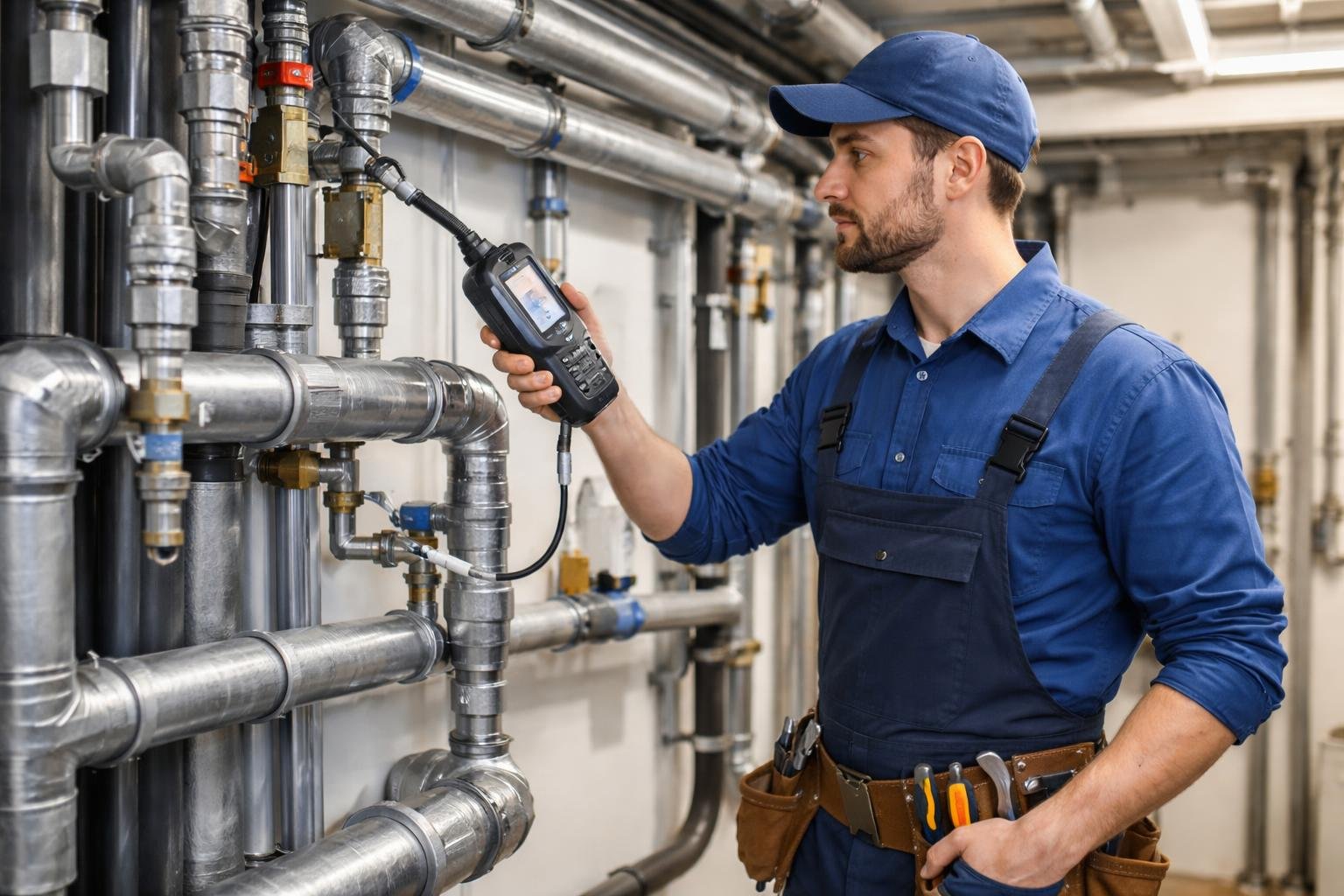
Fleet Telematics Operational Metrics: Key Performance Indicators for Modern Transportation Management
How to start saving money
Lorem ipsum dolor sit amet, consectetur adipiscing elit lobortis arcu enim urna adipiscing praesent velit viverra sit semper lorem eu cursus vel hendrerit elementum morbi curabitur etiam nibh justo, lorem aliquet donec sed sit mi dignissim at ante massa mattis.
- Neque sodales ut etiam sit amet nisl purus non tellus orci ac auctor
- Adipiscing elit ut aliquam purus sit amet viverra suspendisse potent
- Mauris commodo quis imperdiet massa tincidunt nunc pulvinar
- Excepteur sint occaecat cupidatat non proident sunt in culpa qui officia
Why it is important to start saving
Vitae congue eu consequat ac felis placerat vestibulum lectus mauris ultrices cursus sit amet dictum sit amet justo donec enim diam porttitor lacus luctus accumsan tortor posuere praesent tristique magna sit amet purus gravida quis blandit turpis.

How much money should I save?
At risus viverra adipiscing at in tellus integer feugiat nisl pretium fusce id velit ut tortor sagittis orci a scelerisque purus semper eget at lectus urna duis convallis. porta nibh venenatis cras sed felis eget neque laoreet suspendisse interdum consectetur libero id faucibus nisl donec pretium vulputate sapien nec sagittis aliquam nunc lobortis mattis aliquam faucibus purus in.
- Neque sodales ut etiam sit amet nisl purus non tellus orci ac auctor
- Adipiscing elit ut aliquam purus sit amet viverra suspendisse potenti
- Mauris commodo quis imperdiet massa tincidunt nunc pulvinar
- Adipiscing elit ut aliquam purus sit amet viverra suspendisse potenti
What percentege of my income should go to savings?
Nisi quis eleifend quam adipiscing vitae aliquet bibendum enim facilisis gravida neque. Velit euismod in pellentesque massa placerat volutpat lacus laoreet non curabitur gravida odio aenean sed adipiscing diam donec adipiscing tristique risus. amet est placerat in egestas erat imperdiet sed euismod nisi.
“Nisi quis eleifend quam adipiscing vitae aliquet bibendum enim facilisis gravida neque velit euismod in pellentesque”
Do you have any comments? Share them with us on social media
Eget lorem dolor sed viverra ipsum nunc aliquet bibendum felis donec et odio pellentesque diam volutpat commodo sed egestas aliquam sem fringilla ut morbi tincidunt augue interdum velit euismod eu tincidunt tortor aliquam nulla facilisi aenean sed adipiscing diam donec adipiscing ut lectus arcu bibendum at varius vel pharetra nibh venenatis cras sed felis eget.
Fleet telematics has changed how organizations monitor and optimize their vehicle operations. It provides data-driven insights that improve decision-making.
Fleet telematics operational metrics are measurable data points from GPS devices, vehicle sensors, and data platforms. These metrics track vehicle performance, driver behavior, fuel use, maintenance needs, and fleet efficiency in real time.
Fleet managers use these metrics to make informed decisions based on actual data. This approach replaces guesswork with clear, actionable information.

Knowing which metrics to track and how to interpret them helps fleets control costs and boost efficiency. Key operational metrics reveal fuel waste, maintenance issues, and safety risks that require attention.
Without proper measurement, managers cannot see where to cut expenses or improve productivity.
Modern telematics systems track many metrics at once, but not all are equally important. Fleet managers should focus on metrics that support their main goals, like reducing costs, improving safety, or extending vehicle life.
Choosing the right metrics helps managers make improvements across the fleet.
Fundamentals of Fleet Telematics Operational Metrics

Fleet telematics operational metrics turn raw vehicle data into useful performance indicators. These metrics use GPS tracking, sensors, and cloud-based platforms to measure fleet efficiency, costs, and safety.
What Are Fleet Telematics Operational Metrics?
Fleet telematics operational metrics are measurements from vehicle sensors, GPS devices, and onboard diagnostics. These metrics track fuel use, vehicle utilization, maintenance schedules, and driver behavior.
Data is collected from each vehicle on engine performance, location, speed, idle time, and diagnostic trouble codes. This information is sent to central platforms and converted into actionable metrics.
Common operational metrics include:
- Fuel consumption per vehicle and miles per gallon
- Vehicle utilization rates (active vs. idle time)
- Maintenance compliance (scheduled vs. unscheduled service)
- Cost per mile (fuel, maintenance, and operational expenses)
- Uptime and downtime percentages
Each metric helps managers make better decisions. For example, they can use these metrics to spot inefficient vehicles, improve routes, and lower costs.
Importance of Telematics Data in Fleet Management
Telematics data gives managers a clear view of fleet operations. This is more reliable than driver reports or manual logs.
Fuel costs are often the biggest fleet expense. Telematics shows which vehicles use too much fuel and which routes are inefficient.
Managers can use this data to reduce waste.
Driver behavior metrics help improve safety. Telematics tracks hard braking, speeding, and sharp turns.
This information supports coaching programs that lower accident rates.
Accurate vehicle health data is key for maintenance. Telematics monitors engine hours, mileage, and diagnostic codes to trigger alerts.
This helps prevent breakdowns and keeps vehicles running longer.
How Telematics Enables Real-Time Analytics
Real-time analytics process vehicle data as it happens. Telematics devices send information to cloud platforms, where it is analyzed and alerts are generated.
GPS tracking gives live location updates every few seconds. Managers can see where vehicles are, check routes, and respond quickly to delays.
Engine diagnostics provide instant alerts for mechanical problems. The system warns about issues like high temperatures or low fluids before they cause breakdowns.
Maintenance teams can act quickly when they get these alerts.
Driver behavior is also monitored in real time. Some systems alert drivers in the cab for speeding or harsh braking.
This immediate feedback helps drivers improve their habits and reduces risk.
Key Operational Metrics in Fleet Telematics
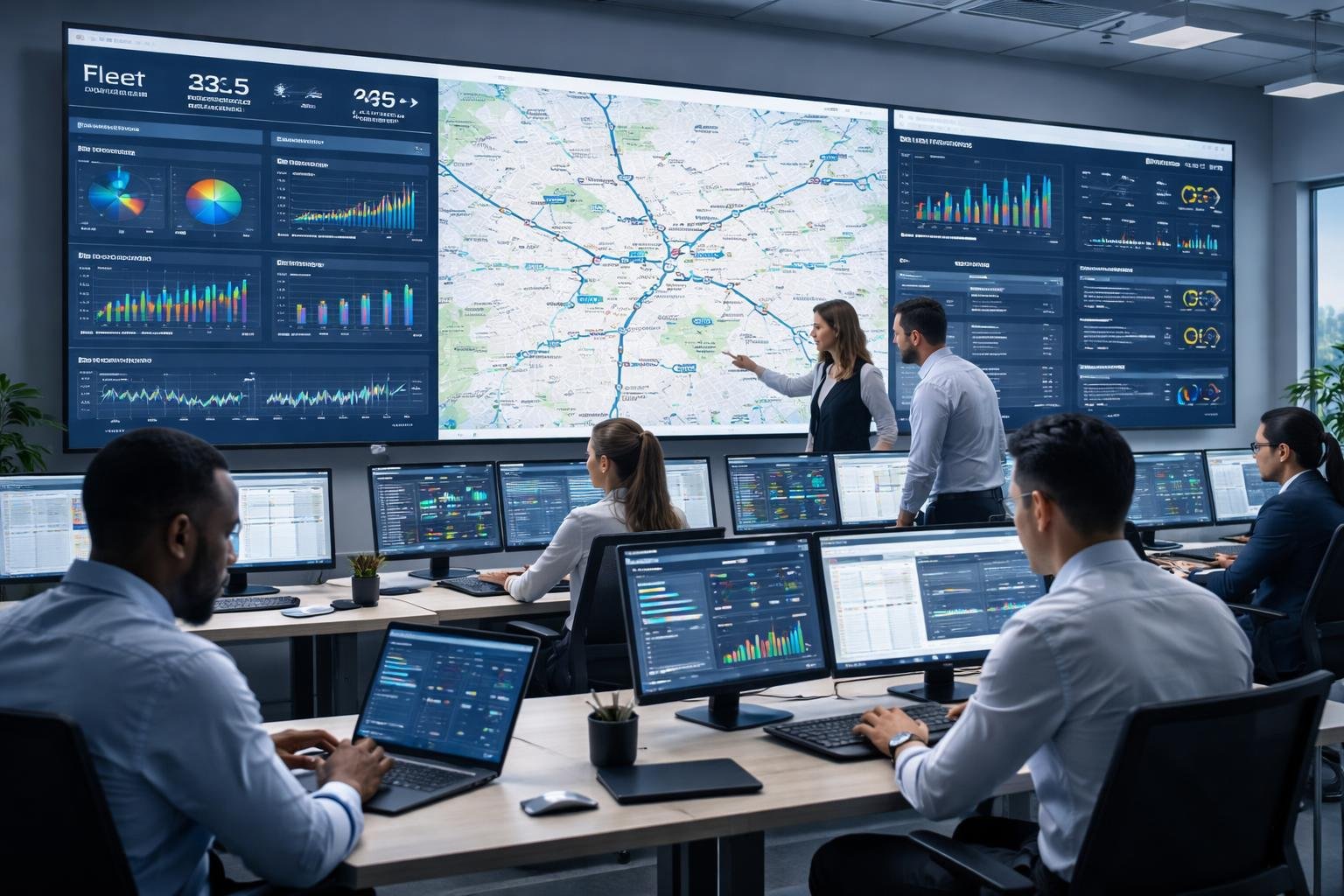
Fleet telematics systems create data that helps control costs and improve efficiency. Tracking asset utilization, vehicle availability, and maintenance performance gives managers clear insights for better operations.
Asset Utilization and Utilization Rate
The utilization rate shows how much fleet vehicles are used compared to their availability. It is the percentage of time vehicles are in use versus idle.
Managers calculate utilization by dividing active hours by total available hours. For example, a vehicle used 6 out of 10 hours has a 60% utilization rate.
Low utilization means there may be too many vehicles or assets are not used efficiently.
Telematics tracks movement, engine hours, and idle time automatically. This data shows which vehicles add value and which only add costs.
High-performing fleets aim for 65-85% utilization, depending on their industry. Rates below 50% often mean the fleet is too large, while rates above 90% may cause faster wear and less backup.
Vehicle Downtime and Uptime
Vehicle downtime means lost productivity. Telematics platforms track uptime percentages by monitoring when vehicles are working versus unavailable.
Uptime is calculated by dividing operational hours by total scheduled hours. For example, 23 days available out of 25 means 92% uptime.
Managers use this metric to spot vehicles with frequent problems.
Unplanned downtime is expensive and disrupts schedules. Breakdowns during busy times can cause delays and extra costs.
Telematics flags vehicles with frequent issues through alerts and patterns. This allows for early intervention before problems grow.
Maintenance Scheduling and Completion Rate
PM on-time completion shows how often fleets complete scheduled maintenance on time. It is calculated by dividing completed tasks by scheduled tasks.
Accurate mileage and engine hour data from telematics make scheduling easier. Automated alerts help managers plan maintenance and avoid missed services.
A high ratio of scheduled to unscheduled service means maintenance is well managed. Good fleets keep 80-90% of maintenance scheduled.
Maintenance should be based on usage, not just calendar dates. Telematics tracks real conditions to ensure vehicles get service when needed.
Inspection Completion and Pass/Fail Rate
The inspection completion rate measures how many required inspections are done on time. Daily driver vehicle inspection reports (DVIR) help meet regulations and catch safety issues early.
Telematics digitizes DVIRs, letting drivers submit inspections by mobile device. This creates records for audits and reduces paperwork.
Key inspection metrics include:
- Completion rate – Inspections performed versus required
- On-time submission – Reports filed within set windows
- Pass/fail rate – Percentage of vehicles passing without defects
- Defect resolution time – Time from finding a problem to repair
A low pass rate suggests maintenance issues. High pass rates mean assets are well maintained.
Managers use these metrics to spot vehicles that need more attention.
Maintenance and Repair Metrics
Fleet telematics turns maintenance tracking into a precise process. These metrics help managers measure maintenance performance, find problem vehicles, and lower the cost of downtime.
Preventive Maintenance and Predictive Maintenance
PM on-time completion rate shows the percentage of scheduled preventive maintenance done on time. It is calculated by dividing completed services by scheduled services.
Leading fleets keep this rate above 95%.
Telematics tracks engine hours, mileage, and diagnostic codes to trigger maintenance alerts. This reduces missed services and keeps vehicles in good shape.
Predictive maintenance uses real-time data to spot problems before they cause failures. Algorithms analyze codes, oil quality, and engine metrics to warn about issues early.
Managers can fix problems during planned downtime instead of facing breakdowns.
Moving from reactive to preventive and predictive maintenance cuts unplanned downtime costs.
Time to Repair and Downtime Reduction
Mean time to repair (MTTR) is the average time needed to fix a vehicle and return it to service. Managers track MTTR to find delays in the repair process.
Telematics sends fault codes and health data to shops before the vehicle arrives. Technicians can prepare parts and tools, reducing diagnostic time.
Service records linked to telematics help identify recurring issues.
Uptime percentage is the share of time vehicles are available for work. High-performing fleets achieve 95% or higher uptime.
Cutting repair time by even one hour can boost overall fleet uptime.
Automation in shops, connected to telematics systems, speeds up repairs with automated work orders and parts tracking.
Scheduled vs. Unscheduled Service
The scheduled vs. unscheduled service ratio compares planned maintenance to emergency repairs. Healthy fleets keep about 80% of maintenance scheduled.
Unscheduled repairs cost much more than planned maintenance. Telematics tracks this ratio and highlights vehicles with frequent breakdowns.
Problem vehicles may need to be replaced or checked for deeper issues.
Service reports from telematics show patterns in unscheduled breakdowns by vehicle type and usage. Managers can use this data to adjust maintenance schedules and replacement plans.
Cost per Mile and Maintenance Costs
Cost per mile (CPM) is total maintenance expense divided by miles driven. Telematics systems calculate CPM by combining odometer readings with maintenance costs.
Managers monitor CPM for each vehicle and compare it to fleet averages. A vehicle with a much higher CPM may have mechanical or driver issues.
Older vehicles often have rising CPM, which can signal when to replace them.
Total maintenance costs include parts, labor, outside services, and indirect costs like downtime. Telematics links these costs to specific vehicles and repairs.
Parts and inventory metrics help managers see which parts are replaced most often. This information supports better buying and stocking decisions.
Driver Behavior and Fleet Safety Metrics
Fleet safety metrics from telematics systems measure driver performance using behaviors like harsh braking, rapid acceleration, and speeding. These data points are used to create safety scores and support targeted driver training programs that help reduce accidents and operational costs.
Driver Performance and Safety Score
A safety score combines several driving behaviors into a single metric for each driver. Telematics systems calculate these scores by tracking events like hard cornering, sudden stops, speed violations, and idle time.
Scoring algorithms deduct points for risky behaviors and reward safe driving. Fleet managers can compare drivers to company averages or industry standards to spot high-risk operators and top performers.
This data-driven approach removes guesswork from driver evaluations. Safety scores help managers focus coaching efforts on drivers who need the most improvement.
Regularly reviewing score trends shows if training efforts are working.
Harsh Braking, Rapid Acceleration, and Speeding
Harsh braking happens when a vehicle slows down faster than set limits, usually measured in g-forces. These events can signal distracted driving, tailgating, or poor anticipation of traffic. Telematics systems record the time and location of each event.
Rapid acceleration raises similar safety concerns and increases fuel use. Fleet tracking apps monitor how quickly drivers use the throttle and flag aggressive acceleration.
Speeding violations are tracked against both posted limits and company speed policies. Advanced systems weigh slight and severe violations differently in safety calculations. GPS data confirms where and how long each speeding event occurs.
These three metrics are key indicators of driver safety because they are linked to crash risk and vehicle wear. Monitoring and reducing these behaviors lowers insurance and maintenance costs.
Driver Training and Management
Driver management systems use telematics data to design training based on each driver's specific risky behaviors. When a driver often shows certain unsafe patterns, managers can assign targeted coaching instead of generic safety reviews.
Real-time alerts notify supervisors right away when serious safety violations happen. Some fleets use in-cab feedback systems to alert drivers about risky actions as they occur.
Effective training combines data review, practical demonstrations, and regular follow-ups. Gamification, such as rewards for safe driving, can boost driver engagement.
DVIR Compliance and Real-Time Alerts
Driver Vehicle Inspection Reports (DVIR) document vehicle checks required by law. Digital DVIR systems, connected with telematics, ensure drivers complete inspections on time and report mechanical issues immediately.
Real-time alerts inform maintenance teams when drivers report defects, allowing faster repairs. These systems create records that prove compliance during audits.
Fleet tracking apps make DVIR completion easier with mobile checklists. Automated reminders help prevent missed inspections, while digital records improve tracking of defects.
Fuel and Cost Efficiency Metrics
Fuel is the largest operating expense for most fleets, often making up 30-40% of total costs. Tracking fuel use, route efficiency, total ownership costs, and ROI helps managers cut expenses and improve performance.
Fuel Consumption, Usage, and Economy
Telematics systems collect real-time fuel consumption data through onboard sensors. These platforms track miles per gallon (MPG) for each vehicle, helping managers spot underperforming vehicles and fix issues early.
Fuel economy metrics show patterns in both driver behavior and vehicle performance. Telematics data highlights vehicles that use too much fuel compared to their class and workload.
This information helps managers decide if poor fuel economy is due to maintenance, driver habits, or route assignments.
Key fuel metrics to monitor:
- MPG by vehicle and driver – Finds performance outliers
- Fuel purchase logs – Tracks refueling and costs
- Fuel waste during idling – Measures unnecessary use
- Real-time fuel diagnostics – Detects problems and possible theft
Fleet managers using telematics-based fuel management often see 15-20% lower fuel costs. Fuel cards linked to telematics add visibility into purchasing and help prevent unauthorized spending.
Route Optimization and Idling Time
Route optimization uses telematics data to find the most efficient paths between stops. The system considers traffic, delivery times, and vehicle capacity to cut unnecessary miles and fuel use.
Excessive idling burns fuel without benefit. Telematics platforms measure idle time for each vehicle and driver, making it easier to control this cost. An hour of idling can use up to half a gallon of fuel, depending on engine size.
Fleet dashboards track route efficiency by comparing planned and actual mileage. Deviations can signal the need to adjust routes or address driver compliance issues. Data also shows which routes underperform due to traffic or poor design.
Reducing idle time involves setting limits that trigger alerts when vehicles idle too long. Many fleets cap idle time at 5-10% of engine hours.
Total Cost of Ownership and Asset Depreciation
Total cost of ownership (TCO) includes all expenses for a vehicle during its life. Telematics data helps calculate TCO by tracking maintenance, fuel, usage, and repairs.
Asset depreciation speeds up when vehicles are poorly maintained or used harshly. Telematics systems monitor vehicle health and signal when assets near the end of their useful life.
TCO components tracked through telematics:
Cost CategoryTelematics MetricsFuelConsumption rates, MPG trendsMaintenancePM compliance, repair costsUtilizationHours operated, mileageDepreciationAge, condition scores
Cost per mile from telematics data shows which vehicles offer the best value. Managers compare these numbers across vehicle types and ages to make replacement decisions.
Cost Savings and Return on Investment
Fleets using telematics analytics often achieve an average ROI of 3.5× within a year. Savings come from lower fuel use, fewer breakdowns, and better driver productivity.
Measuring ROI requires tracking performance before and after telematics. Fuel savings alone can justify the investment, with many fleets saving $500-$1,200 per vehicle each year.
Cost efficiency improves as managers use insights to remove underused vehicles, negotiate better insurance rates, and reduce overtime through improved scheduling. Telematics alerts notify managers about maintenance needs before small issues turn into costly repairs.
The global fleet management market is expected to grow from $30.1 billion in 2026 to $122.3 billion by 2035, driven by analytics and reporting tools that show clear financial returns.
Fleet Visibility, Tracking, and Operational Efficiency
GPS tracking and real-time data streams create the foundation for operational control. Fleet managers use these tools to monitor vehicle locations, optimize asset use, and measure performance against delivery goals.
Real-Time GPS Tracking and Fleet Visibility
Real-time GPS tracking gives continuous location updates that transform daily fleet operations. Modern tracking apps deliver second-by-second positioning, letting dispatchers monitor movements, spot delays, and respond quickly to problems.
Fleet visibility goes beyond just knowing locations. Telematics systems combine GPS with vehicle diagnostics, driver data, and environmental conditions for a complete picture. This helps managers find inefficiencies like unauthorized stops, excessive idling, or route changes that waste fuel.
Accurate GPS allows for precise arrival time estimates. Fleet operators can update customers about delivery times and adjust schedules for traffic or weather. This transparency reduces customer calls and improves service reliability.
Asset Utilization and Data-Driven Decisions
Asset utilization measures how well vehicles are used. Telematics data shows which vehicles are idle, which are used most, and which routes underperform based on actual usage.
Data-driven decisions replace guesswork with facts. Managers analyze utilization reports to spot vehicles with low mileage or limited hours. This supports decisions about resizing the fleet, redeploying underused assets, or retiring vehicles that aren't cost-effective.
Key utilization metrics include:
- Operational hours per day – Active time vs. available time
- Miles driven per vehicle – Usage intensity
- Load capacity utilization – Cargo weight vs. maximum
- Revenue per vehicle – Financial return per asset
Higher utilization spreads fixed costs across more productive hours.
Fleet Analytics and Operational Efficiency
Fleet analytics turn telematics data into actionable insights. Advanced systems track maintenance, fuel use, driver scores, and route efficiency to find ways to improve operations.
Efficiency gains come when analytics reveal patterns, like frequent harsh braking that may signal driver training needs or route hazards. Fuel analysis can uncover vehicles with maintenance issues or inefficient driving.
Analytics dashboards show key metrics at a glance. Managers can quickly monitor performance and respond to problems. Automated alerts warn when vehicles idle too long, leave their routes, or trigger diagnostic codes.
Continuous monitoring lets managers address issues before they become costly breakdowns or service failures.
Customer Satisfaction and On-Time Delivery Rate
On-time delivery rate strongly affects customer satisfaction and contract renewals. Fleet telematics gives the tracking needed to meet delivery promises and document performance.
Real-time visibility lets customer service give accurate updates. Customers can track shipments or get notifications about arrival times, which improves satisfaction even if there are minor delays. Transparency builds trust.
Fleet data helps spot bottlenecks that delay deliveries. Analysis may reveal certain routes are often late due to traffic, loading delays, or scheduling. Fixing these issues through route optimization or better scheduling improves on-time rates.
Companies with 95% or higher on-time rates see fewer complaints and higher customer retention than those with inconsistent delivery.
Leveraging Telematics Technology for Optimization
Getting the most from telematics requires strategic integration with existing systems, good management of vehicle components and maintenance, strong security, and careful selection of technology partners. Together, these elements turn raw data into operational improvements.
Integration with Fleet Management Software
Telematics integration with fleet management software removes data silos and creates a unified platform. This connection allows automatic data flow between vehicle sensors and management systems, reducing manual entry and errors.
Modern software accepts telematics data through APIs that standardize formats across vehicle types and brands. Managers can see fuel use, location, engine diagnostics, and driver behavior in one dashboard.
Integration supports automated workflows, such as scheduling maintenance when engine codes appear or sending alerts when vehicles enter restricted zones.
Key integration capabilities include:
- Real-time GPS updates linked with dispatch systems
- Automatic mileage logging for compliance and billing
- Driver behavior scoring for safety management
- Fuel data linked to route efficiency metrics
The technical setup needs stable connections between telematics hardware, cloud platforms, and management software. Fleet operators should ensure their systems support two-way communication, allowing commands to be sent back to vehicles when needed.
Parts, Inventory, and Work Order Management
Telematics technology provides diagnostic data needed to manage parts and inventory proactively. Engine fault codes, oil life monitoring, brake wear sensors, and tire pressure systems generate alerts that can trigger parts ordering before failures happen.
Inventory tracking systems connected to telematics platforms help maintain optimal stock levels based on real vehicle condition data. When a telematics system detects a check engine light, the inventory system can quickly check parts availability and flag shortages for ordering.
Work orders created from telematics inputs include specific diagnostic trouble codes and sensor readings. This gives technicians information before vehicles arrive at the shop and reduces diagnostic time.
The system can automatically prioritize work orders based on severity codes. This ensures critical safety issues are addressed first, while less urgent maintenance is scheduled during planned downtime.
Integration between telematics and maintenance systems creates historical records linking repairs to vehicle performance data. This enables analysis of component reliability and vendor quality across the fleet.
Ensuring Data Privacy and Security
Telematics systems collect detailed information about vehicle locations, routes, driver behavior, and operational patterns. This information requires strong protection.
Fleet operators must use encryption for data transmission between vehicles and cloud servers. This prevents interception during wireless communication.
Access controls should limit telematics data visibility based on job roles. Only authorized personnel should view sensitive information.
Driver privacy protections may include policies that limit continuous tracking to work hours or company vehicles only.
Security measures include:
- End-to-end encryption for all data transmissions
- Multi-factor authentication for system access
- Regular security audits and penetration testing
- Clear data retention policies and automated purging schedules
Compliance with privacy regulations varies by region. Some areas require driver consent for certain types of monitoring.
Fleet operators should have clear policies explaining what data is collected, how it is used, and who can access it.
Selecting a Telematics Provider
Choosing a telematics provider involves evaluating hardware reliability and software capabilities. It is also important to consider integration options and support services.
Providers vary in technical specifications and data ownership policies. Contract terms can also differ between providers.
Hardware durability is important for fleets in extreme temperatures or high-vibration environments. Devices should be compatible with both older vehicles and newer models with built-in connectivity.
Contract terms should define data ownership. The fleet should keep rights to information collected from their vehicles.
Providers may charge per-vehicle monthly fees. Service tiers can include different data refresh rates, API access, and storage durations.
Some providers restrict data exports or charge extra for integration with third-party software. This can affect how easily data is shared with other systems.
Technical support availability affects how quickly issues are resolved. Provider networks should offer reliable cellular or satellite connectivity for all operational areas.