Fleet Telematics Analytics Software: Essential Tools for Data-Driven Vehicle Management
How to start saving money
Lorem ipsum dolor sit amet, consectetur adipiscing elit lobortis arcu enim urna adipiscing praesent velit viverra sit semper lorem eu cursus vel hendrerit elementum morbi curabitur etiam nibh justo, lorem aliquet donec sed sit mi dignissim at ante massa mattis.
- Neque sodales ut etiam sit amet nisl purus non tellus orci ac auctor
- Adipiscing elit ut aliquam purus sit amet viverra suspendisse potent
- Mauris commodo quis imperdiet massa tincidunt nunc pulvinar
- Excepteur sint occaecat cupidatat non proident sunt in culpa qui officia
Why it is important to start saving
Vitae congue eu consequat ac felis placerat vestibulum lectus mauris ultrices cursus sit amet dictum sit amet justo donec enim diam porttitor lacus luctus accumsan tortor posuere praesent tristique magna sit amet purus gravida quis blandit turpis.

How much money should I save?
At risus viverra adipiscing at in tellus integer feugiat nisl pretium fusce id velit ut tortor sagittis orci a scelerisque purus semper eget at lectus urna duis convallis. porta nibh venenatis cras sed felis eget neque laoreet suspendisse interdum consectetur libero id faucibus nisl donec pretium vulputate sapien nec sagittis aliquam nunc lobortis mattis aliquam faucibus purus in.
- Neque sodales ut etiam sit amet nisl purus non tellus orci ac auctor
- Adipiscing elit ut aliquam purus sit amet viverra suspendisse potenti
- Mauris commodo quis imperdiet massa tincidunt nunc pulvinar
- Adipiscing elit ut aliquam purus sit amet viverra suspendisse potenti
What percentege of my income should go to savings?
Nisi quis eleifend quam adipiscing vitae aliquet bibendum enim facilisis gravida neque. Velit euismod in pellentesque massa placerat volutpat lacus laoreet non curabitur gravida odio aenean sed adipiscing diam donec adipiscing tristique risus. amet est placerat in egestas erat imperdiet sed euismod nisi.
“Nisi quis eleifend quam adipiscing vitae aliquet bibendum enim facilisis gravida neque velit euismod in pellentesque”
Do you have any comments? Share them with us on social media
Eget lorem dolor sed viverra ipsum nunc aliquet bibendum felis donec et odio pellentesque diam volutpat commodo sed egestas aliquam sem fringilla ut morbi tincidunt augue interdum velit euismod eu tincidunt tortor aliquam nulla facilisi aenean sed adipiscing diam donec adipiscing ut lectus arcu bibendum at varius vel pharetra nibh venenatis cras sed felis eget.
Fleet managers today face an overwhelming amount of vehicle data. They often struggle to extract meaningful insights that drive real business improvements.
GPS coordinates, fuel consumption rates, driver behavior metrics, and maintenance alerts flood in constantly. Translating this raw information into cost savings and performance gains remains a significant challenge.
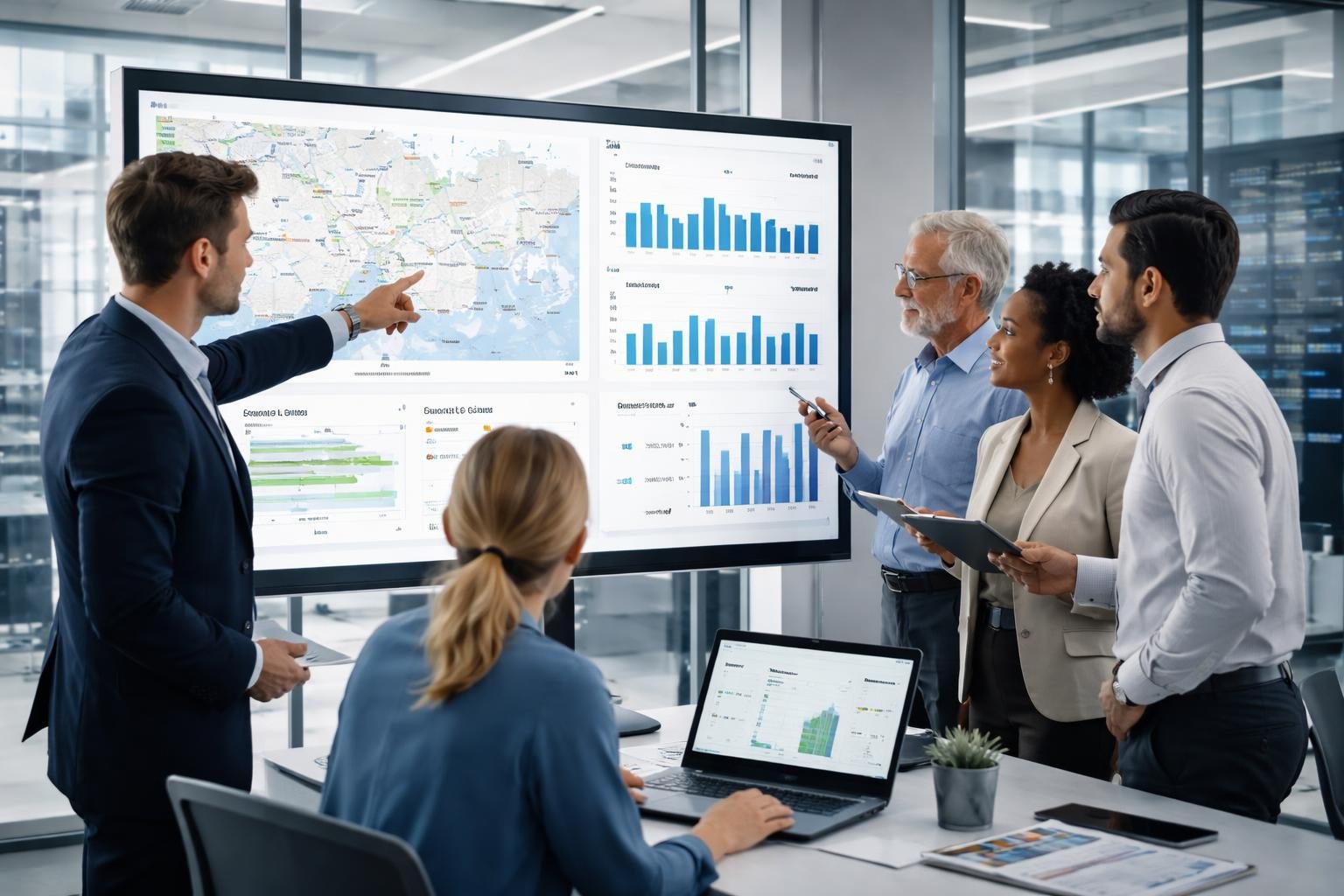
Fleet telematics analytics software transforms raw vehicle data into actionable intelligence that reduces operational costs, improves safety outcomes, and enhances overall fleet performance. These platforms collect information from GPS tracking systems, onboard diagnostics, and various sensors. The software processes this data through analytics engines to identify patterns, inefficiencies, and opportunities for optimization.
This article explores how fleet telematics analytics software works and what essential features to consider. It also examines how organizations leverage these tools to streamline operations.
The discussion covers data integration methods, safety and compliance applications, cost reduction strategies, and emerging technologies shaping the future of fleet analytics.
What Is Fleet Telematics Analytics Software?

Fleet telematics analytics software processes data collected from vehicles through GPS tracking, onboard diagnostics, and wireless communication systems. It delivers actionable insights for fleet operations.
The software transforms raw telematics data into reports on vehicle performance, driver behavior, fuel consumption, and maintenance needs.
How Telematics and Analytics Work Together
Telematics systems capture data from vehicles using hardware devices that monitor location, engine diagnostics, and driver actions. The Global Positioning System tracks vehicle movements and routes in real-time.
Analytics software receives this telematics data through cloud-based platforms. Algorithms process the information to identify patterns in fuel usage, detect unsafe driving behaviors, and predict maintenance needs before breakdowns occur.
Fleet managers access dashboards that display metrics such as idle time, harsh braking events, and route efficiency. This combination allows fleet telematics solutions to provide recommendations that reduce costs and improve safety outcomes.
Key Components: Hardware, Software, and Data Flow
Hardware devices installed in vehicles include GPS receivers, onboard diagnostic ports, and sensors that monitor engine performance, fuel levels, and vehicle speed. These components collect data continuously during vehicle operation.
Telematics software serves as the central platform that receives, stores, and analyzes transmitted data. The software includes real-time monitoring dashboards, reporting tools for historical analysis, alert systems for maintenance and safety events, and integration capabilities with fleet management systems.
Data flow begins when vehicle sensors capture operational information. Wireless communication networks transmit this data to cloud servers where telematics systems process it.
Analytics engines apply algorithms to identify trends and generate reports. Fleet managers use these reports for decision-making.
The entire cycle operates continuously. Insights are updated as vehicles operate throughout each day.
Core Features and Capabilities
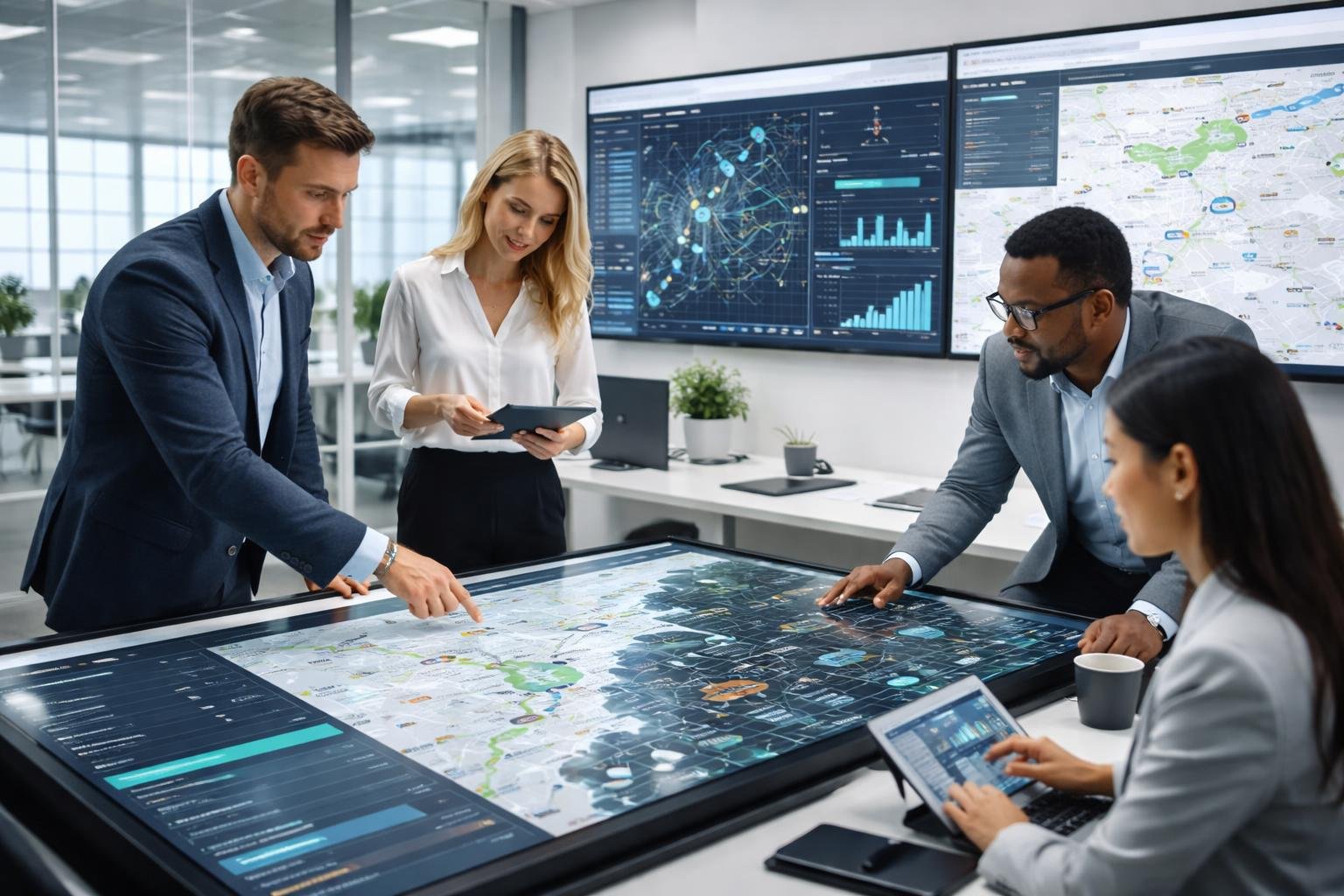
Fleet telematics analytics software operates through four key pillars that enable comprehensive vehicle and driver management. These core capabilities leverage GPS technology, diagnostic systems, behavioral analytics, and automated maintenance tools.
Real-Time GPS Tracking
Real-time GPS tracking provides continuous location data for every vehicle in a fleet. Updates occur every few seconds to minutes, depending on system configuration.
Fleet managers access this data through centralized dashboards that display vehicle locations on interactive maps. This allows them to monitor routes, verify job site arrivals, and respond to customer inquiries with accurate ETAs.
Satellite positioning combines with cellular or wireless communication to transmit coordinates, speed, and directional data to cloud-based platforms. Managers gain immediate visibility into fleet operations without manual check-ins.
Real-time tracking also supports geofencing capabilities. Automated alerts trigger when vehicles enter or exit predefined boundaries.
These virtual perimeters help enforce authorized service areas, prevent unauthorized vehicle use, and streamline job site management.
Vehicle Diagnostics and Engine Data
Onboard diagnostics integration connects telematics systems directly to vehicle engine control units through OBD-II ports or CAN bus interfaces. This connection provides access to diagnostic trouble codes, fuel consumption rates, battery voltage, coolant temperatures, and other performance metrics.
Vehicle diagnostics data streams continuously to the analytics platform. Algorithms identify anomalies and potential mechanical issues before breakdowns occur.
The system monitors parameters like oil pressure, transmission temperature, and emission system performance. Early warning signs of component failure are detected.
Engine data also reveals operational inefficiencies such as excessive idling, aggressive acceleration, and fuel waste. Fleet managers use these insights to optimize utilization and extend asset lifecycles.
Driver Behavior Monitoring
Driver behavior monitoring analyzes acceleration patterns, braking intensity, cornering forces, and speeding incidents. The software captures harsh braking events, rapid acceleration, and aggressive turns through accelerometer sensors and GPS velocity calculations.
These behavioral metrics generate driver scorecards that rank operators based on safety and fuel efficiency. Managers use these scores to identify training needs and recognize top performers.
Monitoring can extend to hours of service compliance, seatbelt use, and distraction events when integrated with in-cab camera systems. This view of driver conduct supports safer operations and provides data for insurance claims.
Maintenance Scheduling and Alerts
Maintenance scheduling automation tracks vehicle odometer readings, engine hours, and calendar intervals. The system triggers service reminders based on manufacturer specifications.
Maintenance alerts notify fleet managers and technicians when vehicles approach scheduled service intervals. These notifications typically arrive 500-1000 miles before the due date to allow scheduling flexibility.
Digital vehicle inspection reports (DVIR) integrate with maintenance systems to document inspections and capture defects in real-time. This creates a maintenance history that supports compliance and helps prevent breakdowns.
Fleet Data Integration and Reporting
Modern fleet operations generate data across multiple systems—telematics devices, fuel cards, maintenance platforms, and ELD systems. Effective integration consolidates these sources into unified analytics platforms.
Centralized Dashboards and Analytics Tools
Centralized dashboards pull fleet data into a single interface. These systems display real-time metrics on vehicle location, fuel consumption, maintenance status, driver behavior, and compliance alerts.
Advanced analytics tools process telematics data alongside maintenance records and fuel transactions. Fleet managers can monitor collision detection, live safety alerts, and claims reporting from one screen.
Modern platforms support integration with many device types, including OBD-II devices, GPS trackers, and ELD systems. This ensures that fleets can choose telematics providers based on their needs.
Integration With Other Fleet Management Systems
Fleet management software must connect with existing corporate systems for complete operational visibility. Integration capabilities typically include APIs and pre-built connectors for fuel card providers, tire management platforms, toll systems, and financial software.
Data integration automates information flow between systems and reduces manual data entry. When a telematics system detects a fault code, integrated platforms can automatically create maintenance work orders, notify technicians, and update vehicle availability.
Some platforms use Private Telematics Lakehouse architecture for SQL-based queries and geospatial analytics. Others offer cloud-based middleware to standardize data formats across providers.
Organizations should evaluate whether integration capabilities support their tech stack and data volume needs.
Actionable Reporting and Customizable Metrics
Reporting tools convert integrated fleet data into operational decisions through customizable dashboards and automated alerts. Fleet operators configure metrics that align with their KPIs, such as fuel efficiency by route or driver safety scores.
Customizable reporting parameters include:
- Time ranges and comparison periods
- Vehicle segments and driver groups
- Cost centers and departmental allocations
- Maintenance categories and failure types
- Geographic zones and route performance
Advanced systems enable scheduled report distribution to stakeholders and alerts when metrics exceed thresholds. The reporting infrastructure should support export formats for further analysis.
Teams using analytics platforms often report fuel cost reductions and fewer unplanned breakdowns through data-driven maintenance scheduling.
Optimizing Fleet Operations With Analytics
Fleet telematics analytics transforms raw data into actionable strategies that reduce costs and improve efficiency. Analytics-driven insights enable fleet managers to make data-backed decisions in route planning, asset management, and resource allocation.
Route and Asset Tracking Optimization
Route optimization algorithms analyze traffic patterns, delivery windows, and vehicle capacity to create efficient driving paths. Fleet tracking systems provide real-time location data that allows dispatchers to adjust routes dynamically.
Asset tracking monitors equipment status, trailer positions, and cargo conditions. This visibility helps prevent asset loss and ensures optimal deployment of resources.
Modern route planning tools integrate multiple data sources to calculate the most cost-effective paths. Fleet managers can reduce fuel consumption through systematic route optimization and increase completed deliveries per vehicle.
GPS tracking combined with geofencing capabilities alerts managers when vehicles deviate from planned routes or enter unauthorized areas. This monitoring improves accountability and identifies routing inefficiencies.
Reducing Total Cost of Ownership
TCO reduction begins with identifying cost drivers through analytics of maintenance expenses, fuel consumption, and vehicle depreciation. Predictive maintenance alerts help fleet managers schedule repairs before breakdowns occur, minimizing downtime.
Fuel analytics pinpoint inefficient driving behaviors like excessive idling and speeding. Addressing these patterns through driver coaching programs yields significant fuel savings.
Key TCO metrics tracked through analytics:
- Maintenance cost per mile
- Fuel efficiency by vehicle and route
- Insurance claims and safety incidents
- Vehicle replacement timing optimization
Analytics software calculates the optimal vehicle lifecycle by comparing maintenance costs against depreciation rates and acquisition costs. This approach prevents premature replacement and avoids excessive repair expenses.
Vehicle Utilization Strategies
Vehicle utilization metrics reveal which assets are underused and which operate near capacity. Analytics platforms measure utilization through engine hours, mileage, and revenue-generating time versus idle periods.
Fleet managers can rightsize their fleets by identifying vehicles with low utilization rates. Eliminating underperforming assets reduces insurance, registration, and maintenance costs.
Utilization improvement tactics include:
- Pooling vehicles across departments or shifts
- Implementing vehicle sharing programs
- Adjusting fleet composition based on seasonal demand
- Reassigning specialized equipment to higher-demand areas
Real-time availability data enables dynamic vehicle assignment. This ensures the closest appropriate vehicle handles each task and maximizes productivity per asset.
Enhancing Safety and Compliance
Fleet telematics analytics software provides fleet managers with tools to monitor driver behavior in real-time. It helps maintain regulatory compliance through automated logging and reduces operational risks through data-driven insights.
These capabilities directly impact safety outcomes and help companies avoid costly violations.
Driver Safety and Coaching
Video telematics systems record driver behavior and road conditions. Fleet managers use this data to spot unsafe practices like harsh braking, rapid acceleration, and distracted driving.
The software analyzes these events and sends alerts to supervisors. This helps them address issues right away.
Modern platforms use artificial intelligence to review driving patterns and assign safety scores to each driver. Managers can then focus coaching on behaviors that raise accident risk.
Real-time feedback systems alert drivers to unsafe actions as they happen. Dash cameras with driver-facing and road-facing views provide context, helping managers tell the difference between unavoidable incidents and preventable errors.
Compliance Management and ELD
Electronic logging devices automatically track hours of service. This removes the need for manual logbooks and lowers the risk of violations.
The software monitors driving time, on-duty periods, and rest breaks to ensure drivers follow federal and state rules. Fleet telematics platforms combine ELD data with vehicle diagnostics and GPS tracking for complete compliance monitoring.
The system sends alerts when drivers are close to their maximum driving hours. This helps prevent violations before they happen.
Automated record-keeping makes inspections and audits easier by keeping digital logs that are secure and easy to access.
Risk Management Through Analytics
Telematics analytics use pattern recognition and historical data to identify high-risk drivers and vehicles. Fleet managers can prioritize interventions based on clear metrics.
The software tracks incident frequency and severity to uncover safety issues in the fleet. Predictive analytics help companies prevent accidents by flagging conditions linked to past incidents.
Insurance providers may offer lower premiums to fleets using telematics for risk management. This creates a financial incentive to adopt these systems.
Operational Efficiency and Cost Reduction
Fleet telematics analytics software improves operational efficiency through fuel management systems, predictive maintenance, and real-time alerts.
Fuel Management and Efficiency
Fleet telematics systems track fuel consumption across the fleet. The software monitors miles per gallon, idle time, harsh acceleration, and speeding to find wasteful behaviors.
Key fuel efficiency capabilities include:
- Route optimization to cut unnecessary miles
- Monitoring and reducing idle time
- Analyzing driver habits to spot fuel waste
- Tracking fuel purchases and detecting theft
- Real-time fuel consumption analytics
Companies often cut fuel costs by 10-15% with basic tracking. Advanced systems using route optimization and driver coaching can achieve 25-35% reductions.
The software links driving patterns with fuel usage. Fleet managers can then coach drivers who show inefficient behaviors.
GPS tracking and telematics sensors provide detailed data on when and where fuel is used. This helps spot issues like unauthorized vehicle use, excessive idling, and poor routing.
Predictive Maintenance and Maintenance Cost Reduction
Predictive maintenance uses data to schedule service based on vehicle condition and usage. IoT sensors track engine diagnostics, fluid levels, tire pressure, and part wear to predict failures.
The software reviews historical maintenance data and real-time health metrics to create automated maintenance schedules. This prevents costly breakdowns and keeps vehicles on the road.
Fleet managers get alerts when vehicles are due for service, allowing them to plan maintenance during downtime. Early detection of small issues stops them from becoming expensive repairs.
Optimized service intervals prevent both over-maintenance and under-maintenance. Predicting maintenance needs also helps manage parts inventory.
Real-Time Alerts and Automated Workflows
Real-time alerts inform fleet managers when critical events happen, such as engine faults, harsh braking, or unauthorized vehicle use. These alerts enable quick responses to safety or policy issues.
Automated workflows trigger actions based on set conditions. For example, a check engine light can automatically create a maintenance work order and notify a technician.
If a driver speeds, the software logs the incident and can start a coaching workflow. Automation lowers administrative workload and ensures policies are enforced consistently.
Managers spend less time monitoring dashboards and more time handling exceptions that need their attention.
Technology Ecosystem and Vendor Landscape
The fleet telematics analytics software market includes established providers with comprehensive platforms and specialized vendors with focused solutions. Hardware connectivity and mobile interfaces are key for system usability and effective data collection.
Leading Fleet Telematics Software Providers
Verizon Connect offers enterprise-grade fleet management with GPS tracking and compliance tools. The platform serves both small businesses and large fleets.
Geotab uses an open platform that supports third-party integrations. The system processes large amounts of data for predictive maintenance and driver analysis.
Samsara provides AI-powered analytics, video telematics, and real-time dashboards. The cloud-based platform is easy to deploy and scales across different fleet types.
Motive targets freight and logistics with ELD compliance, driver safety scoring, and workflow automation. The provider focuses on trucking and delivery fleets needing DOT compliance.
Azuga offers fleet tracking with gamification for driver coaching and fuel management. Fleetio specializes in maintenance management with work order and inventory tracking. IntelliShift provides video telematics with standard tracking features for safety-focused fleets.
Mobile Apps and User Experience
Mobile apps are the main interface for drivers and field staff using telematics systems. Most providers have iOS and Android apps for electronic logging, inspections, and navigation.
Driver apps often include inspection reports, messaging, and performance scorecards. Managers use mobile interfaces for real-time fleet visibility, dispatch, and alerts.
Modern apps work offline in areas with poor connectivity. Push notifications alert drivers to route changes or maintenance needs, and smartphone sensors can collect extra behavior data.
Hardware Installation and Connectivity
Fleet telematics hardware connects via OBD-II ports, J1939 connections, or hardwiring. Cellular networks send data using 4G LTE or 5G, with satellite backup for remote areas.
Installation ranges from simple plug-and-play devices to systems needing professional setup. Dashcams and video telematics hardware require mounting and power, with attention to camera angles and privacy.
Dual-facing cameras capture both road and driver behavior for incident review. Many providers combine GPS trackers with sensors for temperature, acceleration, and equipment monitoring.
Hardware choice depends on vehicle type, data needs, and electrical systems.
Advanced Analytics and Future Trends
Fleet telematics analytics software is advancing with artificial intelligence and machine learning. These tools enable predictive maintenance, automate decisions, and improve real-time operations.
Predictive Analytics and Machine Learning
Predictive analytics uses past data to forecast maintenance needs, driver trends, and safety risks. Machine learning reviews millions of data points from sensors and GPS to find patterns humans might miss.
Fleet managers can now predict part failures with over 85% accuracy. Maintenance teams can schedule repairs during planned downtime instead of reacting to breakdowns.
These systems learn from new data, improving predictions over time. The technology also processes real-time data from vehicle diagnostics, traffic, and weather to optimize routes and fuel use.
Predictive models assess driver performance to spot coaching needs and lower accident risk.
Data-Driven Decision-Making
Analytics platforms turn telematics data into actionable insights for better efficiency. Fleet managers see dashboards with key metrics like fuel use, idle time, and maintenance costs.
Data visualization tools help quickly spot underperforming vehicles or drivers who need more training. Operators can compare metrics across vehicles, routes, or time periods to use resources wisely.
Advanced analytics show the financial impact of changes, helping managers justify investments. Integration with enterprise systems connects telematics data with broader business intelligence for full reporting.
Emerging Technologies in Fleet Management
Connected vehicle technology and IoT sensors now collect more data than traditional GPS tracking. These tools monitor tire pressure, cargo temperature, and detect collisions.
Sensors give detailed insight into every part of fleet operations. AI-driven platforms use dash cameras with computer vision to spot unsafe driving and road hazards.
Open platform systems let fleets combine different software and third-party apps into one management tool. Electric vehicle features and alternative fuel tracking help fleets become more sustainable.
Remote diagnostics let technicians fix vehicle issues without being on-site. This reduces both downtime and service costs.