Construction Fleet Management: Essential Strategies for Maximizing Equipment Efficiency and Reducing Operational Costs
How to start saving money
Lorem ipsum dolor sit amet, consectetur adipiscing elit lobortis arcu enim urna adipiscing praesent velit viverra sit semper lorem eu cursus vel hendrerit elementum morbi curabitur etiam nibh justo, lorem aliquet donec sed sit mi dignissim at ante massa mattis.
- Neque sodales ut etiam sit amet nisl purus non tellus orci ac auctor
- Adipiscing elit ut aliquam purus sit amet viverra suspendisse potent
- Mauris commodo quis imperdiet massa tincidunt nunc pulvinar
- Excepteur sint occaecat cupidatat non proident sunt in culpa qui officia
Why it is important to start saving
Vitae congue eu consequat ac felis placerat vestibulum lectus mauris ultrices cursus sit amet dictum sit amet justo donec enim diam porttitor lacus luctus accumsan tortor posuere praesent tristique magna sit amet purus gravida quis blandit turpis.

How much money should I save?
At risus viverra adipiscing at in tellus integer feugiat nisl pretium fusce id velit ut tortor sagittis orci a scelerisque purus semper eget at lectus urna duis convallis. porta nibh venenatis cras sed felis eget neque laoreet suspendisse interdum consectetur libero id faucibus nisl donec pretium vulputate sapien nec sagittis aliquam nunc lobortis mattis aliquam faucibus purus in.
- Neque sodales ut etiam sit amet nisl purus non tellus orci ac auctor
- Adipiscing elit ut aliquam purus sit amet viverra suspendisse potenti
- Mauris commodo quis imperdiet massa tincidunt nunc pulvinar
- Adipiscing elit ut aliquam purus sit amet viverra suspendisse potenti
What percentege of my income should go to savings?
Nisi quis eleifend quam adipiscing vitae aliquet bibendum enim facilisis gravida neque. Velit euismod in pellentesque massa placerat volutpat lacus laoreet non curabitur gravida odio aenean sed adipiscing diam donec adipiscing tristique risus. amet est placerat in egestas erat imperdiet sed euismod nisi.
“Nisi quis eleifend quam adipiscing vitae aliquet bibendum enim facilisis gravida neque velit euismod in pellentesque”
Do you have any comments? Share them with us on social media
Eget lorem dolor sed viverra ipsum nunc aliquet bibendum felis donec et odio pellentesque diam volutpat commodo sed egestas aliquam sem fringilla ut morbi tincidunt augue interdum velit euismod eu tincidunt tortor aliquam nulla facilisi aenean sed adipiscing diam donec adipiscing ut lectus arcu bibendum at varius vel pharetra nibh venenatis cras sed felis eget.
Managing a wide variety of vehicles and heavy equipment across multiple job sites is a unique challenge in construction. Unlike managing company cars or delivery trucks, construction operations must coordinate excavators, bulldozers, cranes, dump trucks, and specialized machinery.
Projects need to stay on schedule and within budget while handling these complex assets.
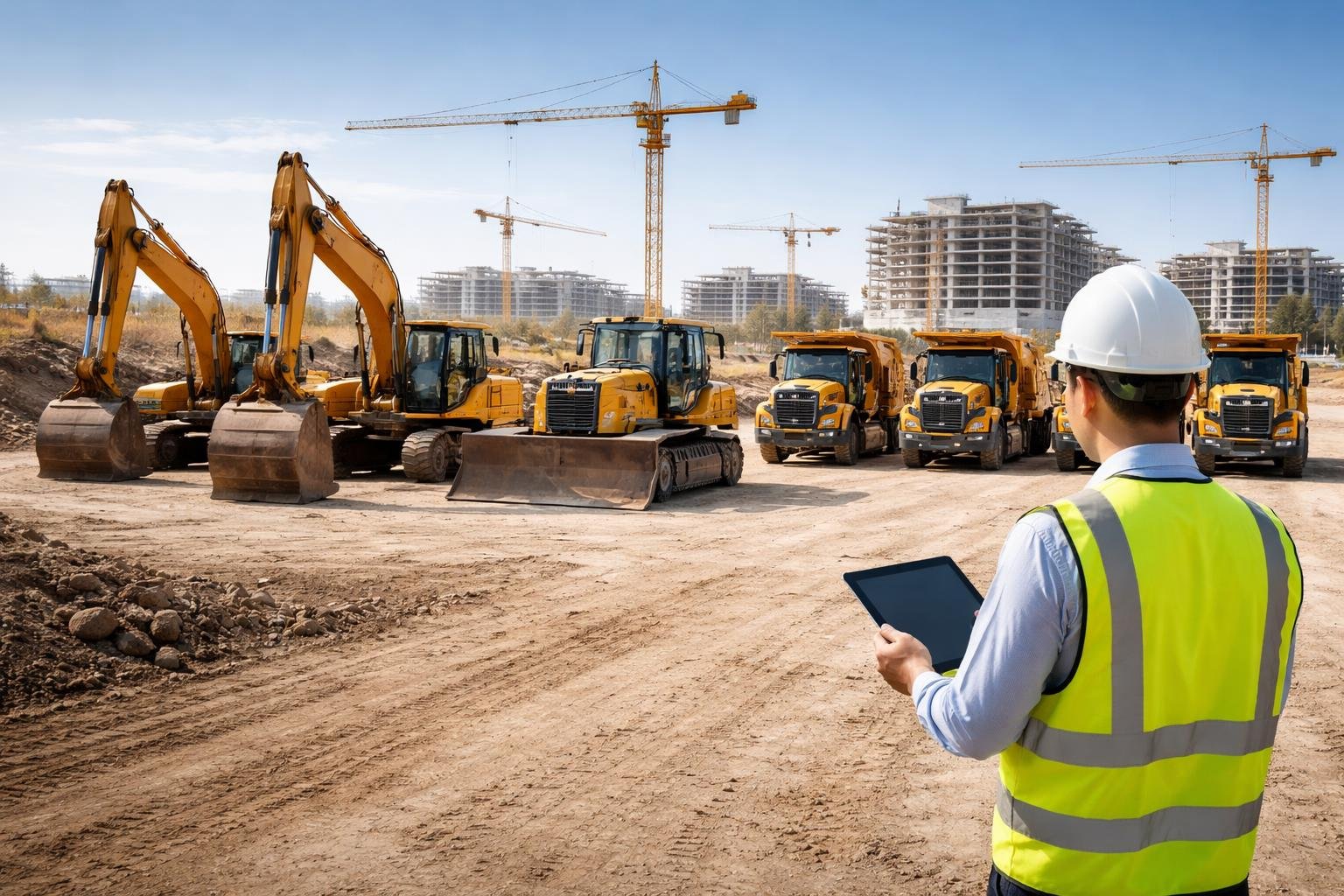
Construction fleet management is the process of tracking, maintaining, and optimizing all vehicles and equipment used on construction projects. Integrated software, telematics, and maintenance systems help contractors reduce costs, minimize equipment downtime, and improve safety compliance.
Construction fleet management is more than just vehicle tracking. Rising equipment costs, supply chain issues, labor shortages, and underused assets can threaten profitability.
Knowing how to manage asset allocation, preventive maintenance, operator monitoring, and compliance can help prevent costly overruns.
Understanding Construction Fleet Management
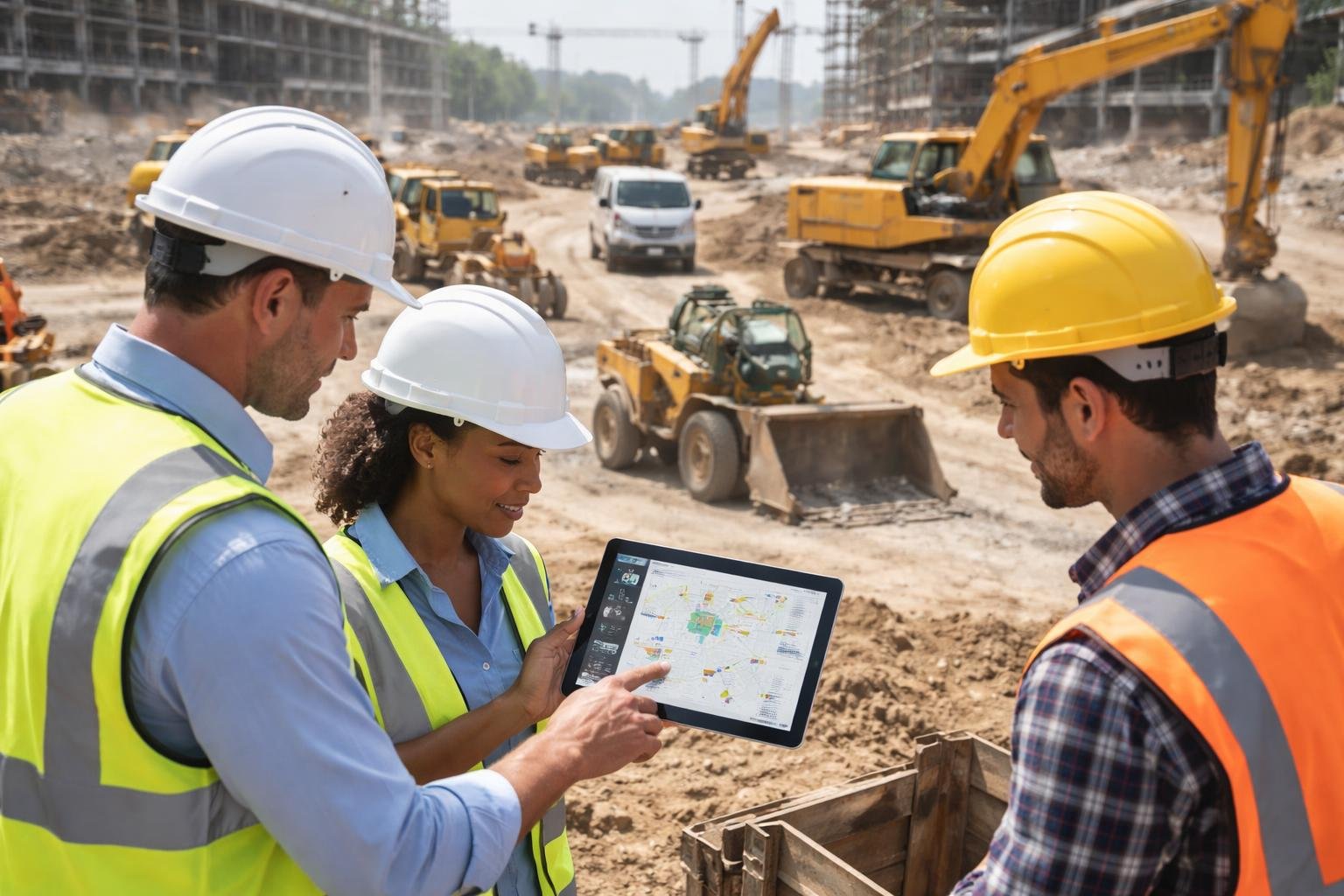
Construction fleet management involves overseeing vehicles and equipment assets with specialized approaches. This sector requires coordination of different machinery types to maintain efficiency, cost control, and operational reliability.
Definition of Construction Fleet Management
Construction fleet management means overseeing, maintaining, and optimizing all vehicles and equipment used in construction projects. It includes planning, resource allocation, maintenance scheduling, and performance monitoring.
Managers coordinate equipment deployment, monitor utilization, manage fuel use, and ensure compliance with regulations. They use historical data to make decisions about buying, retiring, and deploying assets.
Modern systems use technology to provide real-time information about asset locations, operating conditions, and maintenance needs. These tools help managers reduce downtime and get the most value from their equipment.
Construction Fleet Types and Composition
A construction fleet includes several equipment categories that differ from traditional vehicle fleets. Heavy machinery like excavators, bulldozers, cranes, loaders, and graders are essential for earthmoving and site preparation.
Common Fleet Components:
- Transport vehicles: dump trucks, flatbed trucks, concrete mixers
- Lifting equipment: tower cranes, mobile cranes, forklifts
- Compaction machinery: rollers, plate compactors, rammers
- Specialized tools: generators, air compressors, welding equipment
- Support vehicles: service trucks, personnel carriers, supervisor vehicles
Fleet makeup depends on project types, company focus, and operational size. Some fleets focus on heavy equipment, while others need more transport or finishing tools.
Key Objectives and Benefits
The main goal of construction fleet management is to keep projects on time and within budget while reducing disruptions. Cost reduction is achieved by managing fuel use, reducing idle time, and scheduling maintenance.
Equipment availability affects project schedules. Good management prevents breakdowns and ensures the right equipment is at the job site when needed.
Primary Benefits:
- Lower operating costs through better fuel and maintenance management
- Less equipment downtime with predictive maintenance
- Better asset utilization and deployment
- Improved safety compliance and reporting
- More accurate project planning with real-time equipment data
Fleet managers get a clear view of asset performance, helping them decide when to replace, rent, or move equipment.
Core Components of Construction Fleet Management
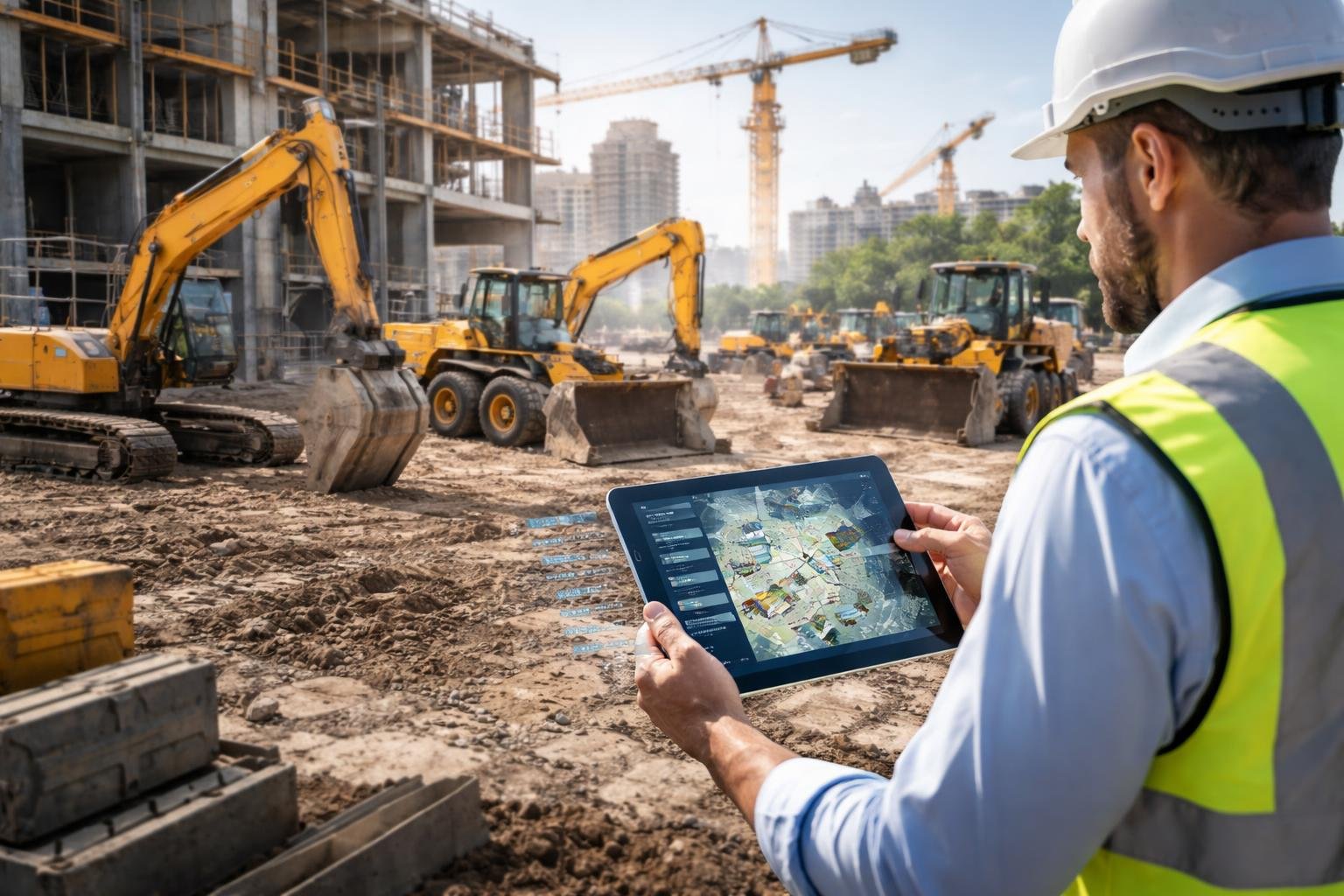
Effective construction fleet management depends on three main pillars. These components provide visibility, reduce breakdowns, and help control costs.
Fleet Tracking and Real-Time GPS Monitoring
Real-time GPS tracking gives managers instant visibility into vehicle and equipment locations across job sites. This helps monitor asset use, verify arrivals, and improve deployment based on real data.
GPS tracking systems show movement, idle times, and unauthorized use. Managers can spot underused assets and move them to where they are needed.
GPS data also helps prevent theft and enables quick recovery. Tracking systems send alerts if equipment moves outside set boundaries. Managers can also use this data to improve route efficiency and reduce unnecessary travel.
Maintenance Scheduling and Equipment Maintenance
Maintenance scheduling turns emergency repairs into planned maintenance. Construction companies use preventive programs based on hours, mileage, or dates to fix issues before breakdowns occur.
Scheduled maintenance includes inspections, fluid changes, filter replacements, and checks. Predictive maintenance uses equipment data to spot problems early, reducing repair costs and project delays.
Maintenance records help with warranty claims, resale value, and compliance. Digital systems send reminders for service and keep repair histories for each asset.
Fuel Management and Consumption Monitoring
Fuel monitoring tracks how much fuel the fleet uses and helps find inefficiencies. Construction equipment uses a lot of fuel, so managing this is key to saving money.
Fuel management systems work with tracking data to show how fuel use matches work done. Managers can spot excessive idling, poor driving, or bad routes.
Fuel tracking also detects theft or misuse. Real-time data lets companies compare similar equipment and set improvement targets.
Fleet Management Software and Technology
Modern construction fleet management uses specialized software platforms for real-time visibility into vehicle locations and equipment status. These systems connect with telematics hardware and IoT devices for tracking, maintenance, and compliance.
Construction Fleet Management Software Features
Fleet management software includes features designed for construction. GPS tracking shows real-time locations, helping managers deploy assets and prevent theft.
Maintenance scheduling automates service based on hours or mileage, reducing breakdowns. Utilization reports show equipment use, so companies can right-size their fleets.
Platforms like HCSS include fuel management to monitor usage and spot inefficient vehicles or operators. Reporting tools create compliance documents for inspections and certifications.
Dashboards display key performance indicators. Document management stores manuals, inspection records, and maintenance histories in one place.
Cost tracking links expenses to projects or assets, helping with budgeting. Driver behavior monitoring highlights unsafe practices, supporting safety and lowering insurance costs.
Integration with Telematics and IoT
Telematics devices in vehicles and equipment send data to fleet management software. These devices report engine diagnostics, fuel levels, idle time, and geofence violations.
IoT sensors track things like hydraulic pressure, temperature, and load weights. Software and hardware integration creates automated alerts for maintenance needs.
Modern platforms connect with construction management, accounting, and ERP systems. This keeps data consistent and reduces manual entry. Cloud-based systems let field staff access fleet data from mobile apps.
Choosing the Right Software Solutions
Construction companies should pick software based on their fleet and needs. Scalability is important for growing businesses.
Implementation time varies, and user-friendly interfaces help with adoption. Pricing can be subscription-based, per vehicle, or tiered by features.
Companies should consider total costs, including hardware, training, and support. Vendor reputation and support matter for long-term use.
Trial periods let teams test the software before buying. Integration with existing systems is important to avoid data silos.
Asset Utilization and Allocation Strategies
Good asset utilization affects project profits and costs. Strategic equipment allocation, idle time monitoring, and planning help companies get the most from their fleets.
Equipment Allocation Best Practices
Managers should assign equipment based on project needs, machine abilities, and operator availability. Centralized scheduling avoids double-booking and ensures key equipment is available.
Asset tracking technology gives real-time visibility into equipment location and status. This saves time and ensures the right assets are at the right place.
Key allocation factors:
- Project timelines
- Equipment specifications
- Operator certifications
- Transportation logistics
- Site requirements
Regular communication between managers and coordinators helps prevent conflicts and improves resource distribution. Companies with structured allocation processes often see 15-25% better equipment utilization.
Idle Time Tracking and Reduction
Idle time tracking shows when equipment is not being used. Telematics systems monitor hours and runtime to find idle periods.
Idle time can result from scheduling gaps, weather, or waiting between tasks. Managers should use idle data to reassign assets or set utilization targets.
Common causes of downtime:
- Poor scheduling
- Maintenance delays
- Operator shortages
- Project gaps
- Seasonal changes
Reducing idle time involves setting minimum utilization thresholds, often 60-70% for heavy equipment. Assets below these levels should be considered for sale or reassignment.
Replacement Planning and Lifecycle Management
Replacement planning balances acquisition costs, maintenance expenses, and equipment reliability. This process is managed throughout the asset lifecycle.
Most construction equipment reaches optimal replacement timing between 5-7 years. This depends on usage intensity and maintenance history.
Tracking total cost of ownership helps managers decide when repair costs are too high. The total cost includes purchase price, financing, maintenance, fuel, insurance, and resale value.
Frequent breakdowns or expensive component replacements often signal that replacement is needed. Managers should monitor these indicators closely.
Fleet managers should use a rolling replacement schedule to stagger purchases. This avoids large capital expenditures in a single year.
A staggered schedule keeps the fleet diverse in age and ensures equipment is available when needed. Monitoring warranty periods, parts availability, and new technology also affects replacement timing.
Lifecycle considerations:
- Annual maintenance costs as a percentage of asset value
- Equipment age and total operating hours
- Availability of replacement parts
- Technological obsolescence
- Resale market conditions
Maintenance and Inspection Programs
Effective maintenance and inspection programs reduce equipment downtime and extend asset lifespan. They also help prevent costly emergency repairs.
Construction fleet managers need systematic approaches to schedule preventive tasks and document inspections. Managing parts availability across multiple job sites is also important.
Preventive Maintenance Schedules
Preventive maintenance schedules are key to fleet reliability. Service intervals are tracked based on engine hours, mileage, calendar dates, or operating conditions.
Modern maintenance systems trigger alerts when service is due. Fleet managers can set custom intervals for oil changes, filter replacements, hydraulic checks, and undercarriage inspections.
This approach helps prevent mechanical failures that could stop job site operations. Each piece of equipment may have different maintenance needs.
A dozer in dusty conditions needs more frequent air filter changes than one on paved surfaces. Tracking these differences ensures machines get the right service at the right time.
Digital Inspections and Work Orders
Digital inspection systems use mobile apps instead of paper checklists. Operators and technicians can complete inspections in the field.
These tools standardize inspection criteria and capture photos of defects. They automatically generate work orders when issues are found.
Pre-shift inspections help catch safety hazards before equipment is used. Operators check brakes, fluid levels, lights, backup alarms, and structure using digital forms.
Failed items create work orders that go directly to maintenance teams. Work order management tracks repair status from start to finish.
Technicians record labor hours, parts used, and repair notes in the system. This builds a maintenance history for each asset and helps with warranty claims.
Parts Inventory and Repair Management
Parts inventory management ensures critical components are available when needed. It also avoids the cost of excess stock.
Fleets keep inventories of high-wear items like filters, belts, hoses, and hydraulic fittings. This reduces downtime during repairs.
Inventory systems monitor stock levels and set reorder points. They also link parts to specific equipment models.
Barcode scanning and automated purchasing help streamline restocking. Repair management connects parts usage to work orders.
Managers track repair costs per asset to spot chronic problems. Integration with suppliers allows direct ordering when stock is low.
Monitoring Operator Performance and Safety
Fleet managers need ways to track how operators use equipment and handle safety risks. Modern monitoring technologies and structured training create accountability and lower accident rates.
Operator Behavior Monitoring
Fleet management systems now capture detailed data on operator behavior. Metrics include excessive idling, harsh braking, unauthorized use, and operation outside approved zones.
In-vehicle cameras and telematics record real-time patterns. Managers can review this data to identify risky habits.
Safety scorecards provide measurable operator performance. Companies can score operators on specific safety criteria.
Blind spot monitoring systems alert operators to nearby workers or obstacles. AI-based monitoring analyzes behaviors and generates alerts for unsafe patterns.
Driver Training and Safety Protocols
Operator certification programs set baseline competency requirements. These programs ensure operators understand controls, load limits, and safety features.
Daily pre-operation inspections are a key safety protocol. Operators check hydraulic systems, brakes, lights, and safety devices before use.
Training helps make inspection routines habitual. Regular safety audits check if operators follow protocols.
Refresher training addresses new risks and equipment. Performance data identifies operators who need extra training.
Incident Tracking and Reporting
Construction companies must document every safety incident. This helps identify patterns and prevent future incidents.
Electronic reporting systems allow quick filing after an incident occurs. Fleet management software stores incident records with maintenance logs and operator data.
This integration shows links between equipment conditions, operator behavior, and accidents. Automated alerts notify managers if incident rates are too high.
Tracking systems should also record near-miss events. Detailed reports include timestamps, location, equipment ID, and witness statements.
Compliance and Risk Management
Construction fleets must follow federal, state, and local regulations. They also need to protect assets from theft and operational risks.
Effective compliance management uses documentation, security measures, and software tools. This helps maintain regulatory compliance and reduce risk.
Regulatory Compliance and Documentation
Construction fleets fall under DOT and FMCSA rules. Managers must keep comprehensive records for vehicles, equipment, and drivers.
Required documents include driver qualification files, hours of service logs, inspection reports, and maintenance records. Commercial vehicles must meet weight and safety standards, and drivers need proper licenses and medical certifications.
Electronic logging devices (ELDs) are now mandatory for most fleets. They record drive time and rest periods automatically.
Compliance also includes state and local permits and OSHA safety standards. Missing or outdated documents can lead to fines, impoundment, and higher insurance costs.
Regular audits help spot compliance gaps early.
Geofencing and Theft Prevention
Geofencing creates virtual boundaries around work sites and equipment yards. When equipment leaves these areas outside approved times, managers get instant alerts.
This location-based monitoring prevents unauthorized use and deters equipment theft. Geofences can trigger engine shutdowns or alert authorities if breached.
Construction equipment theft is a major industry cost. Asset tracking devices and geofencing help recover stolen items quickly.
Compliance Management Tools
Fleet management software centralizes regulatory, maintenance, and safety documentation. These systems automate compliance tracking with alerts for expiring licenses, inspections, and training renewals.
Digital platforms replace paper processes, reducing admin work and errors. Automated workflows ensure timely maintenance and keep audit trails for inspectors.
Modern tools integrate with telematics to monitor driver behavior, fuel use, and diagnostics. This data helps managers spot risks and take action before incidents happen.
Optimizing Cost and Operational Efficiency
Fleet operating expenses make up 35-40% of construction budgets. Fuel, maintenance, and labor are the biggest costs.
Strategic management and data-driven decisions can reduce fleet costs by up to 25%.
Reducing Operating Expenses
Companies control expenses with proactive maintenance and asset tracking. Regular preventive maintenance lowers emergency repair costs and extends equipment life.
Fleet managers watch metrics like cost per mile, maintenance cost per vehicle, and downtime hours. This helps identify underperforming assets.
Primary expense reduction strategies include:
- Removing idle or underused equipment
- Using flexible leasing and buy-lease-back programs
- Standardizing equipment brands to cut parts costs
- Training operators to reduce equipment damage
- Negotiating discounts with suppliers and service providers
Fleet management software automates expense tracking. Real-time equipment status prevents duplicate rentals and helps redeploy assets as needed.
Fuel Efficiency Initiatives
Fuel is the largest variable cost for construction fleets. Managers reduce fuel use with route optimization, idle time monitoring, and regular maintenance.
GPS tracking reveals idling and inefficient routes. Managers set idle time policies and train drivers in fuel-efficient driving.
Telematics platforms give fuel consumption reports by vehicle, operator, and job site. Regular maintenance of fuel systems, air filters, and tire pressure improves efficiency.
Underinflated tires can lower fuel economy by 3-5%. Managers also consider alternative fuels and right-size vehicles to fit job needs. This avoids using oversized equipment that wastes fuel.
Improving Productivity Through Reporting
Comprehensive reporting turns raw fleet data into useful insights. These insights help improve operational efficiency.
Construction managers use dashboards to track equipment utilization and operator performance. They also monitor maintenance compliance in real time.
Key performance indicators tracked through reporting systems include:
MetricPurposeEquipment utilization rateIdentifies underused assets for reallocationCost per operating hourDetermines equipment replacement timingMaintenance compliance ratePrevents breakdowns and warranty violationsOperator productivity scoresGuides training and performance improvement
Automated reports show patterns in equipment failures. This helps managers fix recurring issues before they delay projects.
Analytics support accurate job costing and bid preparation. Historical data on equipment hours and costs make this possible.
Digital reporting removes manual data entry errors. It also gives stakeholders consistent and verified information for planning.