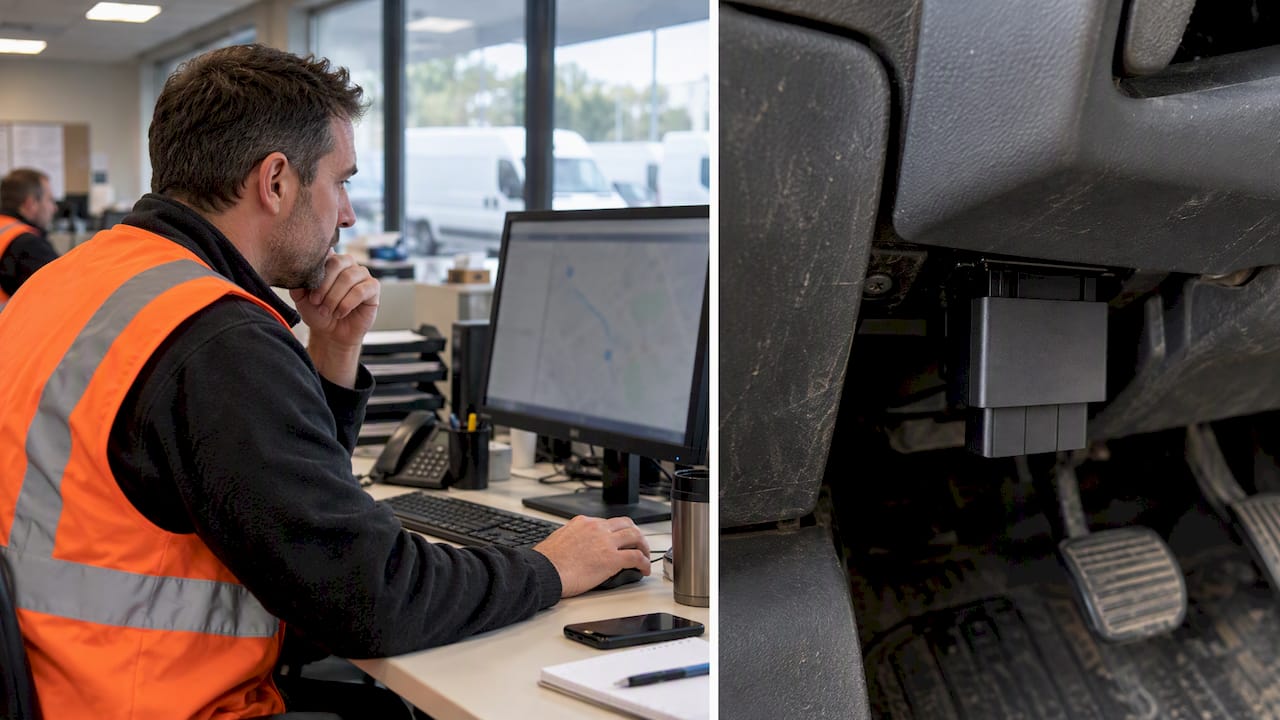
Vehicle Telematics Monitoring Analytics: Essential Tools for Fleet Performance Optimization
How to start saving money
Lorem ipsum dolor sit amet, consectetur adipiscing elit lobortis arcu enim urna adipiscing praesent velit viverra sit semper lorem eu cursus vel hendrerit elementum morbi curabitur etiam nibh justo, lorem aliquet donec sed sit mi dignissim at ante massa mattis.
- Neque sodales ut etiam sit amet nisl purus non tellus orci ac auctor
- Adipiscing elit ut aliquam purus sit amet viverra suspendisse potent
- Mauris commodo quis imperdiet massa tincidunt nunc pulvinar
- Excepteur sint occaecat cupidatat non proident sunt in culpa qui officia
Why it is important to start saving
Vitae congue eu consequat ac felis placerat vestibulum lectus mauris ultrices cursus sit amet dictum sit amet justo donec enim diam porttitor lacus luctus accumsan tortor posuere praesent tristique magna sit amet purus gravida quis blandit turpis.

How much money should I save?
At risus viverra adipiscing at in tellus integer feugiat nisl pretium fusce id velit ut tortor sagittis orci a scelerisque purus semper eget at lectus urna duis convallis. porta nibh venenatis cras sed felis eget neque laoreet suspendisse interdum consectetur libero id faucibus nisl donec pretium vulputate sapien nec sagittis aliquam nunc lobortis mattis aliquam faucibus purus in.
- Neque sodales ut etiam sit amet nisl purus non tellus orci ac auctor
- Adipiscing elit ut aliquam purus sit amet viverra suspendisse potenti
- Mauris commodo quis imperdiet massa tincidunt nunc pulvinar
- Adipiscing elit ut aliquam purus sit amet viverra suspendisse potenti
What percentege of my income should go to savings?
Nisi quis eleifend quam adipiscing vitae aliquet bibendum enim facilisis gravida neque. Velit euismod in pellentesque massa placerat volutpat lacus laoreet non curabitur gravida odio aenean sed adipiscing diam donec adipiscing tristique risus. amet est placerat in egestas erat imperdiet sed euismod nisi.
“Nisi quis eleifend quam adipiscing vitae aliquet bibendum enim facilisis gravida neque velit euismod in pellentesque”
Do you have any comments? Share them with us on social media
Eget lorem dolor sed viverra ipsum nunc aliquet bibendum felis donec et odio pellentesque diam volutpat commodo sed egestas aliquam sem fringilla ut morbi tincidunt augue interdum velit euismod eu tincidunt tortor aliquam nulla facilisi aenean sed adipiscing diam donec adipiscing ut lectus arcu bibendum at varius vel pharetra nibh venenatis cras sed felis eget.
Vehicle telematics monitoring analytics turns raw data from connected vehicles into useful insights for better decision-making. Modern telematics systems collect and analyze data from acceleration, GPS locations, engine diagnostics, fuel use, and driver behaviors to optimize fleet operations, reduce costs, and improve safety.
This technology has evolved beyond GPS tracking to offer real-time insights into vehicle performance and driver conduct.
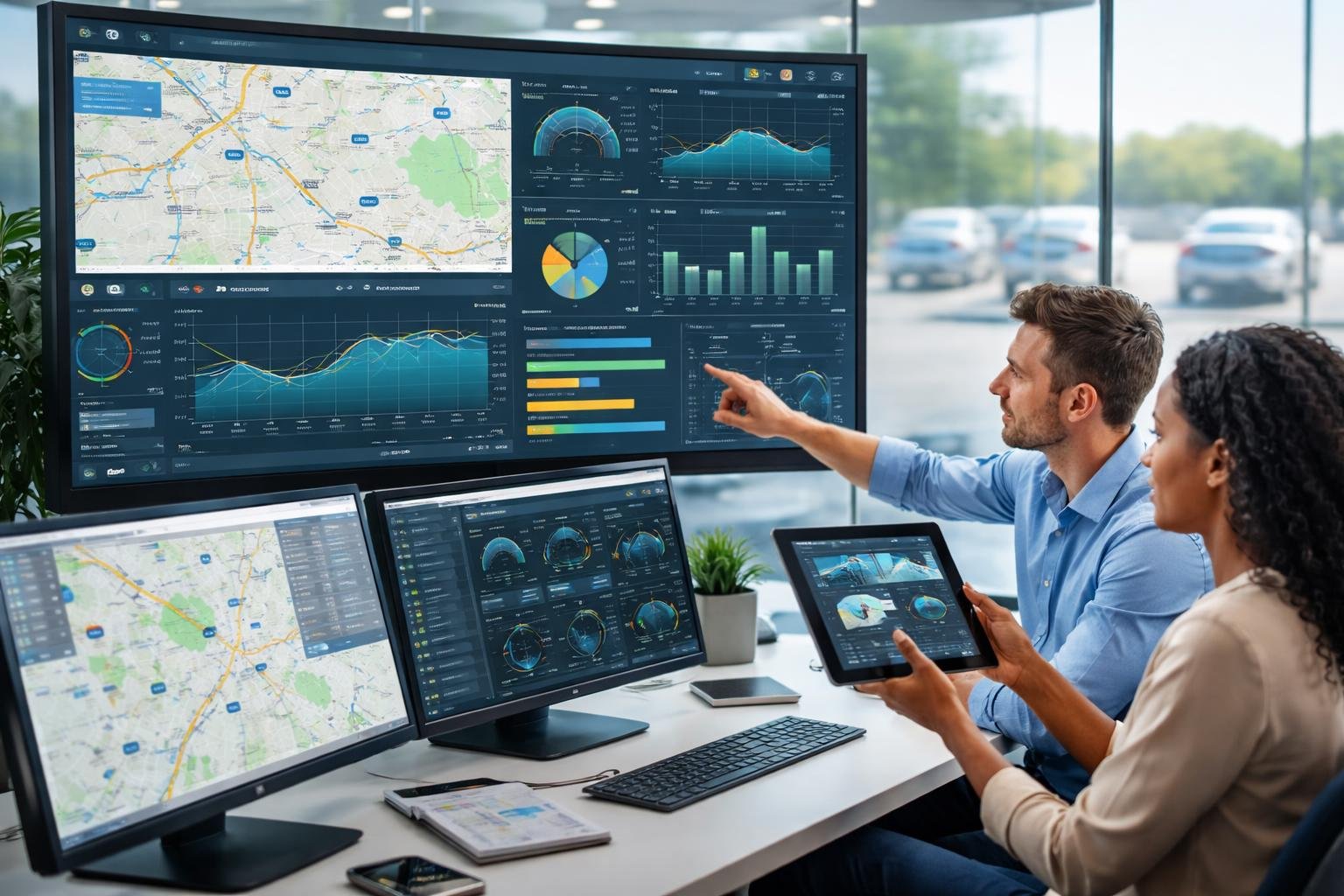
Analytics combined with telematics data helps organizations switch from reactive to predictive maintenance. Sensors and onboard devices gather thousands of data points daily, from engine temperature changes to diagnostic codes.
These data streams feed analytical models that spot patterns, find issues, and predict problems before breakdowns or safety incidents occur.
Fleet managers and automotive professionals rely on telematics analytics to solve operational challenges. The technology gives visibility into vehicle use, detects inefficient driving, supports compliance, and enables better decisions.
Knowing how to use these insights is now essential for any organization managing vehicle fleets.
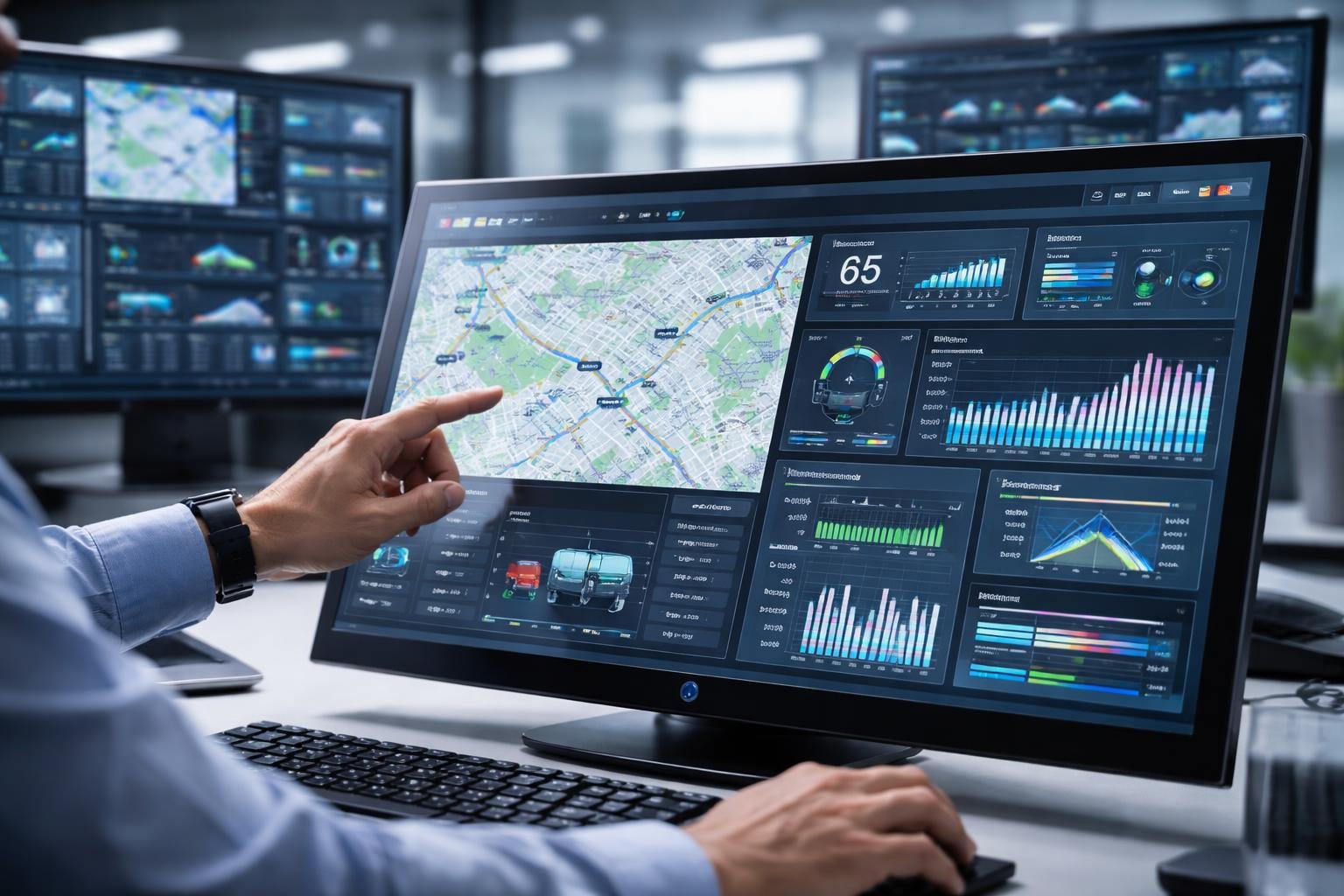
Vehicle telematics monitoring analytics turns raw vehicle data into actionable insights using systems that combine GPS, onboard diagnostics, and cloud software. Fleet managers can monitor vehicle performance, driver behavior, and efficiency in real time with data sent over cellular networks.
What Is Vehicle Telematics Monitoring Analytics?
Vehicle telematics monitoring analytics uses telecommunications and informatics to collect, process, and analyze information from vehicles. The system gathers data from multiple sources and turns it into useful metrics.
Fleet managers use this analytics to track vehicle location, monitor fuel use, check driver performance, and predict maintenance needs. Analytics process raw telematics data with algorithms to spot patterns, find issues, and generate reports.
The technology is used in logistics, transportation, and delivery services. Modern platforms can handle data from thousands of vehicles at once, giving a clear view of the whole fleet.
Insights from telematics help organizations cut costs, improve safety, and plan better routes.
Key Components of a Vehicle Telematics System
A vehicle telematics system has in-vehicle hardware like a telematics device installed inside the vehicle. This device includes GPS receivers, accelerometers, onboard diagnostics (OBD) ports, and cellular modems.
The GPS tracks location, while OBD connections collect engine data and trouble codes.
Sensors and data inputs check speed, braking, acceleration, idle time, and fuel levels. Some systems add sensors for temperature, door status, and cargo conditions.
Cloud-based software platforms get data via cellular networks and process it with analytics engines. The platform stores data, runs calculations, and creates dashboards and reports.
Web interfaces let authorized users access information from anywhere.
Communication networks connect vehicles to management systems. Cellular networks (3G, 4G, or 5G) allow real-time data transmission, and some systems use satellite communication in remote areas.
How Telematics Data Is Collected and Processed
Data collection starts when sensors and the OBD interface record vehicle information at set intervals. The telematics device gathers this data before sending it out.
GPS satellites give location updates every few seconds based on system settings.
The device sends data over cellular networks to cloud servers for processing. Data can be sent continuously or in batches, and some systems send data only when certain events happen, like harsh braking.
Cloud servers receive the data, check its quality, add timestamps, and organize it by vehicle. Analytics engines use algorithms to calculate things like fuel efficiency, safety scores, and route suggestions.
The processed data fills databases for analysis. Fleet managers see this data on dashboards showing real-time positions, performance, and alerts.
Historical data helps with trend analysis, predictive maintenance, and compliance. The system can also connect with other business software.
Core Applications of Vehicle Telematics Monitoring Analytics
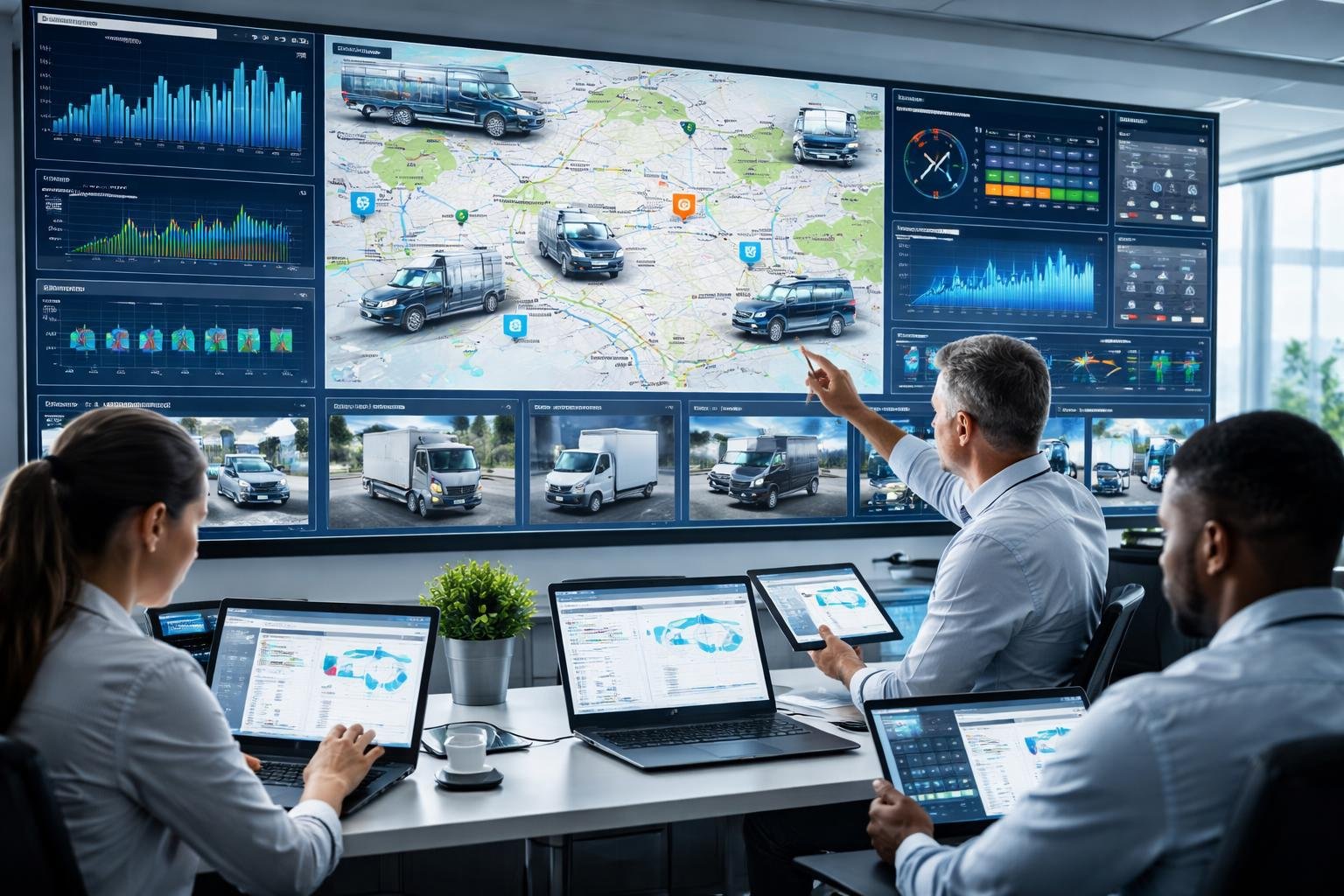
Vehicle telematics monitoring analytics delivers actionable insights in three main areas. These use GPS, onboard diagnostics, and algorithms to help managers and insurers make smart choices about operations, driver performance, and risk.
Real-Time Vehicle Tracking and Monitoring
Real-time systems collect and send vehicle location data using GPS and cellular networks every few seconds or minutes. Fleet managers view this data on web dashboards or mobile apps to see exact vehicle locations.
Tracking includes more than just location. Telematics devices connected to the OBD port record engine health, fuel use, idle time, and trouble codes.
These systems help optimize routes by comparing planned and actual routes and finding inefficiencies. Geofencing sends alerts when vehicles enter or leave set areas, helping with compliance and security.
Utilization metrics show which vehicles are underused, helping organizations adjust fleet size. Real-time alerts warn managers about unauthorized use, unexpected stops, or route changes.
Driving Behavior Analysis
Telematics systems track driver actions like hard acceleration, braking, sharp turns, and speeding. Accelerometers and GPS work together to detect these behaviors and score drivers for risk.
Analytics platforms collect behavior data over time to spot trends. Fleet operators get reports showing risky actions by drivers.
Speed monitoring checks vehicle speed against posted limits using GPS and speed limit databases. This helps document violations and coach drivers.
Idle time tracking shows when engines run too long while stopped, pointing to ways to save fuel. Phone usage detection through connected apps finds distracted driving incidents.
Driver Safety Enhancement
Safety systems use telematics data to help prevent accidents. Fatigue detection algorithms watch for lane drifting and sudden speed changes to spot drowsy drivers.
Collision warnings use real-time vehicle data to alert drivers of possible crashes, giving them more time to react.
Telematics platforms support targeted driver training by highlighting specific skill gaps. Managers can assign coaching sessions based on real data.
Safety scores from telematics let insurance companies offer policies that reward safe driving with lower premiums. This encourages drivers to adopt safer habits.
Telematics Analytics for Fleet Management
Fleet telematics analytics combines real-time data with monitoring tools to turn information into decisions. These systems help managers use multiple data sources and control costs with data-driven insights.
Fleet Telematics Integration
Modern telematics systems connect many data sources into one platform that tracks vehicle location, performance, and driver behavior. These systems combine GPS trackers, OBD-II sensors, electronic logging devices (ELDs), and cloud software for comprehensive monitoring.
Fleet managers can merge data from dozens of telematics providers into a single dashboard. This removes the need to switch between platforms when managing different vehicles.
Integration usually involves connecting telematics hardware to vehicles and linking them to central software. Data flows from vehicles to the cloud, where analytics process fuel use, engine diagnostics, route efficiency, and compliance.
Cross-platform compatibility lets operators keep old telematics devices while adding new features. For example, a company can combine older GPS trackers with new sensors to monitor both location and cargo conditions.
Operational Efficiency and Cost Control
Telematics analytics cuts costs by finding inefficiencies in fuel use, maintenance, and routing. Fleet operators use real-time data to track idle time, harsh braking, and unauthorized use.
Main cost control methods include:
- Fuel optimization by analyzing routes and reducing idle time
- Predictive maintenance based on vehicle condition
- Driver behavior monitoring to lower accidents and insurance costs
- Asset utilization tracking to get the most from each vehicle
Telematics systems can boost fleet efficiency by up to 40% through better decisions. These gains come from spotting patterns that show maintenance needs or routes that waste fuel.
Fleet managers use analytics dashboards to track expenses. Dashboards display fuel costs per mile, maintenance spending, and driver scores linked to costs.
Transforming Telematics Data Into Actionable Insights
Fleet managers gather large amounts of telematics data from vehicles, but this data needs to be processed to be useful. The process involves combining data sources, using analytics to find patterns, and setting up systems for predictive maintenance and real-time alerts.
Data Aggregation and Standardization
Telematics data comes from GPS trackers, OBD-II devices, ELDs, and IoT sensors on fleet vehicles. Different manufacturers use various formats and standards, making analysis difficult.
Effective data aggregation starts with a platform that can take in data from many providers at once. The platform converts different formats into a single, consistent structure.
This includes standardizing units, timestamps, and vehicle IDs. Centralized dashboards combine information from different sources, allowing accurate comparisons and analysis.
Standardization also removes duplicate records and fixes conflicts when multiple devices report the same event.
Advanced Analytics and Visualization
Telematics analytics turns standardized data into measurable insights. It uses statistical analysis, machine learning, and pattern recognition to find trends in fuel use, route efficiency, vehicle utilization, and driver performance.
Key analytical capabilities include:
- Route optimization analysis to identify delayed delivery paths
- Driver behavior scoring by tracking acceleration, braking, and speed patterns
- Fuel efficiency modeling by comparing actual versus expected consumption
- Asset utilization tracking to measure active and idle time across the fleet
Visualization tools turn complex data into charts, heat maps, and dashboards. Fleet managers can spot outliers, compare performance over time, and find operational bottlenecks.
Visual data helps managers make faster decisions without needing technical expertise.
Predictive Maintenance and Real-Time Alerts
Predictive maintenance uses telematics data and diagnostic codes to forecast component failures. The system analyzes engine parameters, transmission performance, brake wear, and battery health to create maintenance schedules based on the vehicle’s actual condition.
Real-time alerts notify managers about critical events like harsh braking, unauthorized movement, or engine warnings. These alerts enable quick responses to safety issues, theft, or mechanical problems.
Alert systems use customizable thresholds to trigger warnings when specific parameters exceed limits.
Technology and Data Infrastructure
Vehicle telematics monitoring relies on integrated hardware and robust data pipelines. It also uses spatial indexing to turn raw sensor data into actionable fleet intelligence.
The infrastructure includes edge devices that capture telemetry data. Cloud systems process large data volumes, and geospatial frameworks like geohash enable efficient location-based queries.
Telematics Devices and Sensors
Telematics devices use several sensors to collect vehicle data. GPS modules track location with precision from 2 to 10 meters.
Accelerometers measure g-forces during braking, cornering, and acceleration. OBD-II interfaces extract engine diagnostics like RPM, fuel use, coolant temperature, and trouble codes from the vehicle’s network.
Modern telematics units have cellular modems (4G LTE or 5G) for data transmission and fallback connections. Inertial measurement units detect harsh driving, and some systems use AI dashcams to analyze road conditions and driver attention.
Devices log data at intervals from 1 second for critical metrics to 30 seconds for standard parameters.
Common sensor outputs include:
- Position data (latitude, longitude, altitude)
- Speed and heading
- Engine parameters (fuel rate, temperature, load)
- Battery voltage and ignition status
- Driver behavior metrics (harsh braking, rapid acceleration)
Data Pipelines and Processing Architecture
Telematics data moves through pipelines built for high-throughput processing. Devices send data packets to cloud endpoints with MQTT or HTTP, where message queues buffer streams before processing.
Some devices use edge computing to pre-process data locally, sending only summaries or exception events to save bandwidth.
Cloud systems use both batch and stream processing. Real-time processors handle immediate alerts, while batch systems analyze historical data for route optimization and predictive maintenance.
Storage separates hot data (recent trips) from cold storage (archived records). The infrastructure scales horizontally as fleets grow, with distributed databases partitioning data by vehicle or time.
Data validation filters out bad GPS coordinates, duplicates, and sensor errors before storage.
Role of Geospatial Analysis and Geohash
Geohash encoding turns latitude-longitude pairs into short alphanumeric strings that represent geographic areas. Each added character increases precision.
Geohash enables efficient searches for vehicles in specific areas. Queries become simple string matches instead of complex distance calculations.
Telematics platforms use geohash for geofencing, route analysis, and vehicle clustering. The system can quickly find vehicles in the same area to optimize dispatch.
Geohash also supports time-based analysis. Historical data tagged with geohash values helps detect patterns in certain zones, such as traffic congestion or high-incident locations.
Challenges and Future Trends in Vehicle Telematics Monitoring Analytics
Vehicle telematics monitoring analytics faces challenges in data protection and system integration. Emerging technologies like AI and 5G are changing the industry’s capabilities.
Organizations must address privacy concerns and standardization to fully use predictive analytics and autonomous vehicle features.
Data Privacy and Security
Telematics systems collect large amounts of sensitive data about driver behavior, locations, and vehicle performance. This creates privacy risks if not protected by encryption and access controls.
Regulations like GDPR and CCPA set strict rules for collecting, storing, and processing telematics data. Companies must use transparent consent processes and let drivers control what data is shared.
Key security vulnerabilities include:
- Unauthorized access to real-time location data
- Interception of vehicle-to-vehicle communication
- Exploitation of cloud storage
- Data breaches exposing driver identities
Organizations need strong cybersecurity protocols to keep telematics systems secure. Multi-factor authentication, end-to-end encryption, and regular audits help protect sensitive data.
Scalability and Standardization
The lack of universal standards across telematics platforms makes integration difficult for fleet operators with different vehicle types. Manufacturers often use proprietary systems that do not communicate with each other.
Scaling telematics solutions requires infrastructure that can process millions of data points in real time. Multi-level models help analyze both individual vehicle performance and fleet-wide trends.
Critical standardization gaps:
- Incompatible data formats between providers
- Different communication protocols for V2V and V2X systems
- Non-uniform API specifications
- Disparate measurement metrics
Cloud-based architectures provide better scalability than on-premises solutions. They offer the computing power needed as fleets expand and data volumes grow.
Emerging Trends and Innovations
AI-powered predictive maintenance uses engine vibrations and temperature changes to spot potential failures early. This reduces unexpected downtime and helps vehicles last longer.
The telematics market may reach USD 16.72 billion by 2032. Growth is fueled by links to autonomous driving and electric vehicle battery monitoring.
5G connectivity allows faster data transmission. This supports real-time decisions in connected vehicle systems.
Transformative innovations include:
- Predictive analytics for route optimization
- AI-driven driver coaching systems
- Integration with electric vehicle energy management
- Enhanced vehicle-to-everything communication networks
These technologies help lower fuel use and maintenance costs. They also boost fleet efficiency.