Plumbing Fleet Management: Essential Strategies for Efficient Operations in 2026
How to start saving money
Lorem ipsum dolor sit amet, consectetur adipiscing elit lobortis arcu enim urna adipiscing praesent velit viverra sit semper lorem eu cursus vel hendrerit elementum morbi curabitur etiam nibh justo, lorem aliquet donec sed sit mi dignissim at ante massa mattis.
- Neque sodales ut etiam sit amet nisl purus non tellus orci ac auctor
- Adipiscing elit ut aliquam purus sit amet viverra suspendisse potent
- Mauris commodo quis imperdiet massa tincidunt nunc pulvinar
- Excepteur sint occaecat cupidatat non proident sunt in culpa qui officia
Why it is important to start saving
Vitae congue eu consequat ac felis placerat vestibulum lectus mauris ultrices cursus sit amet dictum sit amet justo donec enim diam porttitor lacus luctus accumsan tortor posuere praesent tristique magna sit amet purus gravida quis blandit turpis.

How much money should I save?
At risus viverra adipiscing at in tellus integer feugiat nisl pretium fusce id velit ut tortor sagittis orci a scelerisque purus semper eget at lectus urna duis convallis. porta nibh venenatis cras sed felis eget neque laoreet suspendisse interdum consectetur libero id faucibus nisl donec pretium vulputate sapien nec sagittis aliquam nunc lobortis mattis aliquam faucibus purus in.
- Neque sodales ut etiam sit amet nisl purus non tellus orci ac auctor
- Adipiscing elit ut aliquam purus sit amet viverra suspendisse potenti
- Mauris commodo quis imperdiet massa tincidunt nunc pulvinar
- Adipiscing elit ut aliquam purus sit amet viverra suspendisse potenti
What percentege of my income should go to savings?
Nisi quis eleifend quam adipiscing vitae aliquet bibendum enim facilisis gravida neque. Velit euismod in pellentesque massa placerat volutpat lacus laoreet non curabitur gravida odio aenean sed adipiscing diam donec adipiscing tristique risus. amet est placerat in egestas erat imperdiet sed euismod nisi.
“Nisi quis eleifend quam adipiscing vitae aliquet bibendum enim facilisis gravida neque velit euismod in pellentesque”
Do you have any comments? Share them with us on social media
Eget lorem dolor sed viverra ipsum nunc aliquet bibendum felis donec et odio pellentesque diam volutpat commodo sed egestas aliquam sem fringilla ut morbi tincidunt augue interdum velit euismod eu tincidunt tortor aliquam nulla facilisi aenean sed adipiscing diam donec adipiscing ut lectus arcu bibendum at varius vel pharetra nibh venenatis cras sed felis eget.
Plumbing businesses face unique challenges managing service vehicles that respond to emergency calls and carry specialized equipment. These vehicles must also travel between multiple job sites each day.
Fleet management for plumbing companies uses technology and processes to track vehicles, optimize routes, maintain equipment, monitor costs, and coordinate technicians. Without proper oversight, plumbing fleets can face high fuel costs, vehicle downtime, missed appointments, and wasted resources.

Modern plumbing fleet management systems provide real-time visibility into vehicle locations, driver behavior, maintenance schedules, and expenses. These solutions help reduce response times and keep service vans stocked and maintained.
The technology also helps manage tools and parts inventory, coordinate crews, and maintain safety compliance.
Core Principles of Plumbing Fleet Management
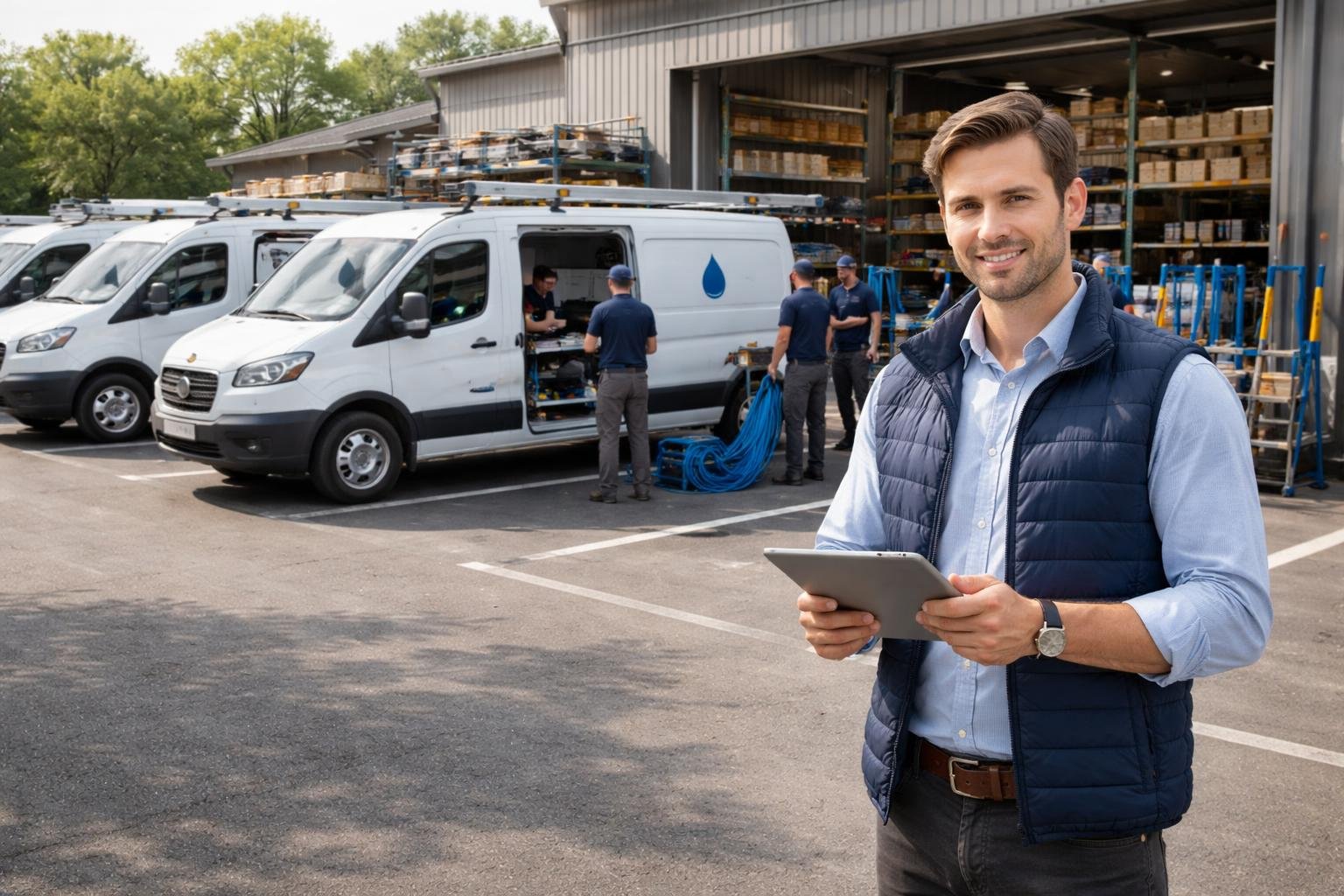
Plumbing businesses depend on specialized vehicles to deliver parts, tools, and technicians to job sites. Managing these assets requires addressing operational challenges and using technology solutions.
Challenges Faced by Plumbing Fleets
Plumbing companies often struggle to manage service vehicles across different locations and technicians. Vehicle breakdowns can disrupt appointments and lead to expensive repairs.
Without real-time location data, dispatchers may not know which technician is closest to an emergency call. This can increase fuel costs and make customers wait longer.
Managing parts and tools is difficult when inventory is spread across many vehicles without a central tracking system. Multi-location operations also deal with different vehicle types and maintenance schedules.
Paper-based tracking methods do not give a complete view of fleet health or utilization. Inefficient routes waste time and fuel when technicians do not have optimized navigation.
Customers now expect technology-enabled service, with many preferring plumbers who use modern systems. Meeting these expectations requires accurate arrival windows and real-time communication.
The Role of Fleet Management Solutions
Modern fleet management platforms use GPS tracking, telematics, and specialized software to meet plumbing business needs. These systems monitor vehicle locations in real time, letting dispatchers assign jobs based on proximity.
Key capabilities include:
- Real-time vehicle tracking and route optimization
- Automated maintenance scheduling and alerts
- Tools and parts inventory management
- Video-based safety monitoring and driver behavior tracking
- Customer communication through live tracking links
GPS-enabled dispatching matches the nearest technician to service requests. Fleet managers receive alerts when vehicles need maintenance, helping prevent breakdowns.
Centralized data helps standardize vehicle specifications and maintenance cycles. Companies with multiple branches can use these platforms to keep practices consistent.
Benefits for Plumbing Businesses
Fleet management solutions help plumbing companies work more efficiently and improve customer satisfaction. Dispatchers can access real-time vehicle locations and traffic conditions for better routing.
Route optimization and idle time monitoring lower fuel consumption. Preventive maintenance schedules reduce repair costs and keep vehicles running longer.
Tracking equipment helps prevent loss of expensive tools and parts. Accurate arrival estimates and live tracking improve customer service.
Fleet efficiency leads to lower expenses and more completed jobs. Companies gain insights into fleet costs and performance, supporting better decisions about vehicle replacement and fleet size.
Key Features of Plumbing Fleet Management Systems
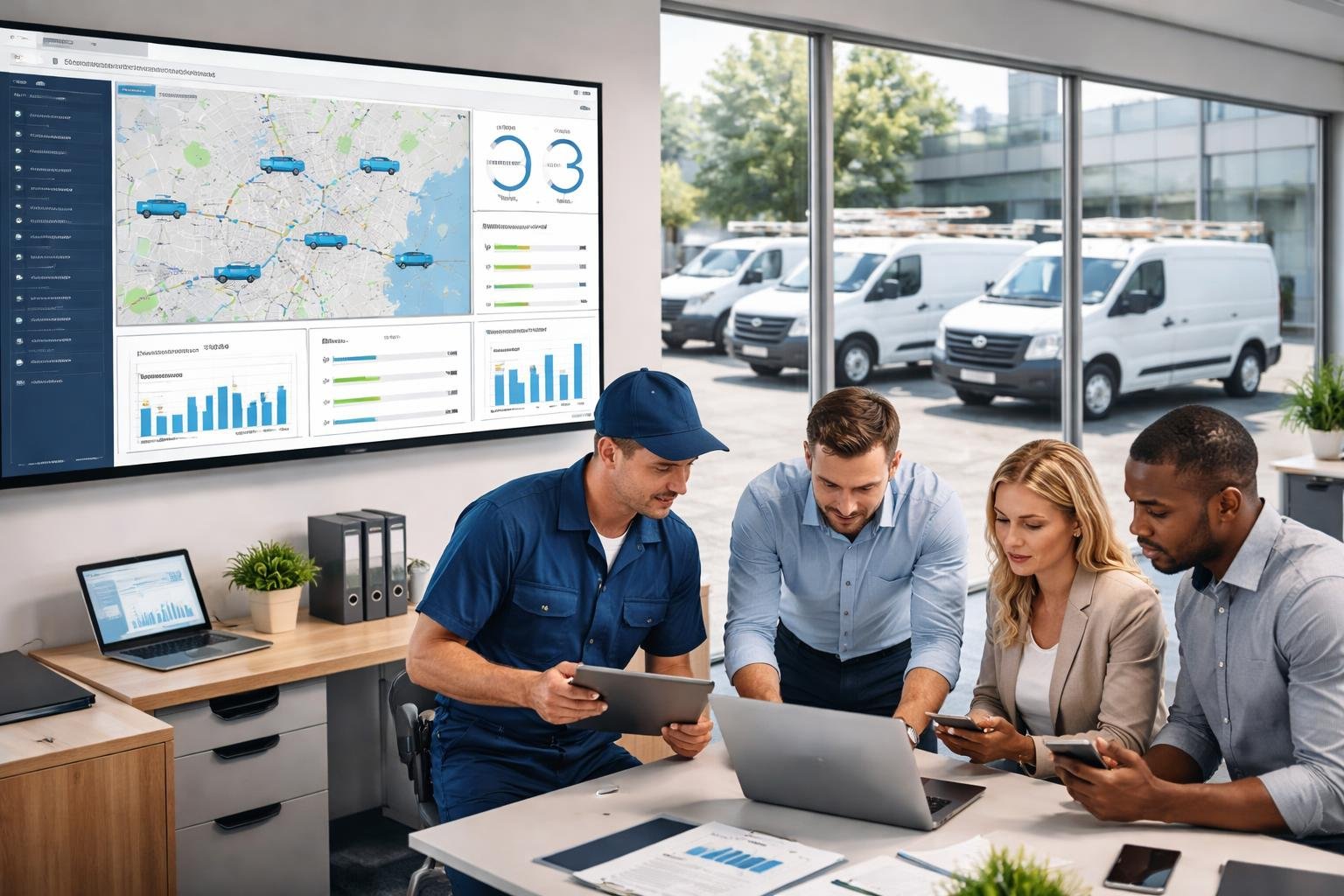
Modern plumbing fleet management systems combine software and telematics hardware for full vehicle oversight. These systems offer real-time tracking, automated maintenance scheduling, and analytics to help reduce costs and improve service.
Fleet Management Software Overview
Fleet management software is the central platform for coordinating vehicles, equipment, and technician schedules. The software tracks vehicle locations, monitors maintenance, and manages inventory.
Many platforms offer route optimization, which lowers fuel use and improves response times. Service managers can assign jobs based on technician proximity and vehicle availability.
The software keeps digital records of inspections, work orders, and service history. This removes the need for paper and makes compliance tracking easier.
Core capabilities include:
- Vehicle and equipment tracking
- Preventive maintenance scheduling
- Driver accountability monitoring
- Inventory management for tools and parts
- Job dispatch and routing
Telematics and Real-Time Insights
Telematics systems combine GPS tracking with vehicle diagnostics for continuous fleet monitoring. These devices send data on location, speed, idle time, and engine performance to the management platform.
Real-time insights help dispatchers find the nearest technician and give customers accurate arrival times. Video-based telematics can record driver behavior and road conditions for safety checks.
The technology also captures diagnostic codes and alerts managers to mechanical issues early. This reduces breakdowns and keeps vehicles running longer.
Customizable Reports and Data Analytics
Analytics tools turn fleet data into business intelligence. Plumbing companies can generate reports on fuel use, maintenance costs, utilization rates, and driver performance.
Customizable reports let managers focus on important metrics for their operations. Reports can be scheduled for automatic delivery.
Analytics reveal patterns like excessive idling or inefficient routes that raise costs. Managers use these insights to improve training and operations.
Fleet Tracking and Route Optimization
Modern GPS tracking lets plumbing businesses monitor vehicle locations, optimize routes, and protect equipment with real-time visibility. These systems lower fuel costs and improve response times.
GPS Tracking Technologies
GPS tracking systems give managers accurate location data for every vehicle and mobile asset. These devices use satellites to pinpoint positions and send data through cellular networks to central platforms.
Real-time GPS tracking provides continuous updates on vehicle movements, speeds, and idle times. Managers can view this data on web dashboards or mobile apps.
Modern tracking devices also monitor engine performance, fuel use, and maintenance needs. Some include video for added safety.
Fleet Tracking and Asset Location
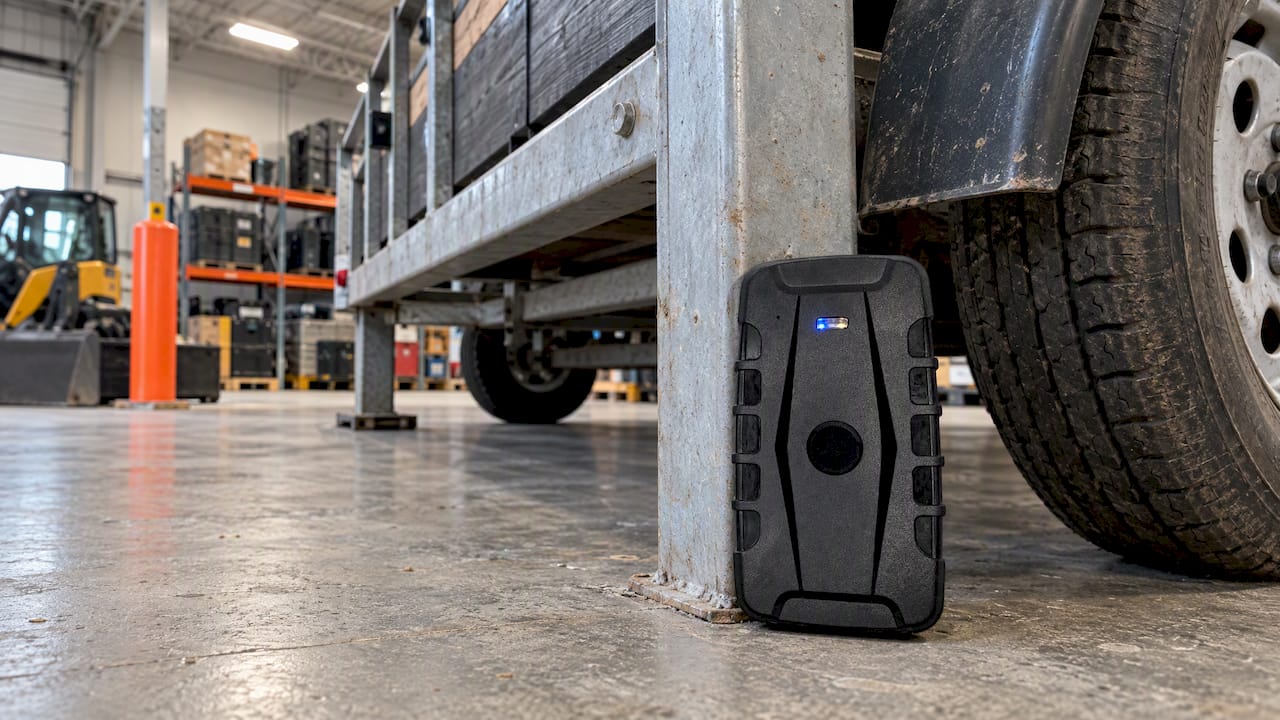
Asset tracking covers both vehicles and expensive equipment like hydro-jetters and inspection cameras. Contractors attach GPS devices to valuable tools to prevent theft and unauthorized use.
Managers can check equipment locations before sending technicians to job sites. This prevents delays from missing tools and reduces the need for duplicate equipment.
Fleet visibility helps coordinate multiple teams in the same area. Managers can find nearby technicians to help with extra work or share equipment.
Route Planning for Service Calls
Route optimization software analyzes call locations, technician availability, and traffic to create efficient schedules. The system assigns the closest available plumber to urgent jobs, cutting travel time.
Dispatchers use real-time data to make routing decisions throughout the day. When emergencies come up, the system finds the technician who can arrive fastest.
The software also considers appointment windows, skill levels, and parts availability when planning routes. It updates routes as conditions change, helping companies complete more jobs.
Geofencing for Asset Security
Geofencing sets virtual boundaries around locations like service yards or job sites. The system alerts managers when vehicles or equipment cross these boundaries.
Companies use geofencing to detect unauthorized vehicle use or equipment movement. Managers get instant notifications for quick response.
Geofencing also verifies technician arrivals and tracks time spent at each site. This supports automated billing and payroll records.
Optimizing Fleet Operations and Dispatching
Effective dispatching reduces response times and increases service truck productivity. Accurate ETAs and smart asset allocation keep vehicles working efficiently.
Dispatching and Job Assignment
Modern dispatching uses GPS data to find the nearest technician for a service call, reducing travel time and fuel costs. This allows jobs to be assigned quickly.
The software looks at more than distance. It considers technician skills, parts inventory, and job completion estimates.
Automated dispatching removes slow manual processes. Jobs can be reassigned instantly when priorities change.
ETA Management and Customer Communication
GPS tracking gives accurate arrival estimates based on traffic and technician location. Customers receive messages or tracking links showing when their plumber will arrive.
If delays happen, the system updates ETAs and notifies customers. This builds trust and reduces calls asking about technician status.
Fleet managers can check if technicians meet promised arrival times. This helps identify areas for scheduling improvements.
Asset Utilization Strategies
Service trucks are major investments that need to generate revenue. Tracking utilization rates shows which vehicles are underused or overworked.
Accurate data helps companies adjust fleet size and equipment. They might need fewer trucks, or find adding one could save on overtime.
Key utilization metrics include:
- Daily hours in service vs. parked
- Jobs completed per vehicle per day
- Revenue per truck per month
- Average distance between jobs
Standardized truck setups let any technician use any vehicle. This flexibility prevents trucks from sitting unused while others are overworked.
Fleet Maintenance and Proactive Management
Effective fleet maintenance keeps plumbing vehicles operational and reduces unexpected breakdowns. This helps prevent disruptions to service schedules.
A structured approach to maintenance scheduling, work order management, and repair tracking helps plumbing companies control costs. It also extends the lifespan of vehicles.
Preventive Maintenance Scheduling
Preventive maintenance is based on scheduled servicing by time or mileage, not just waiting for parts to fail. Fleet managers set up schedules for oil changes, brake checks, tire rotations, and fluid checks at regular intervals.
Modern fleet maintenance management systems keep track of each vehicle’s service history. They send automated alerts when maintenance is due, helping prevent missed services and larger mechanical failures.
A typical preventive maintenance schedule includes:
- Daily inspections: Fluid levels, tire pressure, lights, and safety equipment
- Monthly services: Battery checks, belt inspections, filter replacements
- Quarterly maintenance: Brake system evaluation, suspension, exhaust system
- Annual overhauls: Full mechanical inspection, emission testing, major component assessment
Telematics systems provide real-time data on engine performance, fuel use, and diagnostic trouble codes. Maintenance teams use this information to spot issues before they cause breakdowns.
Fleet Maintenance Management Best Practices
Fleet maintenance management uses standardized procedures for all vehicles. Maintenance teams follow manufacturer-recommended service intervals and adjust based on vehicle use and conditions.
Documentation is important for tracking maintenance and spotting recurring issues. Digital fleet maintenance systems keep service records, parts inventory, and vendor information in one place.
Key best practices include:
- Assigning vehicles to trained drivers for pre-trip inspections
- Keeping parts inventory for common repairs
- Using certified mechanics for complex repairs and handling routine services in-house
- Tracking maintenance costs per vehicle to find units needing frequent repairs
- Implementing driver feedback systems for quick reporting of mechanical concerns
Fleet managers should review maintenance data every month to spot trends and adjust schedules.
Work Orders and Maintenance History
Work orders record every maintenance task, repair, and inspection performed on fleet vehicles. Each work order lists the vehicle, service date, labor hours, parts used, and technician notes.
A work order system tracks both scheduled maintenance and unexpected repairs. This builds a complete maintenance history for each vehicle.
Digital work order systems let technicians access vehicle information, see past repairs, and update service records instantly. This replaces paper forms, which can get lost or be incomplete.
Maintenance history data helps managers spot patterns, like recurring part failures or vehicles needing frequent service. They use this information to decide when to replace vehicles and to optimize schedules.
Reduce Downtime and Repair Costs
Vehicle downtime affects a plumbing company's ability to serve customers and earn revenue. Proactive maintenance reduces unexpected breakdowns and keeps vehicles on the road.
Emergency repairs usually cost more than scheduled maintenance because of rush orders, overtime, and towing. Preventive maintenance fixes problems before they become major failures.
Fleet managers reduce downtime by:
- Scheduling maintenance during off-peak hours or weekends
- Keeping backup vehicles for when others are in service
- Building relationships with reliable parts suppliers
- Training drivers to spot early warning signs
- Using predictive maintenance data to replace parts before they fail
Fuel efficiency monitoring can highlight engines that need attention. Fixing issues early prevents further damage and lowers repair costs.
A well-maintained fleet has fewer breakdowns, better resale value, and runs more efficiently.
Driver Safety and Behavior Monitoring
Plumbing fleet managers face high costs from accidents and unsafe driving. Driver behavior causes about 90% of vehicle crashes.
Using monitoring systems, coaching, and safety technology helps reduce incidents. These steps also lower insurance premiums and repair expenses.
Driver Behavior Reports and Coaching
Driver behavior reports show data on speeding, harsh braking, rapid acceleration, and cornering. These reports help managers spot risky patterns for each driver.
Regular coaching sessions based on report data improve driver performance. Managers should hold monthly meetings to review metrics and set improvement goals.
Successful programs use data analysis and positive feedback for safe drivers.
Key metrics to track include:
- Speeding incidents and duration
- Hard braking events
- Rapid acceleration frequency
- Seatbelt use
- Idle time and efficiency
Documenting coaching sessions creates accountability and protects the company from liability. When drivers know their behavior is monitored, they usually reduce risky actions by 20-30% in the first three months.
Dash Cams and In-Cab Technology
Dash cams with dual-facing lenses capture both the road and driver actions. This footage protects companies from false insurance claims and helps investigate accidents.
Modern dash cams use artificial intelligence to detect distracted driving, phone use, and drowsiness. They can send instant alerts to drivers and managers when unsafe behavior happens.
Some systems upload video clips to the cloud after sudden impacts or harsh driving. In-cab displays show drivers their performance scores and safety ratings, offering instant feedback.
GPS integration combines location data with behavior metrics to spot risky routes or times of day.
Safe Driving Initiatives
Safe driving initiatives reward positive behavior. Plumbing fleet managers often use point systems where drivers earn rewards for clean safety records over set periods.
Monthly safety meetings keep drivers aware of safety and let them discuss real road challenges. These meetings should last 15-30 minutes and cover scenarios relevant to plumbing work, like driving with trailers or parking at job sites.
Recognition programs celebrate milestones, such as a year without incidents. Rewards like bonuses, better schedules, or extra time off motivate drivers to stay safe.
Equipment and Asset Tracking
Plumbing businesses manage expensive tools, equipment, and parts across vehicles and job sites. Real-time tracking and inventory systems reduce losses, prevent delays, and help technicians work efficiently.
Equipment Tracking for Plumbing Tools
GPS-enabled asset tracking devices attach to high-value equipment to monitor their location in real time. These systems send alerts if tools leave set areas or move during off-hours.
Barcode and RFID scanning lets technicians log equipment check-outs and returns with mobile apps. This creates an automated chain of custody and shows which employee has each tool.
Tool tracking software links with fleet management platforms to display equipment distribution across vehicles. Managers can quickly find which truck has a tool and reassign resources as needed.
Modern tracking systems create usage reports showing which equipment is idle or needs replacement. This helps with better purchasing and reduces spending on extra tools.
Asset Security and Recovery
GPS trackers on expensive equipment help recover assets quickly if they are stolen. Police can use real-time data and movement history to find stolen items.
Motion sensors and geofencing send instant alerts if equipment moves outside approved zones. These alerts let companies respond fast, reducing losses.
Video-based fleet management systems with dash cams provide evidence of equipment loading and unloading. This footage helps resolve disputes about missing tools.
Parts and Inventory Management
Digital inventory systems track part quantities across warehouses and service vehicles. Automated reorder triggers keep stock levels up for fast-moving items.
Mobile barcode scanning lets technicians update inventory in real time when using parts. This prevents running out of stock and removes the need for manual counts.
Inventory FeatureBusiness ImpactReal-time stock visibilityReduces emergency parts runs by 40%Automated reorderingPrevents stockouts on common itemsVehicle-level trackingEnsures proper truck stockingUsage reportingIdentifies slow-moving inventory
Parts tracking software shows which items are used most and helps optimize truck stock. This reduces warehouse trips and increases jobs completed per day.
Improving Cost Control and Fleet Efficiency
Fleet managers can lower expenses by tracking fuel consumption and using systematic expense tracking. Data-driven productivity improvements streamline operations.
Fuel Efficiency and Consumption Monitoring
Fleet management software lets plumbing companies track fuel use for all vehicles in real time. Managers can spot inefficient driving like idling, harsh acceleration, and speeding.
The software generates fuel usage reports for each vehicle and driver. These reports help set baseline rates and improvement goals. GPS tracking finds the most fuel-efficient routes.
Monitoring fuel card transactions prevents unauthorized purchases and fuel theft. Alerts for unusual fill-ups or purchases outside approved areas can reduce fuel costs by 10-15% in the first year.
Regular fuel efficiency analysis helps spot mechanical issues early. A sudden drop in miles per gallon may signal engine or tire problems.
Expense Tracking and Financial Reporting
Centralized expense tracking records all fleet costs, including fuel, maintenance, insurance, and depreciation. Plumbing businesses get a clear view of the total cost of ownership for each vehicle.
Customizable reports let managers analyze expenses by vehicle, driver, job site, or time period. These reports highlight cost trends and areas where spending is too high.
Fleet managers can export data for accounting or taxes.
Key expense categories to monitor include:
- Fuel and oil purchases
- Scheduled and emergency maintenance
- Parts and labor costs
- Insurance premiums and claims
- Vehicle registration and licensing fees
- Toll charges and parking violations
Automated expense alerts warn managers when costs go over set limits. This helps prevent budget overruns and allows quick action.
Enhancing Operational Productivity
Route optimization software reduces drive time between service calls by 20-30%. Dispatchers assign the nearest available technician to each job using real-time vehicle locations.
This efficiency lets plumbers complete more appointments each day. Digital job scheduling removes the need for manual paperwork and reduces communication delays.
Technicians receive job details, customer information, and parts lists directly on their mobile devices. They can update job status instantly and capture customer signatures electronically.
Vehicle utilization tracking shows which trucks are idle and which are overworked. Managers can adjust workloads and reduce fleet size by removing underused vehicles.
Preventive maintenance scheduling lowers the risk of unexpected breakdowns. This helps avoid costly emergency repairs and keeps daily operations running smoothly.