How to start saving money
Lorem ipsum dolor sit amet, consectetur adipiscing elit lobortis arcu enim urna adipiscing praesent velit viverra sit semper lorem eu cursus vel hendrerit elementum morbi curabitur etiam nibh justo, lorem aliquet donec sed sit mi dignissim at ante massa mattis.
- Neque sodales ut etiam sit amet nisl purus non tellus orci ac auctor
- Adipiscing elit ut aliquam purus sit amet viverra suspendisse potent
- Mauris commodo quis imperdiet massa tincidunt nunc pulvinar
- Excepteur sint occaecat cupidatat non proident sunt in culpa qui officia
Why it is important to start saving
Vitae congue eu consequat ac felis placerat vestibulum lectus mauris ultrices cursus sit amet dictum sit amet justo donec enim diam porttitor lacus luctus accumsan tortor posuere praesent tristique magna sit amet purus gravida quis blandit turpis.

How much money should I save?
At risus viverra adipiscing at in tellus integer feugiat nisl pretium fusce id velit ut tortor sagittis orci a scelerisque purus semper eget at lectus urna duis convallis. porta nibh venenatis cras sed felis eget neque laoreet suspendisse interdum consectetur libero id faucibus nisl donec pretium vulputate sapien nec sagittis aliquam nunc lobortis mattis aliquam faucibus purus in.
- Neque sodales ut etiam sit amet nisl purus non tellus orci ac auctor
- Adipiscing elit ut aliquam purus sit amet viverra suspendisse potenti
- Mauris commodo quis imperdiet massa tincidunt nunc pulvinar
- Adipiscing elit ut aliquam purus sit amet viverra suspendisse potenti
What percentege of my income should go to savings?
Nisi quis eleifend quam adipiscing vitae aliquet bibendum enim facilisis gravida neque. Velit euismod in pellentesque massa placerat volutpat lacus laoreet non curabitur gravida odio aenean sed adipiscing diam donec adipiscing tristique risus. amet est placerat in egestas erat imperdiet sed euismod nisi.
“Nisi quis eleifend quam adipiscing vitae aliquet bibendum enim facilisis gravida neque velit euismod in pellentesque”
Do you have any comments? Share them with us on social media
Eget lorem dolor sed viverra ipsum nunc aliquet bibendum felis donec et odio pellentesque diam volutpat commodo sed egestas aliquam sem fringilla ut morbi tincidunt augue interdum velit euismod eu tincidunt tortor aliquam nulla facilisi aenean sed adipiscing diam donec adipiscing ut lectus arcu bibendum at varius vel pharetra nibh venenatis cras sed felis eget.
Modern organizations use maintenance management tools to keep equipment, facilities, and operations running smoothly. These tools make it easier for teams to schedule maintenance, track assets, and manage work orders.
They help businesses lower costs, extend asset life, and keep operations on track through organized and data-driven methods.
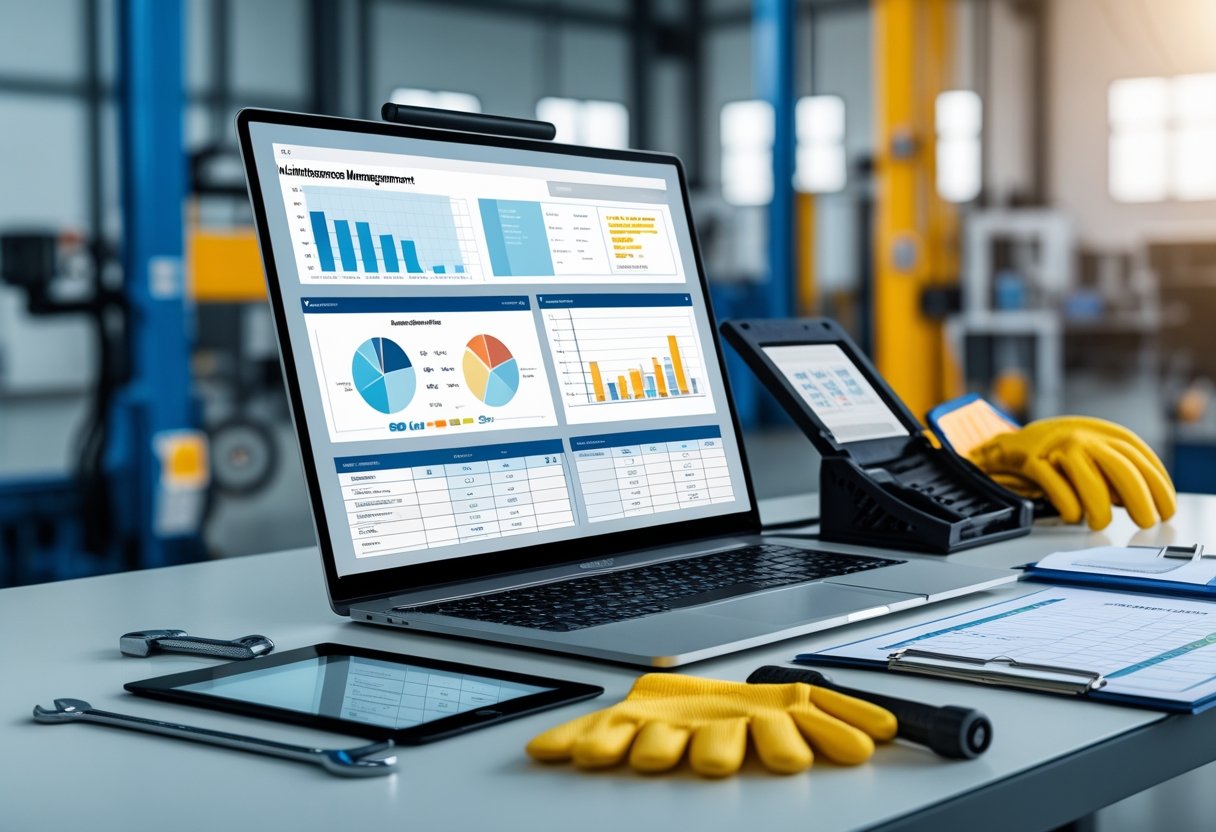
As technology improves, these systems have become smarter and more connected. They work with other business systems like inventory control and financial management, creating a complete picture of maintenance activities.
From manufacturing to healthcare, maintenance management tools support industries that need reliable equipment to meet daily needs.
Knowing how these tools work and what features matter most helps organizations choose the right solution.
Core Features of Maintenance Management Tools

Maintenance management tools bring daily operations together in one place. They help teams schedule tasks, track equipment, and manage parts inventory.
These systems give organizations clear data to reduce downtime and keep assets reliable. They use structured workflows and accurate records to support maintenance activities.
Work Order Management Capabilities
Work order management is the core of any maintenance management tool. A good system lets teams create, assign, and monitor work orders from start to finish.
It keeps track of important details like equipment ID, technician name, labor hours, and notes. Modern platforms use digital checklists and standardized forms to improve data accuracy.
They track progress in real time and alert supervisors to delays or changes. Many systems work with mobile devices, so technicians can update work orders in the field.
FeatureBenefitAutomated work order routingReduces manual assignment errorsStatus tracking and notificationsImproves team communicationHistorical work order logsSupports analysis and audits
These features create organized workflows for better efficiency and resource planning.
Preventive Maintenance Scheduling
Preventive maintenance scheduling helps assets get attention before problems happen. Teams can plan recurring tasks based on dates, usage hours, or condition readings.
Automating maintenance schedules reduces unplanned downtime and extends equipment life. The tool can send alerts when service is due, helping planners manage workloads.
Systems use flexible frequency rules and maintenance calendars to show upcoming tasks and assignments. When connected to sensors, schedules can adjust automatically if asset conditions change.
Clear scheduling also helps meet regulatory requirements by keeping service records up to date.
Asset Tracking and Management
Asset tracking gives a full view of each resource’s location, condition, and maintenance history. Maintenance tools store records like purchase dates, serial numbers, service logs, and warranty details.
This tracking helps organizations decide when to repair or replace assets. Many tools use barcode scanning or RFID tagging for fast and accurate identification.
Dashboards often show metrics like mean time between failures (MTBF) and mean time to repair (MTTR). These numbers help spot trends and problem areas.
With historical data and real-time updates, organizations can better manage equipment through its entire life.
Inventory and Spare Parts Control
Inventory and spare parts control ensures teams have the right materials when they need them. The system tracks quantities, reorder points, and supplier details to avoid shortages or overstock.
Managers can see current stock, pending orders, and usage history in one place. Automatic alerts let staff know when supplies run low.
Some platforms connect inventory with work orders and asset management, so parts are reserved and issued for specific jobs. This reduces manual entry and tracks costs accurately.
By tracking spare parts, organizations avoid delays and manage maintenance costs more effectively.
Types of Maintenance Management Tools

Modern maintenance management uses software that centralizes data, automates scheduling, and monitors assets. These tools help organizations cut downtime, extend equipment life, and align maintenance with business goals.
Computerized Maintenance Management Systems (CMMS)
A Computerized Maintenance Management System (CMMS) collects all maintenance information in one place. It tracks work orders, schedules preventive maintenance, records asset history, and manages spare parts.
CMMS software is common in manufacturing, facilities, and transportation. Users can make maintenance requests, assign tasks, and record completion directly in the system.
Key features include:
- Work order tracking
- Preventive maintenance scheduling
- Inventory and spare parts management
- Maintenance reporting and KPIs
Many CMMS platforms work with mobile devices for easy updates in the field. This reduces paperwork and speeds up responses.
Enterprise Asset Management (EAM) Platforms
Enterprise Asset Management (EAM) platforms go beyond CMMS by linking maintenance with financial, procurement, and operational data. They offer a big-picture view of assets, often across multiple sites.
EAM systems manage assets from purchase to retirement. They track depreciation, maintenance costs, energy use, and compliance.
Common features include:
- Asset lifecycle management
- Integration with ERP systems
- Advanced analytics and cost tracking
- Compliance and documentation management
EAM solutions are used by large organizations or those with critical infrastructure.
Predictive Maintenance Tools
Predictive maintenance tools use data and sensors to predict when equipment needs service. They rely on sensors, past records, and machine learning.
Instead of fixed schedules, predictive maintenance reacts to real equipment conditions. This helps teams fix problems before breakdowns happen.
Data SourceMetric MonitoredExample UseVibration sensorsBearing wearRotating machinesTemperature sensorsHeat buildupMotors, compressorsElectrical monitoringCurrent changesPumps, conveyors
By spotting early warning signs, organizations improve reliability and use resources wisely.
IoT-Enabled Maintenance Solutions
IoT-enabled maintenance solutions use networks of sensors to collect real-time data from machines and facilities. These sensors send information like temperature, vibration, or pressure to cloud platforms.
This data supports both predictive and preventive maintenance. If a sensor finds a problem, the system can send an alert or create a work order automatically.
Benefits include:
- Real-time equipment monitoring
- Automated fault detection
- Integration with analytics dashboards
- Better remote visibility
IoT tools help teams spot issues early and keep equipment running smoothly.
Key Benefits of Using Maintenance Management Tools
These tools help organizations keep equipment running, control expenses, and coordinate teams. They also make it easier to follow compliance rules and improve workplace safety.
Boosted Asset Reliability and Performance
Maintenance management tools improve asset reliability by monitoring equipment conditions and scheduling maintenance at the right times. Predictive features use sensor data or inspection logs to catch issues before they cause failures.
With automated performance metrics, teams can compare real machine output to targets. This information helps improve maintenance plans and keep assets in top shape.
Dashboards show key indicators like mean time between failures (MTBF) and mean time to repair (MTTR). Having this data in one place helps managers make faster decisions and extend asset lifespans.
Reduced Downtime and Operational Costs
Maintenance management tools help cut downtime by sending alerts for upcoming or overdue tasks. Teams can act quickly to avoid production delays.
These tools give real-time updates on work orders and spare parts. Managers can see which technicians and materials are available, preventing delays from missing resources.
This leads to lower repair costs and less overtime. By moving from reactive to preventive maintenance, organizations avoid costly emergency fixes and keep operations steady.
Improved Team Collaboration and Communication
A central platform makes it easier for maintenance teams to share information and assign tasks. Team members update the system in real time, so everyone has the latest data.
This improves coordination between maintenance, operations, and inventory staff. Supervisors can track workloads and team performance with simple dashboards.
Some systems offer comment threads, mobile alerts, and automatic task routing. This helps teams respond faster to equipment issues and communicate clearly between shifts.
Enhanced Compliance and Safety
Maintenance management tools help regulated industries meet compliance standards. The software keeps detailed maintenance logs, calibration records, and audit trails.
Automatic scheduling ensures inspections and tests happen on time. Documentation features make it easier to show compliance to auditors.
Better maintenance tracking also improves safety. Well-maintained equipment is less likely to cause injuries or fail unexpectedly. Consistent workflows and thorough records help teams avoid mistakes and keep the workplace safe.
How Maintenance Management Tools Work
These tools use automation, scheduling, and mobile technology to organize maintenance tasks and monitor equipment performance. They replace manual processes, helping teams make decisions quickly and work consistently.
Maintenance Workflow Automation
Automation is a key part of modern maintenance management. The system collects requests, assigns work orders, and tracks progress without manual steps.
A set workflow means that when equipment data shows a problem, the software automatically triggers maintenance actions. Technicians get notifications on dashboards or mobile apps.
Supervisors can see metrics like task completion time, parts usage, and technician availability in real time. This prevents bottlenecks and avoids double assignments.
Key automated functions include:
- Work request routing: Sends tasks to the right technician or department.
- Approval chains: Escalates delayed or urgent tasks automatically.
- Inventory integration: Deducts spare parts when used and alerts purchasing staff.
Automation keeps processes consistent and accurate, letting teams spend more time on improvement instead of routine tasks.
Maintenance Scheduling and Calendar Features
Scheduling tools organize maintenance activities using visual calendars and recurrence settings. Managers define recurring tasks like inspections or lubrication, which the system adds automatically to the calendar.
This prevents missed maintenance and helps balance workloads across the team. A shared calendar view displays upcoming, ongoing, and overdue jobs.
Filters allow sorting by location, asset type, or technician. Integration with sensors or condition-monitoring data can adjust schedules when performance thresholds are reached.
Many systems present scheduling data through color-coded timelines or Gantt-style views. This helps teams spot conflicts quickly and keep critical equipment running.
Mobile Accessibility for Field Teams
Mobile accessibility lets technicians in the field access work orders, update task status, and record data from mobile devices. A mobile-first design ensures smooth operation on smartphones and tablets, even in areas with poor connectivity.
Mobile apps often include push notifications for urgent tasks and barcode scanning to verify assets. Technicians can upload photos, complete digital checklists, and sync data once a connection is available.
This functionality replaces paper-based reporting and speeds up communication between field teams and supervisors. Each action is time-stamped and traceable, so maintenance teams stay coordinated wherever they work.
Selecting the Right Maintenance Management Tool
Companies should match the maintenance management tool’s functions to their daily operational needs. Priorities often include reliable integrations, adaptable configurations, and the ability to expand as the organization grows.
Factors to Consider Before Implementation
Decision-makers should assess functional requirements, user accessibility, and technical infrastructure. Maintenance management software or a cloud-based CMMS must support the organization's asset types, maintenance schedules, and reporting standards.
Evaluating whether the system works offline or through mobile applications is important for field technicians. Cost structure and licensing terms influence long-term feasibility.
Subscription-based, cloud-hosted solutions often reduce upfront costs and make updates easier, but may depend on stable network connections. On-premise tools offer more control but may require more IT support and infrastructure.
Security and compliance features should align with company policies. Data encryption, access permissions, and user authentication protect sensitive records.
Assessing available training and vendor support helps teams adopt the system with minimal productivity loss.
Integration with Other Business Systems
A robust system should integrate with existing business management platforms, including ERP, building management systems (BMS), and facility management software. Integration ensures maintenance teams share accurate data with inventory, purchasing, and financial systems without manual transfers.
Automatic updates occur when assets are repaired, replaced, or moved. This helps synchronize inventory with purchasing modules, reducing duplication and delays.
Many cloud-based CMMS tools provide API connectivity and data import/export functions to align with other enterprise software. Reviewing IT infrastructure compatibility and the vendor’s integration documentation helps prevent service disruptions.
A well-integrated maintenance solution ensures all teams work from the same data, improving accountability and transparency.
Scalability and Customization Options
Scalability means the software can handle more assets, facilities, or users as needs grow. A system that supports extra modules—such as predictive maintenance analytics or IoT sensor input—lets organizations expand without switching platforms.
Customization allows users to tailor workflows, notification rules, and data fields to their needs. For example, manufacturing plants may need different asset categories than facility managers.
Cloud-based CMMS platforms often offer modular licensing, making it easy to add features gradually. Vendors that support custom dashboards and configurable reports help users make better decisions.
Evaluating current and future needs ensures the software stays relevant as business demands change.
Industry Applications and Leading Solutions
Maintenance management tools help asset-heavy sectors organize tasks, track resources, and maintain compliance. Their usefulness depends on aligning system features—like scheduling, analytics, and mobile access—with operational needs.
Facility and Building Maintenance
Facility and building maintenance software handles asset tracking, preventive maintenance scheduling, and work order management. These systems help property teams maintain HVAC units, elevators, and lighting across multiple sites.
Automated alerts and mobile requests let technicians respond quickly to equipment issues. Modern platforms integrate IoT sensors for condition monitoring, enabling data-driven decisions about repairs and energy use.
Cloud-based interfaces often include dashboards showing asset health, service requests, and contractor performance. Examples like Fiix and eMaint CMMS offer scalability for large portfolios and integrate with procurement or compliance tools.
Common CapabilitiesBenefitsPreventive schedulingLonger equipment lifeAsset performance trackingData-based planningVendor coordinationStreamlined service delivery
Fleet and Field Service Management
Organizations with fleets or mobile teams use fleet maintenance software and field service management software to track vehicles, optimize dispatch, and record maintenance histories. These tools help reduce downtime and extend asset life by providing accurate service reminders and inventory visibility.
Field technicians often access tasks through mobile apps that sync with central systems in real time. Managers gain insights into vehicle usage, repair costs, and parts status.
Some solutions integrate with telematics systems to capture mileage and engine data automatically. In industries like aviation and logistics, platforms such as Limble CMMS or Hippo CMMS enable inspection tracking and compliance documentation.
Predictive maintenance modules support safety checks by identifying patterns that may signal potential failures.
Manufacturing and Production Operations
In manufacturing, maintenance software helps minimize production losses and improve asset reliability. Systems unify data from equipment sensors and control systems to schedule interventions before breakdowns happen.
Features like root cause analysis, inventory optimization, and real-time equipment monitoring give managers visibility into production issues. Integrations with ERP systems align maintenance with production priorities, parts procurement, and quality standards.
Solutions like UpKeep and MaintainX are popular for their mobile workflows and analytics dashboards. These platforms record maintenance history, track technician performance, and generate reports for continuous improvement.
Key FunctionOperational ImpactPredictive analyticsReduced downtimeWork order managementFaster repairsIntegration with ERPStreamlined operations
Emerging Trends in Maintenance Management Tools
Modern maintenance tools use connected systems, intelligent data processing, and mobile access to improve reliability and reduce downtime. Organizations now adopt technologies that make maintenance predictive and data-driven.
Artificial Intelligence and Predictive Analytics
Artificial intelligence (AI) helps maintenance teams spot equipment failures before they happen. Predictive analytics uses historical data, sensor readings, and performance patterns to forecast maintenance needs more accurately.
These insights reduce unnecessary inspections and extend asset life by focusing on components that need service. Many Computerized Maintenance Management Systems (CMMS) and Enterprise Asset Management (EAM) platforms now include AI modules that automate scheduling and optimize work order distribution.
Machine learning algorithms detect anomalies and generate alerts when performance changes. Maintenance teams benefit from fewer unplanned shutdowns, lower costs, and improved uptime.
As data models learn over time, their accuracy increases, supporting better decision-making and planning.
IoT Integration and Sensor Technologies
IoT integration connects assets, machines, and facilities through networks of digital sensors. These sensors track vibration, temperature, and energy use, helping engineers spot early signs of wear or inefficiency.
IoT-enabled CMMS systems allow continuous monitoring without manual checks. For example, a smart sensor on a pump can report problems instantly, prompting quick action.
Metric MonitoredSensor TypeCommon Use CaseVibrationAccelerometerMotor and bearing healthTemperatureThermal sensorHeat exchange systemsPressureTransducerHydraulic linesEnergy usePower meterEfficiency benchmarking
IoT-driven maintenance improves safety and reduces human error. It also creates detailed data records that support predictive maintenance strategies.
Mobile-First and Digital Transformation
The shift toward mobile CMMS platforms is changing how maintenance teams work in the field. Technicians use smartphones or tablets to view tasks and submit updates at the point of service.
They can also capture asset data directly while working. This removes paper-based workflows and improves data accuracy in real time.
Mobile tools help with digital maintenance management by syncing information across departments. Supervisors can review live dashboards and approve work orders remotely.
They can also manage spare parts inventory from any location.
Common features include:
- QR code scanning for equipment lookup
- Offline mode for low-connectivity areas
- Automated reporting and analytics
This mobility improves responsiveness and shortens repair cycles. Maintenance records are kept up to date more easily.