Fuel Management System For Trucks: Optimizing Fleet Efficiency And Cost Control
How to start saving money
Lorem ipsum dolor sit amet, consectetur adipiscing elit lobortis arcu enim urna adipiscing praesent velit viverra sit semper lorem eu cursus vel hendrerit elementum morbi curabitur etiam nibh justo, lorem aliquet donec sed sit mi dignissim at ante massa mattis.
- Neque sodales ut etiam sit amet nisl purus non tellus orci ac auctor
- Adipiscing elit ut aliquam purus sit amet viverra suspendisse potent
- Mauris commodo quis imperdiet massa tincidunt nunc pulvinar
- Excepteur sint occaecat cupidatat non proident sunt in culpa qui officia
Why it is important to start saving
Vitae congue eu consequat ac felis placerat vestibulum lectus mauris ultrices cursus sit amet dictum sit amet justo donec enim diam porttitor lacus luctus accumsan tortor posuere praesent tristique magna sit amet purus gravida quis blandit turpis.

How much money should I save?
At risus viverra adipiscing at in tellus integer feugiat nisl pretium fusce id velit ut tortor sagittis orci a scelerisque purus semper eget at lectus urna duis convallis. porta nibh venenatis cras sed felis eget neque laoreet suspendisse interdum consectetur libero id faucibus nisl donec pretium vulputate sapien nec sagittis aliquam nunc lobortis mattis aliquam faucibus purus in.
- Neque sodales ut etiam sit amet nisl purus non tellus orci ac auctor
- Adipiscing elit ut aliquam purus sit amet viverra suspendisse potenti
- Mauris commodo quis imperdiet massa tincidunt nunc pulvinar
- Adipiscing elit ut aliquam purus sit amet viverra suspendisse potenti
What percentege of my income should go to savings?
Nisi quis eleifend quam adipiscing vitae aliquet bibendum enim facilisis gravida neque. Velit euismod in pellentesque massa placerat volutpat lacus laoreet non curabitur gravida odio aenean sed adipiscing diam donec adipiscing tristique risus. amet est placerat in egestas erat imperdiet sed euismod nisi.
“Nisi quis eleifend quam adipiscing vitae aliquet bibendum enim facilisis gravida neque velit euismod in pellentesque”
Do you have any comments? Share them with us on social media
Eget lorem dolor sed viverra ipsum nunc aliquet bibendum felis donec et odio pellentesque diam volutpat commodo sed egestas aliquam sem fringilla ut morbi tincidunt augue interdum velit euismod eu tincidunt tortor aliquam nulla facilisi aenean sed adipiscing diam donec adipiscing ut lectus arcu bibendum at varius vel pharetra nibh venenatis cras sed felis eget.
Fuel management systems for trucks help fleets control fuel usage and reduce costs. These systems track fuel consumption in real time using sensors and telematics.
Fleet managers get accurate data to manage fuel spending. A fuel management system provides tools to monitor and optimize fuel use across the entire fleet.
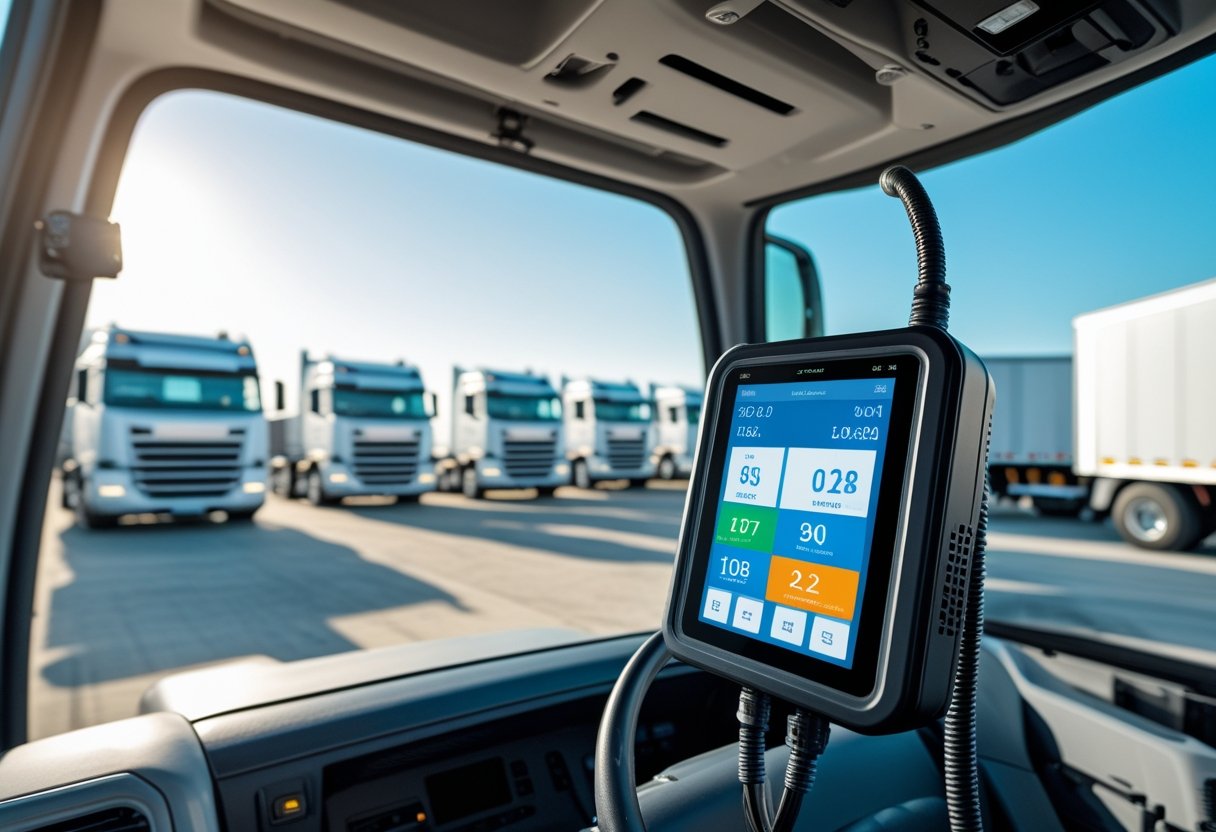
By integrating GPS, telematics, and reporting tools, fleets can find inefficiencies such as idling, fuel theft, and route deviations. This data-driven approach improves fuel accountability and helps managers make better decisions.
As the trucking industry faces tighter margins and stricter environmental demands, selecting the right fuel management solution is essential. The following sections explain what these systems do, their benefits, key features, and how to integrate them for long-term fleet optimization.
What Is a Fuel Management System for Trucks
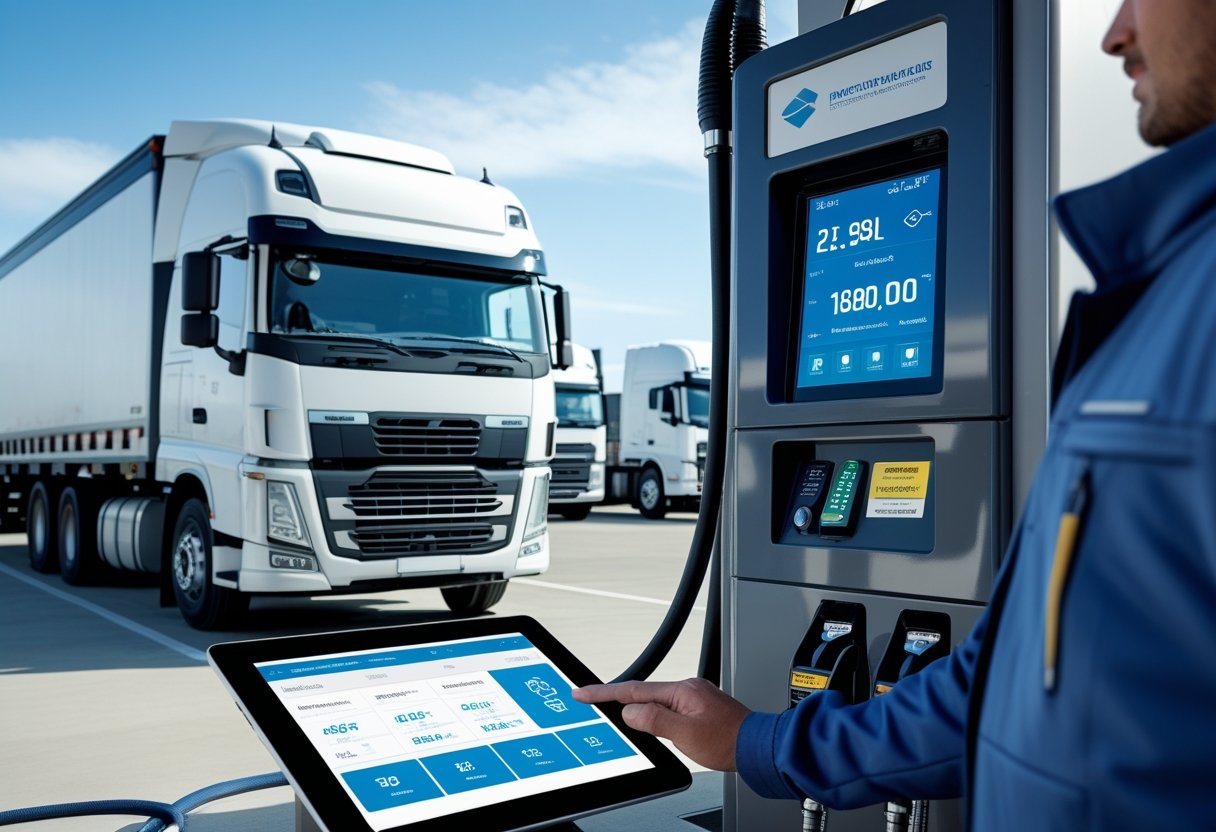
A fuel management system for trucks tracks and controls fuel usage through digital monitoring. This helps fleets reduce waste and improve efficiency.
The system integrates hardware, sensors, and software to record how, when, and where trucks use fuel. This information helps managers make cost and performance decisions.
Key Components and Technologies
Modern fuel management systems include hardware installed on vehicles and software platforms that process consumption data. Core components are fuel level sensors, flow meters, and onboard telematics units.
These devices collect information on refueling events, fuel burn rate, and engine idling. Software dashboards process this data using fuel monitoring software.
Managers can access the data through mobile devices or web portals. They can set alerts for unusual fuel use or detect theft.
Cloud connectivity supports real-time tracking and integrates with fleet management systems for unified reporting. GPS tracking, IoT connectivity, and data analytics improve measurement accuracy and automate recordkeeping.
Many systems also link with maintenance and route optimization tools. This gives operators a complete view of fleet operations.
Types of Fuel Management Systems
Fuel monitoring systems differ based on the size and needs of a trucking operation. The main types are on-site fueling systems, onboard vehicle systems, and software-based monitoring platforms.
- On-site systems track fuel dispensed from company storage tanks with card readers or key fobs.
- Onboard systems use sensors on trucks to measure consumption and detect leaks during operation.
- Software-only systems use telematics data and external sensors to compile reports from multiple vehicles in different locations.
Large carriers often combine hardware and cloud-based software. Smaller fleets may use only digital tracking tools.
The choice depends on budget, maintenance capacity, and the level of real-time detail needed.
How Fuel Management Systems Work
Fuel management systems collect, store, and analyze data from a vehicle’s fueling activity. Sensors measure tank levels and fuel flow, while GPS and telematics record distance, idle time, and engine status.
This information goes to a central software platform through wireless networks. The system calculates performance metrics and highlights inefficiencies.
Fleet managers can compare vehicles, drivers, or routes to find areas for improvement. Alerts and automated reports help managers respond quickly to issues like sudden drops in fuel level or excessive idling.
Continuous monitoring gives fleets a clear picture of their fuel costs and usage habits.
Benefits of Fuel Management Systems in Truck Fleets
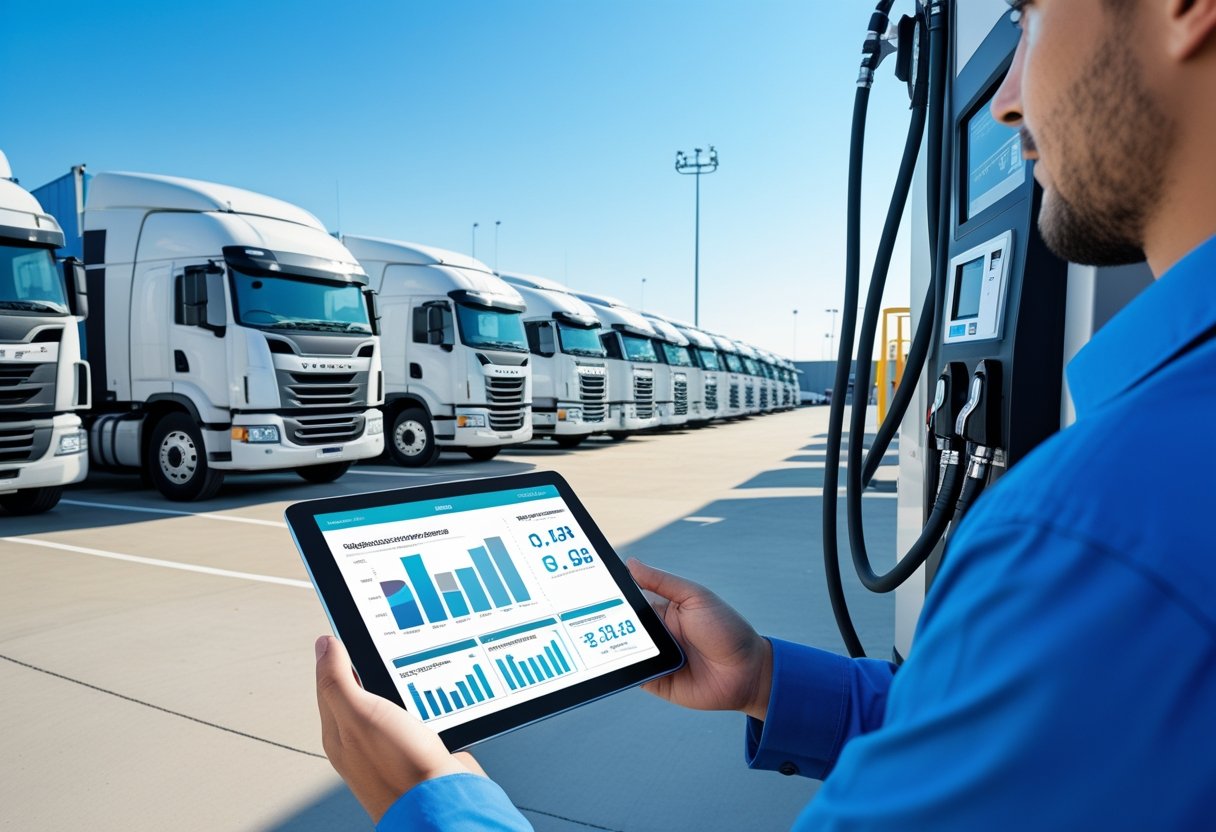
Fuel management systems help fleets reduce fuel expenses and streamline daily operations. They also protect resources from misuse.
These systems use telematics, data analytics, and automated reporting to improve cost control, sustainability, and security.
Fuel Efficiency and Cost Reduction
Fuel is one of the largest expenses in trucking. A fuel management system tracks fuel consumption per vehicle and finds inefficiencies like excessive idling or poor driving habits.
Fleet managers can take corrective actions to lower operating expenses. Real-time monitoring identifies opportunities for fuel cost reduction.
The system can compare actual consumption to benchmarks. If a truck uses more fuel than expected, managers can check for issues like underinflated tires or inefficient routes.
Fuel management systems also support sustainability by reducing fuel waste and emissions. Some systems integrate with route optimization software to suggest shorter or less congested paths.
Cost Control AreasExample ActionsExpected EffectIdling reductionAlerting on idle over threshold2–5% fuel savingsRoute optimizationUsing GPS and telematicsImproved fuel economyDriver trainingCoaching based on data insightsLower fuel waste
Operational Efficiency in Fleet Management
These systems improve operational efficiency by automating routine tasks. Managers get automated fuel reports and can track staff performance and vehicle use without manual data entry.
A centralized dashboard shows each truck’s fuel level, location, and purchase history. It flags irregularities or non-scheduled fueling events for quick review.
Integration with telematics and maintenance systems improves fleet oversight. Aligning fuel data with vehicle health records helps operators control costs with timely maintenance and less downtime.
Enhanced Security and Theft Prevention
Fuel theft can reduce profits, especially in large fleets. Fuel management systems monitor every fuel transaction and compare amounts with authorized data.
Technologies like RFID vehicle identification, geofencing, and real-time alerts help prevent unauthorized fuel use. If a card or dispenser is used outside an allowed zone or schedule, the system sends an alert.
Detailed records of fueling activity support better theft prevention policies. Unusual patterns, such as frequent small refuels or off-hours transactions, can be flagged for review.
Consistent use of these tools helps prevent losses and improves cost control across the fleet.
Key Features to Consider
A truck fuel management system should provide control over fuel usage, data accuracy, and cost efficiency. The best systems combine automated tracking, analytics, and integration with fleet software to reduce waste and support better decisions.
Fuel Consumption and Usage Tracking
A good fuel consumption tracking feature records how much fuel each vehicle uses and when. It helps spot excess idling or unexpected refueling that may signal inefficiency or misuse.
Proper fuel usage tracking ensures every gallon is accounted for. This gives a clear view of operating habits across the fleet.
Advanced fuel tracking tools break data down by driver, vehicle type, and route. Managers can compare trips or identify vehicles with higher-than-average consumption.
Systems that link to fuel cards can automatically import fuel transactions and reduce manual entry.
Key metrics to monitor include:
- Average miles per gallon
- Fuel cost per mile
- Variance in fuel use between similar routes
Accurate tracking supports compliance with reporting standards such as IFTA fuel reporting for fleets in multiple jurisdictions.
Real-Time Fuel Monitoring and Data
Modern systems use real-time fuel monitoring to capture current tank levels and fueling events. Sensors or telematics devices detect changes in fuel levels as they happen.
This real-time feedback allows quick responses to leaks, theft, or other irregularities. Fuel monitoring software that displays real-time data helps fleets maintain visibility, even in remote areas.
Managers can set automatic alerts for sudden drops in fuel or unexpected patterns. For long-haul fleets, real-time monitoring reduces downtime by flagging engine or fuel system issues early.
Precise monitoring also supports fuel optimization and keeps consumption on plan.
Fuel Reporting and Analytics
Reliable fuel reporting turns raw data into useful insights. Managers can generate detailed fuel transaction reports by vehicle, driver, or region.
These reports identify patterns, highlight savings opportunities, and support audits. Custom dashboards make it easy to see trends in fuel cost and efficiency over time.
Comprehensive fuel analytics show the link between driving behavior, route selection, and fuel use. Systems that automate IFTA reporting make tax compliance easier by consolidating mileage and fuel data.
Typical analytics functions include:
Report TypePurposeVehicle PerformanceCompare fuel efficiency across unitsCost BreakdownTrack spending per route or departmentException AlertsIdentify unusual fuel activity or discrepancies
Accurate reporting builds accountability and supports ongoing performance checks.
Integration Capabilities
Strong integration capabilities help fuel management tools connect with other fleet systems. Linking with telematics, GPS tracking, and maintenance platforms brings all vehicle data into one place.
This reduces duplicate data entry and gives context for fuel decisions. Compatibility with ERP, accounting, and dispatch systems improves transparency.
Imported fuel usage data can automatically update cost reports or maintenance schedules. When choosing a fuel monitoring system, fleets should check for open APIs or standard data formats.
Integration flexibility helps companies adapt as technology changes. This connectivity maximizes the value of data-driven fleet operations.
Improving Fleet Operations with Fuel Management Systems
A well-integrated fuel management system streamlines truck fleet operations by tracking driver habits and supporting proactive maintenance. It gives managers real-time data to cut waste and prevent downtime.
Driver Behavior Monitoring
Fuel management systems record and analyze driver behavior. They identify actions that increase fuel use or cause more wear on vehicles.
Common metrics include speeding, idling, harsh braking, and acceleration. By comparing drivers, managers can spot trends and train staff more effectively.
These insights support driver safety by flagging risky behaviors. Managers can set thresholds and automatic alerts for when limits are exceeded.
This feedback helps develop safer, more efficient drivers. Detailed idling reports show unnecessary fuel burn during loading, traffic stops, or rest periods.
Reducing idling time lowers both fuel costs and emissions. Over time, the data can inform incentive programs that reward efficient driving and compliance with company standards.
Route Optimization and Vehicle Tracking
Modern fuel management systems use GPS tracking and dispatch software to plan and adjust routes in real time. This reduces travel distance, avoids traffic jams, and ensures timely deliveries.
Access to location data helps coordinators assign jobs to the nearest vehicle. This improves response times.
Fleet operators get a clear overview of vehicle tracking, including stops, speeds, and mileage. This information helps them check route efficiency and spot unauthorized trips.
Some tools offer automated route optimization that recalculates paths based on current conditions. By balancing fuel efficiency with driver schedules and load needs, operators can control costs without affecting service.
Maintenance Alerts and Lifecycle Management
Fuel management systems send maintenance alerts that track engine hours, mileage, and fuel use. These reminders help keep trucks on schedule for oil changes, filter replacements, and tire checks.
Timely maintenance cuts down on unplanned downtime and expensive repairs. Lifecycle tools use fuel and performance records to show when a vehicle’s efficiency drops.
Managers can compare maintenance costs, fuel economy, and reliability to decide when to replace vehicles. Integrating maintenance data with fuel analytics gives a full view of operations.
Fleet operators can plan budgets better, keep vehicles compliant, and improve reliability with regular servicing.
Implementation and Integration Best Practices
A fuel management system works best with careful installation and technical alignment with existing digital tools. Hardware and software should adapt to changes in fleet size or operating needs.
Clear procedures and steady data integration help managers get accurate fuel insights, cut waste, and keep performance steady.
Installing Fuel Management Systems
Installation starts with site preparation and hardware selection that fit the fleet’s size and type. Truck depots or on-site fueling systems need calibrated fuel dispensers, secure data connections, and correct sensor placement.
Each part—pumps, meters, sensors, and terminals—should meet manufacturer standards and safety rules. Technicians should follow a clear plan, mapping fuel lines, testing links, and checking that all terminals record data correctly.
GPS modules must be positioned for good signal when installing telematics devices. After setup, the system should be tested to confirm data flows to the central database.
Fleet managers can assign unique IDs to each vehicle and user for clear accountability. Regular calibration and preventive maintenance help avoid errors and keep reports accurate.
Integrating with Fleet Management Software
Integration lets real-time fuel data connect with broader fleet management systems. Fleet managers get access to mileage, idling time, and route data in one dashboard.
Most modern fleet fuel management software supports APIs or web connectors to link fuel data with dispatch, maintenance, and accounting platforms.
Key integration points usually include:
- Fuel card data synchronization for tracking transactions
- Vehicle telematics inputs for analyzing consumption
- Alerts and exceptions for unusual fuel activity
Testing integration in a pilot environment helps find data issues and prevent disruptions. Clear documentation of data fields and update intervals ensures systems work together.
Ensuring Compatibility and Scalability
Compatibility covers hardware, network setup, and the ability to add or replace parts without stopping operations. The system should work with different trucks and fueling technologies.
Open architecture or modular designs offer flexibility for upgrades. Fleet size affects scalability.
A small operator may use a few terminals, while a large company may need cloud storage and advanced analytics. Scalable systems support future upgrades, like more sensors or automated refueling.
Regular performance checks keep the fuel management platform in line with fleet needs. Scalable solutions help organizations update settings and keep data accurate as the fleet grows.
Choosing the Right Fuel Management Solution
Choosing a fuel management solution means balancing performance, cost, and fit with the fleet’s environment. Accuracy, integration, and easy data access are key for improving fuel efficiency and cost control.
Evaluating System Features and Cost
Fleet operators should compare software and hardware features and pricing models. Systems with real-time fuel usage reports, automatic tracking, and driver behavior analysis can show inefficiencies that manual logs miss.
Cloud integration lets managers monitor diesel use and fuel card transactions from one dashboard. Pricing depends on fleet size and features.
Some providers charge per vehicle, while others offer subscription packages. Transparent pricing makes comparisons easier.
Key costs include installation, telematics integration, and support.
FeatureBenefitTypical Cost Range*Automated trackingReduces manual entry errors$–$$Fuel card integrationCentralizes purchase data$–$Real-time telematicsEnables immediate alerts$–$$
*Estimated relative range only.
Fleets should also consider the return on investment from less idle time and better routing.
Popular Fuel Management Solutions and Providers
Major platforms like Geotab, Samsara, Motive (formerly KeepTruckin), and Verizon Connect lead the truck telematics and fuel monitoring market. They offer cloud analytics, custom reports, and GPS tracking integration.
Geotab provides advanced data visualization and compliance tools. Samsara focuses on real-time tracking and driver metrics, with detailed fuel analytics.
Motive combines cameras and vehicle diagnostics for full fleet management. Verizon Connect gives automated alerts for unusual fuel use and supports large fleets.
Smaller solutions like FuelForce help fleets that want direct pump control and card authorization for each vehicle. These systems offer strong control over diesel use without heavy reliance on telematics software.
Factors Affecting System Selection
Fleet size, vehicle type, and operating environment determine which system features are most valuable. Long-haul trucking fleets benefit from route optimization and wide telematics coverage.
Local delivery fleets often look for cost-effective automation. They also need quick access to fuel reports.
Integrating with existing fuel card programs and maintenance software reduces administrative work. This also helps avoid duplicate tasks.
Compatibility with multiple fuel types is important, especially for heavy-duty trucks. Diesel support is often required.
Data security, scalability, and vendor support are important factors. A reliable provider should offer updates, accurate reports, and helpful support.