Fleet Telematics Route Analytics Guide: Optimizing Transportation Efficiency and Performance
How to start saving money
Lorem ipsum dolor sit amet, consectetur adipiscing elit lobortis arcu enim urna adipiscing praesent velit viverra sit semper lorem eu cursus vel hendrerit elementum morbi curabitur etiam nibh justo, lorem aliquet donec sed sit mi dignissim at ante massa mattis.
- Neque sodales ut etiam sit amet nisl purus non tellus orci ac auctor
- Adipiscing elit ut aliquam purus sit amet viverra suspendisse potent
- Mauris commodo quis imperdiet massa tincidunt nunc pulvinar
- Excepteur sint occaecat cupidatat non proident sunt in culpa qui officia
Why it is important to start saving
Vitae congue eu consequat ac felis placerat vestibulum lectus mauris ultrices cursus sit amet dictum sit amet justo donec enim diam porttitor lacus luctus accumsan tortor posuere praesent tristique magna sit amet purus gravida quis blandit turpis.

How much money should I save?
At risus viverra adipiscing at in tellus integer feugiat nisl pretium fusce id velit ut tortor sagittis orci a scelerisque purus semper eget at lectus urna duis convallis. porta nibh venenatis cras sed felis eget neque laoreet suspendisse interdum consectetur libero id faucibus nisl donec pretium vulputate sapien nec sagittis aliquam nunc lobortis mattis aliquam faucibus purus in.
- Neque sodales ut etiam sit amet nisl purus non tellus orci ac auctor
- Adipiscing elit ut aliquam purus sit amet viverra suspendisse potenti
- Mauris commodo quis imperdiet massa tincidunt nunc pulvinar
- Adipiscing elit ut aliquam purus sit amet viverra suspendisse potenti
What percentege of my income should go to savings?
Nisi quis eleifend quam adipiscing vitae aliquet bibendum enim facilisis gravida neque. Velit euismod in pellentesque massa placerat volutpat lacus laoreet non curabitur gravida odio aenean sed adipiscing diam donec adipiscing tristique risus. amet est placerat in egestas erat imperdiet sed euismod nisi.
“Nisi quis eleifend quam adipiscing vitae aliquet bibendum enim facilisis gravida neque velit euismod in pellentesque”
Do you have any comments? Share them with us on social media
Eget lorem dolor sed viverra ipsum nunc aliquet bibendum felis donec et odio pellentesque diam volutpat commodo sed egestas aliquam sem fringilla ut morbi tincidunt augue interdum velit euismod eu tincidunt tortor aliquam nulla facilisi aenean sed adipiscing diam donec adipiscing ut lectus arcu bibendum at varius vel pharetra nibh venenatis cras sed felis eget.
Fleet managers face increasing pressure to reduce operational costs while maintaining service quality and safety. Route analytics powered by telematics systems help by turning raw vehicle data into clear routing decisions.
Modern fleets cannot rely on static route planning. Conditions like traffic, weather, and vehicle performance change throughout the day.

Fleet telematics route analytics uses GPS tracking, IoT sensors, and real-time data processing to optimize vehicle routes, monitor driver behavior, and predict maintenance needs. This approach connects hardware in vehicles with cloud-based analytics that process location, engine diagnostics, fuel use, and outside factors.
Fleet managers use these systems to make better decisions about routes, schedules, and resource use. Understanding how these systems collect data, ensure accuracy, and fit with current operations is key to success.
The technology covers telematics basics, data quality, optimization algorithms, and deployment strategies. These factors impact driver performance and fuel efficiency.
Core Concepts of Fleet Telematics and Route Analytics

Fleet telematics combines GPS tracking, vehicle diagnostics, and wireless communication. This allows monitoring of vehicle performance and location.
Route analytics turns telematics data into insights about travel patterns, delivery efficiency, and operational costs.
What Is Fleet Telematics?
Fleet telematics uses telecommunications and informatics to collect, send, and analyze vehicle data in real time. The system uses GPS devices, onboard diagnostics, and wireless networks to create a centralized management platform.
Telematics collects multiple data streams. GPS provides location updates. Engine diagnostics track fuel use, RPM, and mechanical health.
Driver behavior metrics include acceleration, braking, and idling. Cloud-based analytics process this information.
Fleet managers can view dashboards showing vehicle positions, maintenance alerts, and performance. This system replaces manual logs with accurate, timestamped data.
Essentials of Route Analytics
Route analytics looks at travel patterns to find inefficiencies and areas for improvement. It compares actual routes to planned ones, measuring delays, deviations, and fuel use per mile.
Key metrics include trip duration, distance, stops, and time at each location. Platforms calculate route costs by considering fuel, vehicle wear, and labor.
These calculations help identify which routes use more resources and which work best. Route analysis also considers traffic, road types, weather, and delivery time windows.
Historical data helps spot trends and seasonal changes.
How Telematics and Route Analytics Work Together
Fleet telematics provides the data needed for route analytics. GPS tracking records vehicle movement throughout the day.
Location data combines with vehicle diagnostics for a complete view. Telematics records engine starts, idle times, and speeds on different roads.
Route analytics software processes this data to create efficiency scores and recommendations. This integration supports predictive fleet management.
Managers can see which routes often run late or use too much fuel. They use this information to redesign routes and adjust schedules.
Real-time telematics allows for dynamic route changes. Dispatchers can reroute vehicles when delays happen, using live traffic and delivery needs.
Key Technologies in Fleet Telematics Systems

Fleet telematics systems use several connected technologies to capture, send, and analyze vehicle data. These include telematics devices with sensors, GPS tracking, OBD-II integration, and cloud-based processing platforms.
Overview of Telematics Devices and Sensors
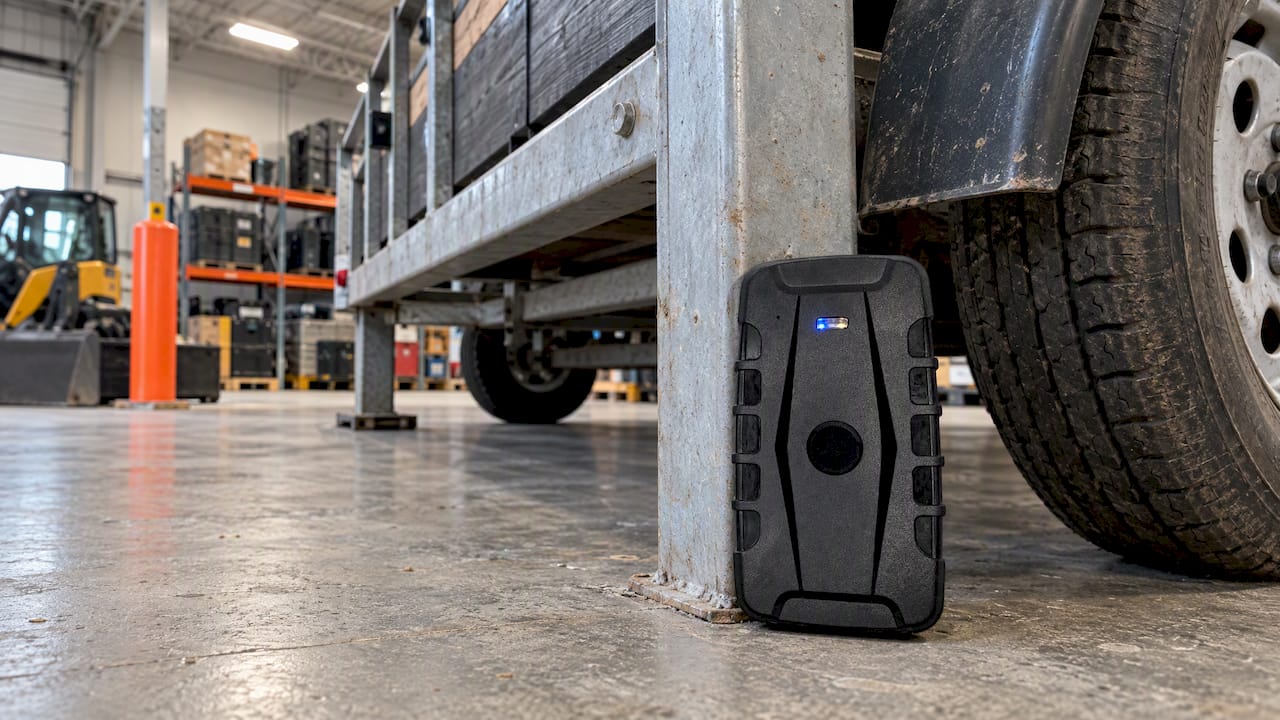
Telematics devices are the main data collection tools in fleet vehicles. They contain GPS receivers, cellular modems, accelerometers, and processors.
These devices connect to IoT sensors that monitor things like fuel levels, tire pressure, engine temperature, and door status. The devices collect this sensor data and send it to central systems.
Fleet managers can choose plug-and-play devices for quick setup or hardwired units for stable connections and more data. Some advanced telematics devices can process certain data locally, reducing bandwidth and speeding up alerts.
GPS Tracking and Real-Time Data Transmission
GPS tracking is the core of fleet telematics, providing precise vehicle location data. It uses signals from satellites to determine coordinates, usually within 3-10 meters.
Real-time GPS tracking lets managers monitor vehicle positions as they change. Devices send location updates every few seconds or minutes, depending on settings.
Data is sent over cellular networks, often using 4G LTE or 5G. Devices send coordinates, timestamps, and other data to remote servers.
This stream of data lets management platforms show live vehicle locations and create movement histories for analysis.
Integration With Onboard Diagnostics and IoT
OBD-II integration gives telematics systems access to vehicle computer data. This diagnostic port is standard in most vehicles since 1996.
Through OBD-II, telematics systems get data like:
- Engine RPM and load
- Vehicle speed and fuel use
- Diagnostic trouble codes (DTCs)
- Odometer readings
- Battery voltage
IoT sensors collect more data beyond OBD-II. Fleets can monitor refrigeration, cargo doors, auxiliary equipment, and driver actions like harsh braking.
Telematics integration brings these data sources together for complete operational insights.
Cloud Platforms and Data Processing
Cloud platforms receive and process telematics data from vehicles. They store historical data and perform real-time analysis.
The cloud collects data from many vehicles, runs analytics to find patterns, and creates reports for web dashboards. Processing engines calculate fuel efficiency, route adherence, and maintenance schedules.
Modern systems use machine learning to improve predictions over time. They spot maintenance needs early and optimize routes using past data.
Cloud platforms also control user access, making sure each role sees the right information.
Data Collection, Quality, and Security in Route Analytics
Fleet telematics route analytics depends on thorough vehicle data, strong quality standards, and secure handling of sensitive information.
Types of Data Collected in Fleet Operations
Telematics systems collect several types of data. GPS coordinates and timestamps track vehicle movement.
Vehicle data includes speed, acceleration, braking, idle time, and fuel use. Engine diagnostics provide alerts for maintenance issues.
Driver performance metrics track actions like harsh cornering, fast acceleration, and long idling. These behaviors affect fuel use and safety.
Telematics platforms also gather geofencing data, showing when vehicles enter or leave set boundaries. Environmental sensors can track temperature, road conditions, and cargo status.
Ensuring Data Accuracy and Quality
Good data quality is essential for reliable route analytics. Delays in data transmission can harm real-time monitoring, so updates should arrive within 30-60 seconds.
Sensors need regular calibration to stay accurate. GPS signal loss in cities or tunnels requires correction algorithms.
Validation rules filter out strange readings, like impossible speeds or sudden location jumps. Third-party integrations must standardize data formats, timestamps, and units to prevent errors.
Data Security, Privacy, and Compliance
Telematics data contains sensitive information that must be protected. Encryption secures data during transmission and storage.
Access controls limit who can view data. Driver performance data needs special care to follow privacy regulations.
Systems should keep audit trails to track data access. Compliance rules differ by region, such as GDPR in Europe.
Data retention policies must meet legal and operational needs. Many places require driver consent for location tracking, so clear agreements and disclosures are necessary.
Route Planning, Optimization, and Dynamic Analytics
Fleet telematics improves route management with data-driven planning, real-time changes, and predictive analytics. These tools help lower fuel costs and improve delivery accuracy.
Modern systems use both historical and live data for rerouting and long-term gains.
Advanced Route Planning Methods
Advanced route planning uses many data sources to create efficient delivery schedules. Managers enter delivery addresses, time windows, vehicle capacities, and driver availability into optimization software.
These systems consider more than distance. They look at road restrictions, vehicle weight limits, customer needs, and past traffic patterns.
Analytics platforms analyze delivery times, fuel use trends, and customer data to improve planning over time.
Key planning inputs include:
- Vehicle specs and capacity
- Driver hours of service rules
- Customer delivery time windows
- Historical traffic and delivery data
- Road restrictions and attributes
The software creates routes that balance goals like reducing distance, saving fuel, and meeting delivery times. Fleet operators can adjust settings to fit their business needs, such as prioritizing speed or maximizing vehicle use.
Dynamic Routing and Real-Time Adjustments
Dynamic routing adapts planned routes as conditions change throughout the day. GPS fleet tracking and telematics provide continuous vehicle location data so dispatchers can respond to traffic congestion, vehicle breakdowns, or urgent customer requests.
Real-time optimization systems suggest route modifications when needed. If an accident blocks a planned route, the system recalculates alternatives and sends updated directions to drivers through mobile devices.
This reduces idle time and helps keep delivery schedules on track despite disruptions. Dynamic rerouting is especially valuable for last-mile delivery where customer availability and urban traffic often change plans.
Dispatchers can reassign stops between vehicles or insert priority deliveries into existing routes. They can also adjust sequences based on actual progress compared to planned schedules.
Predictive Route Optimization and Analytics
Predictive analytics uses historical patterns and machine learning to anticipate future conditions. The system analyzes past delivery performance, seasonal traffic trends, and driver behavior to forecast better departure times and route selections.
AI-powered platforms process large amounts of telematics data to find efficiency opportunities. Vehicle health monitoring predicts maintenance needs that could affect routing. Driver behavior analysis helps assign routes based on individual strengths and preferences.
These predictive models improve route efficiency by recognizing patterns. They identify recurring delivery clusters, better service sequences, and time-dependent traffic changes. Fleet operators gain insights into fuel usage, delivery time accuracy, and operational bottlenecks.
Batch and Continuous Optimization
Batch optimization processes multiple routes at once during planning, usually before daily operations begin. This method looks at all delivery needs together to maximize efficiency across the fleet.
Continuous optimization refines routes throughout the day as new information becomes available. The system checks current vehicle positions, remaining stops, and new constraints to suggest improvements.
This ongoing adjustment maximizes resource utilization and adapts to changing demand.
Comparison of optimization approaches:
ApproachTimingBest ForBatchPre-planned, scheduledPredictable delivery volumes, fixed schedulesContinuousOngoing, real-timeVariable demand, same-day service, urgent orders
Fleet operations often combine both methods. Batch processing sets baseline routes while continuous optimization manages exceptions and real-time changes.
This hybrid strategy balances efficiency with flexibility, especially for operations with both scheduled and on-demand deliveries.
Operational Applications and Benefits
Fleet telematics route analytics improves fuel management, driver performance, and vehicle maintenance. These systems turn GPS and sensor data into strategies that lower costs and extend vehicle life.
Improving Fuel Efficiency and Reducing Costs
Route analytics platforms track fuel consumption patterns across fleets, finding inefficiencies missed by traditional methods. The systems analyze idling time, acceleration, and route choices to spot drivers or vehicles that use too much fuel.
Fleet managers use dashboards to see fuel use by vehicle, route, and time period. This detailed view allows targeted actions for the biggest fuel savings.
Companies often achieve 15-25% fuel savings by focusing on top consumption factors found through analytics.
Key fuel efficiency metrics tracked:
- Gallons per mile by route and vehicle
- Idle time duration and frequency
- Optimal speed maintenance percentages
- Route deviation fuel impact
The data shows which routes waste fuel due to traffic, elevation, or poor stop sequences. Managers can then match fuel-efficient vehicles to demanding routes and reroute others to minimize use.
Boosting Driver Safety and Performance
Driver monitoring systems record risky or inefficient driving events. Telematics devices capture harsh braking, rapid acceleration, speeding, and sharp turns in real-time.
Fleet administrators get alerts for dangerous patterns and can coach drivers right away. Data supports objective performance reviews based on real behaviors.
Safety scores from telematics data highlight high-risk drivers needing extra training and top performers deserving recognition. Analytics rank drivers across safety metrics, creating accountability and encouraging safer habits.
Organizations using driver monitoring often see 20-30% fewer collisions and lower insurance costs.
Enhancing Maintenance Scheduling and Vehicle Health
Vehicle diagnostics provide continuous monitoring of engine performance, fluid levels, tire pressure, and component wear. Predictive maintenance algorithms analyze this data to forecast issues before they happen.
The system moves away from reactive maintenance that leaves vehicles stranded. Engine diagnostics spot problems through small performance changes that manual checks may miss.
Maintenance scheduling becomes data-driven rather than just calendar-based. Service intervals adjust for actual vehicle usage and condition.
Digital vehicle inspection reports (DVIR) feed into maintenance management systems, building a complete service history. Fleet managers can track which vehicles need attention and prioritize repairs based on impact.
This approach reduces unexpected downtime by 35-45% and extends vehicle life with timely interventions. Telematics alerts notify managers of engine codes, battery drops, and brake warnings immediately, allowing teams to fix small issues before they become expensive or dangerous.
Implementation Strategies and Change Management
Successful telematics implementation requires careful planning, clear communication with drivers, and smooth integration with existing systems. Organizations that address both technical and human factors see faster results and higher system use.
Planning and Deploying Telematics Systems
Deployment starts with choosing hardware that fits fleet needs and vehicle types. Fleet managers should use a phased rollout, testing systems on a few vehicles before full deployment.
Data collection settings must be configured at setup. This includes tracking intervals, geofence boundaries, and alert thresholds for route deviations or unauthorized stops.
Key deployment steps include:
- Installing GPS units and IoT sensors across the fleet
- Configuring dashboards for automated reporting and real-time visibility
- Setting up digital DVIR (Driver Vehicle Inspection Report) features
- Testing data transmission and connectivity
- Establishing backup protocols for connection failures
Hardware deployment should match maintenance schedules to reduce downtime. IT teams must confirm data flows correctly from vehicles to central systems before calling installations complete.
Driver Adoption and Training
Driver support is key for telematics success. Management should explain how route analytics improve efficiency, not just monitor drivers.
Training should cover the driver mobile app and digital DVIR submission. Drivers need to know how the system calculates routes, records behavior, and gives feedback.
Driver coaching works best when linked to driver scorecards showing metrics like harsh braking, speeding, and idle time. Managers should hold regular meetings to review scorecards and discuss improvements.
Concerns about privacy or punishment can cause resistance. Clear policies about data use and performance help build trust and boost adoption.
Integration with Existing Fleet Operations
Telematics systems must connect with dispatch, maintenance, and fuel management tools for full value. API integrations allow automatic data sharing without manual entry.
Route analytics should fit into existing workflows, linking optimized routes to dispatch boards and connecting maintenance alerts to work order systems.
Automated reporting reduces paperwork by generating compliance documents, fuel reports, and performance summaries on a schedule. Reports should export in formats compatible with business intelligence tools.
Fleet managers need data governance policies to define access and information flow between departments. Regular audits ensure data accuracy and consistent system performance.
Future Trends and Challenges in Fleet Telematics Route Analytics
Fleet telematics route analytics is changing fast due to AI, sustainability needs, and the demand for scalable systems. Organizations must keep up with new technologies while handling environmental and growth challenges.
Scalability and Growth Considerations
Growing fleets need telematics platforms that scale without slowing down. Cloud-based solutions like AWS Fleet Intelligence handle data from thousands of vehicles at once. Platforms such as Geotab and Verizon Connect offer flexible architectures for fleets from 10 to over 10,000 assets.
Key scalability factors include:
- Data storage for years of route analytics
- API speed for real-time data from many vehicle types
- Multi-region support for widespread operations
- Integration with enterprise resource planning systems
The Geotab GO device shows scalable hardware, processing diagnostics locally before sending data. This edge computing cuts bandwidth needs by 40-60% compared to sending raw data.
Migrating legacy systems to scalable platforms can be challenging. Data normalization across mixed fleets with different telematics generations requires careful planning and phased rollout.
Sustainability and Environmental Impact
Route analytics helps reduce fleet carbon footprint by optimizing travel and cutting fuel use. Modern telematics systems calculate emissions per route segment so managers can target improvements where they matter most.
Electric vehicle integration brings new analysis needs. Battery charge modeling, charging station routing, and range prediction require specialized algorithms. Temperature sensors help assess route feasibility in extreme climates.
Fleet intelligence platforms now create sustainability reports aligned with ESG goals. These systems measure emissions reductions from route optimization, idle time reduction, and speed management. Fleets often see 12-18% lower carbon footprints within 18 months of using advanced route analytics.
Alternative fuel vehicles need route planning that considers refueling infrastructure. Compressed natural gas and hydrogen-powered fleets face geographic limits that telematics systems must include in routing.
Emerging Technologies and Innovators
Satellite communication networks provide telematics coverage in remote areas. Cellular infrastructure is often unreliable in these locations.
Low-earth orbit constellations enable continuous vehicle tracking. This is useful for mining operations, agricultural fleets, and long-haul transport through wilderness corridors.
AI-driven predictive analytics help optimize routes. These systems allow for proactive planning instead of only reacting to issues.
Machine learning models use historical traffic, weather data, and delivery windows. They generate routes that can anticipate disruptions before they happen.
This predictive approach reduces delays by 25-30% compared to traditional routing engines.
Emerging capabilities transforming route analytics:
- Computer vision systems detect road condition changes that affect travel times.
- Blockchain-based proof-of-delivery verification is integrated with route completion data.
- Digital twin simulations test route modifications before fleet deployment.
- Automated compliance monitoring ensures routes meet hours-of-service regulations.
Open telematics platforms allow third-party developers to create specialized route analytics applications. This ecosystem approach supports focused solutions for industry-specific challenges, such as hazardous materials routing or time-sensitive pharmaceutical deliveries.