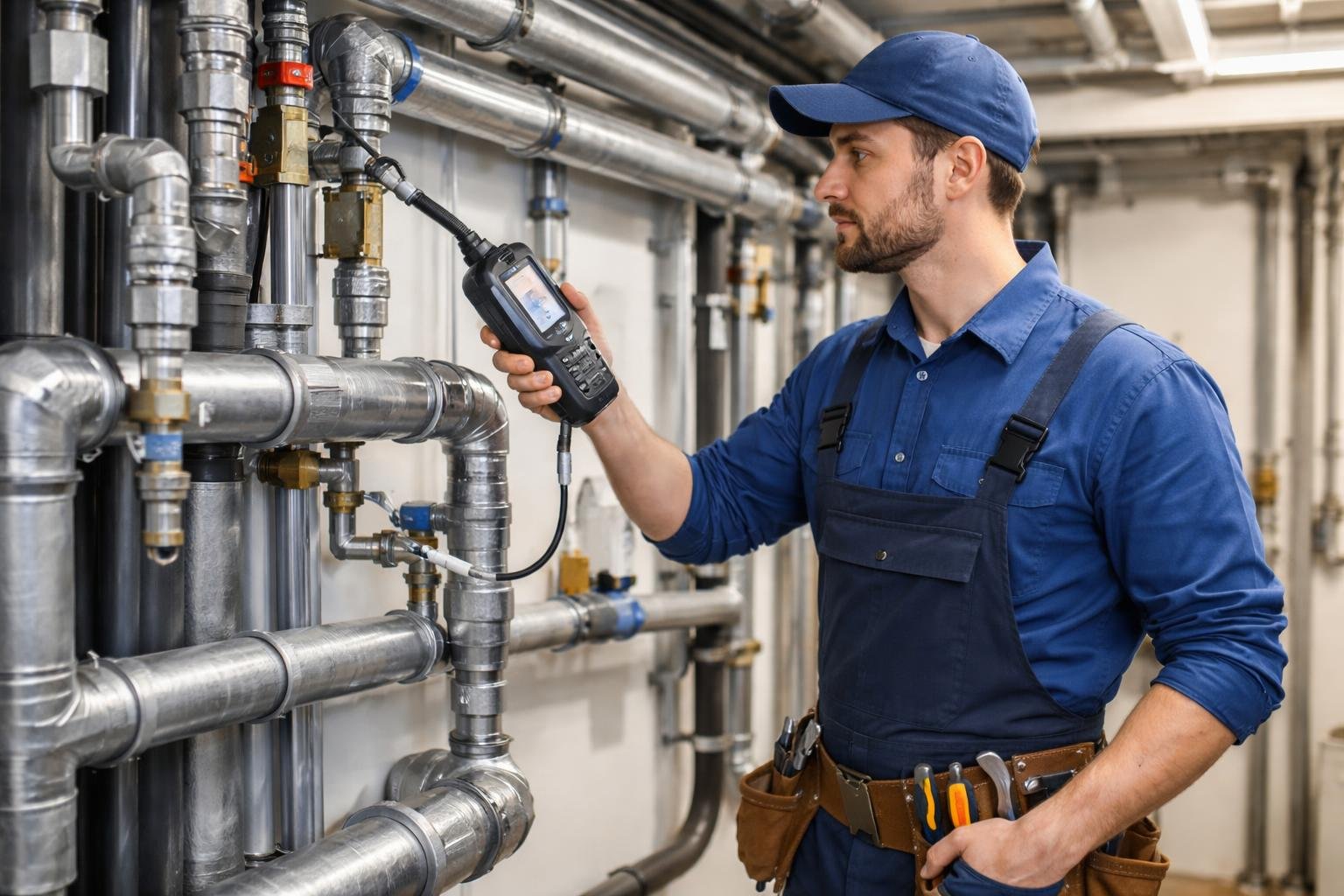
Vehicle Telematics Monitoring Trends: Key Developments Shaping Fleet Management in 2026
How to start saving money
Lorem ipsum dolor sit amet, consectetur adipiscing elit lobortis arcu enim urna adipiscing praesent velit viverra sit semper lorem eu cursus vel hendrerit elementum morbi curabitur etiam nibh justo, lorem aliquet donec sed sit mi dignissim at ante massa mattis.
- Neque sodales ut etiam sit amet nisl purus non tellus orci ac auctor
- Adipiscing elit ut aliquam purus sit amet viverra suspendisse potent
- Mauris commodo quis imperdiet massa tincidunt nunc pulvinar
- Excepteur sint occaecat cupidatat non proident sunt in culpa qui officia
Why it is important to start saving
Vitae congue eu consequat ac felis placerat vestibulum lectus mauris ultrices cursus sit amet dictum sit amet justo donec enim diam porttitor lacus luctus accumsan tortor posuere praesent tristique magna sit amet purus gravida quis blandit turpis.

How much money should I save?
At risus viverra adipiscing at in tellus integer feugiat nisl pretium fusce id velit ut tortor sagittis orci a scelerisque purus semper eget at lectus urna duis convallis. porta nibh venenatis cras sed felis eget neque laoreet suspendisse interdum consectetur libero id faucibus nisl donec pretium vulputate sapien nec sagittis aliquam nunc lobortis mattis aliquam faucibus purus in.
- Neque sodales ut etiam sit amet nisl purus non tellus orci ac auctor
- Adipiscing elit ut aliquam purus sit amet viverra suspendisse potenti
- Mauris commodo quis imperdiet massa tincidunt nunc pulvinar
- Adipiscing elit ut aliquam purus sit amet viverra suspendisse potenti
What percentege of my income should go to savings?
Nisi quis eleifend quam adipiscing vitae aliquet bibendum enim facilisis gravida neque. Velit euismod in pellentesque massa placerat volutpat lacus laoreet non curabitur gravida odio aenean sed adipiscing diam donec adipiscing tristique risus. amet est placerat in egestas erat imperdiet sed euismod nisi.
“Nisi quis eleifend quam adipiscing vitae aliquet bibendum enim facilisis gravida neque velit euismod in pellentesque”
Do you have any comments? Share them with us on social media
Eget lorem dolor sed viverra ipsum nunc aliquet bibendum felis donec et odio pellentesque diam volutpat commodo sed egestas aliquam sem fringilla ut morbi tincidunt augue interdum velit euismod eu tincidunt tortor aliquam nulla facilisi aenean sed adipiscing diam donec adipiscing ut lectus arcu bibendum at varius vel pharetra nibh venenatis cras sed felis eget.
Vehicle telematics monitoring has evolved from basic GPS tracking to a comprehensive operational intelligence system. It now shapes decisions across transportation and fleet operations.
Telematics combines GPS tracking, onboard diagnostics, sensors, and wireless communication to deliver real-time vehicle and driver data. This data improves efficiency by up to 40%, reduces costs, and enhances safety.
The technology addresses key business questions about vehicle performance, incident causes, and risk prevention.
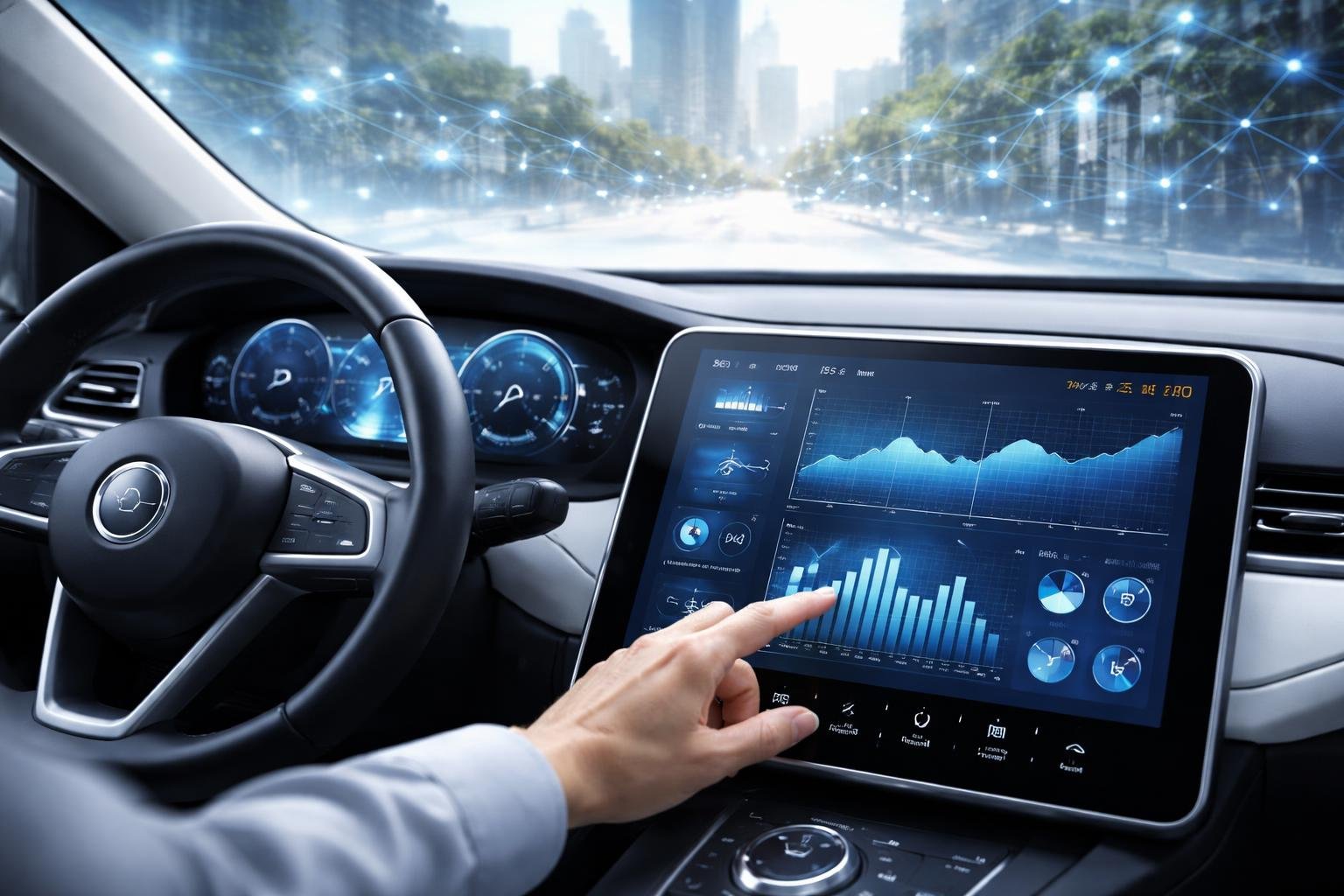
The global telematics market is growing rapidly, with projections reaching $150 billion by 2033 and a compound annual growth rate of 15%. Fleet managers now rely on telematics for more than compliance monitoring.
Telematics has become essential infrastructure, connecting vehicles, assets, and operational systems in real time. Current trends focus on predictive insights, connected systems, and data-driven decision-making that support both safety and efficiency.
Understanding these developments helps organizations choose telematics capabilities that fit their operational needs.
Defining Vehicle Telematics and Its Evolving Role
Vehicle telematics is the merging of telecommunications and informatics. It enables real-time data exchange between vehicles and external systems.
This technology has expanded from basic GPS tracking to advanced monitoring platforms. These platforms analyze driver behavior, vehicle health, and operational efficiency.
Core Concepts of Telematics
Telematics systems have four main components. The onboard device collects data from vehicle sensors and systems.
A wireless network sends this information to centralized servers. Data processing platforms analyze the incoming data.
User interfaces present findings through dashboards and reports. Fleet telematics captures data every few seconds while vehicles are moving.
These systems monitor location, speed, acceleration, braking, and engine diagnostics. They also track fuel consumption, idle time, and temperature conditions for specialized cargo.
Modern telematics solutions go beyond tracking. They integrate with vehicle control systems for remote diagnostics, predictive maintenance alerts, and driver coaching.
This integration turns raw data into operational intelligence for fleet managers.
Telematics Technology Evolution
Early telematics devices used basic GPS receivers and cellular modems. These systems provided location updates at set intervals with limited features.
The technology has advanced through several generations. Telematics Control Units (TCUs) now connect directly to vehicle CAN bus systems.
These advanced units access hundreds of data parameters. They support wireless protocols like 4G LTE and 5G and can process data locally before sending it.
Smartphone-based telematics use mobile device sensors to capture driving metrics. This approach lowers upfront costs but often provides less detailed vehicle diagnostics than embedded systems.
Telematics Data: Collection and Utilization
Telematics data falls into three main categories. Location data includes GPS coordinates and route history.
Vehicle data covers engine performance, fuel levels, battery voltage, and diagnostics. Driver behavior data measures acceleration, cornering, braking, and speed compliance.
Data is collected continuously during vehicle operation. Sensors measure parameters at rates from once per second to many times per millisecond.
Data aggregation happens either at the device or in the cloud. Organizations use telematics data for safety, efficiency, and compliance.
Fleet managers identify risky driving patterns and offer targeted training. Maintenance teams schedule service based on actual wear, not fixed intervals.
Dispatchers optimize routes using real-time traffic and vehicle availability data.
Key Trends in Vehicle Telematics Monitoring
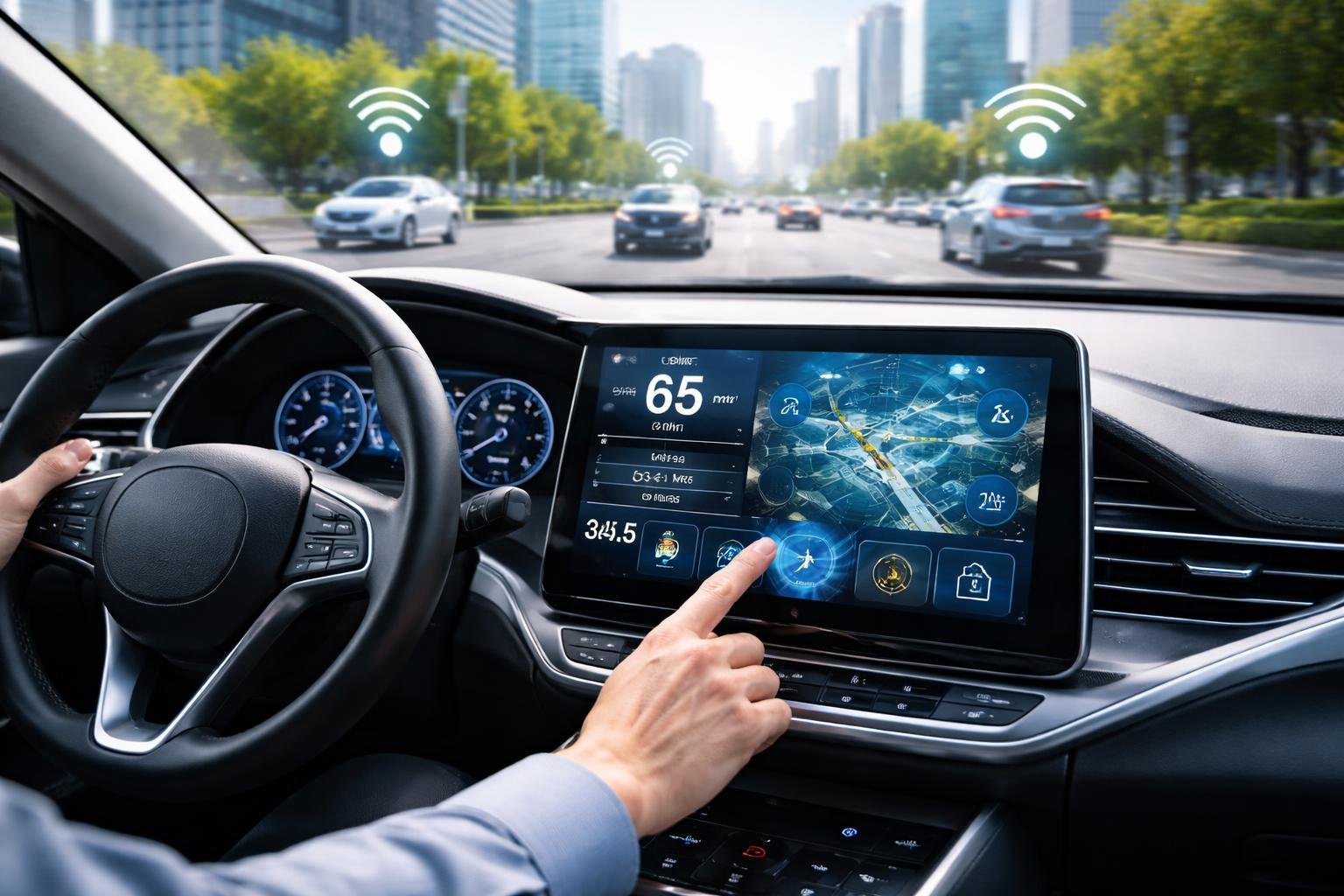
Vehicle telematics monitoring is moving toward intelligent, proactive systems. These systems use AI-powered analytics, video-based safety monitoring, and improved real-time connectivity.
These advancements help fleet operators move from basic GPS tracking to predictive decision-making and risk management.
Rise of Predictive Analytics and AI Integration
AI has changed telematics from reactive tools to predictive systems. Predictive maintenance uses historical data and machine learning to spot potential equipment failures before they happen.
This reduces unexpected downtime and repair costs. Modern telematics platforms analyze engine diagnostics, fuel use, and component wear to generate maintenance alerts.
Fleet managers get recommendations about which vehicles need service and when. This helps schedule repairs during off-peak hours.
Key AI capabilities in telematics include:
- Automated detection of vehicle performance issues
- Driver behavior scoring and personalized coaching
- Fuel efficiency optimization through route and driving analysis
- Predictive failure alerts for critical parts
Companies like Geotab use AI-powered analytics to improve fleet efficiency. These systems learn from new data and refine their predictions over time.
Video Telematics for Enhanced Fleet Safety
Video telematics combines GPS tracking with camera systems to add visual context to driving events. Dash cameras record footage inside the cab and on the road, triggered by events like harsh braking or collisions.
This technology helps with fleet safety and liability protection. Fleet managers can review footage to verify accidents and identify coaching opportunities.
Advanced driver-assistance systems (ADAS) work with video telematics to provide real-time alerts for lane departure and forward collision warnings. These systems help prevent accidents.
Insurance providers are offering usage-based insurance programs that use video telematics data. Fleets with safe driving records often get lower premiums.
Expansion of Real-Time Tracking and Connectivity
Real-time tracking now offers more than just location monitoring. Modern systems provide updates every few seconds on vehicle status and performance.
Geofencing technology sends alerts when vehicles enter or leave specific areas. This supports security and route compliance.
Improved connectivity allows for dynamic routing that adapts to traffic, weather, and delays. Telematics platforms use live traffic data to recalculate routes and minimize delivery times.
The arrival of 5G networks and better cellular coverage extends real-time tracking to remote areas. This closes gaps in fleet visibility.
Fleet Management Transformation Through Telematics
Telematics systems have changed fleet operations by connecting vehicles, drivers, and management platforms. Real-time data on vehicle location, driver performance, and route efficiency is delivered through IoT sensors and GPS tracking.
Fleet Visibility and Tracking
Fleet tracking systems monitor vehicle locations, status, and asset use across fleets. GPS-enabled devices send real-time positional data to dashboards for managers to view movements and idle times.
Visibility extends to fuel consumption, engine diagnostics, and maintenance needs. Managers can identify underused assets and optimize fleet size based on usage.
Key tracking capabilities include:
- Real-time vehicle positioning with geofencing
- Historical route playback and trip analysis
- Asset utilization and idle time tracking
- Coordination across geographic regions
Fleet visibility helps reduce unauthorized vehicle use. Managers can dispatch the nearest vehicle based on actual locations.
Driver Behavior Monitoring and Coaching
Telematics systems record driver behavior such as harsh braking, rapid acceleration, and seatbelt use. This data is used to score driver performance.
Coaching programs provide feedback on behaviors that increase accident risk or fuel use. Managers can review dash camera footage alongside telematics data to understand incidents.
Drivers receive regular performance reports showing their scores compared to fleet averages. Safe driving is recognized, while those needing improvement get coaching.
Data-driven coaching removes bias and focuses on measurable behaviors that impact safety and costs.
Dynamic Route Optimization
Route optimization algorithms consider traffic, delivery windows, vehicle capacity, and road restrictions to find the best paths. These systems adjust routes throughout the day as conditions change.
Telematics platforms work with dispatch systems to assign jobs and generate optimized routes. They account for cargo capacity, equipment needs, and driver hours of service.
Optimized routing reduces fuel costs and increases jobs completed per day. It also improves customer service by providing accurate arrival estimates and faster response to urgent requests.
Fleet Safety and Compliance
Telematics platforms automate compliance tracking for hours of service, vehicle inspections, and maintenance. Electronic logging devices record driver status and generate reports for regulations.
Safety features include speed monitoring, accident detection with emergency alerts, and inspection tracking. Digital records streamline audits and inspections.
Managers get alerts for speeding, after-hours use, and entry into restricted zones. Predictive analytics identify high-risk drivers and enable early intervention.
Maintenance alerts help prevent breakdowns by tracking service intervals and diagnostic codes.
Vehicle Health Monitoring and Predictive Maintenance
Telematics systems now collect real-time data on engine performance and component wear. This allows fleets to schedule maintenance before failures occur.
Onboard Diagnostics and Engine Monitoring
Modern telematics devices capture diagnostic codes, oil pressure, coolant temperature, and battery voltage. They monitor engine vibrations, emissions, and transmission behavior to detect problems.
Sensors track brake pad thickness, tire pressure, and fluid levels in real time. Data is sent to cloud platforms where algorithms compare readings to manufacturer specs and past performance.
Fleet managers receive alerts when values are out of range. This lets technicians address issues during scheduled service instead of waiting for breakdowns.
Advanced diagnostic systems spot subtle changes that human inspections might miss. Early warning signals like temperature shifts or minor electrical issues can help prevent bigger problems.
Maintenance Scheduling Optimization
Predictive algorithms analyze usage patterns, operating conditions, and component stress levels. They generate customized maintenance schedules for each vehicle.
This data-driven approach replaces fixed-interval servicing. Condition-based maintenance accounts for actual wear instead of relying on mileage or time.
Fleet operators can prioritize maintenance tasks using urgency and severity ratings from telematics platforms. The systems recommend service timing that balances component life with operational availability.
Integration with parts inventory systems ensures replacement components arrive before maintenance appointments. This coordination reduces delays and improves efficiency.
Route data and driver behavior metrics help predict maintenance needs. Acceleration patterns, terrain, and load weights reveal how quickly components wear.
Vehicles in harsh conditions receive more frequent monitoring and earlier interventions. Those with lighter duty cycles are serviced less often.
Cost and Downtime Reduction
Early detection prevents catastrophic failures and eliminates expensive emergency repairs. Telematics-enabled predictive maintenance reduces unplanned downtime by identifying problems during off-peak hours.
Fleet operators extend component lifecycles by fixing minor issues before they cause more damage. Data analytics highlight parts that fail early, helping operators source better replacements or adjust procedures.
Accurate forecasts of replacement needs reduce parts inventory costs. Technicians save time when they receive detailed diagnostics before repairs.
Emerging Technologies and Market Forces
IoT devices, V2X communication, and advanced driver assistance systems are transforming vehicle telematics. These technologies enable real-time vehicle monitoring, predictive maintenance, and improved safety.
Impact of IoT in Fleet Management
IoT fleet management uses sensor networks and wireless devices to collect and transmit operational data. Fleet operators get real-time insights into vehicle location, fuel use, engine diagnostics, and driver behavior.
Connected vehicles with IoT sensors enable predictive maintenance by spotting component issues early. This reduces downtime and repair costs while extending vehicle life.
Modern telematics systems use machine learning to analyze data and generate recommendations for optimization. The commercial vehicle telematics market uses IoT to improve efficiency and lower costs.
Fleet managers can monitor driver safety metrics, optimize routes, and ensure compliance through automated reporting. These capabilities have increased adoption among logistics and transportation companies.
Vehicle-to-Everything Connectivity (V2X)
Vehicle-to-everything communication enables data exchange between vehicles and infrastructure. This includes other vehicles, traffic signals, and smart city networks.
V2X systems use short-range or cellular networks to transmit safety warnings, traffic updates, and road condition information. Connected vehicles receive alerts about hazards, congestion, or emergencies from other vehicles and infrastructure.
Real-time information sharing improves driver awareness and supports coordinated responses to road conditions. Smart city infrastructure is increasingly supporting V2X through connected traffic management systems.
V2X technology helps with collision avoidance, traffic flow, and emergency vehicle prioritization. Implementation requires standardized communication frameworks and investment in infrastructure.
ADAS and the Path Toward Autonomous Vehicles
Advanced driver assistance systems offer features like adaptive cruise control, lane-keeping, emergency braking, and blind-spot detection. ADAS uses data from cameras, radar, lidar, and ultrasonic sensors for environmental awareness.
These systems produce telemetry data for telematics platforms to monitor performance and support driver behavior analysis. ADAS deployment lays the groundwork for autonomous vehicles by providing sensor infrastructure and processing power.
Telematics tracks ADAS engagement, intervention frequency, and system reliability across fleets. This data helps assess safety and improve automated driving features.
Progress toward autonomous vehicles depends on telematics systems that handle large data volumes and support remote diagnostics and software updates.
Data Protection, Privacy, and Regulatory Compliance
Connected vehicles generate large amounts of data, including driver behavior, location, and performance metrics. This data flows between manufacturers, insurers, app developers, and regulators.
The telematics market faces growing scrutiny as data privacy laws evolve to address complex information ecosystems.
Enhancing Data Accuracy and Security
Data accuracy is essential for reliable telematics systems and regulatory compliance. Telematics devices record speed, acceleration, braking, and turning, which inform risk assessments and operational decisions.
Inaccurate data can cause unfair insurance premiums and flawed safety assessments. Organizations must ensure sensor calibration and data integrity throughout the data lifecycle.
Cybersecurity measures protect telematics data from unauthorized access. Companies use encryption, secure authentication, and regular security audits to safeguard information.
The web of data sharing requires clear security standards at each transfer point.
Key security priorities include:
- End-to-end encryption of vehicle communications
- Regular firmware and software updates
- Penetration testing and vulnerability assessments
- Access controls based on minimum necessary permissions
Meeting Compliance Standards
Telematics regulations differ across regions, creating compliance challenges for international organizations. The IEEE Digital Privacy Model provides guidelines for connected vehicle ecosystems.
Privacy-by-Design requires companies to include data protection measures from the start. Telematics providers must document data collection purposes, retention periods, and usage limits.
User consent mechanisms should clearly explain what data is collected and how it is used. Regulations increasingly require opt-in consent, giving drivers more control.
Organizations face penalties for unclear consent language or bundled agreements that hide data practices. Compliance programs need continuous monitoring as regulations change.
Companies must update privacy policies and train staff on data handling requirements.
Balancing Openness and Integration
Open telematics platforms enable data sharing between manufacturers, developers, insurers, and fleet systems. This integration supports innovation in predictive maintenance, insurance, and safety.
Data portability lets drivers transfer their telematics information between providers, promoting competition. Standardization efforts must balance interoperability with proprietary technology and competitive advantages.
Organizations set data governance frameworks to define sharing rules and permitted uses. API access controls allow selective data sharing while maintaining security.
Transparency builds trust with regulators and consumers. Companies publish clear privacy policies, provide user data access, and implement accountability measures for responsible data management.
Future Outlook for Vehicle Telematics Monitoring
Telematics monitoring is advancing in intelligence, sustainability, and flexibility. The technology will focus on reducing environmental impact, personalizing insurance, and enabling interoperable platforms for data sharing.
Sustainability and Fuel Efficiency
Fleet operators and drivers use telematics to cut fuel use and lower emissions. Modern systems analyze driving patterns, idling, route efficiency, and engine performance to spot waste and inefficiency.
Telematics platforms offer recommendations for eco-driving techniques, like smoother acceleration and maintaining optimal speed. These systems track fuel consumption, braking events, and engine load to promote sustainable driving.
Electric vehicle integration is a key development. Telematics now tracks battery health, charging, and energy regeneration to maximize range and battery life.
The technology helps fleet managers optimize charging schedules based on electricity rates and vehicle use. Real-time route optimization algorithms reduce mileage by finding efficient paths based on traffic, delivery schedules, and capacity.
This leads to lower fuel costs and reduced environmental impact for both commercial and private vehicles.
Evolution of Usage-Based Insurance
Insurance providers are expanding telematics-based pricing that uses actual driving behavior instead of demographics. These usage-based insurance programs track mileage, speed, braking, acceleration, and driving times.
Pay-per-mile insurance appeals to low-mileage drivers, letting them pay based on actual road use. Telematics devices track distances and adjust premiums for fairer pricing.
Behavioral scoring systems reward safe driving with discounts. Insurers analyze braking, cornering, phone use, and speed limit adherence to assess risk.
Drivers with safe habits get lower rates, while risky behavior leads to higher premiums. The insurance telematics market is growing as providers see the accuracy benefits over traditional methods.
Young drivers especially benefit, as safe driving records can offset age-related premium increases.
Open Ecosystems and Market Consolidation
The telematics industry is moving toward standardized data formats and application programming interfaces. These standards enable cross-platform compatibility.
Open ecosystems allow fleet managers to integrate multiple telematics providers and third-party applications. They also support connections with vehicle manufacturers within unified dashboards.
Data portability is becoming a priority as businesses want ownership and control over their telematics information. Standardization efforts focus on creating common protocols for vehicle-to-everything (V2X) communication.
These protocols enable seamless data exchange between vehicles, infrastructure, and cloud platforms. Market consolidation is occurring as larger technology companies acquire specialized telematics providers.
This creates solutions that combine hardware, connectivity, analytics, and applications under single vendors. Strategic partnerships between automakers, telecommunications companies, and software developers are also changing the industry.
These collaborations aim to deliver embedded telematics systems with native connectivity. This approach improves data quality and user experience.