Vehicle Telematics Monitoring Metrics: Key Performance Indicators for Fleet Management Success
How to start saving money
Lorem ipsum dolor sit amet, consectetur adipiscing elit lobortis arcu enim urna adipiscing praesent velit viverra sit semper lorem eu cursus vel hendrerit elementum morbi curabitur etiam nibh justo, lorem aliquet donec sed sit mi dignissim at ante massa mattis.
- Neque sodales ut etiam sit amet nisl purus non tellus orci ac auctor
- Adipiscing elit ut aliquam purus sit amet viverra suspendisse potent
- Mauris commodo quis imperdiet massa tincidunt nunc pulvinar
- Excepteur sint occaecat cupidatat non proident sunt in culpa qui officia
Why it is important to start saving
Vitae congue eu consequat ac felis placerat vestibulum lectus mauris ultrices cursus sit amet dictum sit amet justo donec enim diam porttitor lacus luctus accumsan tortor posuere praesent tristique magna sit amet purus gravida quis blandit turpis.

How much money should I save?
At risus viverra adipiscing at in tellus integer feugiat nisl pretium fusce id velit ut tortor sagittis orci a scelerisque purus semper eget at lectus urna duis convallis. porta nibh venenatis cras sed felis eget neque laoreet suspendisse interdum consectetur libero id faucibus nisl donec pretium vulputate sapien nec sagittis aliquam nunc lobortis mattis aliquam faucibus purus in.
- Neque sodales ut etiam sit amet nisl purus non tellus orci ac auctor
- Adipiscing elit ut aliquam purus sit amet viverra suspendisse potenti
- Mauris commodo quis imperdiet massa tincidunt nunc pulvinar
- Adipiscing elit ut aliquam purus sit amet viverra suspendisse potenti
What percentege of my income should go to savings?
Nisi quis eleifend quam adipiscing vitae aliquet bibendum enim facilisis gravida neque. Velit euismod in pellentesque massa placerat volutpat lacus laoreet non curabitur gravida odio aenean sed adipiscing diam donec adipiscing tristique risus. amet est placerat in egestas erat imperdiet sed euismod nisi.
“Nisi quis eleifend quam adipiscing vitae aliquet bibendum enim facilisis gravida neque velit euismod in pellentesque”
Do you have any comments? Share them with us on social media
Eget lorem dolor sed viverra ipsum nunc aliquet bibendum felis donec et odio pellentesque diam volutpat commodo sed egestas aliquam sem fringilla ut morbi tincidunt augue interdum velit euismod eu tincidunt tortor aliquam nulla facilisi aenean sed adipiscing diam donec adipiscing ut lectus arcu bibendum at varius vel pharetra nibh venenatis cras sed felis eget.
Vehicle telematics monitoring has changed how organizations manage their fleets. The large amount of available data can overwhelm even experienced fleet managers.
The most valuable telematics metrics fall into six core categories: driver behavior, fuel efficiency, maintenance predictions, cost management, regulatory compliance, and operational performance.
Knowing which metrics to track and how to use them helps fleet managers make better decisions.
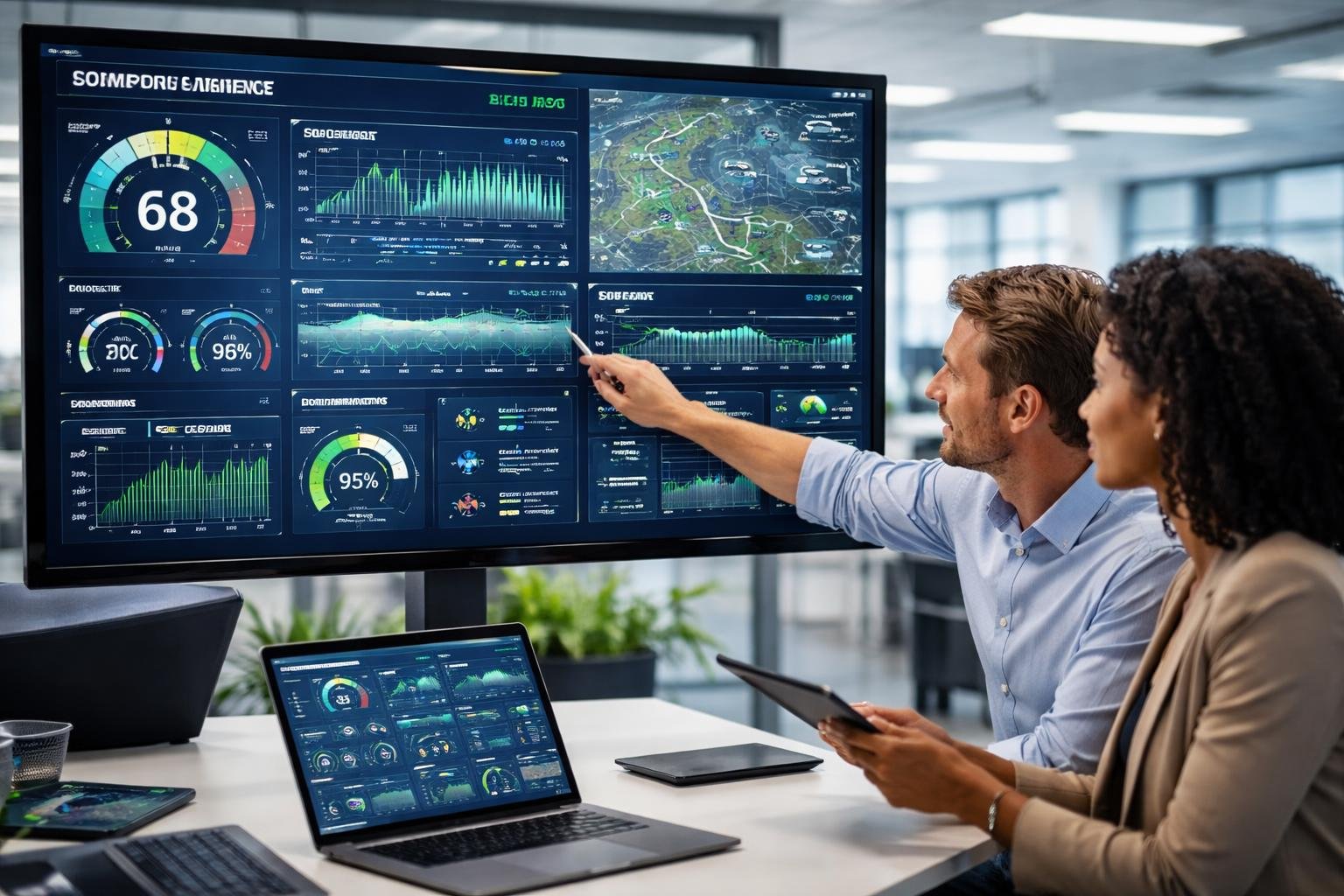
Modern telematics systems collect hundreds of data points from GPS devices and onboard diagnostics. They can track idle time, fuel use, harsh braking, and engine diagnostics.
The main challenge is not collecting information, but choosing which metrics affect fleet performance and profits. Fleet managers need a way to focus on the most useful indicators.
This guide explains the essential telematics metrics that improve business results. It shows how to monitor driver safety, optimize fuel use, predict maintenance needs, control costs, maintain compliance, and turn telematics data into useful decisions.
What Is Vehicle Telematics Monitoring?
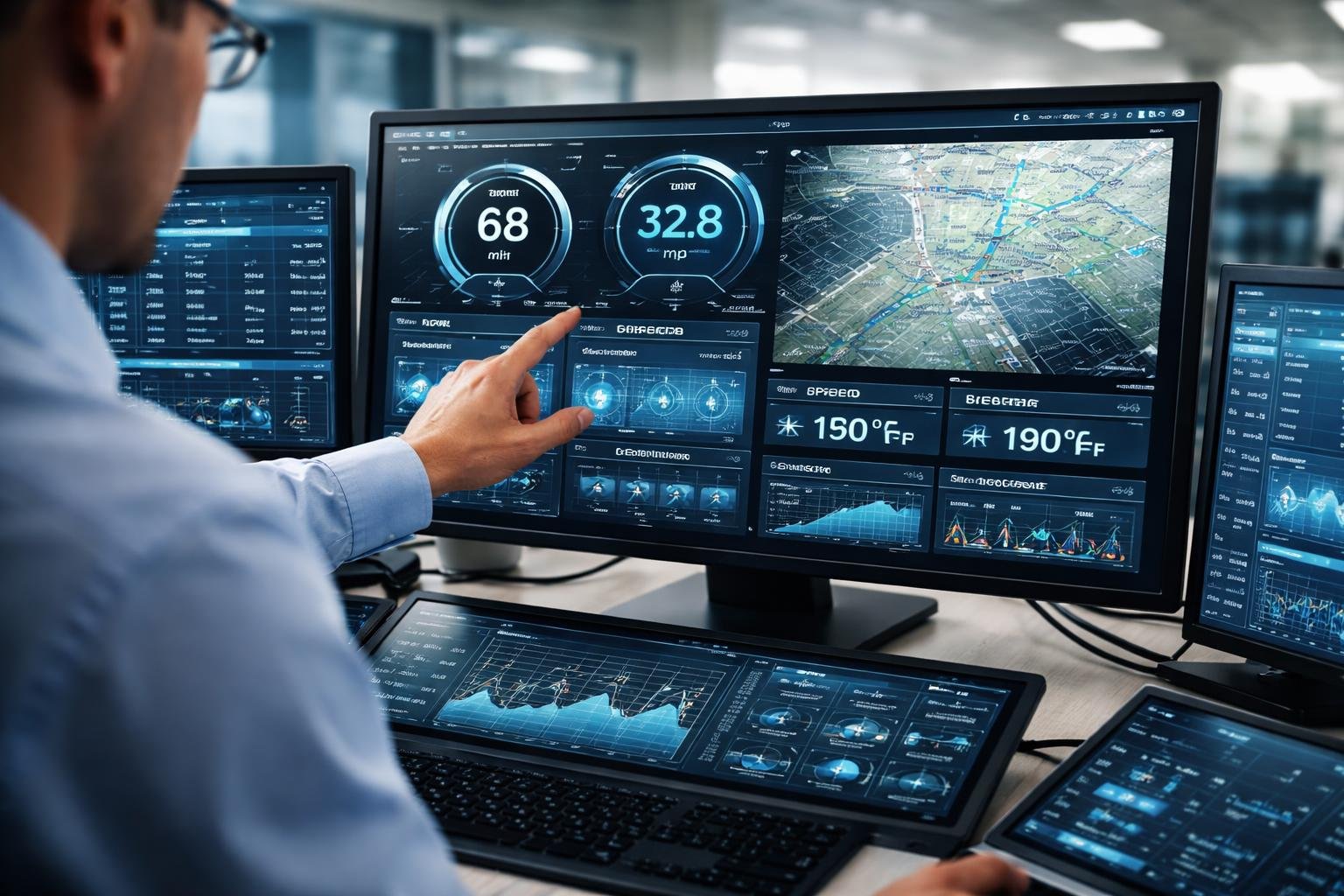
Vehicle telematics monitoring combines GPS tracking, onboard diagnostics, and wireless communication. This technology collects and sends data about vehicle location, performance, and driver behavior.
Fleet operations use telematics to gain real-time visibility and make data-driven decisions.
Core Concepts of Telematics
Telematics combines telecommunications and informatics to monitor vehicles remotely. The system collects data from sources like GPS satellites, onboard diagnostic ports, and sensors that measure acceleration, braking, and speed.
Key data collection points include:
- Location and movement: GPS coordinates, route history, and geofencing boundaries
- Vehicle diagnostics: Engine health, fuel consumption, and maintenance alerts
- Driver behavior: Harsh braking events, rapid acceleration, and speeding incidents
- Safety metrics: Seatbelt usage, collision detection, and road position monitoring
Telematics data travels from the vehicle through a control unit or plug-in device. This device processes and sends information wirelessly to cloud platforms.
Fleet managers use web dashboards or mobile apps to see the data in easy-to-understand formats.
How Telematics Works in Fleet Operations
Fleet telematics uses devices installed in vehicles to collect and send operational data to management systems. The device connects to the vehicle's onboard diagnostic system and combines this with GPS data.
The system tracks vehicles in real time, showing their locations, routes, and driving patterns. Fleet managers get instant alerts about speeding, unauthorized use, or maintenance needs.
Historical data helps analyze trends in fuel use, route efficiency, and driver performance. This information can reveal ways to cut costs and improve efficiency.
Telematics also helps with compliance by automatically logging hours, mileage, and inspection records.
Key Metrics for Vehicle Telematics Monitoring
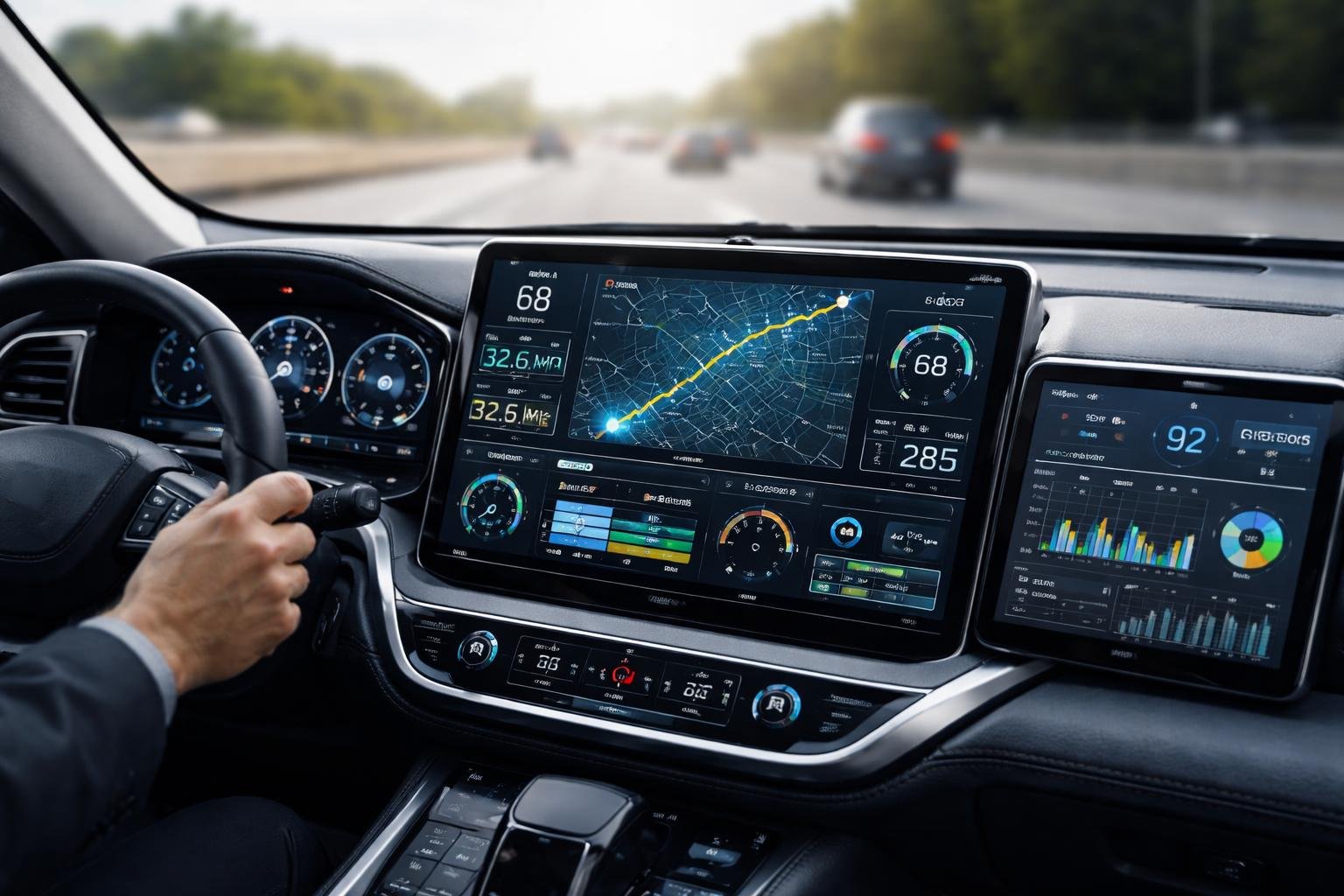
Effective telematics monitoring focuses on metrics that affect efficiency and cost. Asset utilization rate and vehicle availability are key indicators of fleet performance.
Fleet Utilization and Asset Tracking
Fleet utilization measures how well vehicles are used compared to their availability. This metric shows the percentage of time vehicles are working versus sitting idle.
Real-time tracking allows managers to monitor vehicle locations, routes, and hours of use. Telematics systems record mileage, engine hours, and trip frequency to calculate utilization rates.
Key utilization metrics include:
- Utilization rate - percentage of time vehicles are actively used
- Mileage per vehicle - total distance covered in a set time
- Operating hours - actual time vehicles are in service
- Asset deployment - how vehicles are distributed across routes or locations
Low utilization can mean the fleet is too large or not well managed. Managers use this data to adjust fleet size, redeploy vehicles, or retire unused assets.
Vehicle Uptime and Downtime Metrics
Vehicle uptime is the percentage of time vehicles are available for use. Downtime is when vehicles are out of service due to maintenance or repairs.
Telematics tracks these metrics using engine diagnostics, maintenance schedules, and service records. Mean time to repair (MTTR) shows how quickly vehicles return to service.
The ratio of scheduled to unscheduled maintenance shows how well preventive maintenance works.
Critical uptime indicators:
- Overall uptime percentage - total time vehicles are available
- Scheduled vs. unscheduled downtime - planned maintenance versus unexpected repairs
- Time to repair - time from breakdown to return to service
Reducing unplanned downtime improves performance and lowers costs. Telematics alerts help schedule maintenance before small problems become major failures.
Driver Behavior and Safety Analytics
Modern telematics systems collect detailed data on driver behavior. Fleet managers use this data to spot risks, improve safety, and lower costs.
These systems use GPS, accelerometers, and onboard diagnostics to measure driving actions and calculate safety metrics.
Tracking Driver Behavior Metrics
Telematics devices use sensors to monitor driver actions in real time. Key metrics include harsh braking, rapid acceleration, sharp turns, speeding, and idling.
These data points show how drivers handle their vehicles every day. Managers track these behaviors with dashboards that show event counts, severity, and times.
Harsh braking is recorded when brakes are applied with strong force. Rapid acceleration is tracked when drivers press the gas pedal too hard.
Other metrics include distracted driving, seatbelt use, and following distance. The system sends this information to central servers for analysis.
Driver Safety Scores
Driver scorecards turn telematics data into ratings that compare drivers. Scoring systems use algorithms to assign points for different behaviors, with dangerous actions like speeding weighted more heavily.
A typical safety score ranges from 0 to 100, with higher scores showing safer driving. The calculation considers how often and how severe events are, as well as miles driven.
Fleet managers use these scores to find drivers who need more training and to reward top performers. Training often focuses on drivers with the lowest scores.
Safety Event Detection
Telematics systems automatically detect and sort safety events using set thresholds and algorithms. The technology tells the difference between normal driving and real safety concerns by analyzing data from sensors.
When a critical event happens, the system can send instant alerts to managers. Some platforms include video to show what happened before and after an event.
Common detected events include:
- Hard braking
- Aggressive acceleration
- Sharp turns or lane changes
- Speeding over limits
- Collisions or near-misses
- Rollover risks
Each event is timestamped and geolocated, creating detailed records for coaching and liability protection. This data helps safety programs prevent accidents before they happen.
Fuel and Operational Efficiency Metrics
Fuel is the biggest operating cost for most fleets, often making up 30-60% of expenses. Telematics systems provide detailed data on fuel consumption, idling, and route performance.
This information helps fleet managers find and fix inefficiencies.
Measuring Fuel Consumption and Efficiency
Telematics platforms track fuel use per vehicle by monitoring fuel per mile, total gallons used, and fuel economy over time. These systems use engine data and fuel sensors for real-time metrics.
Managers should watch miles per gallon (MPG) or liters per 100 kilometers as basic efficiency measures. Comparing actual fuel economy to manufacturer specs helps spot vehicles that need service or replacement.
Fuel cost per mile combines usage data with fuel prices to show the cost of efficiency changes.
Telematics data shows which vehicles use too much fuel due to mechanical issues, driving habits, or routes. A sudden drop in efficiency can signal problems like low tire pressure or engine trouble.
Regular fuel analysis helps schedule maintenance before small issues become expensive repairs.
Idling Time and Fuel Optimization
Too much idling wastes fuel and increases costs. Telematics tracks engine-on time versus driving time to calculate idle percentage.
Most vehicles use 0.5 to 1 gallon of fuel per hour when idling. A vehicle idling 2 hours a day wastes about 500 gallons a year, leading to high fuel costs and extra emissions.
Setting idle time limits at 5-10% of engine hours is a good goal. Managers can set alerts for vehicles that idle too much.
This data shows which drivers need coaching on shutting down engines and where idling is a problem. Many fleets reduce fuel costs by 20-30% by cutting idle time with new policies and training.
Route Optimization and Traffic Patterns
Route efficiency measures how closely drivers follow planned routes compared to actual miles. Telematics compares planned and actual routes to calculate efficiency.
Routes below 92% efficiency mean drivers are taking longer paths and using more fuel. GIS integration lets telematics analyze traffic, road conditions, and travel times.
This data helps dispatchers assign routes that use less fuel and still meet service needs. Real-time traffic monitoring allows drivers to avoid congestion and save fuel.
Fleet managers track metrics like fuel cost per delivery to measure the benefits of route optimization.
Maintenance Monitoring and Predictive Analytics
Telematics systems track vehicle health in real time. This helps fleet managers switch from reactive repairs to proactive maintenance.
Automated scheduling, data-driven predictions, and downtime tracking improve reliability and lower costs.
Maintenance Schedules and Alerts
Modern telematics platforms generate maintenance schedules based on mileage, engine hours, and calendar intervals. The system monitors these parameters and sends maintenance alerts to fleet managers and technicians when service thresholds approach.
These alerts create work orders that specify the required service type, affected vehicle, and recommended completion date. Fleet managers can adjust alert timing to ensure vehicles receive service before problems develop.
The platform keeps a complete service history for each vehicle. Each maintenance task is documented with timestamps, parts replaced, and technician notes.
This maintenance history helps identify recurring problems and supports warranty claims.
Predictive and Preventive Maintenance
Preventive maintenance is scheduled at fixed intervals, such as oil changes every 10,000 miles or brake inspections every six months. Predictive maintenance uses real-time data from engine diagnostics, sensors, and trouble codes to assess actual component wear.
Telematics devices collect data streams including:
- Engine diagnostics: temperature, pressure, and performance metrics
- Fuel system: consumption patterns and efficiency indicators
- Brake system: pad wear and fluid levels
- Transmission: shift quality and fluid temperature
Machine learning algorithms analyze this data to find patterns that come before component failures. The system generates alerts when conditions show potential problems, allowing technicians to act before breakdowns happen.
This approach reduces unplanned failures and extends vehicle lifespan. Predictive models also improve parts inventory management by forecasting replacement needs more accurately than fixed schedules.
Tracking Unplanned Downtime
Telematics platforms log every time vehicles become unavailable due to unexpected maintenance or repairs. The system records breakdown timestamps, repair duration, and root causes to measure operational impact.
Fleet managers can study unplanned downtime patterns by vehicle, route, or time period. This helps reveal which vehicles need frequent repairs and if certain conditions contribute to failures.
The data tracks technician productivity by measuring repair completion times and first-time fix rates. Comparing planned and actual repair durations highlights training needs and bottlenecks that delay vehicle return to service.
Cost Management and Financial Metrics
Vehicle telematics gives fleet managers accurate data to track expenses throughout each vehicle’s lifecycle. Understanding total ownership costs, per-mile expenses, and depreciation patterns helps reduce spending and optimize budgets.
Calculating Total Cost of Ownership
Total cost of ownership (TCO) includes all expenses from vehicle purchase to disposal. This covers purchase price, financing, insurance, fuel, maintenance, repairs, and administration.
Telematics systems automatically collect operational data for TCO calculations. They track maintenance intervals, fuel use, and repair frequency to provide accurate cost projections.
Fleet managers use TCO to compare vehicle models, evaluate vendor contracts, and decide when to replace vehicles.
Key TCO Components:
- Acquisition costs: Purchase price, taxes, registration fees
- Operating expenses: Fuel, maintenance, repairs, tires
- Fixed costs: Insurance, licensing, telematics subscriptions
- Disposal value: Resale or trade-in proceeds
Accurate TCO needs consistent data collection for all vehicles. Telematics platforms consolidate this data into dashboards showing per-vehicle and fleet-wide cost trends.
Operational Costs and Cost per Mile
Cost per mile divides total operational expenses by miles driven to create a simple efficiency metric. Fuel usually makes up the largest variable cost, often 24-28% of fleet expenses.
Telematics platforms calculate cost per mile by combining odometer readings with expense data. Fleet managers set baseline rates for each vehicle class and find outliers that show inefficiencies.
A rising cost per mile can signal mechanical issues, poor routes, or driver behavior problems. Monitoring this metric shows which vehicles use too much fuel, need frequent repairs, or operate on inefficient routes.
Telematics data provides details on fuel consumption, idle time, and route efficiency to identify cost reduction opportunities.
Depreciation and Vehicle Replacement
Depreciation is the loss of value as vehicles age and gain mileage. Fleet managers use telematics data to track usage patterns that speed up depreciation, such as excessive idling or harsh driving.
Vehicle replacement decisions depend on knowing when operating costs outweigh the benefits of keeping a vehicle. Telematics provides maintenance history, repair frequency, and downtime data to determine the best time to replace vehicles.
Managers compare current market values with projected expenses to plan replacements. Telematics platforms can send alerts when vehicles reach mileage or age thresholds linked to higher costs and lower efficiency.
Compliance and Regulatory Monitoring Metrics
Fleet telematics systems track compliance data to help operations meet federal and state regulations. Automated monitoring of driver hours and vehicle inspections creates digital audit trails that reduce violation risks.
Hours of Service (HOS) Tracking
HOS tracking monitors the time commercial drivers spend operating vehicles. This ensures compliance with federal rules that limit driving hours and require rest periods.
Electronic logging devices (ELDs) integrated with telematics platforms automatically record driving time, on-duty periods, and rest breaks.
The Federal Motor Carrier Safety Administration (FMCSA) sets duty cycles, usually limiting driving to 11 hours after 10 consecutive hours off duty. Telematics systems track these rules in real-time and send alerts when drivers approach maximum hours.
Fleet management software collects HOS data across operations, helping dispatchers schedule drivers and prevent violations. The digital records created by telematics provide documentation for DOT inspections and reduce the risk of falsified logs.
Daily Vehicle Inspection Reports (DVIR)
DVIR functionality in telematics platforms lets drivers complete inspections using mobile apps or in-cab tablets. Digital forms guide drivers through checks of brakes, lights, tires, and other safety components, automatically timestamping each inspection.
If drivers find defects, the system flags vehicles as out-of-service and notifies maintenance teams. This ensures unsafe vehicles stay off the road until repairs are finished and documented.
Fleet management software stores DVIR records electronically, removing the need for paper files and simplifying compliance audits. The digital trail links inspection findings to repair work orders, creating complete maintenance histories.
Integrating and Interpreting Telematics Data
Effective telematics implementation needs both strong technical integration and clear interpretation of collected metrics. Organizations must set up KPI frameworks and ensure data quality across all systems to turn raw data into improvements.
KPI Dashboards and Reporting
Fleet managers need centralized dashboards that show performance metrics in real time. These dashboards should highlight KPIs such as fuel use, idle time, harsh braking, and diagnostic trouble codes (DTCs).
Dashboards organize data by vehicle, driver, route, or time period to spot performance patterns. GPS tracking combines with odometer readings to verify mileage and detect unauthorized vehicle use.
Engine diagnostics provide early warnings through fault code monitoring. Reports can be set to trigger automatically when thresholds are exceeded, so issues are addressed promptly.
Telematics Integration and Data Quality
Telematics systems must integrate with existing fleet management software. This creates a unified operational ecosystem.
Direct connections between telematics platforms and maintenance management systems enable automatic work order generation. These work orders are triggered when DTCs appear or service intervals approach.
Data quality depends on proper hardware installation. Consistent cellular connectivity and regular validation checks are also important.
Inaccurate GPS coordinates can undermine downstream analysis. Missing odometer readings or delayed engine diagnostics also reduce reliability.
Organizations should establish protocols for handling data gaps and duplicate records. They should also address sensor calibration drift.
Regular audits are important. Comparing telematics-reported values against manual inspections helps identify errors in specific metrics or vehicle groups.