How to start saving money
Lorem ipsum dolor sit amet, consectetur adipiscing elit lobortis arcu enim urna adipiscing praesent velit viverra sit semper lorem eu cursus vel hendrerit elementum morbi curabitur etiam nibh justo, lorem aliquet donec sed sit mi dignissim at ante massa mattis.
- Neque sodales ut etiam sit amet nisl purus non tellus orci ac auctor
- Adipiscing elit ut aliquam purus sit amet viverra suspendisse potent
- Mauris commodo quis imperdiet massa tincidunt nunc pulvinar
- Excepteur sint occaecat cupidatat non proident sunt in culpa qui officia
Why it is important to start saving
Vitae congue eu consequat ac felis placerat vestibulum lectus mauris ultrices cursus sit amet dictum sit amet justo donec enim diam porttitor lacus luctus accumsan tortor posuere praesent tristique magna sit amet purus gravida quis blandit turpis.

How much money should I save?
At risus viverra adipiscing at in tellus integer feugiat nisl pretium fusce id velit ut tortor sagittis orci a scelerisque purus semper eget at lectus urna duis convallis. porta nibh venenatis cras sed felis eget neque laoreet suspendisse interdum consectetur libero id faucibus nisl donec pretium vulputate sapien nec sagittis aliquam nunc lobortis mattis aliquam faucibus purus in.
- Neque sodales ut etiam sit amet nisl purus non tellus orci ac auctor
- Adipiscing elit ut aliquam purus sit amet viverra suspendisse potenti
- Mauris commodo quis imperdiet massa tincidunt nunc pulvinar
- Adipiscing elit ut aliquam purus sit amet viverra suspendisse potenti
What percentege of my income should go to savings?
Nisi quis eleifend quam adipiscing vitae aliquet bibendum enim facilisis gravida neque. Velit euismod in pellentesque massa placerat volutpat lacus laoreet non curabitur gravida odio aenean sed adipiscing diam donec adipiscing tristique risus. amet est placerat in egestas erat imperdiet sed euismod nisi.
“Nisi quis eleifend quam adipiscing vitae aliquet bibendum enim facilisis gravida neque velit euismod in pellentesque”
Do you have any comments? Share them with us on social media
Eget lorem dolor sed viverra ipsum nunc aliquet bibendum felis donec et odio pellentesque diam volutpat commodo sed egestas aliquam sem fringilla ut morbi tincidunt augue interdum velit euismod eu tincidunt tortor aliquam nulla facilisi aenean sed adipiscing diam donec adipiscing ut lectus arcu bibendum at varius vel pharetra nibh venenatis cras sed felis eget.
Managing vehicles efficiently means more than just keeping them on the road. It involves coordinating maintenance, monitoring performance, ensuring compliance, and using technology to reduce costs.
Vehicle management services help organizations control these factors and improve uptime, safety, and productivity.
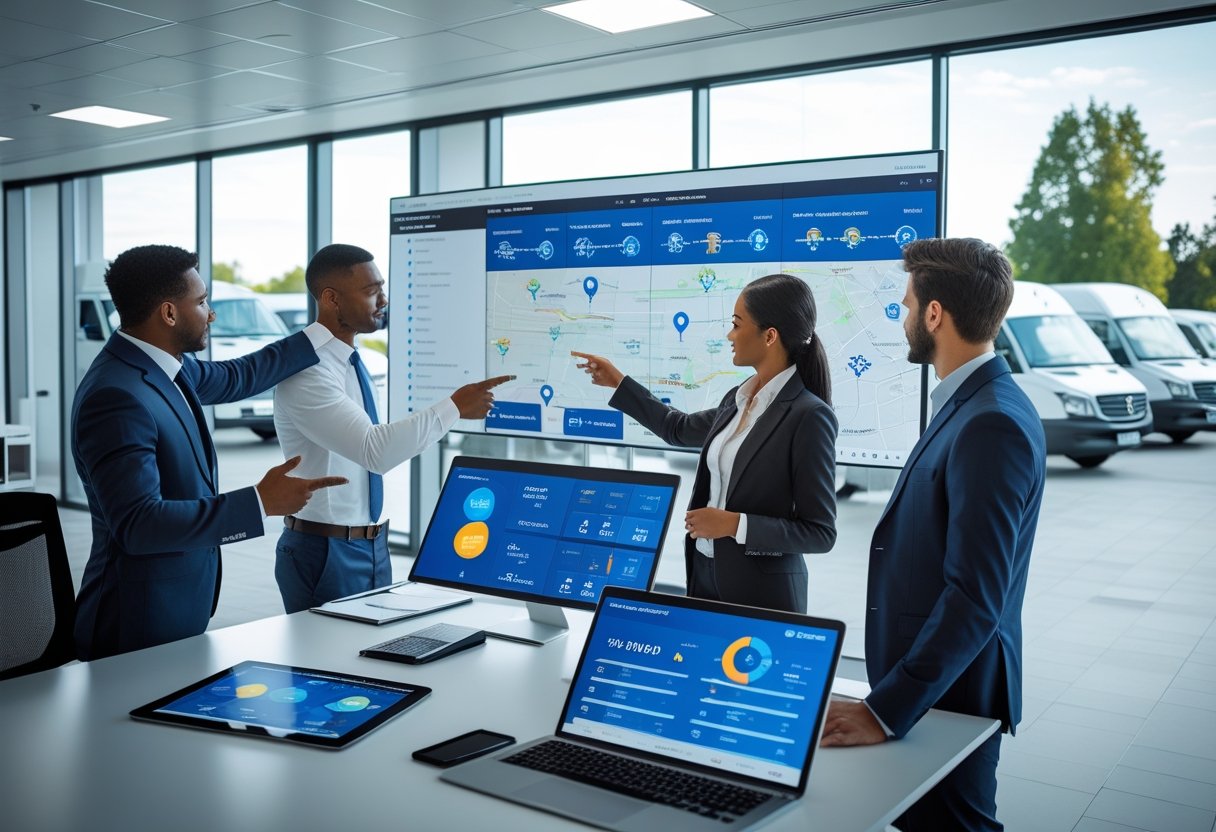
Many public agencies, private companies, and fleet operators use these services to handle logistics and administrative tasks. They gain better visibility into their assets and streamline operations.
Data-driven decisions can extend vehicle life cycles and lower expenses. Technology in vehicle management continues to evolve, integrating telematics, predictive maintenance, and sustainability practices.
This approach prepares fleets to meet the demands of modern transportation.
What Are Vehicle Management Services?
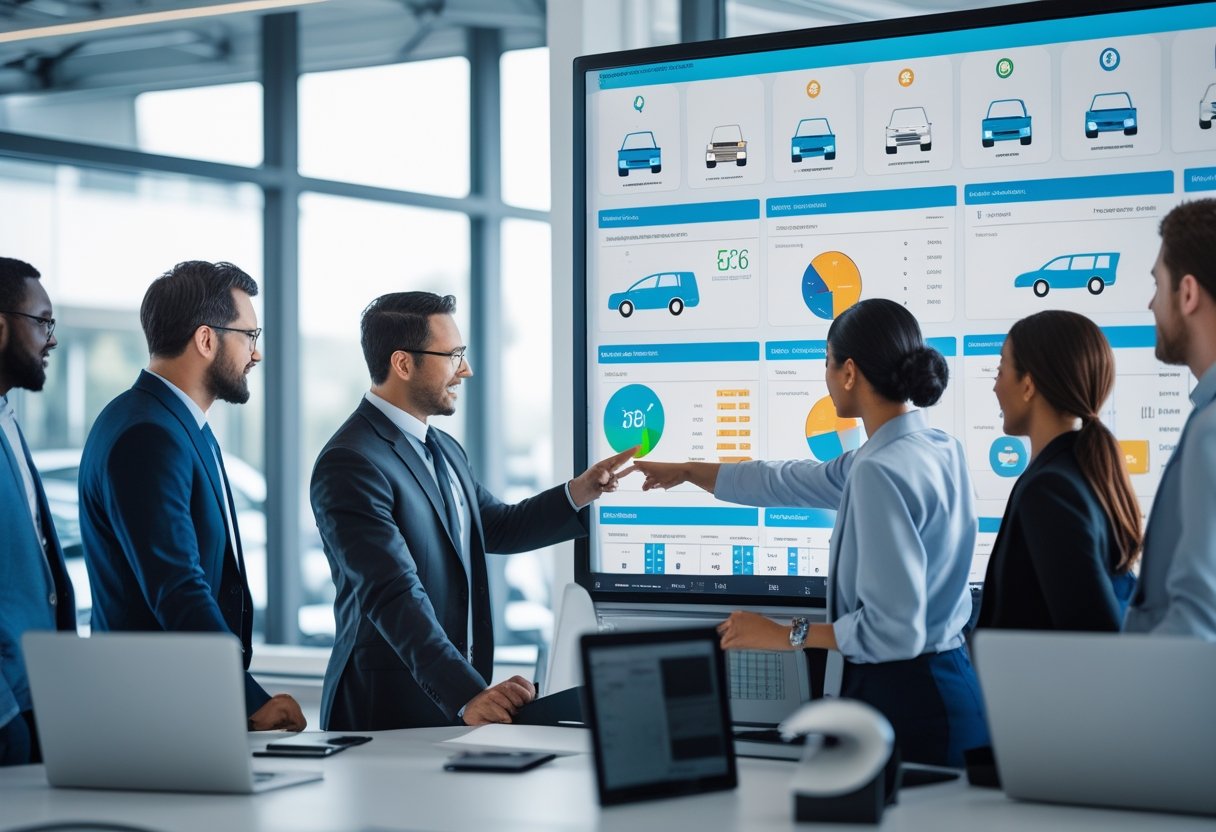
Vehicle management services use structured processes and systems to monitor, maintain, and optimize fleets. These services combine technology, data analytics, and administrative oversight to ensure vehicles operate efficiently and remain compliant.
They are essential for both private and public-sector fleets.
Core Functions of Vehicle Management
Vehicle management covers the entire lifecycle of vehicles, from acquisition to disposal. Key functions include tracking usage, scheduling maintenance, managing fuel, and monitoring driver performance.
Telematics and GPS systems provide real-time data on location, speed, and vehicle health.
Typical operational areas include:
- Maintenance Management: Routine inspections and predictive servicing reduce downtime.
- Fuel and Energy Management: Monitoring efficiency and fuel reporting cut costs.
- Asset Tracking: Ensures accurate inventory and utilization.
- Regulatory Compliance: Maintains safety certifications and licensing records.
These activities help maintain reliability, financial control, and safety standards.
Benefits for Businesses and Public Agencies
Businesses and public agencies use vehicle management services to increase efficiency and reduce risks. A well-implemented system decreases unplanned repairs and improves staff accountability.
Centralized data gives managers better insight into resource use and performance trends. Fuel monitoring and route optimization reduce expenses and emissions.
Preventive maintenance extends vehicle lifespans. Public agencies benefit from improved service delivery, such as reliable transit or emergency response.
A concise comparison of common advantages:
AspectBenefitFuel efficiencyReduced consumption and costsMaintenance planningLess downtimeSafety managementFewer incidentsCompliance trackingLower legal risk
Key Stakeholders in Vehicle Management
Effective vehicle management requires several stakeholders working together. Fleet managers coordinate daily operations, maintenance, and compliance.
Drivers use vehicles responsibly and report issues. Customer service teams communicate about service levels and vehicle availability.
In larger organizations, IT specialists manage telematics data and system integration. Finance departments track budgets, depreciation, and costs.
For public-sector fleets, government agencies and contractors collaborate on safety and performance standards. Each participant helps improve operational control and communication.
Fleet Management and Operations

Efficient fleet operations depend on sound acquisition strategies, structured lifecycle management, and ongoing performance evaluation. Integrating leasing options, maintenance planning, and expert consultation improves cost control and vehicle reliability.
Fleet Acquisition and Leasing Strategies
Organizations select vehicles based on operational needs, total cost of ownership, and long-term goals. Fleet managers compare outright purchase with operating or finance leases to balance cash flow with flexibility.
Leasing can lower upfront costs and make fleet renewal easier by spreading expenses over time. A clear acquisition policy should set vehicle classes, replacement criteria, and supplier agreements.
Data-driven tools help decision makers compare performance metrics such as mileage, depreciation, and fuel efficiency. Many companies use fleet management solutions to analyze procurement data and standardize supplier performance.
These platforms track delivery schedules, warranty compliance, and resale values. Consistent evaluation ensures vehicles align with business needs and meet safety and emissions standards.
Strategy TypeKey BenefitCommon Use CaseOutright PurchaseOwnership controlHigh-utilization, long-term fleetsOperating LeaseReduced capital expenseFlexible or seasonal operationsFinance LeaseAsset retentionPredictable fleet turnover cycles
Vehicle Lifecycle Management
Effective lifecycle management maximizes productivity and minimizes downtime. It covers acquisition, use, maintenance, and disposal.
Tracking metrics like maintenance cost per mile, fuel use, and utilization rates helps identify inefficiencies early. Telematics systems provide real-time visibility into vehicle health, driver performance, and route efficiency.
Automated alerts for service intervals or fault codes help prevent costly repairs. Integrated software consolidates inspection data and maintenance logs for compliance and audits.
Fleet managers use age, mileage, and residual value analysis to set replacement cycles. Replacing vehicles too early increases costs, while delaying replacement can raise repair expenses and safety risks.
Transparent lifecycle planning supports budget forecasting and sustainability targets.
Fleet Consulting for Operational Improvement
Fleet consulting services review fleet performance and policies. Consultants evaluate costs, safety programs, and workflows to identify improvements.
Their recommendations focus on optimizing route planning, fuel management, and driver compliance. Some consultants use fleet management software and telematics to centralize data reporting.
This lets management track performance at both vehicle and driver levels. Consulting may address emission reduction, vehicle electrification, or compliance with local regulations.
Data benchmarking and process mapping help organizations find inefficiencies and prioritize improvements.
Vehicle Maintenance and Safety
Effective vehicle management depends on consistent service schedules, risk control, and clear standards. Proper maintenance extends fleet life and reduces downtime and repair costs.
Preventative Maintenance Programs
Preventative maintenance keeps vehicles reliable by fixing issues before breakdowns happen. Services often include oil changes, tire rotations, brake inspections, and fluid checks at set intervals.
Fleet operators use these schedules to minimize failures and improve fuel efficiency. Technicians record each vehicle’s service data for compliance audits and cost tracking.
Many organizations use fleet management software to monitor component wear, service dates, and warranties. Detailed reporting helps spot patterns like frequent tire wear or underperforming engines.
Maintenance TaskCommon IntervalPurposeOil and filter change5,000–7,500 milesMaintain engine performanceBrake inspectionEvery 6 monthsEnsure stopping safetyTire rotationEvery 6,000 milesPromote even tread wear
Regular preventive actions help extend asset life and reduce emergency repairs.
Fleet Safety and Accident Management
Accident management procedures protect employees and reduce liability. A structured plan outlines response steps, reporting duties, and vehicle recovery.
Fleet managers coordinate repairs through certified vendors to meet OEM safety standards. Post-incident reviews analyze causes like driver error or mechanical failure.
Companies use telematics data to verify speed, braking, and diagnostics during incidents. This information helps improve training and update policies.
A streamlined system may include:
- 24/7 incident reporting lines
- Accident claim coordination
- Repair scheduling and verification
These actions reduce downtime and ensure vehicles meet safety standards before returning to service.
Driver Safety Initiatives
Driver behavior affects both fleet efficiency and public safety. Programs combine training, monitoring, and recognition to encourage safe driving habits.
Training covers defensive driving, fatigue management, and safe operation of specialized vehicles. Telematics tools track speeding, harsh braking, and idle time.
Managers use this data for performance coaching and to identify high-risk trends. Incentive programs and regular feedback help build a strong safety culture.
Organizations promote safety awareness through policy reminders and performance reviews. Focusing on accountability and feedback lowers accident rates and builds community trust.
Technological Solutions in Vehicle Management
Modern vehicle management uses digital tools to gather, analyze, and act on operational data. These technologies enhance visibility, coordinate maintenance, and support cost-reduction strategies.
Fleet Management Software Capabilities
Fleet management software is the foundation of modern vehicle oversight. It integrates vehicle data, driver information, and maintenance schedules into one interface.
With centralized control, managers can track asset utilization, fuel spending, and compliance efficiently.
Key capabilities include:
- Asset tracking: Monitors each vehicle’s status and service history.
- Maintenance planning: Automates reminders for inspections and repairs.
- Expense tracking: Records fuel, tolls, and repair costs for budgeting.
Advanced platforms often offer open APIs for integration with payroll or logistics systems. Some providers automate maintenance scheduling and performance analysis, reducing manual entry and improving accuracy.
The result is a streamlined workflow for better decision-making.
Real-Time GPS Tracking and Telematics
Real-time GPS tracking and telematics provide continuous location and performance data from every fleet vehicle. These systems send information about position, speed, idle time, and routing efficiency to a secure dashboard.
This technology helps managers detect route changes, reduce fuel use, and respond quickly to incidents. Telematics data also enables predictive maintenance by monitoring engine temperature, battery health, and tire pressure.
A comparison table shows typical data outputs:
FeaturePurposeExample MetricGPS TrackingVehicle locationLatitude/longitudeTelematicsMechanical health monitoringEngine loadBehavioral AnalysisDriver performanceHarsh braking count
Using GPS tracking, companies can improve fleet visibility and accountability. Combined with telematics, it helps fleets comply with safety regulations and reduces downtime.
Reporting and Analytics Tools
Reporting and analytics tools turn raw data into actionable insights. They identify patterns in fuel use, vehicle wear, and driver behavior over time.
Dashboards and automated reports make it easier to spot efficiency gaps and reduce costs. These tools use charts and KPI summaries to highlight performance trends.
Filters let managers compare results by region, vehicle type, or timeframe. Some platforms use machine learning to forecast maintenance needs or optimize routes.
Integration with fleet management tools allows cross-referencing of telematics and GPS data. Better analytics support long-term planning and help maintain performance and compliance.
Sustainability and the Future of Vehicle Fleets
Advances in electric mobility, improved fleet analytics, and changing environmental regulations are reshaping commercial fleets. Companies now balance efficiency with sustainability goals, using cleaner technologies and transparent reporting to meet both economic and environmental expectations.
Integrating Electric Vehicles (EVs)
Electric vehicles (EVs) are becoming central to sustainable fleet strategies. Lower fuel costs, reduced maintenance, and zero tailpipe emissions make them a practical alternative to traditional combustion engines.
Fleets moving to EVs must assess range needs, charging stations, and total cost of ownership. These steps help ensure reliable operations.
Charging management tools and telematics systems support this transition. They monitor energy use and help optimize charging cycles.
Some organizations use mixed fleets to stay flexible as electric infrastructure grows. Battery performance, driver behavior, and route planning also affect efficiency and costs.
A comparison of major considerations shows the shift:
FactorConventional VehiclesElectric Vehicles (EVs)Fuel SourceGasoline/DieselElectricityMaintenance FrequencyHighLowerEmissionsCO₂ and NOxNone (tailpipe)Infrastructure NeedsFuel StationsCharging Points
Sustainability Efforts in Fleet Operations
Sustainability in fleet operations goes beyond replacing vehicles. It also means using data to cut idling, manage tire wear, and reduce extra miles.
Companies use telematics to analyze routes and spot emission hotspots. Adopting eco-driving programs and regular maintenance can lower fuel use.
Some fleets use biofuels or renewable diesel where EVs are not yet practical. Transparent tracking of energy use and carbon output supports environmental goals.
Key practices include:
- Route optimization using GPS and analytics.
- Preventive maintenance based on manufacturer advice.
- Sustainable procurement focused on efficient, low-emission vehicles.
IFTA Compliance and Environmental Reporting
The International Fuel Tax Agreement (IFTA) requires accurate tracking of fuel used across regions. For fleets, IFTA data also helps measure environmental impact.
Fuel logs, mileage records, and tax reports feed into sustainability metrics. Automated fuel reporting tools simplify IFTA compliance and support emission calculations.
When connected with telematics, these systems give more precise data on fuel types, distances, and efficiency. Fleet managers now often align IFTA reporting with sustainability frameworks to show accountability.
Detailed logs reveal patterns of high fuel use. This helps target improvements that cut emissions and simplify paperwork.
Specialized Services and Support
Specialized vehicle management services offer dispatch coordination, roadside recovery, and tailored fleet programs. These services keep vehicles running and help control costs.
They support organizations managing assets across roads and highways. Reliable management improves logistics consistency.
Dispatch and Logistics Management
Efficient dispatch management ensures the right vehicle arrives at the right place on time. Companies use real-time tracking and routing software to assign jobs and monitor progress.
Optimized schedules reduce response times and idle hours. Modern logistics systems use vehicle telematics and automated alerts to track transportation flow.
Data on fuel use, driver location, and load status helps managers make quick decisions. Clear route visibility supports on-time deliveries.
Common dispatch tools include:
- GPS tracking for continuous route monitoring
- Electronic logging for accurate schedules
- Load optimization algorithms for balanced loads
These systems give a clear view of operations. They improve fleet efficiency and reduce unnecessary travel.
Roadside Assistance and Towing Services
Reliable roadside assistance protects drivers and vehicles during breakdowns or accidents. Providers offer jump-starts, tire changes, fuel delivery, and towing.
Each service aims to restore mobility or move vehicles safely to repair sites. Programs often run 24/7 on highways and local roads.
Drivers can request help through mobile apps or hotlines. Incidents are logged and resolved quickly.
Towing partners follow standard recovery protocols to prevent vehicle damage. Many organizations track these events with their fleet management platforms.
This integration lets service data—such as cause, duration, and cost—inform maintenance planning. It helps reduce future breakdown risks.
Fleet Solutions for Diverse Industries
Different industries use fleet management solutions suited to their needs.
For municipal and state fleets, services may include vehicle inspection scheduling. These fleets also require compliance tracking for public roads and highways.
Law enforcement and emergency response fleets focus on uptime. They depend on reliable dispatch readiness.
Corporate and delivery fleets often manage maintenance schedules. They also work to control fuel use and set up EV charging stations.
Leasing companies and manufacturers use advanced telematics. This helps improve fleet efficiency and track vehicle use.
Industry TypeKey Management PrioritiesMunicipal ServicesCompliance, safety, and continuous operationsLogistics and DeliveryRoute optimization, load managementService BusinessesQuick dispatch, preventive maintenanceLeasing and RentalAsset tracking, remarketing efficiency