Plumbing Technician Tracking: Essential Software Solutions for Field Service Management
How to start saving money
Lorem ipsum dolor sit amet, consectetur adipiscing elit lobortis arcu enim urna adipiscing praesent velit viverra sit semper lorem eu cursus vel hendrerit elementum morbi curabitur etiam nibh justo, lorem aliquet donec sed sit mi dignissim at ante massa mattis.
- Neque sodales ut etiam sit amet nisl purus non tellus orci ac auctor
- Adipiscing elit ut aliquam purus sit amet viverra suspendisse potent
- Mauris commodo quis imperdiet massa tincidunt nunc pulvinar
- Excepteur sint occaecat cupidatat non proident sunt in culpa qui officia
Why it is important to start saving
Vitae congue eu consequat ac felis placerat vestibulum lectus mauris ultrices cursus sit amet dictum sit amet justo donec enim diam porttitor lacus luctus accumsan tortor posuere praesent tristique magna sit amet purus gravida quis blandit turpis.

How much money should I save?
At risus viverra adipiscing at in tellus integer feugiat nisl pretium fusce id velit ut tortor sagittis orci a scelerisque purus semper eget at lectus urna duis convallis. porta nibh venenatis cras sed felis eget neque laoreet suspendisse interdum consectetur libero id faucibus nisl donec pretium vulputate sapien nec sagittis aliquam nunc lobortis mattis aliquam faucibus purus in.
- Neque sodales ut etiam sit amet nisl purus non tellus orci ac auctor
- Adipiscing elit ut aliquam purus sit amet viverra suspendisse potenti
- Mauris commodo quis imperdiet massa tincidunt nunc pulvinar
- Adipiscing elit ut aliquam purus sit amet viverra suspendisse potenti
What percentege of my income should go to savings?
Nisi quis eleifend quam adipiscing vitae aliquet bibendum enim facilisis gravida neque. Velit euismod in pellentesque massa placerat volutpat lacus laoreet non curabitur gravida odio aenean sed adipiscing diam donec adipiscing tristique risus. amet est placerat in egestas erat imperdiet sed euismod nisi.
“Nisi quis eleifend quam adipiscing vitae aliquet bibendum enim facilisis gravida neque velit euismod in pellentesque”
Do you have any comments? Share them with us on social media
Eget lorem dolor sed viverra ipsum nunc aliquet bibendum felis donec et odio pellentesque diam volutpat commodo sed egestas aliquam sem fringilla ut morbi tincidunt augue interdum velit euismod eu tincidunt tortor aliquam nulla facilisi aenean sed adipiscing diam donec adipiscing ut lectus arcu bibendum at varius vel pharetra nibh venenatis cras sed felis eget.
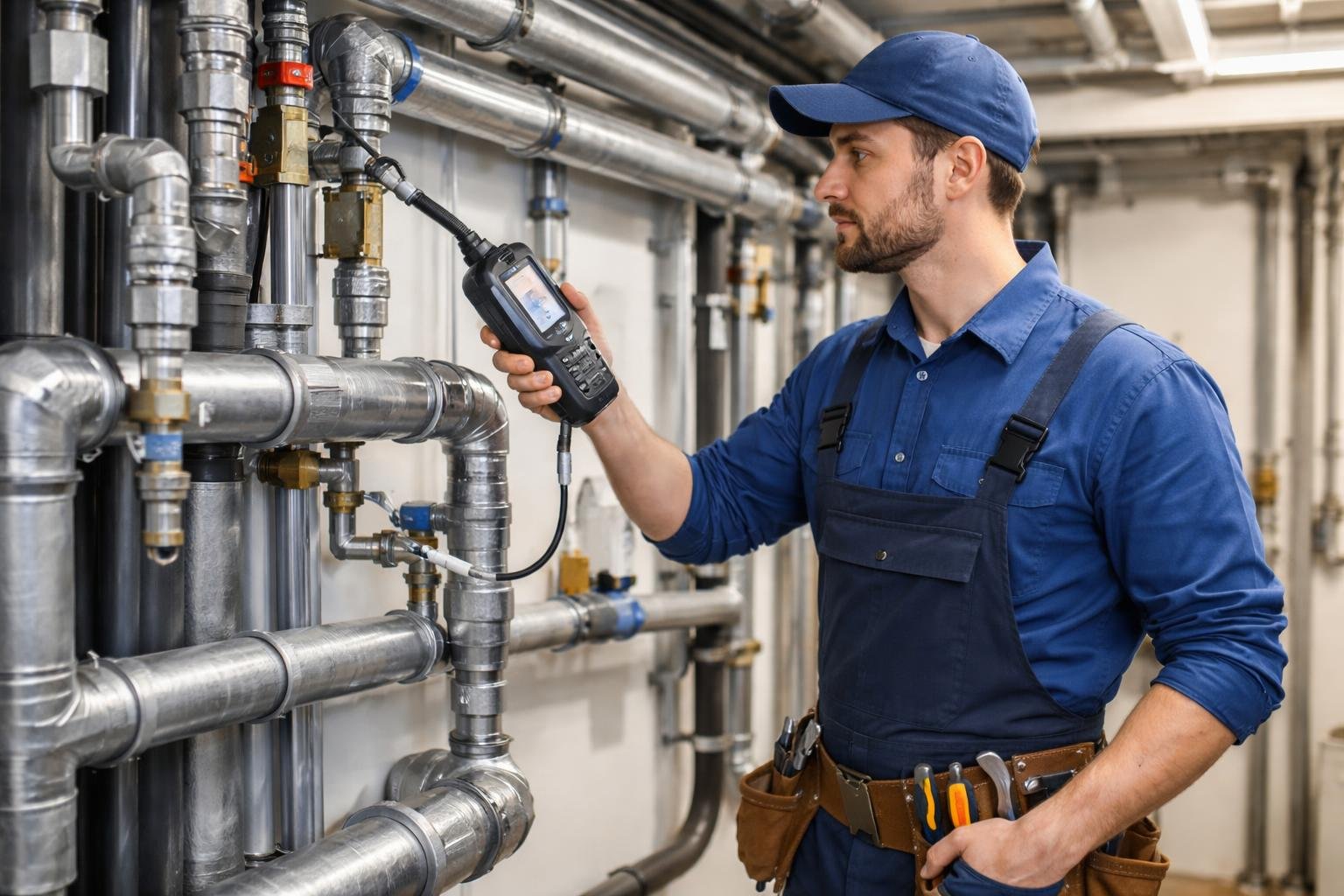
Managing a plumbing business requires knowing where technicians are and how long jobs take. Plumbing technician tracking uses GPS technology and digital tools to monitor field workers in real time, optimize routes, verify service visits, and improve scheduling accuracy.
This system replaces outdated methods like phone check-ins and manual logs with automated location updates and job progress tracking.
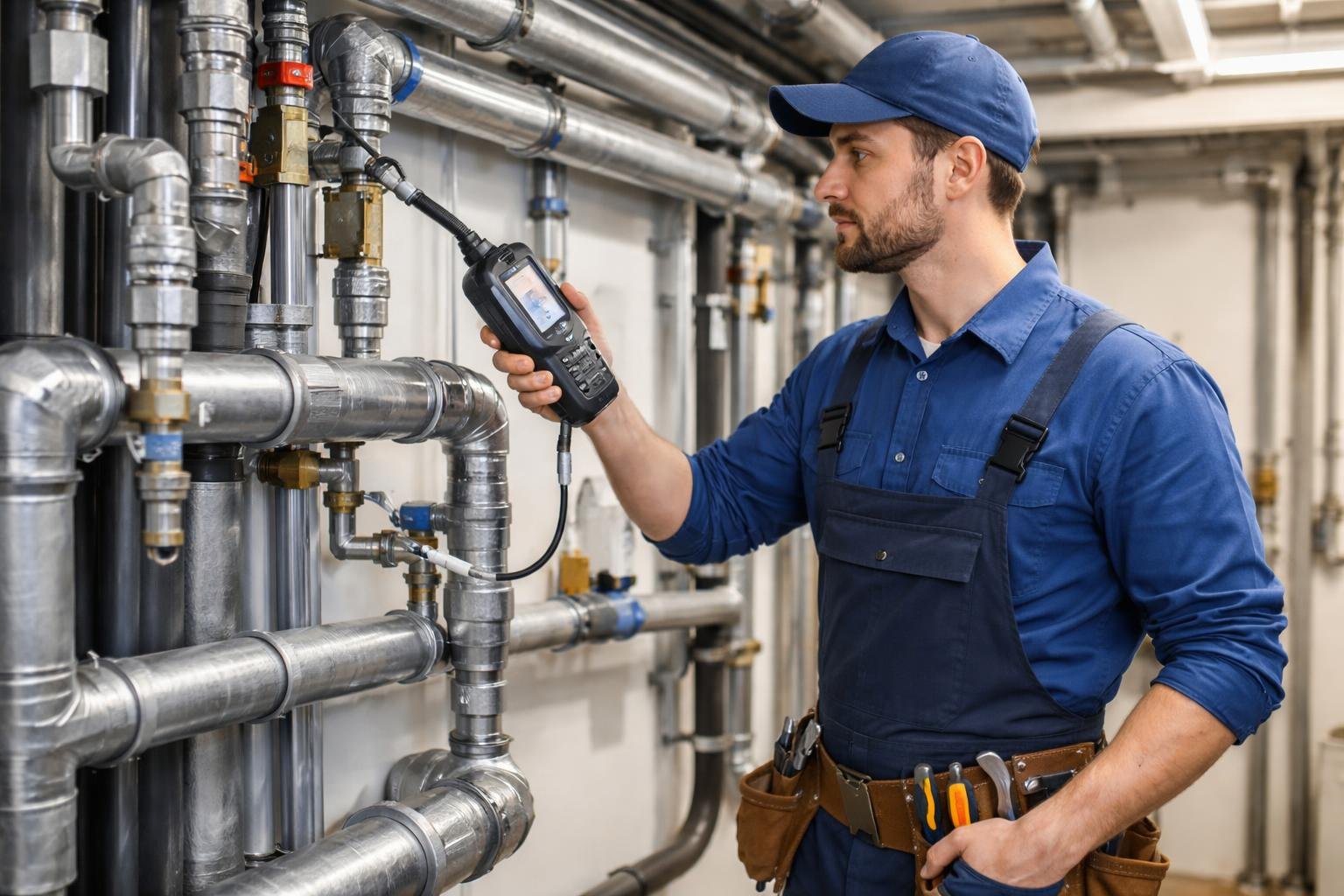
Modern tracking solutions integrate with dispatch software, mobile apps, and billing systems. Plumbing companies can see live technician locations, assign the nearest available worker to urgent calls, and reduce travel time between jobs.
These tools also provide data on service completion times, labor costs, and route efficiency.
The right tracking system helps plumbing businesses increase productivity and reduce fuel expenses. Accurate arrival estimates also improve customer service.
Core Principles of Plumbing Technician Tracking
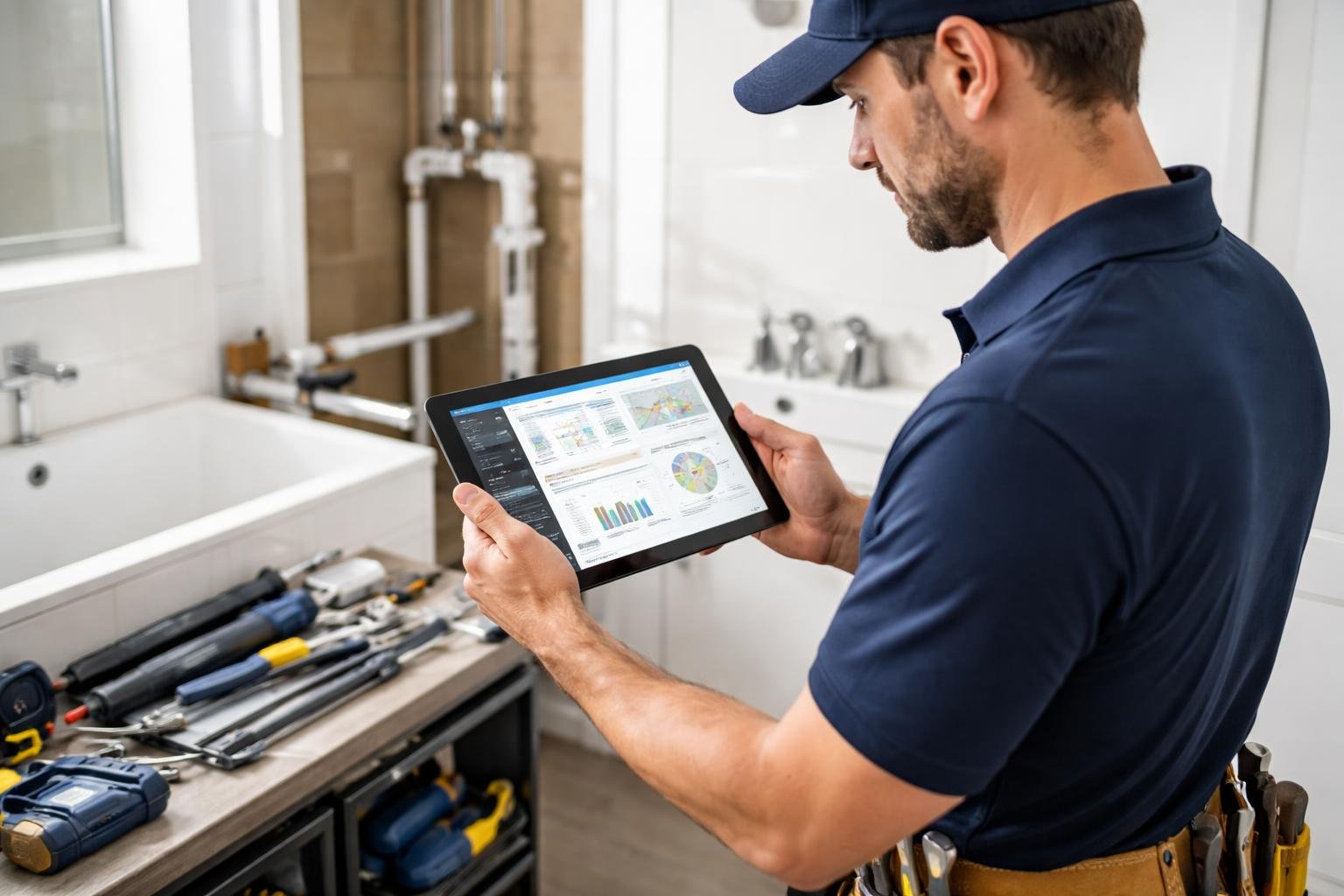
Plumbing technician tracking provides real-time visibility into workforce location and job progress. Effective tracking systems improve scheduling efficiency, accountability, and operational transparency.
Definition and Purpose of Technician Tracking
Plumbing technician tracking means monitoring field personnel with digital tools that record location, time spent, job status, and resource usage. This creates a documented record of technician movements, arrival and departure times, and task completion rates.
The main purpose is operational visibility. Managers can locate technicians instantly, verify arrival times, and confirm job completion without manual check-ins.
Tracking systems also support accountability. They record work hours accurately and verify service calls.
A secondary purpose is resource optimization. By analyzing tracking data, plumbing companies can spot inefficient routes, excessive travel, and scheduling gaps.
Key Benefits for Plumbing Companies
Plumbing operations improve scheduling accuracy with technician tracking. Dispatchers can assign emergency calls to the nearest available technician, reducing response times.
Key operational benefits include:
- Reduced fuel costs through optimized routing
- Decreased tool losses with digital inventory tracking
- Improved customer communication with accurate arrival estimates
- Enhanced technician productivity with fewer administrative tasks
Schedule volatility decreases with proper tracking systems. Plumbing companies can forecast labor needs more accurately.
Digital records confirm which technician serviced specific accounts and what materials were used. This documentation helps with warranty claims and quality control.
Challenges in Tracking Technicians Effectively
Technical resistance is a common barrier. Some technicians see tracking systems as micromanagement, which can cause reluctance to use them.
Privacy concerns arise if tracking extends beyond work hours. Companies must set clear policies about when tracking happens and what data is collected.
Common implementation challenges:
ChallengeImpactInconsistent data entryIncomplete job records and inaccurate time trackingPoor mobile connectivityGaps in location data and delayed status updatesSystem complexityLow adoption rates and user frustrationIntegration issuesDisconnected data between tracking and other business systems
Cost is a concern for smaller plumbing businesses. Tracking systems require investment in software, devices, and training.
Data accuracy depends on technician compliance. If field personnel forget to clock in or update job status, the system generates unreliable information.
Real-Time GPS Tracking for Plumbers
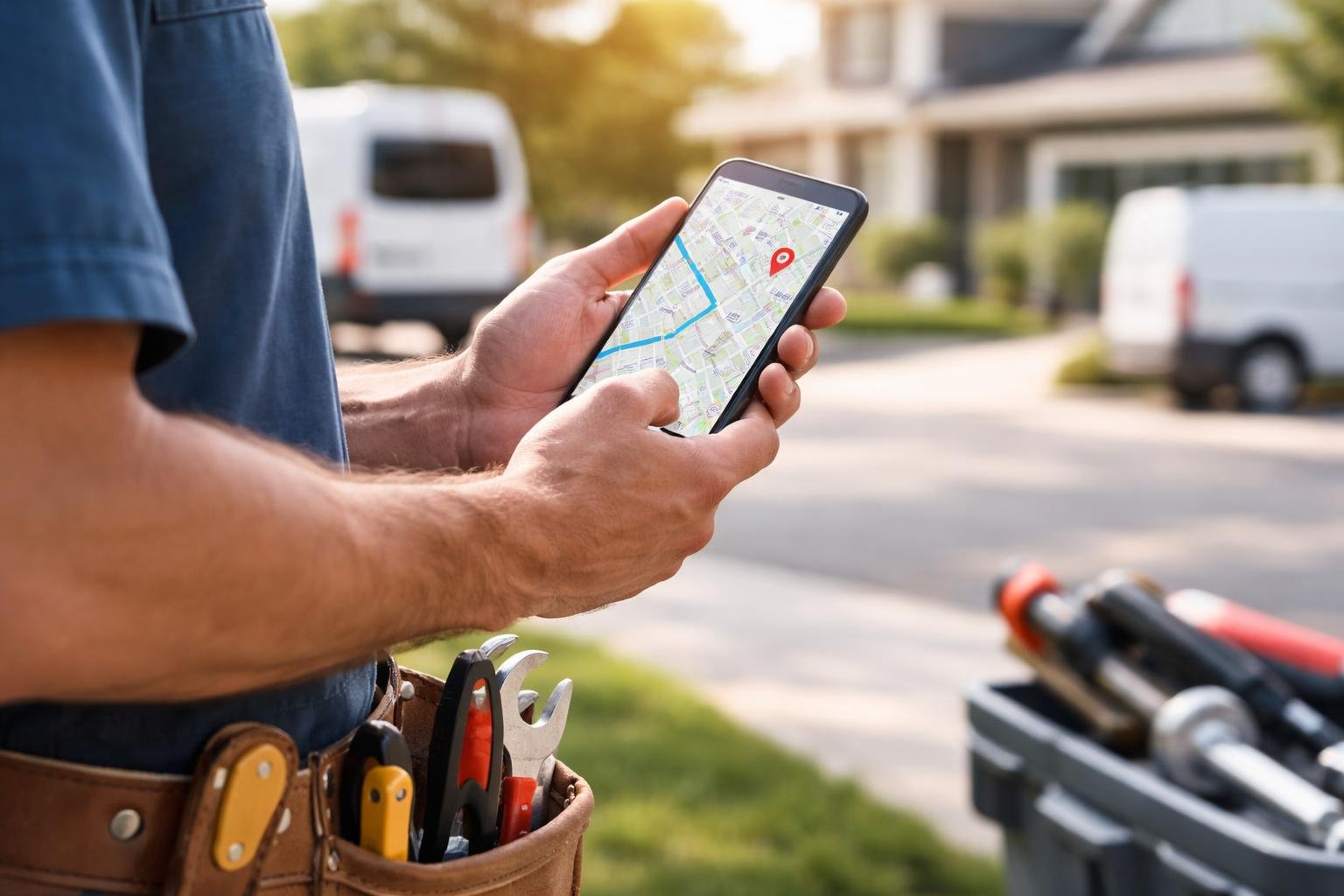
GPS tracking systems give plumbing companies continuous location data for service vehicles and technicians. This lets dispatchers monitor field operations, respond to service calls quickly, and maintain accountability.
How Real-Time GPS Tracking Works
Real-time GPS tracking uses devices in service vehicles that communicate with satellites to get location coordinates. These devices send location data through cellular networks to a central platform.
The system updates vehicle positions every 30 to 60 seconds, creating a steady stream of information. Fleet managers can view this data on dashboards or mobile apps.
Most tracking platforms offer more than just location monitoring:
- Route history and playback for reviewing service calls
- Speed and idle time monitoring to track vehicle use
- Geofencing that triggers alerts when vehicles enter or exit certain areas
- Breadcrumb trails showing the exact path vehicles traveled
Hardware can be professionally installed or self-installed, depending on the device. Power usually comes from the vehicle's OBD-II port or battery.
Ensuring Real-Time Visibility of Technicians
Real-time visibility helps dispatchers locate the nearest technician for urgent requests. This reduces response times and helps meet customer expectations.
Dispatchers can give customers accurate arrival estimates based on technician locations and traffic. This improves communication and reduces uncertainty.
Fleet tracking verifies that technicians arrive at appointments on time. Managers can check if crews follow assigned routes or make unauthorized stops.
Companies can use location data to optimize routing and territory assignments. This minimizes drive time and fuel costs.
Enhancing Accountability and Security
GPS tracking creates a record of technician movements and job site visits. This protects companies from false claims about service completion.
The technology deters theft of vehicles and equipment. Companies get alerts if vehicles move outside business hours or leave service areas.
Driver behavior monitoring tracks speeding and harsh braking. These metrics help identify training needs and reduce liability.
Tracking systems also allow after-hours vehicle monitoring. Managers can check that company vehicles stay at approved locations when not in use.
Field Service Management and Dispatching Solutions
Field service management platforms centralize dispatching, scheduling, and communication for plumbing operations. They replace manual coordination with digital tools that track technician locations and automate job assignments.
Optimizing Dispatch with Live Map Views
Real-time map views show the exact location of every plumbing technician. Dispatchers can assign emergency calls to the nearest worker, reducing response times.
Dispatchers can monitor traffic and route progress to adjust assignments when delays occur. The system shows which technicians are traveling, on site, or completing paperwork.
Key benefits of live mapping include:
- Faster emergency response
- Reduced fuel costs
- Accurate customer arrival estimates
- Better resource allocation
Drag-and-Drop Scheduling Advantages
Drag-and-drop scheduling lets dispatchers move jobs between technicians and time slots with simple clicks. This visual approach saves time and reduces errors.
The system flags scheduling conflicts, such as double-booked slots or jobs assigned to unqualified technicians. Dispatchers can see technician skills, workload, and location before assigning jobs.
Schedule changes sync instantly to technician mobile devices. This keeps everyone updated and prevents confusion.
Automated Notifications for Technicians and Customers
Field service software sends automatic alerts to technicians when new jobs are assigned or schedules change. These notifications arrive as push alerts on mobile devices.
Customers receive automated texts or emails when technicians are dispatched, approaching, or delayed. This reduces calls asking about arrival times.
The system can trigger notifications based on events, such as job completion or parts arriving at a warehouse. Some platforms let customers confirm appointments or request changes through automated messages.
Route Optimization and Efficiency Gains
Optimized routing lowers operational costs and increases service capacity. Real-time traffic integration helps dispatchers make decisions that minimize delays and maximize technician productivity.
Reducing Drive Time and Fuel Cost
Route optimization software finds the most efficient paths between service calls. This can cut total drive time by 20-30% compared to manual planning, resulting in substantial fuel savings.
Less time on the road means technicians can complete more jobs per day. This increases revenue potential without adding staff.
Fewer miles driven also means lower maintenance costs and longer vehicle lifespan.
Modern routing systems consider technician skills, parts availability, and appointment windows. This ensures the right technician arrives by the shortest route.
Utilizing Real-Time Traffic Data
Real-time traffic integration lets dispatch systems adjust routes as conditions change. If there are accidents or road closures, the system recalculates the best path to keep technicians on schedule.
GPS tracking gives dispatchers live vehicle locations. The nearest technician can be rerouted within seconds, reducing emergency response times.
Traffic data also improves arrival time accuracy for customer notifications. Businesses can offer precise estimates based on current road conditions.
Improving Job Completion Rates
Efficient routing increases the number of jobs technicians can finish each day. By cutting unnecessary driving, businesses typically see a 15-25% increase in daily service capacity per technician.
Better route planning also reduces technician fatigue. Well-rested technicians do higher-quality work and have better customer interactions.
Consistent on-time arrivals build customer trust and reduce missed appointments. When technicians arrive as scheduled, customers are more likely to be ready, which further streamlines the service process.
Top Plumbing Technician Tracking Software Platforms
Leading field service management software platforms offer tracking tools that help plumbing businesses monitor technician locations and job progress. These solutions use GPS tracking with scheduling, dispatching, and customer communication tools to give real-time visibility into field operations.
ServiceTitan and Advanced Tracking Features
ServiceTitan offers advanced tracking features for plumbing companies with many technicians. The platform uses GPS to show real-time technician locations on a map, so dispatchers can assign jobs based on who is closest and available.
The system tracks time spent on each job phase, from travel to completion, and creates detailed service records automatically. Managers can monitor technician productivity with reporting dashboards that analyze job duration and revenue per call.
ServiceTitan connects tracking data with pricebook management and invoicing, ensuring billing matches actual time and materials used. Technicians can update job status through a mobile app, sending automatic customer notifications about arrival times and service progress.
Housecall Pro and Customer Experience
Housecall Pro focuses on customer-facing tracking features that improve communication and transparency. The software sends automated text messages to customers when technicians are dispatched, including real-time location updates and estimated arrival times.
Customers can track their technician’s location through a customer portal, which helps reduce uncertainty and missed appointments. The platform captures before-and-after photos, creating visual service records for better accountability.
Housecall Pro also stores customer interaction history, notes, preferences, and past service details for technicians to review before arriving. This helps streamline repeat service calls and supports personalized service delivery.
Jobber for Scheduling and Team Coordination
Jobber helps with scheduling and technician tracking for efficient route planning. The software displays technician schedules and their current locations, making it easy to adjust assignments when emergencies or changes occur.
Technicians can view their daily schedules, job details, and customer information from mobile devices. The platform tracks clock-in and clock-out times automatically, linking labor hours to specific jobs for accurate payroll and job costing.
Jobber’s tracking includes status updates that flow between technicians, dispatchers, and customers without manual data entry. The system flags scheduling conflicts and suggests the best routes to reduce drive time.
FieldEdge and Service Fusion in Operations
FieldEdge provides operational tracking for HVAC and plumbing contractors. The platform monitors inventory by tracking parts assigned to technicians and materials used on each job, which helps prevent shortages and unauthorized part use.
Service Fusion offers similar tracking with added workflow automation. Both platforms track technician certifications, training, and license renewals to ensure compliance. They monitor key metrics like first-time fix rates, callback frequency, and average job completion times to find ways to improve team performance.
Mobile Apps and Integration in Technician Tracking
Mobile apps help field technicians connect with office systems while on job sites. Integration lets plumbing software sync data across platforms, removing duplicate entry and reducing paperwork.
Benefits of Mobile Solutions
Mobile apps give plumbing technicians instant access to job details, customer histories, and service requests from their smartphones or tablets. Technicians can clock in and out, view assigned jobs, take photos of completed work, and record materials used without returning to the office.
Paper-based processes are reduced, saving time and lowering errors. Field teams can update job statuses immediately, keeping office staff informed and improving coordination across job sites.
Mobile solutions also make customer communication easier. Technicians can send real-time updates, share arrival windows, and collect digital signatures for completed work. This transparency increases customer satisfaction and reduces calls to the office about job status.
Real-Time Updates from the Field
Real-time updates let managers track job progress as it happens. Technicians can mark tasks as complete, add notes about issues, and upload photos while still at the customer’s location.
This fast information flow helps dispatchers make better routing and scheduling decisions. If a job finishes early, the office can quickly assign the next task to an available technician.
GPS-enabled mobile apps provide location data that confirms technician arrival times and routes taken. This data supports accurate billing, helps spot inefficient travel, and provides proof for customer questions about service times.
Seamless Software Integration
Plumbing software that integrates with accounting, customer management, and payment systems removes the need for manual data transfer. QuickBooks integration syncs financial data from completed jobs automatically, reducing bookkeeping time and invoice errors.
Integration with customer databases gives technicians access to service histories, equipment details, and previous notes before they arrive. This preparation improves first-time fix rates and helps technicians bring the right parts.
API connections between software platforms create a central hub for data to flow between scheduling, inventory, and reporting tools. This approach reduces administrative work and gives business owners a full view of operations without manual reports.
Inventory, Asset, and Fleet Tracking Synergy
Plumbing businesses need systems that connect truck inventory, warehouse stock, and vehicle locations. Modern tracking solutions link these areas to eliminate redundant data entry and provide real-time visibility across the operation.
Inventory Tracking Linked to Field Operations
Real-time inventory tracking connects warehouse stock levels to what technicians carry on their trucks. Dispatchers can assign jobs based on which vehicles have the needed parts, reducing delays and extra trips.
Technicians update inventory from mobile devices as soon as they use parts or materials. These updates adjust central inventory counts and trigger reorder alerts when stock is low. The system tracks usage by technician, job type, and customer to inform purchasing decisions.
Inventory software records part numbers, quantities, and locations in each vehicle. Managers can see inventory across the fleet from one dashboard, making it easy to find equipment or transfer materials between trucks. This ensures technicians arrive with the right supplies and reduces service call delays caused by missing parts.
Asset Tracking and Loss Prevention
Asset tracking systems monitor valuable tools and equipment with GPS devices, RFID tags, or barcode scanning. These tools record which technician checked out each asset, when they took it, and where it is now.
Tracking creates accountability and helps reduce theft and loss. When employees know assets are monitored, they take better care of equipment and return items promptly. The data also helps spot patterns of misplacement or misuse.
Tracking covers specialized plumbing equipment like camera inspection systems and diagnostic tools that move between job sites. The software keeps maintenance records for each asset, schedules calibration, and flags items that need repair before they fail.
Fleet Management Best Practices
Fleet management software uses GPS tracking, maintenance scheduling, and driver behavior monitoring. The system logs vehicle locations, routes, idle time, and speed data.
Managers review this data to improve operations. Preventive maintenance scheduling helps reduce breakdowns by tracking mileage, engine hours, and service intervals.
Automated reminders ensure oil changes, tire rotations, and inspections are done on time. This reduces downtime and helps vehicles last longer.
Route optimization features analyze traffic and job locations. The software suggests efficient routes to save fuel.
It also tracks fuel purchases and calculates costs for each vehicle. This makes it easier to spot vehicles that need attention or replacement.