How to start saving money
Lorem ipsum dolor sit amet, consectetur adipiscing elit lobortis arcu enim urna adipiscing praesent velit viverra sit semper lorem eu cursus vel hendrerit elementum morbi curabitur etiam nibh justo, lorem aliquet donec sed sit mi dignissim at ante massa mattis.
- Neque sodales ut etiam sit amet nisl purus non tellus orci ac auctor
- Adipiscing elit ut aliquam purus sit amet viverra suspendisse potent
- Mauris commodo quis imperdiet massa tincidunt nunc pulvinar
- Excepteur sint occaecat cupidatat non proident sunt in culpa qui officia
Why it is important to start saving
Vitae congue eu consequat ac felis placerat vestibulum lectus mauris ultrices cursus sit amet dictum sit amet justo donec enim diam porttitor lacus luctus accumsan tortor posuere praesent tristique magna sit amet purus gravida quis blandit turpis.

How much money should I save?
At risus viverra adipiscing at in tellus integer feugiat nisl pretium fusce id velit ut tortor sagittis orci a scelerisque purus semper eget at lectus urna duis convallis. porta nibh venenatis cras sed felis eget neque laoreet suspendisse interdum consectetur libero id faucibus nisl donec pretium vulputate sapien nec sagittis aliquam nunc lobortis mattis aliquam faucibus purus in.
- Neque sodales ut etiam sit amet nisl purus non tellus orci ac auctor
- Adipiscing elit ut aliquam purus sit amet viverra suspendisse potenti
- Mauris commodo quis imperdiet massa tincidunt nunc pulvinar
- Adipiscing elit ut aliquam purus sit amet viverra suspendisse potenti
What percentege of my income should go to savings?
Nisi quis eleifend quam adipiscing vitae aliquet bibendum enim facilisis gravida neque. Velit euismod in pellentesque massa placerat volutpat lacus laoreet non curabitur gravida odio aenean sed adipiscing diam donec adipiscing tristique risus. amet est placerat in egestas erat imperdiet sed euismod nisi.
“Nisi quis eleifend quam adipiscing vitae aliquet bibendum enim facilisis gravida neque velit euismod in pellentesque”
Do you have any comments? Share them with us on social media
Eget lorem dolor sed viverra ipsum nunc aliquet bibendum felis donec et odio pellentesque diam volutpat commodo sed egestas aliquam sem fringilla ut morbi tincidunt augue interdum velit euismod eu tincidunt tortor aliquam nulla facilisi aenean sed adipiscing diam donec adipiscing ut lectus arcu bibendum at varius vel pharetra nibh venenatis cras sed felis eget.
Trucking management software helps transportation companies coordinate dispatch operations and track loads. It also manages fleets and handles finances through one integrated system.
It gives carriers and logistics operators tools to improve efficiency, stay compliant, and maintain control over every aspect of daily operations. These platforms simplify processes like managing fuel costs, scheduling maintenance, and monitoring drivers.
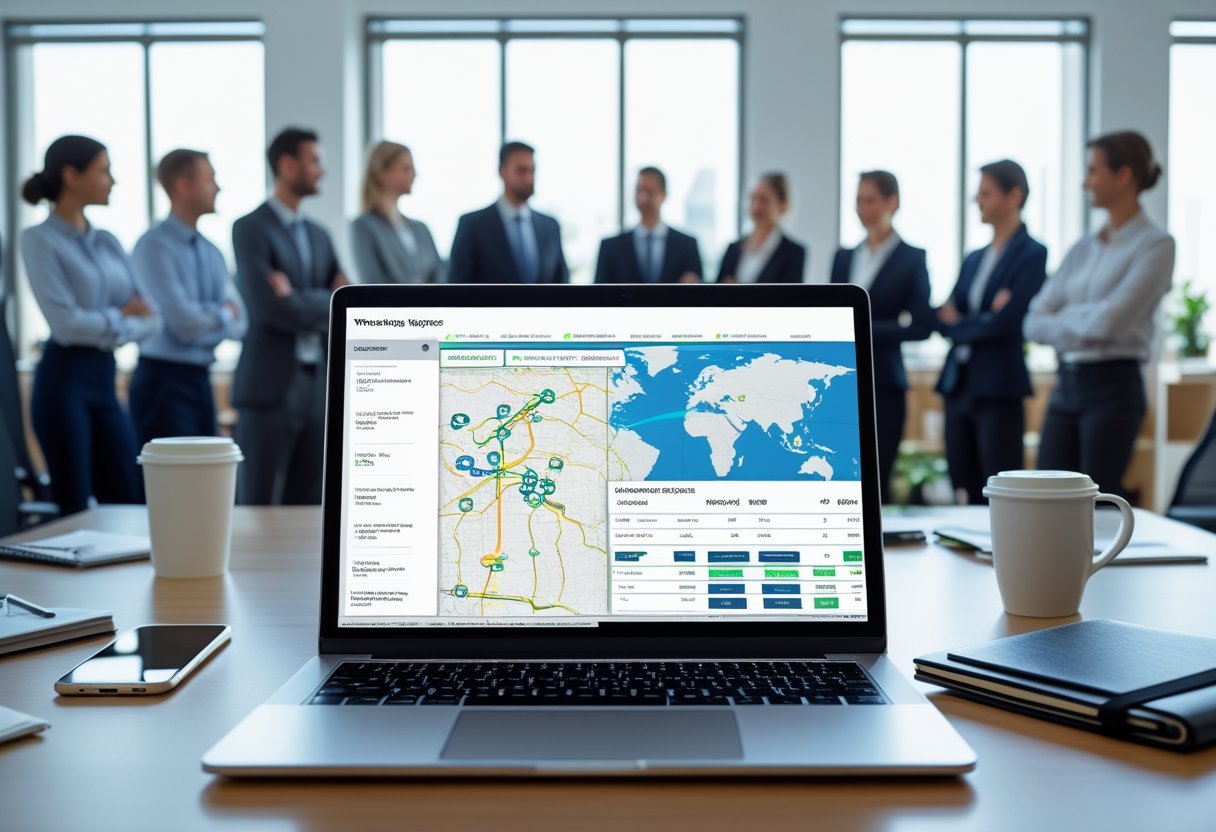
Efficient logistics depend on software that connects departments and automates paperwork. It provides real-time visibility into operations.
Companies use trucking management solutions to reduce administrative work and gain insights for better decisions.
This guide examines how modern trucking management software supports operations from compliance and reporting to fleet and driver management. It explores key features, financial tools, and decision factors that help organizations choose a system that fits their business needs.
What Is Trucking Management Software?

Trucking management software centralizes and automates daily fleet and freight activities. It enables transportation companies to oversee dispatching, routing, maintenance, and financial processes from a single digital platform.
These systems reduce manual tasks and improve accuracy. They help carriers and logistics providers make faster, data-driven decisions.
Core Features of Trucking Software
Trucking software combines several modules that address key business functions. A typical system includes dispatch management, load planning, driver tracking, and billing and settlements.
These tools coordinate vehicle schedules and optimize route assignments. They track shipment progress in real time.
Integrated accounting and reporting tools let managers measure load profitability, fuel costs, and driver performance. Many platforms connect to electronic logging devices (ELDs) and telematics systems for compliance with Hours of Service regulations.
Maintenance scheduling and inventory tracking help fleets manage repairs and parts replacement. Some solutions include mobile access so operators and drivers can update load status or inspections from the road.
Types of Trucking Management Solutions
Trucking management systems vary by scope and deployment model. All-in-one trucking management platforms combine administrative, dispatch, and financial functions for carriers who want a single solution.
Specialized trucking software solutions focus on areas like fleet maintenance or freight billing. Systems are available as cloud-based or on-premise tools.
Cloud platforms offer automatic updates and can be accessed from any device, which suits small to mid-sized carriers. Large enterprises or private fleets may choose on-premise versions for more control over data and infrastructure.
Some vendors tailor versions for owner-operators, for-hire carriers, or brokers. Each type supports different workflow requirements, from solo operations to large logistics providers.
Trucking Software vs. Logistics Software
Trucking management software handles daily fleet activities. Logistics software covers broader supply chain coordination.
Logistics software for trucking includes warehouse management, order tracking, and procurement modules. These connect transportation with inventory control and distribution.
A Trucking Management System (TMS) manages freight movement, dispatch planning, driver communication, route optimization, and cost control. A logistics management system integrates transportation data with purchasing, storage, and customer delivery.
Some businesses combine both systems when managing complex supply chains. In integrated environments, trucking software feeds shipment and cost data into ERP or warehouse systems to keep operations synchronized.
Key Operations and Functionalities

Modern trucking management software streamlines scheduling, shipment movement, and communication between dispatchers, drivers, and customers. It improves efficiency across dispatch, load planning, and tracking activities.
Dispatch Management
Dispatch management tools assign and monitor drivers, vehicles, and loads. They centralize information, allowing dispatchers to see truck availability, driver hours, and delivery deadlines.
This visibility reduces idle time and helps prevent scheduling conflicts. Many systems use automated dispatching to match shipments with the most suitable driver or vehicle based on proximity, capacity, and regulations.
Features like real-time status updates and driver communication tools improve response to last-minute changes.
A structured dispatch module often includes:
FunctionDescriptionTrip SchedulingSets routes and delivery windowsDriver AssignmentMatches drivers by load type and availabilityAlertsProvides notifications for late departures or exceptions
Integrating dispatch software with billing and compliance modules ensures all activities are traceable and compliant with company policies.
Load and Order Management
Load and order management focuses on how shipments are created, optimized, and tracked. The system consolidates orders from multiple clients, reducing empty miles and improving trailer use.
It manages load creation, rate confirmation, and order updates within one workflow. Software can automatically optimize routes and combine partial loads based on delivery locations and capacity.
It also supports digital bill of lading and proof of delivery, simplifying documentation and reducing errors.
Key capabilities include:
- Load assignment and adjustment tools
- Order consolidation to reduce costs
- Automated communication with shippers and receivers
These processes help carriers move from manual spreadsheets to integrated logistics planning.
Tracking and Real-Time Visibility
Tracking and real-time visibility connect dispatchers, drivers, and customers. GPS-enabled tracking allows managers to see truck positions, fuel use, and route adherence at any point in the trip.
This transparency improves decision-making and customer communication. Systems with real-time GPS tracking provide alerts for route deviations, extended stops, or mechanical issues.
Integrating this data with order management helps verify on-time performance and create accurate delivery estimates.
Shipment tracking interfaces often display:
MetricExample DataLocation UpdateCoordinates every 2–5 minutesEstimated ArrivalAdjusted dynamicallyProof of DeliveryDigital signature or timestamp
This level of visibility supports accountability across the supply chain. Carriers can manage operations based on live data.
Fleet, Driver, and Maintenance Management
Effective trucking management depends on integrating vehicle tracking, driver performance metrics, scheduled maintenance, and route planning into one system. These tools help reduce downtime, improve safety, and keep assets compliant and cost-efficient.
Driver Management
Fleet software centralizes driver profiles, licensing, certifications, and work hours. Managers can review performance data such as fuel efficiency, idle time, and safety records.
Many platforms integrate with electronic logging devices (ELDs) to automate compliance with hours-of-service (HOS) regulations. Real-time visibility into driver activity allows managers to identify risks.
Alerts can flag unsafe behaviors like speeding or harsh braking. Driver scorecards summarize metrics, making it easier to recognize strong performers and address issues early.
A structured driver management system also streamlines scheduling and route assignments. Managers can match skill sets or certifications to particular loads, improving reliability and compliance.
Fleet Maintenance and Vehicle Upkeep
Maintenance management keeps trucks operating efficiently and minimizes unexpected repairs. Systems record maintenance history, log completed repairs, and schedule preventive service based on mileage or engine hours.
Preventive maintenance helps reduce breakdowns and avoids costly roadside repairs. It tracks key systems such as brakes, tires, and fluid levels, issuing alerts when service is due.
This approach extends vehicle lifespan and supports predictable maintenance budgets. Fleet platforms often include maintenance dashboards for quick updates on vehicle status.
Maintenance FeatureFunctionBenefitPreventive SchedulingService intervals by usage or timeReduces downtimeRepair History TrackingLogs all completed workImproves warranty claimsDiagnostic IntegrationLinks with onboard telematicsEnables early fault detection
By maintaining accurate records and automating reminders, fleets can optimize resources and keep trucks road-ready.
Route Optimization and Planning
Route planning tools calculate the most efficient paths for deliveries. They consider traffic, tolls, weather, and delivery windows.
These platforms use GPS and telematics data to adjust plans in real time. This helps fleets reduce fuel costs and idle time.
Optimized routing also supports accurate estimated time of arrival (ETA) reporting. Dispatchers and customers get clearer expectations.
The system can reroute vehicles instantly if disruptions occur. Combined with driver scheduling, route optimization promotes balanced workloads and minimizes empty miles.
Managers can analyze route performance through reports on drive time and delays. This leads to measurable efficiency improvements.
Driver Communication and Safety
Reliable communication tools are essential for effective trucking operations. Fleet management systems often include built-in messaging, document sharing, and alert functions to keep drivers informed.
Safety modules track driver behavior, generating alerts for speed violations or harsh braking. These insights enable targeted coaching and reinforce safety policies.
Many fleets use automated alerts and video telematics to provide context for driving events. This encourages accountability while protecting drivers against false claims.
Clear, timely communication and transparent data build trust and improve fleet safety.
Financial Features and Reporting
Trucking management software provides financial tools that help companies control costs and simplify compliance. Automated accounting, invoicing, and analytics support better decisions and maintain cash flow.
Accounting and Financial Management
Modern trucking systems include accounting features that combine standard bookkeeping with industry‑specific needs. They manage accounts receivable, accounts payable, and a general ledger for all cash flow activities.
By automating entries, carriers can reduce errors and keep financial statements updated. The software often supports payroll and driver settlements, ensuring payments reflect miles driven and loads hauled.
Integrated IFTA reporting automates fuel tax calculations based on mileage and jurisdiction. This decreases paperwork and audit risks.
Many solutions connect with accounting platforms like QuickBooks or Xero. These integrations streamline reconciliations and support transparent budgeting.
Managers can see precise cost‑to‑profit margins per vehicle or route.
Billing, Invoicing, and Expense Tracking
Accurate billing and invoicing functions help maintain revenue flow. Trucking management software issues invoices directly from completed loads, using data like distance, fuel use, and surcharges.
Companies can send digital invoices and receive payments faster with automated reminders and status tracking. Expense management tools record costs in real time.
Common examples include fuel purchases, maintenance, and toll fees. Several platforms use mobile apps to upload receipts and categorize expenses automatically.
The system improves transparency by linking each expense to a specific trip or vehicle. Carriers can review cost breakdowns and quickly identify areas where spending is higher than expected.
Reporting and Analytics
Reliable reporting and analytics give insight into operational performance and financial health. Systems generate reports on profit and loss, fuel efficiency, and customer payment cycles.
These reports support decisions about pricing, route optimization, and asset use. Interactive dashboards display visual metrics like revenue per mile or driver efficiency scores.
Managers can adjust date ranges or vehicle filters to compare trends across fleets. Some platforms export data to spreadsheets or business intelligence tools for deeper analysis.
Consistent financial reporting helps ensure compliance and confidence in each department’s numbers.
Compliance and Regulatory Management
Trucking management software centralizes oversight of driver operations, vehicle records, and data needed for FMCSA and DOT requirements. It automates documentation, monitors compliance metrics, and helps reduce penalties from recordkeeping or reporting errors.
ELD Integration and Driver Logs
Accurate driver logs are required under the Electronic Logging Device (ELD) rule. Modern software integrates ELD data automatically, reducing manual entries and improving accuracy during audits.
It tracks hours-of-service (HOS) records, rest breaks, and duty statuses in real time. Many systems link ELD devices to cloud-based dashboards where managers can see live driver activity.
This visibility allows faster responses to violations before they escalate. Common features include:
- Automatic log generation and edits tracking
- Real-time alerts for approaching HOS limits
- Audit-ready reports for inspectors
Consolidating data from multiple ELD integrations helps fleets maintain compliance control, lower administrative workload, and keep consistent documentation.
IFTA and Tax Compliance
The International Fuel Tax Agreement (IFTA) requires fleets operating across jurisdictions to report mileage and fuel usage per state or province. Trucking management software collects GPS and fuel transaction data, automates tax calculations, and generates summaries for each jurisdiction.
Automation reduces manual entry errors and supports accurate filing deadlines. Some platforms integrate with fuel card programs, capturing data for both compliance and cost monitoring.
A typical system may include:
FunctionPurposeTrip mileage trackingRecords distance by jurisdictionFuel receipt captureStores digital copies for auditsAutomated IFTA filingPrepares quarterly reports
Safety and Regulatory Standards
Software for compliance management supports adherence to FMCSA, DOT, and CSA programs. It maintains up-to-date safety documentation and training records.
The system tracks vehicle inspections, accident data, and preventive maintenance schedules. Platforms send automated alerts for upcoming inspections, expiring certifications, or overdue maintenance tasks.
Centralized dashboards present compliance scores and incident trends. This helps organizations identify high-risk areas and maintain alignment with regulatory standards.
Enhancing Operational Efficiency and User Experience
Modern trucking management software connects drivers, dispatchers, and customers through real-time data and automation. It reduces delays, improves route planning, and ensures access to critical information without manual tracking.
Mobile App Capabilities
Mobile trucking apps are central tools for drivers to manage trips, communicate with dispatch, and submit documents. A good driver app allows electronic logs, fuel receipts, GPS tracking, and instant updates on route assignments.
Drivers can receive reminders, report maintenance issues, and view settlements from their phones. Many platforms allow offline functionality, updating data automatically once the connection returns.
Benefits include:
FunctionValue to OperationePOD (electronic proof of delivery)Faster invoicingAutomated HOS trackingCompliance assuranceDispatch notificationsReduced idle time
Mobile tools help companies shorten response times, increase compliance accuracy, and make daily operations less dependent on manual work.
Integrations and Telematics
Integrations connect trucking software with accounting, maintenance, and payroll systems. This removes repetitive data entry and keeps information consistent across departments.
Fleet managers can track costs, generate invoices, and update customer portals automatically. Telematics integration gives real-time vehicle tracking, fuel monitoring, and engine diagnostics for better fleet visibility.
When combined with analytics dashboards, telematics data highlights maintenance needs and route inefficiencies early. Key integration areas include:
- Accounting systems (QuickBooks, Xero)
- GPS tracking platforms
- Fuel card and toll systems
Unified data flow through integrations and telematics reduces downtime, cuts fuel expenses, and supports proactive decisions.
Ease of Use and Customer Experience
Ease of use affects adoption rates and customer satisfaction. Clear navigation, consistent dashboards, and simple workflows allow teams to perform tasks with little training.
Customizable views and drag‑and‑drop dispatch tools simplify operations for administrators and dispatchers. For customers, software with real-time shipment visibility builds trust and reduces support calls.
Automated notifications keep clients informed about delivery times and route changes. A platform’s usability saves staff time and strengthens the company’s reputation for reliability and transparency.
Choosing the Right Trucking Management Software
Selecting the right trucking software depends on operational structure, fleet size, and the level of automation needed. The platform should balance cost efficiency, regulatory compliance, and daily management tasks for both small operators and large carriers.
Considerations by Fleet Size and Business Model
Small fleets and owner-operators often need tools for dispatching, billing, and maintenance reminders. Systems like TruckLogics or TruckingOffice help manage loads, track expenses, and generate invoices with simple setup.
Their subscription pricing keeps costs low and supports mobile access on the road. Leased operators and freight brokers need features for handling multiple clients, settlement tracking, and document uploads.
Integration with factoring services and compliance systems is important for brokers managing several carriers. Larger fleets use enterprise systems such as Axon, Tailwind, or Samsara for multi-user access, advanced reporting, and GPS-based fleet visibility.
These platforms improve communication between dispatchers and drivers. For fast-growing companies, flexible user permissions and cloud-based systems support scaling without costly migrations.
Popular Trucking Software Providers and Tools
A variety of tools address different needs across the transportation industry.
SoftwareBest ForKey FeaturesTruckLogicsSmall fleets and owner-operatorsLoad management, billing, compliance trackingTruckingOfficeIndependent carriersDispatch boards, expense reports, IFTA fuel tax trackingAxonLarge and complex fleetsReal-time accounting, dispatch integration, payrollVerizon ConnectEnterprise fleetsTelematics, route optimization, driver behavior analyticsSamsaraFleets needing GPS and complianceELD compliance, live tracking, maintenance schedulingTailwindSmall to midsize logistics firmsFreight brokerage tools, document management, CRMTruckbaseModern carriersAutomated dispatching, real-time visibility, cloud management
Each platform offers a unique set of dispatch, accounting, and compliance features.
Fleet managers and brokers should consider scalability, support, and integration with current systems before choosing a solution.