Retail Fuel Management System Software For Streamlined Operations And Efficiency
How to start saving money
Lorem ipsum dolor sit amet, consectetur adipiscing elit lobortis arcu enim urna adipiscing praesent velit viverra sit semper lorem eu cursus vel hendrerit elementum morbi curabitur etiam nibh justo, lorem aliquet donec sed sit mi dignissim at ante massa mattis.
- Neque sodales ut etiam sit amet nisl purus non tellus orci ac auctor
- Adipiscing elit ut aliquam purus sit amet viverra suspendisse potent
- Mauris commodo quis imperdiet massa tincidunt nunc pulvinar
- Excepteur sint occaecat cupidatat non proident sunt in culpa qui officia
Why it is important to start saving
Vitae congue eu consequat ac felis placerat vestibulum lectus mauris ultrices cursus sit amet dictum sit amet justo donec enim diam porttitor lacus luctus accumsan tortor posuere praesent tristique magna sit amet purus gravida quis blandit turpis.

How much money should I save?
At risus viverra adipiscing at in tellus integer feugiat nisl pretium fusce id velit ut tortor sagittis orci a scelerisque purus semper eget at lectus urna duis convallis. porta nibh venenatis cras sed felis eget neque laoreet suspendisse interdum consectetur libero id faucibus nisl donec pretium vulputate sapien nec sagittis aliquam nunc lobortis mattis aliquam faucibus purus in.
- Neque sodales ut etiam sit amet nisl purus non tellus orci ac auctor
- Adipiscing elit ut aliquam purus sit amet viverra suspendisse potenti
- Mauris commodo quis imperdiet massa tincidunt nunc pulvinar
- Adipiscing elit ut aliquam purus sit amet viverra suspendisse potenti
What percentege of my income should go to savings?
Nisi quis eleifend quam adipiscing vitae aliquet bibendum enim facilisis gravida neque. Velit euismod in pellentesque massa placerat volutpat lacus laoreet non curabitur gravida odio aenean sed adipiscing diam donec adipiscing tristique risus. amet est placerat in egestas erat imperdiet sed euismod nisi.
“Nisi quis eleifend quam adipiscing vitae aliquet bibendum enim facilisis gravida neque velit euismod in pellentesque”
Do you have any comments? Share them with us on social media
Eget lorem dolor sed viverra ipsum nunc aliquet bibendum felis donec et odio pellentesque diam volutpat commodo sed egestas aliquam sem fringilla ut morbi tincidunt augue interdum velit euismod eu tincidunt tortor aliquam nulla facilisi aenean sed adipiscing diam donec adipiscing ut lectus arcu bibendum at varius vel pharetra nibh venenatis cras sed felis eget.
Managing fuel operations efficiently is essential for retail fuel businesses facing tight margins and changing fuel costs. Retail fuel management system software helps operators track inventory, control pricing, and manage daily operations from the pump to the back office.
It provides visibility into fuel performance, transactions, and customer activity. This helps reduce waste and supports smarter business decisions.
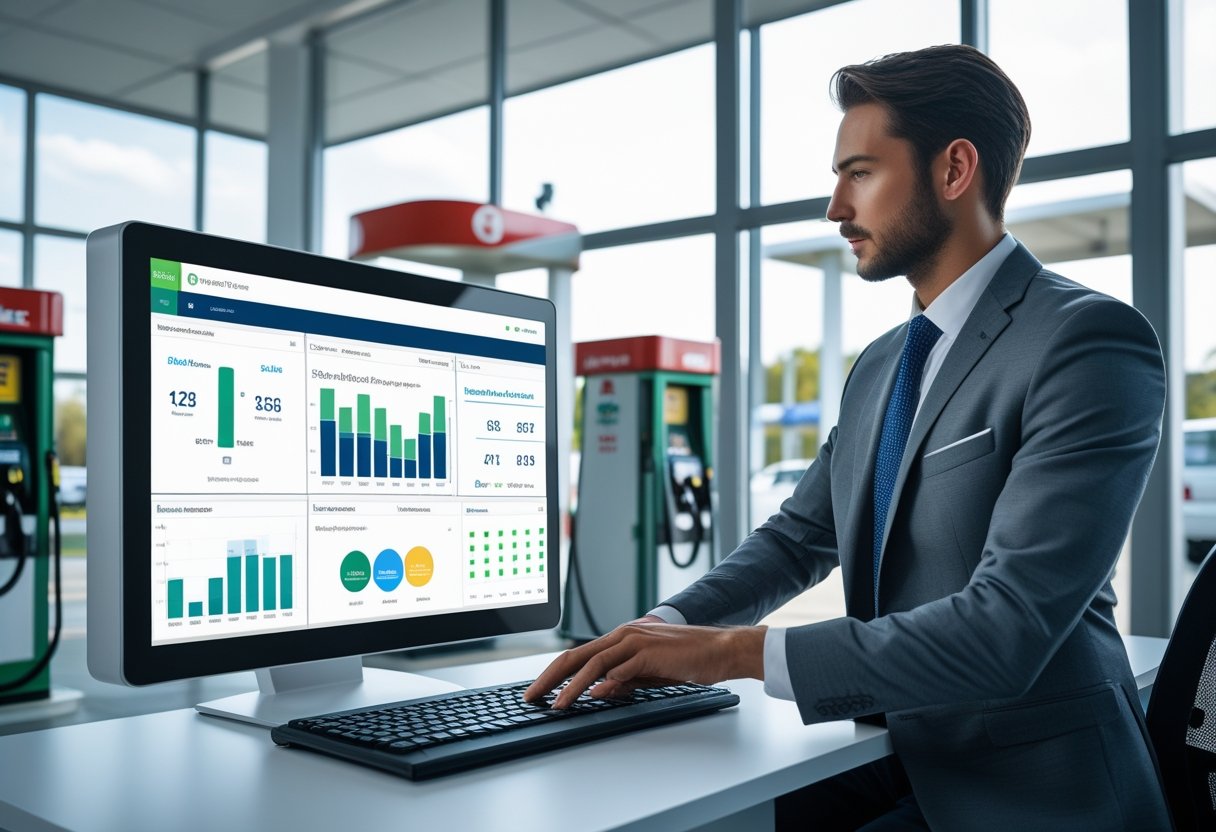
These systems combine fuel monitoring, sales management, and reporting tools. They streamline workflows across gas stations and convenience stores.
By connecting equipment data with POS terminals, accounting, and loyalty platforms, retailers can align fuel sales with store performance in real time. This integration makes operations more efficient.
As technology advances, retail fuel management software adds features like cloud integration, mobile monitoring, and analytics tools. These features help businesses anticipate demand and spot inefficiencies.
A connected approach helps fuel retailers improve operational control and enhance customer engagement. It also helps them adapt to the changing retail energy landscape.
Understanding Retail Fuel Management System Software
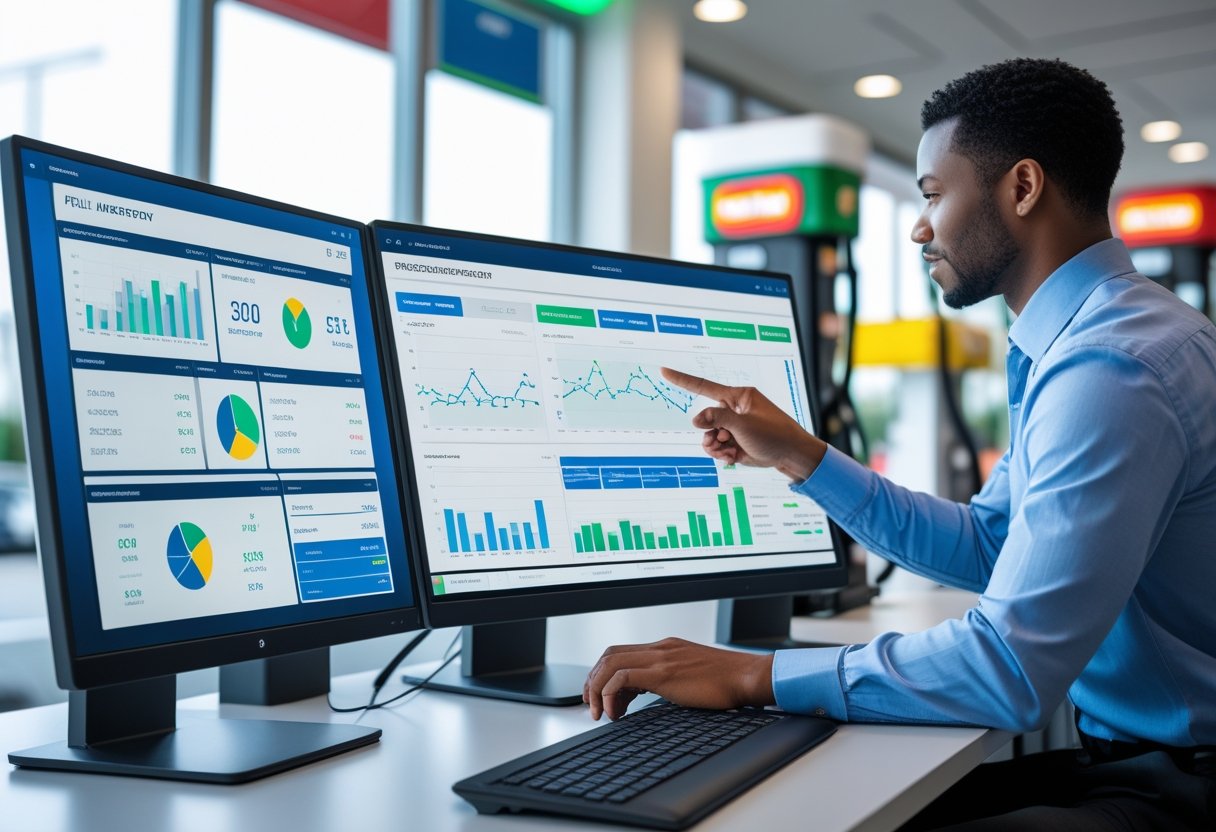
Retail fuel management system software lets retailers and fleet operators track fuel transactions and control access to dispensing equipment. It maintains accurate inventory and connects hardware with analytics tools.
This improves visibility, compliance, and operational efficiency across fueling sites.
Core Functions and Components
Retail fuel management software integrates hardware, sensors, and data analytics tools to oversee fuel usage. Dispensers, tank gauges, and controllers record data, which the software processes to show real-time fuel levels and transactions.
It handles tasks like inventory tracking, billing automation, and authorization control. Automated alerts notify staff of losses or overfills.
Security measures ensure only authorized users access pumps or fuel cards.
Many systems provide dashboards and reports for performance analysis. These insights help retailers optimize orders, spot trends, and reduce waste.
Integration with accounting or enterprise resource planning (ERP) systems allows synchronized financial reporting and central control.
FunctionPurposeAccess controlLimits fuel dispenser use to authorized personnelInventory trackingMonitors tank levels and deliveriesTransaction reportingProvides data for reconciliation and auditsIntegrationConnects fuel data to wider business systems
Types of Retail Fuel Operations
Different retail environments use fuel management systems in unique ways. Convenience stores, gas stations, and fleet operators need different configurations to match their fuel volume and transaction patterns.
Independent retailers often use cost-effective, cloud-based software with mobile access for quick updates. Large chains use centralized systems to manage multiple sites at once.
Fleet-based businesses focus on mileage tracking, driver authorization, and route-based fuel analytics.
Some software platforms integrate with propane delivery, commercial cardlock networks, or hybrid fuel operations that include electric vehicle charging. This lets businesses manage multiple energy streams in one system.
Deployment options—like on-premise, cloud, or hybrid—let each operator choose what fits their scale and compliance needs. Scalability makes sure the system grows with the business.
Key Industry Standards
Retail fuel management systems must follow industry and technical standards for accuracy and safety. Weights and measures regulations require certified equipment for fuel dispensing and recordkeeping.
Systems often follow API (American Petroleum Institute) and NIST guidelines for fuel measurement, calibration, and data quality. Security standards like PCI DSS protect payment information processed through POS systems.
Environmental rules also affect software design, especially for leak detection and emissions tracking. Compliance with EPA or local environmental agencies ensures tanks and lines meet safety standards.
Accredited systems are regularly audited or verified by third parties. This combination of legal, technical, and environmental compliance builds trust and keeps retail fuel networks reliable.
Key Features of Retail Fuel Management System Software
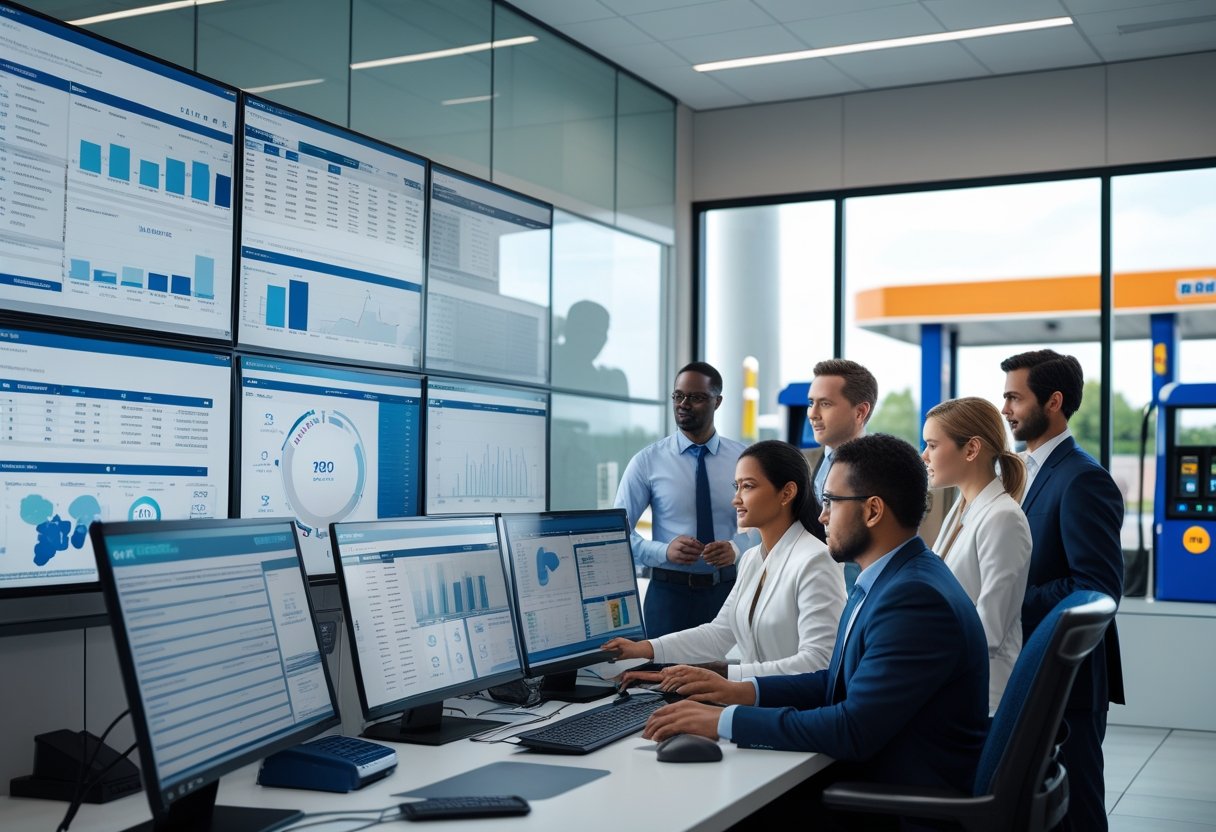
Retail fuel management system software gives centralized control over fuel inventory, pricing, and compliance documentation. It combines operational data with financial insights to help businesses improve efficiency, maintain accuracy, and manage costs.
Inventory and Fuel Monitoring Capabilities
Accurate inventory management keeps fuel levels within operational thresholds. This reduces loss from theft, leakage, or misreporting.
The software tracks all fuel transactions—purchases, deliveries, and dispenser activity—using real-time monitoring dashboards.
Most systems use hardware sensors and analytics to get precise volume readings from tanks and pumps. Automated alerts warn operators about irregularities like sudden drops in fuel levels or late deliveries.
Integration with on-site fueling systems and fuel cards lets managers check consumption by vehicle, driver, or site. The data also supports forecasting tools that predict reorder times and spot usage trends.
Accurate records help retailers spend less time on manual audits and improve accountability across the supply chain.
Automated Pricing and Margin Analysis
Automated pricing and margin analysis connects operational data with financial metrics. The system tracks wholesale fuel costs, local market pricing, and profit margins to help managers set competitive prices.
Dynamic pricing modules can adjust retail rates in near real time based on rules, taxes, and margins. This reduces human error and keeps pricing consistent across multiple locations.
Reports show gross profit, cost-per-gallon, and margin variance by site or product. Managers can focus on underperforming areas and refine pricing strategies or supplier contracts.
These features help with better financial management and cost control.
Compliance and Reporting Tools
Regulatory compliance is important for fuel retailers. The software keeps detailed logs of deliveries, transactions, and equipment calibrations for environmental and tax reporting standards.
Reporting modules create digital records needed by government agencies, reducing paperwork and manual entry. They also log incidents like leak detections or vapor recovery checks for traceability.
Audit-ready data storage and export features make both internal management and external inspections easier. Many platforms include access controls and user permissions for clear accountability.
This structured approach helps organizations meet legal requirements and keep operational data secure.
Operational Efficiency and Store Operations Integration
Retail fuel management system software connects fuel, store, and asset data to improve accuracy and reduce manual work. It supports integrated oversight of fuel dispensing, inventory control, and sales transactions.
This allows convenience stores to manage these operations in one digital environment.
Streamlining Store and Fuel Operations
Modern convenience store software links pump activity, point-of-sale transactions, and back-office accounting in real time. By integrating pumps with POS systems like Gilbarco or VeriFone, retailers can track sales and fuel throughput easily.
This integration lets managers spot issues like pump downtime or fuel discrepancies early.
A connected workflow improves coordination between store staff and fuel attendants. Automatic data syncing keeps fuel stock levels, shift sales, and compliance data accurate across all departments.
The system can alert staff when inventory is low, helping with timely restocking and avoiding shortages.
Key benefits include:
- Unified dashboards for fuel sales, store revenue, and compliance status.
- Less manual entry, reducing errors.
- Better reporting, allowing daily performance comparisons across sites.
A single digital ecosystem gives fuel retailers better operational visibility and saves time on routine tasks.
Enhancing Asset Tracking and Data Accuracy
Accurate asset tracking helps maintain accountability for both physical and digital resources. Fuel tanks, dispensing units, and store equipment can be monitored through asset modules that record usage and maintenance automatically.
Many systems use Automatic Tank Gauging (ATG) with centralized reporting to measure actual fuel levels and detect leaks or losses.
When data flows into the retail management platform, operators reduce discrepancies between recorded and actual inventory.
Better data accuracy also supports regulatory compliance. Automated logs of fuel volumes, sales, and deliveries help meet environmental and tax reporting rules.
Combining fuel management and store operations systems lets operators rely on verified, time-stamped records.
Consistent data integrity across all operations helps decision-makers plan maintenance, allocate resources, and find cost-saving opportunities more confidently.
Fleet and Fuel Delivery Management
Retail fuel management software connects vehicle tracking, dispatch scheduling, and fuel data analytics. This improves how fleets operate and how fuel deliveries are managed.
It strengthens oversight across fleet operations and helps reduce manual coordination and fuel waste.
Fleet Management Integration
Fleet management software uses GPS data, telematics, and vehicle diagnostics to monitor vehicle location, idle time, and fuel use. These integrations help managers spot cost inefficiencies and schedule maintenance.
The software often links with fuel cards or pumps to record transactions automatically, reducing errors and making expense tracking easier.
Key integrations often include:
- Real-time vehicle tracking
- Automated odometer logging
- Fuel consumption and mileage analytics
- Driver behavior monitoring
A unified fleet management system improves operational visibility. Managers can compare fuel usage between vehicles, set benchmarks, and spot outliers.
When combined with fuel delivery data, these insights give a clear view of both consumption and distribution. This leads to better fleet efficiency and reduced downtime.
Optimizing Fuel Delivery and Dispatch
Fuel delivery software streamlines dispatch by matching vehicle routes with supply points and customer demand. It enables scheduling based on fuel type, load limits, and delivery times.
This reduces empty mileage and supports compliance with hazardous material transport rules.
Dispatchers can track progress in real time, reroute vehicles for traffic or weather, and confirm drop-offs with digital proof-of-delivery tools.
Automated alerts update teams about schedule changes or delays, improving communication.
Combining fleet fuel management with delivery logistics saves money, shortens delivery cycles, and improves customer reliability. Vehicles, drivers, and resources work together in a coordinated way.
Loyalty Programs and Customer Engagement
Retail fuel management systems now integrate loyalty platforms that connect fuel sales with personalized incentives. These programs encourage customers to return, increase in-store spending, and give retailers useful data for promotions and pricing.
Designing Effective Fuel Rewards Programs
A good fuel rewards program uses tiered incentives and point systems linked to fuel and store purchases. Retailers connect rewards to point-of-sale (POS) systems, making redemption easy at the pump or checkout.
This simple process improves participation rates.
Effective programs are easy to understand and offer clear value. Customers should know how to earn and use rewards, while retailers need flexibility to adjust rewards based on margins and fuel prices.
Some systems use AI-driven analytics to find which rewards—like discounts per gallon or bundled food-and-fuel offers—get the most engagement.
Tracking redemption rates, visit frequency, and average transaction value helps retailers fine-tune programs. Results can be compared in a simple table:
MetricPurposeExample InsightVisit FrequencyMeasures repeat customer behavior+12% after reward adjustmentAverage SpendTracks in-store purchase growthIncreased during point promotionsRedemption RateEvaluates incentive appealHigher for fuel discounts than items
Personalization and Promotions
Loyalty systems that use data-driven personalization help gas stations deliver offers based on individual behavior patterns. Instead of generic discounts, users get targeted promotions like coffee bundles for morning commuters or fuel credits for high-mileage drivers.
Integration with mobile apps and digital wallets makes it simple for customers to track progress. They also receive real-time notifications when offers are available.
This immediacy builds engagement and can encourage impulse visits. Retailers can use segmentation to test promotion types before launching them widely.
For example, they might compare response rates between location-based and purchase-history-based offers. This helps determine which approach improves retention.
Emerging Technologies and Future Outlook
Retail fuel management software now includes new energy delivery options, data intelligence, and automation. Electric vehicle (EV) charging, advanced analytics, and integrated hardware are shaping the future of fueling infrastructure.
These changes help retailers manage shifting consumer behavior. They also help diversify revenue and improve operational efficiency.
EV Charging Integration
As EV adoption rises, retail stations must offer more than just liquid fuels to stay competitive. Modern systems now support EV charging point management along with gasoline and diesel tracking.
Software platforms integrate charger usage data, billing, and energy load balancing into the same interface used for fuel inventory.
This unified control lets retailers manage electricity and fuel sales with the same logic. Companies like Vontier, Gilbarco Veeder‑Root, and Angi Energy Systems develop solutions that connect fuel dispensers with fast chargers.
Key features include:
- Dynamic pricing based on grid conditions
- Real‑time monitoring of charger status and uptime
- Integration with loyalty and payment systems
Such consolidation prevents maintenance silos. It also simplifies reporting, helping fuel retailers become full‑service energy hubs.
Advanced Analytics and IoT
Internet of Things (IoT) devices and cloud analytics are now central to fuel management. Smart sensors track tank levels, pump performance, and temperature variations every few seconds.
The data feeds into models that forecast fuel demand and detect issues like leakage or theft. Retailers get automated alerts and dashboards showing trends across multiple sites.
By analyzing consumption patterns, managers can schedule deliveries more accurately. This reduces downtime.
Common analytical outputs include:
MetricPurposeBenefitFuel throughputTracks dispenser efficiencyReduces wasteIdle timeMeasures station activityImproves schedulingLoss varianceDetects shrinkageSupports compliance
Integrating IoT analytics increases transparency. It also helps lower operational costs and keeps audit trails accurate.
Leading Vendors and Solution Providers
Several vendors now define best practices in retail fuel management technology. Veeder‑Root advances tank gauging systems and cloud‑based monitoring tools.
Angi Energy Systems focuses on dispensing solutions. Their products are compatible with alternative fuels and EV infrastructure.
Vontier acts as a parent organization. It connects these offerings through digital platforms that improve interoperability and data flow.
Competing providers like Keshav Solutions and ToolSense offer customization. They also provide fleet tracking and automation features for different station sizes.
Retailers now evaluate vendors based on interoperability and cybersecurity. Update cycles are also important.
Support for mixed‑energy operations is a key selection factor. This includes gasoline, compressed gas, and electric charging.