Landscaping Job Site Verification: Essential Steps for Accurate Project Assessment
How to start saving money
Lorem ipsum dolor sit amet, consectetur adipiscing elit lobortis arcu enim urna adipiscing praesent velit viverra sit semper lorem eu cursus vel hendrerit elementum morbi curabitur etiam nibh justo, lorem aliquet donec sed sit mi dignissim at ante massa mattis.
- Neque sodales ut etiam sit amet nisl purus non tellus orci ac auctor
- Adipiscing elit ut aliquam purus sit amet viverra suspendisse potent
- Mauris commodo quis imperdiet massa tincidunt nunc pulvinar
- Excepteur sint occaecat cupidatat non proident sunt in culpa qui officia
Why it is important to start saving
Vitae congue eu consequat ac felis placerat vestibulum lectus mauris ultrices cursus sit amet dictum sit amet justo donec enim diam porttitor lacus luctus accumsan tortor posuere praesent tristique magna sit amet purus gravida quis blandit turpis.

How much money should I save?
At risus viverra adipiscing at in tellus integer feugiat nisl pretium fusce id velit ut tortor sagittis orci a scelerisque purus semper eget at lectus urna duis convallis. porta nibh venenatis cras sed felis eget neque laoreet suspendisse interdum consectetur libero id faucibus nisl donec pretium vulputate sapien nec sagittis aliquam nunc lobortis mattis aliquam faucibus purus in.
- Neque sodales ut etiam sit amet nisl purus non tellus orci ac auctor
- Adipiscing elit ut aliquam purus sit amet viverra suspendisse potenti
- Mauris commodo quis imperdiet massa tincidunt nunc pulvinar
- Adipiscing elit ut aliquam purus sit amet viverra suspendisse potenti
What percentege of my income should go to savings?
Nisi quis eleifend quam adipiscing vitae aliquet bibendum enim facilisis gravida neque. Velit euismod in pellentesque massa placerat volutpat lacus laoreet non curabitur gravida odio aenean sed adipiscing diam donec adipiscing tristique risus. amet est placerat in egestas erat imperdiet sed euismod nisi.
“Nisi quis eleifend quam adipiscing vitae aliquet bibendum enim facilisis gravida neque velit euismod in pellentesque”
Do you have any comments? Share them with us on social media
Eget lorem dolor sed viverra ipsum nunc aliquet bibendum felis donec et odio pellentesque diam volutpat commodo sed egestas aliquam sem fringilla ut morbi tincidunt augue interdum velit euismod eu tincidunt tortor aliquam nulla facilisi aenean sed adipiscing diam donec adipiscing ut lectus arcu bibendum at varius vel pharetra nibh venenatis cras sed felis eget.
Landscaping companies face unique challenges when managing multiple project sites at once. Job site verification in landscaping is a process that confirms work locations, checks project progress, ensures crew accountability, and maintains quality standards across all sites.
This practice is now essential for businesses aiming to improve efficiency and reduce errors.

Verification goes beyond simple location tracking. It includes making sure crews arrive at the correct addresses, checking that tasks are completed as agreed, and documenting site conditions before and after work.
These steps protect both the business and clients. They also support accurate billing and payroll.
Modern landscaping operations use structured verification methods to stay competitive and keep clients satisfied. Implementing effective verification systems helps businesses avoid disputes and improve team productivity.
The right approach combines clear procedures with technology suited for landscaping needs.
Overview of Landscaping Job Site Verification

Job site verification in landscaping checks that work meets contract standards and quality expectations. This involves evaluating completed tasks, materials, and site conditions.
Multiple people participate in this process to maintain accountability and deliver good results.
Definition and Purpose
Landscaping job site verification is a formal process that confirms maintenance or installation work matches specifications, safety standards, and contracts. It examines turf health, pruning quality, correct material placement, irrigation function, and site cleanliness.
The main purpose is to protect both contractors and property owners by providing proof of work completion and quality. Verification helps spot problems before final payment and reduces disputes.
It also serves as quality control to keep landscapes looking and working as intended. Crews must follow safety protocols and use the right materials as listed in contracts.
Types of Verification Methods
Visual inspections are the most common method. Inspectors walk the site and check plant health, hardscape installation, grading, and debris removal.
Photographic documentation captures the site before, during, and after work. Time-stamped images provide proof of work done and site conditions.
Measurement-based verification uses data to confirm things like soil depth, plant spacing, mulch thickness, and slope. This reduces guesswork by using measurements.
Checklist-based audits use standard forms to check each contract requirement. These tools keep evaluations consistent across different sites and inspectors.
Key Stakeholders in the Verification Process
Property owners or facility managers request verification and have final say on work completion. They compare results to their expectations and contracts.
Landscape contractors do self-inspections before formal checks to fix any issues early. Crew leaders often check quality daily during active work.
Third-party inspectors give independent assessments if contracts require outside review. They have special knowledge of industry standards and local rules.
Construction inspectors check for permit compliance, grading, and erosion control on bigger projects. They make sure landscaping fits with overall site plans and local codes.
Importance of Job Site Verification for Landscaping Businesses

Job site verification protects landscaping businesses from operational failures, legal issues, and compliance problems. Systematic verification creates accountability for workers, materials, and tasks, while providing proof of proper procedures.
Ensuring Service Quality and Consistency
Job site verification sets up checkpoints to prevent common service mistakes. When crews check site conditions, materials, and equipment before starting, they catch issues that could delay projects or lower quality.
Documenting plant types, material amounts, and installation details ensures work matches client agreements. This prevents mistakes like installing the wrong plants or using incorrect materials.
Key verification points include:
- Checking plant health and species before installation
- Measuring soil preparation and grading
- Testing irrigation systems
- Inspecting hardscape material quality
- Confirming equipment is ready to use
Regular checks during projects keep service consistent across different crews and sites. Companies with multiple teams benefit from protocols that ensure the same standards everywhere.
Reducing Liability and Risk
Verification helps reduce financial risks from injuries, property damage, and liability claims. Checking safety protocols prevents hazards before accidents happen and provides proof of precautions.
Property verification documents pre-existing conditions with photos and notes, protecting businesses from false damage claims. Checking for underground utilities prevents costly accidents during digging or installation.
Worker credential verification checks that licenses for pesticide use, equipment operation, and special tasks are current. Background checks help with security when crews work at sensitive properties.
Risk CategoryVerification MethodProtection ProvidedWorker SafetyDaily safety checklistInjury prevention documentationProperty DamagePre-work site photosEvidence of existing conditionsCredential GapsLicense/certification checksRegulatory compliance proof
Maintaining Regulatory Compliance
Landscaping businesses must meet verification requirements from environmental agencies, labor departments, and licensing boards. Pesticide use requires proof of licenses and correct application rates.
Verifying worker eligibility with I-9 forms and background checks meets legal hiring rules. Some cities require contractor registration and insurance proof before giving landscape permits.
Environmental checks include stormwater management, waste disposal, and protected species care. Keeping records of these steps provides proof during audits or investigations.
Time-stamped digital records create audit trails that agencies accept as proof of compliance. These records show good faith efforts to follow rules even if mistakes happen.
Essential Steps in the Job Site Verification Process
The verification process for landscaping sites involves checking physical conditions, staff qualifications, and documentation. These parts work together to protect workers, ensure compliance, and keep project quality high.
Job Site Assessment and Inspection
Assessment starts with a full walk of the work area to spot hazards and environmental conditions. Inspectors look at terrain, underground utilities, power lines, and soil stability.
Equipment placement and storage areas are checked for safe distances from property lines, utilities, and walkways. Heavy machines need enough space to move and operate safely.
Critical inspection points include:
- Emergency access for vehicles and personnel
- Drainage and water collection spots
- Distance from buildings, fences, and neighbors
- Ground strength for equipment
- Location of irrigation and utility lines
Material storage checks confirm that soil, mulch, plants, and supplies are on stable ground and out of traffic. Fuel and chemicals must be stored safely and follow spill rules.
Employee and Subcontractor Screening
Personnel checks confirm all workers have the right certifications for their jobs. Machine operators must have valid licenses and training.
Safety training records show crew members know site hazards, emergency steps, and how to use protective gear. Each worker should get an orientation for the job site and company safety rules.
Subcontractor checks include verifying insurance, licenses, and local compliance. This protects the main contractor and ensures everyone meets standards.
Background checks may be needed for sensitive projects or restricted areas. Drug testing follows company policy and safety needs for equipment operators.
Documentation and Record Keeping
Daily inspection logs track site conditions, work done, crew present, and any safety incidents. These logs create a timeline of the project and compliance steps.
Photo documentation gives visual proof of site conditions before, during, and after work. Pictures of utility markings, plant installations, and grading help resolve disputes.
Essential documentation includes:
Document TypePurposeRetention PeriodSafety inspectionsHazard identificationProject duration + 5 yearsEquipment certificationsOperator qualificationsDuration of employmentDaily work logsProgress trackingProject duration + 3 yearsIncident reportsLiability protectionPermanent
Permit and utility clearance records must be available during the project. Missing documents can stop work if inspectors ask for them.
Technologies and Software Solutions for Job Site Verification
Modern landscaping businesses use specialized software to verify crew locations, document work, and maintain quality at different sites. These tools combine GPS tracking, mobile reporting, and automated workflows to reduce mistakes and improve accountability.
Time Tracking and GPS Verification Tools
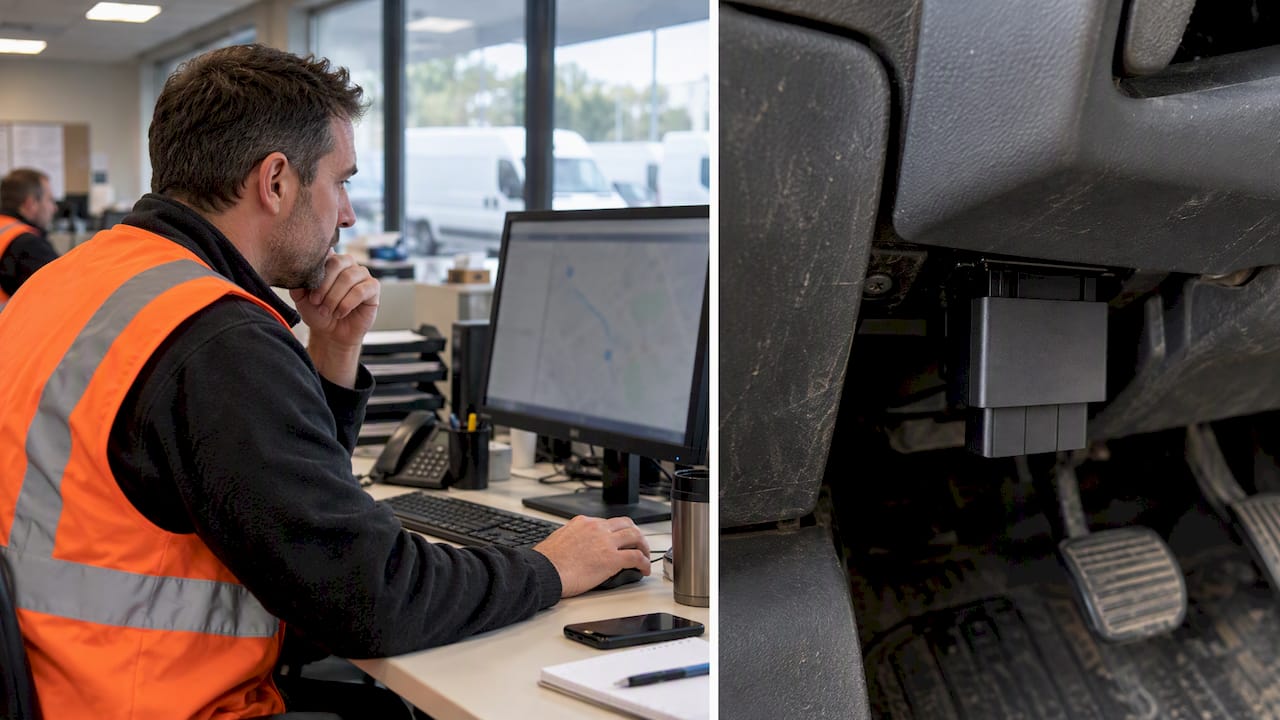
GPS time tracking systems confirm crews are at the right job sites and record clock-in and clock-out times. Connecteam offers location-based tracking that alerts managers when employees arrive or leave. The software uses photo verification at clock-in to prevent buddy punching.
Service Autopilot includes GPS breadcrumbs that track employee movements. Managers can check if crews followed planned routes and spent the right amount of time at each property. The system logs travel distances, which helps with billing and finding better routes.
Photo capture adds another layer by requiring workers to submit images of their location or work area when clocking in. This gives visual proof of attendance and protects against disputes over hours.
Mobile Site Audit and Reporting Systems
Field crews use mobile apps to document work with photos, notes, and inspection forms. Housecall Pro lets technicians take before-and-after images within job tickets. These sync to the office in real time for manager review.
Digital checklists keep quality standards consistent. Crews mark tasks as complete in the app, and managers get notifications when jobs need review or fixes. Custom forms can include checks for mulch depth, plant health, or equipment maintenance.
Jobber offers inspection templates that guide crews through property walkthroughs. The platform timestamps entries and photo uploads, showing who did what and when.
Automated Task and Checklist Management
Digital checklists guide crews through each step and automatically record progress. These replace paper forms and help prevent missed steps.
Task management assigns jobs to crew members and tracks completion rates. Managers can set up recurring checklists for regular visits, making sure service stays consistent.
Automated alerts notify managers if crews skip checklist items or submit incomplete documentation. This feedback helps catch issues quickly and avoid customer complaints. The systems also create compliance reports showing which properties got full service.
Integration with Business Management Platforms
Service Autopilot links time tracking, GPS, and reporting data to scheduling, invoicing, and customer management. This removes double data entry and ensures verified hours go straight to payroll and billing.
Office staff can monitor field operations with dashboards showing real-time crew locations, job updates, and completed tasks. Managers can adjust resources based on actual progress.
API connections between verification tools and accounting software create audit trails linking employees to billable hours. Jobber and Housecall Pro both connect with QuickBooks and other financial tools, supporting accurate invoicing and job costing.
Best Practices for Effective Job Site Verification
Successful landscaping job site verification needs standardized documentation systems, well-trained staff, and automated communication tools to catch issues before they become bigger problems.
Using Standardized Audit Templates
Standardized audit templates help ensure that all crew members document site conditions and work progress in the same way. These templates should have fields for project details, site measurements, material quantities, equipment used, labor hours, and photographic evidence with timestamps and GPS coordinates.
Digital templates are better than paper forms because they require all fields to be filled out and use dropdown menus. The template should cover all critical verification points like site boundaries, protected vegetation, irrigation system locations, grade levels, soil conditions, and installed features.
Essential template components include:
- Client information and project number
- Date, time, and weather conditions
- Crew members present on site
- Tasks completed versus scheduled
- Materials used with quantities
- Equipment operation status
- Safety compliance checkboxes
- Photo documentation requirements
- Client or supervisor signature fields
Templates should be updated regularly based on field feedback and changing project needs. Reviewing forms every quarter helps make sure they stay useful and capture important data.
Training Teams on Verification Protocols
Crew members need to know what to document, when to do it, and why the details are important for project success and legal protection. Training should include how to take clear photos, with attention to lighting, angles, and context.
New employees should get hands-on training during real site visits. Experienced staff can show the correct way to document and help teams spot issues like drainage problems or property line disputes.
Regular refresher sessions keep everyone up to date as technology and standards change. Monthly toolbox talks can highlight common mistakes and share examples of good documentation.
Setting Up Real-Time Alerts and Notifications
Automated alerts let managers know right away when crews face unexpected conditions, material shortages, or schedule delays. GPS-based notifications remind teams to check in when arriving at or leaving job sites, helping track time and site visits.
Threshold-based alerts identify issues like high material use, long equipment runtime, or big differences from planned work. These alerts help supervisors step in quickly.
Connecting field apps with office systems sends updates to clients when milestones are reached. Weather alerts can remind crews to document site conditions before storms or pause work when needed.
Challenges and Solutions in Job Site Verification
Landscaping companies face challenges with verifying worker credentials, tracking site access, and keeping accurate records at many outdoor locations. Targeted strategies are needed to protect data quality and keep operations running smoothly.
Overcoming Common Verification Obstacles
Remote landscaping sites can be harder to verify than traditional construction areas. Many properties do not have strong internet, making real-time credential checks difficult during site access.
Weather can make things worse. Rain, heat, and sunlight can damage equipment and make mobile devices hard to use. Crews often work at several sites each day, so verification systems must be quick and easy.
Common obstacles include:
- Limited cellular coverage at rural properties
- Equipment exposure to dirt, water, and debris
- High worker turnover requiring frequent credential updates
- Multiple subcontractors accessing sites simultaneously
Rugged mobile devices with offline verification help solve these problems. These devices store credential data locally and sync when internet is available. Photo verification adds a visual record of who accessed each property.
Ensuring Data Accuracy and Integrity
Inaccurate verification records can lead to liability risks and compliance problems. Manual timekeeping allows errors that affect payroll, billing, and safety records.
GPS-enabled verification confirms location and identity. This stops workers from clocking in away from job sites. The system timestamps each event and creates an audit trail for protection.
Keeping data accurate requires regular system audits and updates to credential databases. Expired certifications, terminated employees, and new insurance documents must be updated in the system within 24-48 hours. Automated alerts warn managers when credentials are about to expire.
Verification MethodAccuracy RateImplementation CostManual check-in65-70%LowPhoto verification92-95%ModerateBiometric systems98-99%High
Balancing Efficiency with Thoroughness
Comprehensive verification protocols often compete with productivity demands in landscaping operations. Each verification step adds time to crew deployment and can reduce billable hours.
Streamlined systems now combine multiple checks into a single interaction. A worker scans their credential once, which verifies identity, certification status, site authorization, and logs their time.
This approach cuts verification time from several minutes to under 30 seconds per worker. It helps crews start work faster.
Managers should adjust verification depth based on risk levels. Properties needing pesticide application or heavy equipment require stricter checks than those needing only basic mowing.
Tiered verification applies the right level of scrutiny for each task. This prevents delays for routine work.
Pre-verification strategies move credential checks away from job sites. Workers complete background and certification checks during onboarding.
Once verified, workers receive access credentials that scan quickly at properties. This ensures thorough checks are done in advance and keeps field operations efficient.