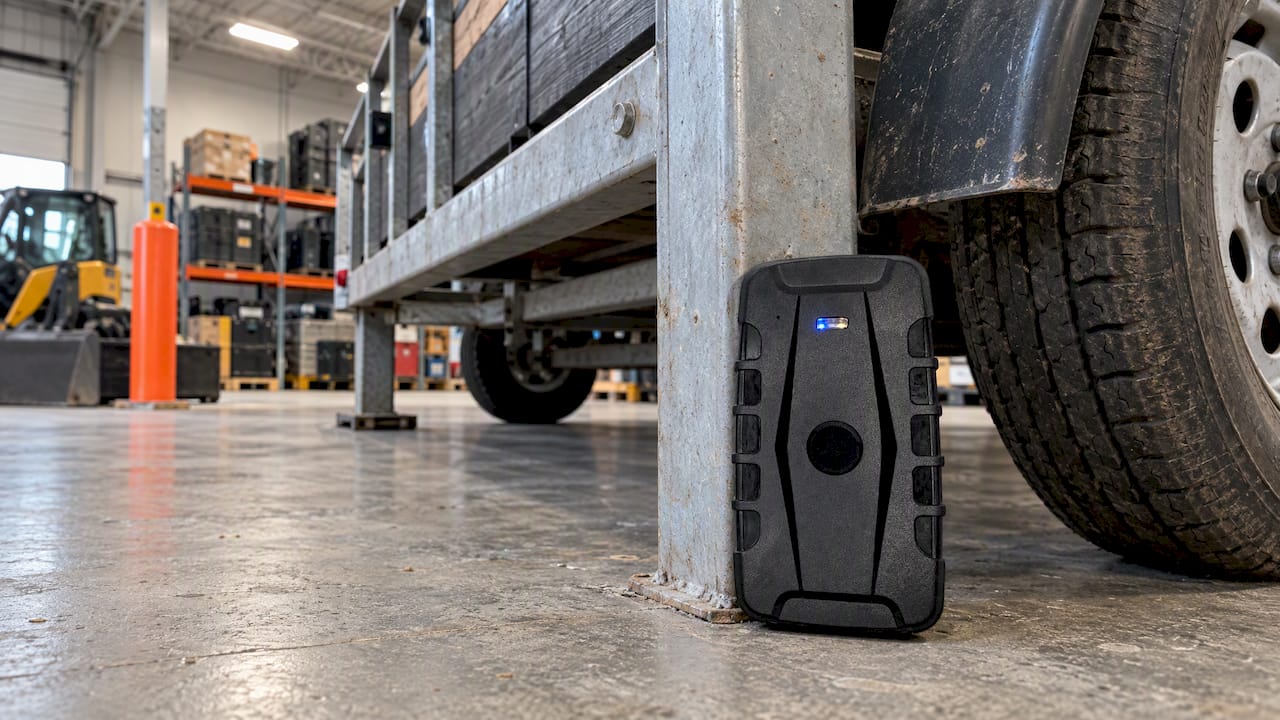
How to start saving money
Lorem ipsum dolor sit amet, consectetur adipiscing elit lobortis arcu enim urna adipiscing praesent velit viverra sit semper lorem eu cursus vel hendrerit elementum morbi curabitur etiam nibh justo, lorem aliquet donec sed sit mi dignissim at ante massa mattis.
- Neque sodales ut etiam sit amet nisl purus non tellus orci ac auctor
- Adipiscing elit ut aliquam purus sit amet viverra suspendisse potent
- Mauris commodo quis imperdiet massa tincidunt nunc pulvinar
- Excepteur sint occaecat cupidatat non proident sunt in culpa qui officia
Why it is important to start saving
Vitae congue eu consequat ac felis placerat vestibulum lectus mauris ultrices cursus sit amet dictum sit amet justo donec enim diam porttitor lacus luctus accumsan tortor posuere praesent tristique magna sit amet purus gravida quis blandit turpis.

How much money should I save?
At risus viverra adipiscing at in tellus integer feugiat nisl pretium fusce id velit ut tortor sagittis orci a scelerisque purus semper eget at lectus urna duis convallis. porta nibh venenatis cras sed felis eget neque laoreet suspendisse interdum consectetur libero id faucibus nisl donec pretium vulputate sapien nec sagittis aliquam nunc lobortis mattis aliquam faucibus purus in.
- Neque sodales ut etiam sit amet nisl purus non tellus orci ac auctor
- Adipiscing elit ut aliquam purus sit amet viverra suspendisse potenti
- Mauris commodo quis imperdiet massa tincidunt nunc pulvinar
- Adipiscing elit ut aliquam purus sit amet viverra suspendisse potenti
What percentege of my income should go to savings?
Nisi quis eleifend quam adipiscing vitae aliquet bibendum enim facilisis gravida neque. Velit euismod in pellentesque massa placerat volutpat lacus laoreet non curabitur gravida odio aenean sed adipiscing diam donec adipiscing tristique risus. amet est placerat in egestas erat imperdiet sed euismod nisi.
“Nisi quis eleifend quam adipiscing vitae aliquet bibendum enim facilisis gravida neque velit euismod in pellentesque”
Do you have any comments? Share them with us on social media
Eget lorem dolor sed viverra ipsum nunc aliquet bibendum felis donec et odio pellentesque diam volutpat commodo sed egestas aliquam sem fringilla ut morbi tincidunt augue interdum velit euismod eu tincidunt tortor aliquam nulla facilisi aenean sed adipiscing diam donec adipiscing ut lectus arcu bibendum at varius vel pharetra nibh venenatis cras sed felis eget.
Battery-powered asset trackers are standalone, wireless devices that monitor asset location and status without any external wired power source. Businesses use them on trailers, shipping containers, portable equipment, and other non-powered assets where running a wire is impractical or impossible. The types of battery-powered asset trackers available today range from basic GPS units to solar-assisted devices and full IoT-connected systems. Choosing the right category depends on three core factors: battery life, reporting frequency, and the environment where the asset operates. This guide breaks down each category with real technical detail so you can match the right tracker to your specific asset management needs.
1. Standard GPS battery-powered trackers
Standard GPS trackers are the most widely deployed battery tracker type. They run on internal lithium batteries, require no wiring, and can be installed on any asset in minutes. That installation speed matters: battery-powered units install in minutes with no electrician, compared to 30–60 minutes for wired alternatives.
Battery life on standard GPS units spans a wide range. Typical lifespan runs 2–10 years depending on how often the device reports its location. That range is not a marketing claim. It reflects a real engineering trade-off between data freshness and power consumption.
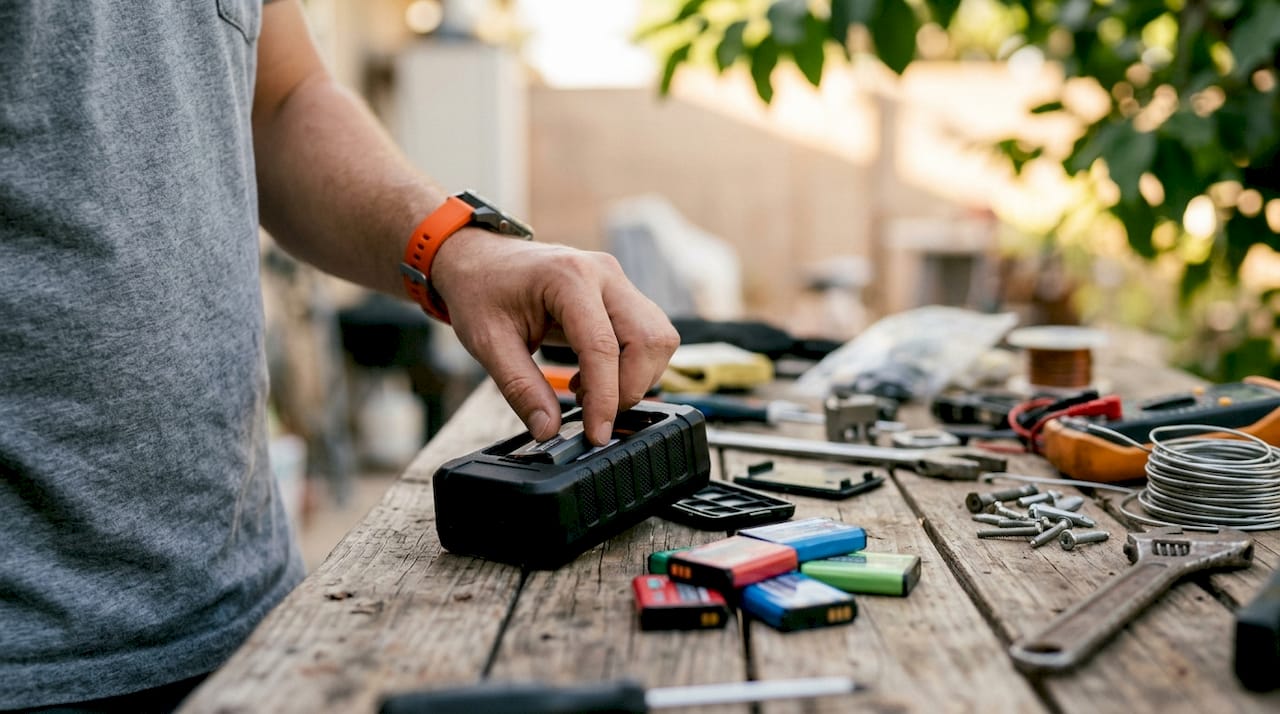
The reporting interval is the single biggest variable in battery longevity. A tracker set to report every 30 minutes lasts roughly one month. The same device set to report every 12 hours lasts approximately 12 months. That is a 12x difference in battery life from one setting change.
Common use cases for standard GPS battery trackers:
- Dry van and flatbed trailers sitting in yards between loads
- Shipping containers moving through ports and rail yards
- Portable generators, compressors, and light towers
- Construction equipment parked on job sites overnight
- High-value assets requiring covert theft recovery placement
Pro Tip: Set your reporting interval to match actual operational need. A trailer that moves once a week does not need 30-minute updates. Switching to 12-hour reports can extend battery life from one month to a full year.
2. Solar-powered battery asset trackers
Solar-powered trackers combine a rechargeable battery with an integrated solar panel. The solar input continuously tops off the battery during daylight hours, dramatically extending the device’s operational life. These are among the best solar-powered asset tracking devices available for outdoor, long-term deployments.
The performance numbers are specific. Devices like the LTB01-S achieve continuous power with 3–5 hours of sunlight at 100,000 lux daily, extending battery life to 12 months or more. That means a solar tracker on an outdoor asset in a sunny climate may never need a battery replacement under normal conditions.
Key advantages of solar-powered battery trackers:
- Dramatically reduced battery replacement frequency and labor cost
- Suitable for assets stored outdoors for months at a time
- Some models include magnetic charging as a backup option
- Dual-mode tracking combining GPS and network-based positioning
- Lower total ownership cost over multi-year deployments
The limitation is straightforward: solar trackers underperform in low-light environments. Indoor warehouses, covered storage, and northern climates in winter reduce solar input enough to push the device back toward standard battery behavior. For those scenarios, a different tracker category is the better fit.
Understanding small equipment GPS tracking options helps clarify where solar trackers add the most value versus where a simpler battery unit serves better.
3. Battery-powered IoT asset trackers and connectivity options
IoT asset trackers go beyond GPS by supporting multiple wireless communication standards. This gives them flexibility to operate across different environments and network infrastructures. The most common protocols include LoRaWAN, LTE-M, NB-IoT, Bluetooth, and RFID.
Each protocol serves a different purpose. LoRaWAN trackers communicate over 1.2 miles in open areas and operate on multiple global frequencies. LTE-M and NB-IoT use cellular networks for broader geographic coverage. Bluetooth and RFID handle short-range indoor scanning where GPS signals cannot penetrate.
IoT trackers support adjustable update rates and indoor scanning capabilities, making them effective inside warehouses, manufacturing plants, and distribution centers. That dual-mode capability, outdoor GPS plus indoor network positioning, is what separates IoT trackers from standard GPS units.
Industries and asset types that benefit most from IoT trackers:
- Warehousing and logistics operations tracking pallets and forklifts
- Healthcare facilities monitoring medical equipment across floors
- Manufacturing plants tracking tools and work-in-progress inventory
- Construction companies managing equipment across multiple sites
- Rental businesses tracking assets across customer locations
Pro Tip: If your assets move between indoor and outdoor environments regularly, prioritize a tracker with both GPS and Bluetooth or LoRaWAN support. Single-protocol devices create blind spots the moment an asset enters a building.
4. Comparing battery-powered asset tracker categories
The three main categories serve different operational profiles. The table below maps each category against the criteria that matter most in a purchasing decision.
| Criteria | Standard GPS | Solar-powered GPS | IoT multi-protocol |
|---|---|---|---|
| Power source | Internal lithium battery | Battery plus solar panel | Internal battery |
| Typical battery life | 1 month to 10 years | 12+ months with sunlight | Months to years |
| Reporting frequency | Configurable | Configurable | Configurable |
| Installation complexity | Very low | Low | Low to moderate |
| Best environment | Outdoor, mobile assets | Outdoor, stationary assets | Indoor and outdoor |
| Indoor tracking | No | No | Yes |
| Maintenance need | Battery replacement | Minimal | Battery replacement |
| Covert placement | Yes | Yes | Yes |
| Communication tech | GPS/cellular | GPS/LoRaWAN/cellular | LoRaWAN/LTE-M/NB-IoT/BT |
| Typical asset types | Trailers, containers | Outdoor equipment | Warehouse, mixed fleets |
The table shows a clear pattern. Standard GPS units win on simplicity and cost. Solar units win on long-term outdoor deployments. IoT trackers win on environment flexibility and data richness. No single category dominates every scenario.
5. How to select the right battery-powered tracker for your assets
Choosing among battery tracker types comes down to four situational questions. Answer these honestly and the right category becomes obvious.
1. Does the asset have its own power source?
If the asset has a vehicle battery or shore power connection, a hardwired GPS tracker delivers continuous real-time updates without battery concerns. Battery-powered units are the correct choice only when no external power is available.
2. How often does the asset actually move?
Assets that move daily need more frequent reporting. Assets that sit in a yard for weeks can report every 12 hours without losing meaningful visibility. Selecting battery-powered trackers requires assessing the trade-off between reporting interval, battery capacity, and expected maintenance cost. Frequent updates increase labor costs from battery changes despite improving data timeliness.
3. Does the asset operate indoors, outdoors, or both?
Outdoor-only assets work well with standard GPS or solar units. Assets that move between indoor and outdoor environments need IoT multi-protocol trackers to maintain visibility throughout the full journey.
4. What is the total ownership cost over three years?
A solar tracker costs more upfront but eliminates most battery replacement labor. A standard GPS unit costs less initially but requires battery swaps that add up in large fleets. Factor in technician time, not just device price.
Pro Tip: For mixed fleets, deploy wired trackers on powered vehicles and battery-powered units on trailers and containers. This hybrid approach gives you comprehensive fleet visibility without overpaying for battery management on assets that already have power.
Asset tracking software like Panatrack ST adds custody chain tracking, audit trails, and custodian accountability on top of location data. Hardware alone does not deliver full asset management visibility without a software layer to organize and interpret the data.
Key takeaways
Battery-powered asset trackers deliver the most value when matched to the right environment, reporting interval, and power availability of each specific asset.
| Point | Details |
|---|---|
| Reporting interval drives battery life | A 30-minute update interval yields one month of battery life; 12-hour intervals yield up to 12 months. |
| Solar trackers suit long-term outdoor assets | Solar input extends battery life to 12 months or more with adequate daily sunlight. |
| IoT trackers cover indoor and outdoor environments | Multi-protocol devices using LoRaWAN, LTE-M, and Bluetooth track assets across both settings. |
| Hybrid fleets reduce total cost | Wired trackers on powered vehicles plus battery units on trailers optimize cost and coverage together. |
| Software amplifies hardware value | Asset tracking software adds audit trails and custodian data that location alone cannot provide. |
What I’ve learned from watching fleets get this wrong
The most common mistake I see businesses make is buying one tracker type for every asset in their fleet. A fleet manager picks a standard GPS unit because it is the simplest option, then deploys it on outdoor trailers, indoor warehouse equipment, and powered vehicles alike. The result is predictable: battery replacements pile up on the high-frequency units, indoor assets disappear from the dashboard, and the powered vehicles are burning battery capacity they never needed to use.
The second mistake is ignoring the reporting interval setting entirely. Devices ship with default settings that are often too aggressive for non-powered assets. A trailer that moves twice a week does not need a 15-minute update cycle. That default setting can drain a battery in weeks instead of months, creating a maintenance burden that erases the cost advantage of going wireless.
What actually works is a tiered approach. Match the tracker category to the asset’s power availability and movement pattern first. Then set the reporting interval to the minimum frequency that still gives you operationally useful data. For most non-powered outdoor assets, that is somewhere between 4 and 12 hours. For assets that move daily, 30–60 minutes is reasonable. For assets that barely move, once or twice a day is enough.
Solar trackers are underused in American fleets. The upfront cost puts buyers off, but the math over a three-year deployment almost always favors solar for outdoor assets in the Sun Belt. The battery replacement labor alone on a large trailer fleet adds up faster than most fleet managers realize until they run the numbers.
If you are managing more than 20 non-powered assets, I would strongly recommend reading up on subscription-free GPS options before committing to any hardware. Monthly subscription fees compound quickly across a large asset pool and can make an otherwise affordable tracker expensive over time.
— Louis
Motowatchdog’s subscription-free GPS trackers for battery-powered assets
Motowatchdog builds 4G GPS trackers specifically for businesses that need reliable asset monitoring without paying monthly fees. Over 1,000 businesses rely on Motowatchdog for fleet and asset tracking across vehicles, trailers, and portable equipment.
Battery-powered units from Motowatchdog install in minutes with no wiring required, making them a practical fit for trailers, containers, and non-powered equipment. Geofencing alerts, long battery life, and detailed location history come standard. Because there are no subscription fees, the total cost of GPS tracking stays predictable regardless of fleet size. For businesses comparing wired and wireless options, Motowatchdog’s flexible lineup covers both deployment types from a single platform.
FAQ
What are the main types of battery-powered asset trackers?
The three main categories are standard GPS battery trackers, solar-powered battery trackers, and IoT multi-protocol trackers. Each category differs in power source, communication technology, and ideal operating environment.
How long does a battery-powered GPS tracker last?
Battery life ranges from 2–10 years depending on reporting frequency. A tracker reporting every 30 minutes lasts approximately one month, while one reporting every 12 hours lasts up to 12 months.
Are solar-powered asset trackers worth the cost?
Solar trackers are worth the cost for outdoor assets in sunny environments because they extend battery life to 12 months or more and reduce battery replacement labor significantly over multi-year deployments.
Can battery-powered trackers work indoors?
Standard GPS and solar trackers do not work reliably indoors. IoT trackers using Bluetooth or LoRaWAN provide indoor positioning where GPS signals cannot reach.
What is a hybrid asset tracking deployment?
A hybrid deployment uses wired trackers on powered vehicles and battery-powered units on non-powered assets like trailers and containers. This approach gives businesses full fleet visibility while keeping installation and maintenance costs in check.