How to start saving money
Lorem ipsum dolor sit amet, consectetur adipiscing elit lobortis arcu enim urna adipiscing praesent velit viverra sit semper lorem eu cursus vel hendrerit elementum morbi curabitur etiam nibh justo, lorem aliquet donec sed sit mi dignissim at ante massa mattis.
- Neque sodales ut etiam sit amet nisl purus non tellus orci ac auctor
- Adipiscing elit ut aliquam purus sit amet viverra suspendisse potent
- Mauris commodo quis imperdiet massa tincidunt nunc pulvinar
- Excepteur sint occaecat cupidatat non proident sunt in culpa qui officia
Why it is important to start saving
Vitae congue eu consequat ac felis placerat vestibulum lectus mauris ultrices cursus sit amet dictum sit amet justo donec enim diam porttitor lacus luctus accumsan tortor posuere praesent tristique magna sit amet purus gravida quis blandit turpis.

How much money should I save?
At risus viverra adipiscing at in tellus integer feugiat nisl pretium fusce id velit ut tortor sagittis orci a scelerisque purus semper eget at lectus urna duis convallis. porta nibh venenatis cras sed felis eget neque laoreet suspendisse interdum consectetur libero id faucibus nisl donec pretium vulputate sapien nec sagittis aliquam nunc lobortis mattis aliquam faucibus purus in.
- Neque sodales ut etiam sit amet nisl purus non tellus orci ac auctor
- Adipiscing elit ut aliquam purus sit amet viverra suspendisse potenti
- Mauris commodo quis imperdiet massa tincidunt nunc pulvinar
- Adipiscing elit ut aliquam purus sit amet viverra suspendisse potenti
What percentege of my income should go to savings?
Nisi quis eleifend quam adipiscing vitae aliquet bibendum enim facilisis gravida neque. Velit euismod in pellentesque massa placerat volutpat lacus laoreet non curabitur gravida odio aenean sed adipiscing diam donec adipiscing tristique risus. amet est placerat in egestas erat imperdiet sed euismod nisi.
“Nisi quis eleifend quam adipiscing vitae aliquet bibendum enim facilisis gravida neque velit euismod in pellentesque”
Do you have any comments? Share them with us on social media
Eget lorem dolor sed viverra ipsum nunc aliquet bibendum felis donec et odio pellentesque diam volutpat commodo sed egestas aliquam sem fringilla ut morbi tincidunt augue interdum velit euismod eu tincidunt tortor aliquam nulla facilisi aenean sed adipiscing diam donec adipiscing ut lectus arcu bibendum at varius vel pharetra nibh venenatis cras sed felis eget.
Fleet reporting gives companies the clarity needed to manage vehicles, drivers, and costs. By turning operational data into practical insights, it helps identify trends and detect inefficiencies.
Fleet reporting allows organizations to make data-driven decisions that reduce expenses, enhance safety, and optimize every mile traveled.
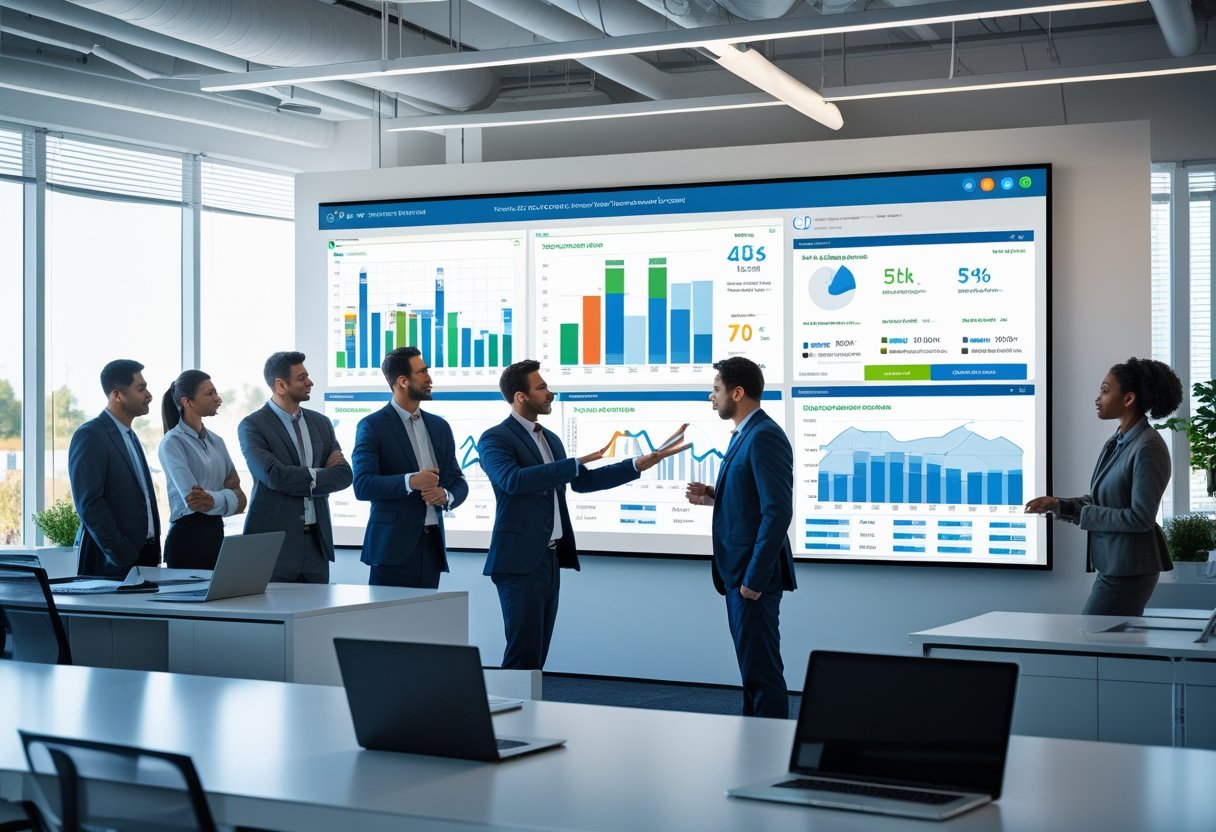
Many businesses struggle with scattered information and limited visibility into their fleet operations. Effective reporting consolidates data from fuel usage, maintenance, and telematics into one view.
This helps managers act quickly when issues arise. When used well, reporting becomes a strategic tool for forecasting, compliance, and cost control.
As technology advances, fleet reporting moves beyond static spreadsheets. It now uses interactive dashboards and automated insights.
Modern systems combine real-time data and predictive analytics. This supports proactive management and better decision-making.
This guide explores how these tools work, the different report types available, and how they help create a more efficient fleet.
What Is Fleet Reporting?
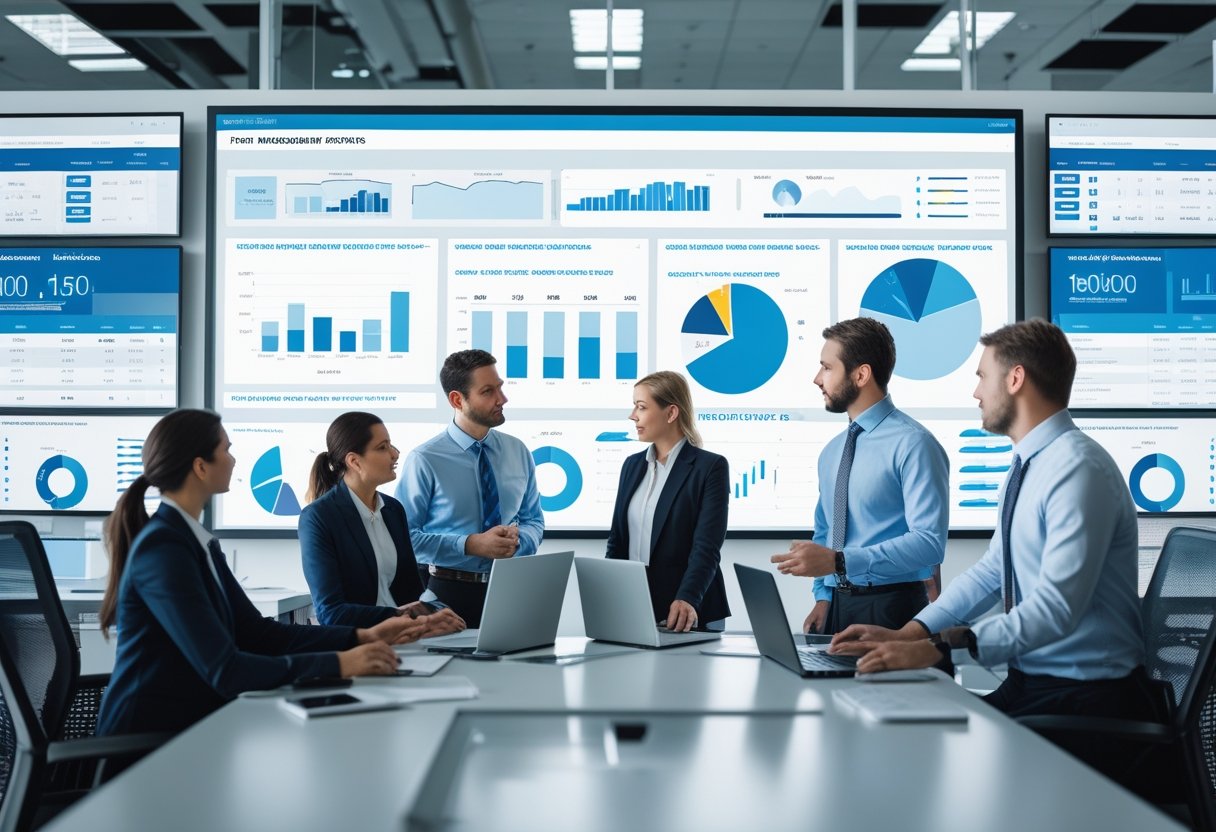
Fleet reporting uses structured data analysis to help organizations track vehicle performance, cost efficiency, and compliance. It relies on accurate, timely information to support decision-making and reduce unnecessary expenses.
Definition and Core Concepts
Fleet reporting means collecting, organizing, and analyzing vehicle and driver data. It evaluates how a fleet operates.
It uses fleet management reports to summarize key metrics like fuel usage, maintenance frequency, downtime, and total cost of ownership. These reports often come from automated systems that gather real-time data from telematics devices.
A fleet report usually includes metrics such as cost-per-mile, preventive maintenance compliance, driver behavior, and asset utilization. This structured data helps companies measure performance against goals.
By turning raw data into clear insights, fleet reporting gives managers visibility into daily vehicle performance. Consistent reporting supports data-driven decisions and improves efficiency.
Key Benefits for Fleet Managers
Effective fleet reporting brings financial and operational advantages. Fleet managers use reports to monitor trends and find areas for improvement, such as fuel consumption, driver safety, or maintenance planning.
Key benefits include:
CategoryBenefitCost ControlFinds high operating costs and inefficienciesMaintenanceReduces breakdowns with timely servicingComplianceEnsures inspection and safety standards are metProductivityIncreases vehicle uptime and utilization
Accurate reports help managers spot cost patterns early. For example, fuel and mileage records can reveal underperforming vehicles or inefficient routes.
Over time, these insights lower expenses and extend vehicle lifespans.
How Fleet Reporting Fits Into Fleet Management
Fleet reporting supports the broader framework of fleet management, which covers all aspects of fleet operations. Reports give feedback for evaluating performance and aligning daily activities with company goals.
Fleet management teams use these reports to make strategic adjustments. For example, if maintenance reports show too much downtime, a manager can reschedule preventive maintenance or adjust vehicle assignments.
Reporting also helps with compliance by tracking driver vehicle inspection reports (DVIRs) and regulatory data. Automation tools improve data accuracy and keep operational standards consistent.
Types of Fleet Reports

Fleet management reporting helps organizations track performance data and control operational expenses. Accurate insights into costs, resource use, and maintenance trends help managers improve vehicle performance and budgeting.
Fuel and Cost Reports
Fuel and cost reports show how much a fleet spends to operate each vehicle. They identify patterns in fuel consumption, fuel costs, and other expenses that affect the bottom line.
Tracking cost-per-mile helps managers see how efficiently fuel is used. Data sources include fuel cards, telematics systems, and odometer readings.
This information reveals inefficient driving habits like excessive idling or speeding. A typical fuel and cost report may include:
MetricDescriptionFuel cost per mileAverage expense of fuel per mile drivenTotal monthly fuel spendAggregated cost for all fleet vehiclesIdle fuel use (%)Portion of fuel consumed while idling
Fleet managers use these reports to compare vehicles and set cost-control policies. Regular review helps reduce waste.
Utilization Reports
Utilization reports measure how effectively a fleet uses its vehicles. They track metrics such as total distance driven, engine hours, and vehicle downtime.
Low utilization means some assets are underused. High utilization may signal vehicles are overworked and need attention.
By analyzing utilization data, teams can balance workloads and optimize assignments. Managers can retire underused vehicles or redeploy them where needed.
Common utilization metrics include:
- Vehicle utilization rate (%): Time a vehicle is active versus total availability.
- Average trips per day: Shows task distribution across assets.
- Idle percentage: Shows how often a vehicle is stationary while in service.
These reports help prevent inefficiencies and improve allocation decisions.
Maintenance Reports
Maintenance reports track service schedules, repair history, and costs for each vehicle. They combine data from work orders and inspections to ensure compliance with preventive maintenance policies.
Well-maintained vehicles break down less often, reducing unplanned downtime and costs. Typical entries include next service dates, maintenance expenses, and recorded issues.
Reporting platforms often automate alerts when service is due. This helps teams stay proactive.
An example maintenance report might include:
FieldPurposeVehicle IDIdentifies the specific unitService typeOil change, tire rotation, brake inspection, etc.Cost per serviceTracks maintenance expense per job
Regular maintenance reports help keep vehicles reliable and extend their lifespan.
Driver and Vehicle Performance Insights
Reliable performance data helps fleet managers see how vehicles are used and how drivers operate them. It enables actions that improve efficiency and safety.
Driver Behavior Reports
Driver behavior reports record actions like speeding, idling, harsh acceleration, and heavy braking. Fleet systems collect this data through telematics devices or sensors.
These insights reveal driving habits and fleet trends. Managers use these reports to find coaching opportunities and maintain safe standards.
Tracking mileage patterns and fuel use helps detect inefficient routes or poor driving. Regular review supports decisions that lower costs and keep vehicles in good condition.
These reports often include:
MetricPurposeSpeed ViolationsDetect unsafe driving behaviorHarsh EventsMonitor acceleration, cornering, and brakingIdle TimeIdentify excess fuel useAverage MileageTrack utilization and productivity
Consistent reporting allows teams to act early before issues become costly.
Driver Safety and Scorecards
Driver safety scorecards compile risk-related data into measurable driver safety scores. Each driver receives a score based on speeding, sudden braking, or distraction alerts.
These scores offer a fair comparison across the fleet. Safety professionals use them to personalize training and reward safe driving.
When combined with incident data, scorecards highlight areas needing improvement. Dashboards make trends easy to see.
Typical scorecard elements include:
- Total distance driven
- Number of safety events per 1,000 miles
- Driver safety score (0–100 scale)
- Reduction in high-risk driving over time
Standardized scoring builds accountability and guides safety improvements.
Vehicle Usage and Availability
Vehicle usage and availability reports show how efficiently each vehicle is used. They track mileage, engine hours, and downtime to spot underused or overworked assets.
Efficient allocation helps control maintenance costs and extends vehicle life. Managers can view utilization rates by region, department, or vehicle type.
When linked to vehicle availability, these insights reveal patterns like long idle periods or frequent downtime. Adjusting schedules can balance workloads.
Key indicators include:
IndicatorDescriptionUtilization RatePercentage of available time spent in useMileage per DayShows operational loadMaintenance DowntimeTime lost to repairs or serviceSpare AvailabilityBackup vehicle readiness
Tracking these factors keeps operations smooth and reduces delays.
Leveraging Fleet Data and Telematics
Fleet operators gain measurable efficiency by connecting telematics systems with vehicle data, GPS tracking, and fuel card tools. These technologies improve visibility, enhance compliance, and enable data-driven decisions.
Telematics and GPS Tracking
Telematics systems combine telecommunications, vehicle diagnostics, and analytics to gather and send operational information in real time. GPS tracking adds location accuracy, helping managers monitor vehicle movement and driver behavior.
A telematics setup includes onboard sensors, GPS devices, and dashboards. The system sends data to fleet managers, who can use metrics like engine hours and distance traveled to adjust schedules or maintenance plans.
Collecting this information helps identify underused assets and improve productivity. Integrating telematics with reporting software gives fleets structured insights.
This allows them to create detailed performance summaries for stakeholders or audits.
Real-Time Tracking and Custom Alerts
Real-time tracking lets fleets monitor vehicle movement as it happens. Managers can quickly address issues like extended idling, unscheduled stops, or traffic delays.
Custom alerts send notifications when vehicles exceed speed limits, enter restricted zones, or need maintenance. These alerts make driver management proactive and save time.
For example, an alert for excessive fuel use can prompt coaching to improve efficiency. These systems also help with safety compliance by recording incidents accurately.
Having reliable timestamps and location logs simplifies insurance reporting and improves accountability.
Integrating Fuel Card Data and Compliance Metrics
Combining fuel card data with telematics records creates a single source of expense and performance information. Each fuel transaction can be checked against GPS data to confirm legitimate use and spot issues like off-route purchases or fuel theft.
Fleet managers can use tables or dashboards to match fuel consumption rates with trip logs. This helps identify trends and unusual patterns quickly.
Data TypeExample MetricPurposeFuel Card DataGallons per vehicleIdentify efficiency trendsGPS TrackingMiles drivenCorrelate route efficiencyTelematicsIdle timePinpoint fuel waste
Accurate data integration makes it easier to comply with reporting requirements like IFTA mileage submissions or internal audits. Automated systems fill in details such as distance per jurisdiction, fuel use per route, and maintenance records.
This reduces manual errors and helps fleets meet legal obligations without disrupting operations.
Fleet Reporting Systems and Software
Fleet reporting systems turn raw data into clear insights for better decision-making. They let organizations track fuel costs, vehicle health, driver behavior, and operational efficiency through structured reports and analytics.
Choosing a Fleet Management Reporting System
Selecting a fleet management reporting system means looking at scalability, integration options, and data accuracy. The right platform connects smoothly with existing fleet management software, telematics, GPS tracking, and maintenance tools.
Pricing depends on features, number of vehicles, and customization. Vendors like Zonar Systems and Omnitracs offer tiered packages with real-time reporting and diagnostics.
Decision-makers should also check user accessibility since large fleets need multiple users across departments.
Key considerations include:
- Compatibility with current systems
- Real-time data updates
- API integration with payroll, fuel cards, or maintenance tracking
- Ability to generate standardized fleet management reports
Features of Modern Fleet Reporting Software
Modern fleet reporting software brings performance data together and turns it into useful metrics. Most solutions have real-time dashboards, customizable templates, and analytic tools to track utilization, idling, and maintenance.
Core features commonly found:
CategoryExample FunctionsVehicle TrackingGPS monitoring, route efficiencyMaintenancePredictive service alertsFuel ManagementCost analysis, consumption logsDriver ReportingBehavior scoring, compliance checks
These tools generate accurate fleet management reports to spot inefficiencies before they cause downtime. Data visualization and trend analysis help with planning and budgeting.
Cloud-based storage allows secure access and easy sharing between departments. This speeds up decisions and improves accountability.
Automation and Customization
Advanced fleet reporting systems automate many reporting tasks and reduce errors. Automatic alerts for maintenance deadlines or high fuel use help managers respond quickly.
Custom templates let managers focus on key metrics like cost per mile, fuel efficiency, or safety. Some tools adjust reports for different roles, improving communication across the organization.
APIs and settings allow integration with other data sources, such as accounting or HR systems. Automation and customization keep reporting consistent while meeting unique needs, supporting data-driven decisions at every level.
Cost Control, Maintenance, and Optimization
Effective fleet reporting gives managers the clarity to control costs, keep vehicles running well, and boost productivity. Accurate data helps identify spending patterns, prevent breakdowns, and improve asset use.
Reducing Total Fleet Operating Cost
Reducing total fleet operating cost (TCO) starts with tracking expenses like fuel, maintenance, labor, and downtime. Consistent reporting lets fleets follow cost-per-mile, spot underperforming vehicles, and see trends that raise costs.
Reporting tools make these numbers actionable. Managers can compare costs across routes or drivers to find inefficiencies. Automated reports on fuel use and idle time help cut waste and improve budgeting.
Even small gains in fuel efficiency or repair scheduling can lead to real annual cost savings. Fleets often use simple tables to organize key financial data:
Key MetricPurposeImpact on TCOCost-per-mileTracks efficiency of operationsReveals high-expense assetsDowntime costMeasures financial loss per vehicle per dayEncourages preventive maintenanceFuel cost trendIdentifies price and usage variationSupports fuel management strategies
Comparing these values over time keeps decisions grounded in real data.
Preventive and Proactive Maintenance
Consistent preventive maintenance (PM) lowers unexpected repairs and extends asset life. Maintenance reports show when vehicles miss service schedules, so managers can act early.
Fleets with high PM compliance have less downtime and more reliable vehicles. Predictable service intervals stabilize budgets by reducing emergency repairs.
Software-driven maintenance tracking sends reminders for preventive or proactive maintenance like oil changes, inspections, and part replacements.
A proactive approach uses performance history and diagnostic codes to forecast repairs. This helps the maintenance team move from reacting to problems to preventing them.
Asset Utilization and Vehicle Replacement
Fleet reporting shows how often and how well each vehicle is used. Underused vehicles increase TCO, while overused ones wear out faster. Tracking usage, trip frequency, and load volume highlights imbalances that affect costs and maintenance.
Managers use utilization reports to plan vehicle replacement. Instead of waiting for breakdowns, they compare lifetime costs and resale values to choose the best time to replace a vehicle.
Matching vehicles to operational needs keeps assets working efficiently and lowers ownership costs over their lifecycle.
Route Optimization and Increasing Productivity
Route optimization has a direct impact on productivity and cost efficiency. Telematics and GPS-based reporting help analysts compare planned and actual travel paths.
This allows them to identify delays, detours, and idle times. Efficient routing reduces fuel use and labor hours.
It also decreases wear on vehicles. Better routing supports on-time performance and improves customer reliability.
Fleet reporting tools can work with routing software. This shows how route design affects total fleet operating cost.
Reducing total miles driven and idle time helps fleets boost driver productivity. This can be done without adding to the workload.
Modern optimization systems use real-time data to adjust schedules. Vehicles are guided to take the most efficient routes based on current conditions and service needs.