How to start saving money
Lorem ipsum dolor sit amet, consectetur adipiscing elit lobortis arcu enim urna adipiscing praesent velit viverra sit semper lorem eu cursus vel hendrerit elementum morbi curabitur etiam nibh justo, lorem aliquet donec sed sit mi dignissim at ante massa mattis.
- Neque sodales ut etiam sit amet nisl purus non tellus orci ac auctor
- Adipiscing elit ut aliquam purus sit amet viverra suspendisse potent
- Mauris commodo quis imperdiet massa tincidunt nunc pulvinar
- Excepteur sint occaecat cupidatat non proident sunt in culpa qui officia
Why it is important to start saving
Vitae congue eu consequat ac felis placerat vestibulum lectus mauris ultrices cursus sit amet dictum sit amet justo donec enim diam porttitor lacus luctus accumsan tortor posuere praesent tristique magna sit amet purus gravida quis blandit turpis.

How much money should I save?
At risus viverra adipiscing at in tellus integer feugiat nisl pretium fusce id velit ut tortor sagittis orci a scelerisque purus semper eget at lectus urna duis convallis. porta nibh venenatis cras sed felis eget neque laoreet suspendisse interdum consectetur libero id faucibus nisl donec pretium vulputate sapien nec sagittis aliquam nunc lobortis mattis aliquam faucibus purus in.
- Neque sodales ut etiam sit amet nisl purus non tellus orci ac auctor
- Adipiscing elit ut aliquam purus sit amet viverra suspendisse potenti
- Mauris commodo quis imperdiet massa tincidunt nunc pulvinar
- Adipiscing elit ut aliquam purus sit amet viverra suspendisse potenti
What percentege of my income should go to savings?
Nisi quis eleifend quam adipiscing vitae aliquet bibendum enim facilisis gravida neque. Velit euismod in pellentesque massa placerat volutpat lacus laoreet non curabitur gravida odio aenean sed adipiscing diam donec adipiscing tristique risus. amet est placerat in egestas erat imperdiet sed euismod nisi.
“Nisi quis eleifend quam adipiscing vitae aliquet bibendum enim facilisis gravida neque velit euismod in pellentesque”
Do you have any comments? Share them with us on social media
Eget lorem dolor sed viverra ipsum nunc aliquet bibendum felis donec et odio pellentesque diam volutpat commodo sed egestas aliquam sem fringilla ut morbi tincidunt augue interdum velit euismod eu tincidunt tortor aliquam nulla facilisi aenean sed adipiscing diam donec adipiscing ut lectus arcu bibendum at varius vel pharetra nibh venenatis cras sed felis eget.
A fleet manager plays a key role in keeping company vehicles, drivers, and operations running smoothly. A fleet manager oversees a company’s entire vehicle fleet, focusing on safety, cost control, regulatory compliance, and daily operations.
This role connects logistics, maintenance, and business performance. Fleet managers help organizations move goods or services efficiently.

As businesses rely more on transportation, effective fleet management is increasingly important. A skilled fleet manager coordinates vehicle acquisition, maintenance, driver safety programs, and technology that tracks performance and fuel use.
Fleet Manager Meaning and Core Role

A fleet manager directs daily vehicle operations to ensure compliance, safety, and cost efficiency. They use planning and data to connect vehicle management with business goals.
Definition of a Fleet Manager
A fleet manager oversees a company’s fleet, which could include commercial vehicles, service vans, trucks, or cars. They manage tasks such as vehicle acquisition, scheduling, maintenance, and driver management.
They often work with procurement, human resources, and accounting. Strong organizational and analytical skills are important because each vehicle affects costs and service quality.
A fleet operations manager may also plan routes, monitor fuel, and ensure compliance with transportation laws. These tasks help keep vehicles available and reliable.
Importance in Business Operations
Fleet managers affect a company’s operational efficiency and costs. They work to balance safety, cost control, and timely service.
Businesses with large mobile workforces—such as logistics firms or public service providers—rely on fleet managers for smooth operations. Their work includes creating maintenance schedules, enforcing safety, and using telematics for tracking.
Accurate reporting and analysis help identify savings, like reducing fuel use or improving vehicle utilization. Fleet managers also ensure compliance with regulations, which reduces risk and supports the company’s reputation.
Types of Fleets Managed
Fleet managers may oversee different types of vehicles based on the industry. Common examples include:
Fleet TypeDescriptionTypical UseCommercial FleetsTrucks, vans, and utility vehiclesLogistics, delivery, trade servicesCorporate FleetsPassenger cars for employeesBusiness travel and client visitsPublic Sector FleetsGovernment or municipal vehiclesLaw enforcement, maintenance, emergency services
Management strategies differ by fleet type. Commercial fleets focus on route efficiency and fuel management, while corporate fleets emphasize driver accountability and cost tracking. Fleet managers adapt their approach to each fleet’s needs.
Key Responsibilities of a Fleet Manager
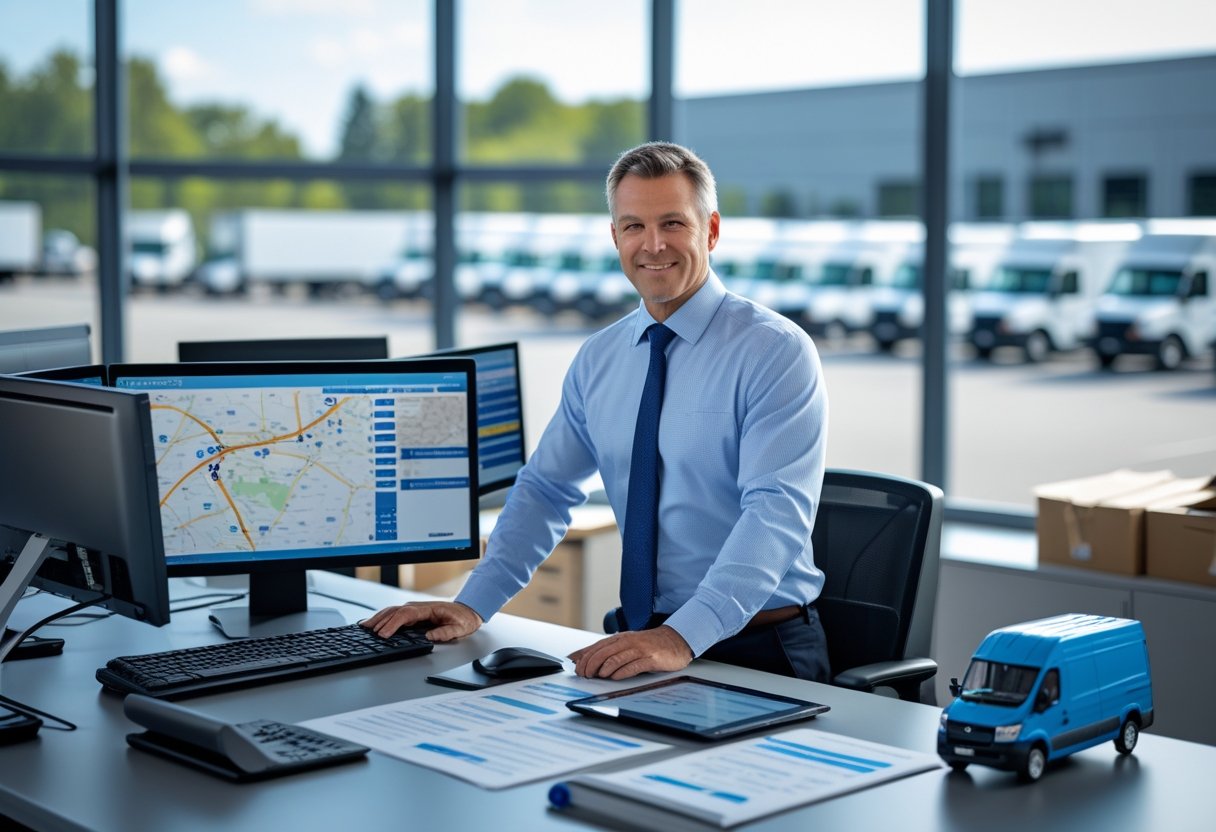
A fleet manager oversees vehicle acquisition, driver coordination, maintenance, and compliance. Their work keeps vehicles reliable, drivers safe, and the organization within regulations.
Vehicle Procurement and Lifecycle Management
Fleet managers handle vehicle selection, acquisition, and retirement. They forecast needs, compare costs, and decide whether to lease or buy.
They track each vehicle’s lifecycle using data like mileage and repair records. This helps decide when to replace vehicles before maintenance costs rise.
A simple example of lifecycle tracking:
Lifecycle StageKey ActionPerformance MetricAcquisitionEvaluate vehicle type and costCost per mileOperationMonitor usage and fuel efficiencyDowntime rateDisposalSell or trade-in at optimal timeResale value ratio
Managing these steps supports reliability and lowers total expenses.
Driver Management and Scheduling
Fleet managers supervise driver assignments, schedules, and performance. They assign routes based on delivery needs, load, and driver hours.
Scheduling helps prevent fatigue and promotes safety. Managers check compliance with safety rules and company standards.
Telematics systems help monitor driving behavior, such as speed or idling. Training programs keep drivers updated on laws and company expectations.
Recognizing good performance improves morale and reduces turnover. Consistent scheduling and oversight help fleets meet deadlines with fewer incidents.
Maintenance Oversight
A successful fleet manager runs an organized fleet maintenance program. Preventive maintenance keeps vehicles safe, reduces breakdowns, and extends service life.
Tasks like oil changes and tire checks require careful tracking. Digital maintenance systems record service intervals, warranties, and repair history.
These tools help plan downtime so vehicles are available when needed. Managers monitor costs to balance reliability and budget.
Quick repairs minimize disruption and support fleet safety.
Compliance and Regulatory Assurance
Fleet managers ensure vehicles and drivers meet all legal and company standards. They oversee compliance with safety rules, environmental standards, and licensing.
Driver checks include certifications, hours-of-service logs, and health documents. For vehicles, they verify inspections, emissions tests, and insurance.
Accurate documentation and timely reporting help prevent fines. Many use compliance software to track deadlines and audits.
Good oversight protects the organization from liabilities and keeps operations efficient.
Fleet Management Processes and Systems
Efficient fleet management uses integrated systems to oversee vehicles, monitor performance, and collect data. Accurate tracking, smart routing, and analysis help reduce costs and improve safety.
Fleet Management Software and Tools
A fleet management system combines technologies to monitor vehicles and drivers in real time. Modern fleet management software connects data from telematics systems, GPS trackers, and electronic logging devices (ELDs).
Managers can view vehicle locations, check maintenance alerts, and track driver hours. Common solutions include modules for fuel management, maintenance, and compliance.
Many platforms are cloud-based, giving access from desktops or mobile devices. Some systems automate maintenance reminders and route updates.
Telematics sensors support efficient tracking and transparency. These tools help managers make decisions to extend vehicle life and lower fuel use.
Route Planning and Optimization
Route planning and optimization use telematics data and GPS to design efficient travel paths. Fleet software reviews traffic, schedules, and distance to suggest the best routes.
This process cuts unnecessary mileage and fuel costs. Advanced systems adjust routes in real time for traffic or weather.
Some systems link with dispatch tools for better scheduling. Accurate vehicle tracking helps managers spot route problems and improve driver allocation.
Better routes reduce expenses and help drivers stay within duty rules.
Fleet Reporting and Data Analysis
Fleet reporting turns tracking and operational data into insights. Fleet reporting tools gather information on fuel use, driver behavior, and maintenance from software and telematics.
Dashboards show metrics like cost per mile, vehicle use, and downtime. Data analysis helps find inefficiencies and meet compliance.
Reports can highlight underperforming vehicles or unsafe driving. Fleet managers use reports to set goals and plan for future needs.
Reliable analytics support better planning, safety, and cost control.
Cost Control and Operational Efficiency
Fleet managers keep costs down by controlling fuel, managing maintenance, and limiting downtime. These factors affect efficiency and how well the fleet supports business goals.
Fuel Management and Consumption
Fuel is one of the largest costs in fleet management. Efficient fuel management systems track use, find waste, and alert managers to issues like idling.
Telematics data helps compare vehicle performance and spot problems. Promoting fuel-efficient driving—like smooth acceleration and less idling—reduces fuel use.
Training drivers and monitoring routes cut extra mileage and emissions. Automated tracking links fuel card data with telematics for better audits.
Managers may also explore alternative fuels or new vehicles for better long-term efficiency.
Maintenance Cost Management
Maintenance affects safety and stability. Good maintenance cost management uses predictive scheduling so vehicles are serviced before breakdowns.
Telematics helps track engine hours, mileage, and wear to plan service. Preventive maintenance extends vehicle life and lowers costs.
For example, timely tire rotation and oil changes reduce future repairs. Many fleets use digital schedules or software for alerts and tracking.
A simple comparison:
Maintenance TypeFrequencyCost ImpactEfficiency BenefitPreventiveRegularModerateHigh – reduces downtimeReactiveUnplannedHighLow – costly repairs
Careful scheduling keeps costs predictable and vehicles safe.
Reducing Vehicle Downtime
Vehicle downtime disrupts delivery schedules and raises expenses. Every hour off the road reduces fleet efficiency.
Managers can limit downtime by using preventive maintenance and clear procedures for quick issue reporting and repair tracking.
Integrating telematics and digital records helps spot patterns in breakdowns or delays. This approach allows for faster responses and better replacement decisions.
Vendor partnerships for priority servicing shorten turnaround times. Keeping a small reserve fleet or backup rentals ensures continuity when repairs are needed.
Driver Safety and Performance
Fleet managers focus on driver development, behavior oversight, and structured safety procedures. They rely on accurate data, regular training, and clear policies to reduce risk.
Driver Training Initiatives
Driver training builds the foundation for safety and compliance. Managers design programs based on company goals, legal rules, and vehicle types.
Training includes classroom sessions, on-road evaluations, and refresher courses. The goal is to reduce accidents and improve fuel efficiency.
Many fleets use simulation-based training to recreate challenging road conditions. This helps drivers practice decision-making in a safe setting.
Defensive driving courses and online learning platforms also support better behavior and performance. These programs lead to measurable improvements.
Fleet managers track progress with performance metrics like braking habits, speed compliance, and incident frequency. These metrics reveal skill gaps and guide further coaching.
The best training programs focus on ongoing learning, not just one-time certification.
Monitoring Driver Behavior
Monitoring driver behavior gives insight into daily operations and safety. Telematics systems record speeding, harsh braking, idling, and route deviations.
Managers use this data to assess risk and spot patterns needing attention.
Behavior-based monitoring tools help separate isolated mistakes from repeated rule violations. Regular reviews allow managers to address problems early.
Using dashcams, GPS tracking, and vehicle diagnostics together creates a full safety profile. This data supports targeted feedback and accountability.
Transparent reporting encourages drivers to follow safe practices.
Implementing Safety Programs
Comprehensive safety programs set procedures for driver and vehicle compliance. These include preventive maintenance schedules, incident reporting, and safety audits.
Key components often include:
- Policy documentation outlining safe driving expectations.
- Emergency response protocols for accidents and breakdowns.
- Compliance tracking for driver certifications and inspections.
Effective programs support communication between management, drivers, and support teams. Fleet managers update policies to match new regulations and technologies, improving reliability and driver safety.
Skills, Qualifications, and Career Paths
Fleet management requires analytical thinking, leadership, and technical skills. Professionals use both formal education and practical experience to control costs, ensure compliance, and lead teams.
Essential Skills and Competencies
A fleet manager uses analytical skills to track metrics, find trends, and plan maintenance or replacements. Strong attention to detail helps with records, safety, and cost control.
Leadership skills are crucial for managing drivers, mechanics, and vendors. Good managers communicate clearly, delegate, and maintain standards.
They also need strong organizational skills to handle procurement, maintenance, and documentation.
Technical skills help managers choose fleet software, telematics, and fuel systems. Comfort with data platforms supports route planning and downtime reduction.
A focus on problem-solving lets managers handle repairs or logistics disruptions quickly.
Fleet Manager Certifications
Professional certifications build credibility and show industry knowledge. Two main credentials are the Certified Automotive Fleet Manager (CAFM) and the Certified Automotive Fleet Specialist (CAFS) from NAFA.
The CAFM covers business management, maintenance, finance, and risk. It suits those managing large operations or aiming for senior roles.
The CAFS is narrower and fits those starting out or handling specific tasks like acquisition.
Certified professionals are often seen as better equipped for complex systems and cost control. Ongoing education in business, safety, and sustainability keeps skills up to date as technology changes.
Fleet Manager Salary Overview
Fleet manager salaries depend on experience, location, and industry. In 2025, average annual pay in the U.S. is $70,000–$100,000, with higher salaries in sectors like transportation, utilities, and construction.
Pay is affected by fleet size, budgeting duties, and technical skills. Those with CAFM certification or a business degree often earn more.
Bonuses or incentives are linked to cost savings, efficiency, and compliance, reflecting the manager’s impact on results.
Career Progression in Fleet Management
Fleet management offers a clear career path. Many start as assistant fleet coordinators or vehicle maintenance supervisors before moving up.
With experience, professionals advance to roles like senior fleet manager, regional fleet director, or transportation operations manager.
Those with strong leadership and business skills can become logistics directors or operations executives.
Progress depends on leadership, analytics expertise, and budget management. Extra training and certification open doors to higher-level jobs.
Challenges and Future Trends in Fleet Management
Fleet managers in 2025 face rising costs, stricter environmental rules, and fast-changing technology. They must balance daily tasks with long-term planning in maintenance, data, and workforce development.
Common Operational Challenges
Fleet operations face cost volatility from fuel prices, supply chain issues, and higher maintenance costs. Route planning and preventive maintenance help control expenses, but downtime remains a challenge.
Driver shortages and training gaps are common. Companies use retention programs and monitoring systems to boost safety and keep drivers.
Regulatory compliance adds complexity, with fleets needing to meet emission standards, logging rules, and data privacy laws.
A simplified overview of recurring problem areas:
ChallengePrimary ImpactTypical MitigationRising fuel costsIncreases total operating costFuel tracking, route optimizationMaintenance demandsVehicle downtime, reduced fleet performancePredictive maintenanceLabor shortagesLower service reliabilityDriver incentive programsComplianceAdministrative burdenFleet management software
These pressures require flexible operations and integrated management tools to maintain performance.
Sustainability and Green Fleet Initiatives
Environmental rules and corporate sustainability goals are changing fleet operations. More organizations adopt green fleet policies and use alternative fuels like compressed natural gas (CNG), electric, and hybrid systems to cut emissions.
Switching to low-emission vehicles means upfront costs and new infrastructure, such as charging stations. These investments often lead to lower long-term costs and help meet emission targets.
Fleets track carbon output per mile and fuel efficiency per vehicle. Telematics data reveals inefficient driving, helping reduce emissions and manage costs.
Integrating sustainability into supply chain management lets companies align transportation with wider environmental goals.
Emerging Technologies and Innovations
Digital tools now drive many advancements in fleet management. Telematics, AI-powered analytics, and Internet of Things (IoT) sensors enable precise tracking of fleet performance.
These technologies monitor vehicle diagnostics and help with route optimization. Real-time data lets managers adjust operations quickly to improve efficiency and safety.
Automation is playing a bigger role. Predictive maintenance algorithms can forecast mechanical issues and reduce costly repairs.
Some fleets are testing autonomous and semi-autonomous vehicles in controlled environments to boost productivity and safety.
Software integration is also important. Unified dashboards combine maintenance histories, driver data, and compliance records in one place.
As technology adoption grows, data security and interoperability are becoming top priorities.