How to start saving money
Lorem ipsum dolor sit amet, consectetur adipiscing elit lobortis arcu enim urna adipiscing praesent velit viverra sit semper lorem eu cursus vel hendrerit elementum morbi curabitur etiam nibh justo, lorem aliquet donec sed sit mi dignissim at ante massa mattis.
- Neque sodales ut etiam sit amet nisl purus non tellus orci ac auctor
- Adipiscing elit ut aliquam purus sit amet viverra suspendisse potent
- Mauris commodo quis imperdiet massa tincidunt nunc pulvinar
- Excepteur sint occaecat cupidatat non proident sunt in culpa qui officia
Why it is important to start saving
Vitae congue eu consequat ac felis placerat vestibulum lectus mauris ultrices cursus sit amet dictum sit amet justo donec enim diam porttitor lacus luctus accumsan tortor posuere praesent tristique magna sit amet purus gravida quis blandit turpis.

How much money should I save?
At risus viverra adipiscing at in tellus integer feugiat nisl pretium fusce id velit ut tortor sagittis orci a scelerisque purus semper eget at lectus urna duis convallis. porta nibh venenatis cras sed felis eget neque laoreet suspendisse interdum consectetur libero id faucibus nisl donec pretium vulputate sapien nec sagittis aliquam nunc lobortis mattis aliquam faucibus purus in.
- Neque sodales ut etiam sit amet nisl purus non tellus orci ac auctor
- Adipiscing elit ut aliquam purus sit amet viverra suspendisse potenti
- Mauris commodo quis imperdiet massa tincidunt nunc pulvinar
- Adipiscing elit ut aliquam purus sit amet viverra suspendisse potenti
What percentege of my income should go to savings?
Nisi quis eleifend quam adipiscing vitae aliquet bibendum enim facilisis gravida neque. Velit euismod in pellentesque massa placerat volutpat lacus laoreet non curabitur gravida odio aenean sed adipiscing diam donec adipiscing tristique risus. amet est placerat in egestas erat imperdiet sed euismod nisi.
“Nisi quis eleifend quam adipiscing vitae aliquet bibendum enim facilisis gravida neque velit euismod in pellentesque”
Do you have any comments? Share them with us on social media
Eget lorem dolor sed viverra ipsum nunc aliquet bibendum felis donec et odio pellentesque diam volutpat commodo sed egestas aliquam sem fringilla ut morbi tincidunt augue interdum velit euismod eu tincidunt tortor aliquam nulla facilisi aenean sed adipiscing diam donec adipiscing ut lectus arcu bibendum at varius vel pharetra nibh venenatis cras sed felis eget.
Managing equipment efficiently keeps operations running smoothly and prevents costly downtime. Many organizations now use digital tools to track assets, schedule maintenance, and monitor performance from a central platform.
Equipment management software helps organizations control equipment lifecycles, reduce maintenance costs, and improve asset reliability through data-driven insights.

This software brings order to complex operations by consolidating information about tools, machinery, and maintenance schedules. It replaces manual tracking with automated workflows that ensure preventive tasks happen on time and within budget.
As technology advances, these systems also integrate with analytics and IoT devices to provide real-time updates. Companies can choose from specialized solutions designed for different industries and business sizes.
Understanding how the software works, its key features, and the latest integration trends helps decision-makers select systems that improve performance and compliance.
What Is Equipment Management Software?

Equipment management software helps organizations monitor, track, and maintain their physical assets throughout their lifecycle. It centralizes asset data, improves record accuracy, and supports informed decisions about equipment allocation, usage, and maintenance.
This leads to greater reliability, lower costs, and longer asset lifespans.
Key Functions and Capabilities
Core functions include asset tracking, inventory management, and maintenance scheduling. The system logs asset details such as model, serial number, condition, and location.
Teams can view real-time status updates and assign equipment efficiently. Preventive and predictive maintenance tools notify users about upcoming service needs.
Some platforms integrate with IoT sensors, collecting data on equipment performance and usage trends. Many solutions also include lifecycle management, work order management, and resource allocation.
With customizable dashboards and reporting features, users can analyze utilization rates, maintenance costs, and depreciation.
A typical setup might include:
FunctionPurposeAsset TrackingKnowing exact equipment location and usage historyMaintenance ManagementScheduling inspections and repairs to prevent downtimeLifecycle ManagementManaging acquisition through disposalAnalytics & ReportingProviding data-driven decision support
Industries and Use Cases
Various industries rely on equipment management systems. Construction firms use them to track heavy machinery and schedule regular servicing.
Manufacturing operations monitor production tools to maintain uptime and compliance. Healthcare organizations track medical devices and ensure calibration schedules are met.
In logistics, companies use equipment tracking software to manage forklifts, vehicles, and warehouse tools. Public sector and utilities apply these systems for fleet and infrastructure maintenance.
Smaller service providers also benefit from asset management tools that reduce administrative work and improve visibility. Each industry values accurate equipment monitoring because lost or unavailable assets can delay operations and increase costs.
Tailored configurations let businesses adapt the system to specific asset types and regulatory requirements.
Benefits of Implementation
Implementing an equipment management system delivers practical benefits. It reduces manual recordkeeping and minimizes human error by automating data capture.
Teams can quickly locate tools, saving time spent searching or replacing misplaced assets. Preventive maintenance scheduling extends asset life and reduces unexpected downtime.
Accurate cost tracking supports budgeting and long-term planning. Integration with accounting or ERP platforms streamlines financial reporting and compliance documentation.
Core Features and Modules
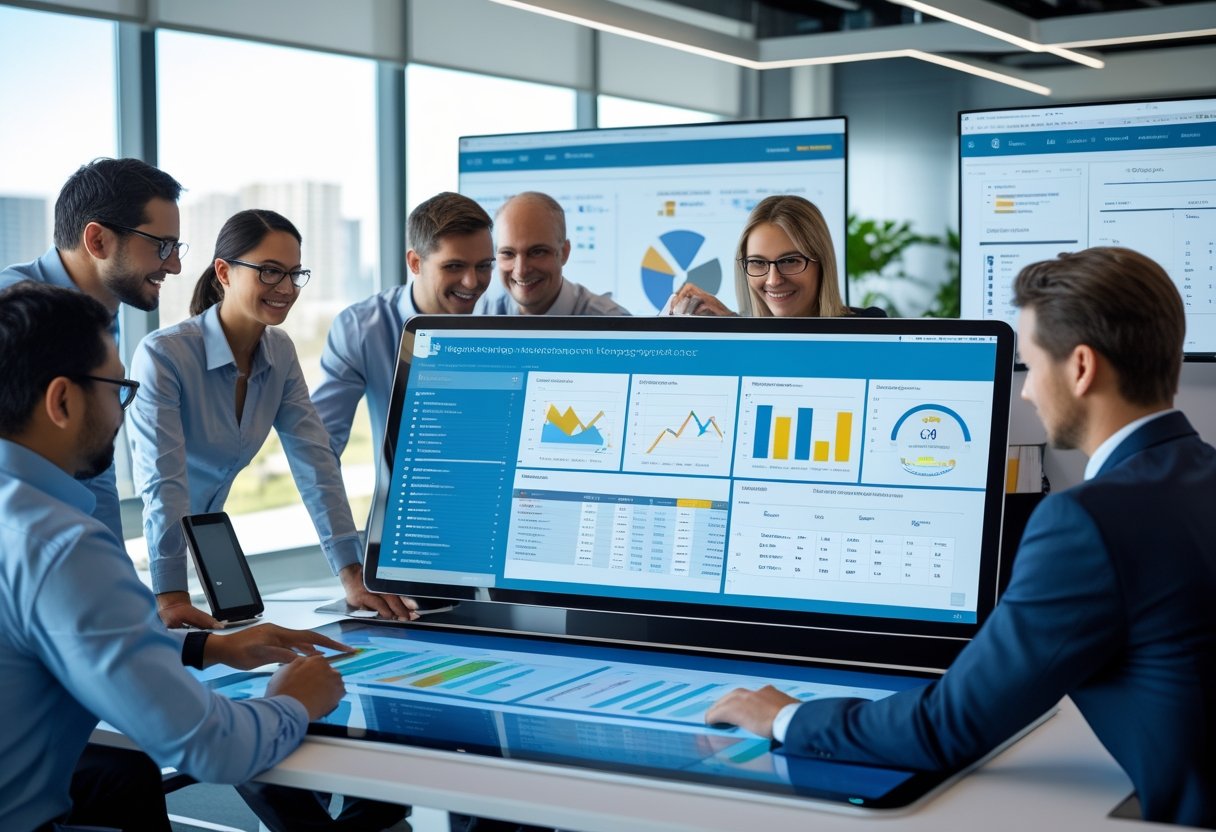
Modern equipment management software combines several integrated tools to help organizations maintain asset availability, control maintenance costs, and improve equipment performance. It centralizes asset data, automates maintenance activities, and provides visibility into resource use and lifecycle efficiency.
Asset Tracking and Inventory Management
Accurate asset tracking is essential for effective equipment management. The software enables teams to record each asset’s identification number, location, and condition.
Using barcode scanning or RFID tagging, they can update asset status and inventory transactions in real time. Inventory management modules maintain visibility of spare parts, consumables, and repair items.
Users can monitor stock levels, reorder thresholds, and supplier data in one interface. This prevents downtime caused by stock shortages.
Some systems include inventory control dashboards showing value by category, warehouse, or location. These insights help reduce excess inventory and identify usage trends.
Together, inventory tracking and asset management ensure accountability and improve operational readiness.
Maintenance Scheduling and Preventive Maintenance
A structured maintenance scheduling function helps organizations shift from reactive repairs to preventive maintenance. Equipment management systems allow users to schedule servicing tasks based on runtime, usage hours, or manufacturer recommendations.
Maintenance checklists standardize inspections and ensure required steps are completed. Automated reminders and calendar views keep teams informed about upcoming activities.
This consistency reduces unexpected breakdowns and extends asset life. Preventive maintenance schedules can also align with maintenance history, allowing condition-based adjustments.
Integration with equipment maintenance tracking software provides technicians with work instructions, spare part lists, and maintenance records directly from the system. By automating these processes, organizations achieve more predictable performance and lower long-term servicing costs.
Work Order and Repair Management
The work order management module centralizes requests, assignments, and records for all repair tasks. When an issue arises, teams create a digital work order that tracks task priority, technician assignment, and completion time.
Each work order connects maintenance activity with related assets, materials, and labor costs. This builds a complete record of equipment maintenance and supports compliance audits.
The system can issue notifications for pending approvals or delays, improving communication across departments. Integration with accounting and inventory modules helps track the cost of replacement parts and external service vendors.
By consolidating these details, the organization gains better visibility into repair trends and resource allocation.
Lifecycle and Performance Analytics
Asset lifecycle management tools monitor the entire lifespan of equipment—from acquisition and deployment to retirement. Users can evaluate depreciation, service costs, and downtime metrics in one view.
The analytics component uses real-time data to measure equipment performance, utilization rate, and availability. Visualization tools such as charts and comparison tables highlight areas of underperformance.
MetricExample InsightMean Time Between Failures (MTBF)Identifies reliability over timeMaintenance Cost per AssetReveals servicing efficiencyUtilization PercentageIndicates asset productivity
By capturing continuous performance analytics, organizations can make informed replacement decisions and plan capital investments.
Types of Equipment Management Software
Equipment management systems support different operational goals, from preventing unplanned downtime to tracking asset lifecycles and field operations. Each type emphasizes control, reliability, and data-driven decisions.
CMMS (Computerized Maintenance Management System)
A CMMS focuses on maintenance operations and asset reliability. It helps teams schedule preventive maintenance, manage work orders, and monitor parts inventory in real time.
Solutions such as Limble CMMS allow users to automate maintenance schedules and receive alerts for upcoming inspections or repairs. Maintenance professionals rely on CMMS tools for clear equipment histories and consistent maintenance tracking.
This data supports better cost forecasting and downtime reduction. The interface typically includes a dashboard for viewing open work orders, pending approvals, and technician assignments.
Some platforms integrate condition monitoring sensors to record temperature, vibration, or usage patterns. Others link directly with procurement modules to streamline parts ordering.
Businesses that adopt CMMS solutions often benefit from improved accountability and lower repair costs through structured maintenance software practices.
Enterprise Asset Management Platforms
Enterprise Asset Management (EAM) platforms go beyond maintenance to cover the full lifecycle of assets—from acquisition and operation to disposal or replacement. These systems centralize data for facilities, vehicles, and production equipment.
They provide a unified view for finance, operations, and compliance teams. EAM solutions often include risk management, asset depreciation tracking, and performance analytics.
This makes them suitable for large organizations that handle many assets across multiple sites. Integration with ERP systems helps align equipment decisions with capital planning and procurement strategies.
Typical features include configurable dashboards, workflow automation, and role‑based access. Compared to CMMS tools, EAM platforms handle higher data complexity and longer asset lifespans.
They support enterprise‑level control while maintaining visibility into daily asset management and maintenance activities.
Field Service and Fleet Management Solutions
Field service management and fleet management software handle distributed assets and remote operations. These tools coordinate technicians, vehicles, and equipment deployed off‑site.
A job management platform allows dispatchers to assign tasks, track progress, and verify completion through mobile apps. Fleet users benefit from integrated fleet tracking and telematics that record location, speed, and fuel usage.
This data supports compliance audits and predictive fleet maintenance. Alerts can notify managers when service intervals arrive or engine diagnostics signal potential issues.
Features like route optimization and digital forms improve efficiency and reduce administrative delays. Integrated analytics help identify underused assets or costly breakdowns.
These systems enhance control of mobile resources while ensuring safety and service reliability.
Key Integrations and Technology Trends
Equipment management software increasingly depends on connected sensors, data analytics, and mobile tools to improve operational visibility. Companies use these technologies to monitor asset conditions, access real-time information, and automate maintenance planning.
IoT Integration and Real-Time Tracking
The Internet of Things (IoT) enables continuous data exchange between equipment, tracking devices, and management platforms. Sensors linked to assets collect information such as usage hours, temperature, vibration, and location, sending it directly to centralized dashboards.
This helps teams detect problems earlier and reduce unplanned downtime. Real-time location tracking and GPS tracking give clear visibility into equipment use.
Construction and logistics firms rely on this data to schedule maintenance effectively and prevent loss or misuse. It also supports compliance by maintaining accurate service and calibration records.
Organizations can set up automated alerts to notify operators when assets move outside designated areas or need inspection. This improves accountability and ensures prompt response to issues.
IoT FunctionBenefitCondition sensorsDetect wear and abnormal performanceGPS trackingEnable real-time asset visibilityAutomated alertsSupport fast maintenance action
Mobile Applications and Cloud-Based Access
A mobile-first CMMS approach keeps technicians and managers connected in the field. With mobile applications, they can view asset histories, log maintenance actions, and capture photos or signatures using smartphones or tablets.
This reduces paperwork and improves data accuracy.
Cloud-based access keeps equipment data synchronized across locations. Users can check equipment availability, maintenance schedules, and parts inventories in real time.
Updates appear instantly, helping teams coordinate tasks without returning to a central office.
Mobile access also supports collaboration across departments. Supervisors monitor progress remotely, while technicians receive automated workflows and task assignments instantly.
These features lead to faster decision-making and consistent maintenance performance.
AI and Predictive Maintenance
Artificial intelligence improves maintenance planning with AI-driven insights that analyze sensor and usage data. Algorithms identify recurring faults and estimate equipment life more accurately than traditional schedules.
This shift allows teams to move from reactive repairs to preventive actions.
Condition monitoring systems work with AI models to evaluate pressure, temperature, and vibration. When readings exceed set thresholds, the software sends automated alerts for early intervention.
Predictive maintenance reduces unnecessary part replacement and supports better resource allocation. Over time, the system’s learning enhances forecasting accuracy and maintenance timing.
Choosing the Right Equipment Management Solution
Selecting equipment management software means balancing operational priorities, usability, and long-term value. Organizations consider how each platform handles maintenance scheduling, data accuracy, and reporting while ensuring compatibility with current technology and workflows.
Identifying Business Needs and Requirements
Adoption starts with clear goals, such as reducing downtime, maintaining asset records, or managing preventive maintenance. Teams should review the number and type of assets, maintenance frequency, and which staff will use the software.
Key criteria include:
- Ease of use for technicians and managers
- Mobile access for field teams
- Compliance tracking for regulated industries
- Budget alignment with subscription or licensing models
Solutions like Limble, UpKeep, and Fiix offer straightforward interfaces and mobile accessibility. Asset Panda and EZO are suitable for flexible asset tracking or barcode support. Defining functional and financial needs early helps narrow the options before comparing technical features or support services.
Comparing Top Vendors and Solutions
Comparing vendors means looking at features and service quality. Organizations assess maintenance scheduling, user permissions, reporting tools, and integrations.
Review platforms like Capterra and G2 offer verified user feedback on reliability and support.
VendorPrimary StrengthIntegration SupportLimbleIntuitive CMMS designAPI, ERP, IoTUpKeepReal-time mobile accessQuickBooks, ZapierMaintainXCustom forms, task trackingSlack, SalesforceTractianSensor-based predictive maintenanceIndustrial IoTCheqroomEquipment reservations and checkoutsGoogle Workspace
Software like GoCodes, Fracttal, and BigChange combine RFID tracking and fleet management. The best choice depends on daily use cases, ensuring reporting accuracy and response times meet operational needs.
Scalability, Customization, and Integration Considerations
As organizations grow, software must handle more assets, new facilities, or additional users. Systems such as eMaint CMMS, Click Maint, and Equips support scalability with modular architecture and cloud deployment.
Customization options—like customizable workflows, custom forms, and reporting dashboards—let teams match the software to their processes. Integration with financial or ERP tools streamlines data flow and reduces repeated entry.
Reliable customer support helps teams adjust configurations or solve integration issues. Choosing a platform with flexible APIs and regular updates keeps the system useful as needs change.
Optimizing Operations and Ensuring Compliance
Equipment management software refines daily operations and supports safety and regulatory requirements. It uses structured workflows, accurate inventory tracking, and compliance monitoring to improve reliability and reduce risk.
Workflow Optimization and Role-Based Management
Clear workflows improve visibility across departments and reduce bottlenecks. Equipment management platforms often include workflow optimization tools that automate tasks like maintenance scheduling, calibration alerts, and approvals.
By connecting tasks in a logical order, technicians and managers can focus on completing work orders instead of tracking paperwork.
Role-based user management defines what actions each employee can perform.
RoleTypical AccessExample ActionTechnicianView and update assigned tasksRecord calibration resultsSupervisorApprove maintenance logsAdjust work order prioritiesCompliance OfficerAudit equipment recordsRun safety reports
Access control strengthens accountability and data integrity. It also ensures consistent adherence to internal procedures and external standards.
Inventory Control and Spare Parts Management
Inventory management software reduces maintenance delays and unnecessary purchases. Systems track spare parts locations, reorder levels, and supplier details in real time.
When a technician requests a part, the software verifies stock and logs withdrawals for traceability.
A structured spare parts catalog shortens repair times and limits downtime. Integration with a lab management system or ERP platform centralizes records of material use and costs.
Managers can analyze maintenance costs by category to identify expensive items and plan purchases.
Automated reorder alerts prevent stockouts, while aging reports flag obsolete components. These features help maintain operational readiness without raising storage costs.
Safety Compliance and Regulatory Requirements
Compliance modules document inspections, calibrations, and certifications. They align processes with standards like ISO, GxP, or industry-specific regulations. Digital records confirm that equipment receives required checks before use.
Reporting tools create audit-ready summaries that track deviations and corrective actions. Dashboards show open compliance tasks, expiration dates, and upcoming audits.
This visibility lowers nonconformity risks and helps organizations prove accountability to regulators.
Consistent safety compliance protects employees by ensuring tools and instruments work within safe limits. With accurate maintenance documentation, compliance management becomes a continuous, traceable process.
Measuring Success and Future Directions
Strong equipment management relies on measurable results. Organizations track maintenance savings, equipment uptime, and process speed to see how well their asset management platform delivers value.
Reducing Maintenance Costs and Downtime
Well-implemented software lowers maintenance costs by improving predictive scheduling and reducing unplanned downtime. Maintenance teams use automated alerts to service equipment before breakdowns occur.
A consistent job tracking process ensures technicians know when and where repairs are needed. Standardized workflows within a centralized system make parts ordering, technician assignment, and completion tracking easier.
MetricTypical ImprovementMeasurement MethodDowntime reduction20–40%Unplanned hours vs. total production hoursMaintenance cost savings10–25%Budget before and after deploymentRepair frequencyReducedService logs comparison
By consolidating data, organizations see cost drivers and spot outdated maintenance strategies. Insights lead to budget savings and better equipment availability.
Driving Operational Efficiency
Equipment management software boosts operational efficiency by syncing asset data across maintenance, production, and finance teams. When everyone accesses the same real-time information, duplication drops and scheduling conflicts decrease.
Automated inventory tracking and digital work orders speed up response times. Technicians spend less time finding parts, while managers assign jobs based on workload and skill instead of guesswork.
Many platforms integrate with enterprise resource planning (ERP) or computerized maintenance management systems (CMMS). This removes bottlenecks between departments and lets decision-makers monitor resource utilization.
Production plans can be adjusted quickly, resulting in faster project turnaround and improved asset use.
Leveraging Analytics and Reporting Tools for Improvement
Modern reporting tools turn data into clear performance indicators. Dashboards show metrics like asset utilization, failure trends, and cost-per-equipment-hour to spot problems early.
Analytics modules compare past and current data. This helps managers see patterns that are easy to miss.
Managers can use these insights to adjust maintenance schedules and make better purchase decisions. This also helps improve overall efficiency.
Many systems offer customizable reports for compliance and audits. Teams can export summaries or create simple graphs to track return on investment.