Electrical Fleet Productivity: Strategies to Maximize Efficiency and Reduce Operational Costs
How to start saving money
Lorem ipsum dolor sit amet, consectetur adipiscing elit lobortis arcu enim urna adipiscing praesent velit viverra sit semper lorem eu cursus vel hendrerit elementum morbi curabitur etiam nibh justo, lorem aliquet donec sed sit mi dignissim at ante massa mattis.
- Neque sodales ut etiam sit amet nisl purus non tellus orci ac auctor
- Adipiscing elit ut aliquam purus sit amet viverra suspendisse potent
- Mauris commodo quis imperdiet massa tincidunt nunc pulvinar
- Excepteur sint occaecat cupidatat non proident sunt in culpa qui officia
Why it is important to start saving
Vitae congue eu consequat ac felis placerat vestibulum lectus mauris ultrices cursus sit amet dictum sit amet justo donec enim diam porttitor lacus luctus accumsan tortor posuere praesent tristique magna sit amet purus gravida quis blandit turpis.

How much money should I save?
At risus viverra adipiscing at in tellus integer feugiat nisl pretium fusce id velit ut tortor sagittis orci a scelerisque purus semper eget at lectus urna duis convallis. porta nibh venenatis cras sed felis eget neque laoreet suspendisse interdum consectetur libero id faucibus nisl donec pretium vulputate sapien nec sagittis aliquam nunc lobortis mattis aliquam faucibus purus in.
- Neque sodales ut etiam sit amet nisl purus non tellus orci ac auctor
- Adipiscing elit ut aliquam purus sit amet viverra suspendisse potenti
- Mauris commodo quis imperdiet massa tincidunt nunc pulvinar
- Adipiscing elit ut aliquam purus sit amet viverra suspendisse potenti
What percentege of my income should go to savings?
Nisi quis eleifend quam adipiscing vitae aliquet bibendum enim facilisis gravida neque. Velit euismod in pellentesque massa placerat volutpat lacus laoreet non curabitur gravida odio aenean sed adipiscing diam donec adipiscing tristique risus. amet est placerat in egestas erat imperdiet sed euismod nisi.
“Nisi quis eleifend quam adipiscing vitae aliquet bibendum enim facilisis gravida neque velit euismod in pellentesque”
Do you have any comments? Share them with us on social media
Eget lorem dolor sed viverra ipsum nunc aliquet bibendum felis donec et odio pellentesque diam volutpat commodo sed egestas aliquam sem fringilla ut morbi tincidunt augue interdum velit euismod eu tincidunt tortor aliquam nulla facilisi aenean sed adipiscing diam donec adipiscing ut lectus arcu bibendum at varius vel pharetra nibh venenatis cras sed felis eget.
Electrical fleet productivity affects a company's profit, service quality, and market position. Electrical contractors who use a structured, data-driven approach to fleet management can reduce downtime, lower costs, and improve technician productivity.
The gap between efficient fleets and those facing problems often depends on how well companies use modern technologies and planning. Managing an electrical service fleet involves coordinating tasks like vehicle maintenance, technician dispatching, and inventory control.
Every hour a vehicle sits idle or a technician waits for parts means lost revenue and lower customer satisfaction. These challenges require systematic solutions, not just quick fixes.
Modern fleet management uses tracking technologies, preventive maintenance, and optimized routing. The right strategies and tools can turn fleets from cost centers into assets that drive growth.
Maximizing Electrical Fleet Productivity
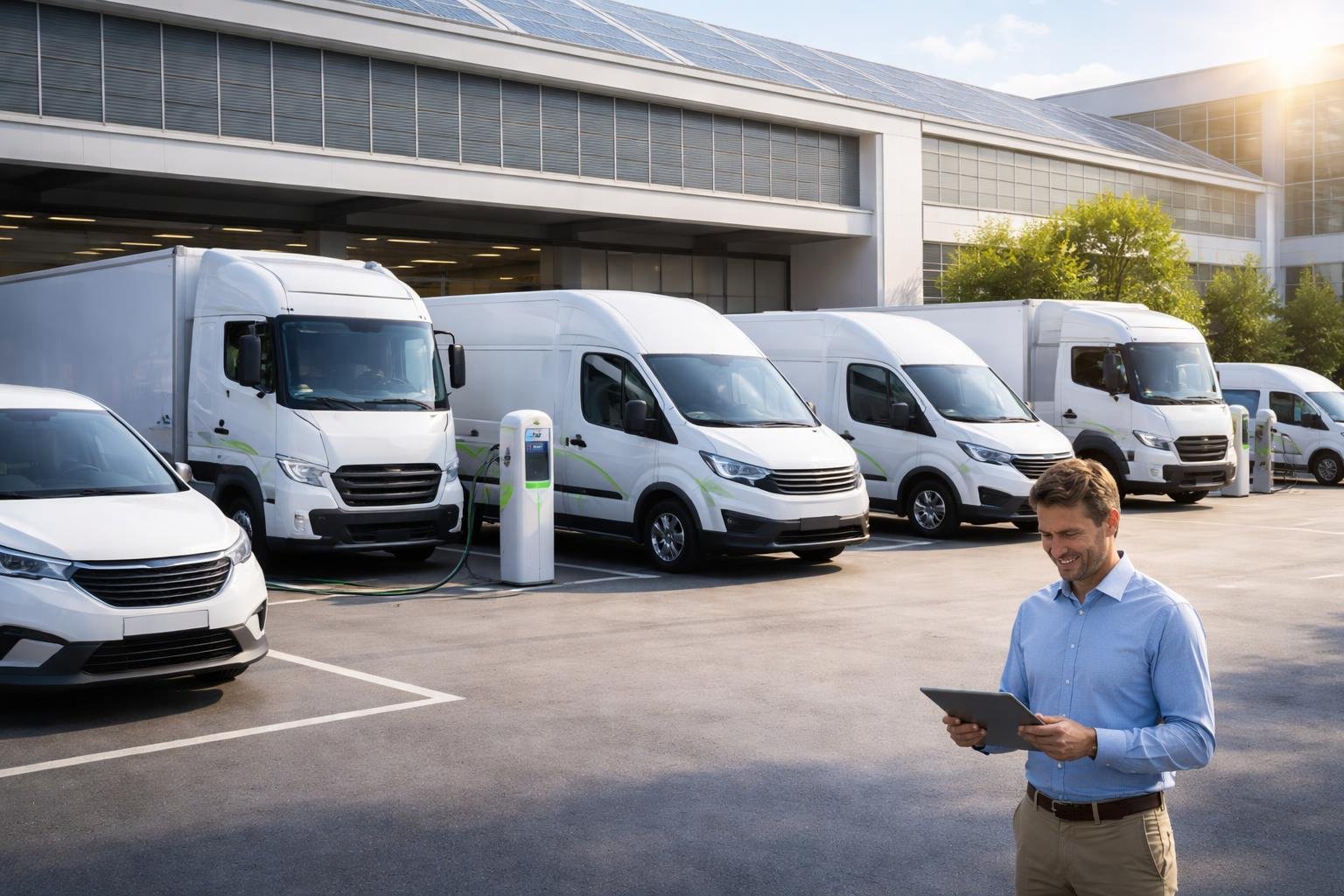
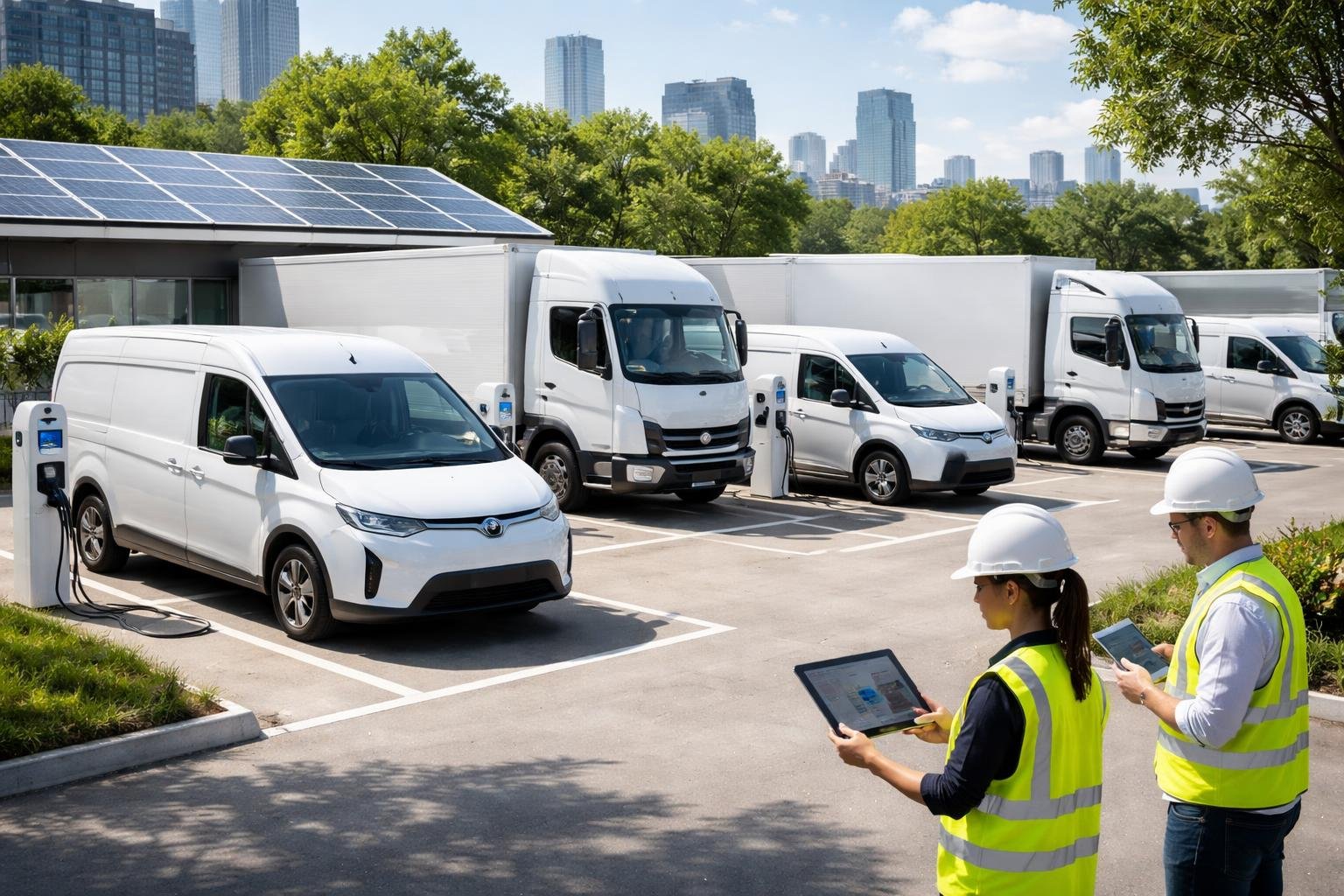
Electric fleet productivity depends on optimizing vehicle utilization, reducing downtime, and allowing technicians to complete more jobs each day. Electrical contractors must balance service delivery and operational efficiency across many work sites.
Core Principles of Fleet Productivity
Fleets are most productive when vehicles spend more time on revenue-generating work and less on charging or maintenance. Electrical businesses measure this with job completion rates, which show how well technicians move between service calls.
Route optimization is key for productivity. Electric vehicles need careful planning to manage range limits and charging locations.
Scheduling jobs based on battery capacity and access to charging infrastructure is important. Vehicle utilization rates measure overall fleet efficiency.
A productive fleet keeps high daily mileage within safe limits, with vehicles returning to base with enough battery left. This relies on accurate forecasting and real-time monitoring.
Charging schedules should match operational needs. Managers often schedule overnight charging during off-peak hours to ensure full batteries at the start of shifts.
Placing charging stations at key locations reduces downtime and extends range.
Key Challenges Facing Electrical Fleets
Range anxiety can affect service when technicians have to choose between more jobs or returning to charge. This can lower job completion rates, especially for contractors covering large areas.
Charging infrastructure availability can limit operations. Unlike diesel refueling, electric charging can take from 30 minutes to several hours, depending on the charger and battery size.
This downtime reduces how many service calls technicians can complete each day. Extreme temperatures can reduce battery performance and range.
Cold weather may lower battery capacity by 20-40%, so managers must adjust routes and schedules. Hot weather can also limit vehicle hours and productivity.
Electric vehicles still cost more upfront than gas or diesel ones. Businesses must weigh this investment against long-term savings to stay financially healthy and efficient.
Impact of Productivity on Electrical Businesses
Technician productivity affects revenue and customer satisfaction. Completing more service calls each day increases billable hours and reduces customer wait times.
Operational efficiency gives businesses a competitive edge. Well-managed electric fleets can reduce fuel costs by 60-70% compared to diesel, improving profit margins.
Electric vehicles offer quieter operation and quick acceleration, creating better working conditions. This helps reduce turnover and keep experienced technicians.
Optimizing electric fleets helps companies grow without raising operating costs as fast. Businesses can expand service areas while maintaining efficiency.
Fleet Tracking Technologies and Their Role

Fleet tracking technologies give contractors real-time visibility into vehicle locations, equipment status, and workforce deployment. These systems use GPS, telematics, and geofencing to optimize routes, reduce fuel costs, and improve service response times.
Real-Time Fleet Tracking and Visibility
Real-time tracking gives managers instant access to vehicle locations and operational data through cloud platforms. Updates happen every few seconds, letting dispatchers find the closest available technician for urgent calls or schedule changes.
These systems track more than location. They monitor diagnostics, idle time, speed, and maintenance needs.
Managers can spot inefficiencies like too much idling or poor routing. GPS tracking can improve productivity by up to 44% through better resource use and less admin work.
Automated arrival notifications free up technicians to focus on their work.
GPS Fleet Tracking for Electrical Contractors
GPS fleet tracking helps contractors manage their workforce across many sites. It gives accurate arrival estimates and helps managers time deliveries of materials and equipment.
Supervisors use GPS data to check timesheet accuracy and ensure crews arrive on time. This reduces payroll errors and provides proof for billing.
The systems also help protect equipment with theft alerts if vehicles move outside set times or areas. Managers use route data to spot patterns that waste fuel or time.
They can adjust routes or reassign technicians based on real travel data.
Geofencing and Asset Location Management
Geofencing sets virtual boundaries around places like job sites or warehouses. The system sends alerts when vehicles or equipment enter or leave these zones, removing the need for manual logs.
Asset tracking includes more than vehicles. It covers generators, lifts, wire spools, and testing equipment.
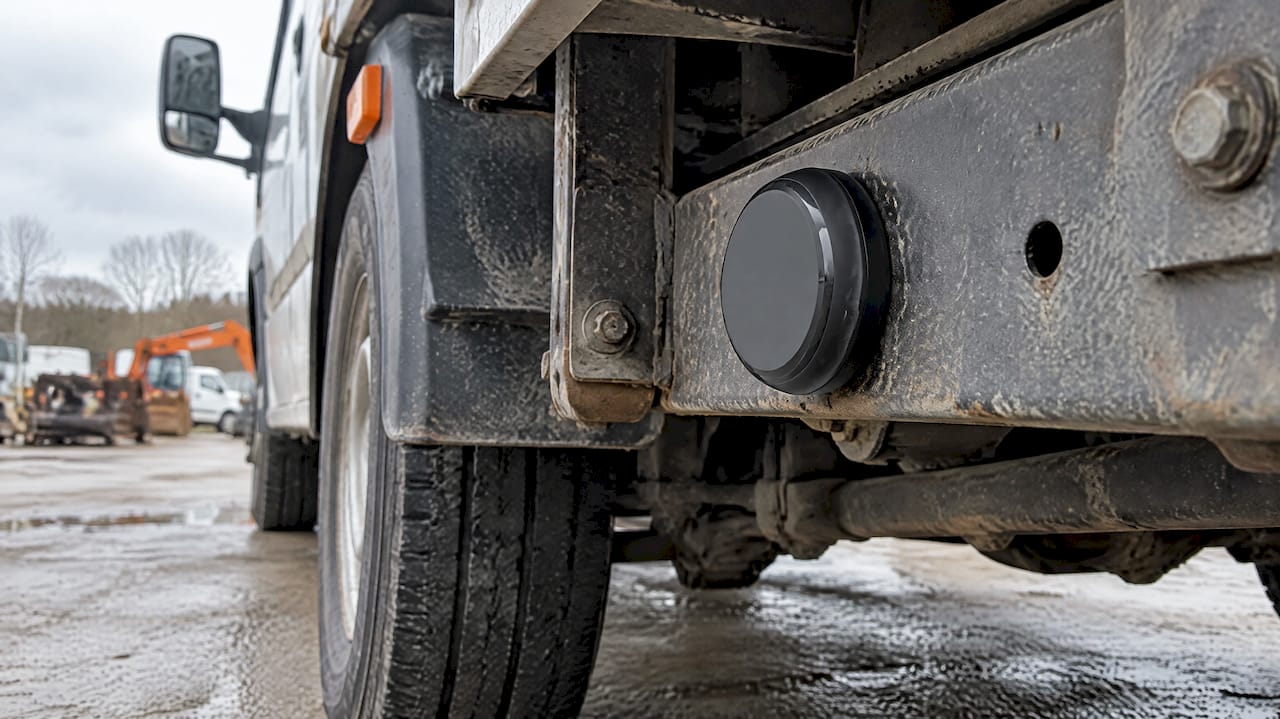
Battery-powered GPS trackers show asset locations in geofenced areas or wider regions. This prevents loss and helps crews find tools quickly.
Geofencing automates time tracking for projects with specific wage rules or multiple sites. The technology records entry and exit times, creating clear records for compliance.
Managers can also set alerts for unauthorized equipment movement after hours to reduce theft.
Strategic Fleet Management for Electrical Services
Effective fleet management uses technology, data, and efficient operations to lower costs and keep vehicles and crews working. Software platforms centralize information, helping contractors make decisions using real-time data and trends.
Fleet Management Software Overview
Fleet management software tracks vehicle locations, maintenance, and driver performance in real time. These platforms combine GPS, telematics, and mobile tools to provide visibility across the fleet.
Modern solutions offer automated dispatch, matching technicians with jobs based on location, skills, and equipment. Features often include work order management, inventory tracking, and customer communication.
Mobile apps let field technicians access job details, update status, and capture signatures without returning to the office. This reduces admin time and speeds up service.
The right software grows with the business, adding vehicles and users easily. Cloud-based platforms remove the need for in-house servers and allow access from anywhere.
Centralized Reporting and Analytics
Reporting and analytics turn fleet data into useful insights. Dashboards show key numbers like fuel use, maintenance costs, utilization rates, and safety scores.
Contractors can break down data by revenue, region, or vehicle type to spot trends and problems. Benchmark reports compare vehicles or drivers to fleet averages.
Predictive analytics spot maintenance needs before breakdowns happen, reducing downtime and repair costs. Historical data helps managers decide when to replace vehicles.
Custom reports let contractors track the metrics that matter most, from response times to inventory turnover. Automated scheduling sends updates to stakeholders without extra work.
Cost Savings Through Efficient Operations
Strategic fleet management brings cost savings with better routing, less fuel use, and lower maintenance. Route optimization finds the best paths for service calls, cutting mileage and improving first-time fix rates.
Proactive maintenance based on real usage prevents breakdowns and extends vehicle life. Preventive maintenance reduces repair costs by catching small issues early.
Fuel management tracks use and spots wasteful habits like idling or aggressive driving. Driver training based on telematics improves efficiency and safety.
Right-sizing the fleet removes underused vehicles but keeps enough for busy periods. Data-driven buying helps contractors choose vehicles with the best total cost for their needs.
Optimizing Routes and Dispatch
Good route management and dispatch coordination help fleets complete more service calls each day while controlling fuel and wear. Optimized routes and dispatching can increase jobs by 2-3 per technician daily and cut drive time by 25-35%.
Route Planning and Optimization Techniques
Modern route planning systems sequence service calls using factors like location, technician skills, job priority, and current traffic. This ensures technicians spend less time driving and more time working.
Grouping nearby calls together reduces backtracking and extra mileage. The system matches jobs with technicians who have the right certifications and experience, avoiding wasted trips.
Key optimization factors include:
- Real-time traffic integration to avoid congestion and delays
- Job duration estimates based on past completion times
- Customer time windows for scheduled appointments
- Equipment and material needs for each call
- Skill matching between technician abilities and job requirements
Fleet managers can cut route miles by 20-30% using automated algorithms that update as new requests come in.
Accurate ETAs and Response Times
GPS tracking with traffic data gives customers reliable arrival windows instead of vague timeframes. This accuracy reduces missed appointments and improves customer satisfaction.
Dispatchers can manage technician schedules more effectively. Accurate time estimates include drive time, expected job duration, and buffer periods for delays.
When emergencies happen, the system identifies which technician can respond fastest based on location and availability. This removes the need for dispatcher guesswork.
Fleet operations with ETA tracking often reach 98% on-time delivery rates. Real-time updates notify customers about technician arrivals, reducing long waits and helping them plan building access or availability.
Effective Dispatching Practices
Dispatchers using automated systems can handle more calls and make better assignments. The software checks all available technicians and recommends the best match based on location, skills, workload, and job priority.
Dynamic dispatch adjustments help manage urgent requests without disrupting all planned routes. The system can reassign or reschedule lower-priority jobs to keep productivity high.
Automated dispatch reduces manual work and saves administrative time. Routine assignments are handled by the system, letting dispatchers focus on complex issues like customer escalations or multi-technician jobs.
Minimizing Downtime and Elevating Maintenance
Good maintenance management keeps electrical fleets productive by preventing breakdowns and extending vehicle life. A mix of scheduled service, real-time monitoring, and data-driven predictions keeps vehicles running and controls costs.
Proactive Maintenance Scheduling
Maintenance scheduling prevents equipment failures before they happen. Fleet managers set regular service intervals based on manufacturer advice, vehicle age, and usage.
This schedule includes oil changes, brake checks, electrical system inspections, and tire rotations. High-mileage vehicles get checked more often than those with lighter use.
Digital systems track service history and automatically flag vehicles that need attention soon. Managers plan service during off-peak hours or rotate vehicles to keep enough available for work.
Documentation is important. Detailed service records help spot patterns and plan future maintenance.
Maintenance Alerts and Engine Diagnostics
Modern telematics systems send maintenance alerts based on real-time vehicle data. Alerts notify managers when certain limits are reached, like engine hours, mileage, or fault codes.
Engine diagnostics give details about vehicle health. Sensors monitor battery voltage, fluid levels, tire pressure, and emissions.
If a problem is detected, the system sends alerts so maintenance teams can act quickly. Fleet management software centralizes alerts for all vehicles, showing which need attention and how urgent each issue is.
Predictive and Preventive Maintenance Approaches
Preventive maintenance follows set schedules to reduce downtime. This includes fluid changes, filter replacements, and belt checks at regular intervals.
Predictive maintenance uses data and sensors to forecast when parts might fail. It looks at engine temperature, vibration, and fluid quality to spot problems early.
Maintenance happens only when needed, saving on parts and labor. Using both preventive and predictive methods gets the best results for electrical fleets.
Preventive work handles routine wear, while predictive analytics catch new problems. Fleet managers can cut maintenance costs by 30-40% with these strategies.
Advanced systems use machine learning to improve predictions over time. Past repair data and vehicle use help the system recognize patterns for each vehicle type.
Enhancing Driver Performance and Monitoring
Electric fleet managers using driver monitoring see better safety and lower costs. Real-time tracking and performance analytics help electrical service companies spot risky behaviors, reduce idling, and keep technician standards consistent.
Driver Behavior Monitoring and Safety
Driver monitoring uses cameras, sensors, and AI to track performance in electric fleet vehicles. These systems watch for harsh braking, fast acceleration, speeding, and distracted driving.
Fleet managers get instant alerts for risky driving, allowing quick coaching. The data creates individual driver profiles showing where each person can improve.
Key metrics tracked include:
- Hard braking events - shows aggressive driving or inattention
- Speeding incidents - compared to posted limits
- Acceleration patterns - affects electric vehicle battery life
- Cornering behavior - impacts stability and cargo safety
- Seatbelt compliance - tracks basic safety habits
Advanced systems use this data to create driver safety scores. These scores guide training and reward top performers.
Smooth driving helps electric vehicles go farther and need less charging.
Reducing Idle Time and Fuel Consumption
Idle time wastes productivity, even for electric vehicles, as batteries drain when running climate control or tools while stopped. Monitoring systems track idle times and show patterns that waste energy.
Fleet managers set idle time limits that trigger alerts to drivers and supervisors. Less idle time means longer range and fewer charges for electric fleets.
Ways to reduce idle time:
- Set automatic shutoff after a set time
- Track arrival and departure at job sites
- Monitor breaks and between-job pauses
- Analyze routes to cut wait times
Electric vehicles with pre-conditioning let technicians heat or cool the cabin while charging, so they don’t need to idle for comfort.
Technician Accountability and Training
Performance monitoring creates clear records of driving habits and vehicle use. This supports fair accountability and shows where training is needed.
Fleet managers use performance data to design training that targets common issues. New technicians learn expectations, while experienced drivers get refreshers on new topics.
Regular reviews help technicians understand how their actions affect fleet safety and efficiency. Reward programs for safe and efficient driving encourage good habits.
Training should also cover electric vehicle topics, like regenerative braking and battery care, which are different from gas vehicles.
Inventory and Asset Management Integration
Electrical fleets need systems that track both vehicles and the tools they carry. Integrating inventory and asset management removes double data entry and gives a full view of all resources.
Real-Time Asset Management
Real-time asset management uses GPS and telematics to track vehicle locations, equipment status, and tool inventory. These systems monitor tools, diagnostic gear, wire spools, and materials as they move between sites and warehouses.
Fleet managers can quickly see which vehicles have specific tools or equipment. This saves time searching for items and prevents delays from missing materials.
Integration connects telematics with asset tracking databases to keep accurate records of:
- Equipment maintenance schedules and service history
- Tool calibration dates and certifications
- Current location and movement of high-value items
- Driver assignments and equipment responsibility
QR code systems add another tracking layer. Technicians scan items during loading and unloading, creating audit trails that reduce loss and improve accountability.
Inventory Management for Electrical Fleets
Inventory management systems for electrical fleets monitor consumable materials, replacement parts, and specialized tools. These platforms track stock levels across vehicles and storage locations and automate reorder triggers based on usage.
Modern systems categorize inventory by job type. Dispatchers can check that technicians have the right materials before sending them out.
Wire gauges, conduit fittings, circuit breakers, and connection hardware each receive tracking codes. These codes link materials to specific projects and work orders.
The system synchronizes inventory data with maintenance schedules. This helps ensure vehicles stay stocked with safety equipment and testing devices.
Automated alerts notify managers when consumables are low or when equipment is near expiration.
Fleet-specific inventory software tracks material costs per job and vehicle. This data supports pricing decisions and profitability analysis.