Landscaping Fleet Utilization: Maximizing Equipment Efficiency and Reducing Operational Costs
How to start saving money
Lorem ipsum dolor sit amet, consectetur adipiscing elit lobortis arcu enim urna adipiscing praesent velit viverra sit semper lorem eu cursus vel hendrerit elementum morbi curabitur etiam nibh justo, lorem aliquet donec sed sit mi dignissim at ante massa mattis.
- Neque sodales ut etiam sit amet nisl purus non tellus orci ac auctor
- Adipiscing elit ut aliquam purus sit amet viverra suspendisse potent
- Mauris commodo quis imperdiet massa tincidunt nunc pulvinar
- Excepteur sint occaecat cupidatat non proident sunt in culpa qui officia
Why it is important to start saving
Vitae congue eu consequat ac felis placerat vestibulum lectus mauris ultrices cursus sit amet dictum sit amet justo donec enim diam porttitor lacus luctus accumsan tortor posuere praesent tristique magna sit amet purus gravida quis blandit turpis.

How much money should I save?
At risus viverra adipiscing at in tellus integer feugiat nisl pretium fusce id velit ut tortor sagittis orci a scelerisque purus semper eget at lectus urna duis convallis. porta nibh venenatis cras sed felis eget neque laoreet suspendisse interdum consectetur libero id faucibus nisl donec pretium vulputate sapien nec sagittis aliquam nunc lobortis mattis aliquam faucibus purus in.
- Neque sodales ut etiam sit amet nisl purus non tellus orci ac auctor
- Adipiscing elit ut aliquam purus sit amet viverra suspendisse potenti
- Mauris commodo quis imperdiet massa tincidunt nunc pulvinar
- Adipiscing elit ut aliquam purus sit amet viverra suspendisse potenti
What percentege of my income should go to savings?
Nisi quis eleifend quam adipiscing vitae aliquet bibendum enim facilisis gravida neque. Velit euismod in pellentesque massa placerat volutpat lacus laoreet non curabitur gravida odio aenean sed adipiscing diam donec adipiscing tristique risus. amet est placerat in egestas erat imperdiet sed euismod nisi.
“Nisi quis eleifend quam adipiscing vitae aliquet bibendum enim facilisis gravida neque velit euismod in pellentesque”
Do you have any comments? Share them with us on social media
Eget lorem dolor sed viverra ipsum nunc aliquet bibendum felis donec et odio pellentesque diam volutpat commodo sed egestas aliquam sem fringilla ut morbi tincidunt augue interdum velit euismod eu tincidunt tortor aliquam nulla facilisi aenean sed adipiscing diam donec adipiscing ut lectus arcu bibendum at varius vel pharetra nibh venenatis cras sed felis eget.
Managing a landscaping fleet means balancing vehicles, equipment, and crews across different job sites. At the same time, managers must control costs and maintain service quality.
Fleet utilization measures how effectively a landscaping company uses its available fleet time and capacity for productive, revenue-generating work. Poor utilization leads to idle equipment, wasted fuel, and unnecessary maintenance expenses.
Most landscaping businesses struggle with optimal fleet utilization due to limited visibility into asset use throughout the day. Knowing which vehicles and equipment are productive versus idle helps managers make better decisions about deployment, staffing, and investments.
The difference between a well-utilized and an underutilized fleet can determine whether a company is profitable.
This article covers key components of fleet utilization for landscaping operations. Topics include using technology for better tracking, optimizing routes and schedules, implementing preventive maintenance, controlling fuel costs, and building accountability across teams.
The Fundamentals of Landscaping Fleet Utilization
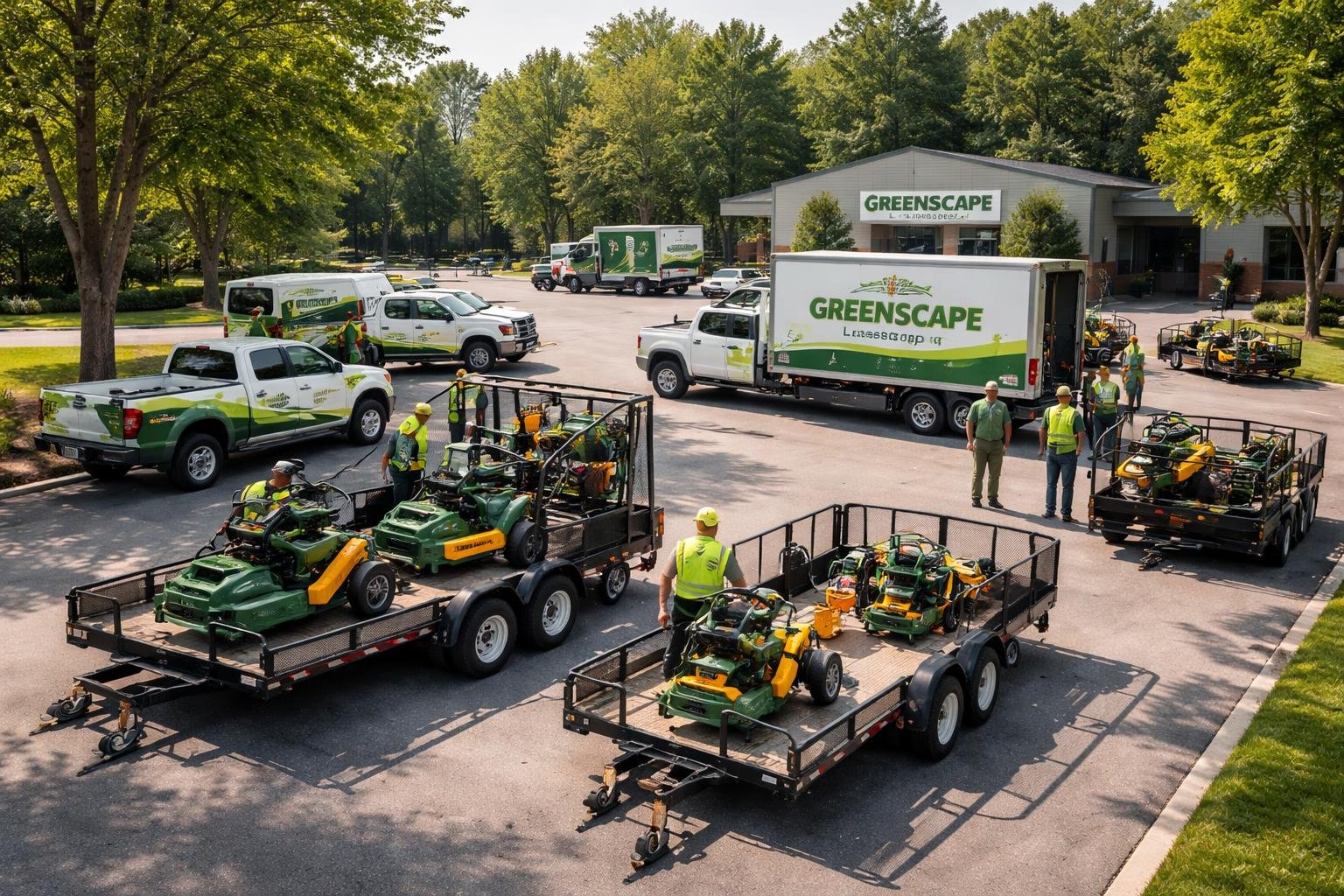
Understanding fleet utilization in landscaping starts with knowing how vehicle deployment affects costs and service capacity. Fleet managers need to track specific metrics and handle challenges like seasonal demand and diverse equipment.
What Is Landscaping Fleet Utilization?
Fleet utilization is the ratio of productive vehicle usage to total available capacity in a landscaping operation. It measures how well trucks, mowers, trailers, and specialized equipment contribute to revenue-generating activities.
Utilization is calculated by tracking hours or days when vehicles actively support job sites compared to their potential availability. For example, a fleet with 10 trucks available 260 working days per year has 2,600 potential vehicle-days. If those trucks work 1,950 days, the fleet achieves 75% utilization.
Utilization goes beyond tracking movement. It includes equipment deployment patterns, crew assignments, and seasonal workload changes. A mower used 40 hours weekly in peak season but only 10 hours in winter faces different utilization challenges than a year-round truck.
Why Fleet Utilization Matters in Landscaping
Low utilization increases the cost per service hour because fixed expenses like insurance and depreciation continue even when vehicles are unused. A truck that sits unused still generates about 60% of its ownership costs.
Higher utilization spreads fixed costs across more billable hours, lowering per-job expenses. This efficiency improves profit margins and allows for more flexible pricing.
Fleet utilization data also highlights capacity limits and growth opportunities. Fleets running at 85-90% utilization may find it hard to take on new contracts, while those at 50-60% have excess capacity that reduces profitability. Utilization reports help managers decide which vehicles to keep, reassign, or retire.
Key Metrics for Measuring Utilization
Core utilization metrics for landscaping fleets include:
- Asset utilization rate: Percentage of available time vehicles spend on active jobs
- Revenue per vehicle: Total income divided by fleet size
- Idle time percentage: Hours vehicles are unused during business hours
- Miles per gallon efficiency: Fuel use compared to distance traveled
- Cost per mile: Total expenses divided by miles driven
MetricTarget RangeCalculation MethodVehicle utilization70-85%(Active hours ÷ Available hours) × 100Equipment utilization60-75%(Operational days ÷ Total days) × 100Idle time<15%(Unused hours ÷ Total hours) × 100
Tracking these metrics requires regular data collection using GPS, manual logs, or fleet management software. Daily monitoring helps managers spot trends and fix inefficiencies before they hurt profitability.
Common Challenges in Fleet Utilization
Seasonal demand changes are a major utilization challenge for landscaping operations. Spring and summer often push the fleet to full capacity, while winter leaves vehicles underused.
Equipment diversity adds complexity because different asset types have different usage patterns. Specialized machines like aerators or stump grinders usually have lower utilization but are still necessary.
Maintenance scheduling can conflict with utilization goals. Vehicles may need repairs during busy times, but delaying maintenance risks breakdowns that cause longer downtime.
Route inefficiencies and poor scheduling can also lower utilization. Trucks traveling long distances between sites or crews waiting for equipment reduce productive hours. Grouping jobs by location and coordinating dispatching helps solve these issues.
Strategies to Optimize Fleet Utilization
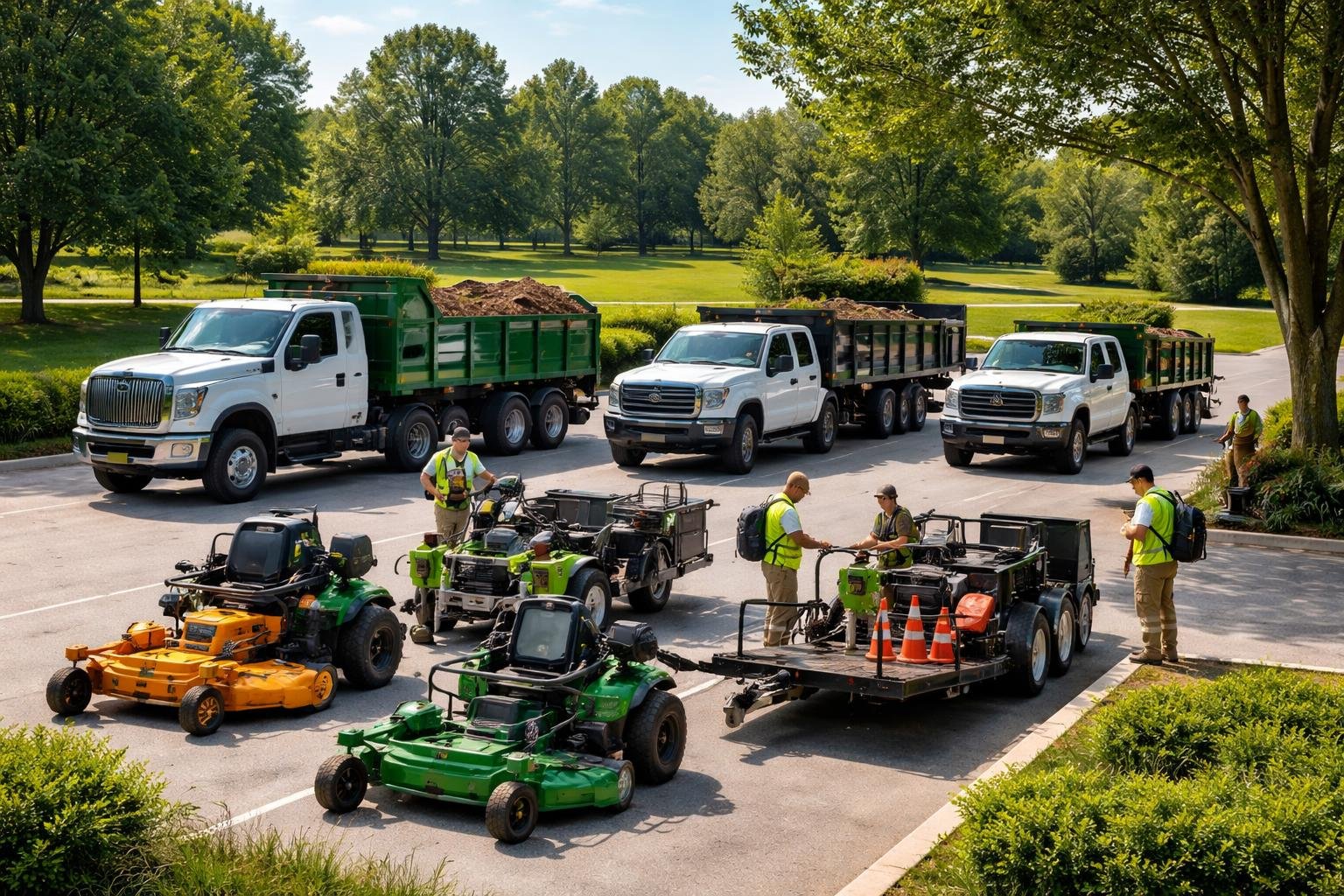
Landscaping businesses can improve performance by focusing on vehicle allocation, workload distribution, and time management. These strategies help reduce costs and boost service quality.
Fleet Right-Sizing and Allocation
Fleet managers should use utilization data to decide how many and what types of vehicles are needed. Reviewing usage patterns helps identify underutilized assets and remove excess capacity that increases maintenance and insurance costs.
Right-sizing means matching vehicle types to job needs. For example, smaller trucks may handle most jobs while larger ones sit idle. Some companies adjust fleet size seasonally or move vehicles between crews based on project needs.
GPS tracking data shows which vehicles generate revenue and which stay parked. Managers can then decide to sell, reassign, or replace specific assets. This approach prevents both shortages that delay jobs and surplus vehicles that waste money.
Balanced Scheduling and Capacity Planning
Effective scheduling maximizes each vehicle’s productive hours. Fleet management systems let dispatchers assign jobs based on vehicle location, capacity, and equipment needs, reducing manual errors.
Route optimization cuts travel time between job sites by 15-25%. Grouping nearby properties into daily routes means trucks spend more time working and less time driving. This also saves fuel and reduces wear.
Capacity planning forecasts seasonal demand and adjusts fleet deployment. Busy months need full fleet activation, while slower periods may require rotating specialized equipment. Good scheduling prevents vehicles from sitting unused or being overworked.
Reducing Idle Time and Downtime
Idle time is a major drain on fleet utilization. Fleet management technology can spot vehicles that stay stationary with engines running, often during breaks or between jobs. Idle reduction protocols can cut fuel waste by 10-20% each year.
Scheduling preventive maintenance reduces breakdowns that take vehicles out of service during busy seasons. Regular inspections catch small issues before they become big problems. Digital systems can alert managers when service is due.
Quick vehicle turnaround between jobs is important. Organized staging areas and efficient loading help crews get ready faster. Preparing equipment lists the night before can reduce morning idle time by up to 45 minutes per vehicle, ensuring trucks leave fully equipped.
The Role of Technology in Maximizing Utilization
Technology gives landscaping fleets real-time visibility into vehicle locations, equipment use, and maintenance needs. Digital tools help managers make data-driven decisions that reduce idle time and improve resource allocation.
Fleet Management Software Solutions
Fleet management software tracks vehicle assignments, schedules maintenance, and monitors driver activities from one platform. Automation reduces administrative work and scheduling errors.
Modern platforms link vehicle data with job management systems, matching equipment availability to customer needs. Managers can view real-time utilization rates and spot underperforming assets for reallocation or disposal. The software provides reports on hours of operation, fuel use, and cost per job.
Key capabilities include:
- Automated maintenance scheduling based on usage
- Digital inspection forms and compliance tracking
- Driver assignment optimization
- Fuel card integration and expense monitoring
Cloud-based software lets managers access information from mobile devices in the field. This allows quick responses when equipment breaks down or schedules change.
Telematics and Data Analytics
Fleet telematics systems use GPS and onboard diagnostics to give detailed insights into vehicle performance and driver behavior. They track metrics like engine idle time, harsh braking, and route efficiency.
Data analytics process telematics information to find patterns affecting utilization. For example, a company may find certain trucks idle too long at job sites or that specific routes cause delays. Machine learning can predict maintenance needs and prevent costly downtime.
Telematics data shows the gap between scheduled and actual productive time. Managers use this insight to adjust crew sizes, change routes, or reassign equipment.
Equipment and Asset Tracking
Equipment tracking technology monitors the location and use of trailers, mowers, trimmers, and other assets with GPS or RFID tags. This helps prevent loss and ensures the right tools reach each job site.
Asset tracking records when equipment enters or leaves the yard, creating an audit trail. Managers can monitor usage hours to plan maintenance and replacements based on real data.
Equipment tracking benefits:
BenefitImpactTheft preventionInstant alerts when assets leave set areasUtilization monitoringFinds underused equipment for reallocationMaintenance timingTracks operating hours automatically
Fleet tracking can integrate with billing systems for accurate customer charges. This reduces manual tracking and billing disputes.
Route Optimization and Job Scheduling
Good route planning can cut fuel costs by up to 35% and increase daily job capacity. Strategic territory management and automated scheduling help convert wasted drive time into billable work.
Advanced Route Planning Techniques
Route density is key to profitable operations. Clustering jobs within small geographic zones lets crews complete several sites close together, reducing driving time.
Modern route planning software considers:
- Customer locations and service frequency
- Crew skills and equipment needs
- Traffic and road conditions
- Job duration estimates
Territory-based routing assigns crews to specific zones, lowering fuel use and increasing local expertise. Teams become familiar with regional conditions and spend less time traveling.
Automated systems calculate the best routes, considering service windows, priorities, and equipment availability. Managers can adjust route density targets based on the season.
Utilizing Geofencing for Site Efficiency
Geofencing sets virtual boundaries around customer properties and service areas. When vehicles enter or exit these areas, automated actions are triggered.
Arrival notifications can be sent to customers, giving accurate crew ETA updates and improving satisfaction.
Geofences track actual service times, helping managers see which jobs run over schedule. This data improves future planning and route accuracy.
The technology also prevents unauthorized stops and route deviations. Managers get alerts when vehicles spend too much time outside work zones, allowing quick action.
Dynamic Dispatch and Real-Time Adjustments
Weather disruptions, equipment failures, and schedule changes require immediate responses. Dynamic dispatch systems let managers reassign jobs instantly based on current crew locations and availability.
GPS tracking shows live vehicle positions to inform reassignment decisions. When a crew finishes early, dispatchers can send them to the nearest pending job to maximize productive hours.
If a team faces delays, managers shift remaining appointments to other crews nearby. This flexibility keeps operations efficient.
Real-time communication between office staff and field teams allows for two-way updates. Crews report actual conditions, while dispatchers relay priority changes or emergency requests.
The system checks several factors before making reassignments. These include remaining drive time, crew certification, and equipment already loaded on vehicles.
This approach avoids sending teams to jobs they cannot complete with their current resources.
Maintenance and Upkeep for High Utilization
High fleet utilization requires strict maintenance to prevent breakdowns and equipment failures. Landscaping businesses should use structured preventive maintenance programs, scheduling tools, and automated alerts to keep vehicles and equipment running during busy seasons.
Preventive Maintenance Best Practices
Preventive maintenance is essential for maintaining high fleet utilization. Regular inspections should cover engine oil, hydraulic fluids, air filters, tire pressure, and brake systems.
Equipment operators should perform daily pre-shift checks to spot issues before they become serious. Scheduled oil changes, filter replacements, and lubrication should follow manufacturer guidelines.
This practice extends equipment life and reduces unexpected downtime. Fleet managers should keep detailed maintenance records for each vehicle and piece of equipment to track repairs and spot recurring problems.
Seasonal maintenance is also important. Spring checks focus on cooling systems and air conditioning, while fall maintenance prepares batteries and heating systems for winter.
Maintenance Scheduling Tools
Fleet maintenance software makes scheduling easier by keeping all vehicle and equipment data in one place. These tools track maintenance history, monitor service intervals, and generate reports on fuel use and repair costs.
Digital scheduling systems remove guesswork from maintenance planning. Fleet managers can schedule inspections and routine services well in advance.
Real-time tracking shows which assets need immediate attention. Utilization reports highlight high-cost areas and underperforming equipment, helping managers make better decisions about asset use and replacement.
Maintenance Alerts and Automated Reminders
Automated maintenance alerts notify fleet managers when vehicles or equipment are due for service. These reminders are based on engine hours, mileage, or calendar dates.
Automatic notifications reduce paperwork and the chance of missing a service. Alerts can be set up for routine inspections, emissions tests, registration renewals, and major repairs.
Telematics integration adds real-time data on vehicle performance and potential issues. This helps maintenance teams fix problems before they cause equipment failure or safety risks.
Fuel Efficiency and Cost Control
Fuel is one of the largest variable expenses in landscaping fleet operations. It often makes up 20-30% of total operating costs.
Effective monitoring and management of fuel consumption can cut these costs by up to 30%.
Monitoring and Managing Fuel Consumption
Fleet managers need accurate data to find fuel waste and patterns. Real-time fuel tracking systems capture transaction data automatically, removing the need for manual logs.
These systems show which vehicles use too much fuel or have unauthorized purchases. Idle time monitoring is important for landscaping fleets, as one hour of idling can waste up to one gallon of fuel.
Fleet managers should set idle time limits and alert drivers who go over them. Driver behavior also affects fuel use.
Aggressive acceleration, speeding, and excessive idling can raise fuel costs by 15-20%. GPS tracking and telematics help managers spot these behaviors and coach drivers who need improvement.
Fuel Management Systems
Fuel management platforms give centralized control over all fuel expenses. Fleet managers can set spending limits by driver, vehicle, time of day, or merchant type.
Custom controls help prevent unauthorized purchases and reduce fraud. Automated fuel cards connect with fleet management software to streamline reporting and reconciliation.
Transactions sync automatically, saving time and reducing errors. The systems provide detailed reports on fuel use by vehicle and route.
Managers can spot fuel theft or card misuse through transaction alerts and geofencing. If a purchase happens outside set areas or hours, the system sends an immediate notification.
Improving Fuel Economy Through Utilization
Higher vehicle utilization improves fuel efficiency for each job completed. Crews can consolidate trips and maximize payloads to reduce miles driven and fuel used per customer.
Route optimization software cuts unnecessary mileage and fuel waste. These systems plan the most efficient routes for multiple job sites, considering traffic and time windows.
Good planning can cut fuel use by 10-20%. Proper vehicle maintenance keeps engines running well.
Regular oil changes, tire checks, and air filter replacements help maintain fuel economy. Fleet managers should schedule maintenance based on actual usage data.
Choosing the right-sized vehicle for each job also saves fuel. Oversized trucks use more fuel than needed for small tasks.
Using battery-powered equipment for smaller tools eliminates fuel costs for those jobs.
Safety, Security, and Accountability
Fleet managers in landscaping face challenges in monitoring crews at multiple job sites and protecting expensive equipment. Modern tracking systems help with real-time monitoring, theft prevention, and comprehensive reporting to build accountability.
Driver Behavior Monitoring
Driver behavior systems track speeding, harsh braking, and aggressive driving in real time. These platforms alert managers to risky behavior so they can respond quickly.
Landscaping crews often work in residential neighborhoods where safety is crucial. Key monitored behaviors include:
- Excessive speeding
- Harsh acceleration and braking
- Rapid cornering and unsafe lane changes
- Idling and after-hours vehicle use
The collected data supports fair driver evaluations. Managers can recognize safe operators and encourage good habits.
This reduces accidents, lowers insurance costs, and protects employees and the public.
Protecting Against Theft and Loss
Landscaping equipment is often left unattended at job sites, making it a target for theft. GPS tracking devices provide 24/7 location monitoring for trucks, trailers, and other assets.
Geofencing alerts managers if equipment moves outside set areas or operates during unauthorized hours. Fleet tracking systems also offer real-time asset visibility and historical location records.
Photo documentation lets crews record equipment condition at the start and end of each job. This reduces disputes about damage and discourages misuse.
Equipment theft causes more than just replacement costs. It can also lead to project delays and lost revenue.
Asset tracking helps recover stolen equipment and acts as a deterrent through visible monitoring.
Insightful Utilization and Safety Reporting
Comprehensive reporting turns raw tracking data into useful insights for fleet optimization. Utilization reports show which vehicles and equipment remain idle.
This information helps managers decide on fleet size and allocation. Safety scorecards rank drivers based on behavior metrics.
These scorecards highlight top performers and those needing more training. Route efficiency reports identify unnecessary mileage and unauthorized stops.
They also reveal ways to reduce fuel consumption. Maintenance alerts based on actual engine hours help prevent breakdowns.
These alerts extend equipment lifespan. Fleet managers can analyze trends over weeks or months to spot patterns.
Reports provide transparency and accountability across the organization. They also supply documentation for insurance claims, customer disputes, and regulatory compliance.