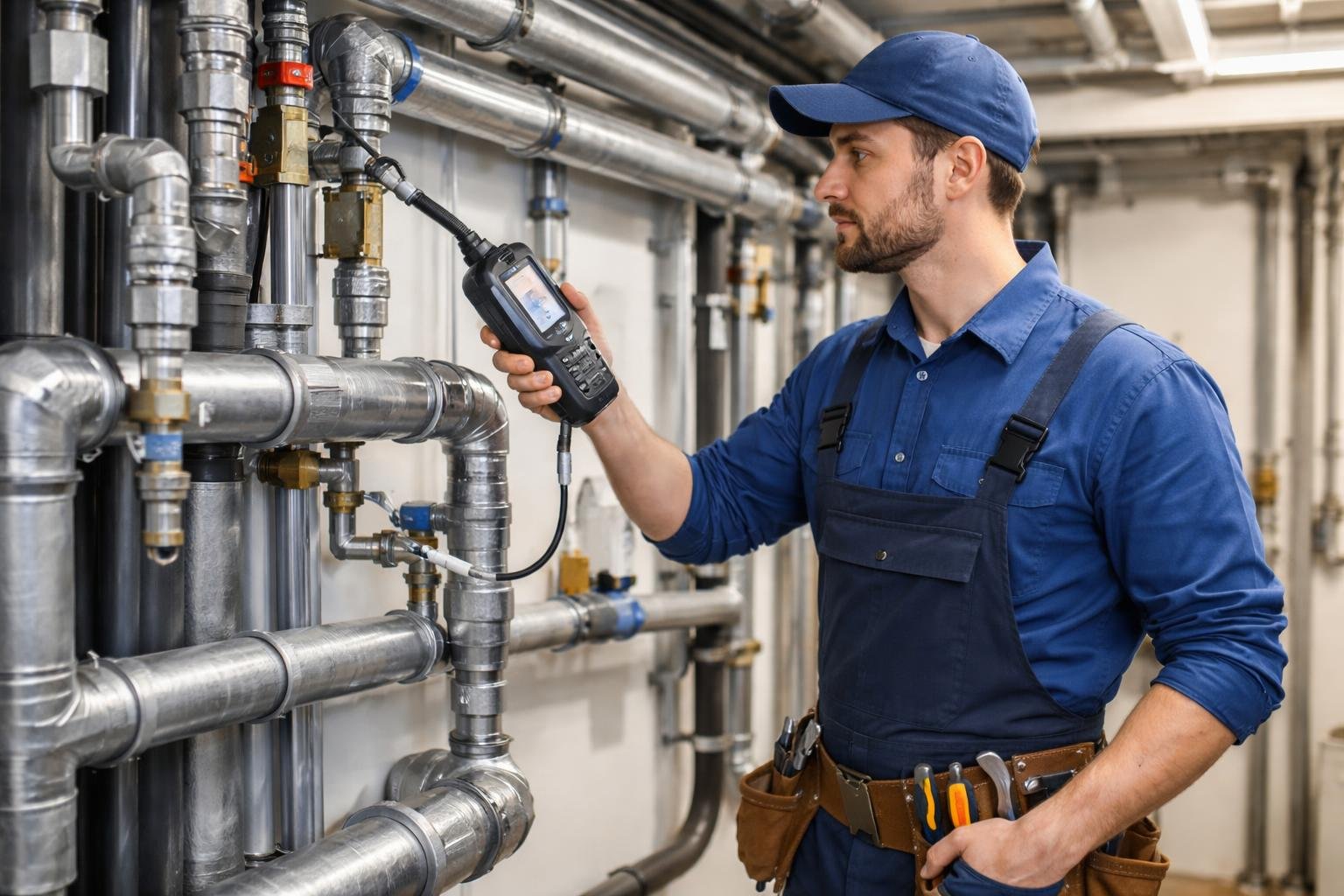
Plumbing Service Vehicle Tracking: How GPS Technology Improves Response Times and Customer Satisfaction
How to start saving money
Lorem ipsum dolor sit amet, consectetur adipiscing elit lobortis arcu enim urna adipiscing praesent velit viverra sit semper lorem eu cursus vel hendrerit elementum morbi curabitur etiam nibh justo, lorem aliquet donec sed sit mi dignissim at ante massa mattis.
- Neque sodales ut etiam sit amet nisl purus non tellus orci ac auctor
- Adipiscing elit ut aliquam purus sit amet viverra suspendisse potent
- Mauris commodo quis imperdiet massa tincidunt nunc pulvinar
- Excepteur sint occaecat cupidatat non proident sunt in culpa qui officia
Why it is important to start saving
Vitae congue eu consequat ac felis placerat vestibulum lectus mauris ultrices cursus sit amet dictum sit amet justo donec enim diam porttitor lacus luctus accumsan tortor posuere praesent tristique magna sit amet purus gravida quis blandit turpis.

How much money should I save?
At risus viverra adipiscing at in tellus integer feugiat nisl pretium fusce id velit ut tortor sagittis orci a scelerisque purus semper eget at lectus urna duis convallis. porta nibh venenatis cras sed felis eget neque laoreet suspendisse interdum consectetur libero id faucibus nisl donec pretium vulputate sapien nec sagittis aliquam nunc lobortis mattis aliquam faucibus purus in.
- Neque sodales ut etiam sit amet nisl purus non tellus orci ac auctor
- Adipiscing elit ut aliquam purus sit amet viverra suspendisse potenti
- Mauris commodo quis imperdiet massa tincidunt nunc pulvinar
- Adipiscing elit ut aliquam purus sit amet viverra suspendisse potenti
What percentege of my income should go to savings?
Nisi quis eleifend quam adipiscing vitae aliquet bibendum enim facilisis gravida neque. Velit euismod in pellentesque massa placerat volutpat lacus laoreet non curabitur gravida odio aenean sed adipiscing diam donec adipiscing tristique risus. amet est placerat in egestas erat imperdiet sed euismod nisi.
“Nisi quis eleifend quam adipiscing vitae aliquet bibendum enim facilisis gravida neque velit euismod in pellentesque”
Do you have any comments? Share them with us on social media
Eget lorem dolor sed viverra ipsum nunc aliquet bibendum felis donec et odio pellentesque diam volutpat commodo sed egestas aliquam sem fringilla ut morbi tincidunt augue interdum velit euismod eu tincidunt tortor aliquam nulla facilisi aenean sed adipiscing diam donec adipiscing ut lectus arcu bibendum at varius vel pharetra nibh venenatis cras sed felis eget.
Managing a plumbing service business means coordinating multiple technicians, vehicles, and emergency calls across different locations each day.
Without real-time visibility into fleet operations, businesses struggle with route optimization, slow response times, and unverified overtime claims.
Modern GPS tracking systems solve these problems by providing accurate location data and operational insights.
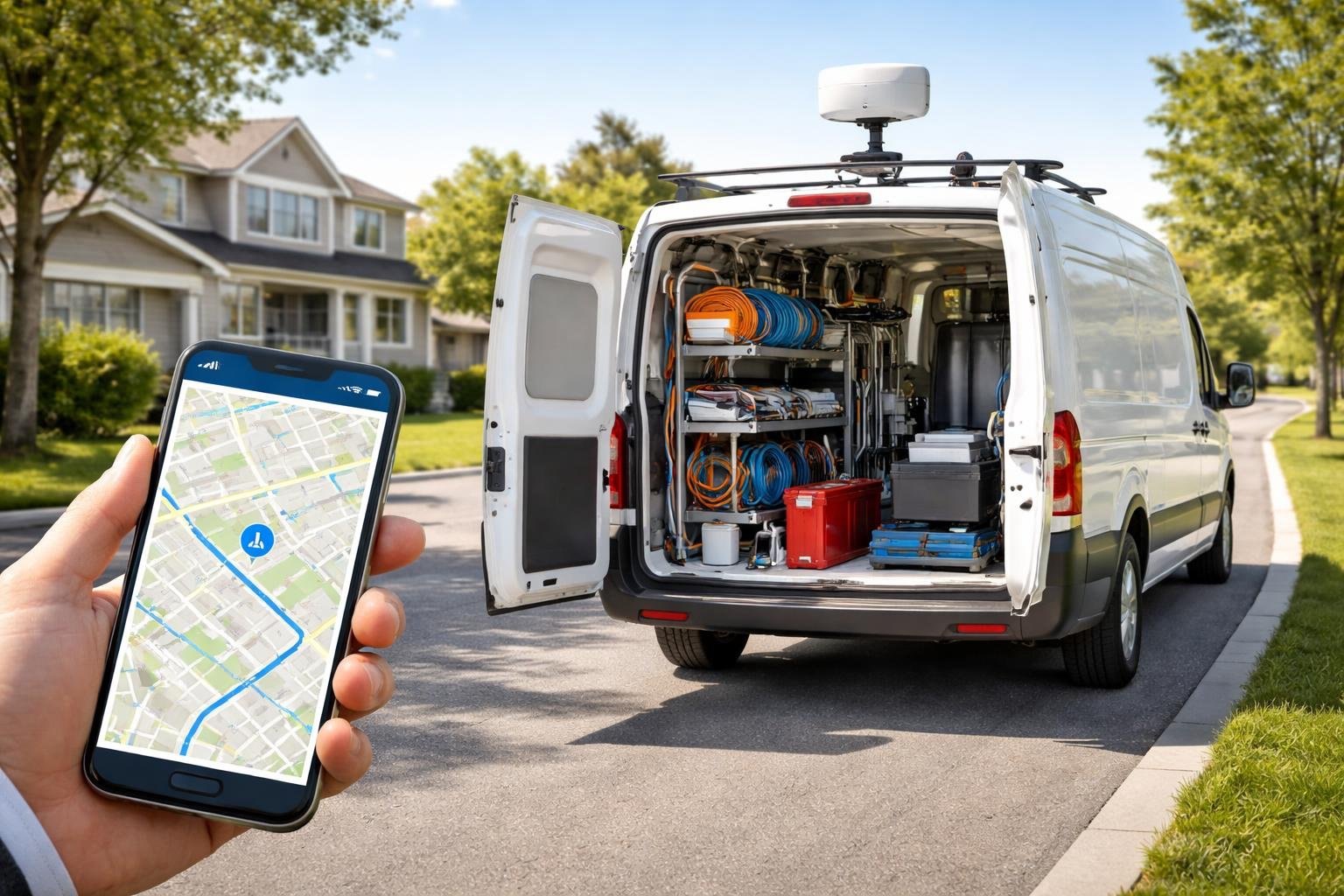
Plumbing service vehicle tracking uses GPS technology to monitor the real-time location, movement, and usage patterns of service vans and trucks. This allows business owners to optimize routes, verify work hours, and improve customer response times.
These systems match vehicle ignition data to employee timesheets, track fuel consumption, and give dispatch teams accurate arrival estimates for customers.
They also monitor equipment and tools to prevent theft and ensure assets return to the shop.
The use of vehicle tracking brings measurable improvements to plumbing operations.
Fleet managers gain visibility into driver behavior, maintenance needs, and routing issues.
This data-driven approach helps reduce costs while keeping response times fast for emergency calls.
The Importance of Vehicle Tracking for Plumbing Services
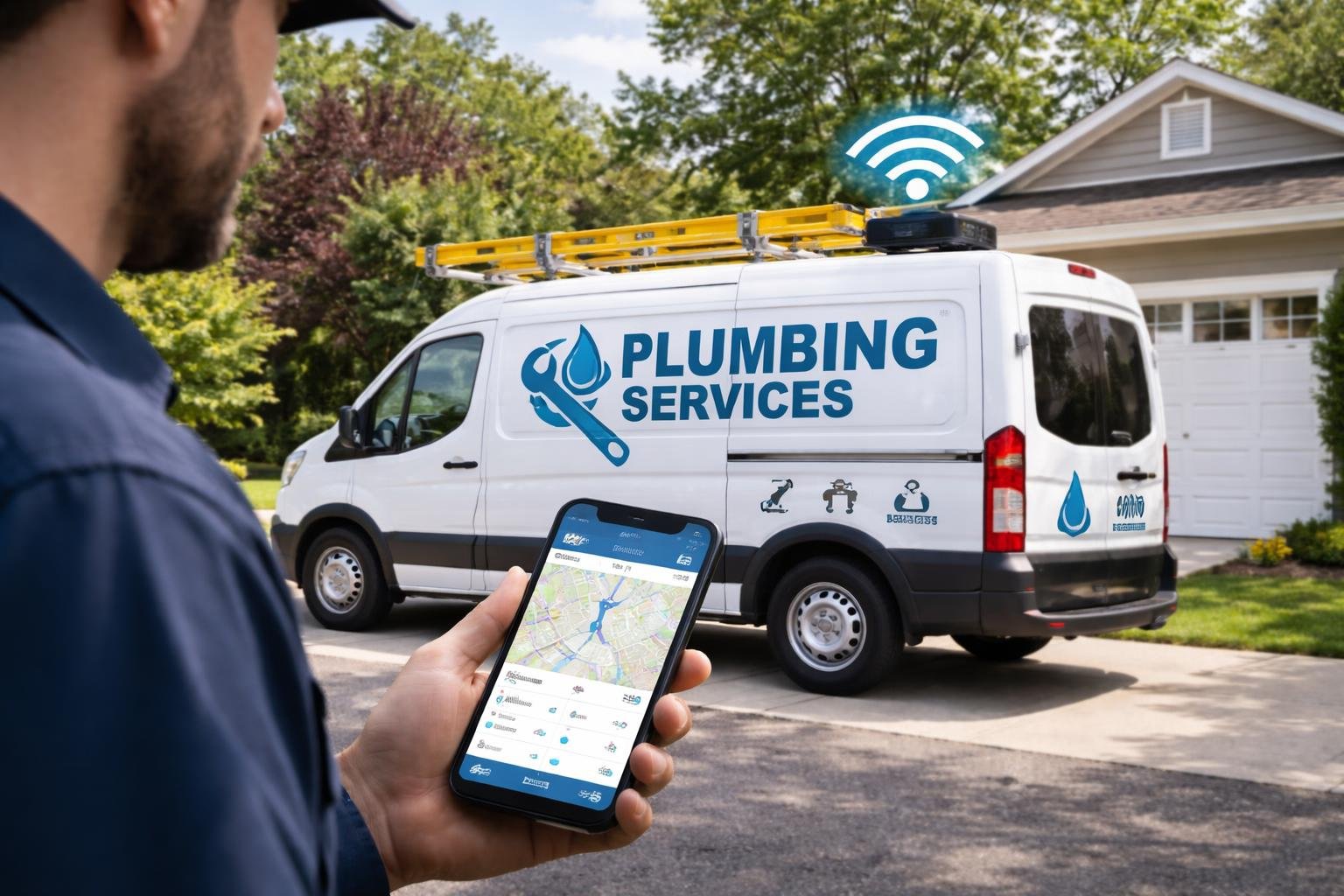
Vehicle tracking systems are now essential for plumbing companies managing several service trucks and technicians.
These technologies solve key operational challenges and help control costs.
Role of Fleet Tracking in Plumbing Operations
Fleet tracking gives plumbing companies a clear view of daily operations across their service area.
Dispatchers can find the nearest available technician for emergency calls, which reduces response times and improves customer satisfaction.
The system records when service vans start and stop, creating accurate logs of field activities.
Vehicle tracking manages take-home trucks by recording after-hours usage and unauthorized trips.
This protects company assets and cuts fuel waste from personal use.
Managers can verify technicians arrive on time and spend the right amount of time at each job site.
The technology tracks which tools and materials are assigned to each service truck.
This helps prevent losses from theft or misplaced equipment.
Benefits of Real-Time GPS Tracking
Real-time GPS tracking gives plumbing businesses immediate benefits:
- Faster dispatch to the closest technician
- Accurate arrival time estimates for waiting customers
- Route optimization to save fuel and reduce vehicle wear
- Timesheet verification by matching hours to actual vehicle data
GPS fleet tracking replaces the honor system for overtime claims with objective data.
Companies can check reported hours against vehicle activity to ensure payroll accuracy.
This process often saves thousands of dollars each year for fleets with ten or more vehicles.
The technology also improves customer communication.
Service coordinators can give specific arrival windows and send updates if technicians are delayed.
Impacts on Fleet Management
Fleet management becomes more efficient with vehicle tracking systems.
Maintenance schedules can be automated based on real mileage and engine hours.
This prevents breakdowns and keeps technicians on the road.
Plumbing service vans last longer when managers monitor driving habits like harsh braking, rapid acceleration, and idling.
Tracking data highlights drivers who need extra training and helps reduce accidents.
Fleet tracking software brings different management tasks into one platform.
Administrators can monitor vehicle locations, review driver performance, schedule preventive maintenance, and analyze fuel use from one dashboard.
This integration removes the need for multiple systems and lowers administrative work.
How Plumbing Service Vehicle Tracking Systems Work
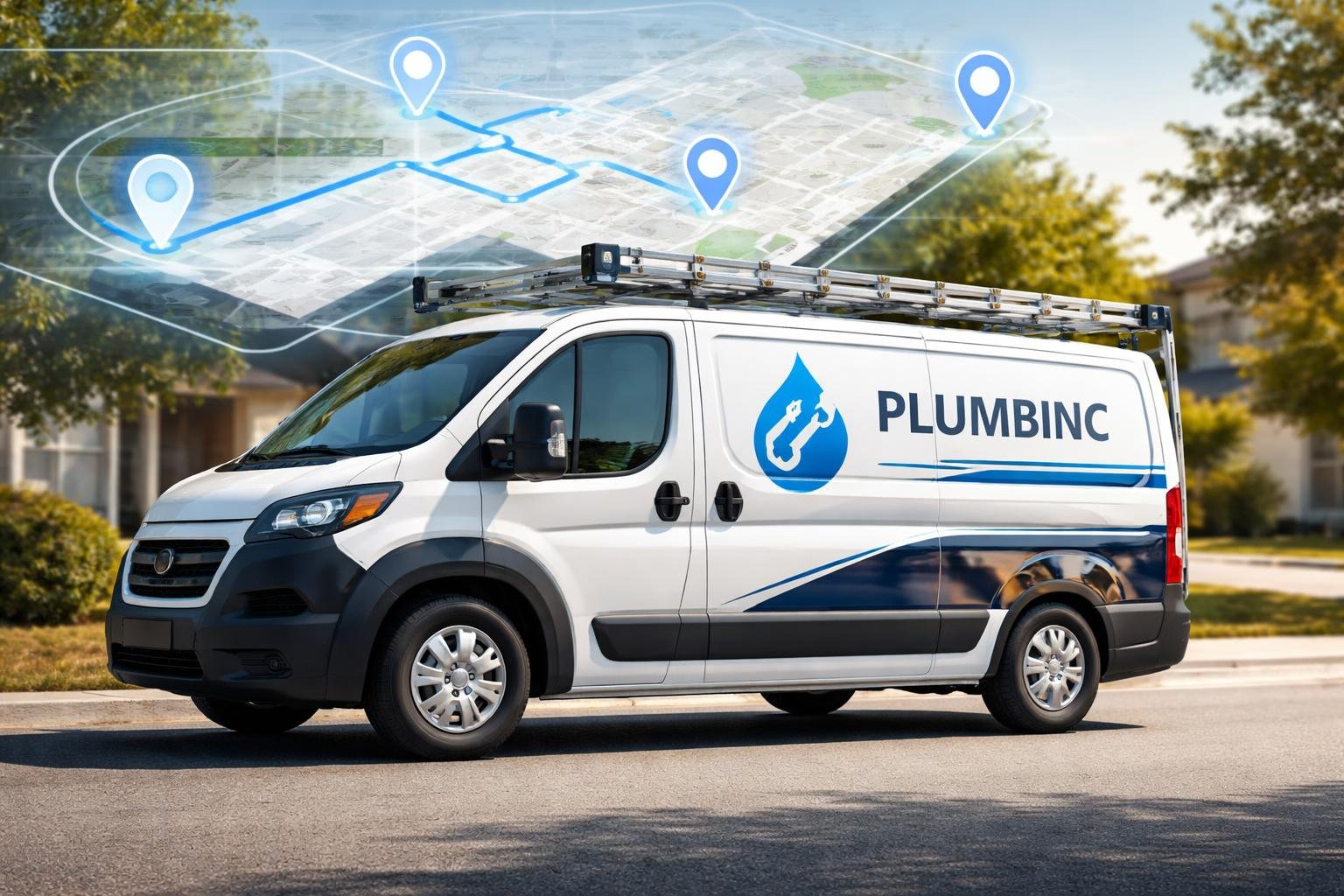
Plumbing service vehicle tracking systems use hardware devices and cloud-based software to monitor fleet locations, driver behavior, and operational efficiency.
The technology uses GPS satellites to pinpoint vehicle positions and send that data to central platforms.
Managers can then view routes, dispatch technicians, and analyze performance.
GPS Tracking Devices and Installation
GPS tracking devices for plumbing fleets are small hardware units that attach directly to service vehicles.
Most providers offer plug-and-play OBD-II port devices that are quick to install.
Hardwired options connect to the vehicle's electrical system for a permanent setup.
The devices collect location data from GPS satellites every few seconds and send it via cellular networks to cloud servers.
Professional installation usually costs $50-150 per vehicle, but OBD-II models allow for easy self-installation.
Modern trackers include sensors for ignition status, idle time, speed, and harsh driving events.
Live GPS Data and Route Visibility
GPS fleet tracking gives real-time visibility into where every plumbing van is during the workday.
Managers can see live maps with current vehicle locations, recent stops, and active routes.
This removes the need to call drivers for updates.
The system refreshes location data every 10-60 seconds, depending on the provider.
Dispatchers can quickly find the nearest technician for emergencies and give customers accurate arrival estimates.
Route visibility also includes historical trip data.
Fleet managers can review past routes, confirm service call attendance, and spot inefficient driving patterns.
Geofencing sends automatic alerts when vehicles enter or leave set service areas or unauthorized zones.
Fleet Management Platforms
Vehicle tracking data is displayed in fleet management platforms accessed through web browsers or mobile apps.
These systems combine GPS information with maintenance schedules, fuel costs, timesheets, and equipment lists.
The platforms offer several data views:
- Live map dashboards showing all vehicle positions
- Trip history reports with start times, routes, and stops
- Driver scorecards for speed and safe driving
- Maintenance alerts based on mileage or engine diagnostics
Most platforms create automated reports for billing, tax records, and performance analysis.
Managers can set custom alerts for speeding, after-hours use, or long idle times.
Integration with Existing Workflows
Plumbing service vehicle tracking systems can connect with other business software through APIs and direct integrations.
Many platforms sync with field service management tools, accounting programs, and customer management systems.
Integration allows data to move automatically between systems.
When a dispatcher assigns a service call, the GPS platform can track travel time and update the customer record with actual arrival data.
Employee timesheet systems benefit by matching clock-in times with vehicle ignition events.
This reduces disputes over work hours and cuts down on unverified overtime claims.
Some platforms work with fuel card programs to match GPS mileage with fuel purchases, helping spot card misuse or unreported stops.
Enhancing Efficiency and Customer Service
Vehicle tracking systems help plumbing companies respond faster to service calls and manage daily operations.
These systems provide real-time visibility that improves customer satisfaction and reduces costs.
Improving Response Times
GPS tracking lets plumbing companies quickly find the nearest technician for any service call.
Dispatchers can see the exact location of all field staff and assign jobs based on proximity.
The technology eliminates delays from manual check-ins or phone calls.
When a customer calls with an emergency, the system shows which technician can arrive fastest.
This is especially useful during busy periods with multiple urgent calls.
Route history data helps companies find patterns that slow responses.
Managers can see which routes take longer and adjust future assignments.
Optimizing Dispatch and Routing
Fleet tracking gives dispatchers tools to plan more efficient routes.
The system considers traffic, job locations, and technician schedules to cut drive time between appointments.
Dynamic routing updates automatically when new jobs arrive or appointments change.
Technicians get updated directions that reflect current conditions.
This saves fuel and allows more jobs per day.
Key routing benefits include:
- Reduced mileage between calls
- Lower fuel costs
- More jobs completed daily
- Less vehicle wear and maintenance
Providing Accurate ETAs
Customers want to know when a technician will arrive.
GPS tracking gives precise arrival estimates based on real-time location and traffic, not broad time windows.
The system updates ETAs as things change during the day.
If a job runs long, the software recalculates arrival times for other appointments.
Dispatchers can notify customers of any delays, keeping communication clear.
Accurate ETAs reduce wait times and help property owners plan their day.
This reliability builds trust and leads to repeat business.
Time-on-Job Verification
Tracking systems log when vehicles arrive at and leave job sites, creating an automatic time record for each call.
This verifies how long technicians spend at customer locations without manual timesheets.
The data helps companies bill accurately and spot efficiency trends.
Managers can compare time-on-job between similar calls to set benchmarks.
Unusual patterns, like very short or long visits, are easy to see and investigate.
This protects both the company and customers by providing clear records of service duration.
Driver Accountability and Performance Management
Vehicle tracking systems give plumbing companies detailed insights into how drivers use service vehicles.
These tools help managers spot unsafe behaviors, prevent misuse, and set performance standards using objective data.
Monitoring Driver Behavior
Fleet tracking software captures key driving metrics like speed, harsh braking, rapid acceleration, and idling.
Managers can use this data to spot risky habits or inefficient routes.
Reports show which drivers operate vehicles safely and who needs more coaching.
GPS tracking reveals when drivers go off assigned routes or make unauthorized stops.
This helps companies ensure technicians arrive as scheduled and follow efficient routes.
Many platforms send alerts when vehicles speed or enter restricted areas.
Driver behavior monitoring ensures technicians maintain professional standards on the road.
The data also supports fair performance reviews based on facts.
Reducing Unauthorized Vehicle Use
Vehicle tracking systems log all trips, including those outside business hours.
This helps companies spot employees using vehicles for personal errands or unauthorized reasons.
The technology timestamps engine starts, stops, and location changes for a full activity log.
Geofencing lets managers set virtual boundaries and get alerts when vehicles cross them.
Many companies set alerts for after-hours movement to catch unauthorized use quickly.
This oversight protects company assets and reduces insurance risks.
It also ensures vehicles are available for emergency calls, not tied up with personal use.
Promoting Safe Driving Habits
Tracking data helps companies create driver scorecards that measure performance against safety standards. Some fleet management platforms use gamification to reward technicians for safe driving records and meeting safety goals.
Regular feedback sessions help drivers see how their actions affect vehicle maintenance costs and company reputation. Managers can spot top performers and use their habits as training examples for others.
Incentive programs recognize drivers who consistently practice safe driving. This builds a culture of accountability and improves fleet performance.
Vehicle and Equipment Maintenance Schedules
Maintaining plumbing service vans requires scheduled checks and real-time monitoring to prevent breakdowns. Modern vehicle trackers send maintenance alerts and use diagnostic data to keep fleets running and compliant.
Preventive Maintenance Alerts
Fleet management systems automate maintenance reminders based on mileage, engine hours, or dates. These alerts tell managers when oil changes, brake checks, tire rotations, or filter replacements are due.
Vehicle trackers watch key metrics like odometer readings and engine hours to trigger maintenance events. Managers can set alerts for different service types, such as routine oil changes or annual inspections.
The system sends notifications by email, SMS, or dashboard alerts before services are due. Time-based reminders also help with seasonal maintenance tasks.
Plumbing vans benefit from schedules that track coolant flushes, transmission services, and safety equipment checks. Digital platforms keep complete service histories, showing when each vehicle was serviced and when the next service is due.
Tracking Vehicle Health and Diagnostics
Modern trackers collect real-time diagnostic data from engines and sensors. They monitor battery voltage, engine temperature, fault codes, and fuel use to spot issues early.
Diagnostic alerts notify managers when check engine lights turn on or abnormal readings appear. Early detection helps technicians fix problems during scheduled downtime.
Vehicle health data helps managers decide when to repair or replace vans. Tracking fuel efficiency, repair frequency, and total costs shows when a vehicle has reached the end of its useful life.
Managing Maintenance Schedules
Centralized maintenance platforms store all service activities, work orders, and parts inventory in one place. Managers schedule services, assign tasks, and track completion for every vehicle.
Key maintenance management features include:
- Work order creation and assignment
- Parts inventory tracking and ordering
- Service cost analytics by vehicle
- Maintenance history documentation
- Technician scheduling and capacity planning
Digital systems let managers create maintenance schedules based on manufacturer guidelines and regulations. Custom intervals fit different vehicle types and usage patterns in plumbing operations.
The platform stores documents like inspection reports, warranty details, and repair receipts for audits and resale value.
Optimizing Costs and Operations in Plumbing Fleets
Fleet management systems help reduce costs through fuel monitoring, asset protection, and smart hardware investments. These tools help plumbing businesses control expenses while keeping service quality high.
Fuel Usage and Idling Reduction
GPS tracking gives detailed insights into fuel use for plumbing vehicles. Real-time monitoring spots excessive idling, which wastes fuel.
Fleet management platforms flag vehicles that idle too long. Managers can review routes to find inefficient driving like harsh acceleration, speeding, or detours.
The data supports targeted driver coaching based on real incidents. Many companies see fuel cost reductions of 15-25% in the first year of using GPS fleet management.
Automated alerts notify supervisors when vehicles leave optimal routes or waste fuel. This feedback helps technicians develop better driving habits while maintaining service levels.
Minimizing Equipment Loss and Downtime
Asset tracking helps prevent theft or loss of plumbing equipment and vehicles. GPS systems send alerts if vehicles move outside approved areas after hours.
Automated maintenance scheduling reduces unexpected breakdowns. Fleet management software tracks mileage and engine hours to trigger preventive maintenance.
Linking equipment inventories to vehicles saves time searching for tools at job sites. Technicians know which van has the needed equipment before leaving.
Real-time vehicle location helps dispatchers reassign jobs quickly if a vehicle breaks down. This keeps customer commitments even when a van is out of service.
Utilizing Free Hardware Programs
Many fleet management providers offer free hardware programs. These programs eliminate upfront equipment costs.
They typically bundle GPS devices with monthly service subscriptions. This removes the capital expense barrier for small and medium-sized plumbing operations.
The subscription model includes hardware replacement if devices fail or become outdated. This protects businesses from technology obsolescence and unexpected repair costs.
Free hardware programs often include installation services. This ensures proper setup without requiring technical expertise from plumbing staff.
Providers handle device configuration and vehicle integration. These services are part of the package.
Some programs allow businesses to scale their fleet management gradually. Companies can start with a few vehicles and add more as needed, matching growth to cash flow.