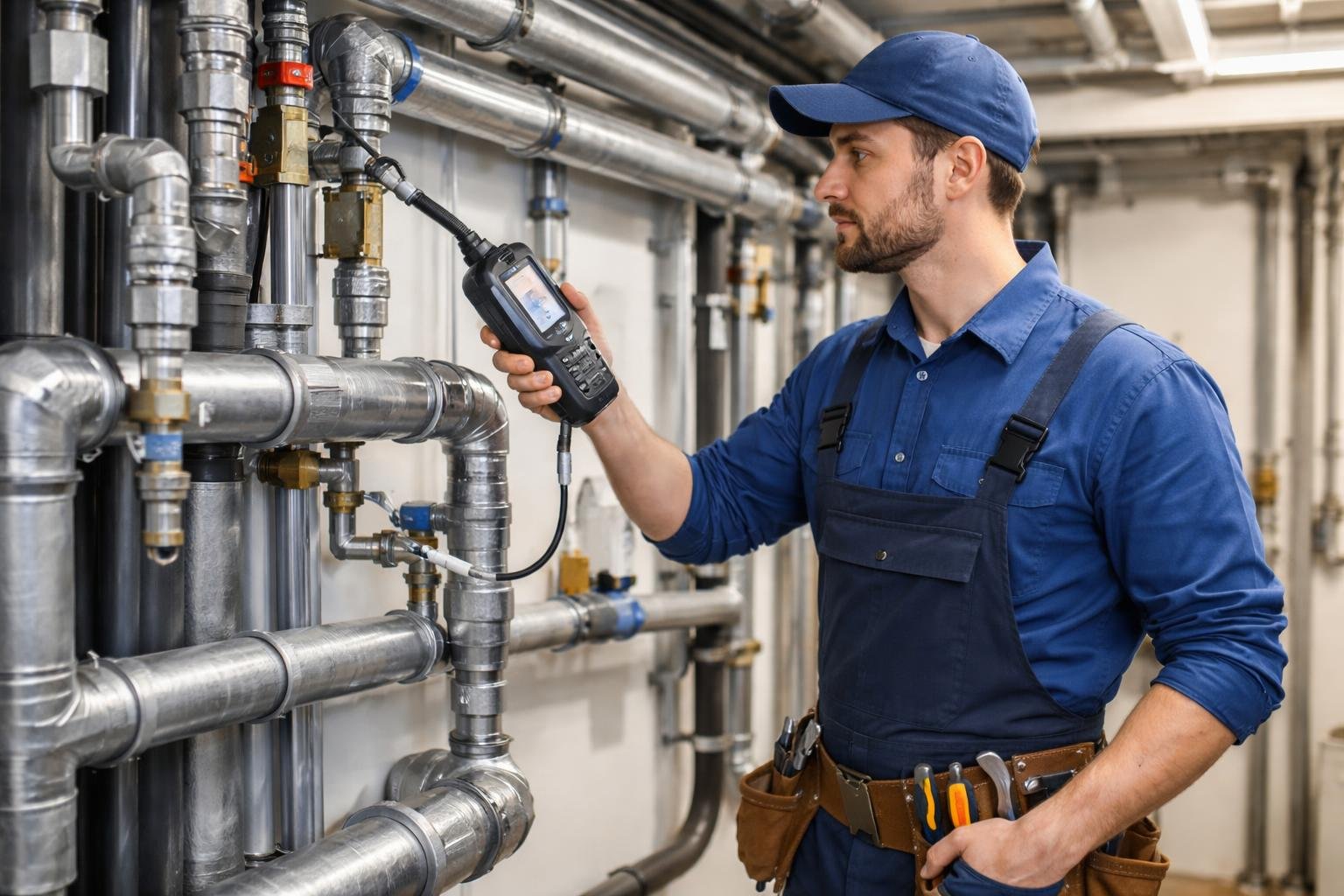
HVAC Fleet Management: Essential Strategies for Optimizing Service Vehicle Operations
How to start saving money
Lorem ipsum dolor sit amet, consectetur adipiscing elit lobortis arcu enim urna adipiscing praesent velit viverra sit semper lorem eu cursus vel hendrerit elementum morbi curabitur etiam nibh justo, lorem aliquet donec sed sit mi dignissim at ante massa mattis.
- Neque sodales ut etiam sit amet nisl purus non tellus orci ac auctor
- Adipiscing elit ut aliquam purus sit amet viverra suspendisse potent
- Mauris commodo quis imperdiet massa tincidunt nunc pulvinar
- Excepteur sint occaecat cupidatat non proident sunt in culpa qui officia
Why it is important to start saving
Vitae congue eu consequat ac felis placerat vestibulum lectus mauris ultrices cursus sit amet dictum sit amet justo donec enim diam porttitor lacus luctus accumsan tortor posuere praesent tristique magna sit amet purus gravida quis blandit turpis.

How much money should I save?
At risus viverra adipiscing at in tellus integer feugiat nisl pretium fusce id velit ut tortor sagittis orci a scelerisque purus semper eget at lectus urna duis convallis. porta nibh venenatis cras sed felis eget neque laoreet suspendisse interdum consectetur libero id faucibus nisl donec pretium vulputate sapien nec sagittis aliquam nunc lobortis mattis aliquam faucibus purus in.
- Neque sodales ut etiam sit amet nisl purus non tellus orci ac auctor
- Adipiscing elit ut aliquam purus sit amet viverra suspendisse potenti
- Mauris commodo quis imperdiet massa tincidunt nunc pulvinar
- Adipiscing elit ut aliquam purus sit amet viverra suspendisse potenti
What percentege of my income should go to savings?
Nisi quis eleifend quam adipiscing vitae aliquet bibendum enim facilisis gravida neque. Velit euismod in pellentesque massa placerat volutpat lacus laoreet non curabitur gravida odio aenean sed adipiscing diam donec adipiscing tristique risus. amet est placerat in egestas erat imperdiet sed euismod nisi.
“Nisi quis eleifend quam adipiscing vitae aliquet bibendum enim facilisis gravida neque velit euismod in pellentesque”
Do you have any comments? Share them with us on social media
Eget lorem dolor sed viverra ipsum nunc aliquet bibendum felis donec et odio pellentesque diam volutpat commodo sed egestas aliquam sem fringilla ut morbi tincidunt augue interdum velit euismod eu tincidunt tortor aliquam nulla facilisi aenean sed adipiscing diam donec adipiscing ut lectus arcu bibendum at varius vel pharetra nibh venenatis cras sed felis eget.
Running an HVAC business involves coordinating technicians, service calls, and equipment across different locations every day. When service vehicles break down or maintenance falls behind, it impacts revenue and customer satisfaction.
HVAC fleet management is the process of tracking, maintaining, and optimizing service vehicles and mobile operations. This approach reduces costs, improves response times, and helps complete more service calls.

Effective fleet management is more than knowing where vehicles are. It includes dispatching, real-time tracking, preventive maintenance scheduling, fuel monitoring, and driver accountability.
For HVAC contractors, these elements can mean the difference between growth and operational problems. Modern fleet management solutions use GPS tracking, maintenance software, and data analytics.
These tools give HVAC companies visibility into their mobile operations. The right approach helps businesses complete more service calls, reduce downtime, control fuel expenses, and provide accurate arrival times.
What Is HVAC Fleet Management?

HVAC fleet management is the oversight of service vehicles, equipment, and personnel used by heating, ventilation, and air conditioning companies. This approach coordinates vehicle tracking, technician dispatching, maintenance scheduling, and resource allocation.
The goal is to maximize productivity while controlling costs.
Key Objectives for HVAC Fleets
The main goal is to ensure technicians arrive at customer sites on time with working vehicles and needed equipment. Fleet managers track vehicle locations, dispatch technicians based on proximity, and monitor routes to reduce travel time and fuel use.
Maintenance optimization is also important. HVAC companies schedule preventive maintenance, track repair histories, and manage parts inventory to avoid unexpected breakdowns.
Cost control involves monitoring fuel expenses, reducing idle time, and extending vehicle lifespan. Fleet managers also check job-site arrivals, track productivity, and ensure compliance with safety regulations.
How HVAC Fleet Management Differs from Other Industries
HVAC fleets carry specialized equipment such as refrigerant tanks, gauges, and replacement parts. These require specific vehicle setups and storage solutions.
Service vans need customized shelving, tool organization, and sometimes climate-controlled compartments. This is different from standard delivery or construction vehicles.
Emergency service is a key part of HVAC operations. Companies need 24/7 availability for urgent heating or cooling issues, which requires dynamic dispatching and backup vehicles.
Job durations vary widely. Some jobs take 30 minutes, while others last days. This makes route planning and scheduling more complex than in industries with predictable service times.
HVAC technicians also need vehicles stocked with parts for many equipment brands, creating unique inventory management challenges.
Key Components of Effective HVAC Fleet Management
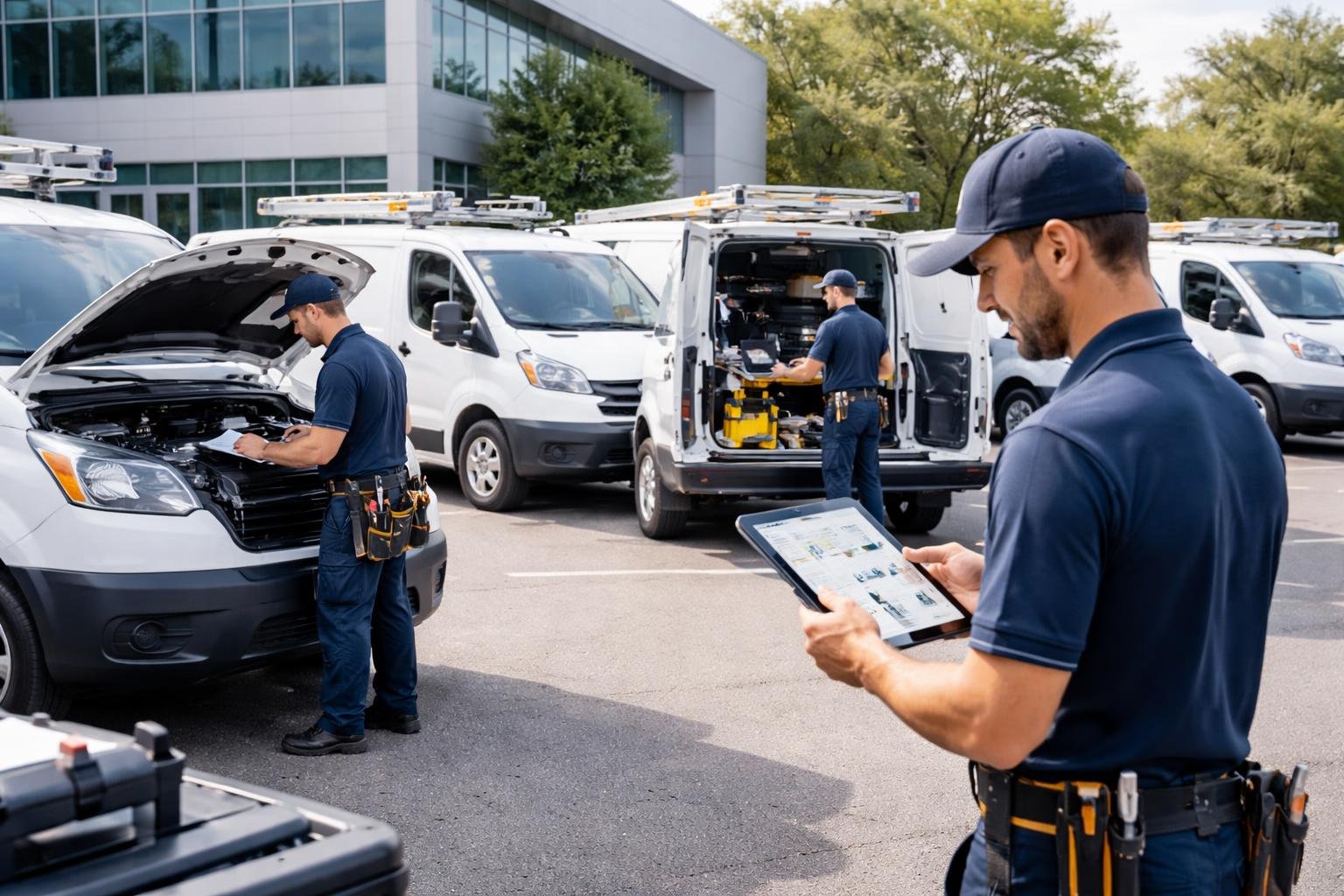
HVAC fleet management relies on three main pillars: real-time tracking systems, proactive maintenance programs, and strategic asset use. These components help reduce downtime, control costs, and ensure technicians arrive prepared and on time.
Fleet Tracking Fundamentals
Fleet tracking systems show real-time vehicle locations, driver behavior, and route efficiency. GPS-enabled platforms let dispatchers assign jobs based on actual locations, reducing response times and fuel use.
Tracking systems collect data on idle time, braking, acceleration, and unauthorized use. This helps identify inefficient routes, fuel waste, and safety concerns.
Many systems connect with dispatch software to verify job-site arrivals and departures. Data from tracking also supports clear customer communication.
Service managers can give accurate arrival windows and notify customers of delays. This improves satisfaction and reduces missed appointments.
Fleet Maintenance and Scheduling
Preventive maintenance keeps vehicles running and reduces emergency repairs. Maintenance programs track service intervals by mileage, engine hours, or dates for oil changes, tire rotations, and inspections.
Digital systems send alerts when vehicles need service. This stops minor issues from becoming major problems.
Consistent maintenance extends vehicle life and maintains value.
Key maintenance tracking elements include:
- Service history logs
- Parts inventory management
- Vendor and warranty information
- Inspection compliance documentation
- Fuel efficiency monitoring
Fleet Vehicle Utilization and Asset Tracking
Asset tracking monitors not just vehicle locations but also tools, equipment, and inventory in service vans. HVAC technicians carry expensive tools and parts that need to be tracked and allocated correctly.
Utilization metrics show which vehicles are underused or overused. Companies can adjust fleet size by identifying vehicles with low mileage or high idle time.
Inventory tracking in vehicles ensures technicians have the right parts and tools. Barcode or RFID systems help monitor equipment, reduce duplicate purchases, and prevent delays.
Advanced Technology for HVAC Fleet Operations
Modern technology helps HVAC companies monitor vehicles, dispatch technicians, and maintain control. These tools provide visibility into fleet activities and automate many tasks.
Telematics and Fleet Management Software
Telematics systems collect data from vehicles using onboard devices. They monitor engine diagnostics, fuel use, driver behavior, and vehicle health.
This data goes to fleet management software, where managers can view all metrics from one dashboard. The software keeps maintenance records, work orders, fuel expenses, and inventory data in one place.
Reports from the software show cost patterns, inefficient routes, and maintenance needs. Companies use these platforms to schedule maintenance, track inventory, and keep vehicles ready for jobs.
Key capabilities include:
- Automated maintenance scheduling
- Fuel tracking and analysis
- Driver behavior monitoring
- Work order management
- Inventory tracking for parts and equipment
GPS Tracking Solutions
GPS tracking lets HVAC businesses monitor vehicle locations throughout the day. These systems show where each van is, how long jobs take, and which routes technicians use.
Real-time GPS helps dispatchers send the nearest technician to emergency calls. Managers can check arrival times and reduce unauthorized use.
Tracking systems also provide route history, revealing inefficient travel and idle time. Integration with customer management platforms gives accurate arrival estimates and reduces missed appointments.
Real-Time Location and Alerts
Real-time tracking displays current vehicle positions on digital maps. Dispatchers can see which technicians are in transit, on-site, or returning to the shop.
Tracking solutions send real-time alerts for speeding, harsh braking, unauthorized vehicle use, and extended idling. Managers can also get alerts for maintenance due dates, low fuel, or engine issues.
Immediate alerts allow quick responses to problems. For example, a harsh driving alert lets managers address safety concerns right away.
Improving HVAC Fleet Efficiency
Maximizing fleet efficiency requires smart routing and vehicle maintenance. These strategies impact fuel use, productivity, and service times.
Route Optimization and Dispatching
Route optimization technology helps HVAC companies cut fuel costs by 15-25% through better trip planning. Dispatch systems analyze traffic, service windows, and technician locations to create efficient routes.
Real-time visibility lets dispatchers adjust assignments when emergencies arise or appointments change. The closest technician can reach each job site quickly.
Modern software calculates accurate ETAs using current traffic and job history. Fleet managers can track miles per service call and time spent driving versus working.
GPS-enabled dispatching highlights inefficient routing, so improvements can be made. This leads to more jobs completed per day without expanding the fleet.
Reducing Downtime and Maintenance Costs
Preventive maintenance scheduling reduces downtime by catching issues early. Fleet systems track mileage, engine hours, and service intervals to automate reminders for maintenance tasks.
Regular maintenance extends vehicle life and prevents costly repairs. Telematics data shows driving behaviors like hard braking or fast acceleration that wear out parts.
Addressing these habits can cut maintenance costs by 20-30% each year. Real-time diagnostics alert managers to engine problems immediately, allowing quick vehicle swaps.
Standardized vehicle setups also make repairs easier, as mechanics are familiar with the fleet.
Fuel Management and Cost Control
Fuel is one of the biggest expenses in HVAC fleet operations. Managing fuel use and costs is key for profitability.
Effective fuel management uses technology and operational strategies. These include monitoring driver behavior, vehicle maintenance, and smart route planning.
Fuel Efficiency Strategies
HVAC fleet managers can use several strategies to improve fuel efficiency. Regular maintenance, like keeping tires inflated and engines in good condition, can improve fuel economy by 10-15%.
Route optimization software reduces extra mileage by grouping service calls and cutting backtracking. Driver training on reducing idle time and smooth driving also helps lower fuel use.
Key efficiency measures include:
- Using telematics to monitor driving patterns
- Setting anti-idling policies
- Scheduling regular preventive maintenance
- Matching vehicle size to job needs
- Using GPS tracking to assign the nearest technician
Standardizing fleet vehicles allows bulk purchasing of fuel-efficient models and easier maintenance. Many HVAC companies see 15-20% fuel savings after starting efficiency programs.
Monitoring and Reducing Fuel Costs
Tracking fuel consumption at the vehicle and driver level provides key data to identify problems. It also helps measure improvement.
Fleet management software combines fuel card data with GPS tracking. This integration reveals discrepancies, unauthorized purchases, and inefficient routes.
Commercial fleet fuel cards offer controls to prevent unauthorized fuel types or after-hours purchases. These cards generate detailed reports showing cost per mile, gallons consumed per vehicle, and spending trends.
Setting fuel consumption benchmarks helps managers find vehicles that underperform due to mechanical issues or driver habits. Automated alerts notify managers when fuel usage exceeds set thresholds, allowing quick corrective action.
Accountability, Safety, and Compliance
Fleet managers need systems that monitor driver behavior and track technician activities. These tools help reduce accidents, maintain compliance, and provide evidence when incidents happen.
Driver Behavior Monitoring
Modern fleet management platforms track driving behaviors that impact safety and vehicle wear. Systems monitor hard braking, rapid acceleration, speeding, and harsh cornering in real time.
Driver behavior reports generate scores based on these metrics. Managers can identify high-risk patterns and address them directly.
HVAC companies use these reports to implement coaching programs for specific behaviors. GPS tracking systems record speed violations and route deviations automatically.
Many platforms integrate dash cams that capture video footage of incidents and normal driving. This documentation protects companies from false insurance claims and provides context for accident investigations.
The combination of video evidence and telematics data creates a complete record of fleet operations. Businesses often set up driver reward programs based on safety scores.
Technicians who maintain high scores receive incentives. This encourages safer habits across the fleet.
Technician Accountability
Fleet management software tracks technician arrival times at job sites and how long they stay. It also monitors if they follow assigned routes.
This fleet visibility removes questions about time reporting and service call duration. Digital inspection checklists ensure technicians complete required vehicle checks before starting routes.
These records show compliance with DOT requirements and internal safety protocols. The system flags missed inspections and sends alerts to supervisors.
Tool inventory tracking prevents equipment loss and ensures technicians have necessary supplies. Some platforms use barcode scanning or RFID technology to log which items are loaded into each vehicle.
This technician accountability extends beyond driving to include asset management and service quality.
Geofencing and Security
Geofences create virtual boundaries around service areas, customer sites, and company facilities. Fleet managers receive instant alerts when vehicles enter or exit designated zones.
This helps verify job site visits and detect unauthorized vehicle use. Geofencing also improves security by notifying managers of after-hours vehicle movements.
If a service van leaves the yard outside business hours, the system triggers an alert for immediate response. These boundaries can be customized by time of day or day of week.
Companies use geofences to automate timesheet entries and job costing. When a vehicle enters a customer's geofence, the system logs arrival time and associates labor hours with the correct work order.